What Local Conditions Do
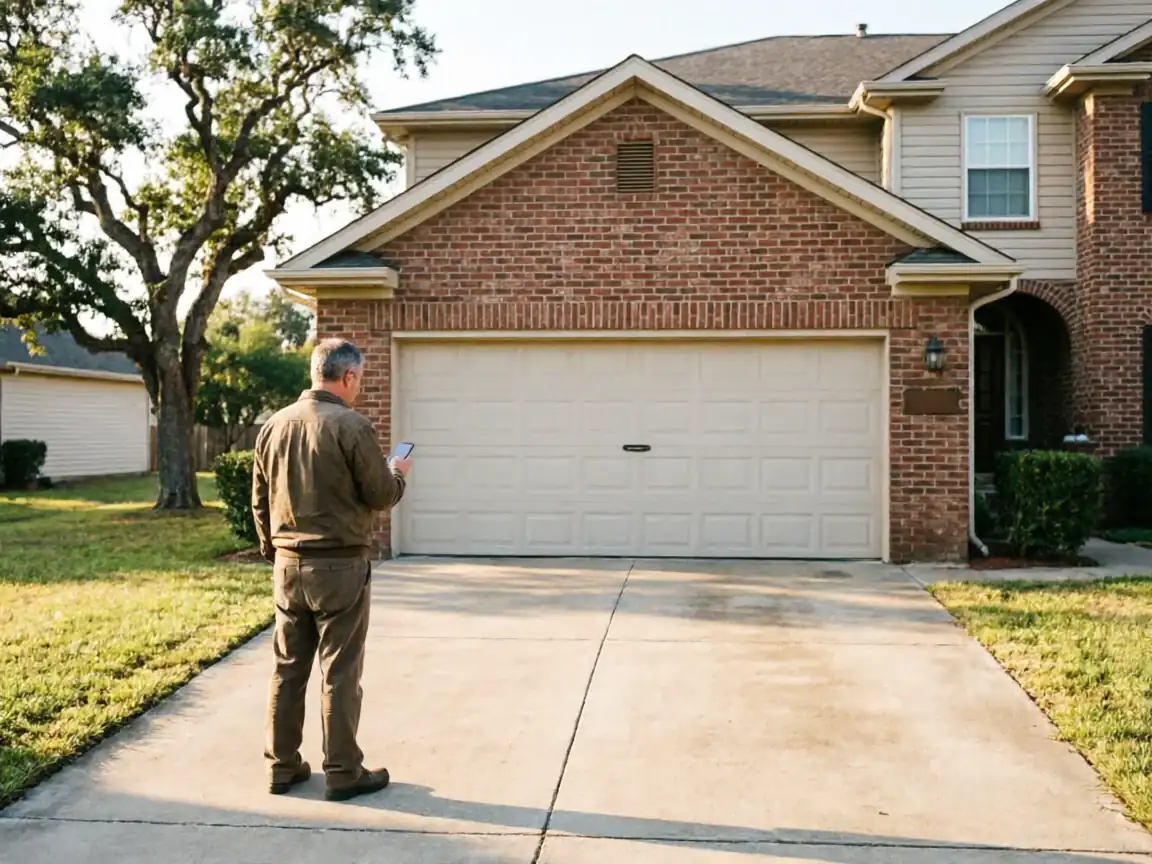
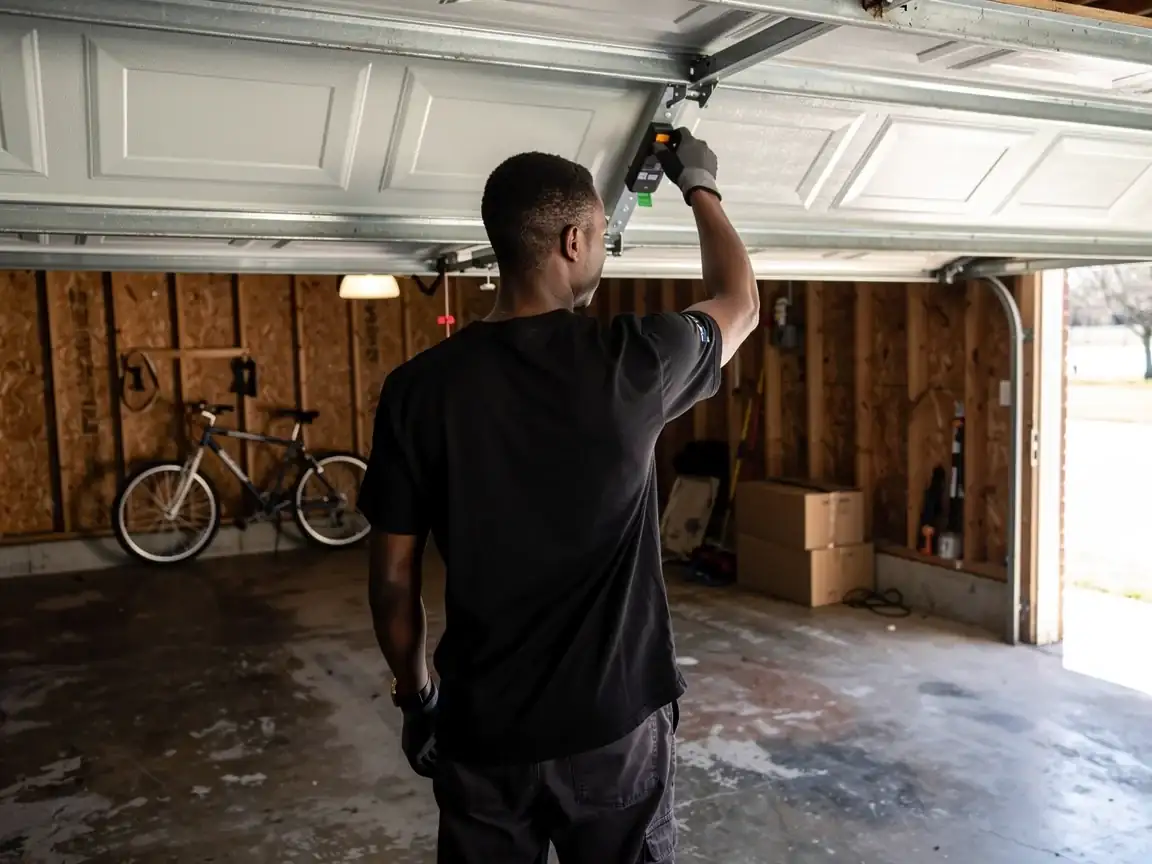
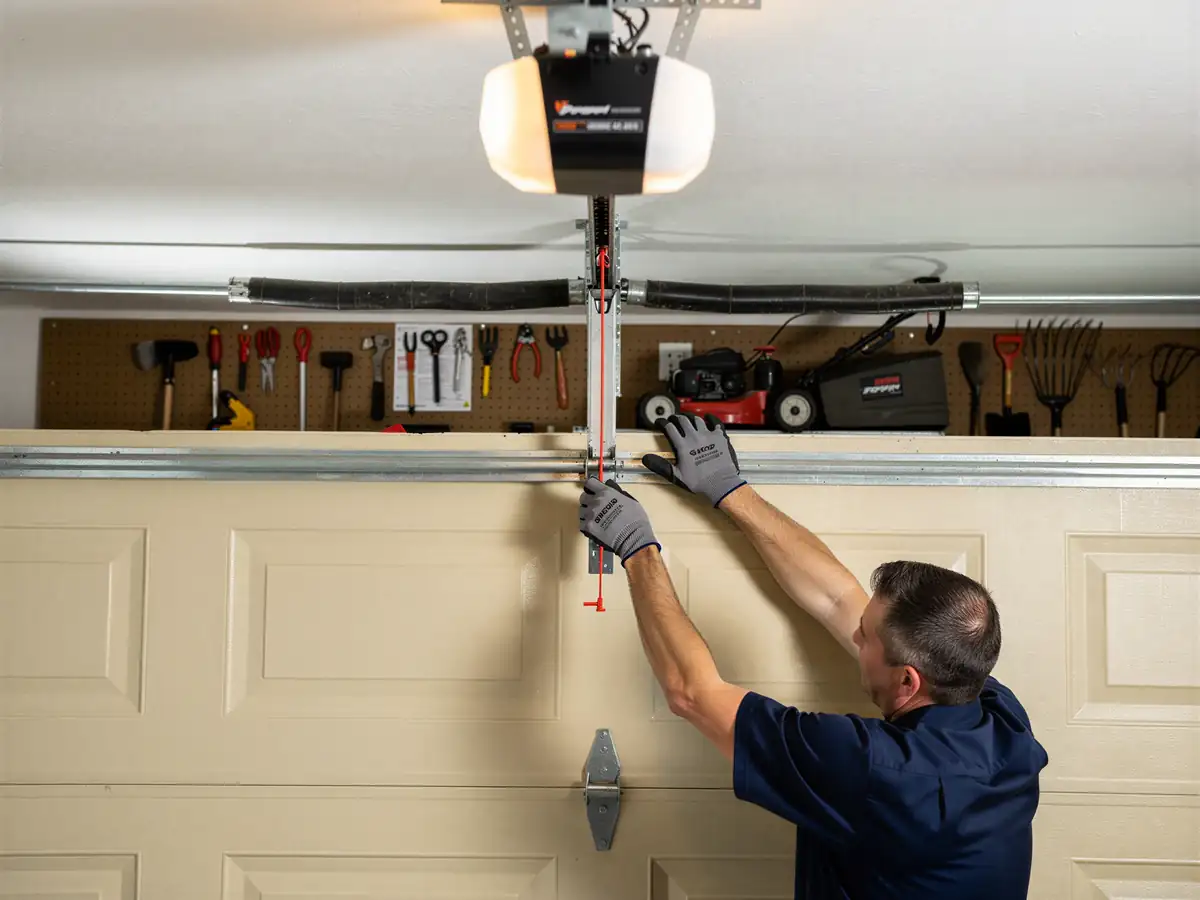
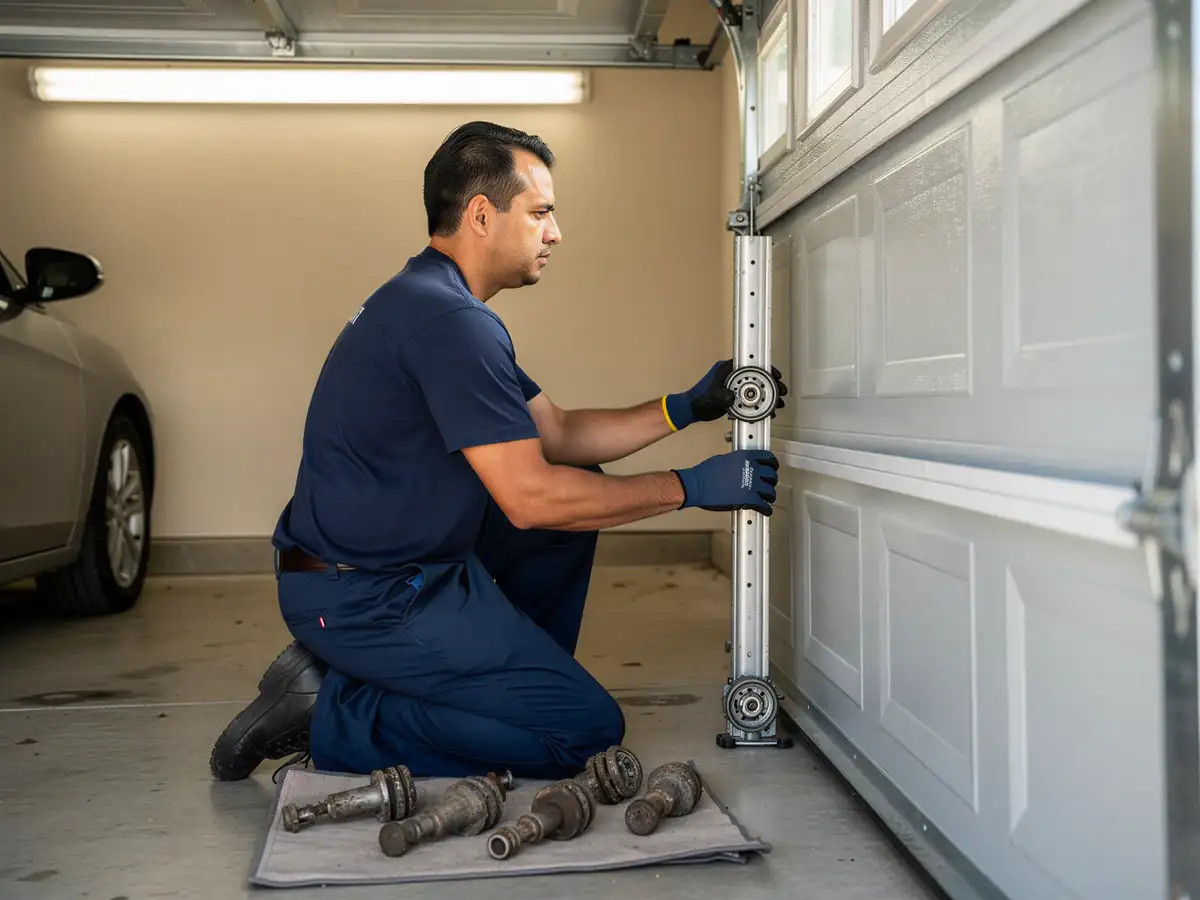
Most of the houses we work on in and around Monroe went up between 1975 and 2005, with the median build year landing right around 1985. That matters more than people think, because a door that's original to a house from the early 1980s is running on hardware nobody carries off the shelf anymore -- torsion springs sized for an older drum, steel sectional panels with low-head track clearance, openers that predate rolling-code safety circuits. When one of those finally gives out, it's not a five-minute swap.
Across the areas we cover, most of what's on the ground dates to the 1980s and 90s build wave, which means we can usually guess the spring size and drum width before we even get out of the truck, just from knowing when that subdivision went up. It also means a lot of openers installed in that same window are reaching the end of their working life at roughly the same time, which is why we sometimes get three calls off the same street in a single month -- not because anything unusual happened to the houses, just because the parts all aged out together. Newer construction in the area, where it exists, tends to run different spring counts and different headroom, so the fix on a house built in 2004 looks nothing like the fix on one built in 1987 two doors down.
The Seasonal Bit
Monroe sits in a mild climate band with occasional freeze
Not the hard freeze-thaw cycle that chews through hardware further north. That changes what actually breaks and when. Springs here don't usually snap from repeated winter contraction the way they do in colder states -- they wear out from age and cycle count, same as anywhere, but the failure doesn't cluster hard around a cold snap.
What we do see is humidity doing slow work on anything exposed
Cables and hinges on doors facing west or south corrode a little faster than you'd expect for a mild-winter area, because the swing between hot, damp summer air and the occasional overnight freeze keeps metal expanding and contracting more than people assume. Lubricant that would last a couple of years in a dry climate gums up faster here.
The honest version
There's no single storm season that drives our call volume the way there is in a place with a real winter. It's steadier and slower, tied more to how many times a door has opened and closed than to any one weather event. If you're expecting us to tell you to brace for a hard freeze every January, we can't -- that's not what the climate band for this area shows, and we're not going to invent a weather story to make the page sound more dramatic.
What Is Going On
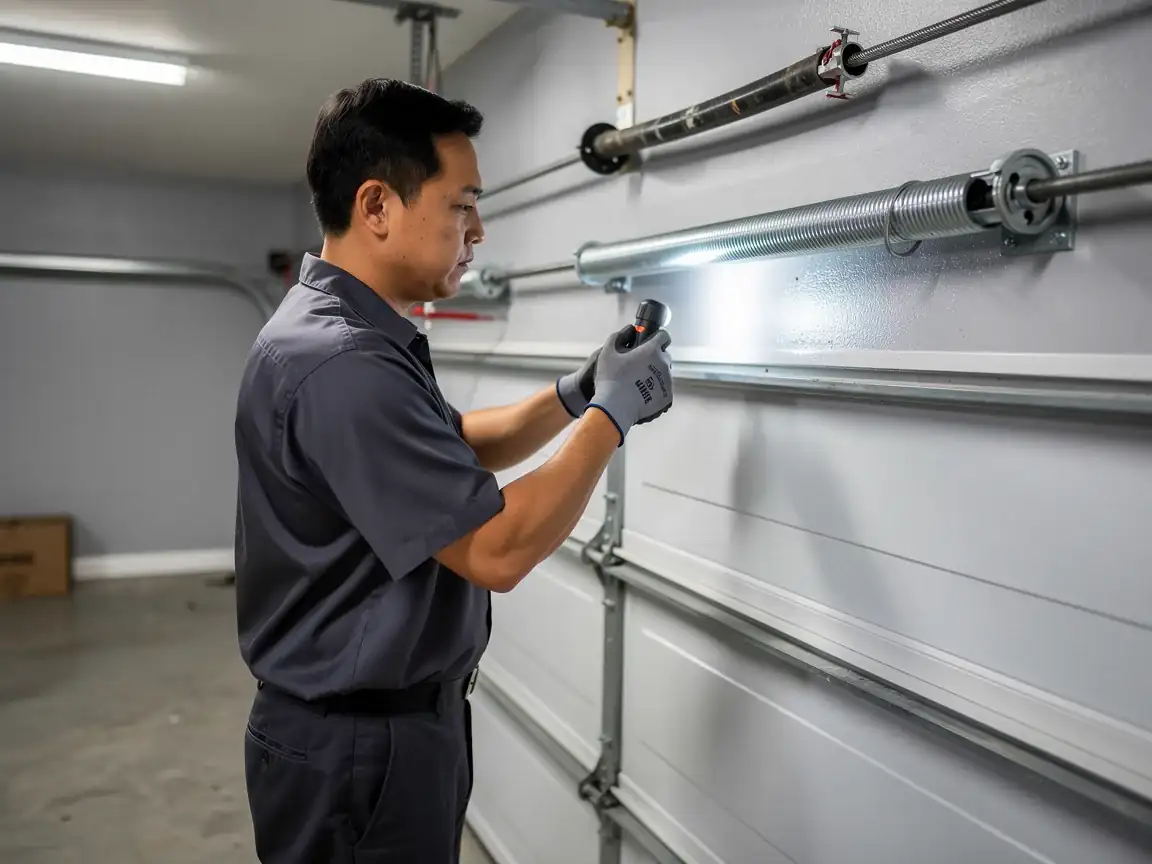
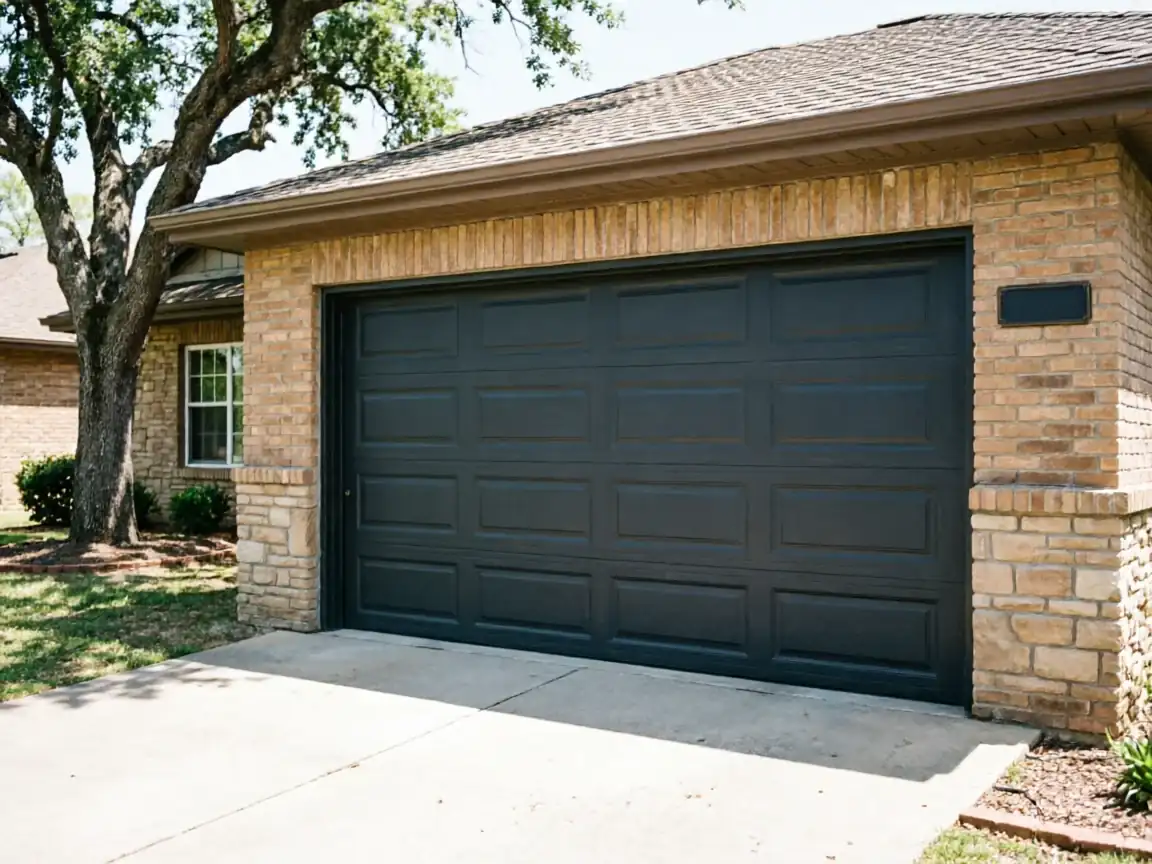
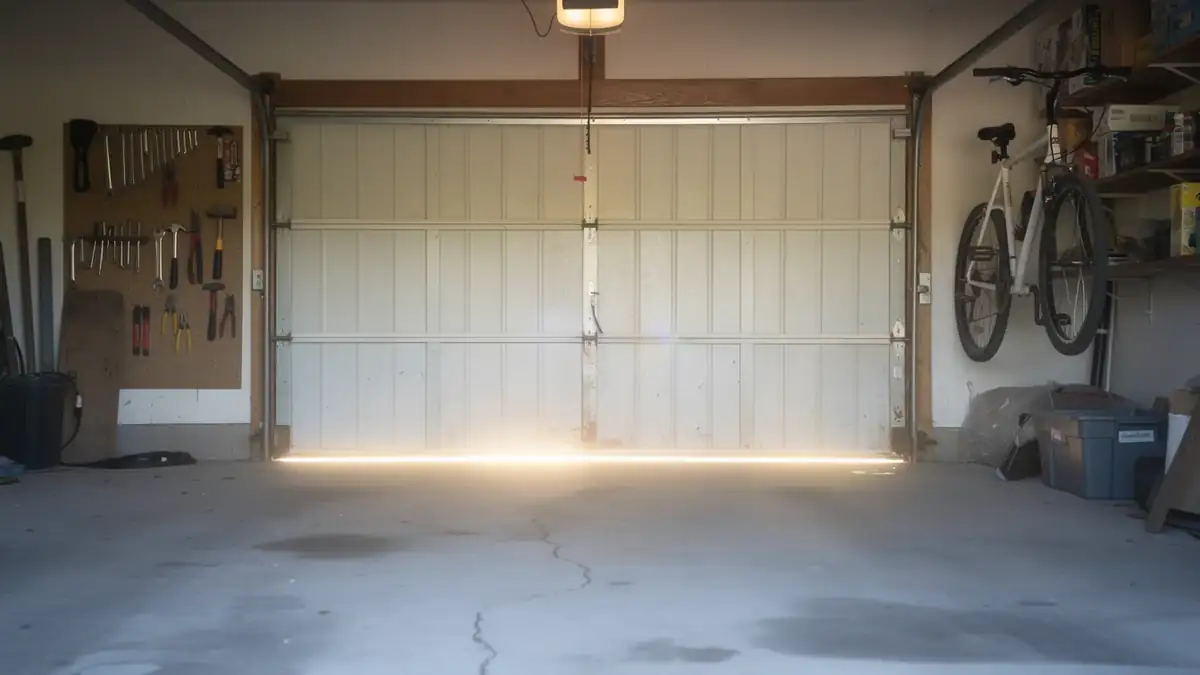
The mechanical picture here is pretty consistent once you know the housing stock. A door built for a house from around that 1985 median build year is almost always a steel sectional door on a single torsion spring, sized for a lighter panel than what gets installed today. Thirty-plus years of cycles on an original spring is past what most springs are rated for, so if your house falls in that build window and the spring has never been swapped, it's running on borrowed time rather than failing from some sudden defect.
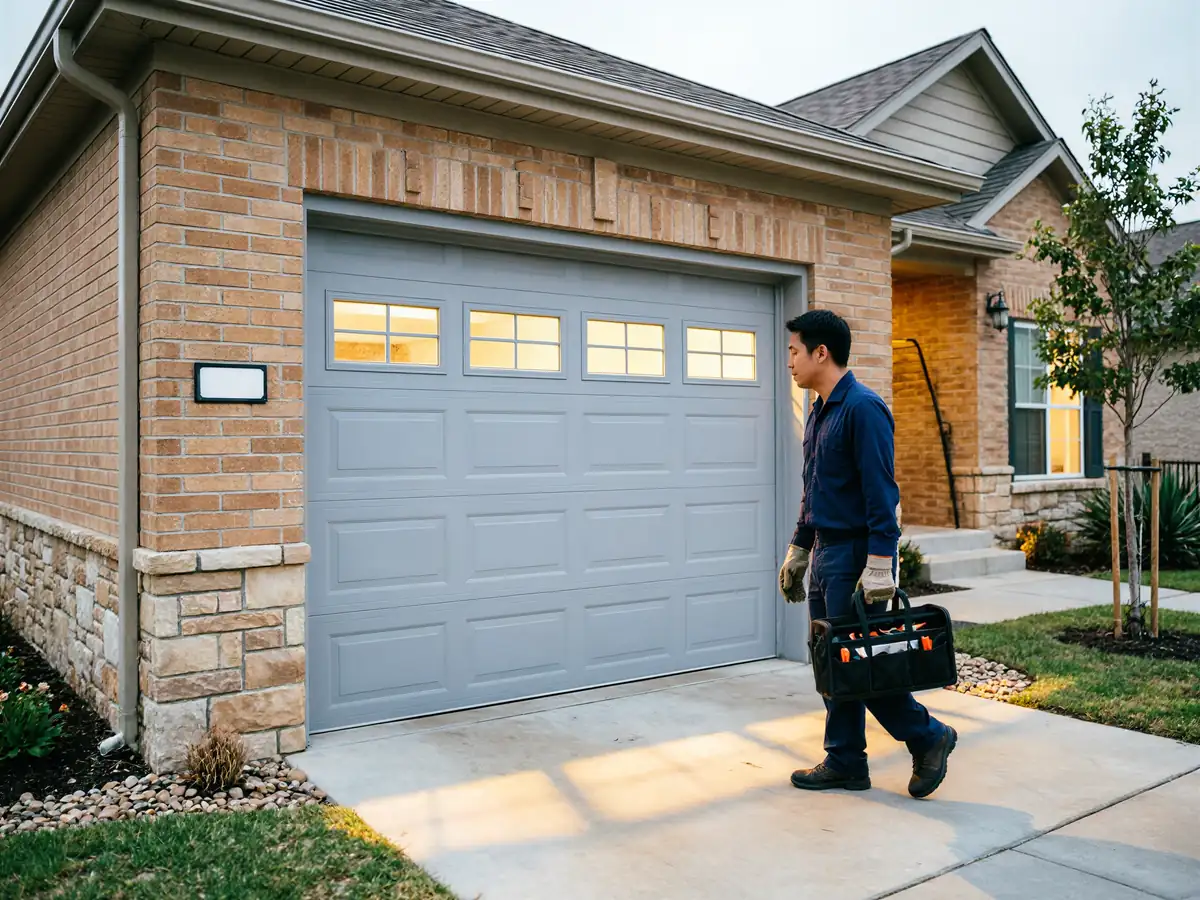
We work Monroe itself along with West Monroe (4 miles out), Richwood (5 miles), Brownsville (5 miles), Swartz (7 miles), Claiborne (7 miles), Sterlington (12 miles), Calhoun (16 miles), Collinston (17 miles), Rayville (19 miles). The build era doesn't change much across that radius -- it's the same wave of growth, so a call from Richwood looks about the same, mechanically, as a call from Swartz. Where it does change is out toward Rayville and Collinston, where you start seeing a wider mix of older outbuildings and newer infill, so the spring and track specs vary more than they do closer in to Monroe.
What You Pay
We don't have a published price list here, because the honest range on a spring job versus a full door replacement is too wide to boil into one number -- it depends on spring count, door size, and whether the track or opener needs to come out too.
What we can tell you is how the decision usually gets made in this area. Median household income across the service area sits at $46,663, and most of the houses we're called to are owner-occupied rather than rental -- 6,745 of the roughly 16,599 households in the area own the home they live in. That combination tends to push people toward repair over replacement more often than you'd see in a higher-income market: fixing a spring or a section is usually the call unless the door is damaged badly enough, or old enough, that patching it just delays the same expense down the road.
We'll tell you straight when a repair isn't worth it instead of running up a bill on a door that's going to need replacing in a year anyway. If your door is an odd size or an older wood panel, we may need to order the part, and that adds a few days we can't shortcut.