What Local Conditions Do
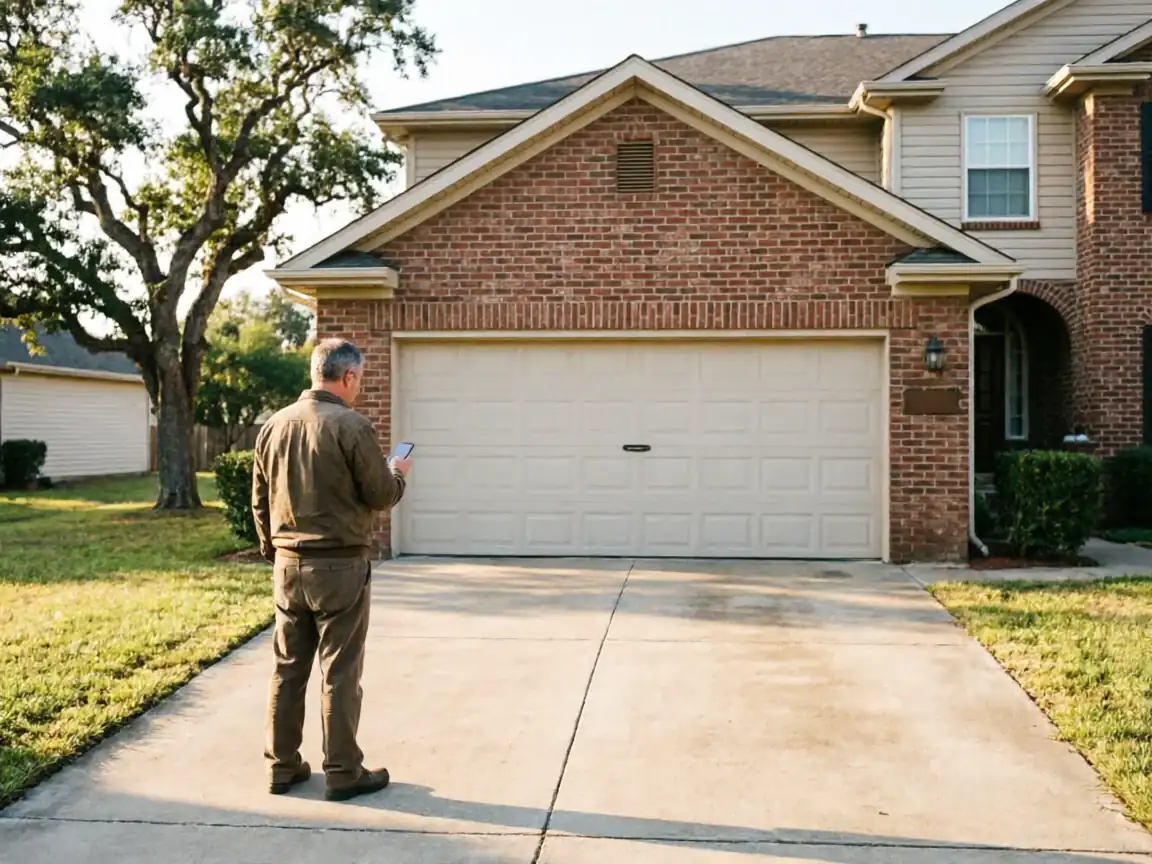
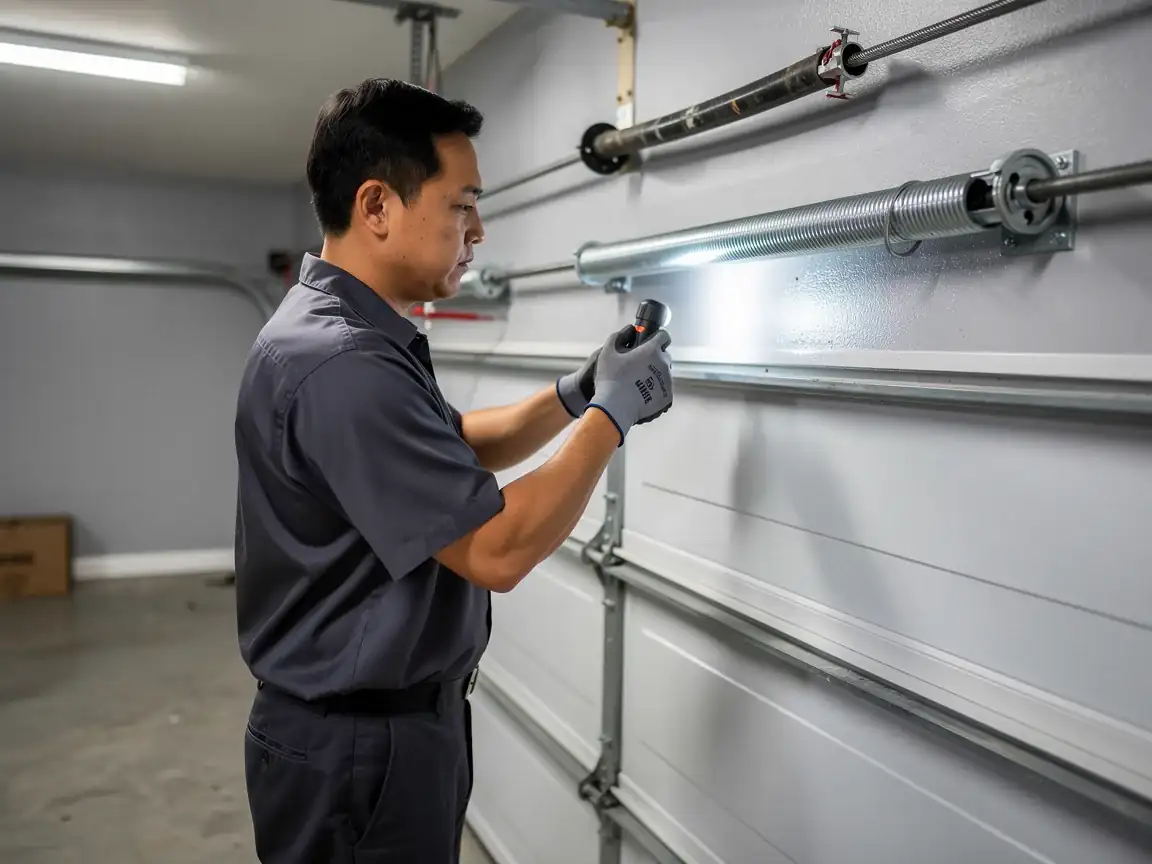
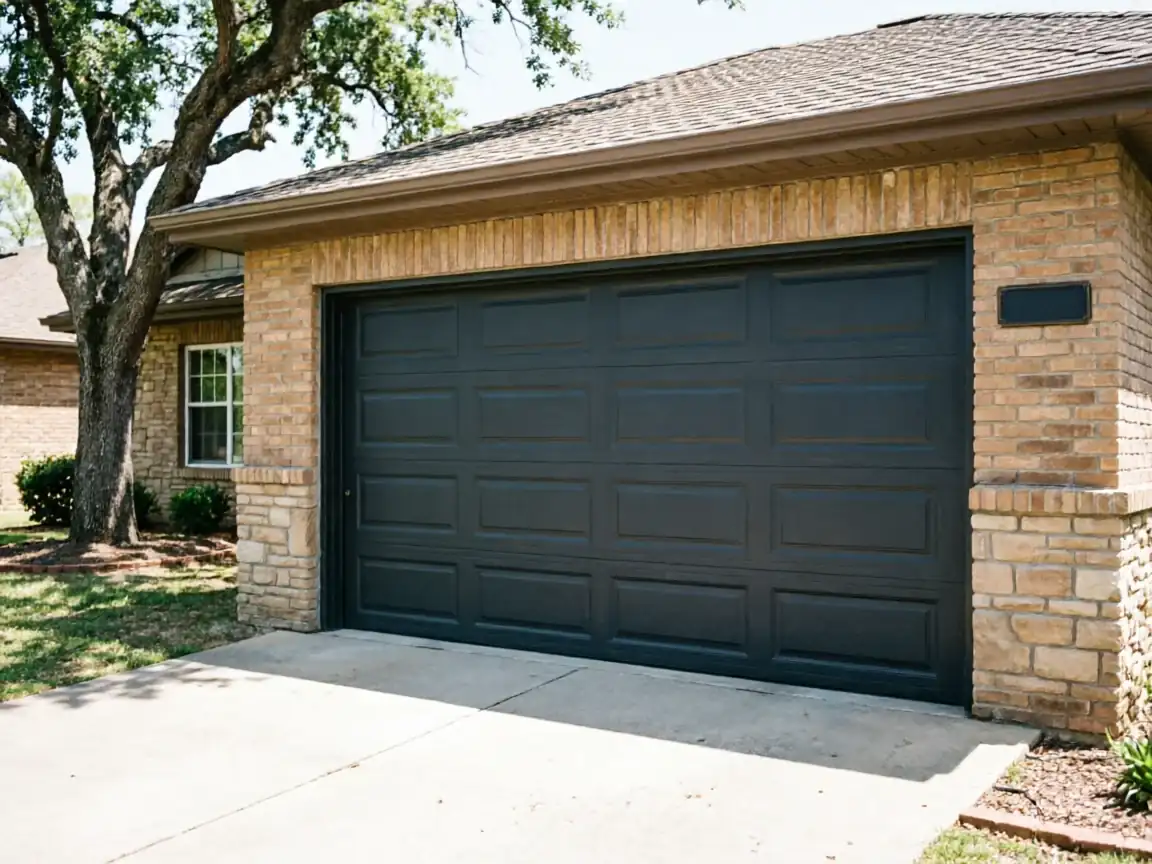
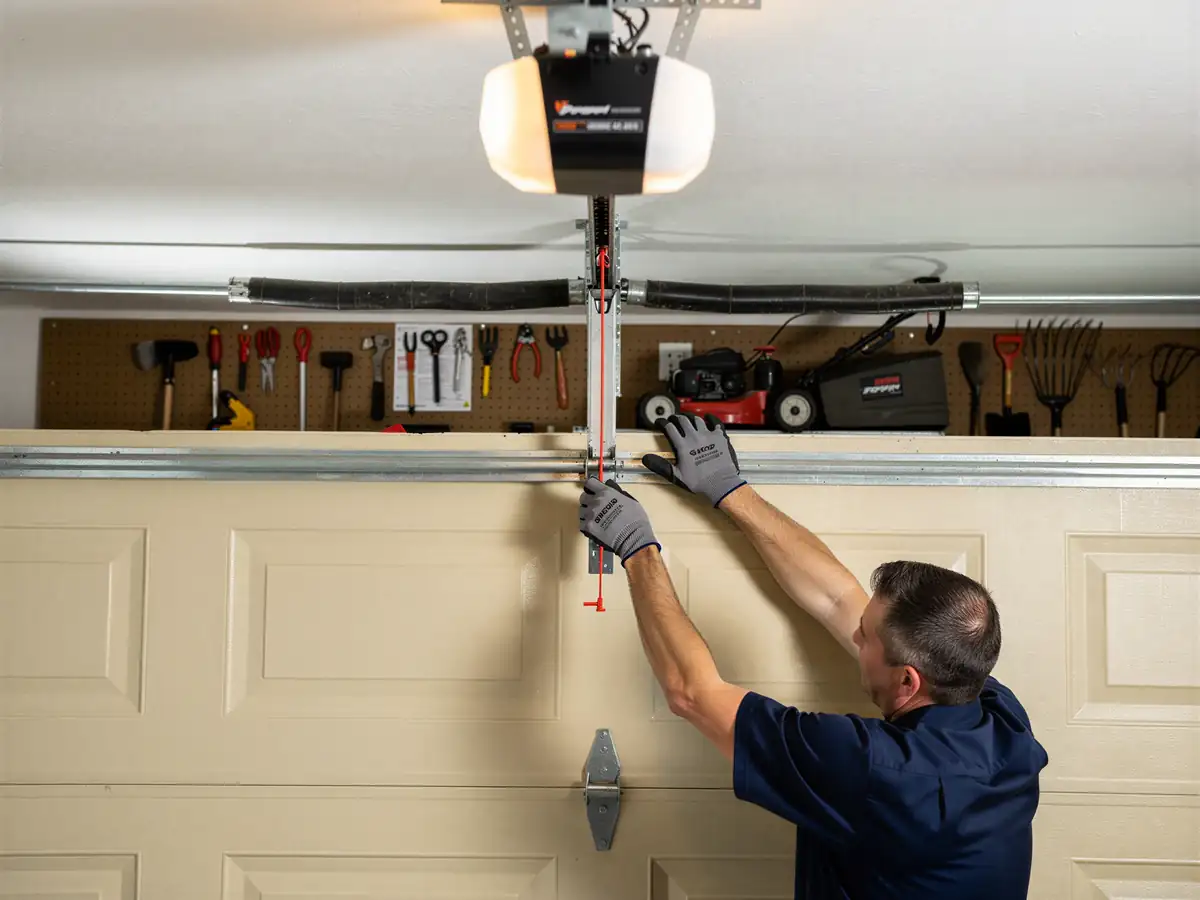
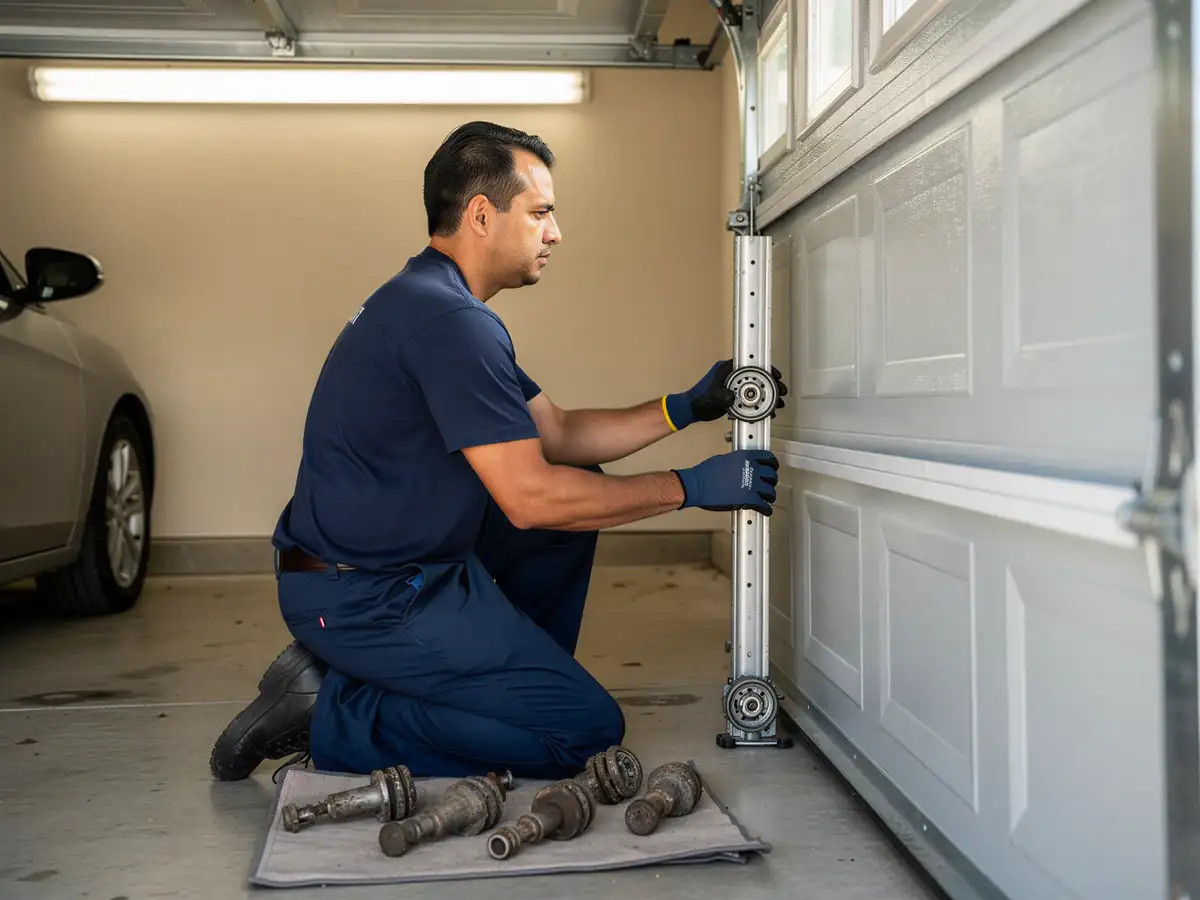
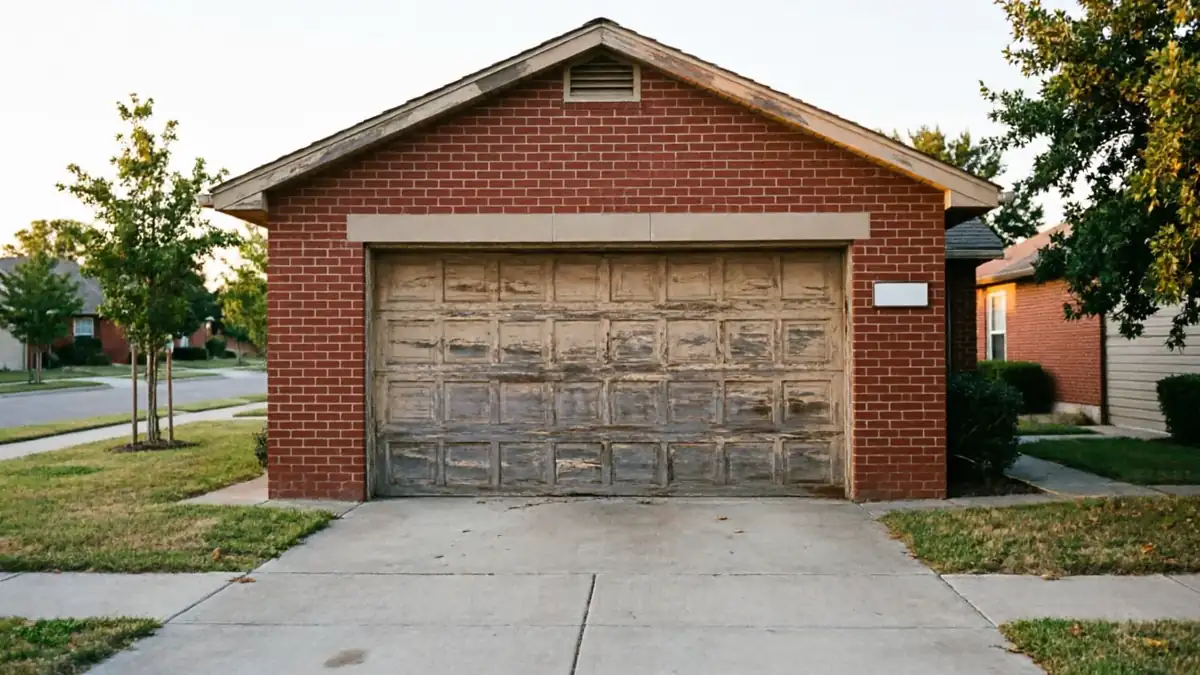
Most of the houses across Monroe's nine named areas went up between the late 1970s and mid-2000s, with the bulk of that stock dating to the 1980s and 90s. That matters because a door installed when the house was built is now anywhere from 20 to 45 years old, and the hardware inside it - rollers, hinges, the torsion spring if it's original - wasn't built to last that long without attention. Doors from this era commonly used lighter-gauge steel and simpler spring systems than what's sold today, so when one starts binding or sagging, it's often the track alignment or the spring tension that's gone, not the panel itself. A door that's been maintained through its first few decades can usually keep going with a spring swap and a track adjustment. One that's been ignored the whole time is a different conversation - rust at the bottom panel, a bent track from years of off-center rollers, an opener that's fought a misaligned door for a decade. The age of the house tells you what you're probably dealing with before you even open the garage.
What Is Going On
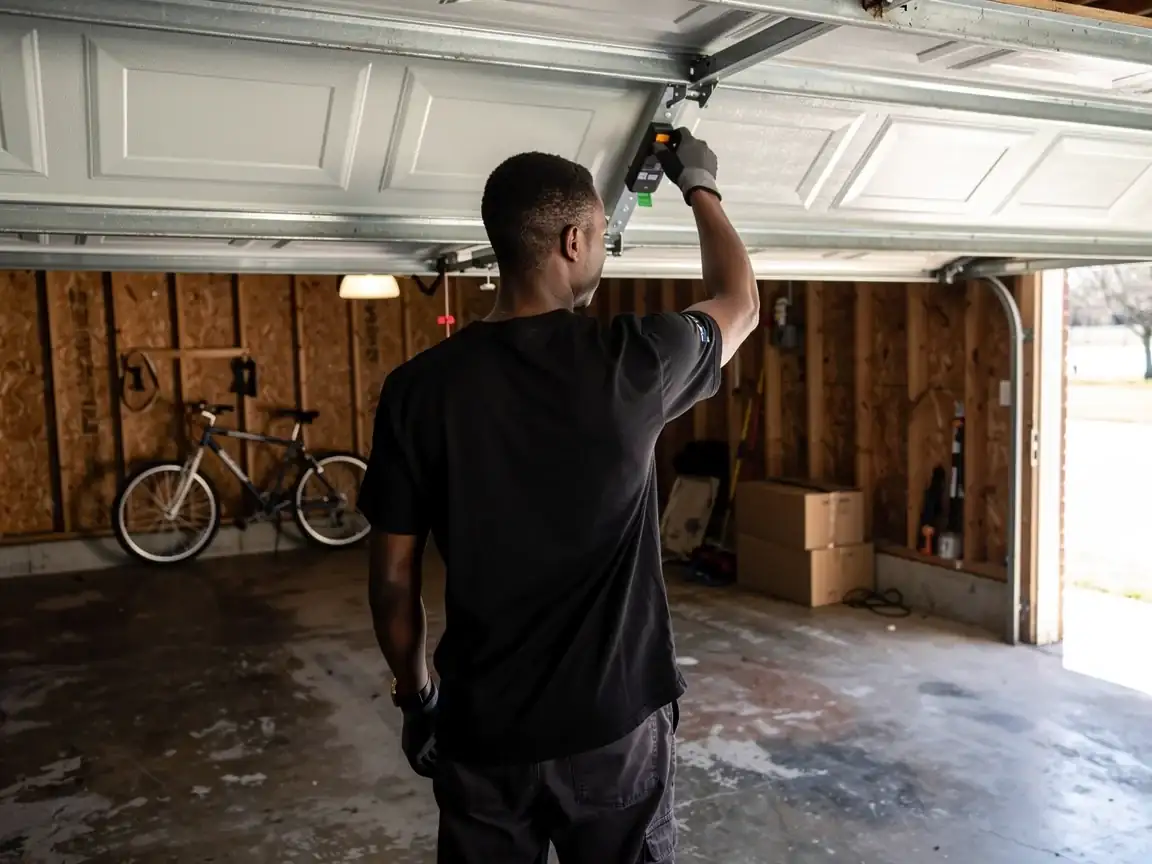
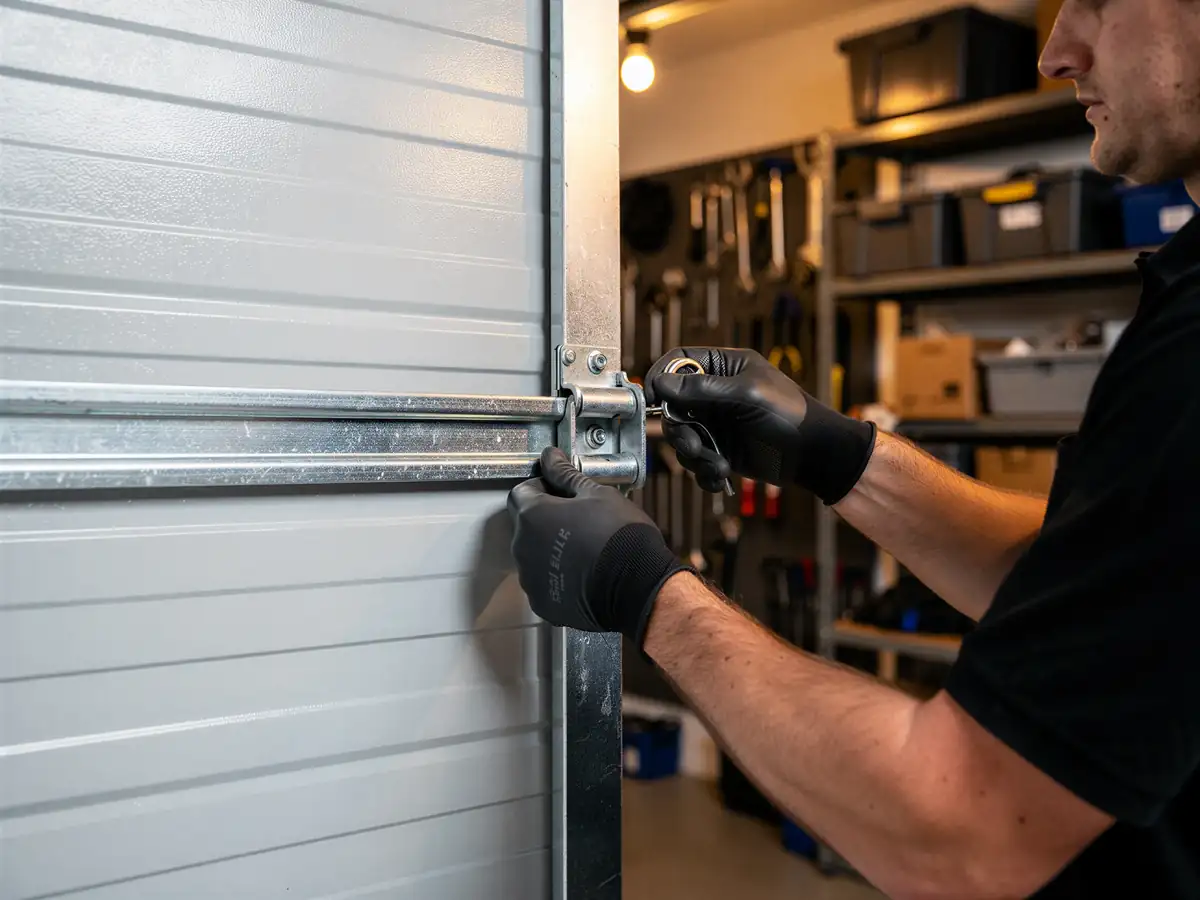
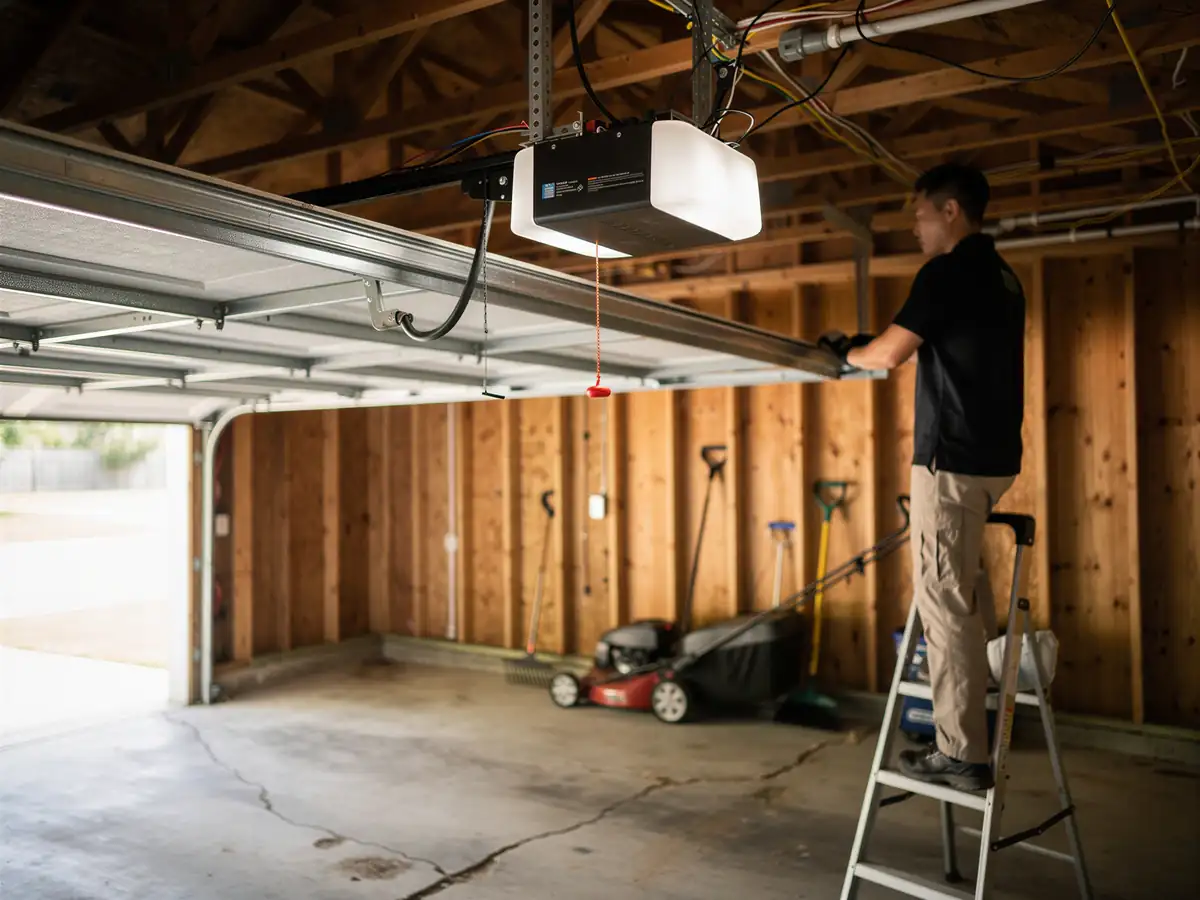
With roughly 6,745 owner-occupied houses across a service area of 16,599 households, a lot of the garage doors out there are original to construction between 1975 and 2005. The honest answer on whether to fix or replace one comes down to what's actually failed. A broken torsion spring, a snapped cable, or a bent roller track on a door that's otherwise square and solid is almost always worth repairing - those are wear parts, not structural failures, and swapping them costs a fraction of a new door. Where it stops making sense is when the panels themselves are rusted through, the door is visibly out of square from years of being forced on a bad track, or the opener and door are both original and both failing at once. At that point you're paying repair costs on a door that's going to need the same work again in a year or two. We'll tell you straight which category yours is in before we quote anything.
What You Pay
We don't have a flat number to put on this page, because spring jobs, cable jobs, and panel replacements all cost differently, and a door that's rusted at the bottom runs a different bill than one that just needs a new torsion spring. What we can tell you is that for a household income in this area averaging around $46,663, a spring or track repair is almost always the cheaper path compared to full replacement, and it's the right call on most doors from the 1980s and 90s that haven't rusted through. If your door needs a part we don't have on the truck, there can be a short wait on it - that's the one honest limitation here, and we'd rather tell you upfront than have you wait on a promise we can't keep.