The Drive Over
Richwood sits about 5 miles from our shop in Monroe, close enough that a service call here doesn't eat the whole afternoon. We don't keep a crew stationed in Richwood - we run the truck out from Monroe for every job, same as we do for Sterlington or Calhoun further out. That short distance matters for scheduling: a spring job or opener swap in Richwood fits into the same day as calls in West Monroe or Brownsville without us having to choose between them.
We mention the drive because some companies will quote you a number assuming they're already local. We're not pretending to have a depot here. What we do have is a route that puts Richwood inside easy reach, and that keeps the trip charge and the wait time reasonable instead of treated as an afterthought on the far edge of a territory.
How That Shows Up in the Door
Richwood's housing runs newer than a lot of what we see closer into Monroe
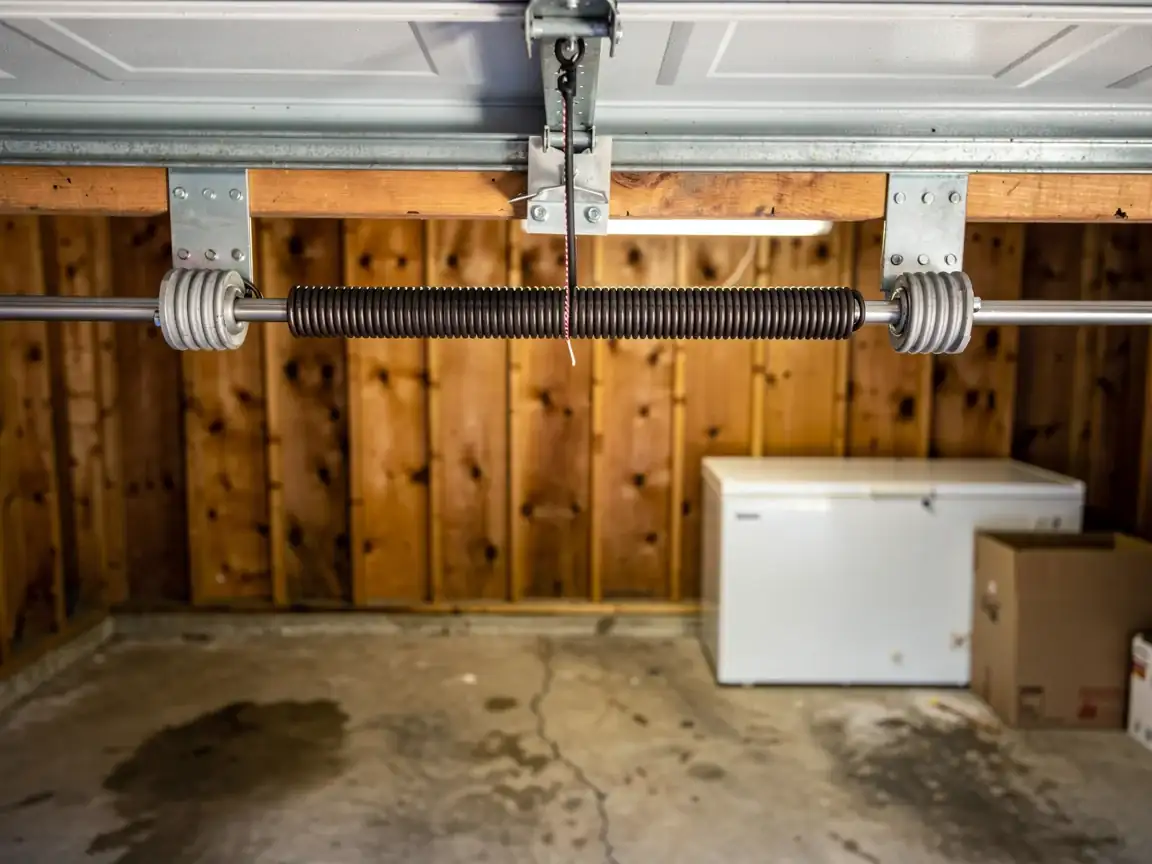
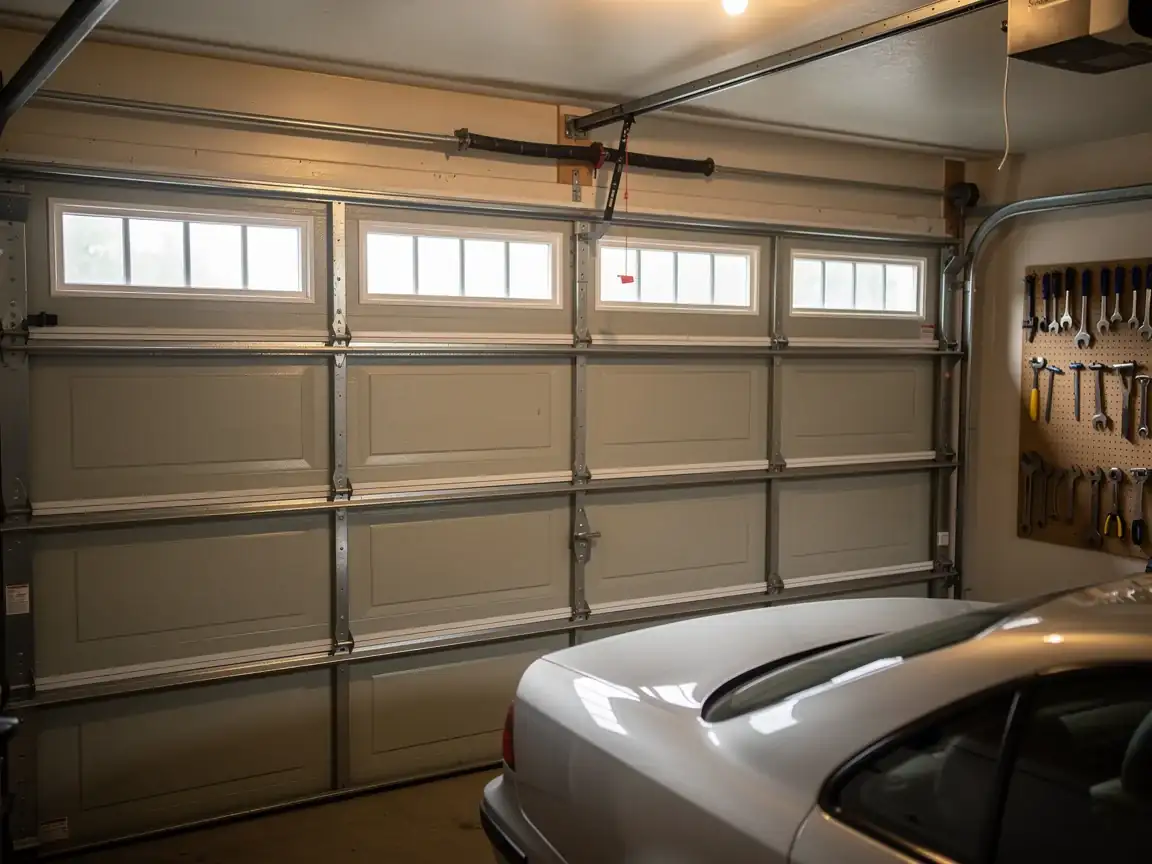
The area's median year built is 1991, which is late enough that most garages were built with steel sectional doors and torsion spring systems from the start, not retrofitted later. That's different from neighborhoods built in the 1970s where we're still pulling old extension-spring setups off the ceiling.
What that means in practice: fewer surprise finds when we open up the header
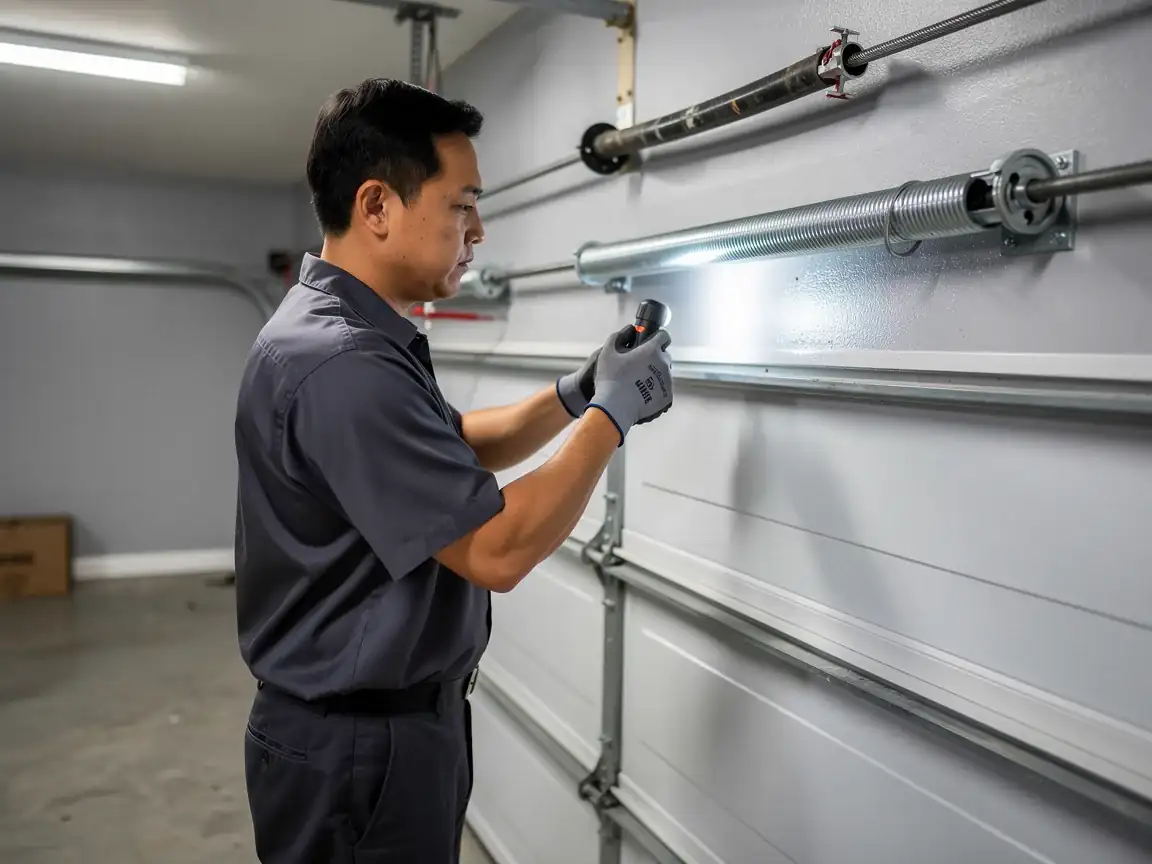
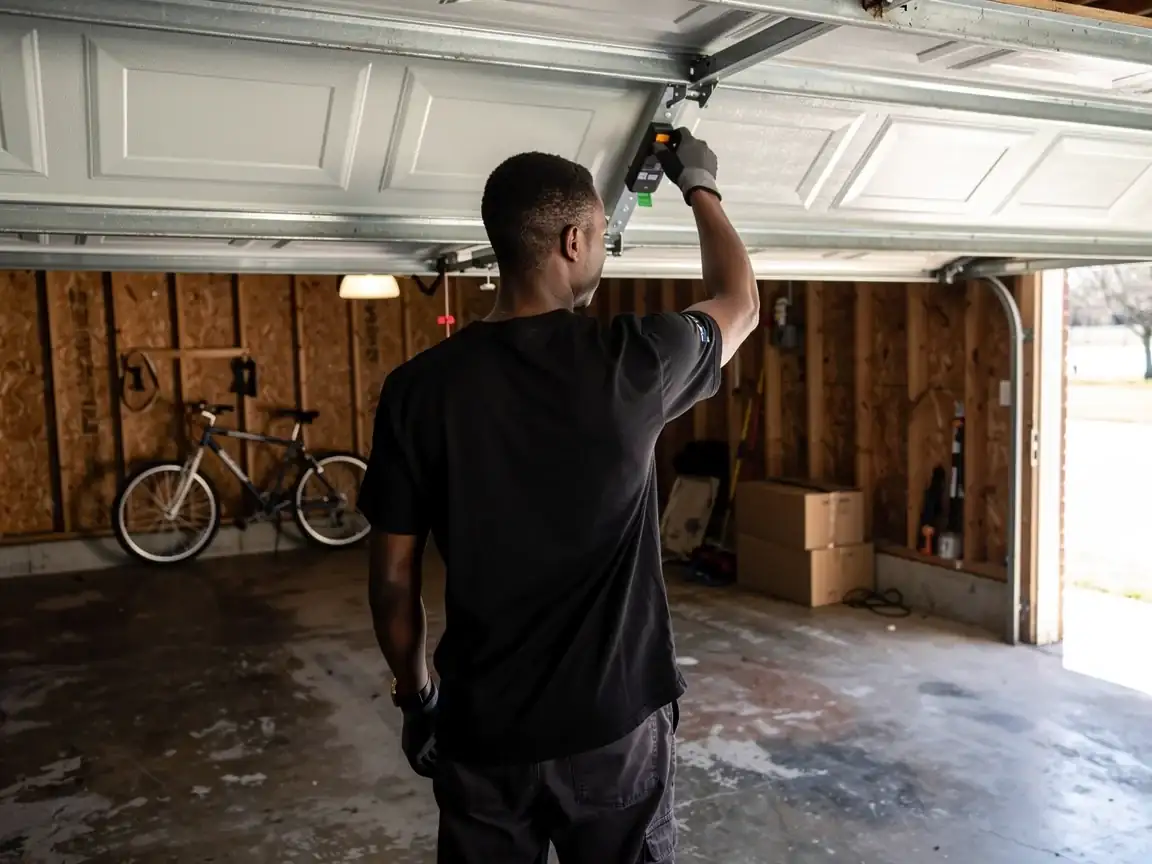
Torsion springs from the early 90s are usually a standard size, openers are chain or belt drive rather than the older screw-drive units, and the track hardware tends to be in better shape structurally even when the spring itself has worn out. The common call here isn't "the whole system is obsolete," it's a single worn spring, a opener logic board that's finally quit after 30-plus years, or rollers that have gone dry and noisy. We still check the whole door on every call - a newer build year doesn't mean a door was installed well, just that the parts are more likely to be ones we can match off the truck.
Timing on This Area
The climate here is mild with occasional freezes - not the hard freeze-thaw cycles that crack concrete aprons or seize hardware for weeks at a stretch, but enough cold mornings a few times a winter that stiff springs and gummed-up openers show up as stuck or slow doors. Most of what we see is wear catching up with a door, not weather breaking one.
Richwood's median household income is $31,386, noticeably lower than the wider Monroe service area, and that's worth saying plainly: we try to give a straight repair-versus-replace answer rather than defaulting to the bigger job. If a spring and a service call gets another several years out of a door that's otherwise sound, that's usually what we recommend here. We don't carry every opener model on the truck, so some replacement parts mean a short wait - we'll tell you up front if that's the case rather than guessing at a timeline.
What Was Built Here
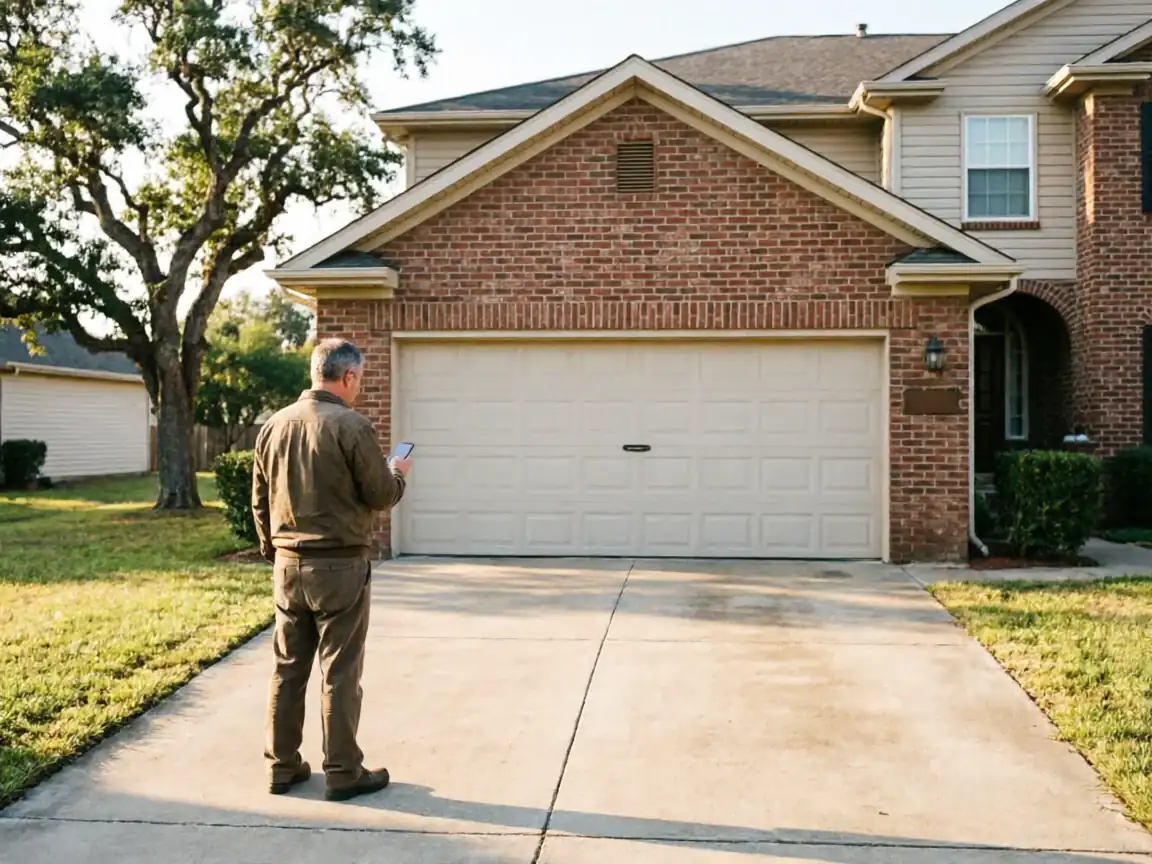
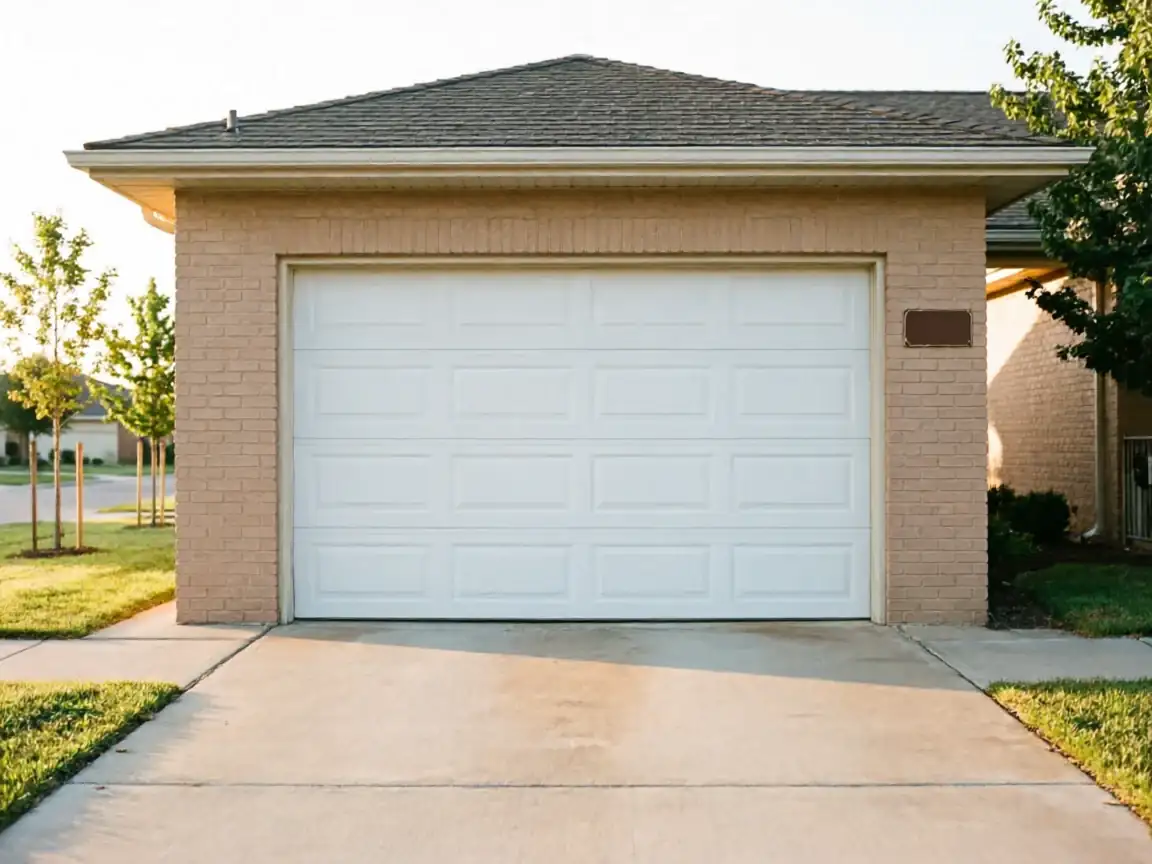
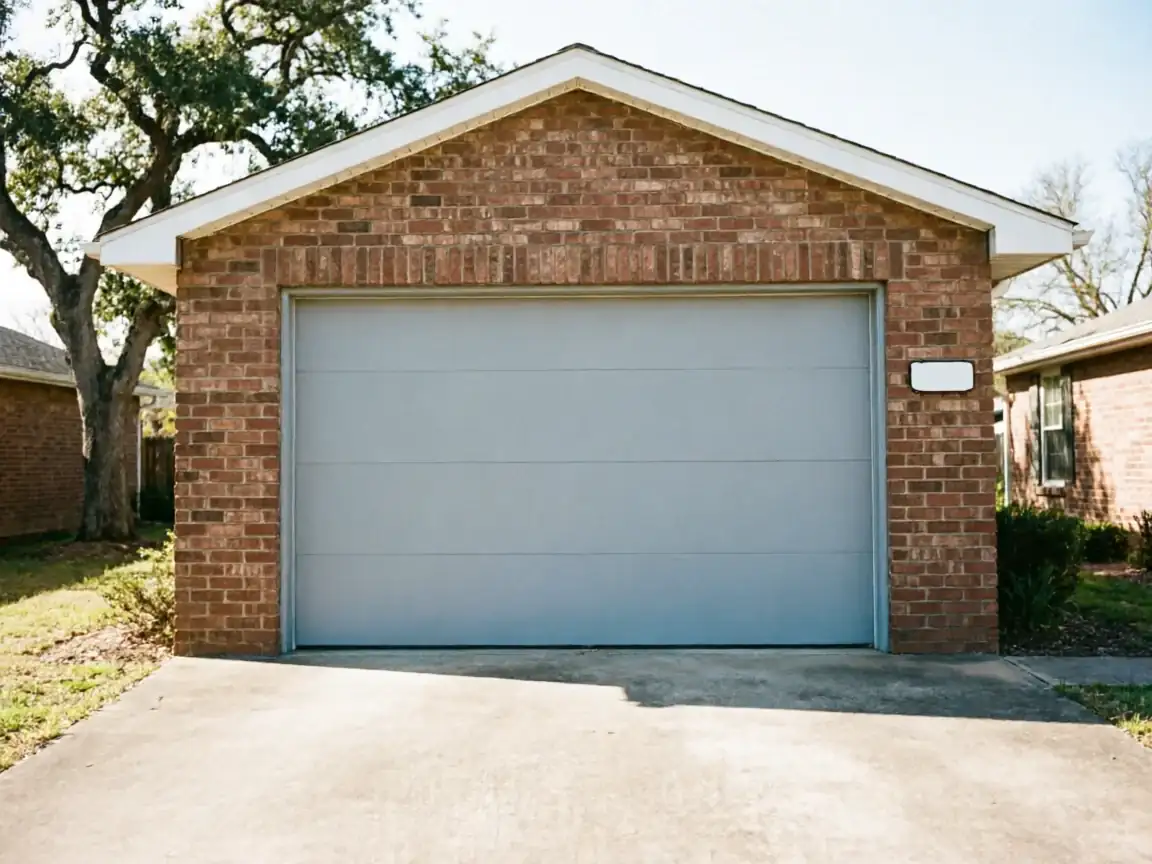
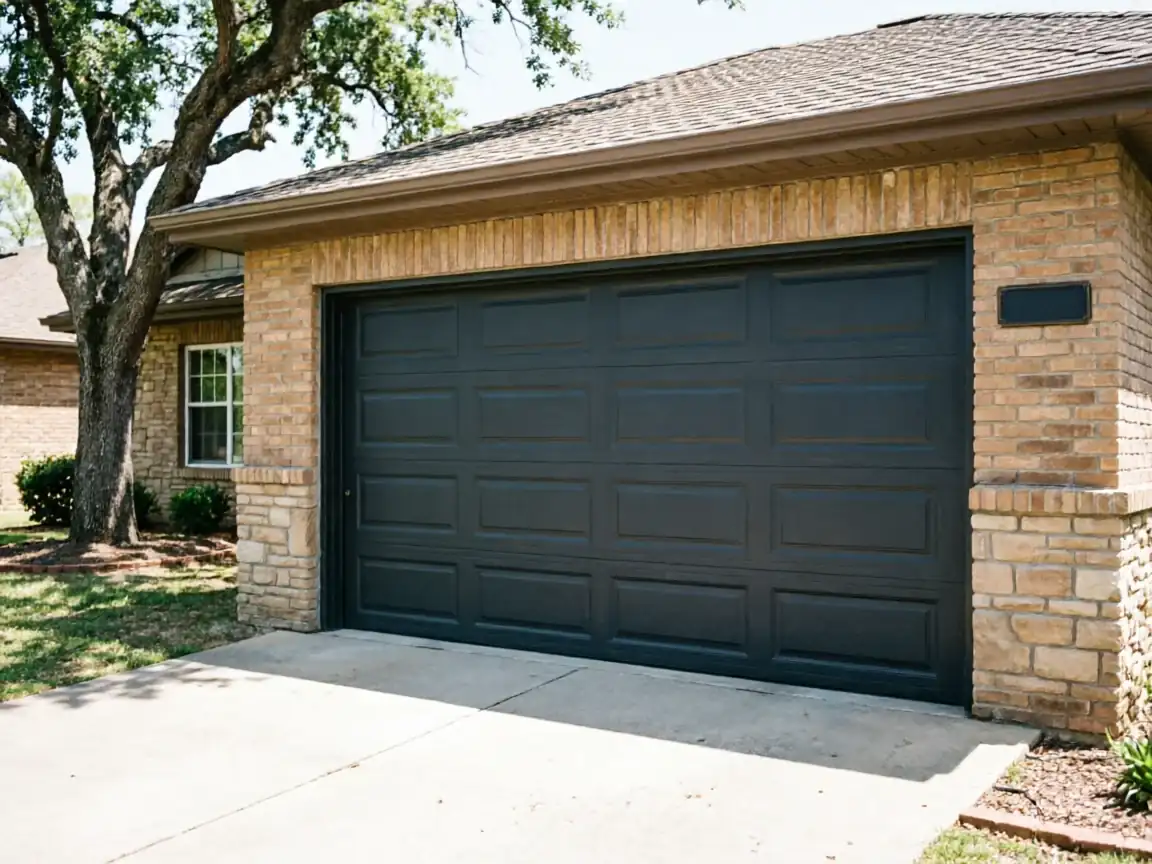
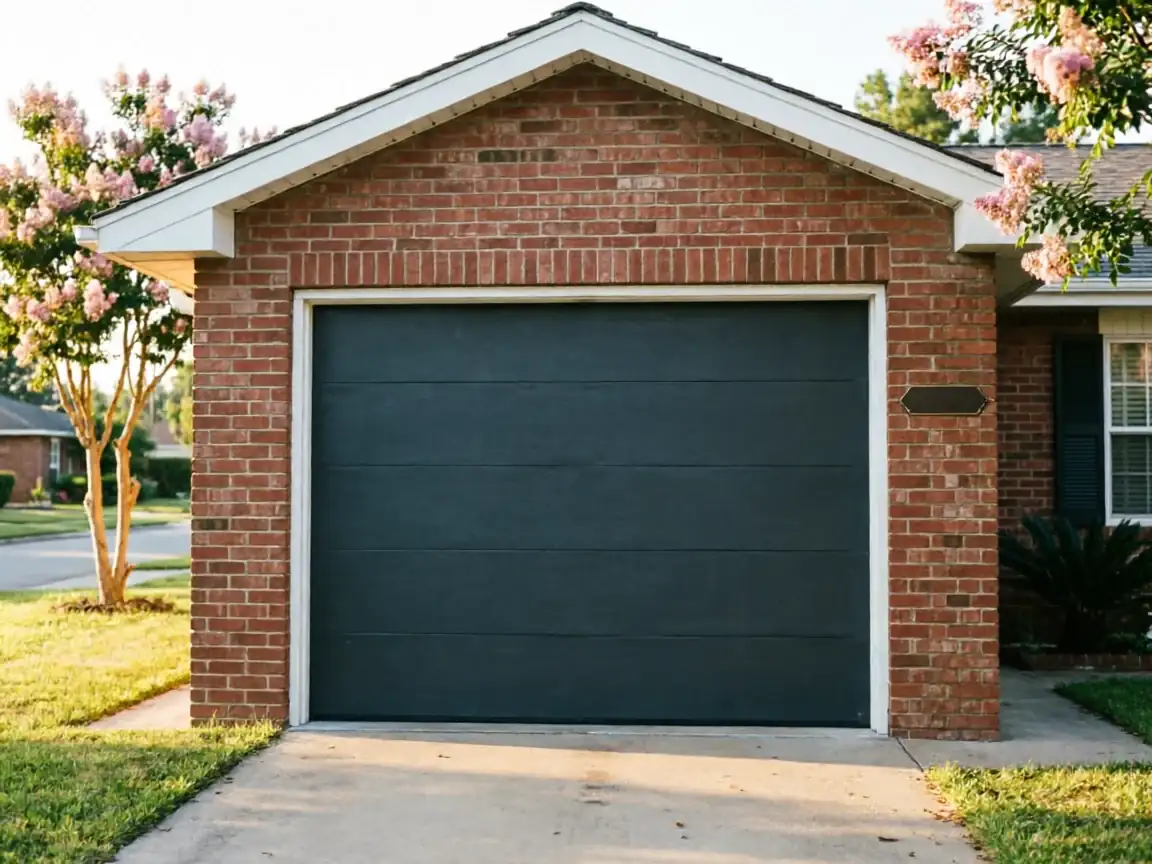
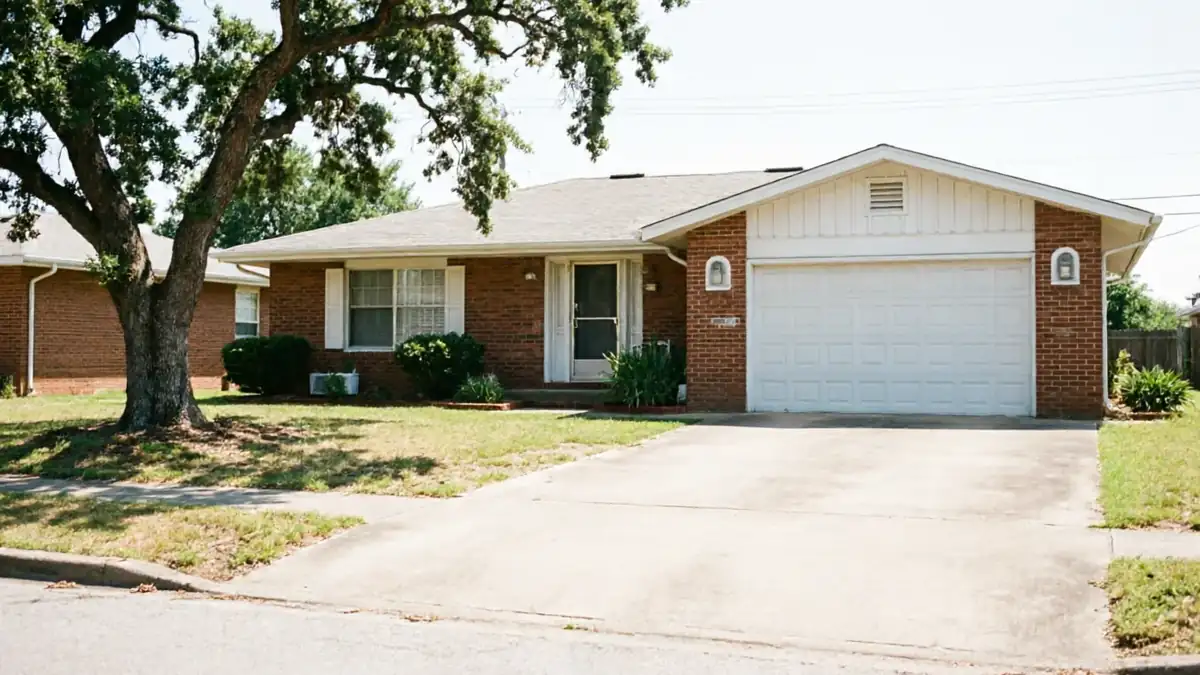
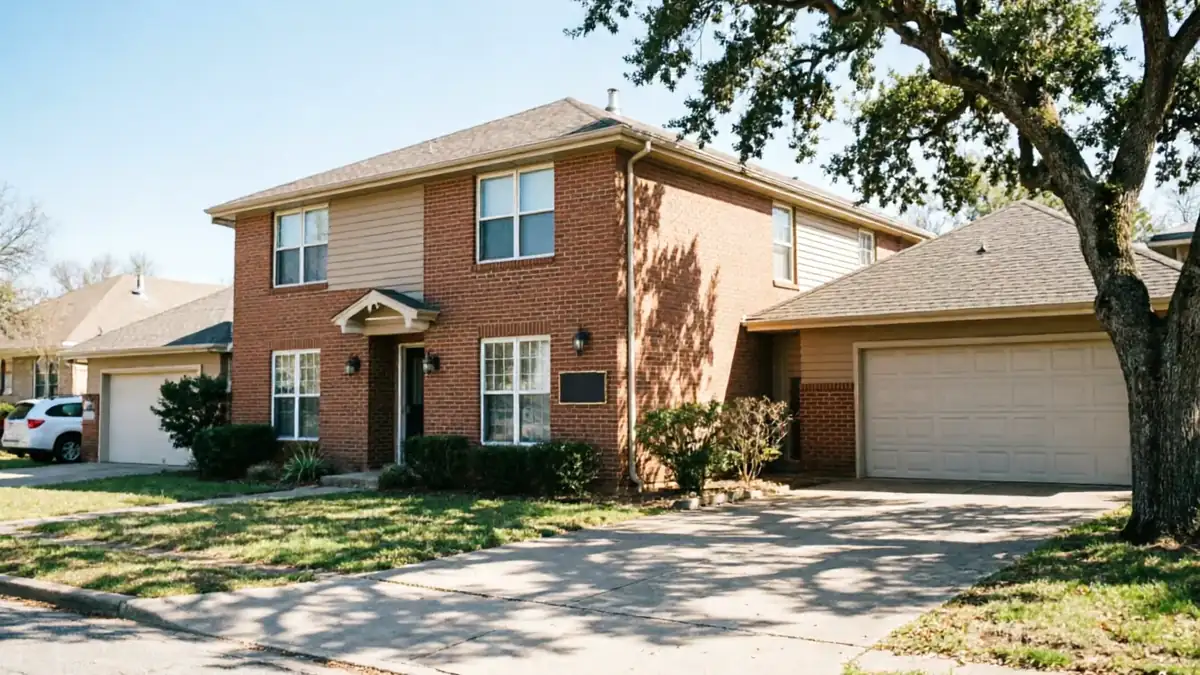
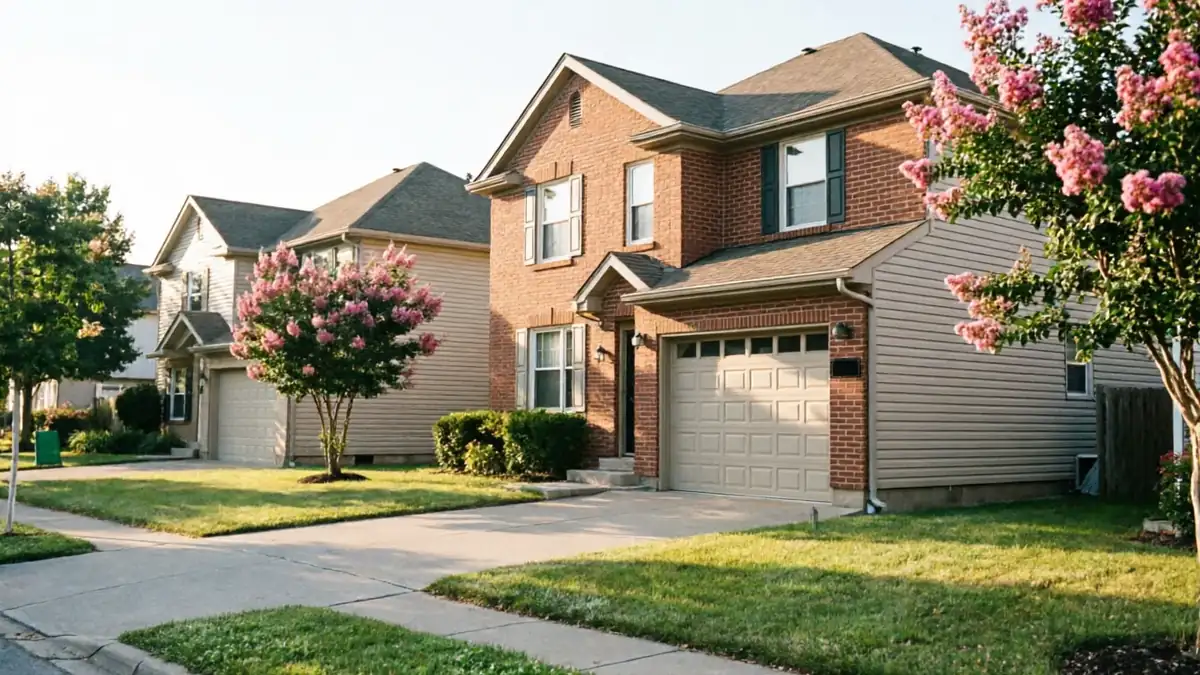
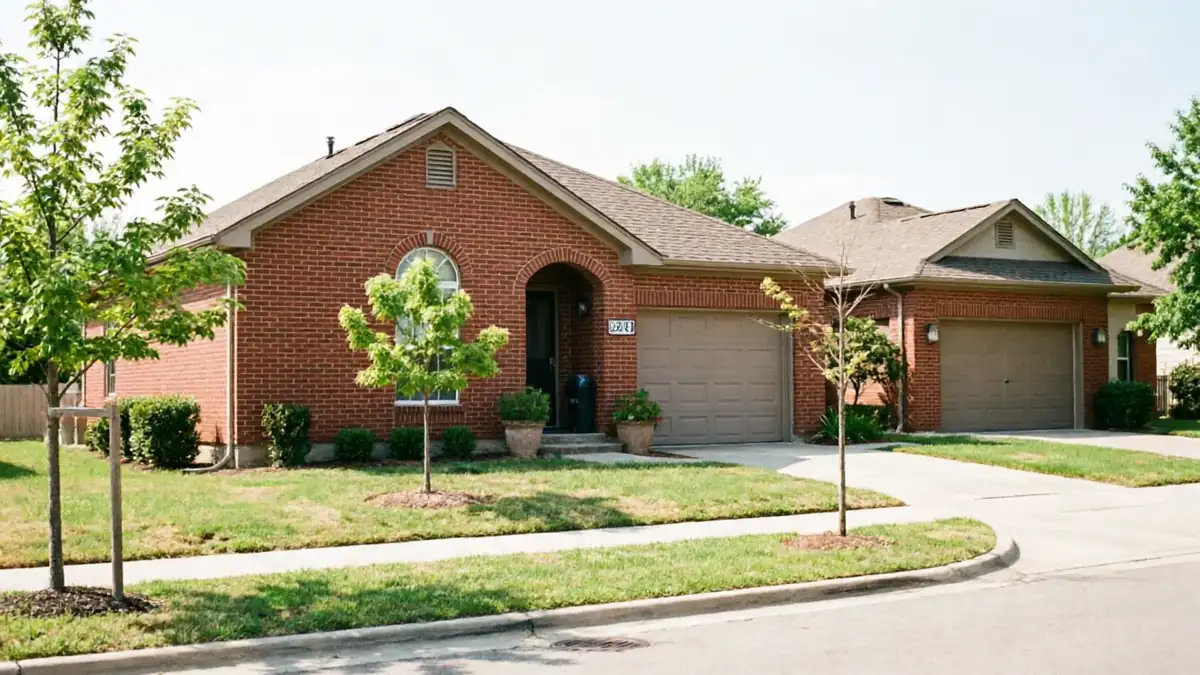
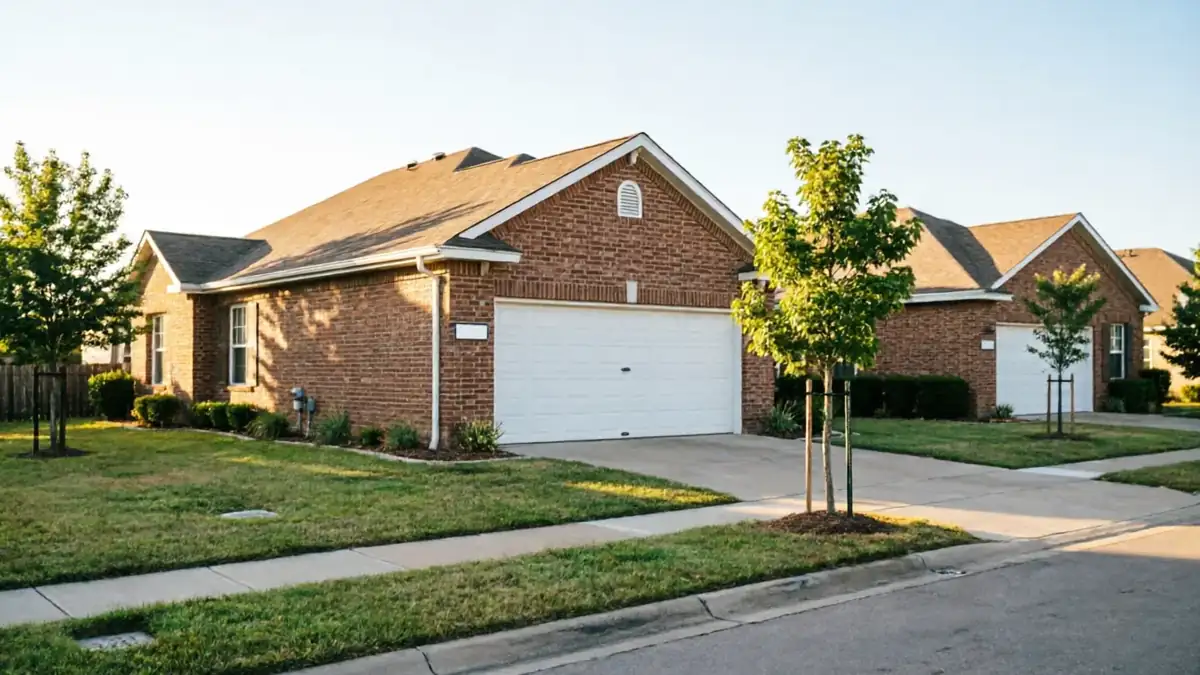
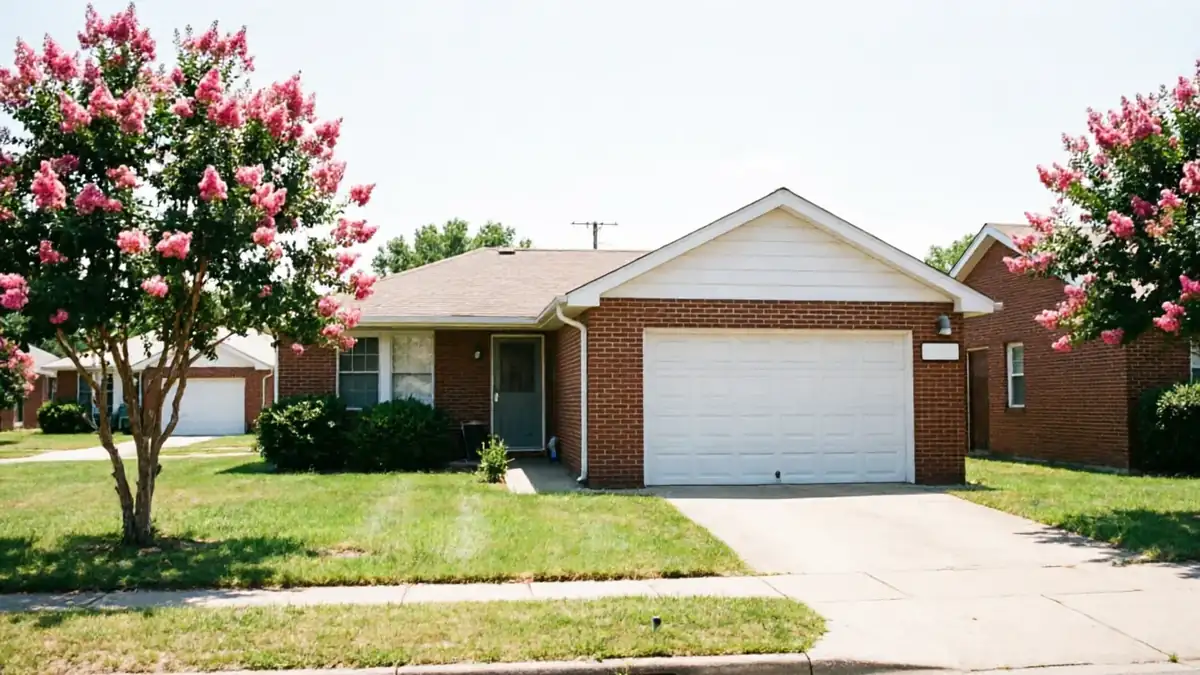
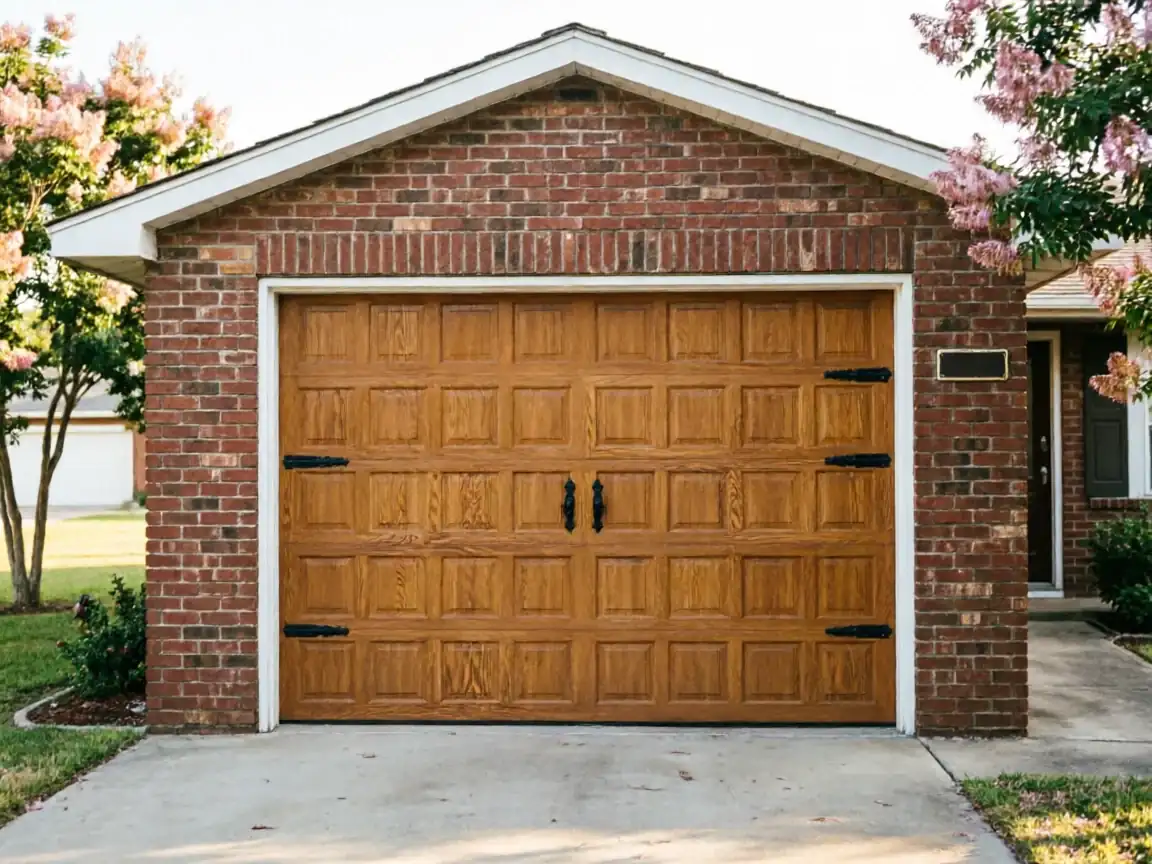
With about 781 households in the area and a median build year of 1991, Richwood is a smaller, more recently built pocket compared to some of the older sections closer to Monroe. That build era puts most garages in the range where single-car and two-car steel doors were standard, insulation in the door itself was becoming more common but not universal, and panel designs lean toward the plain raised-panel look typical of that decade rather than older flush wood doors.
We don't have a breakdown of exactly how many of those 781 households are owner-occupied versus rented, so we won't guess at that split. What we can say is that a 1991 median build year means most doors and openers out here are old enough to be wearing out on schedule, not old enough to be genuinely obsolete - which is a better position to be fixing from than a lot of older neighborhoods nearby.