The Drive Over
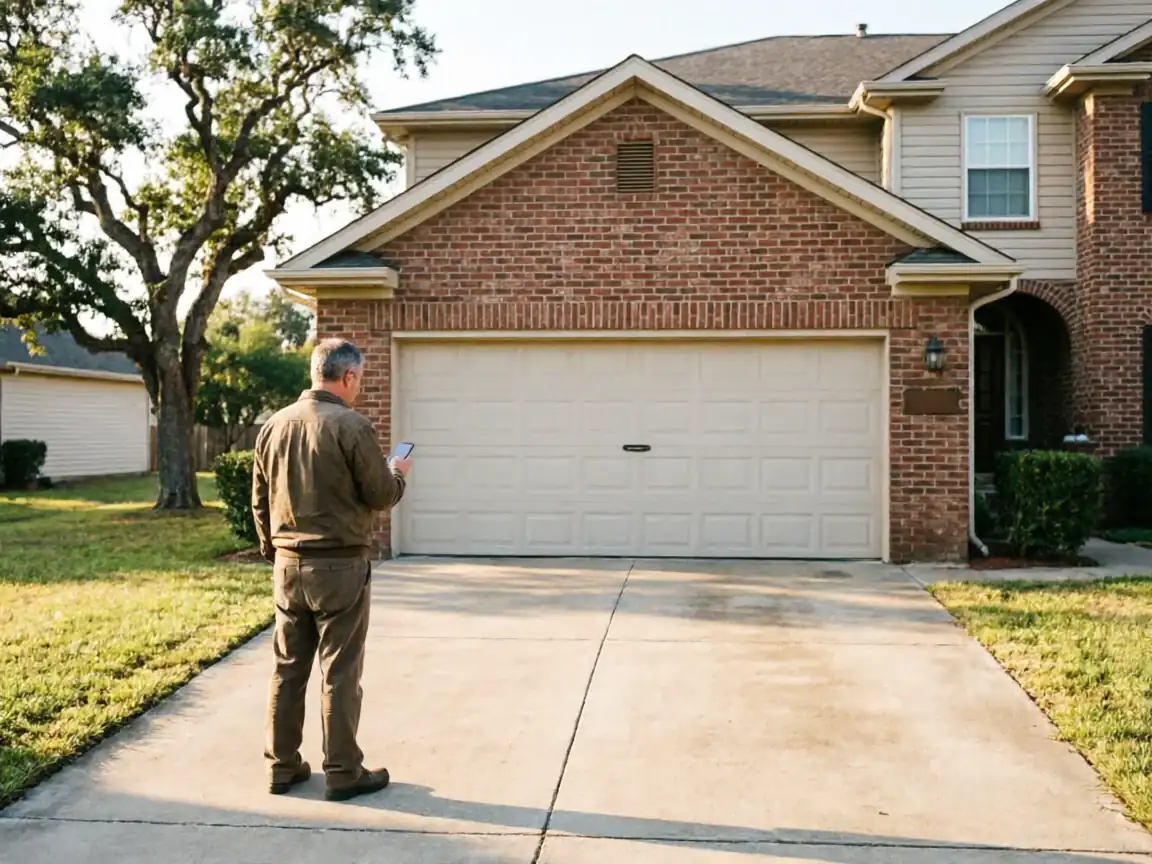
Claiborne sits about 7 miles from our shop in Monroe, a run we make regularly as part of our coverage area. It's close enough that a torsion spring snap in the morning doesn't mean an all-day wait, but we're upfront that we're coming from Monroe - there's no depot sitting in Claiborne, and if you call at the start of a busy day you're one of several stops, not the only one. We tell you where you land in the order when you call, not after we've kept you guessing.
The area sits among a cluster of small communities ringing Monroe - West Monroe, Richwood, Brownsville, Swartz, Sterlington, and a few others - and Claiborne has its own character within that ring. It's not a suburb of a suburb; it's got its own build history, which matters more to your garage door than most people expect. The door on your house was likely put in by whoever built the house, and that era shows up in the parts list every time we open a panel.
How That Shows Up in the Door
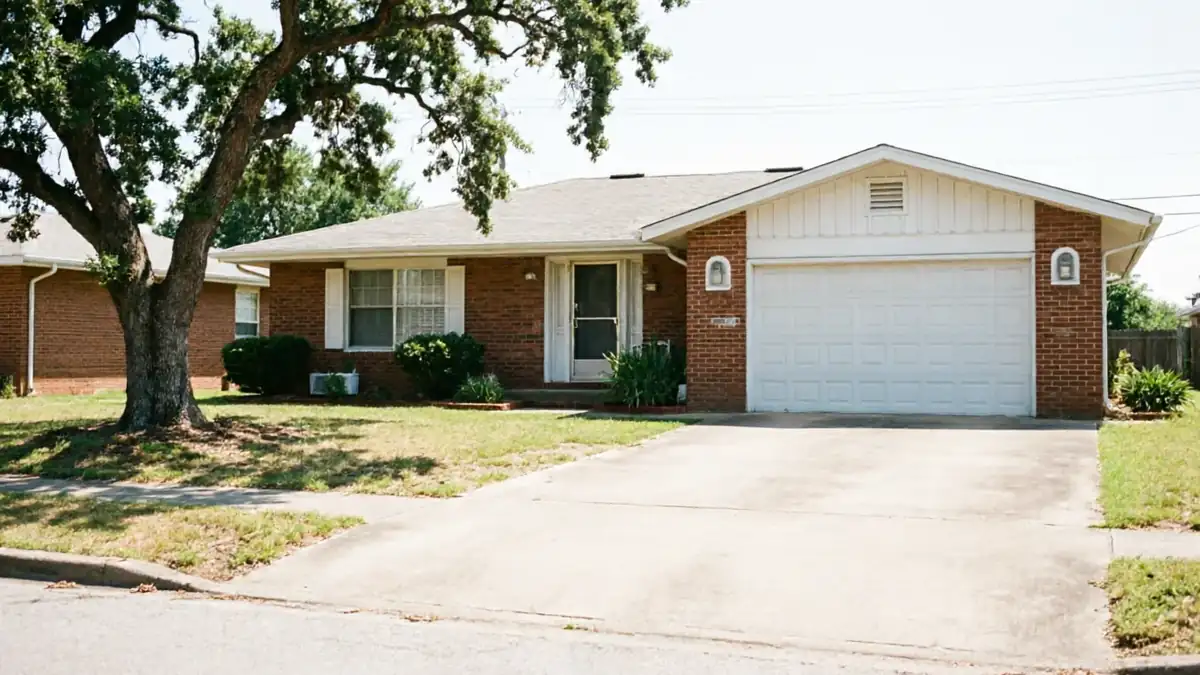
The median home in Claiborne was built around 1989
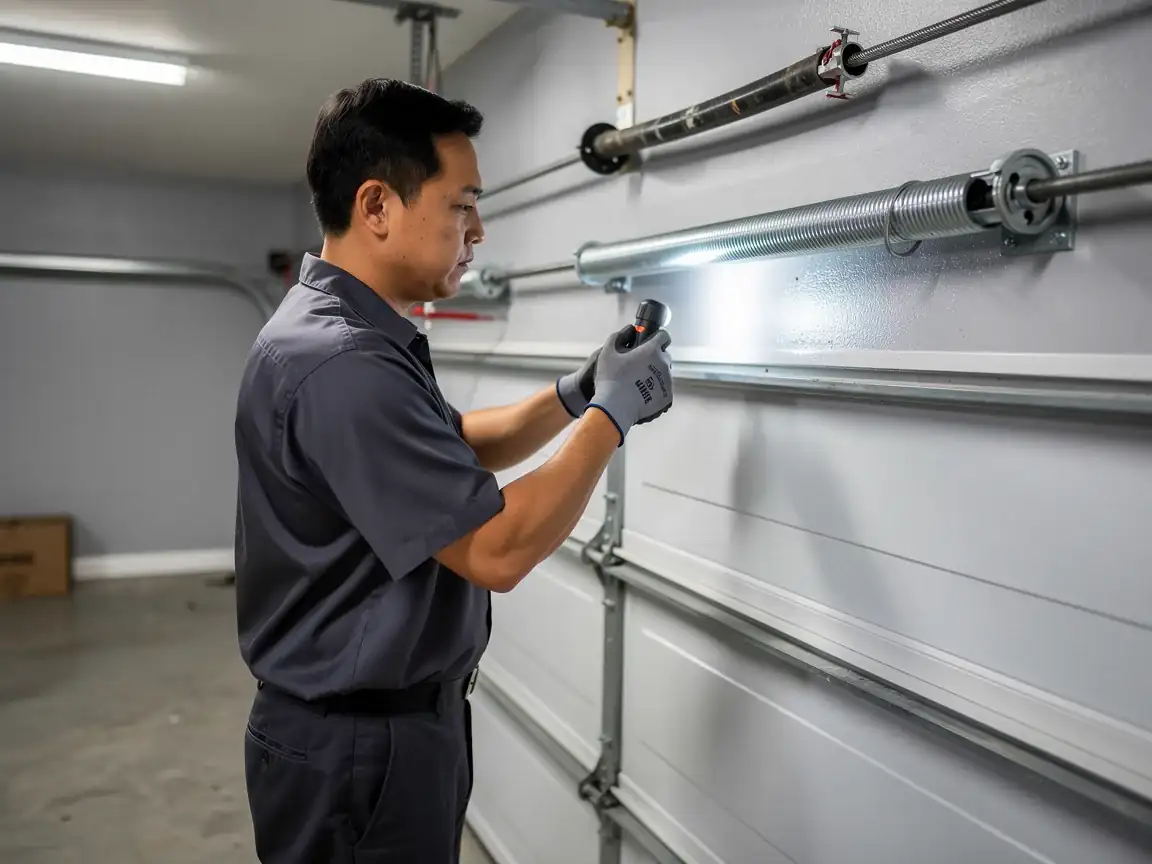
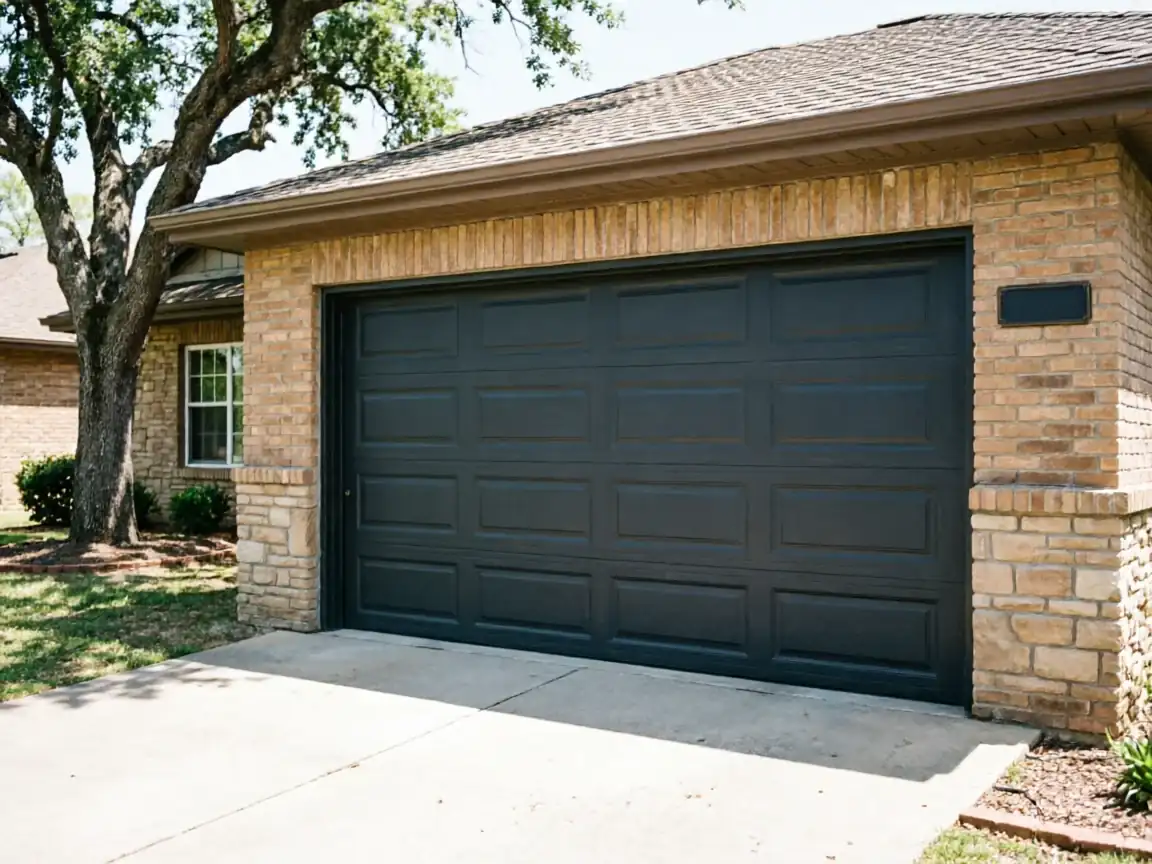
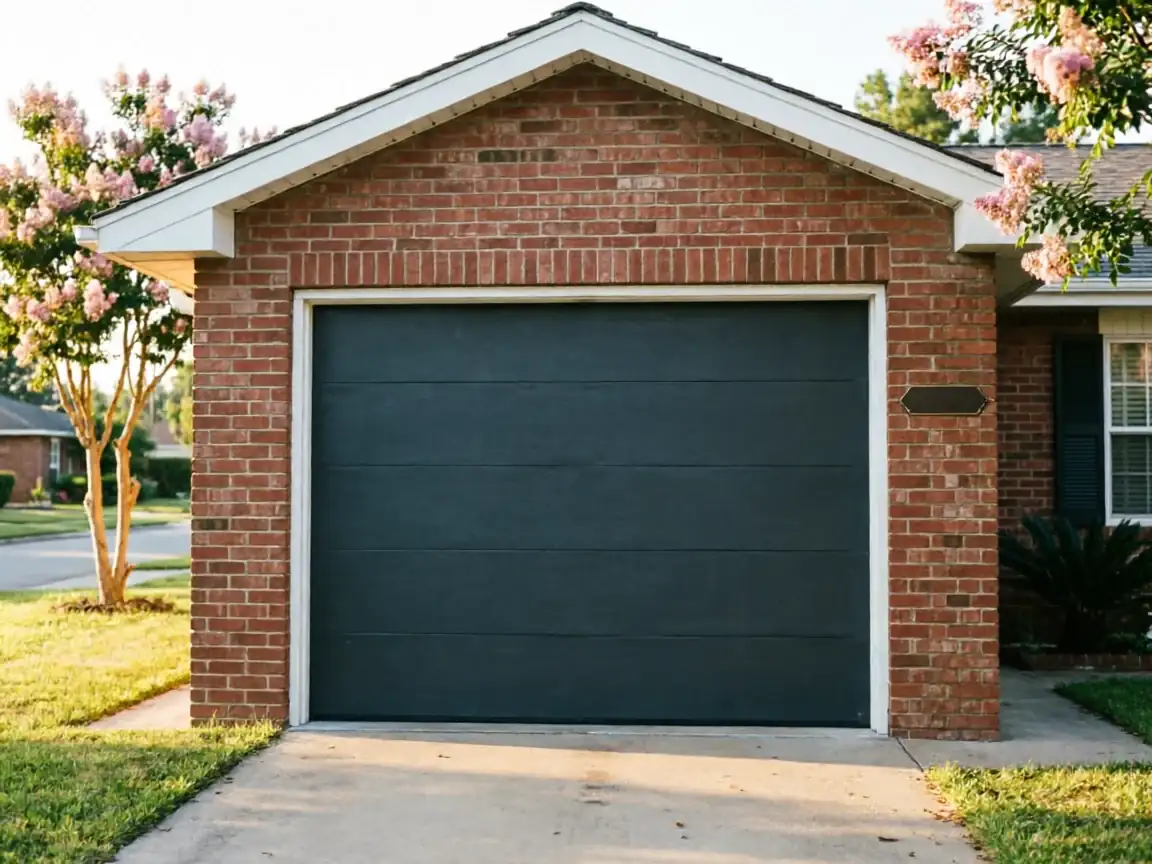
A little later than the broader Monroe service area's 1985 median. That gap of a few years lands you squarely in late-80s hardware: steel sectional doors, torsion springs sized for the lighter doors of that era, and openers that have usually been swapped out once or twice by now but still run on the original track and drum setup. If your door is original to the house, you're looking at 35-plus years on springs that were rated for a fraction of that cycle count.
What we see most in homes from this stretch of the build era
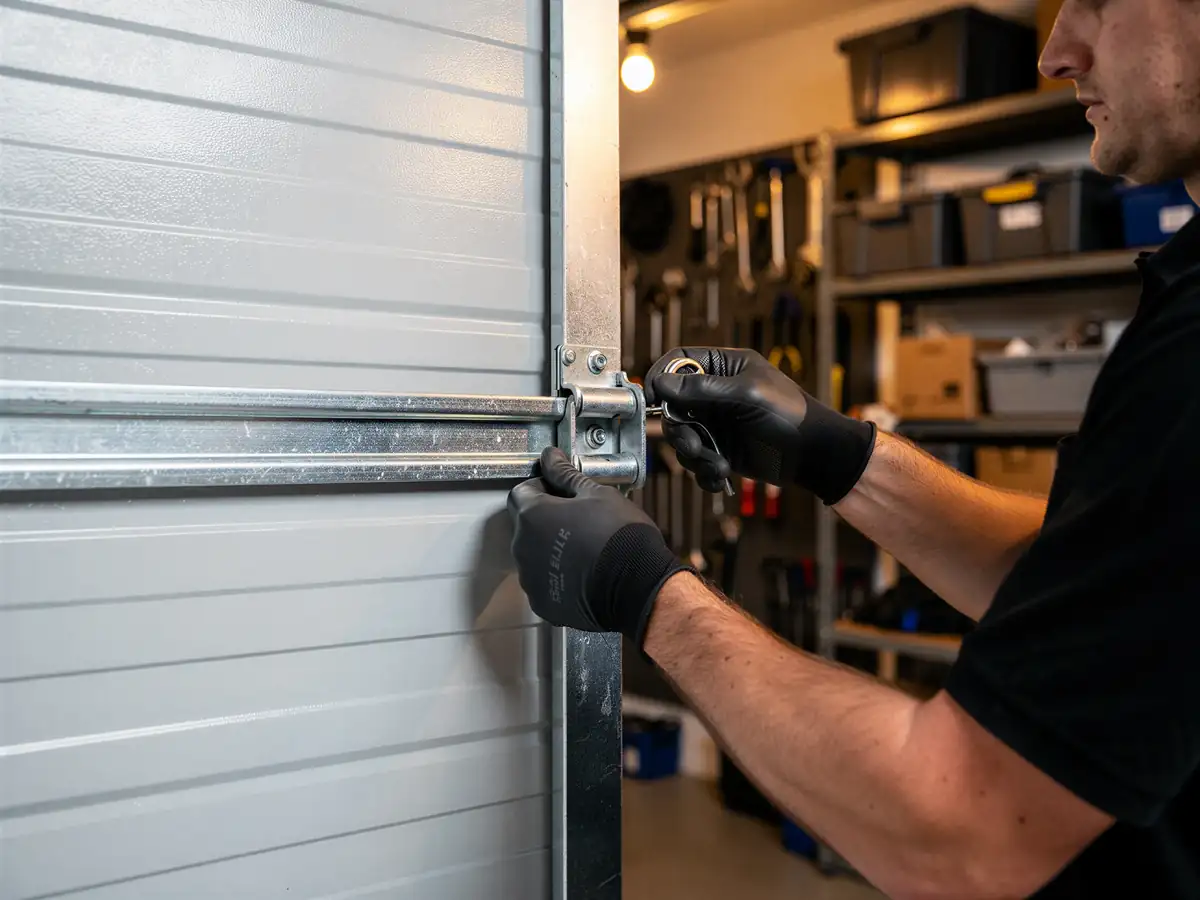
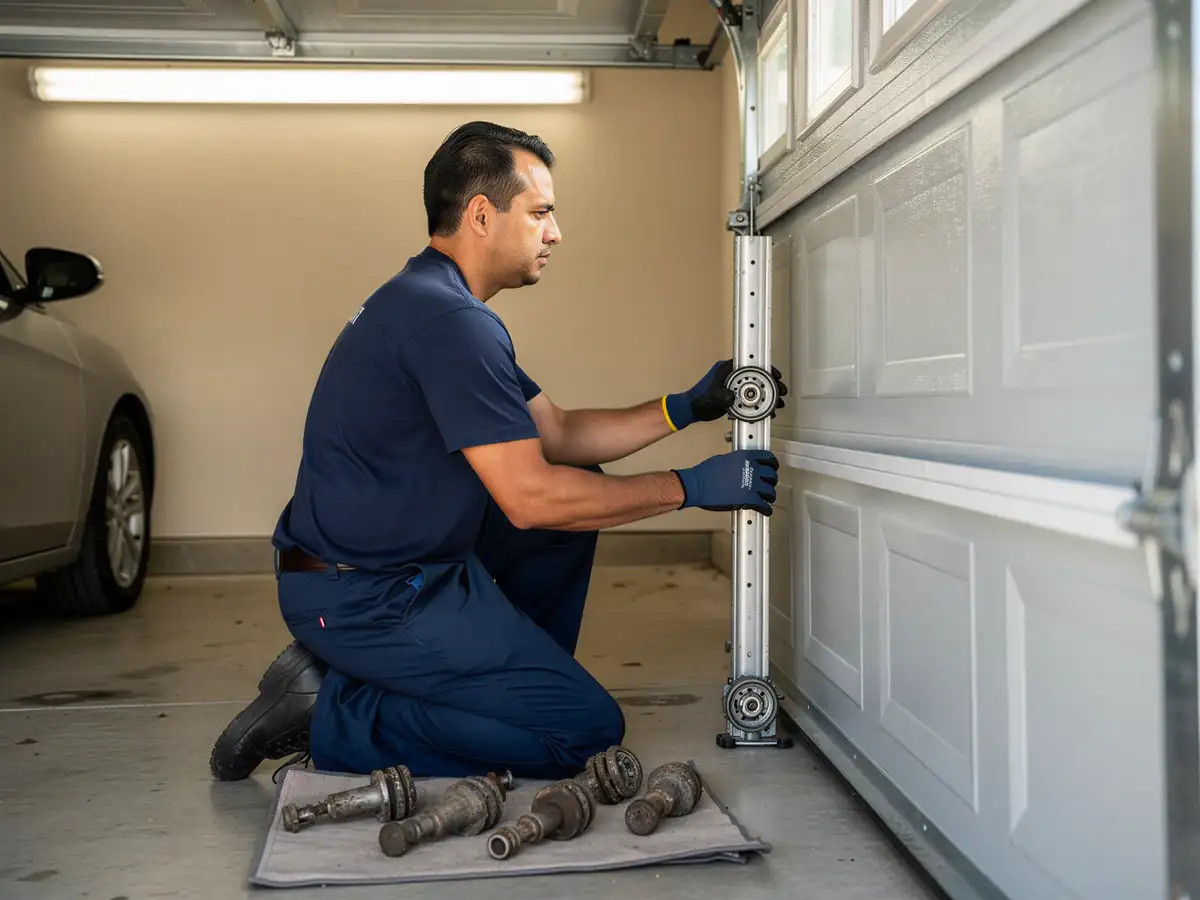
Torsion springs that have gone well past their wind-cycle life, rollers worn oval instead of round, and center supports that have sagged enough to throw the whole track out of plumb. None of that is unique to Claiborne, but the concentration of houses built in this narrow window means we see the same failure pattern on repeat visits through the area - which is useful, because it means we know what to check first instead of guessing.
Timing on This Area
The region sits in a mild climate band with occasional freeze, not the deep-freeze cycling that cracks springs outright, but enough cold-snap stress on steel and lubricant to matter. Springs here tend to fail from fatigue and age more than from a single hard freeze, which is actually good news - it means most failures give some warning (a door that's suddenly heavier, a louder clunk on the way up) before they snap outright.
Claiborne has roughly 4,897 households, smaller than some of the other named communities we cover, which keeps call volume here lighter than in denser parts of the service area. That's not a promise of a faster truck - we're still coming from Monroe - but it does mean fewer households competing for the same slot on any given day.
What Was Built Here
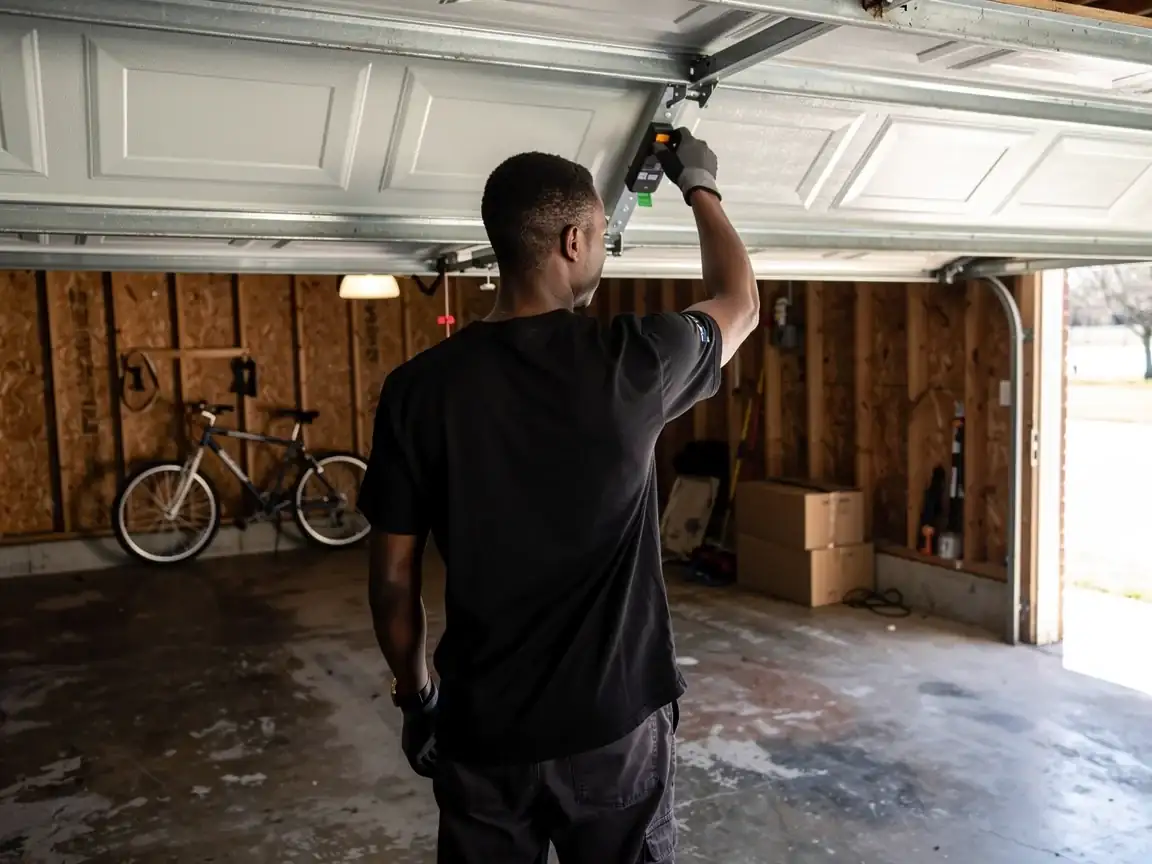
With a median household income around $69,173, noticeably higher than the broader service area's $46,663, Claiborne skews toward owners who replace rather than patch - a full opener swap or a two-panel replacement instead of stretching a repair another two years. We don't push that; a worn roller or a bent hinge is a cheap fix and we'll say so. But when a torsion spring goes on a door that's pushing 35 years old, the honest math often favors replacing the opener at the same time rather than paying for two separate truck visits six months apart.
Across the wider service area, 6,745 of the houses are owner-occupied out of 16,599 households, and the housing stock runs mostly 1980s-90s across the nine communities we work. Claiborne's late-80s build year puts it right in that window, which is exactly why the parts and failure patterns described above hold true here more reliably than a generic estimate would.