The Drive Over
Swartz sits about seven miles from our shop in Monroe, close enough that a spring job or opener call doesn't eat the whole afternoon. We don't keep a crew stationed in Swartz - there's no local depot, just a truck that comes out from Monroe when you call. That's worth saying plainly so nobody expects a same-day guarantee we can't back up. What we can say is that Swartz is a regular stop on our route, not an afterthought tacked onto a Monroe job.
The area has around 1,572 households, a small slice of the roughly 16,599 across our whole service territory. Median household income here runs near $69,968 - well above the $46,663 figure for the broader coverage area. That matters more than it sounds like it should, because it tends to track with how a house was finished out: insulated steel doors instead of bare panels, openers upgraded instead of left original. We see more of that in Swartz than in some of the older pockets closer to Monroe.
How That Shows Up in the Door
Most houses in Swartz went up around 1985, same build era as the broader service area median
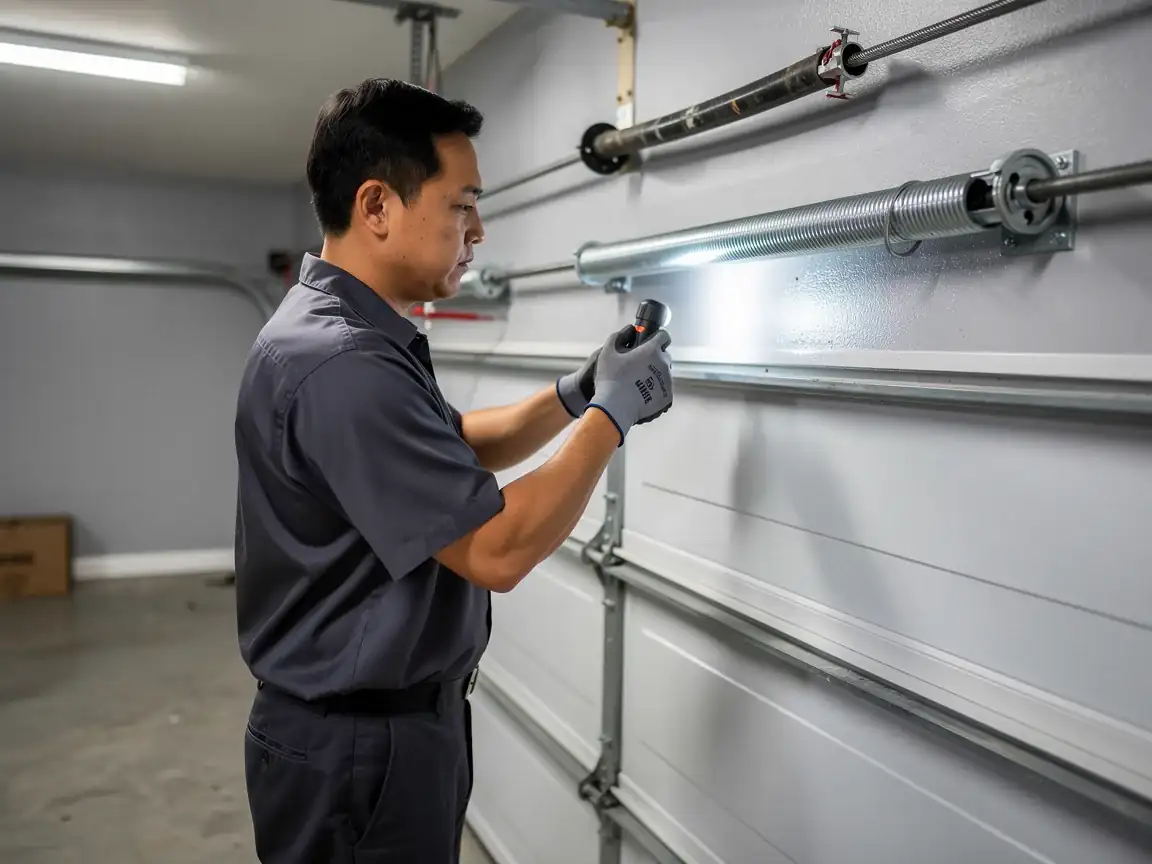
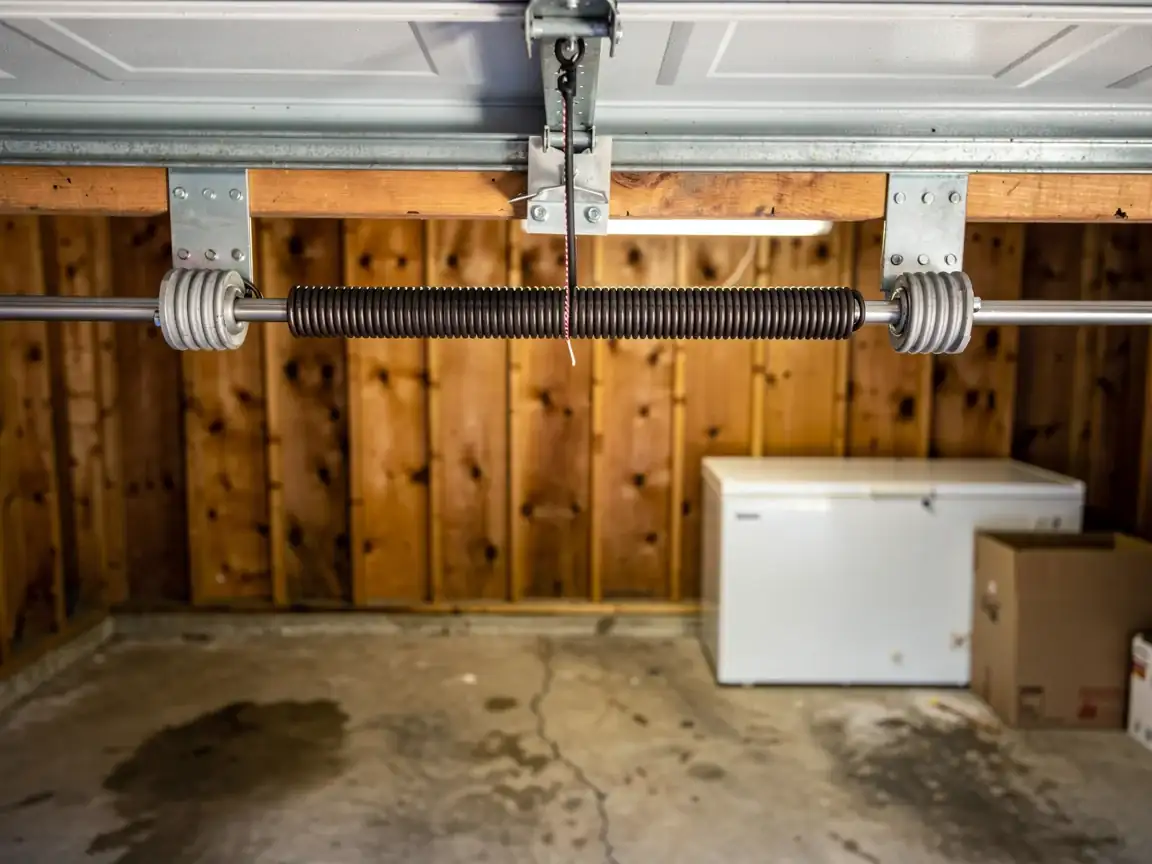
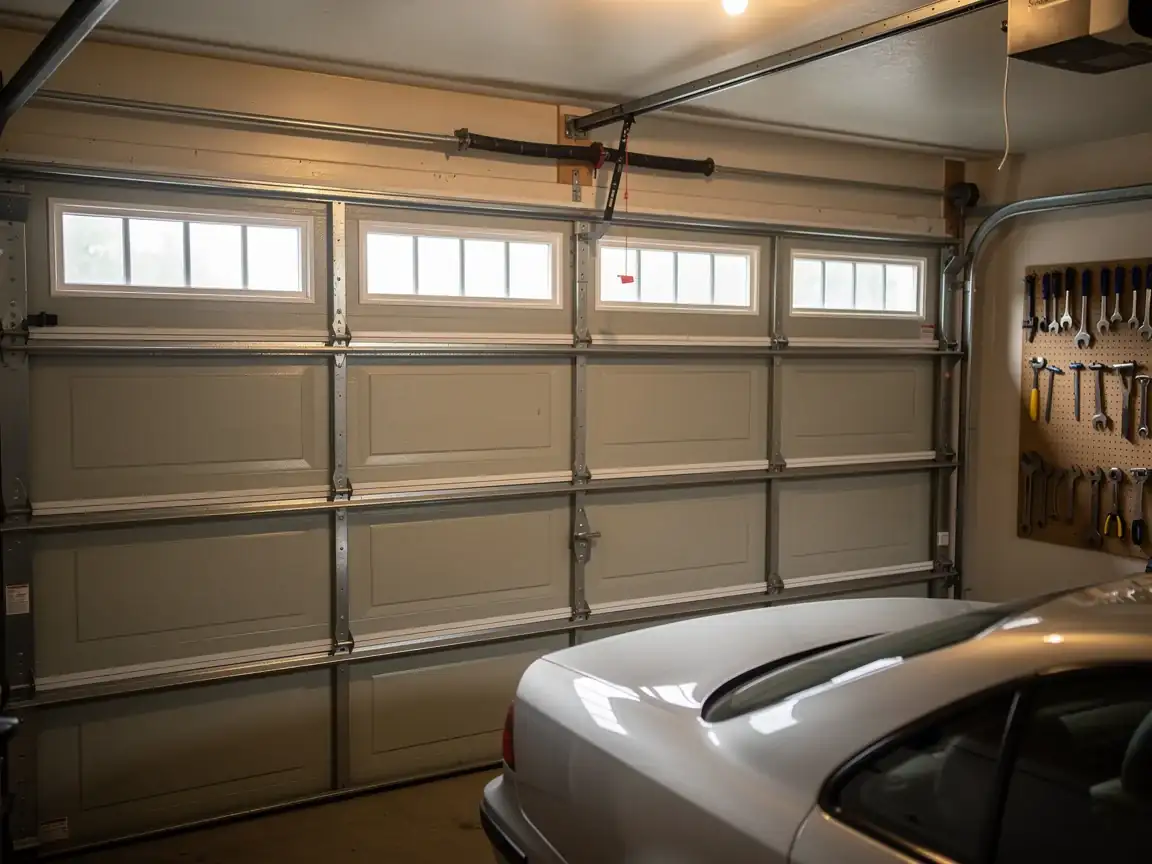
Which means the hardware is consistent rather than a mixed bag of eras. That's a torsion-spring door, almost always, mounted on a horizontal shaft above the opening rather than the older side-mounted extension springs you'd find on something built before the mid-1970s. Torsion springs wear differently - they go all at once, usually with a loud bang, rather than sagging gradually the way extension springs do.
Openers from that construction window are long past their intended service life if they're still original
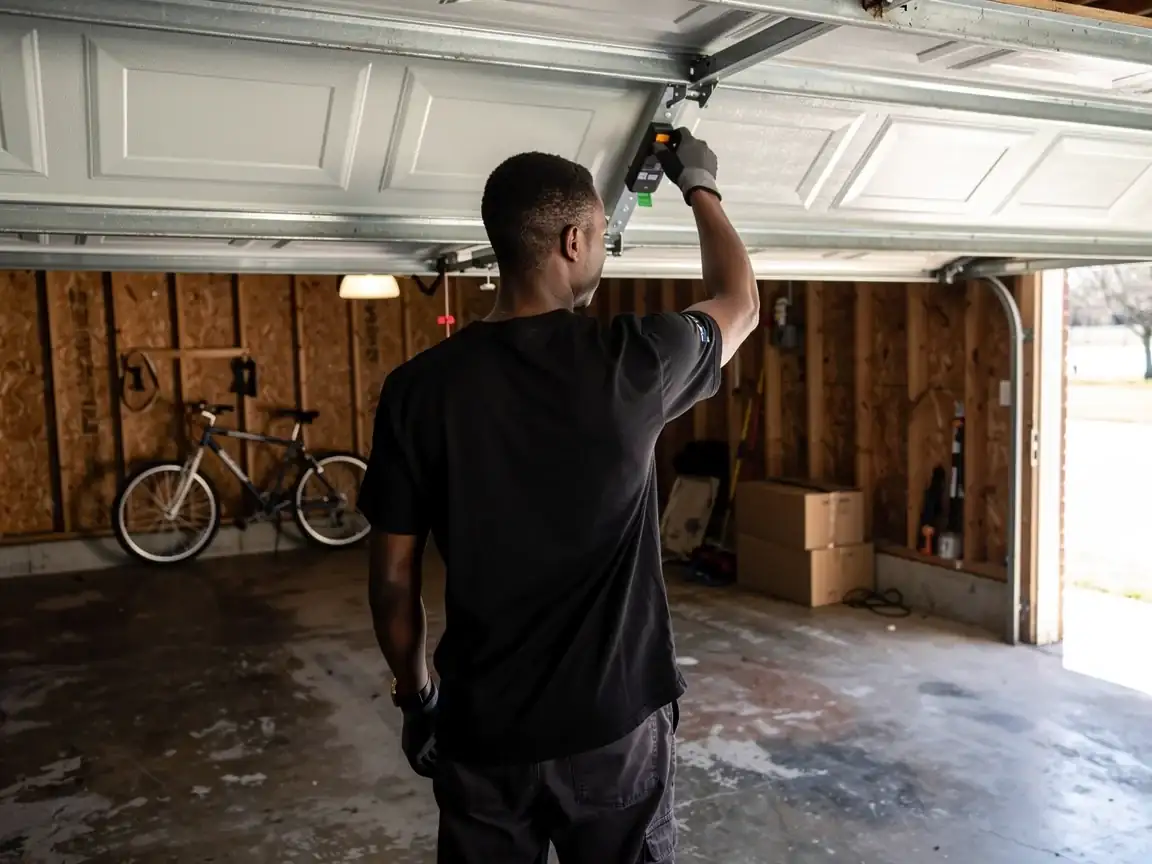
Chain-drive units from the mid-80s used gear sets that strip under repeated strain, and a lot of homeowners in this bracket are replacing an opener for the second or third time rather than the first. We don't push a full opener swap when a $20 gear kit or a logic board fix solves the actual problem - that's a call we make on-site, not over the phone.
Timing on This Area
The climate band here is mild with occasional freeze, not the hard freeze-thaw cycling that cracks concrete and seizes hardware further north. That's a point in favor of torsion springs lasting closer to their rated cycle count. It doesn't mean nothing moves - a cold snap still stiffens grease in an old roller track and makes a marginal spring finally let go. We get more spring-failure calls out of Swartz in the first cold stretch of the year than any other stretch.
Beyond that seasonal bump, most of what we see is wear catching up with age rather than weather doing damage. A door installed when the house was built in the mid-1980s is now at or past the point where springs, rollers, and cable are original and tired at the same time. If one part fails, the others usually aren't far behind, which is why we check the whole assembly on a service call instead of just swapping the broken piece.
What Was Built Here
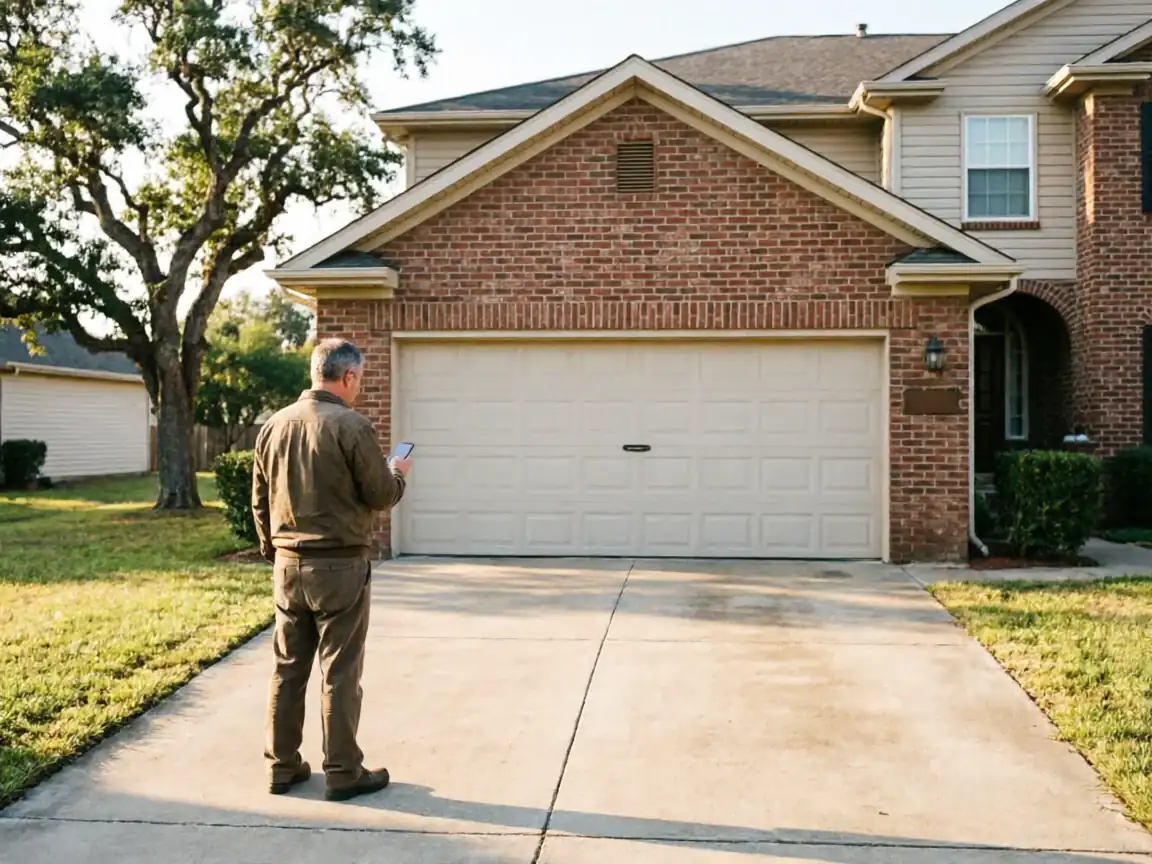
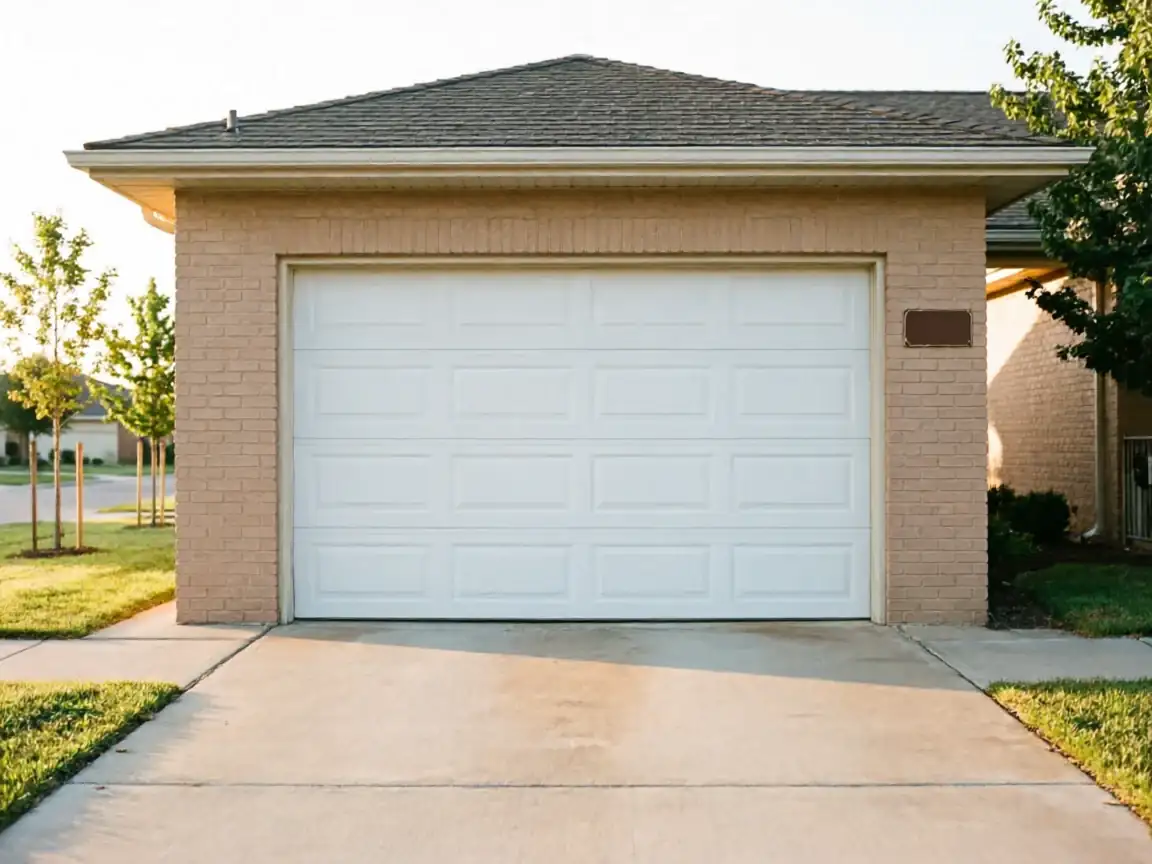
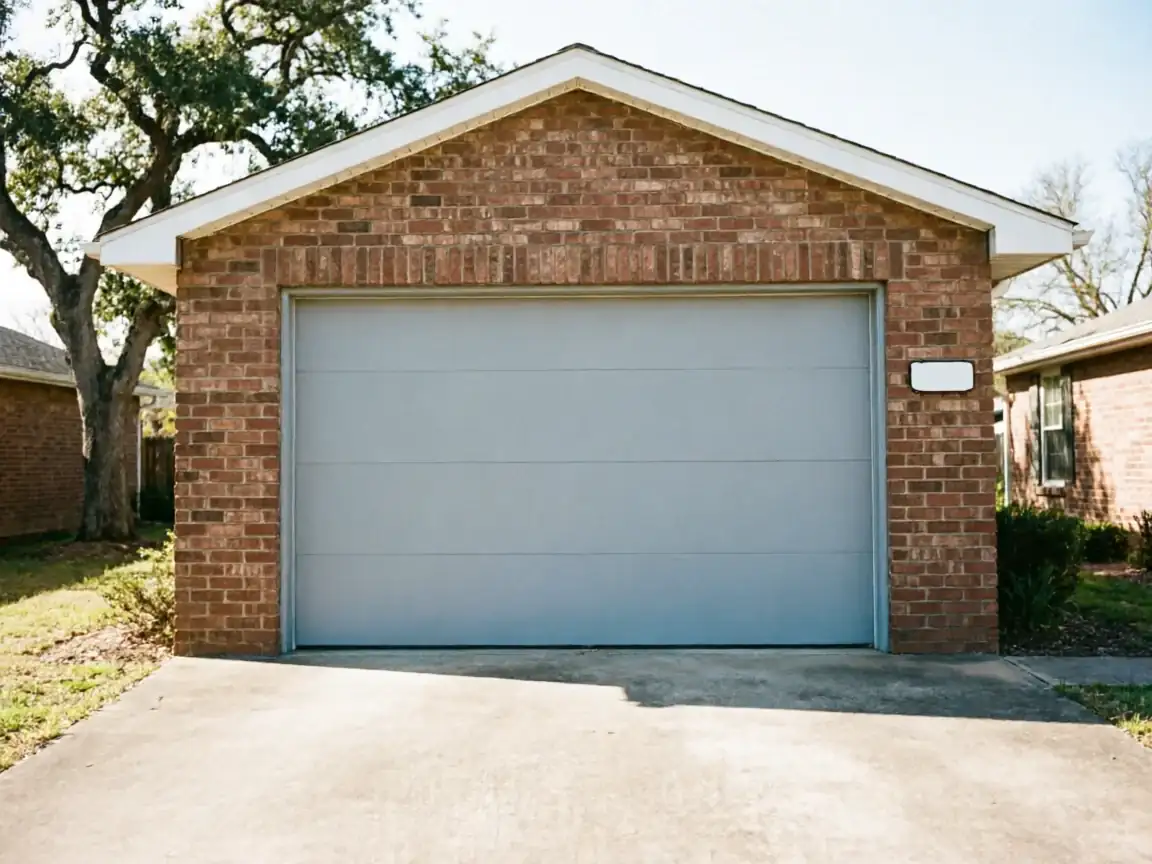
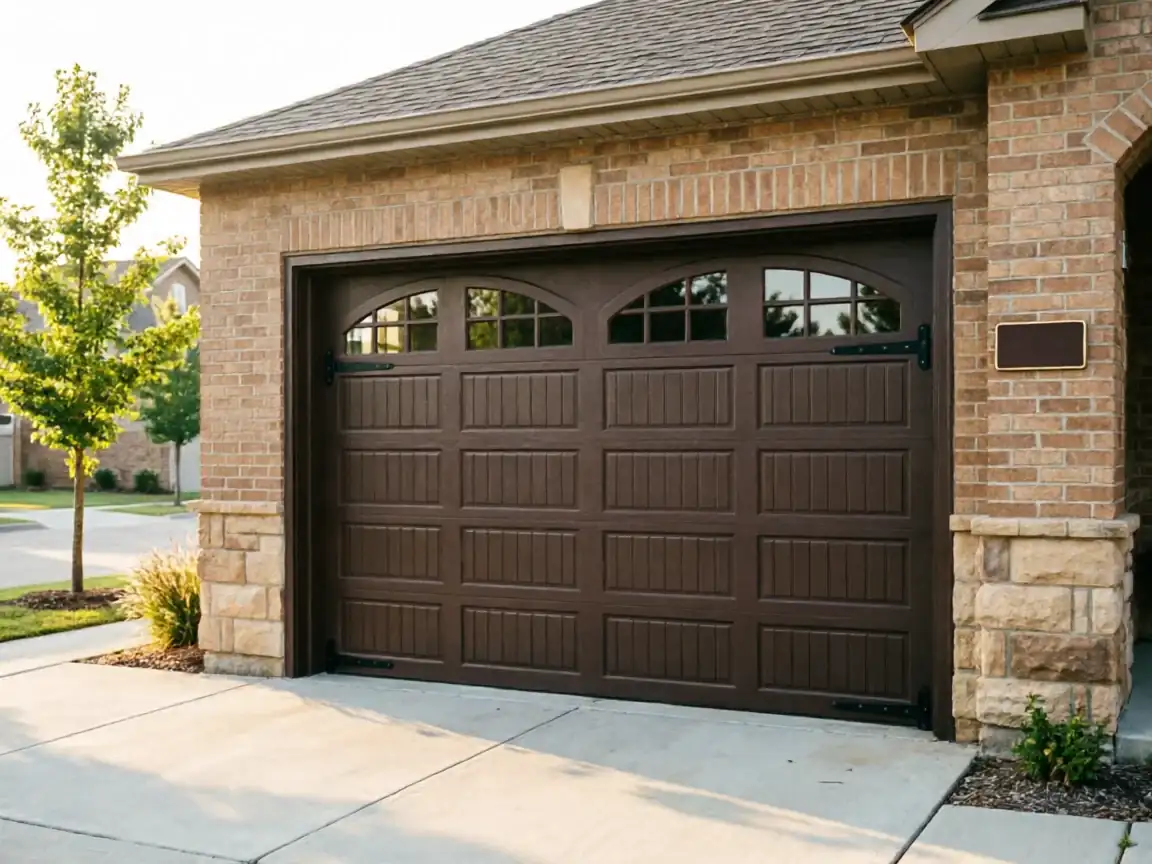
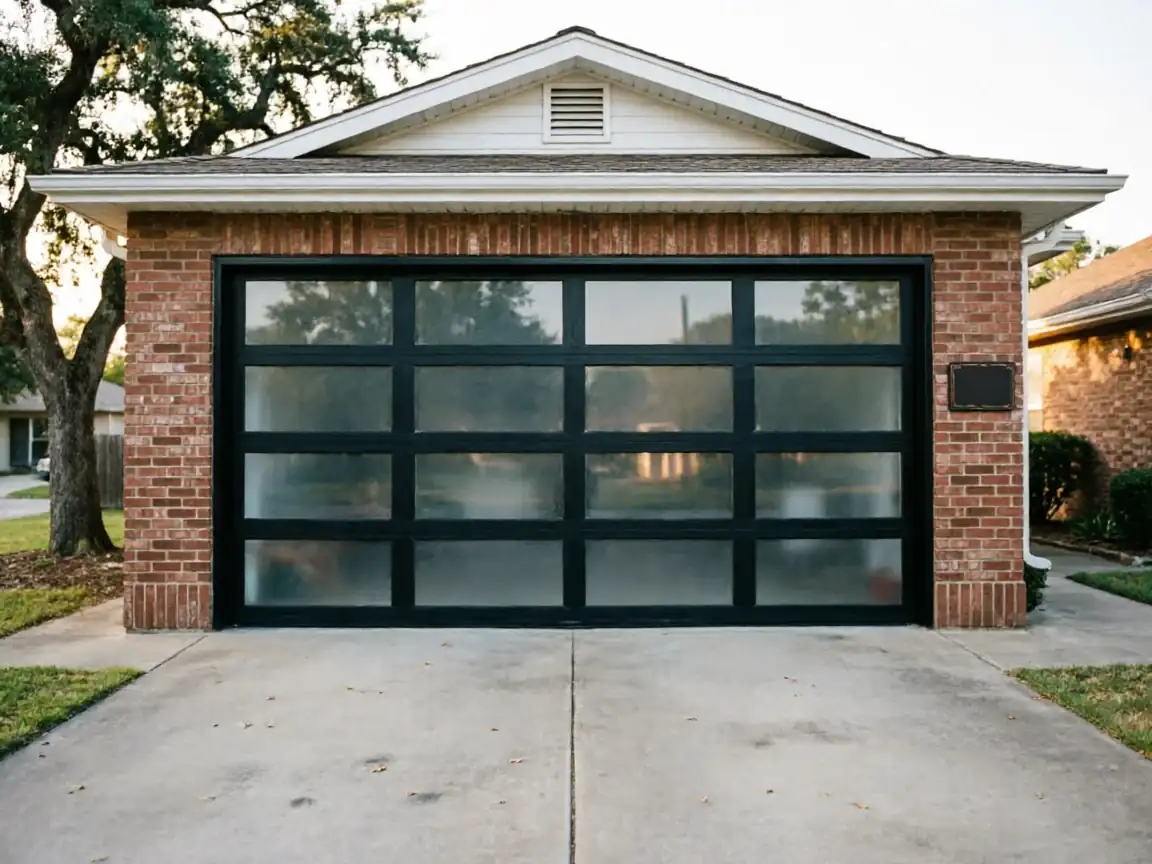
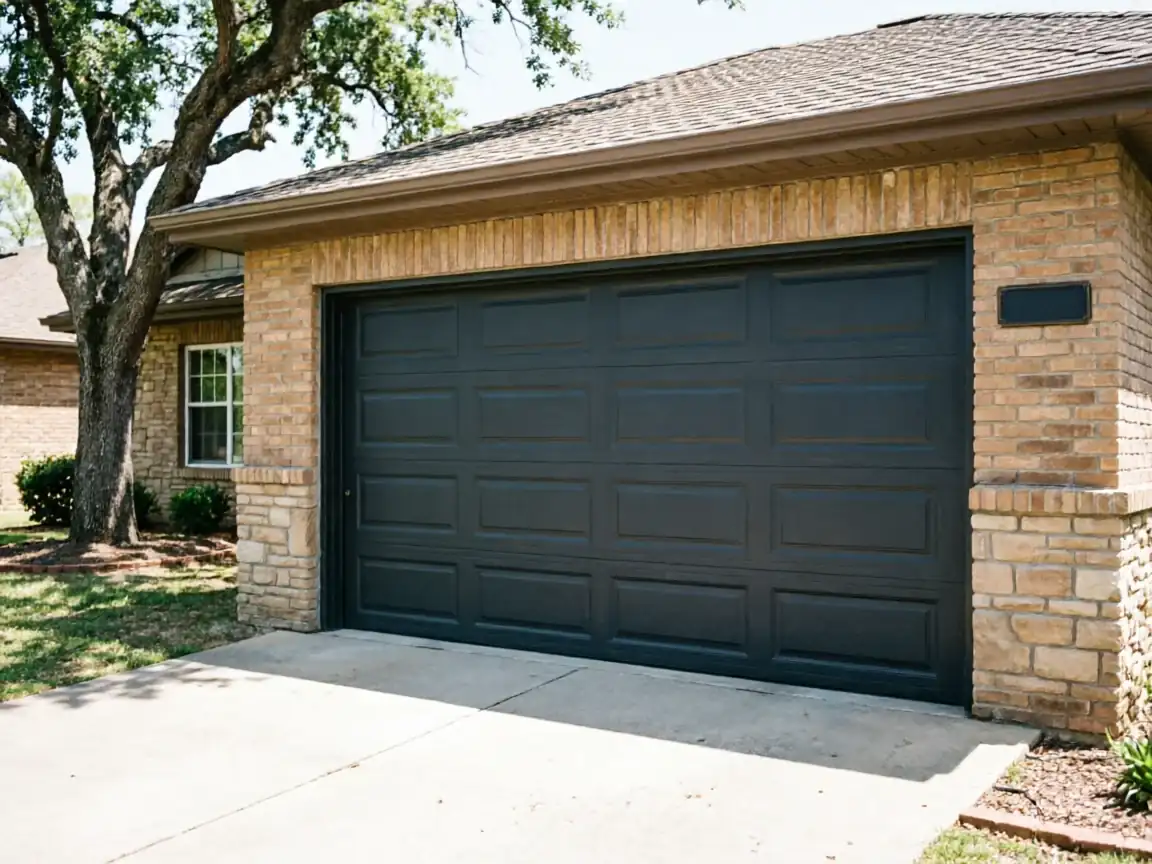
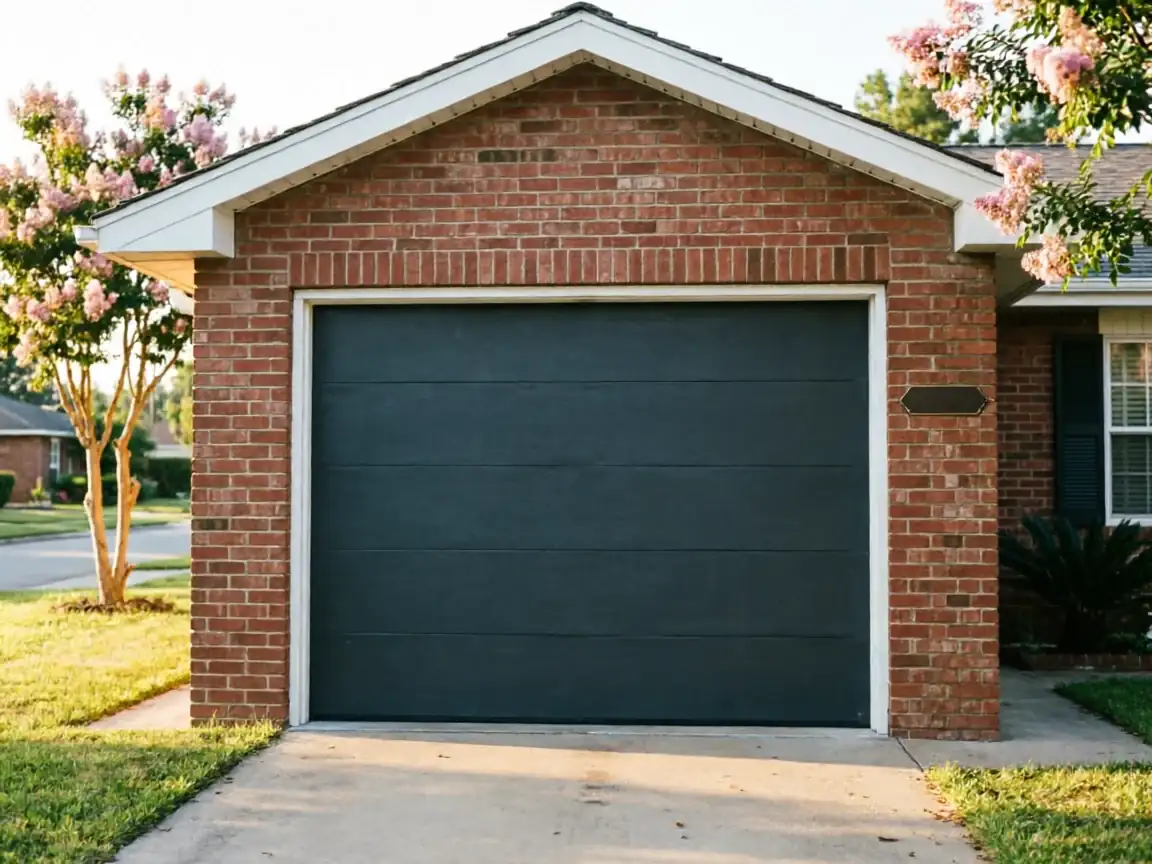
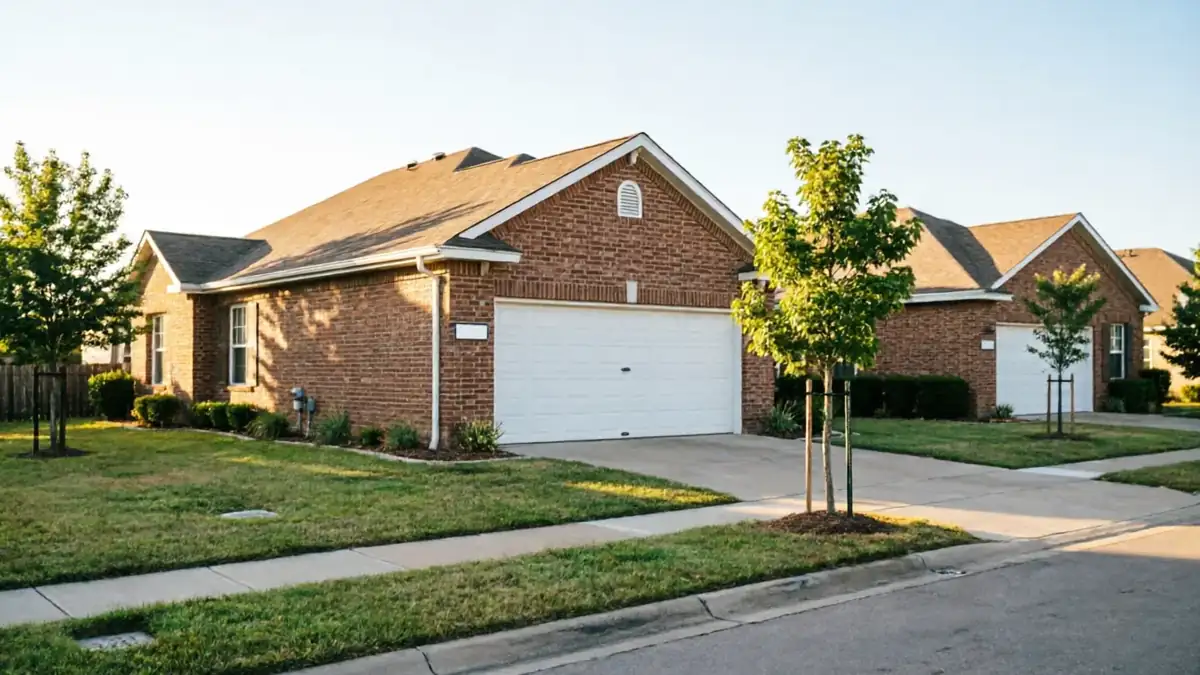
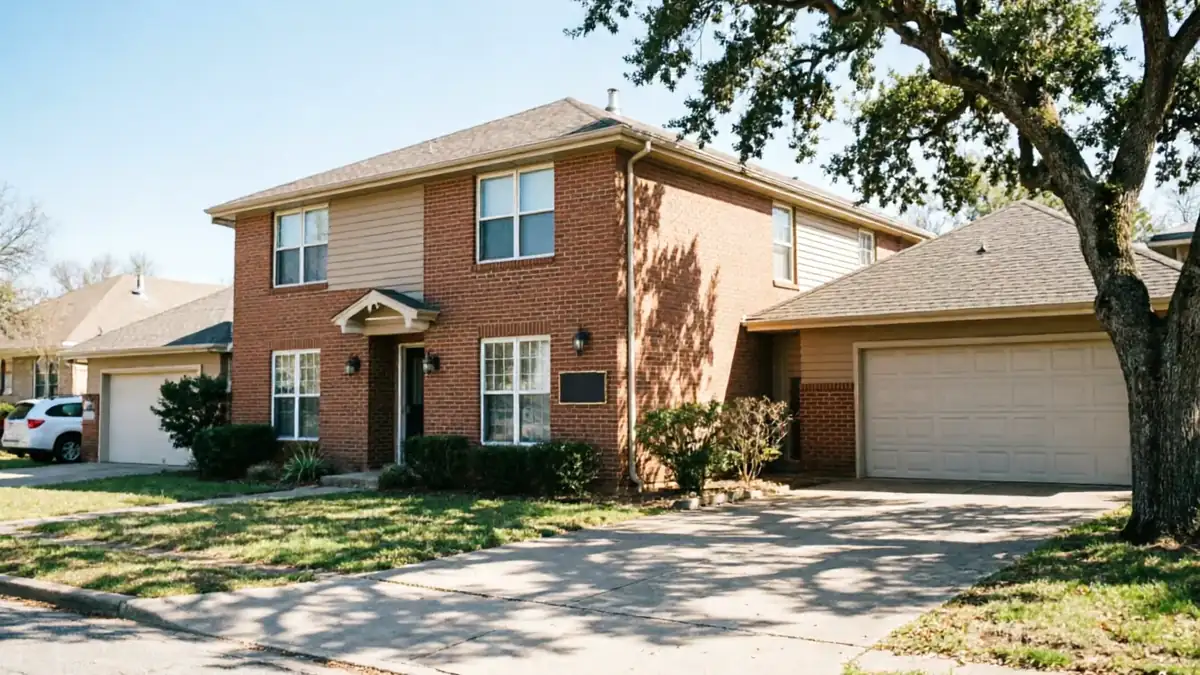
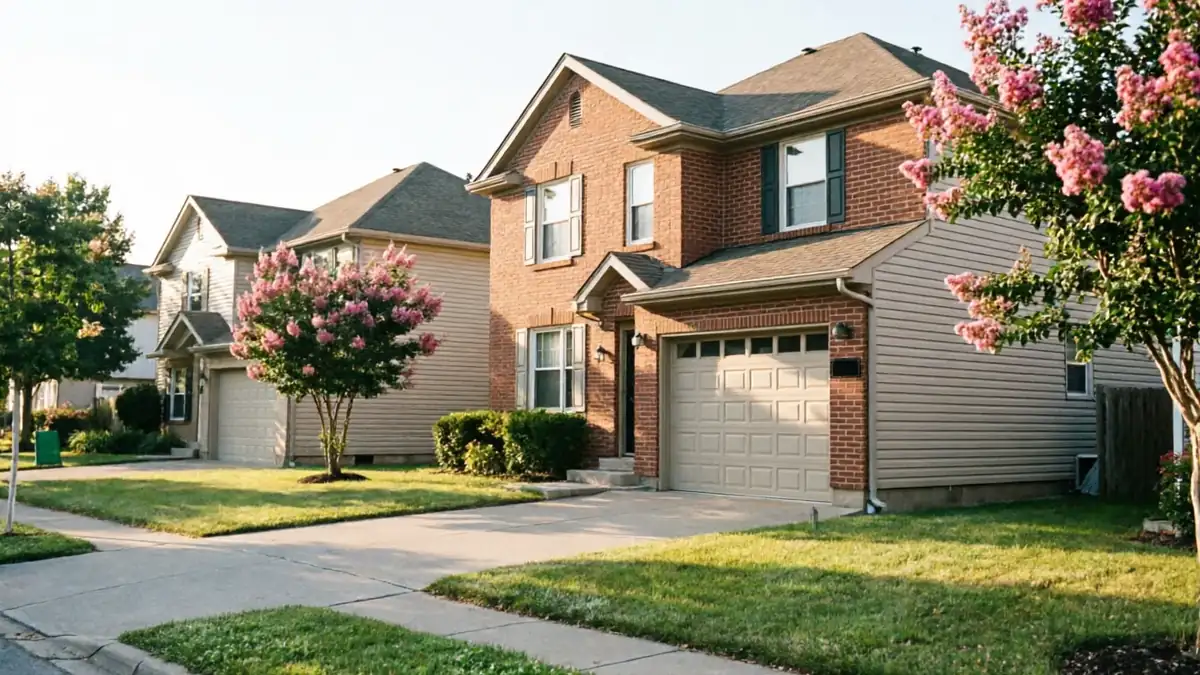
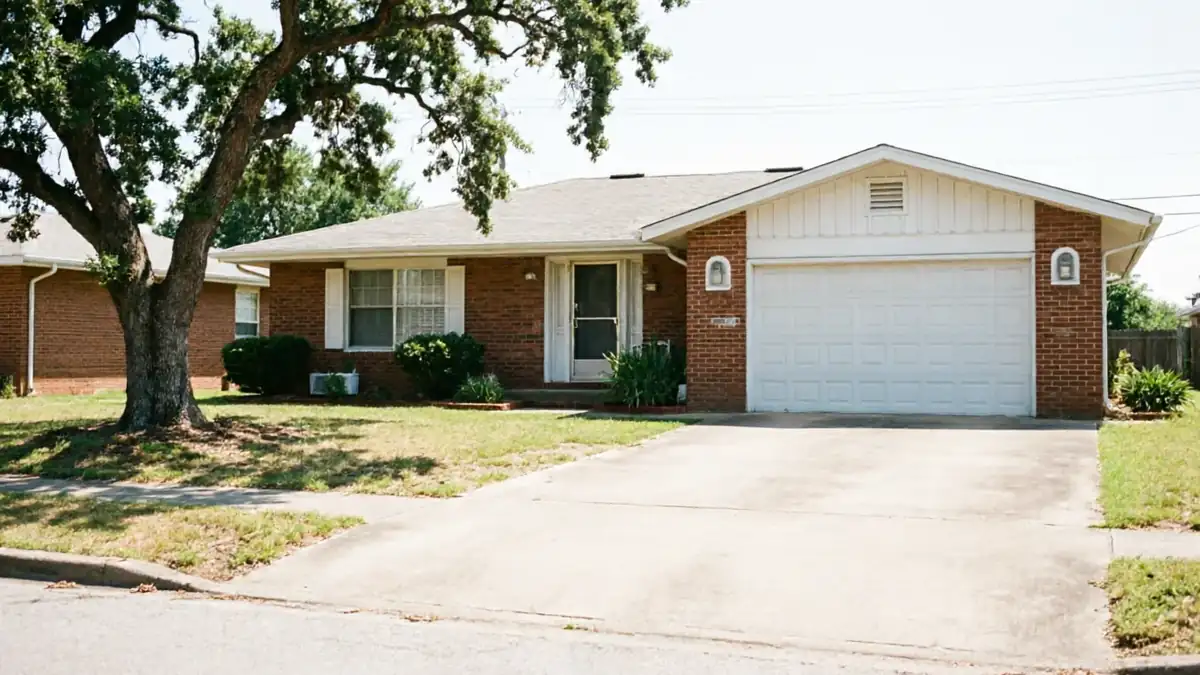
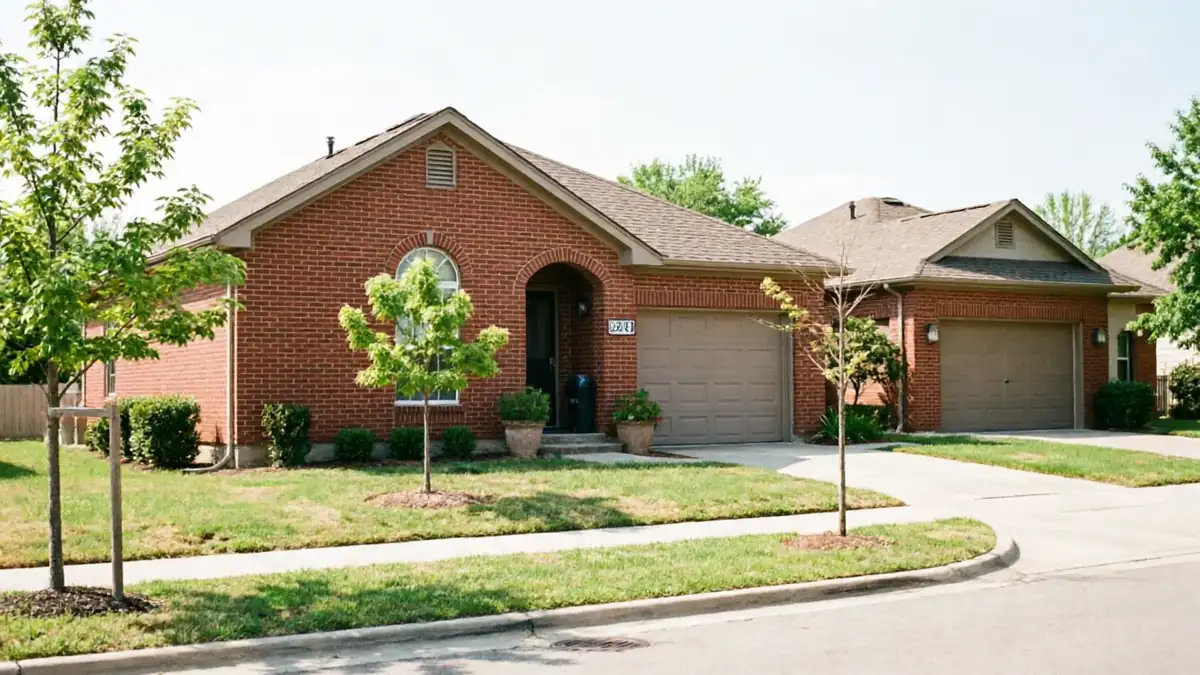
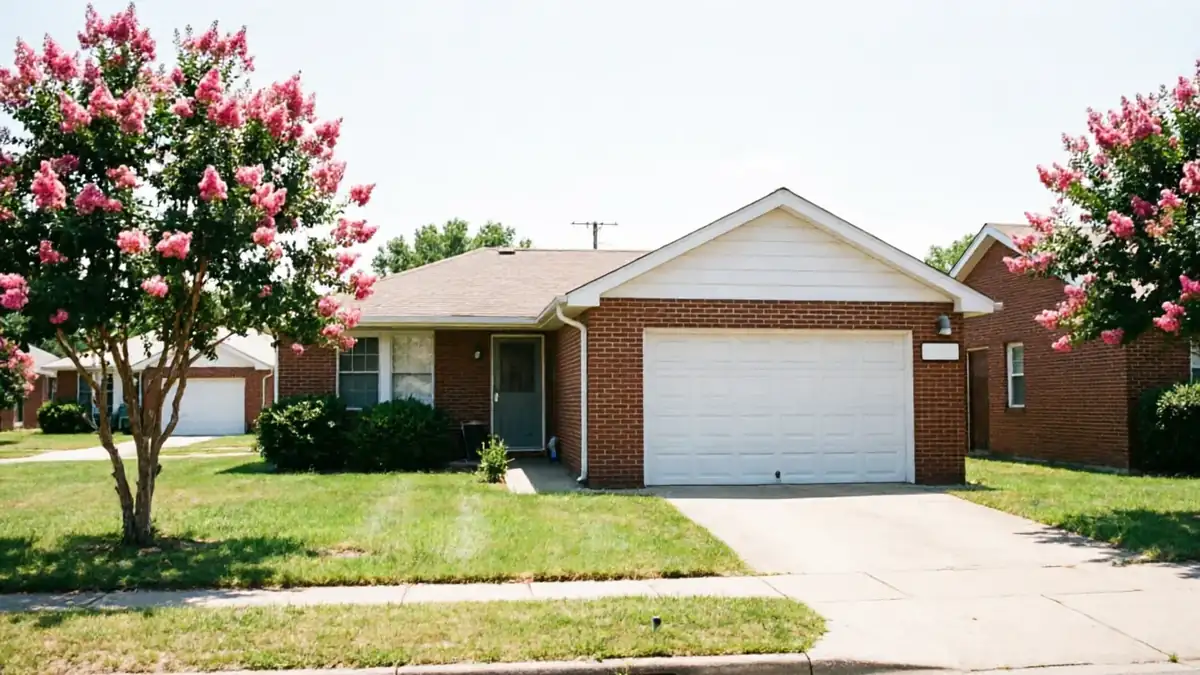
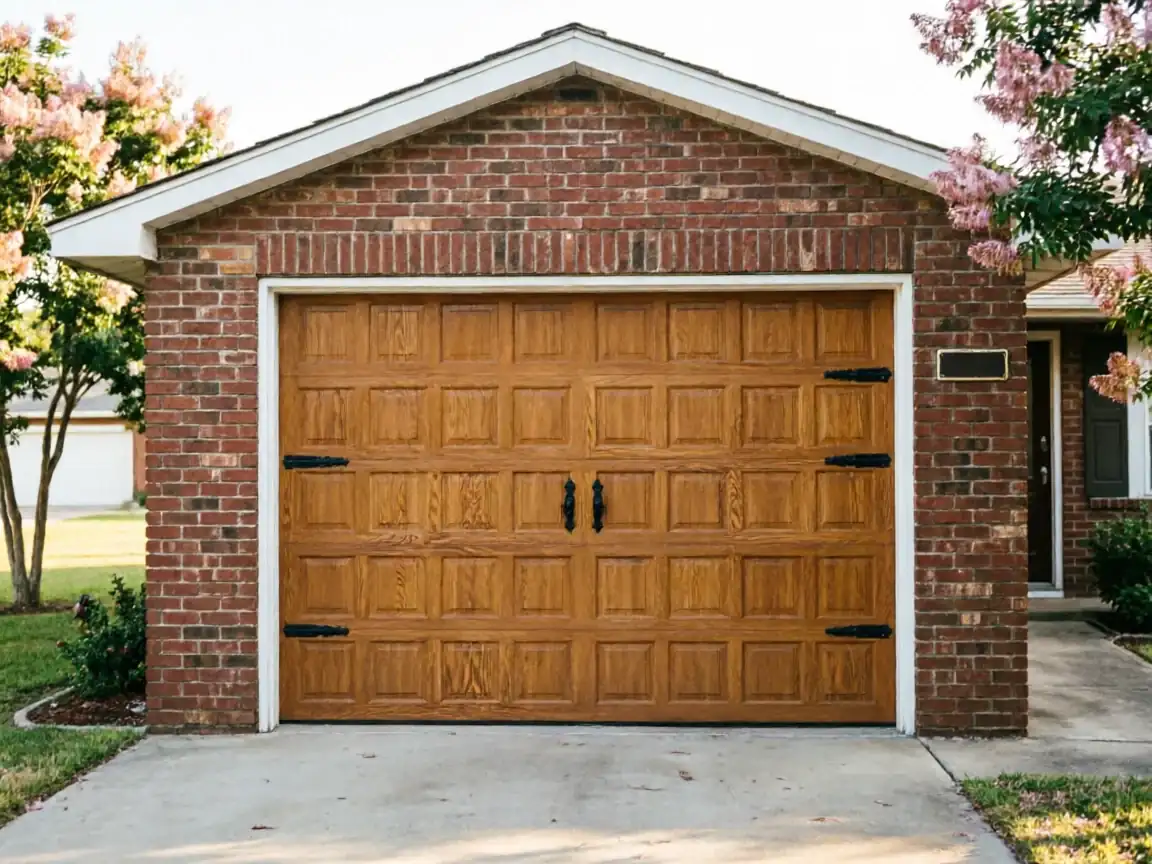
Swartz is part of a service area where housing construction runs mostly 1975 to 2005, median year 1985, and that holds true locally - this isn't a pocket of much older or much newer stock. What it means in practice: steel sectional doors on torsion hardware, garage openings sized to the two-car driveways that became standard in that building period, and openers that have likely been replaced at least once since the house was new.
We don't see much of the one-piece, side-hinged doors that show up in older river towns, and we don't see the newer insulated composite doors that come standard on recent construction either. Swartz sits squarely in the middle: a consistent, predictable door type, which actually makes diagnosis faster. When a part fails, we usually know which part before we've unloaded the truck.