What the Fix Involves
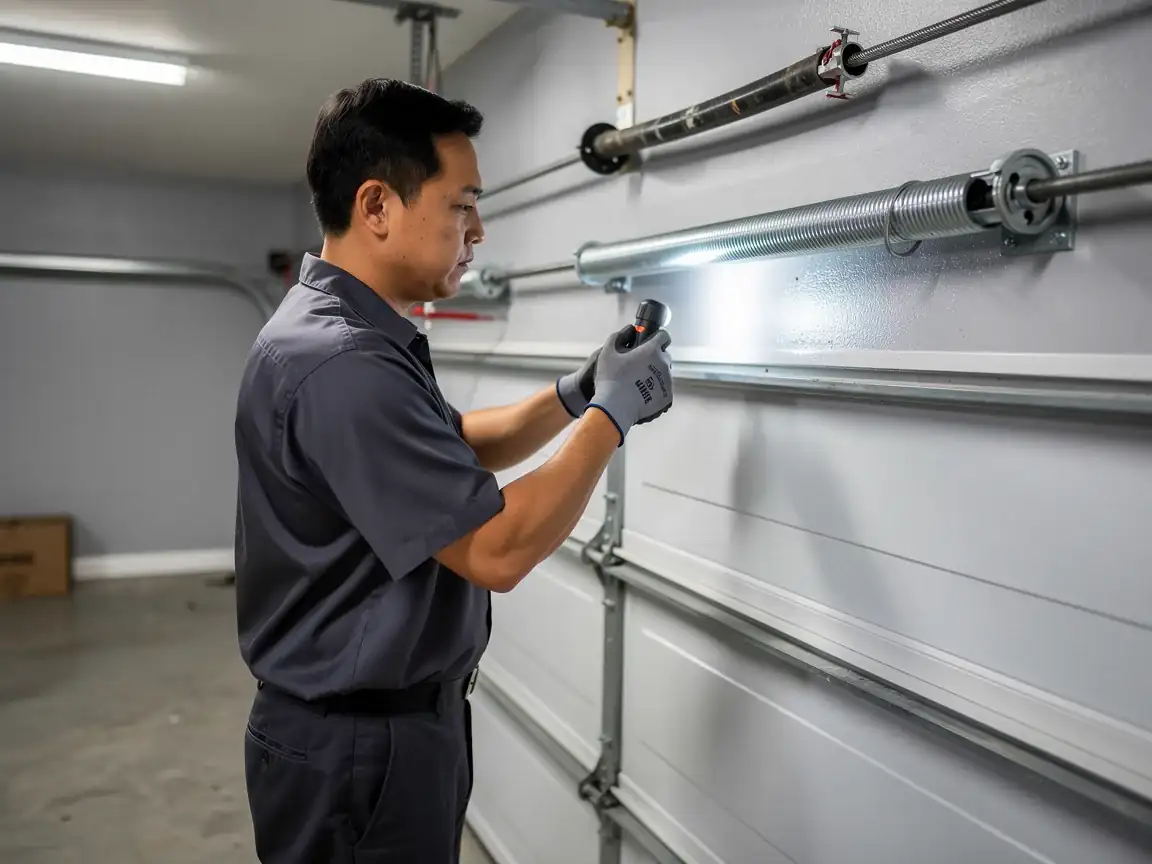
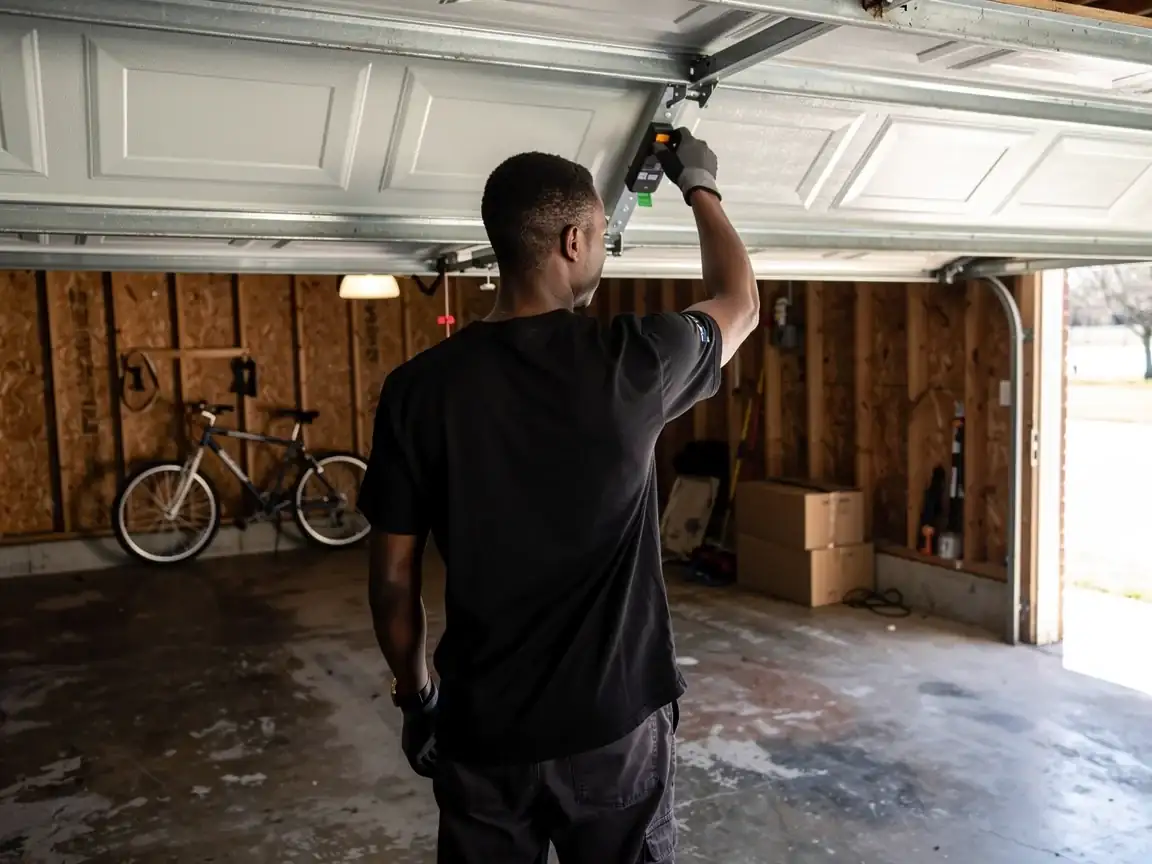
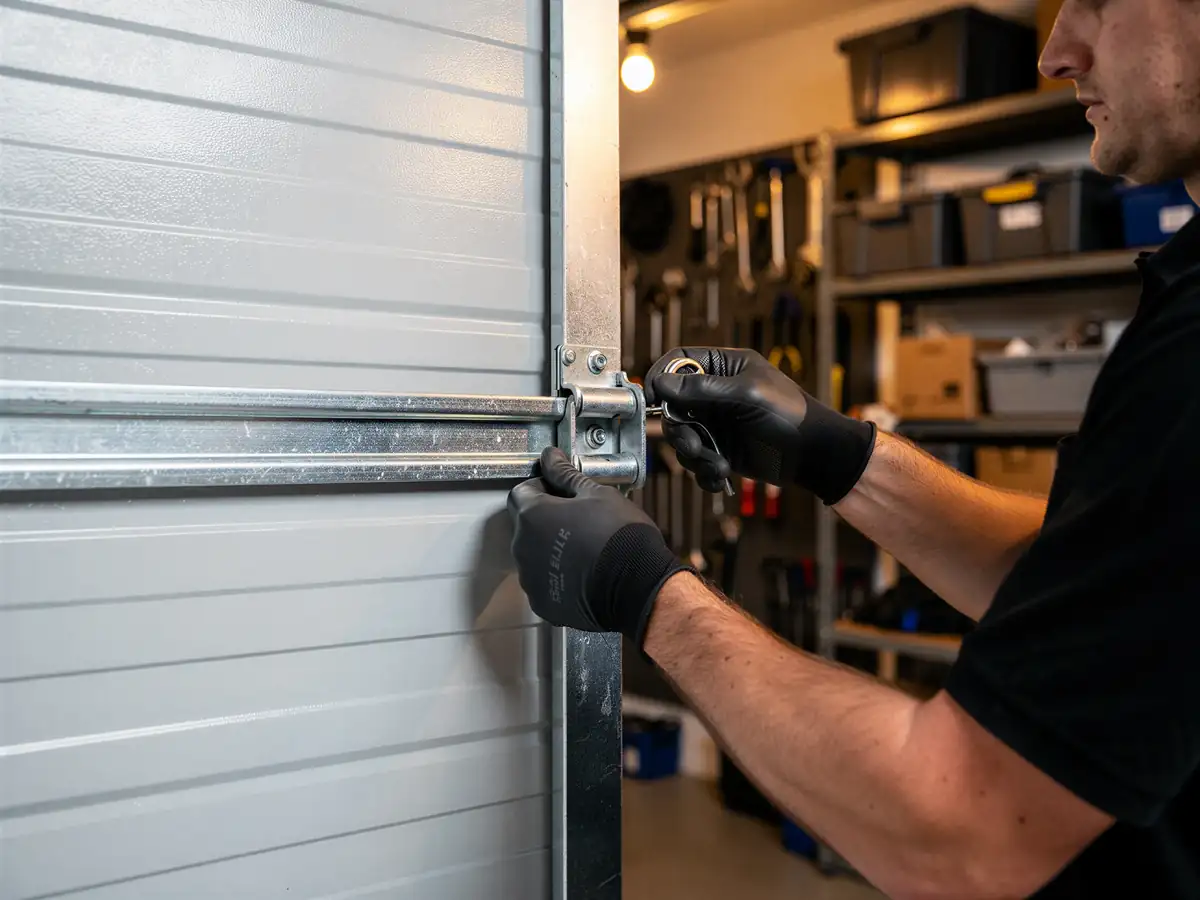
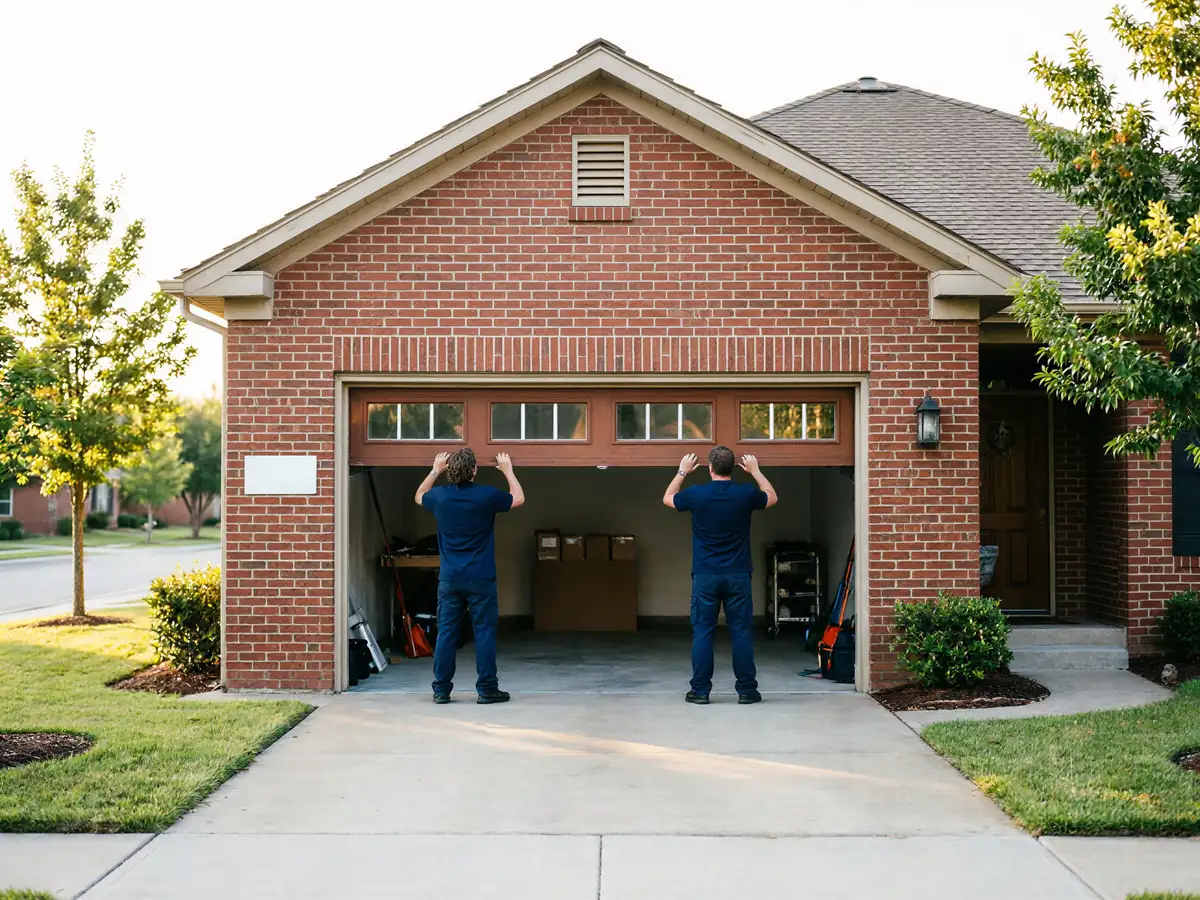
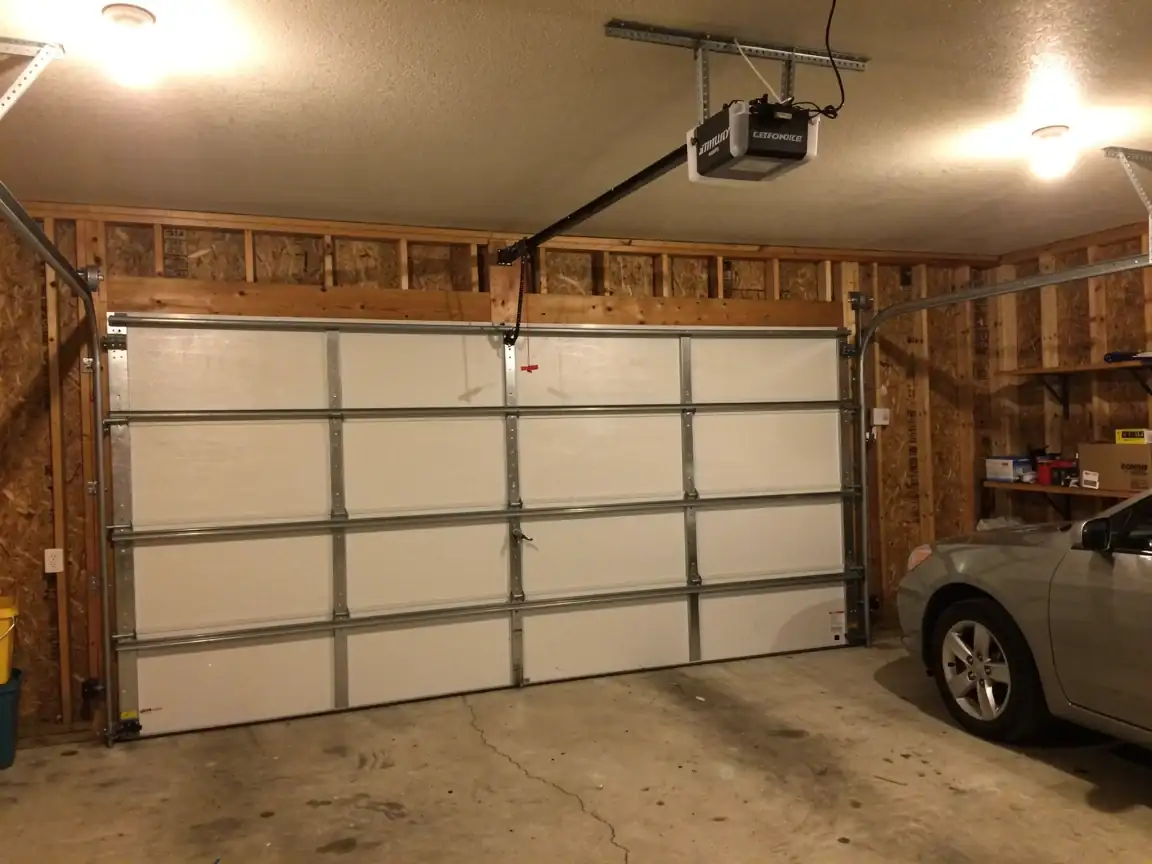
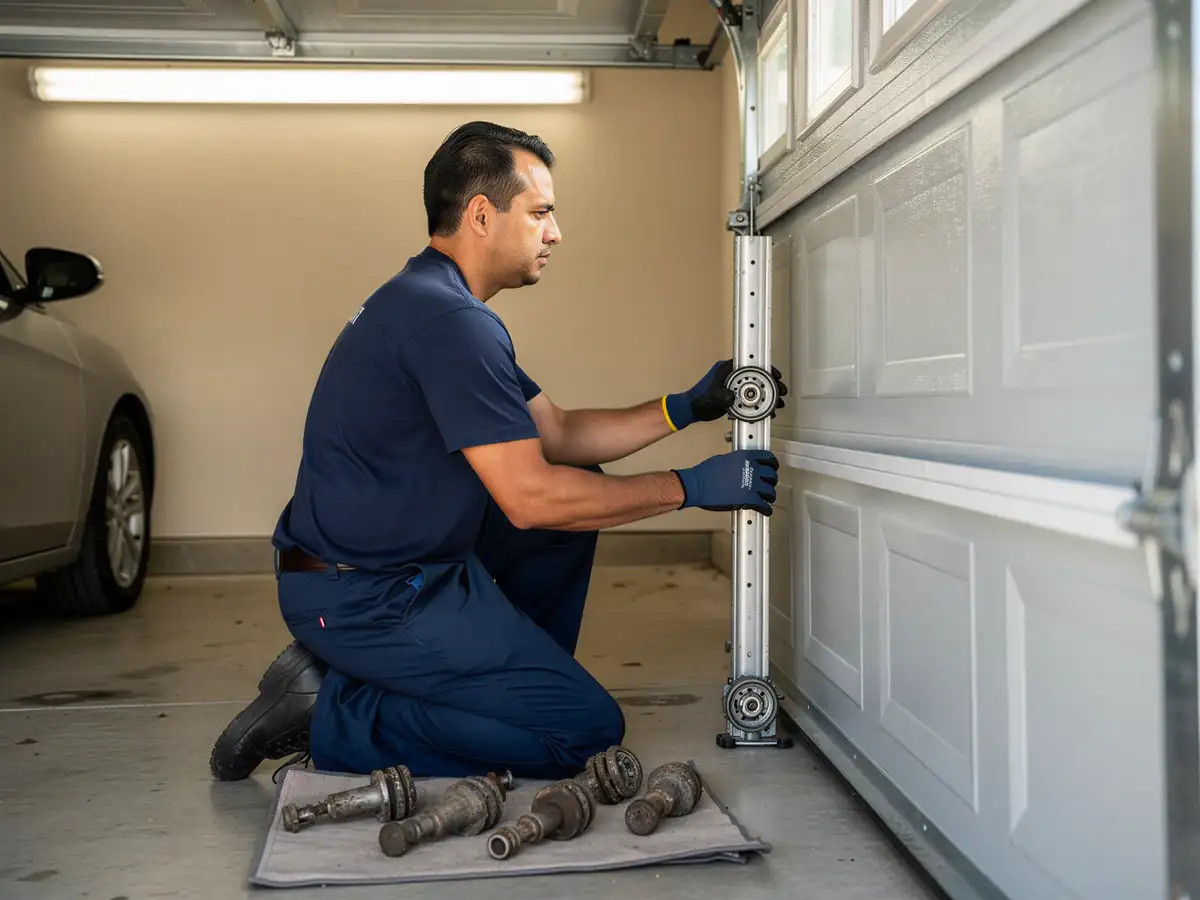
A panel replacement means pulling the damaged section out of the door and bolting in a matching one, not replacing the whole door. On a sectional door, each panel is its own unit, stacked with hinges and end rollers. We take the door apart down to the bad section, check the hinges and rollers on either side of it since they usually took the same hit, and set the new panel so the seams line up and the door still seals at the bottom.
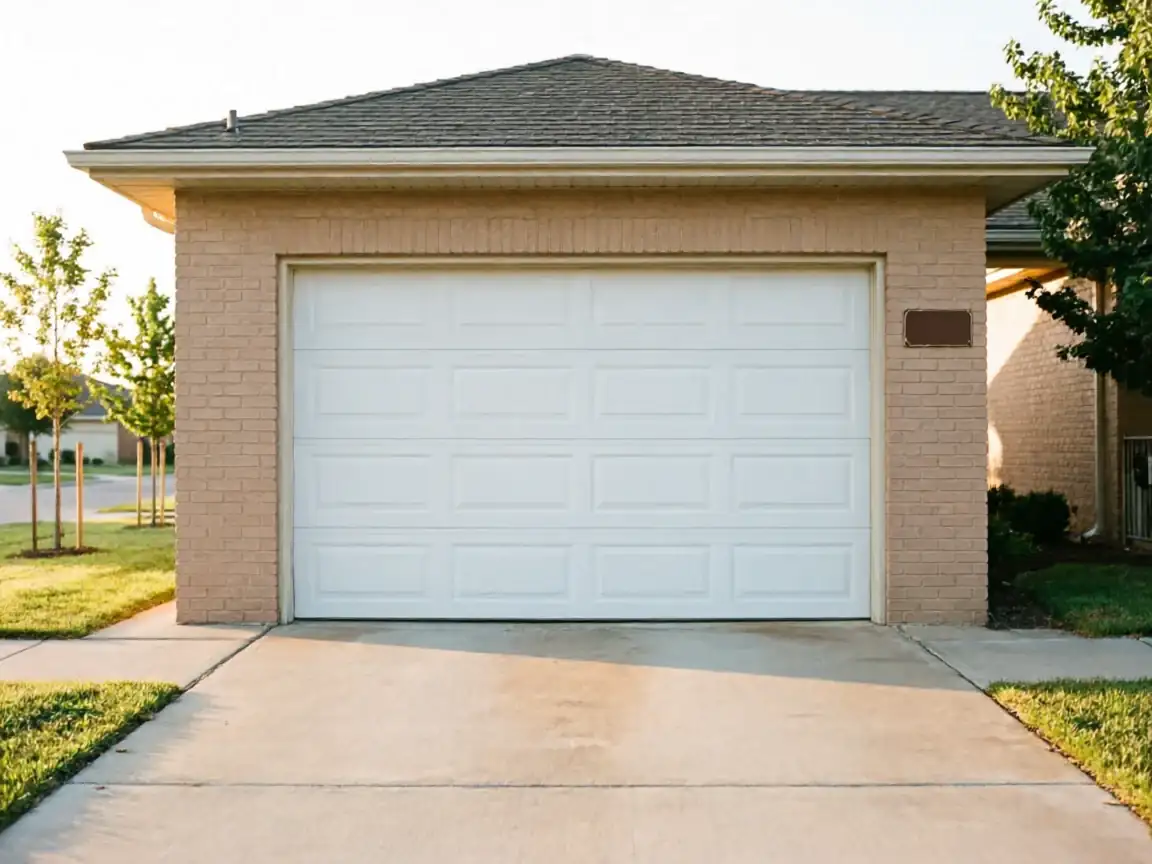
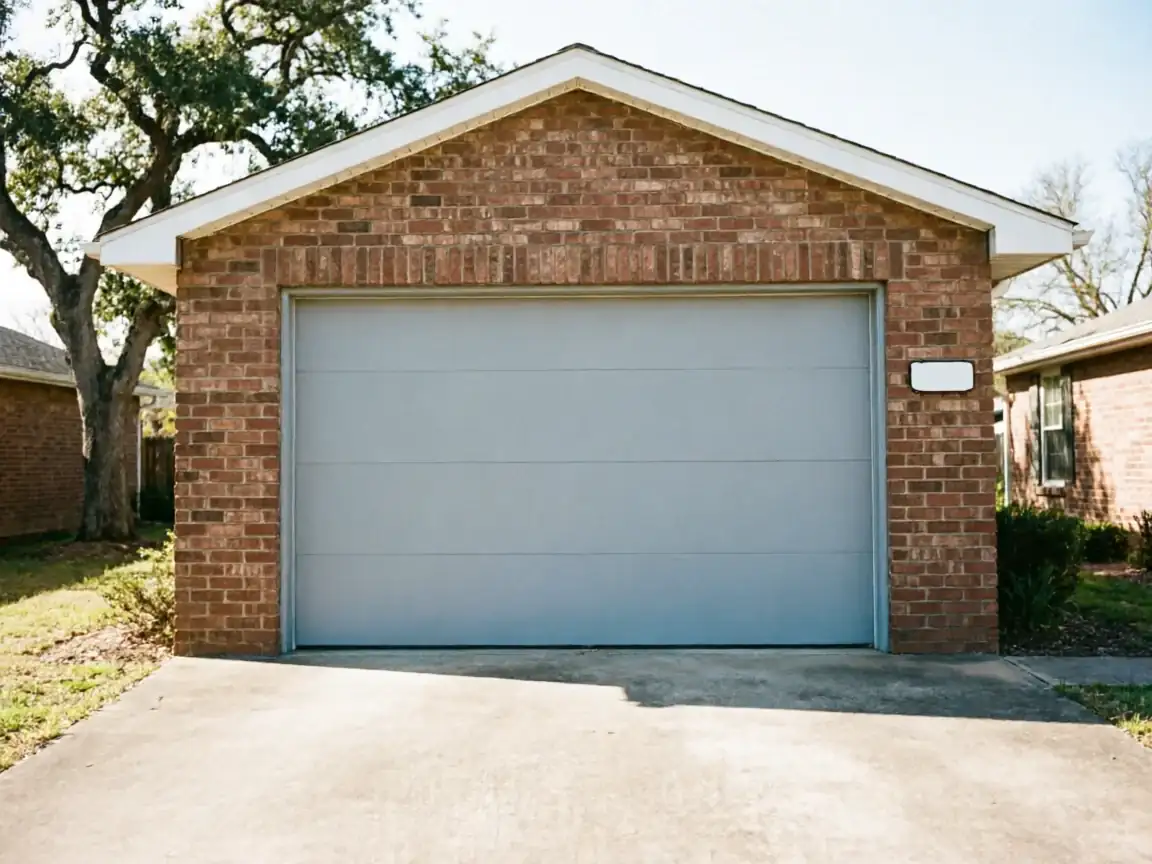
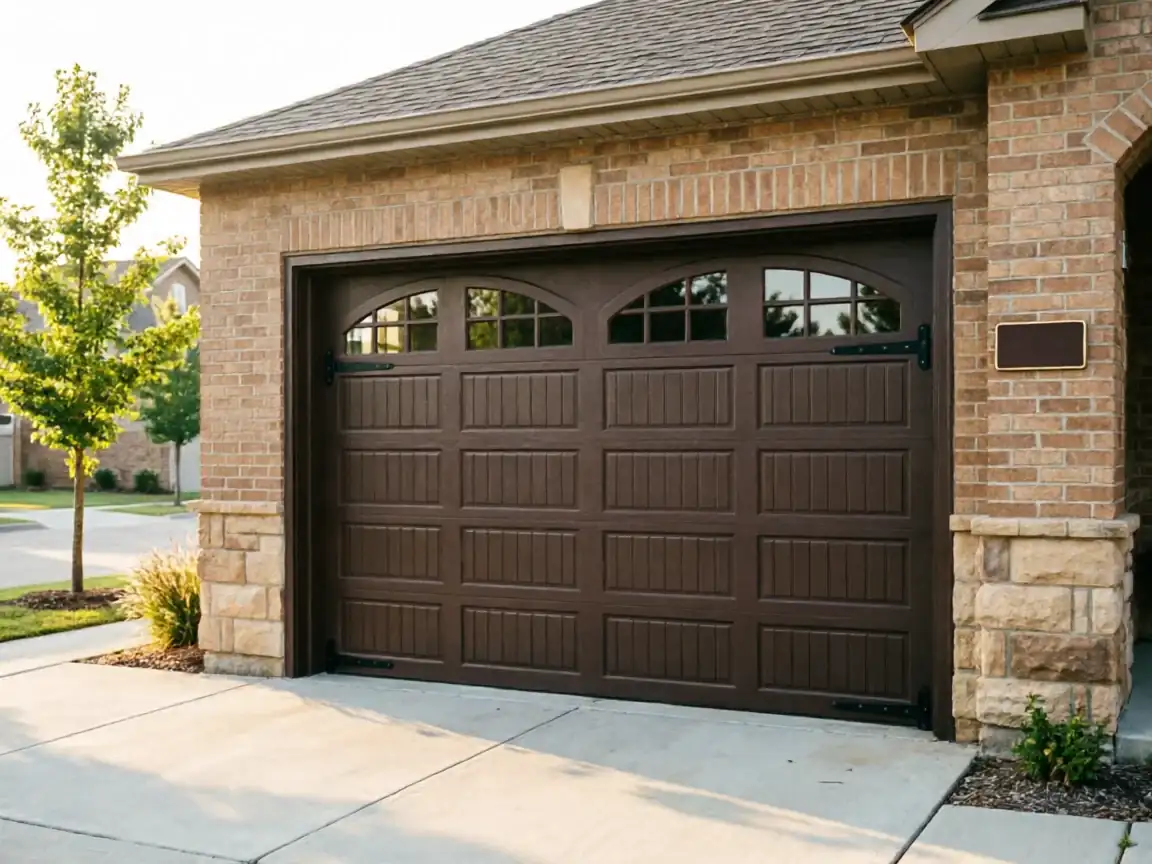
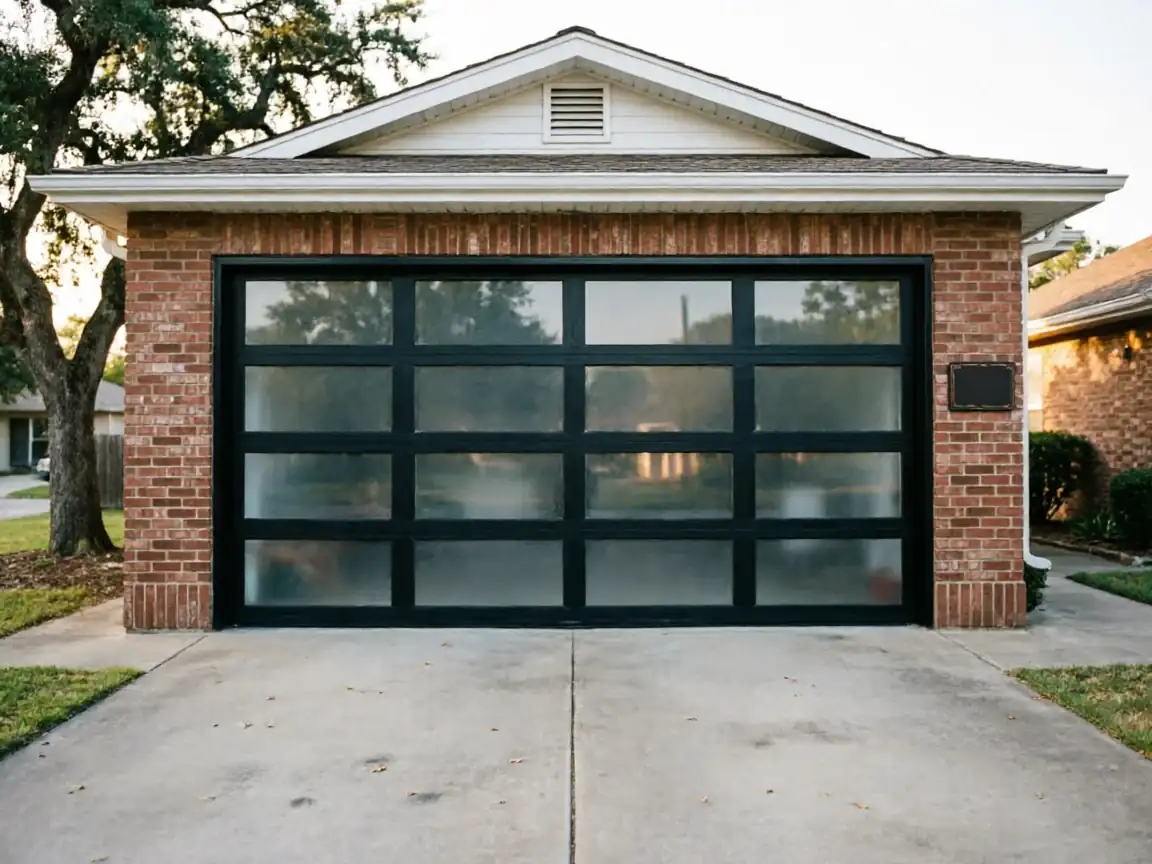
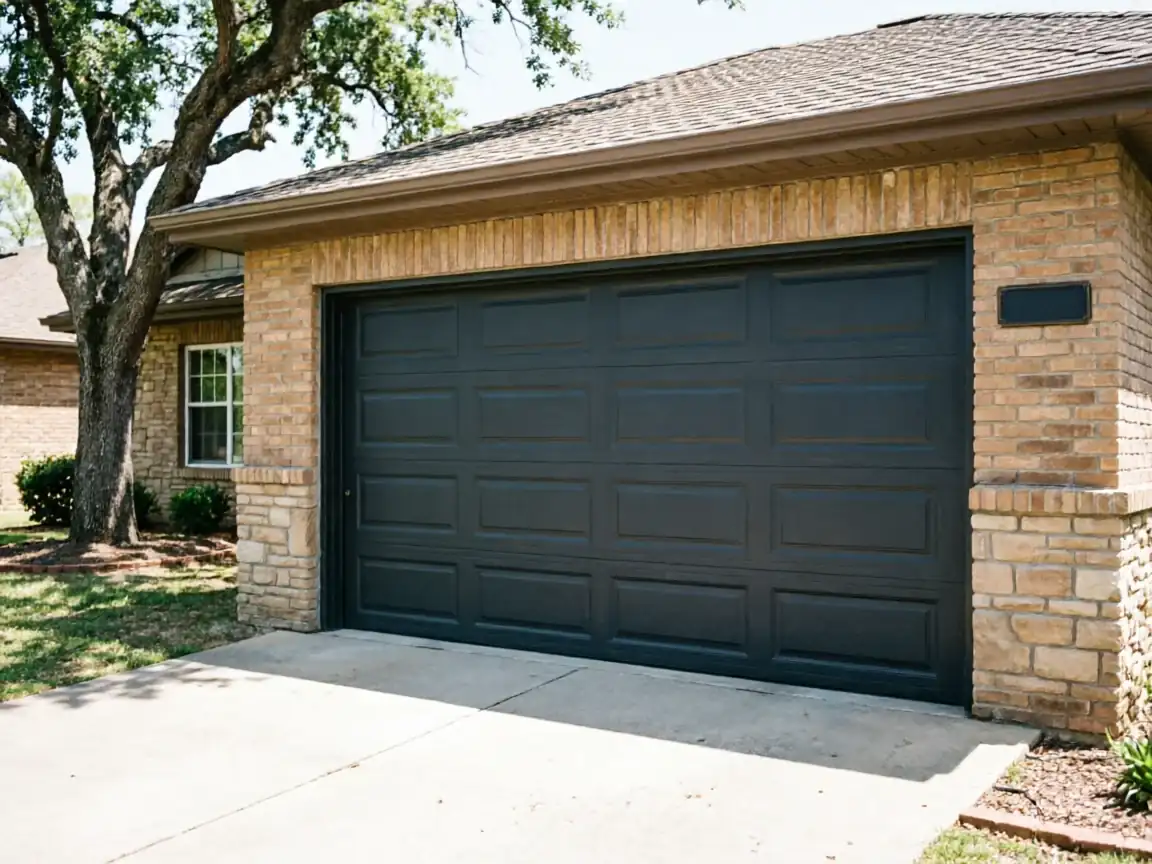
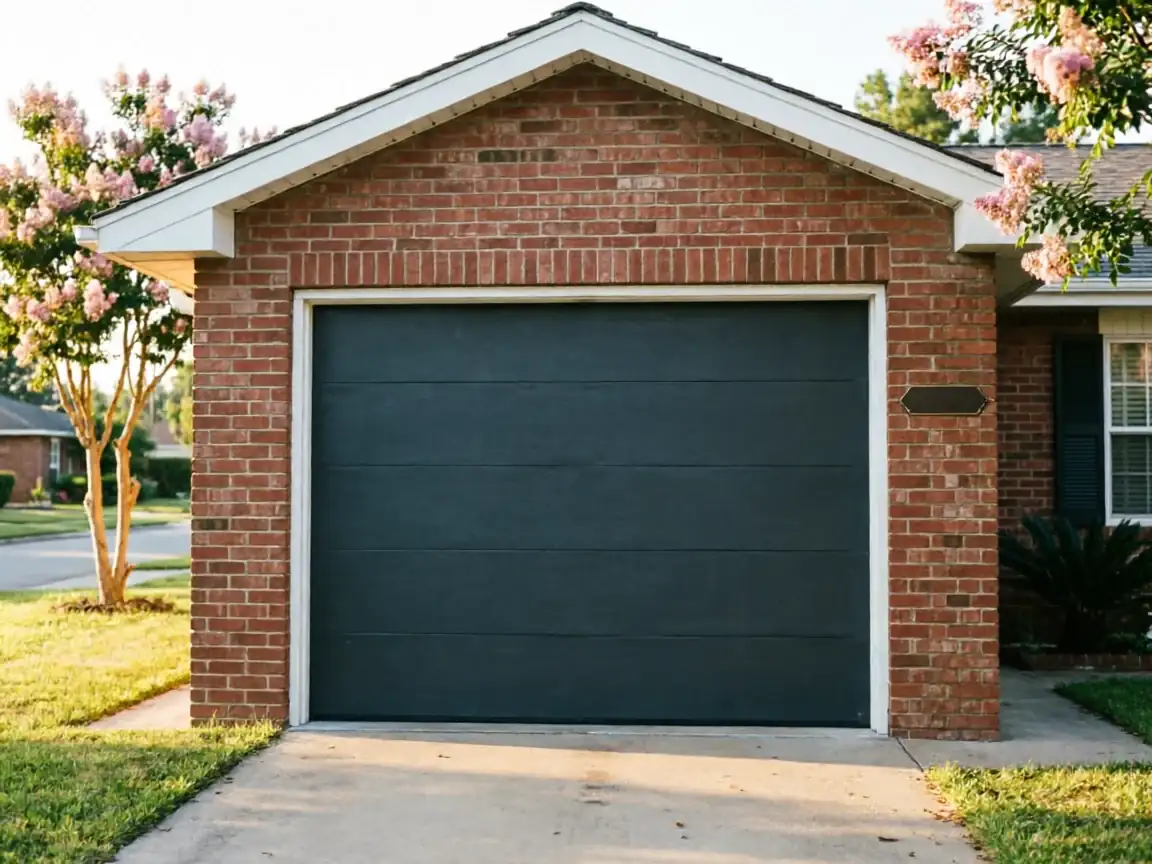
Matching matters more than people expect. Steel sections come in different heights, textures, and gauge depending on the build year, and a mismatched panel sticks out even after it's painted. Garages across this service area were mostly built with sectional steel doors rather than the older one-piece swing-up style, so most jobs here are straightforward section swaps rather than full retrofits.
The honest limit: if the door is an older roll-formed style where the manufacturer no longer makes that panel profile, we can't source an exact match. In that case replacing the whole door is cheaper and faster than hunting a discontinued part, and we'll say so instead of stretching out a repair that won't look right anyway.
Why It Happens Here
Housing across Monroe's service area went up mostly between 1975 and 2005
With the median build year landing around 1985. That's a specific window for garage doors: steel sectional doors had become standard, but the steel gauges and foam-fill methods from that era are thinner than what's sold today, so those original panels dent and buckle more easily under the same impact a newer door would shrug off.
The climate band here is mild with occasional freeze
Not the deep-freeze cycling that cracks fiberglass or splits wood up north. What it does instead is slower: decades of sun and humidity swelling and flexing steel panels at the seams, especially on doors facing west where afternoon heat hits hardest. Combine a thirty-to-forty-year-old panel with a trailer mirror, a basketball, or a car bumper, and the dent doesn't pop back out the way a newer, stiffer panel would.
Across the nine named areas that make up this service territory, the stock is consistently 1980s-90s builds
So this isn't a problem specific to one neighborhood - it's the age of the door stock itself.
How It Shows Up
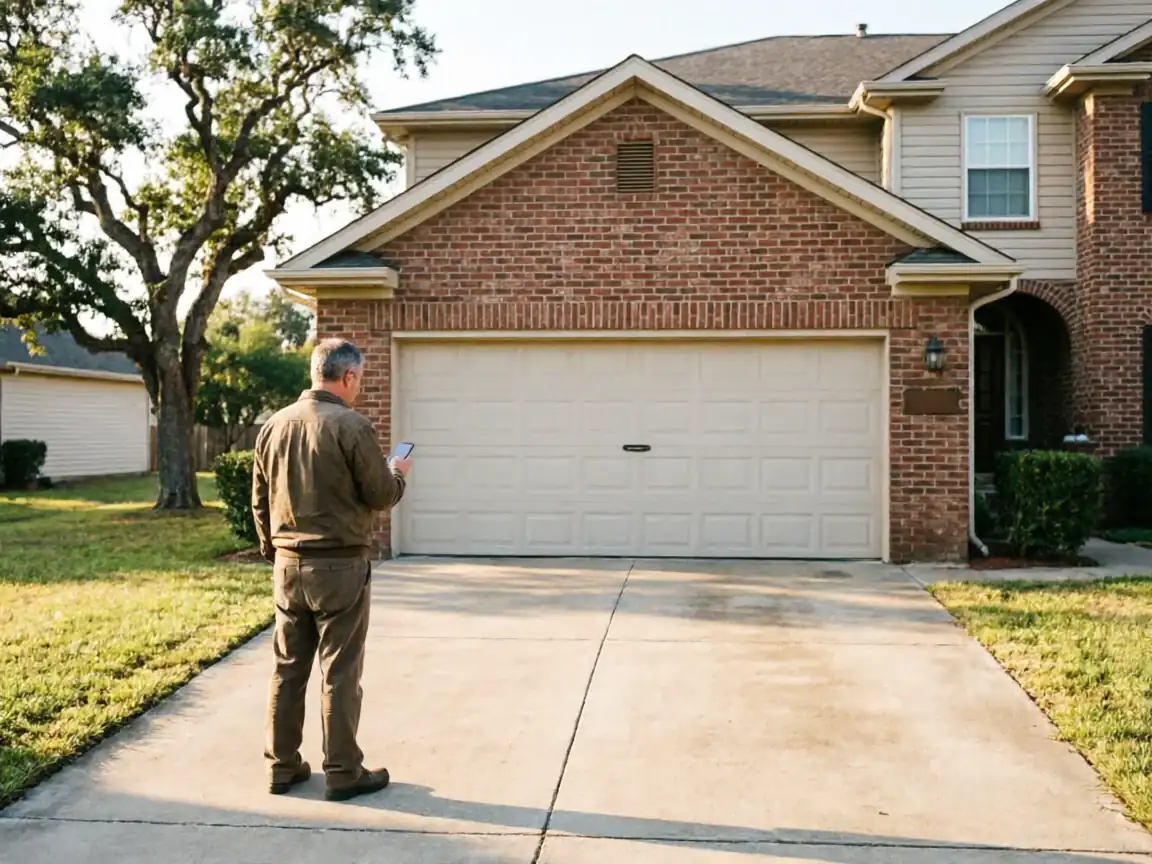
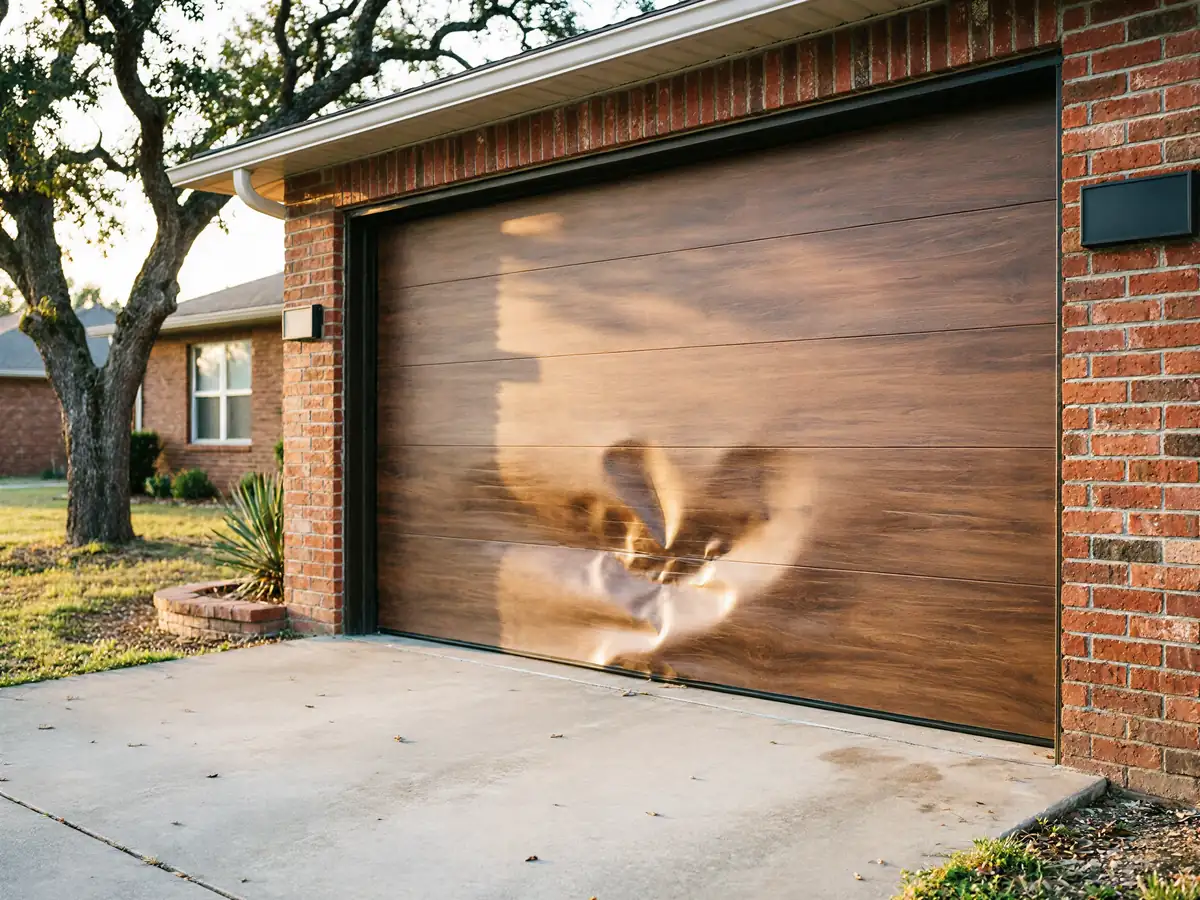
Most calls start the same way: a visible dent or a crease from a bumped car, a kid's bike, or a wind-thrown branch. On an older panel from the 1980s or 90s stock common here, that dent doesn't just stay cosmetic - the crease can bind against the track, making the door grind or stick partway through its cycle.
Rust-through at the bottom panel is the other common one, especially on doors that sit low near grade without a working weather seal. Once rust eats through the steel skin, the foam core behind it starts absorbing moisture, and the panel gets heavier and weaker at the same time. That extra weight changes how the opener and springs handle the door, which is a separate problem from the panel itself but shows up right after.
Sometimes the issue isn't one bad panel but a section near the bottom that's been patched or braced before. If a previous repair used the wrong fastener or left the panel unsquare, the door can run rough on tracks even when nothing is currently broken - that's worth flagging on an inspection rather than waiting for a full failure.
What You Pay
We don't post a flat number here because panel cost depends on door brand, section height, color match, and whether hinges or rollers also need replacing - those vary job to job. What we can tell you is what drives the number up or down: a single mid-level panel on a common sectional brand costs less than a bottom panel with a built-in window or a non-standard height.
Across the service area, with a median household income of $46,663, most homeowners we talk to want the damaged section replaced rather than the whole door swapped, and in most cases that's the right call financially as long as the rest of the door and hardware are sound. Of the 6,745 owner-occupied houses among the 16,599 households here, a good share are carrying original or early-replacement doors old enough that an exact color match sometimes takes a special order.
We'll give you a firm number after we see the door and confirm the panel is still made. If it isn't, we'll tell you that up front instead of quoting a part we can't get.