What the Fix Involves
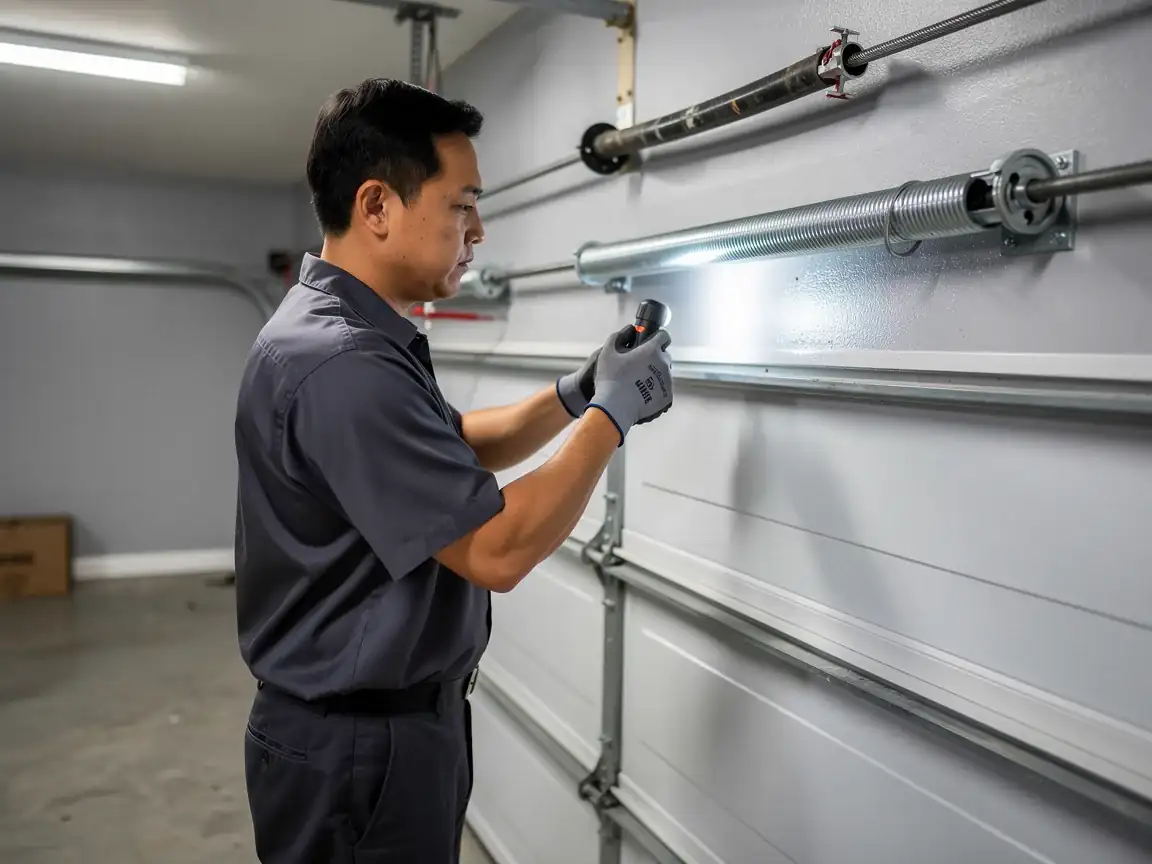
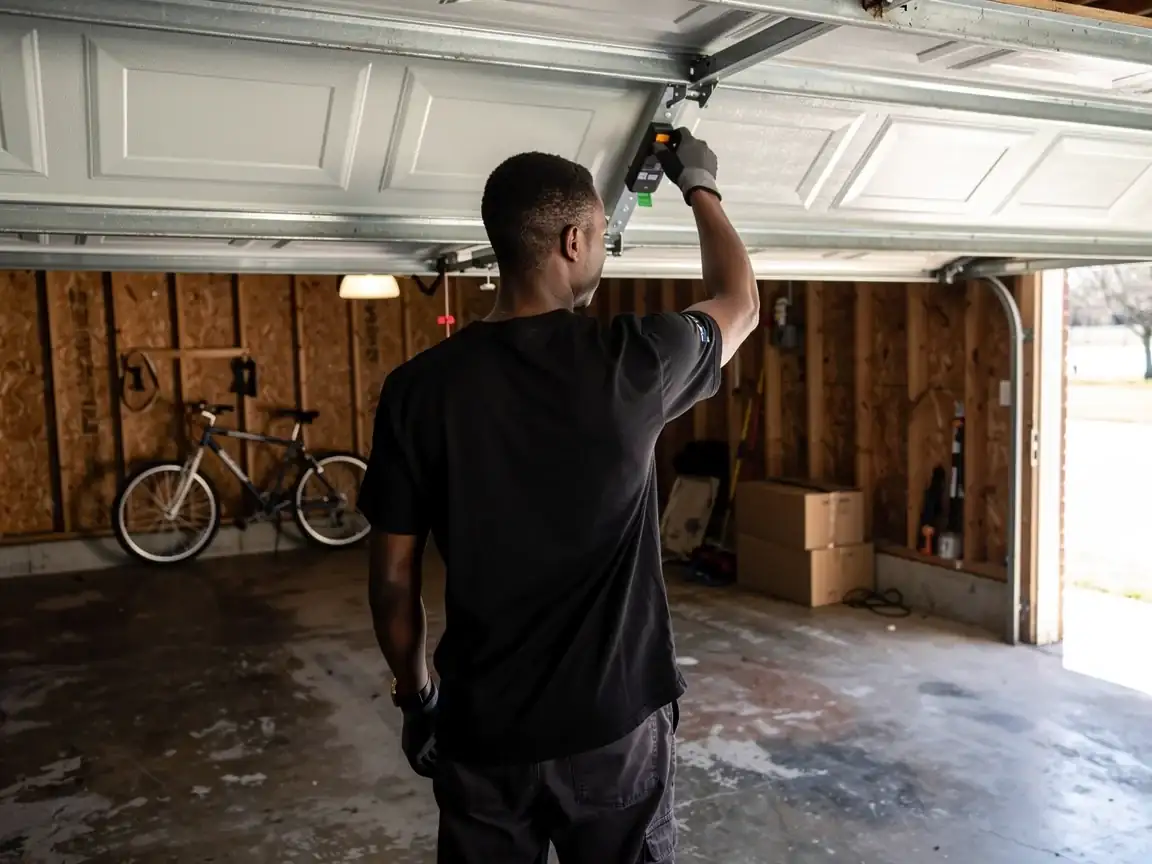
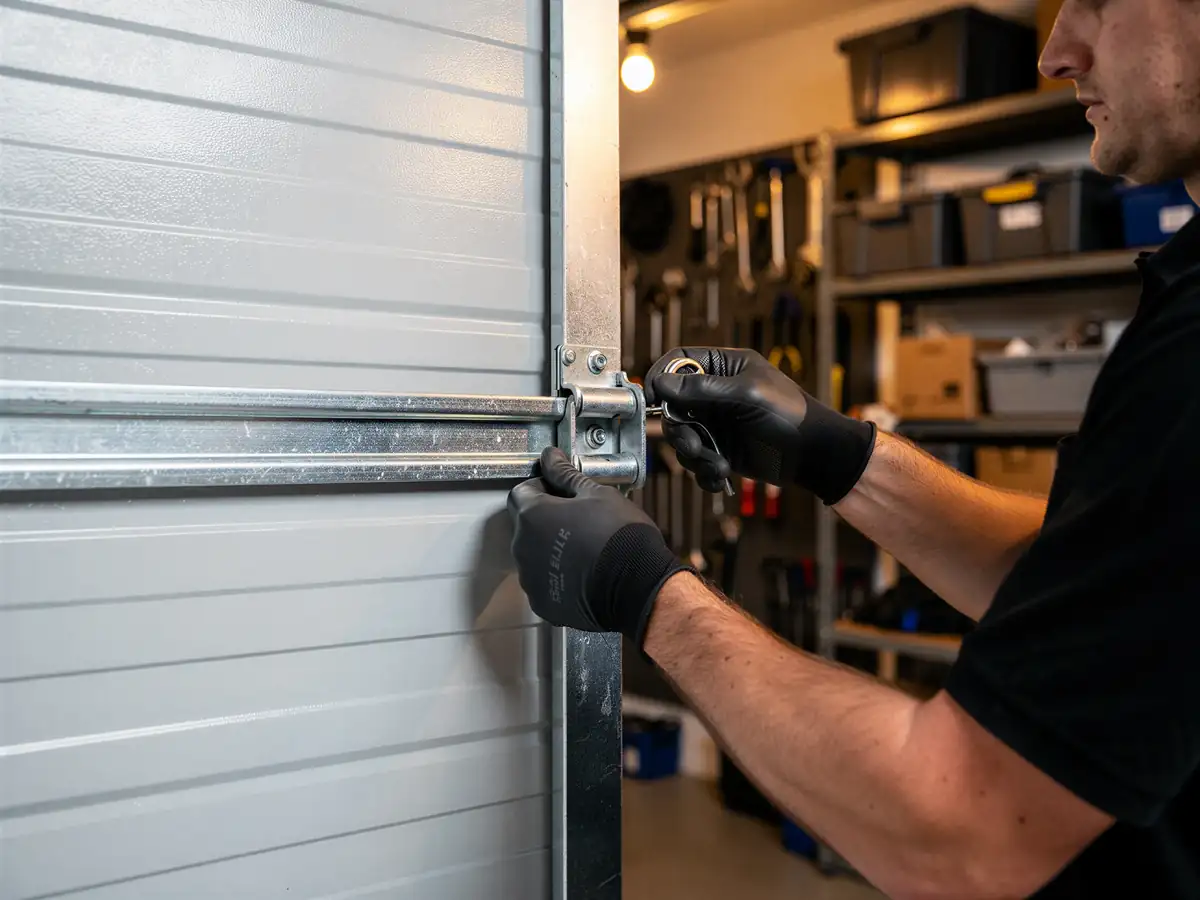
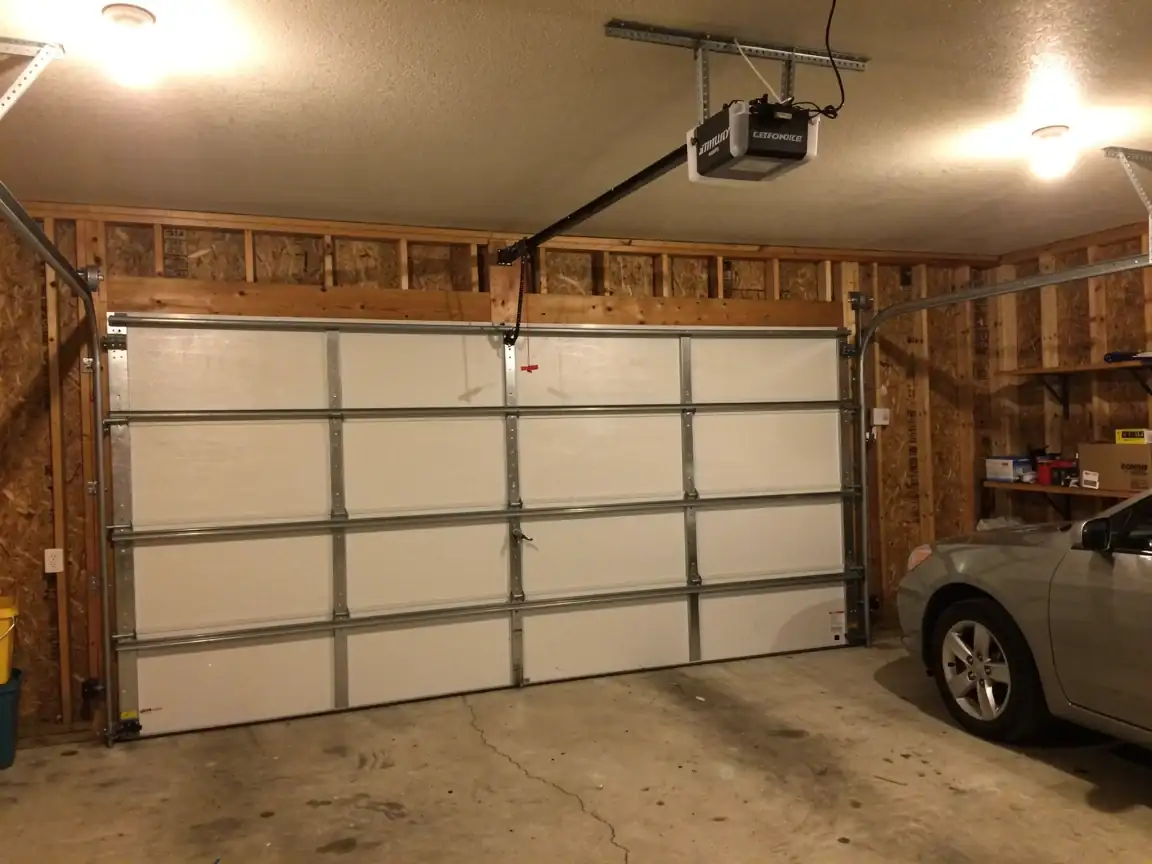
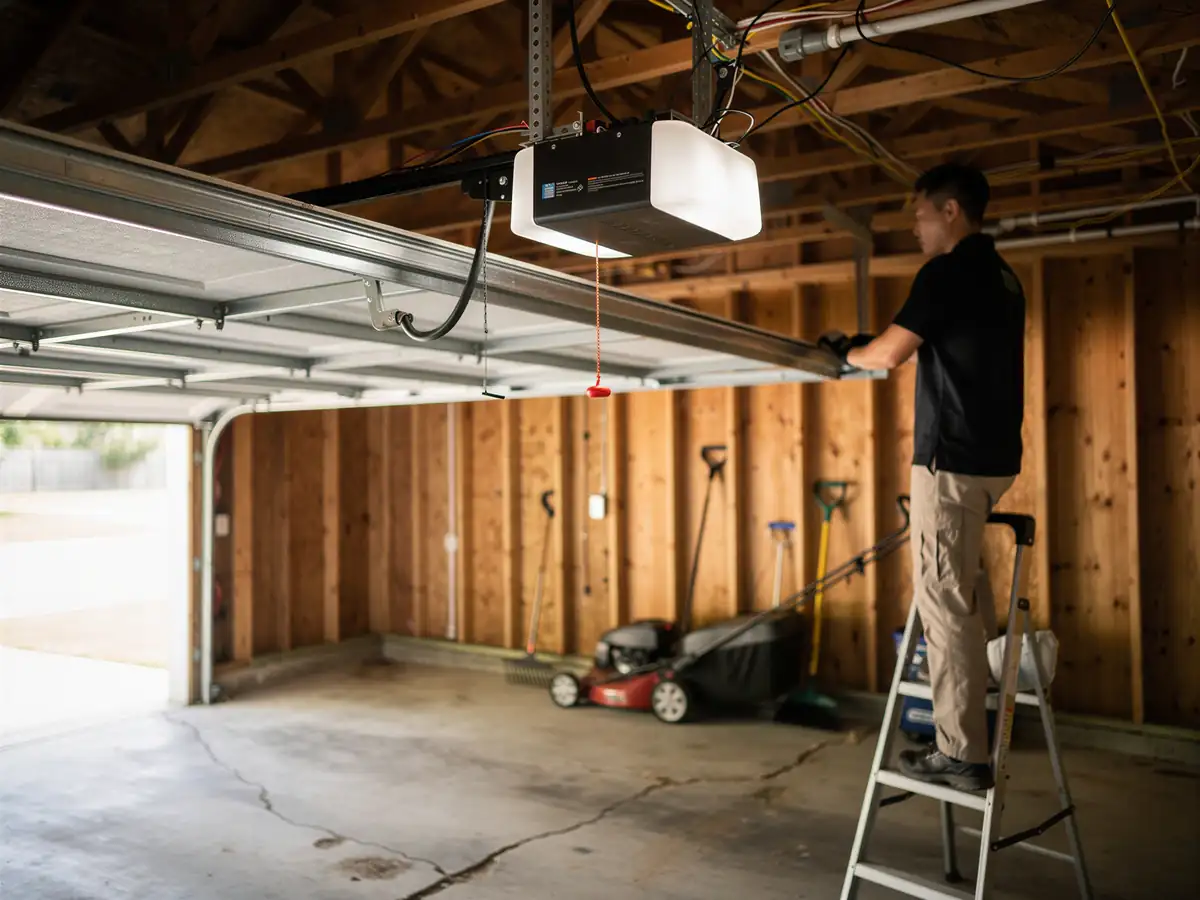
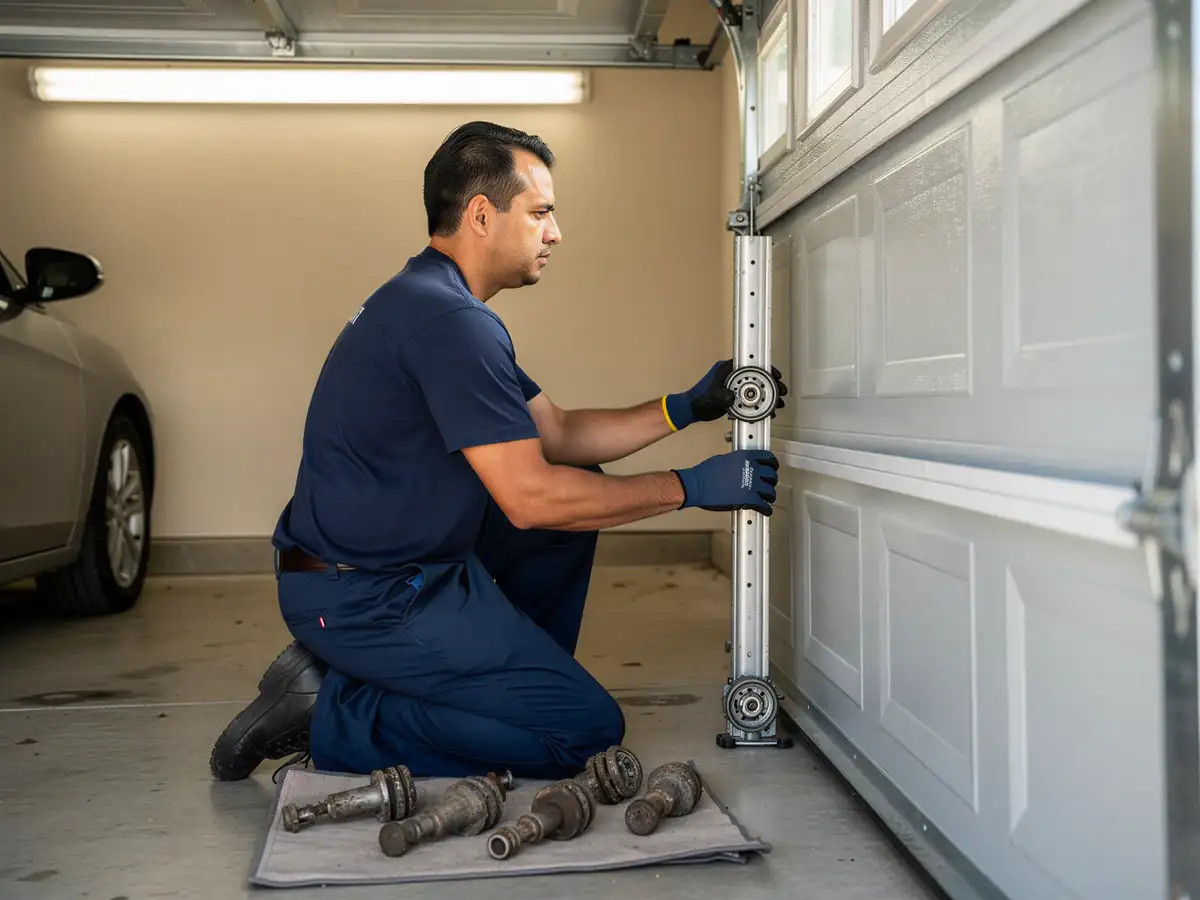
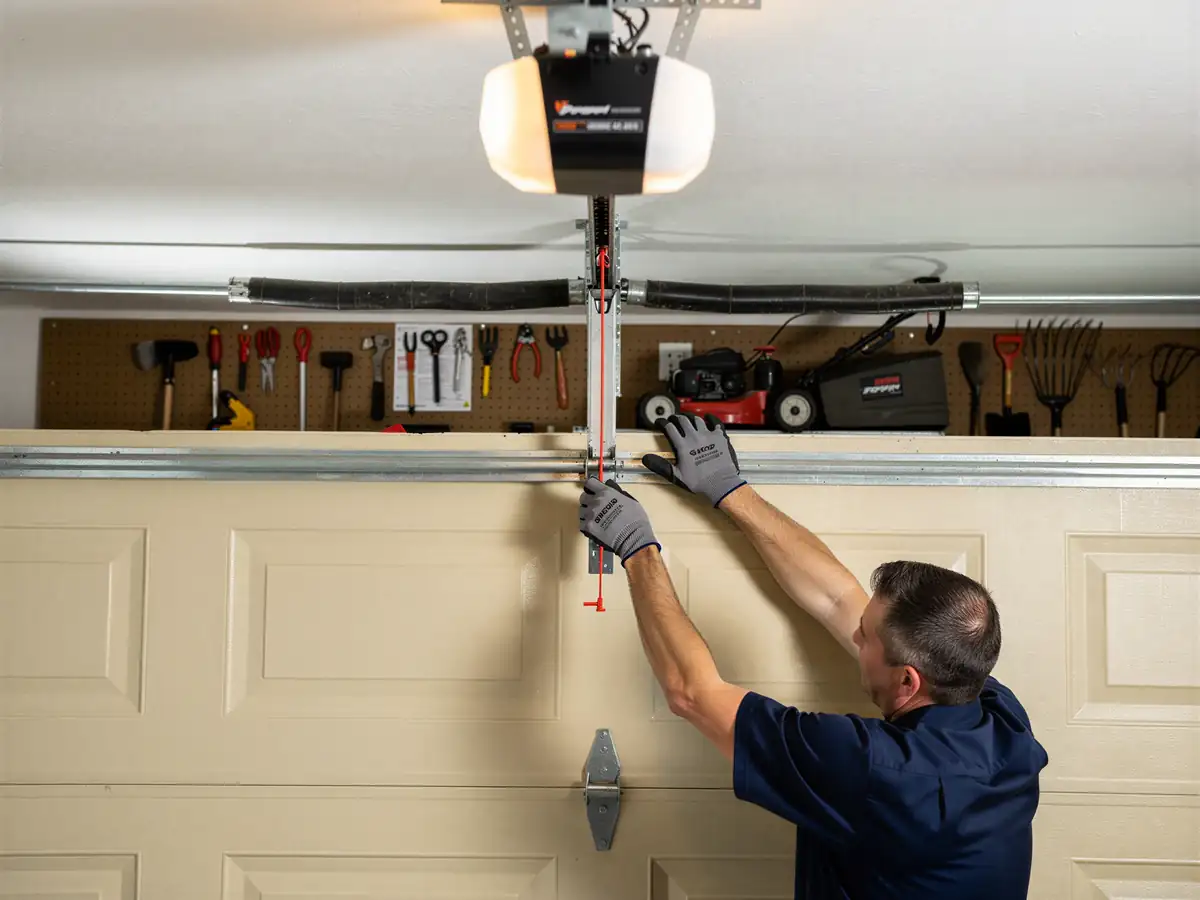
Installing a new opener isn't just bolting a unit to the ceiling and plugging it in. We pull the old motor head, check the rail for square, and look hard at the header bracket before anything new goes up - on a lot of the houses we work on, that bracket was sized for a lighter door than what's hanging on it now. We match the opener's horsepower and drive type (chain, belt, or screw) to the door's weight and size, not just whatever's on sale. Wiring gets run to code, the safety sensors get aimed and tested, and we program the remotes and any keypad before we leave. If the existing track or springs are worn, we'll say so before the opener goes in - a new motor bolted onto bad hardware just fails again in a year, and that's a service call nobody wants to pay for twice. We also set the force and travel limits by hand rather than trusting factory defaults, since a door that's a few pounds off balance will make the opener strain on every cycle, whether that's day one or three years in.
How It Shows Up
Most calls start the same way: the door stops responding to the remote, or it runs partway up and reverses for no clear reason. On older chain-drive units common to the 1980s and 90s housing stock here, you'll often hear a grinding or slapping noise from the rail before the motor finally gives out. Some owners notice the opener light doesn't come on anymore, or the unit runs but the door barely moves - that's usually a stripped gear, not the motor itself, and it's worth knowing the difference before you pay for a full replacement. Humidity swings common to this climate band can also corrode circuit board contacts over the years, which shows up as intermittent operation that seems to come and go with the weather. If your opener is original to a house built in the 1975-2005 window, age alone is often the real story, even if the symptom looks like something else.
What You Pay
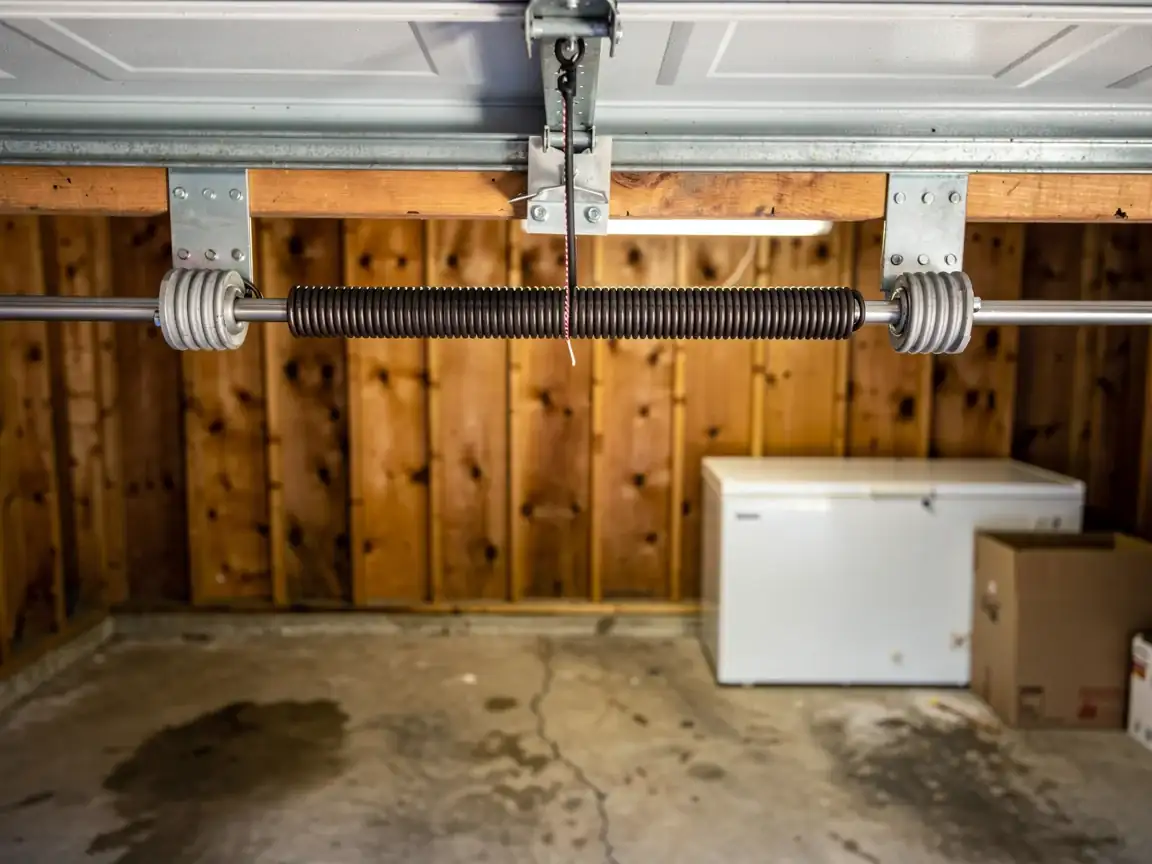
We don't post a flat number here because the job isn't flat - horsepower needs, drive type, bracket condition, and whether we're also replacing worn track hardware all change the bill. What we can tell you is that median household income across the service area runs $46,663, and we keep that in mind when we walk through options: a straightforward chain-drive swap costs a lot less than a belt-drive unit with battery backup, and we'll lay out both before you decide. One honest limit: if your door's springs or cables are also failing, we're not going to install a new opener on top of bad hardware and call it done - that gets quoted as a separate line item because doing it right means fixing the door first. We give a firm number after we've actually looked at the setup, not before.