The Drive Over
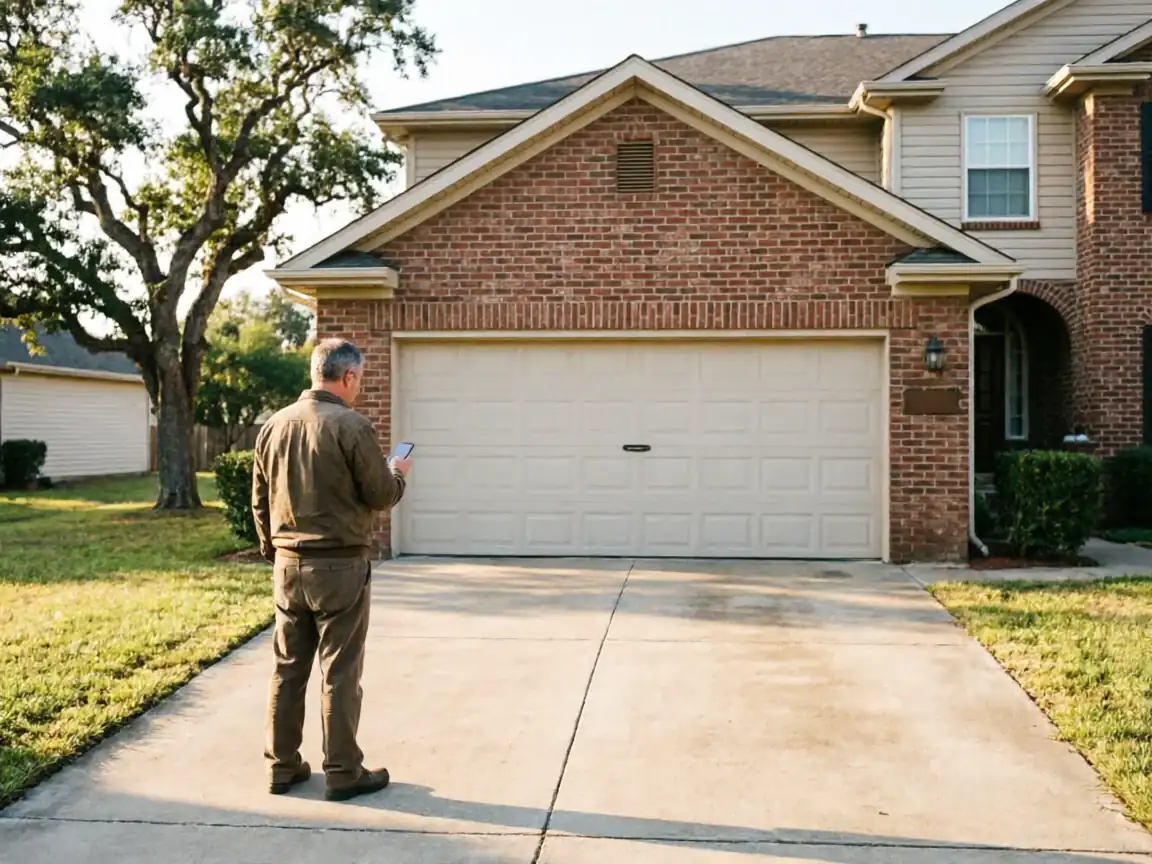
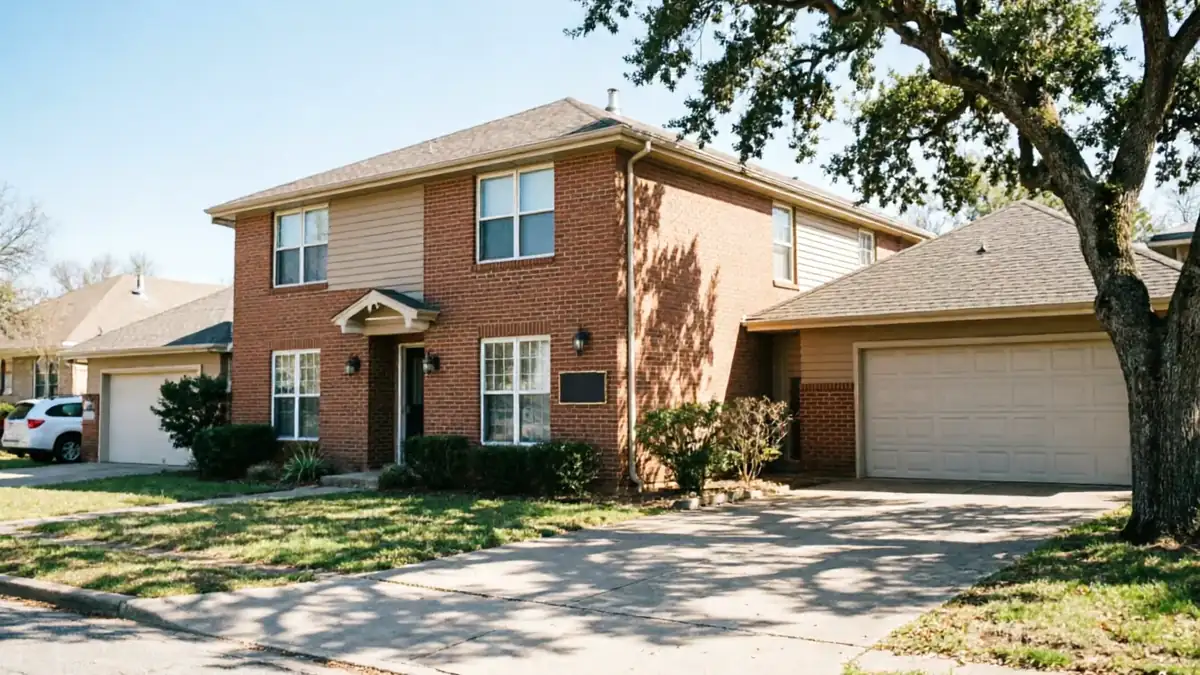
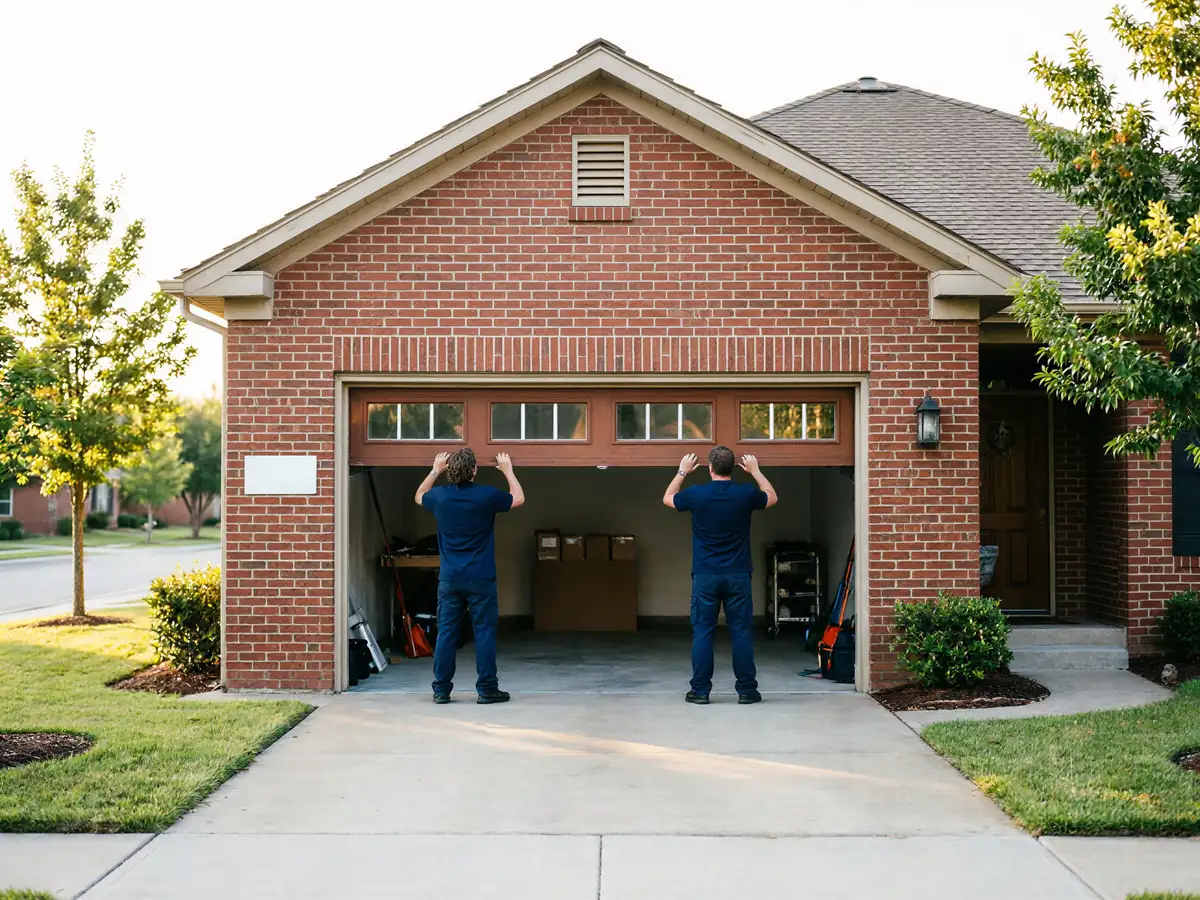
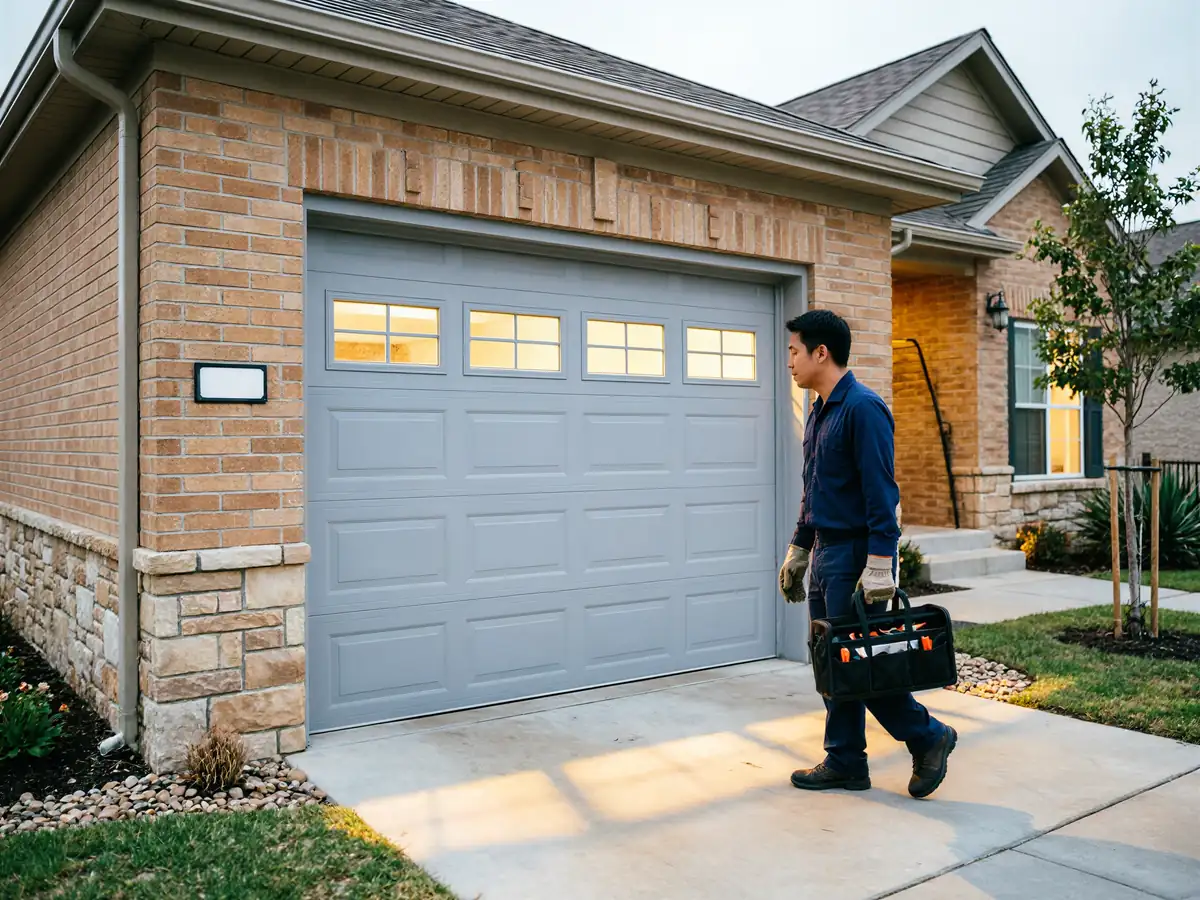
West Monroe sits about 4 miles from our shop in Monroe, a short run across the river. We don't keep a second location here, and we won't pretend otherwise - every job starts with a truck leaving Monroe and coming to you. What that distance does mean is we're not guessing at the housing stock before we pull up. The area runs older than a lot of what's gone up around Monroe lately, and that changes what we expect to find before we even open the door panel.
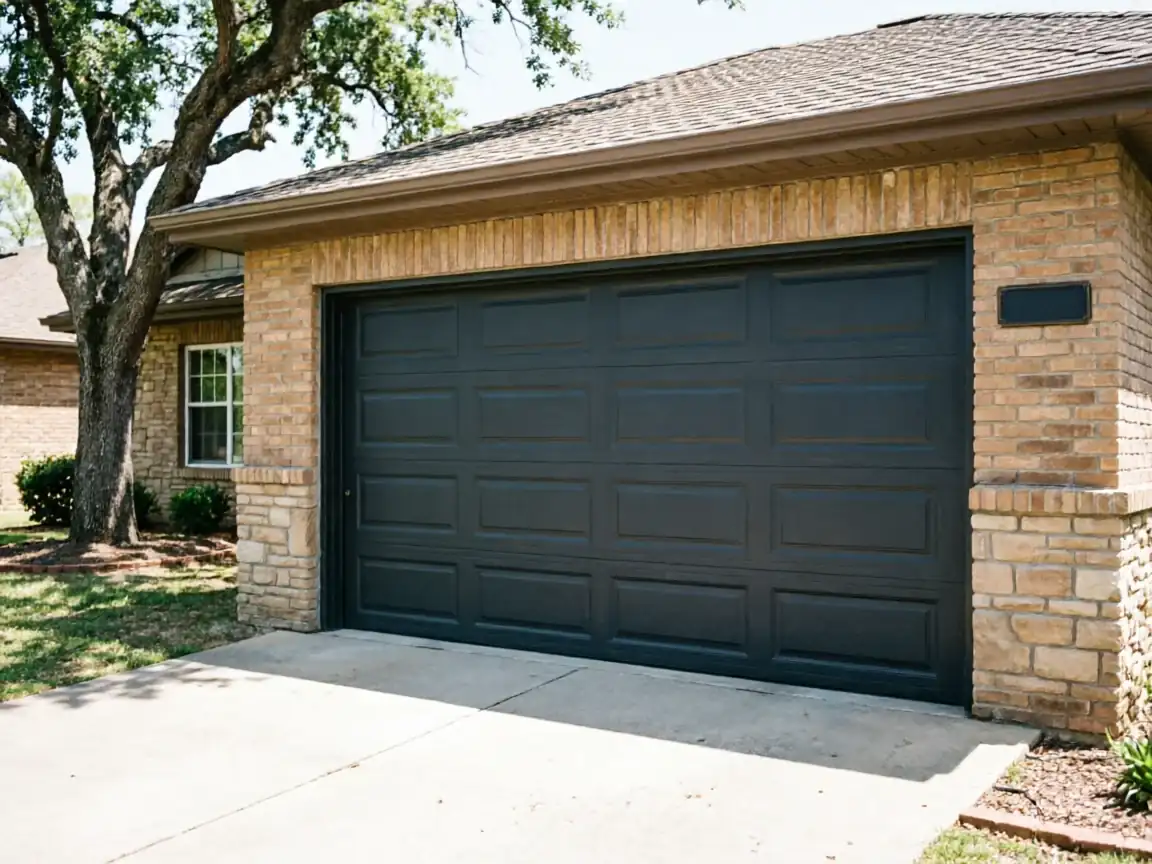
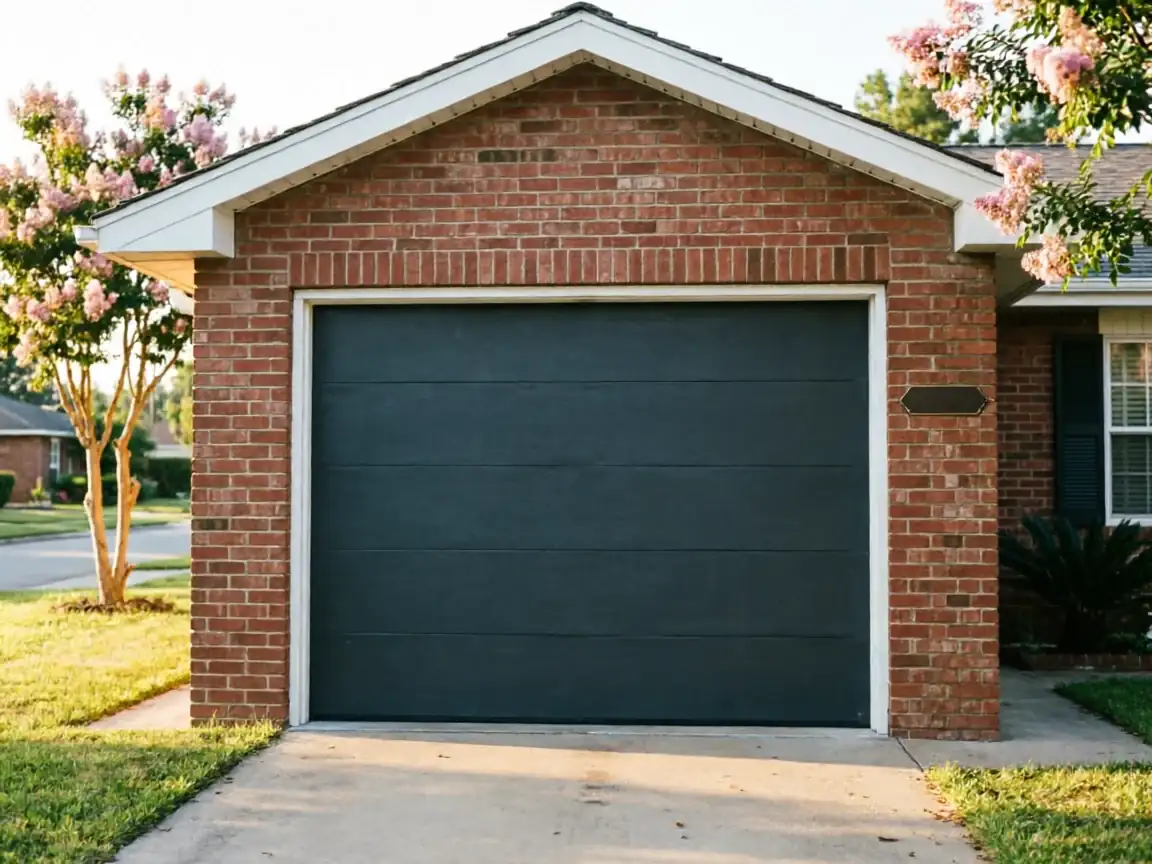
The area's median home dates to around 1976, close to a decade ahead of the broader service area's 1985 median. That gap matters more than it sounds like on paper. A door installed in the late 1970s was built to a different spec than one from the 1990s, with different spring counts, different track widths, and hardware that often isn't made the same way anymore. We carry parts that cover both eras, but we size the truck load differently depending on which side of town we're headed to.
How That Shows Up in the Door
A door from the mid-1970s usually runs heavier steel per panel than what came later
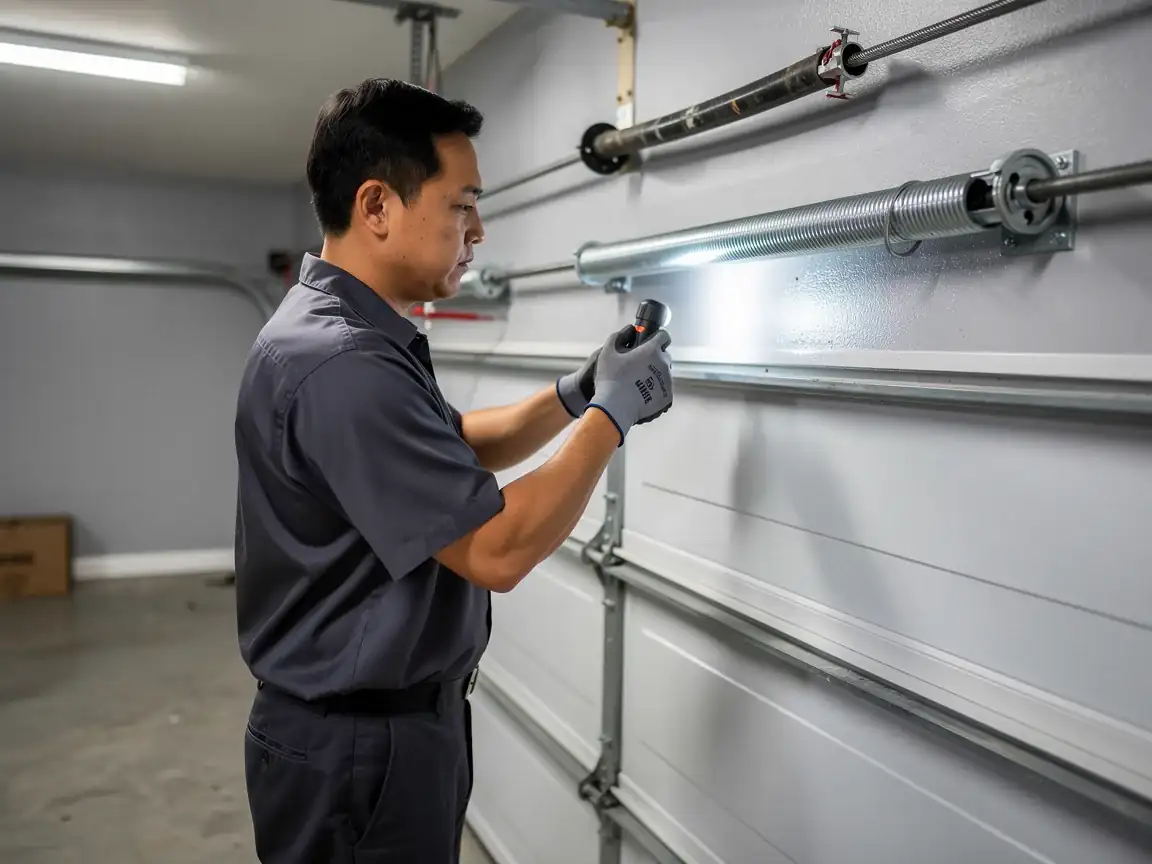
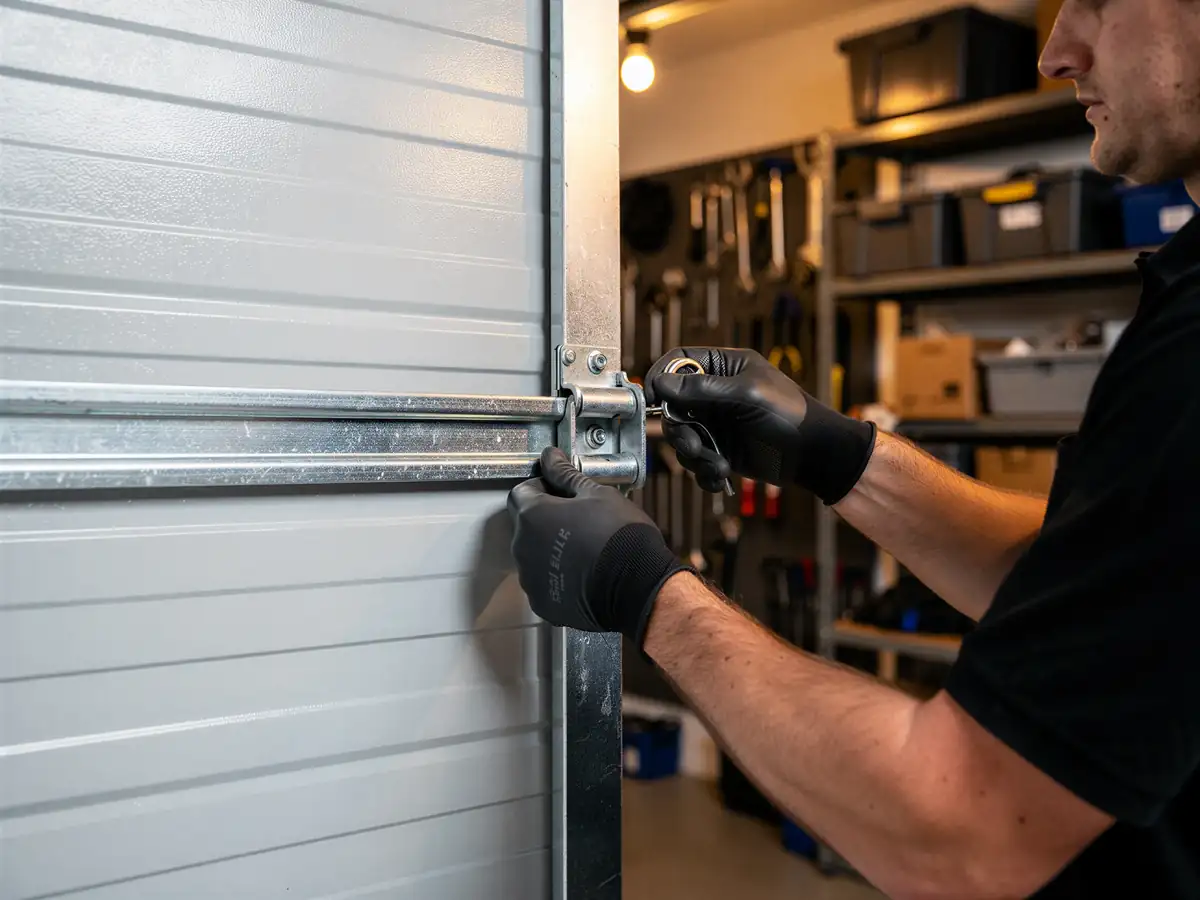
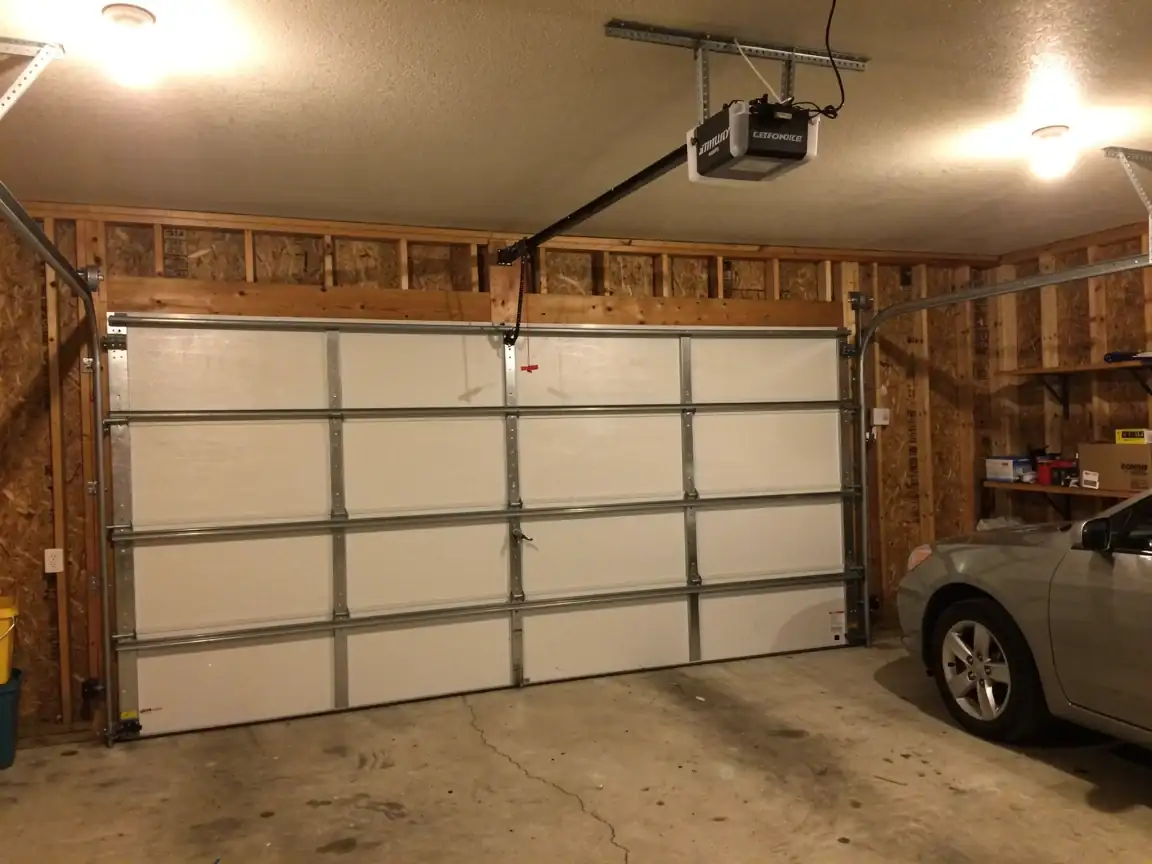
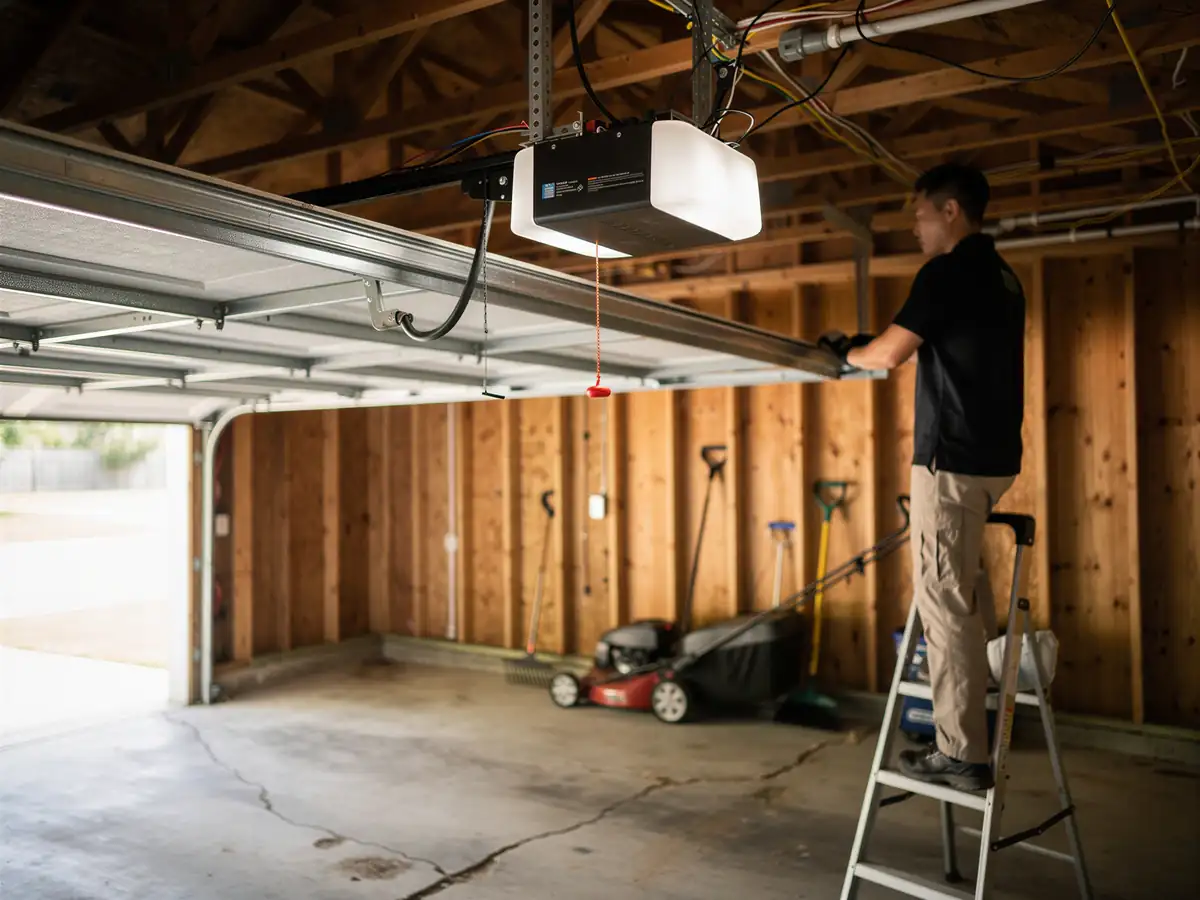
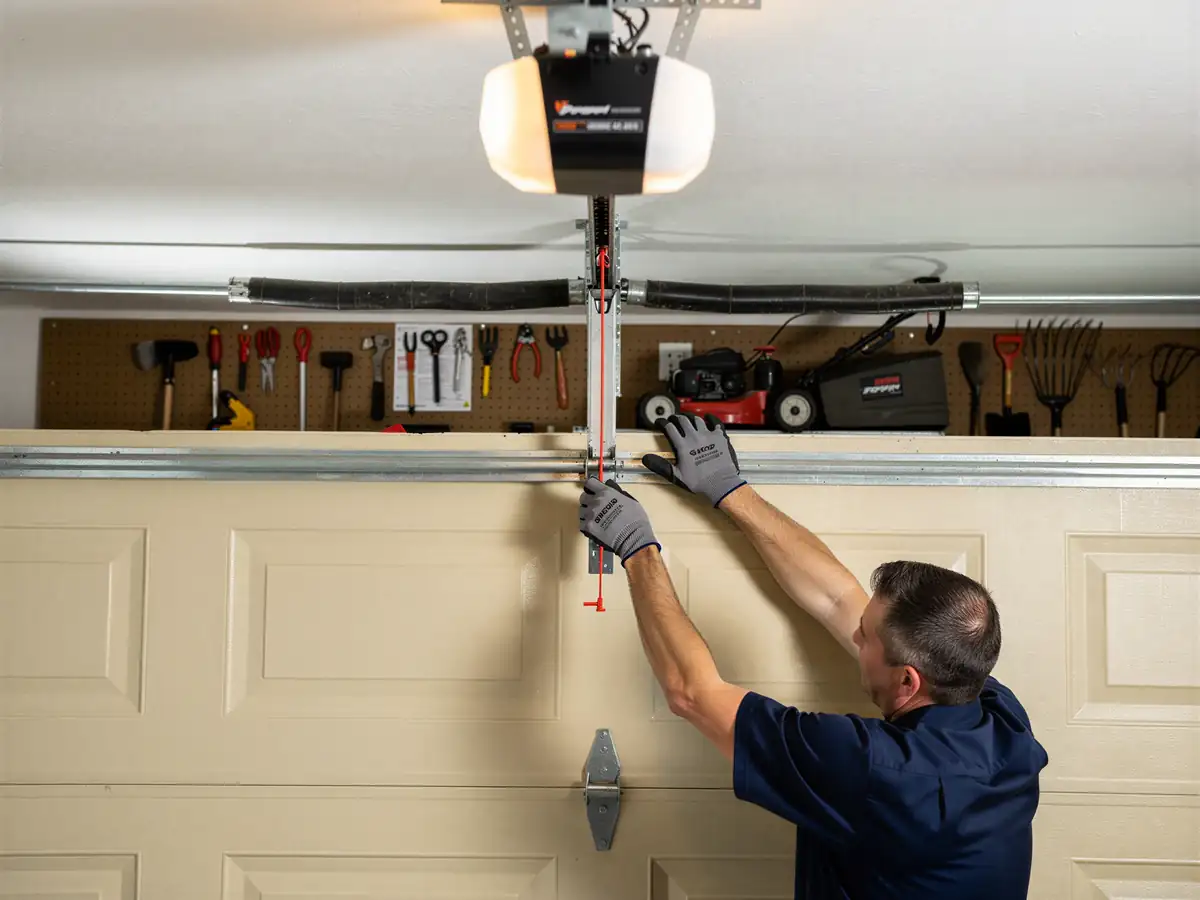
And it's more likely to still be on its original torsion spring - not because the spring is immortal, but because fewer of these doors got touched during the big-box opener wave of the 90s and 2000s. When we get a call here, the complaint is often a door that's gotten noticeably harder to lift by hand, which almost always means the spring has lost tension or already broken.
Older tracks in this area also tend to be the narrower gauge that doesn't pair well with newer
Heavier insulated panels if someone's replaced just the door and not the track. We see mismatched upgrades more in West Monroe than in the newer subdivisions, simply because there's been more time for one owner to swap a door and the next to swap an opener, each without touching the other half of the system.
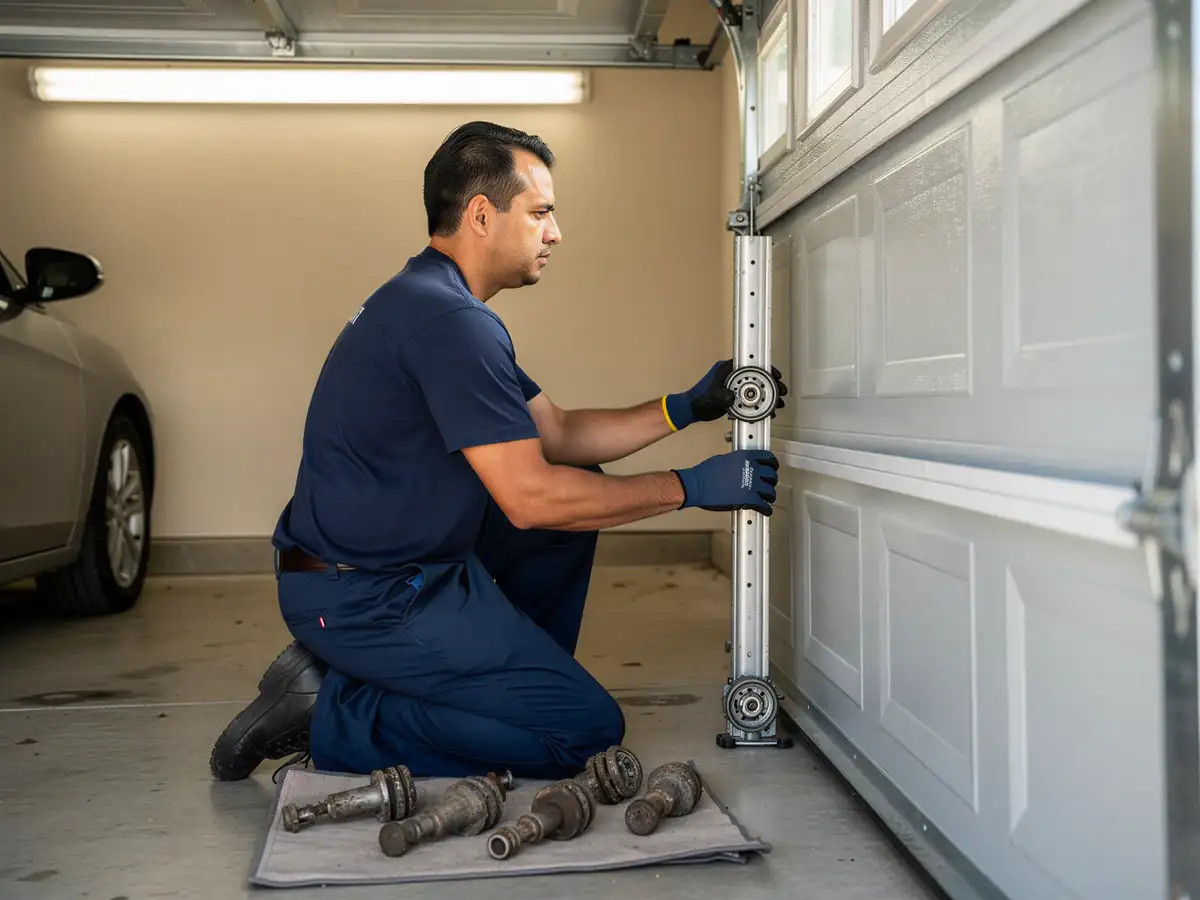
We'll say plainly: if the drum, track, and spring are all original from the 1970s
Patching one part is often a short-term fix. Replacing the full hardware set at once is usually the better money.
Timing on This Area
The climate here is the mild band with occasional freeze, which is gentler on hardware than a hard-freeze climate but not nothing - a cold snap can still stiffen old grease on a spring that was already past its service life, which is when a lot of these 1970s-era doors finally give out. We don't see the ice-dam failures some regions deal with, but we do see the once-a-winter cold morning where three different West Monroe doors won't budge the same week.
Because we're running from Monroe rather than parking a truck locally, the honest timing answer is that we plan the route, not promise a window. We'd rather tell you that than make up a number we can't back.
What Was Built Here
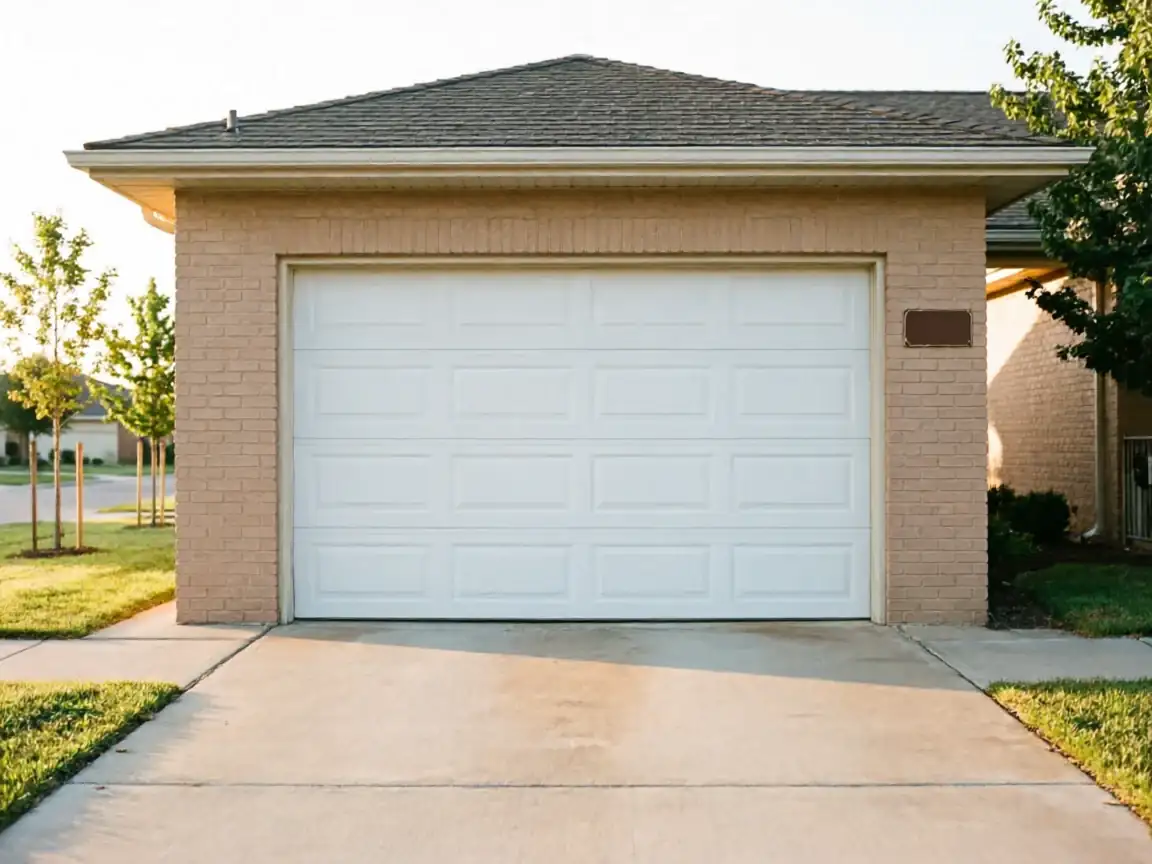
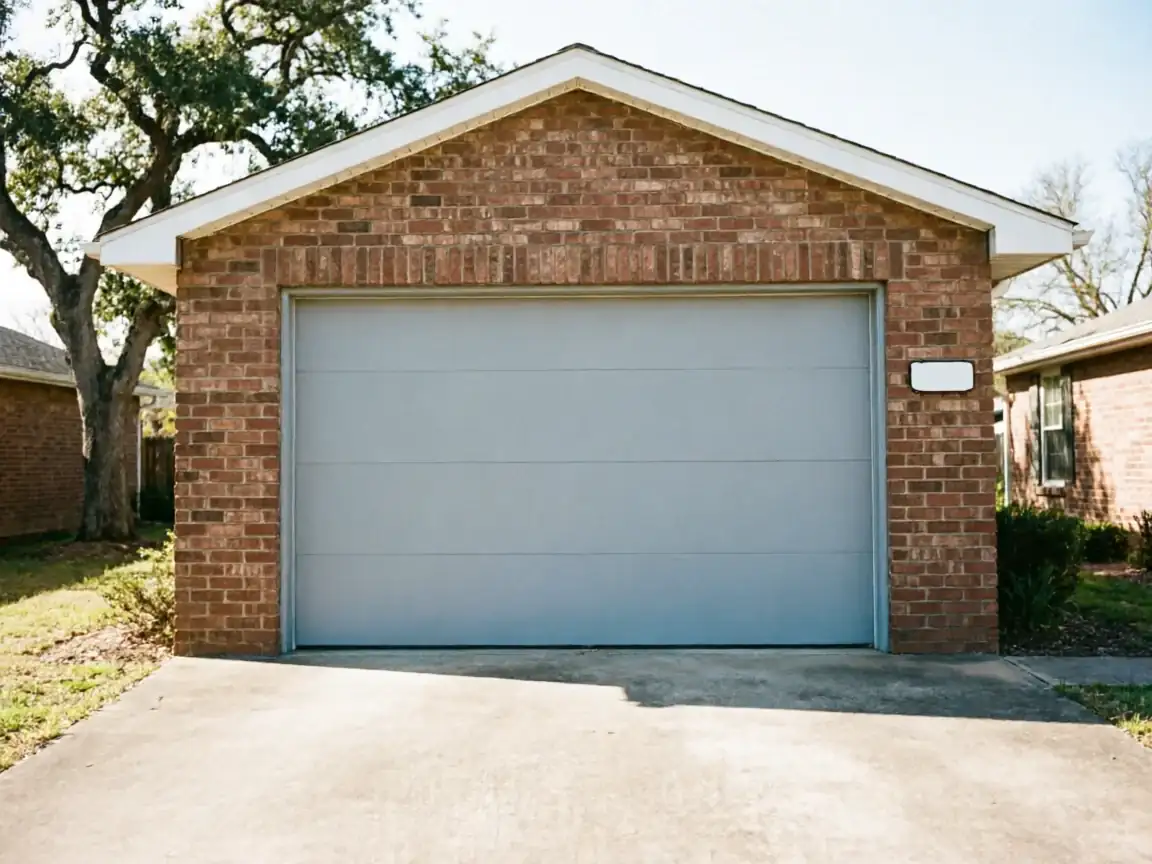
With roughly 5,307 households in this area and a median household income of $46,663, most of the garage doors we're called to are standard single or double steel doors from the builder-grade tier of their era - not the premium insulated models that came standard in a lot of newer construction. That's consistent with a 1976 median build year: builders in that period weren't speccing the thicker, foam-core doors that became common later.
It also means replacement parts aren't always a shelf item. Some of the older spring sizes and track brackets used in that mid-70s construction window aren't what current manufacturers stock as standard, so a repair can mean a short wait on a part instead of a same-visit fix. We tell people that upfront rather than after the fact.