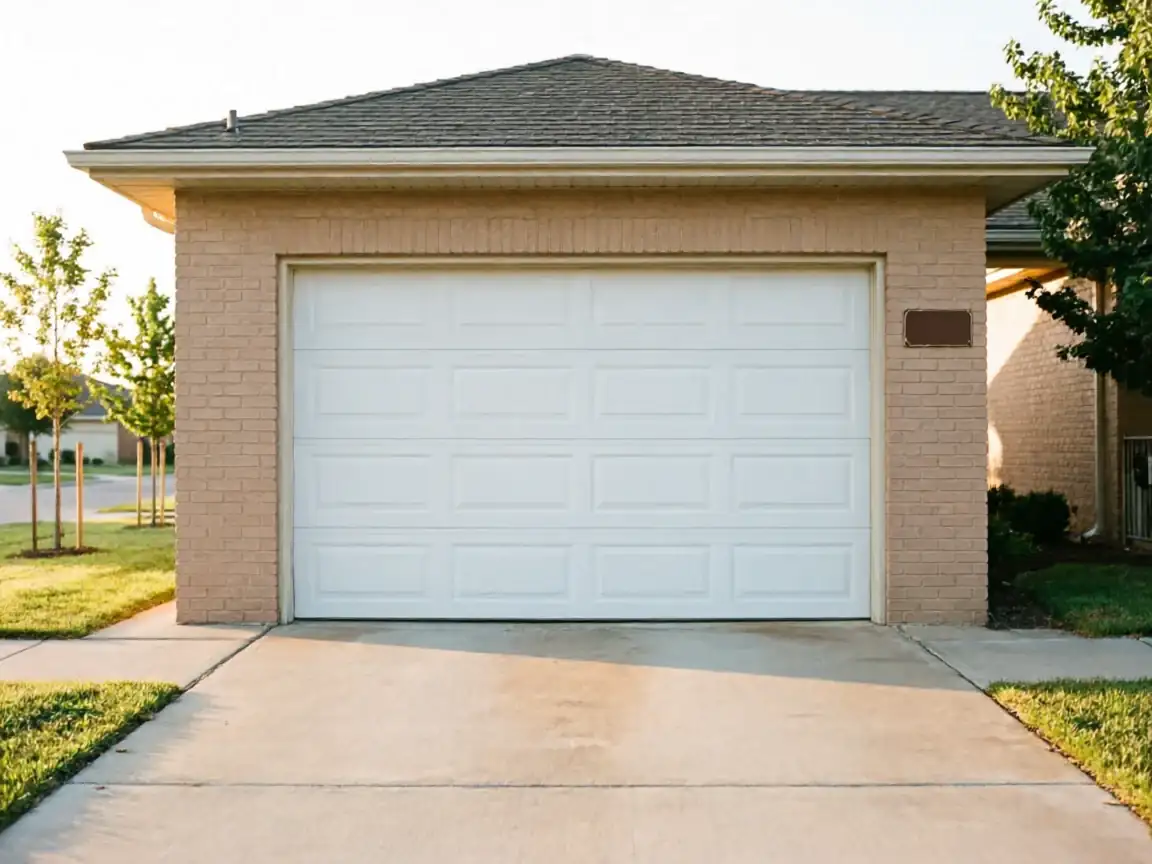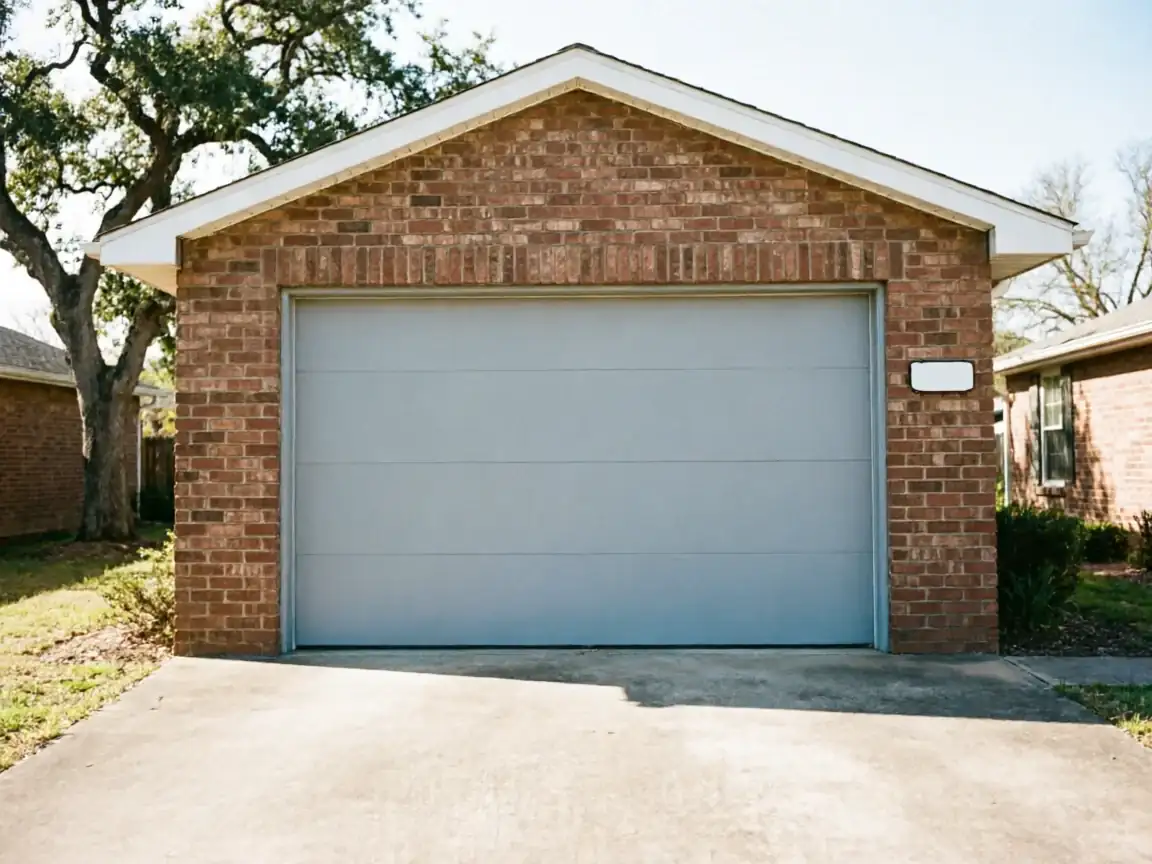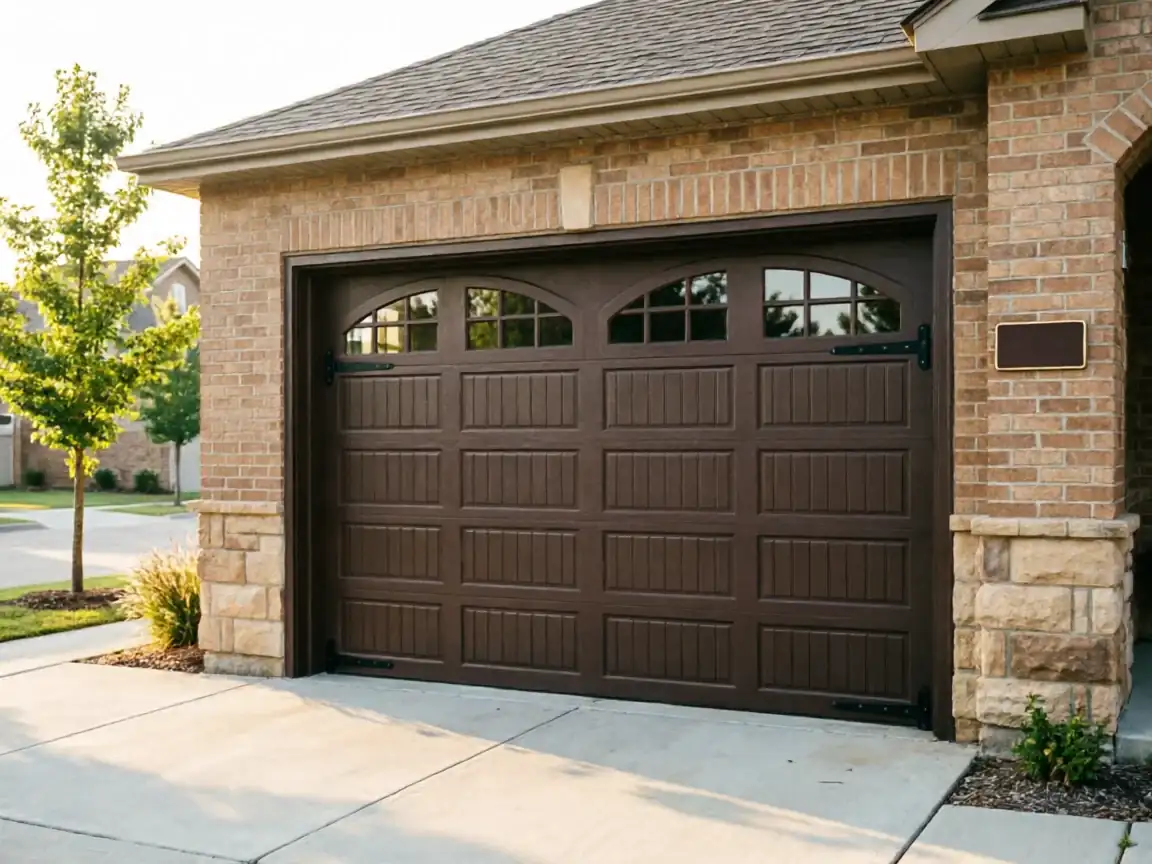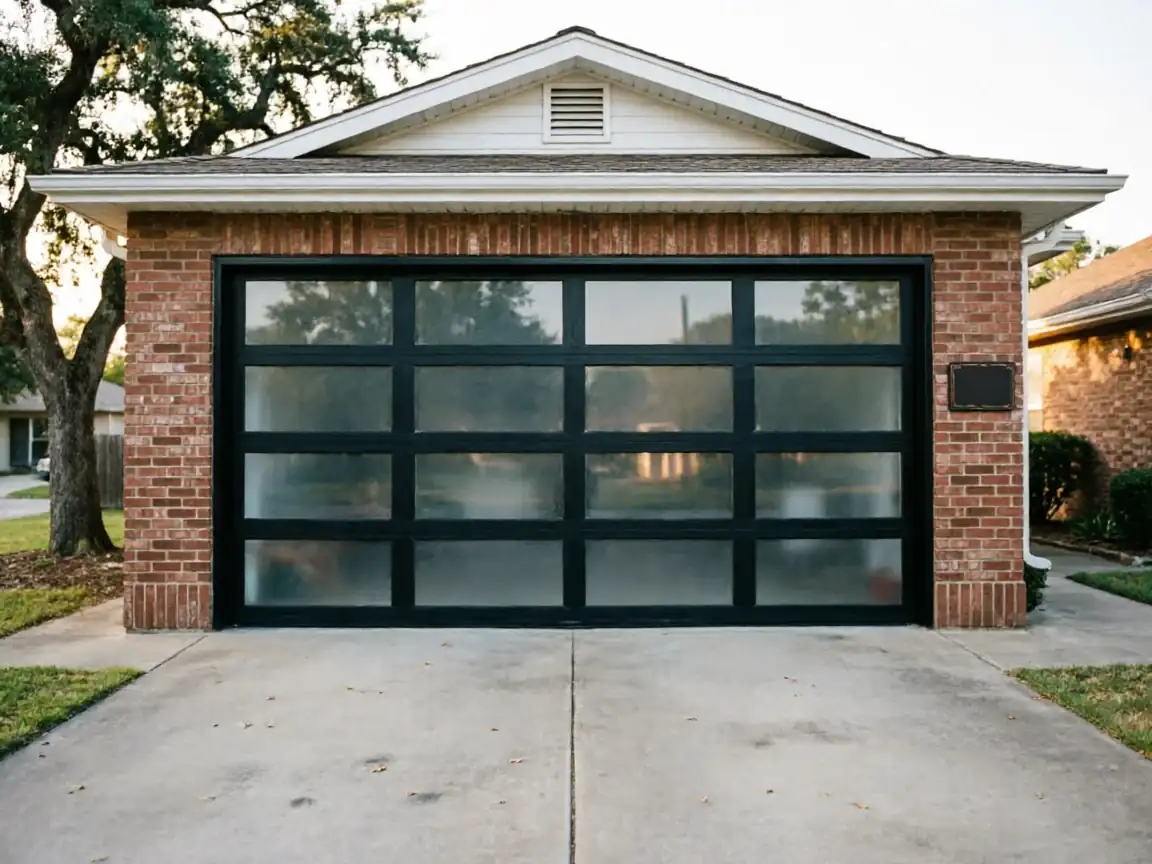
What the Fix Involves
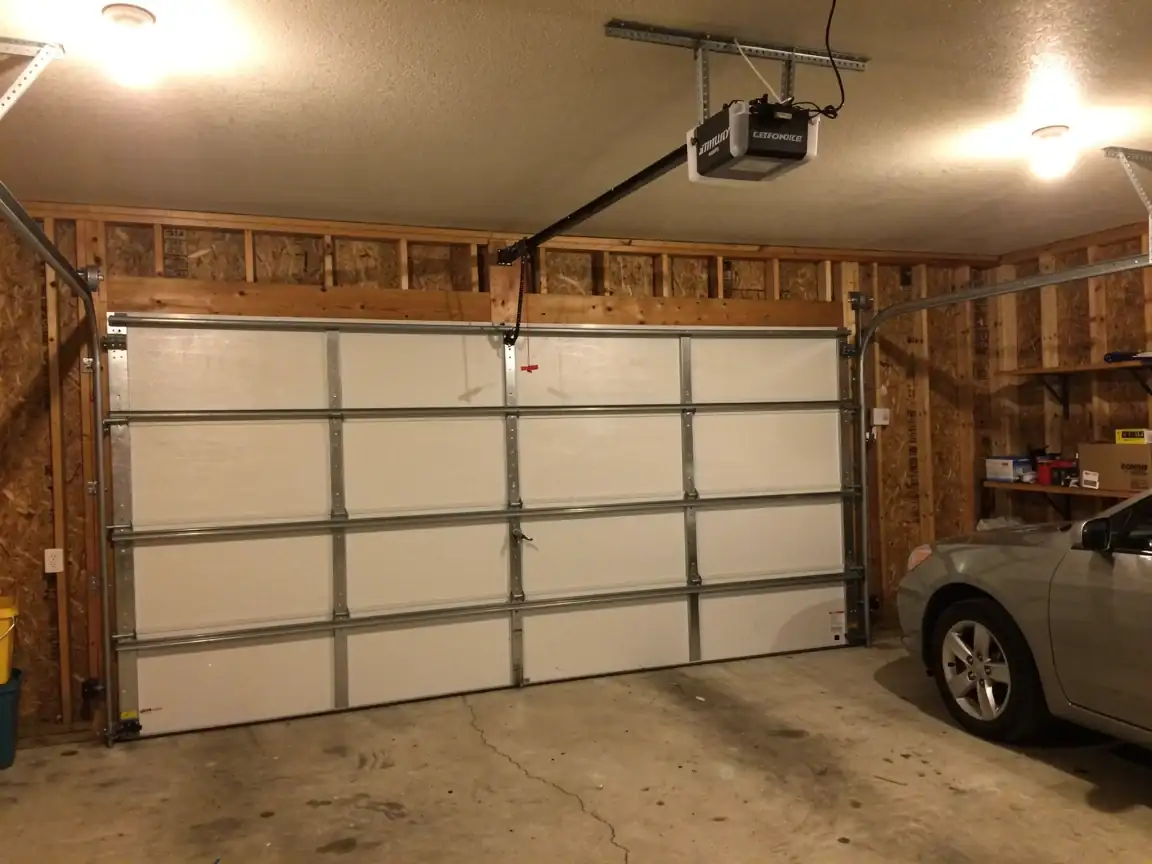
Most emergency calls break down into a handful of jobs: a snapped torsion or extension spring, a cable that's jumped the drum, a track knocked out of line, or an opener that's stopped talking to the wall button. We start by finding out which one it actually is before touching anything, because a bent track can look like a dead opener if the door's binding hard enough to stall the motor.
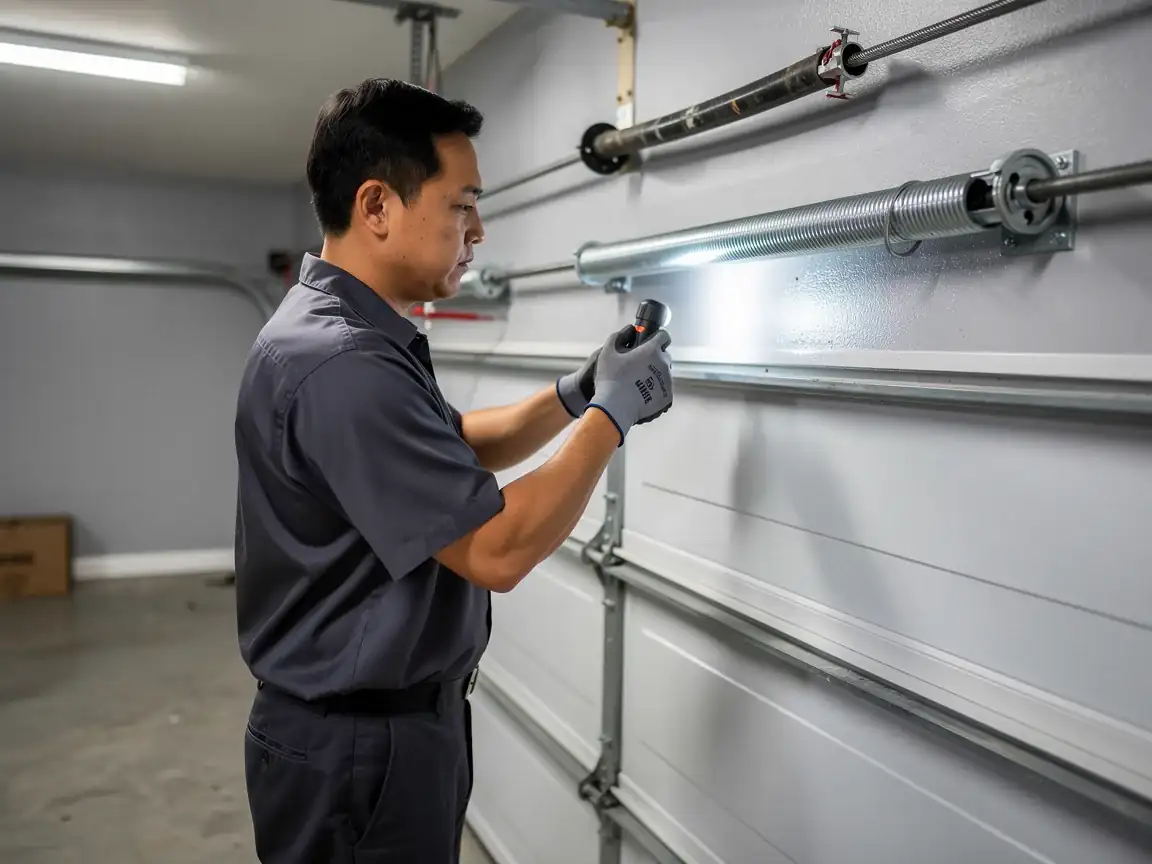
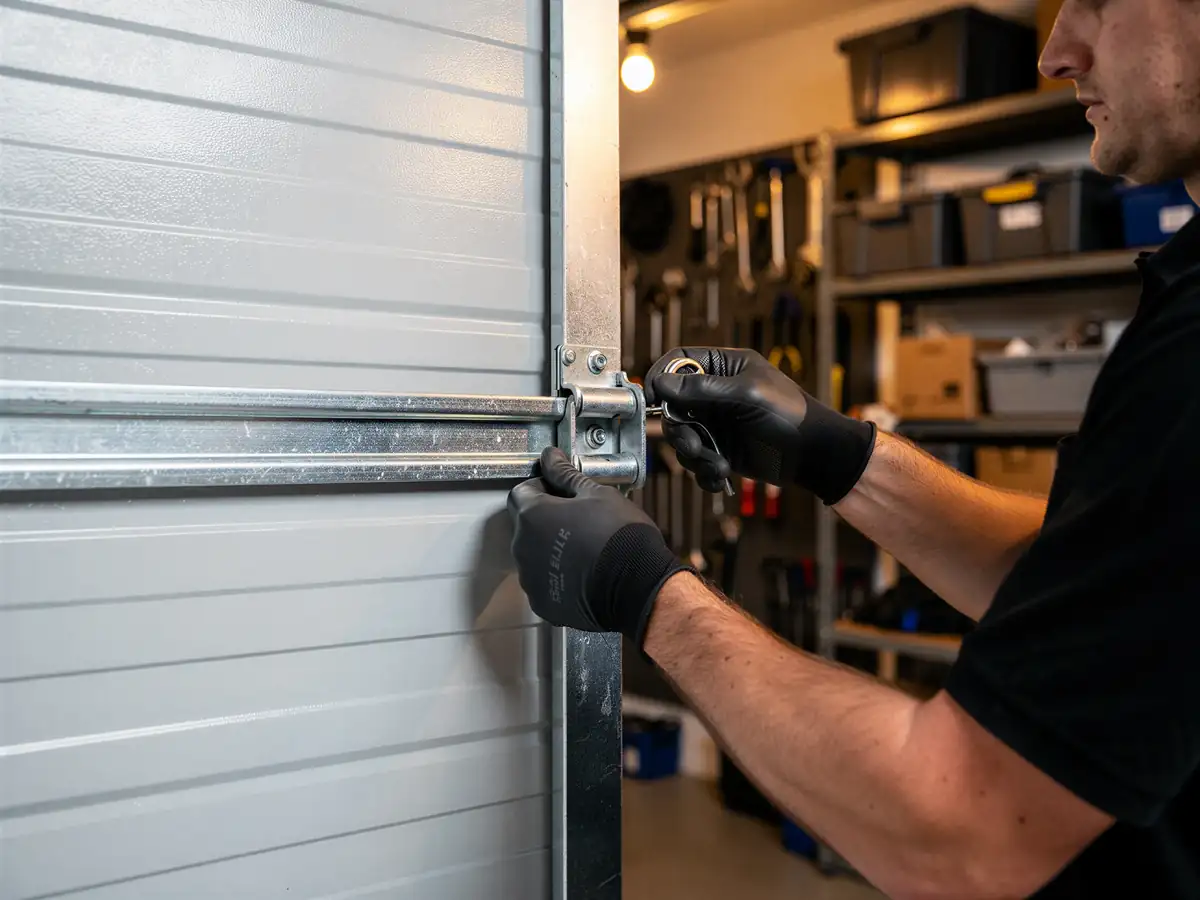
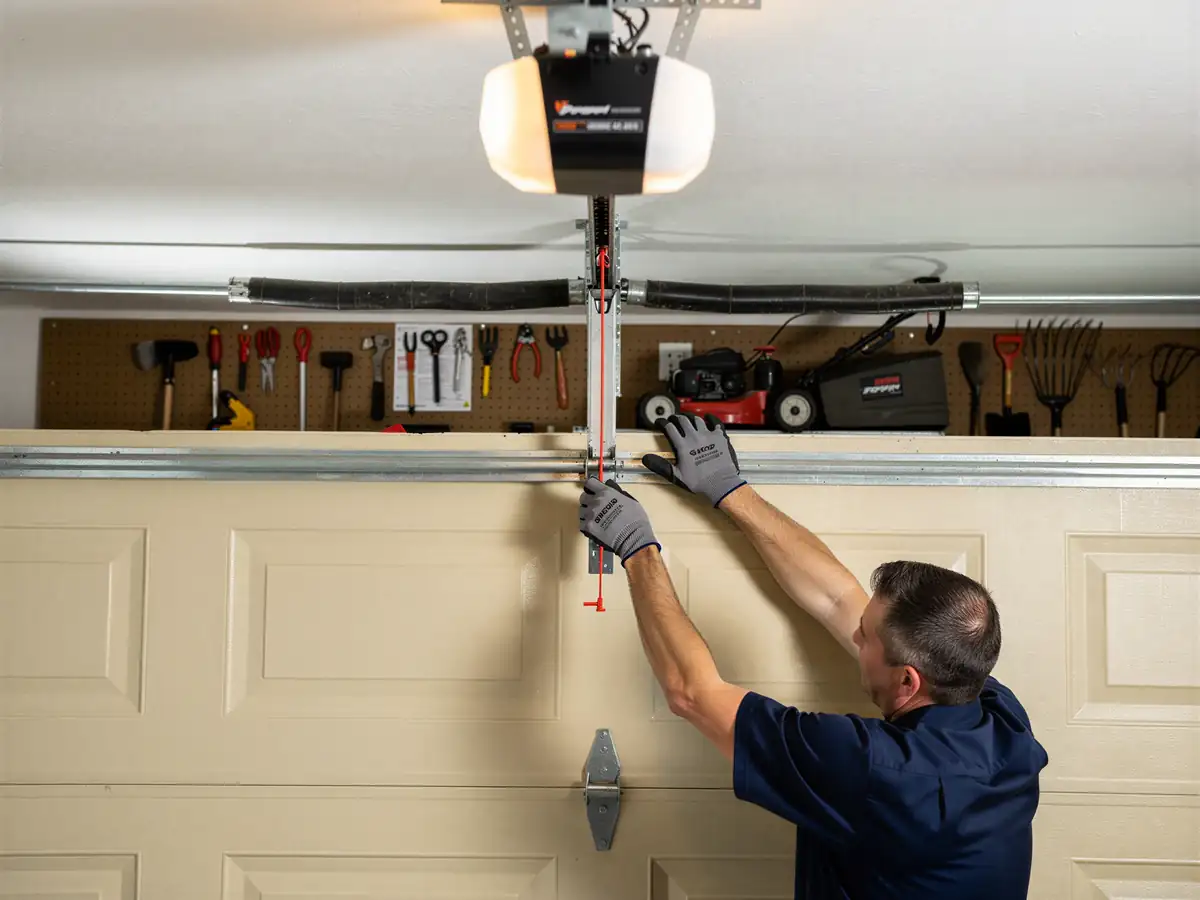
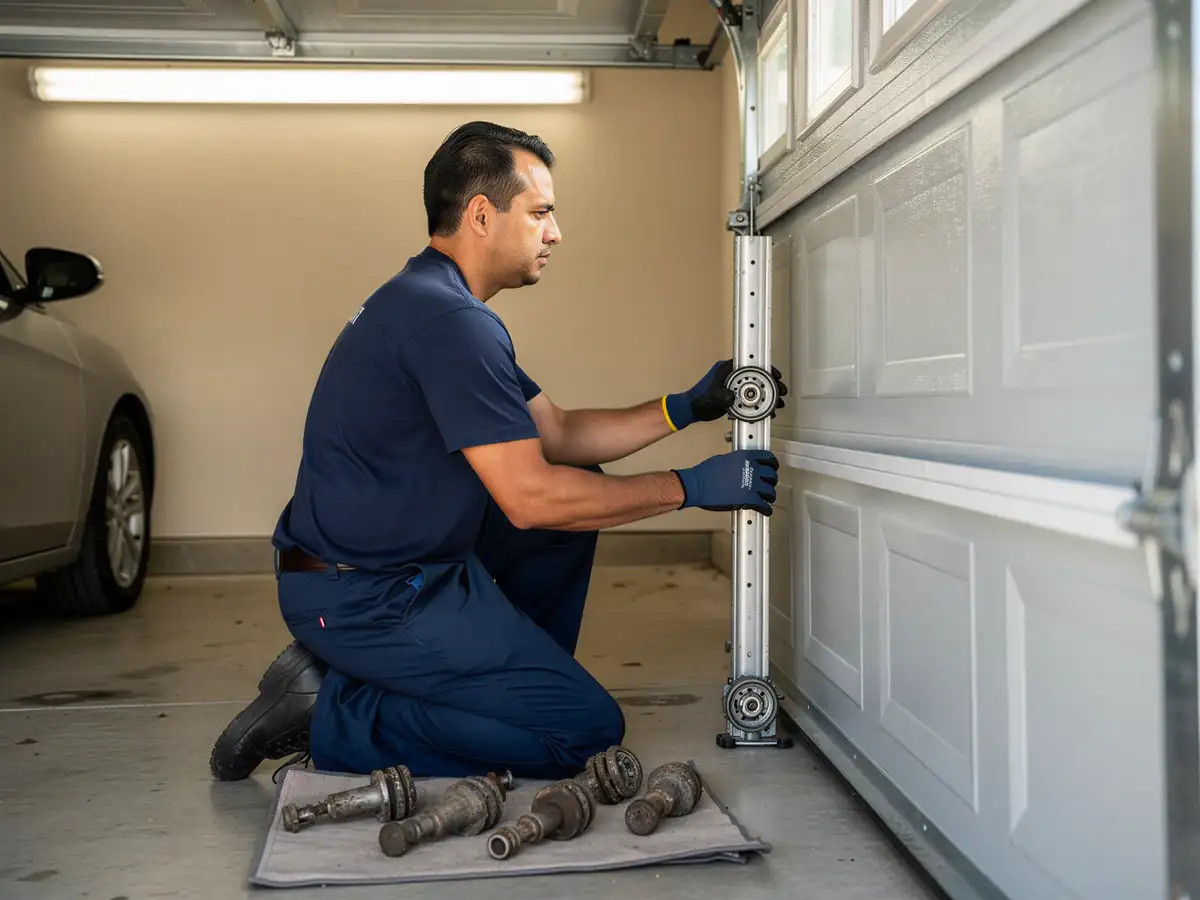
Spring work means pulling the broken coil, matching wire gauge and wind to the door's weight, and resetting tension by hand with winding bars, not guesswork. Cable and roller jobs usually get done together since a frayed cable has normally been chewing on the same roller for months. Track realignment is often just a matter of loosening the mounting brackets, squaring the rail, and torquing it back down, though a track that's been run over or rusted through needs replacing, not straightening.
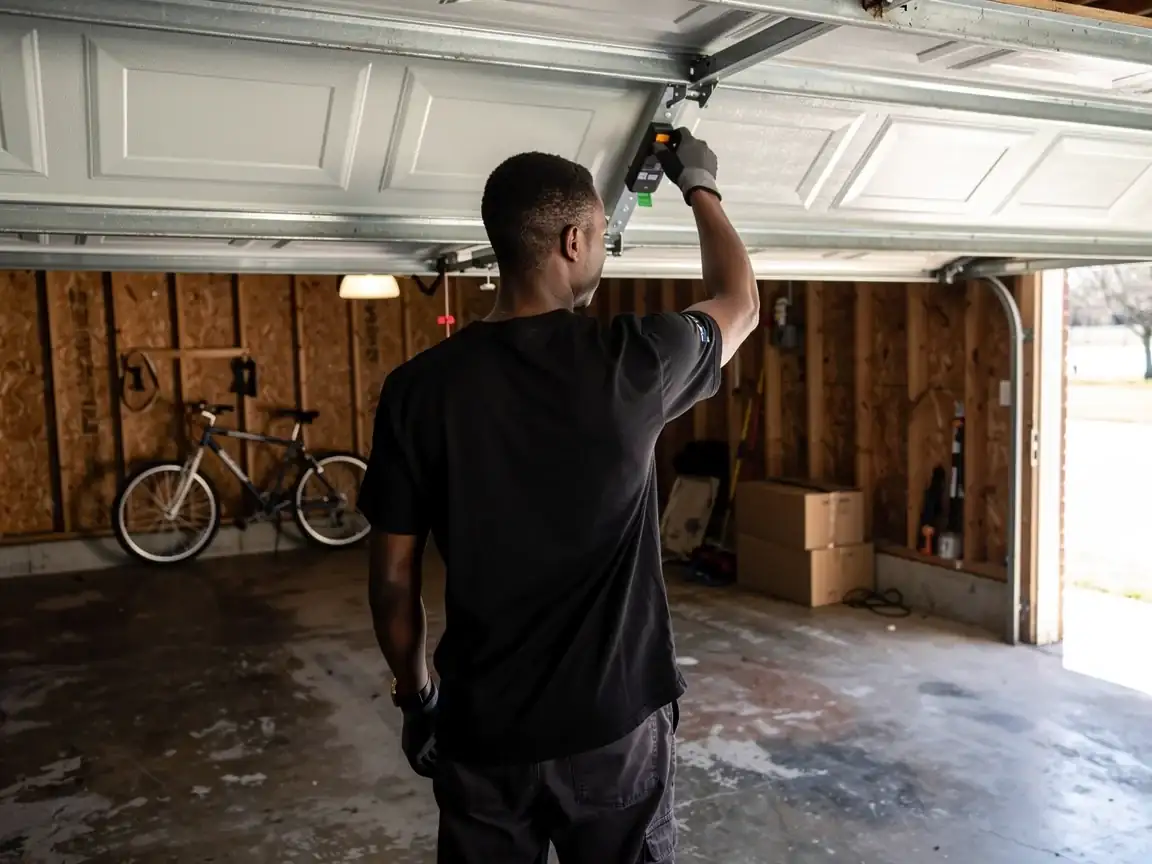
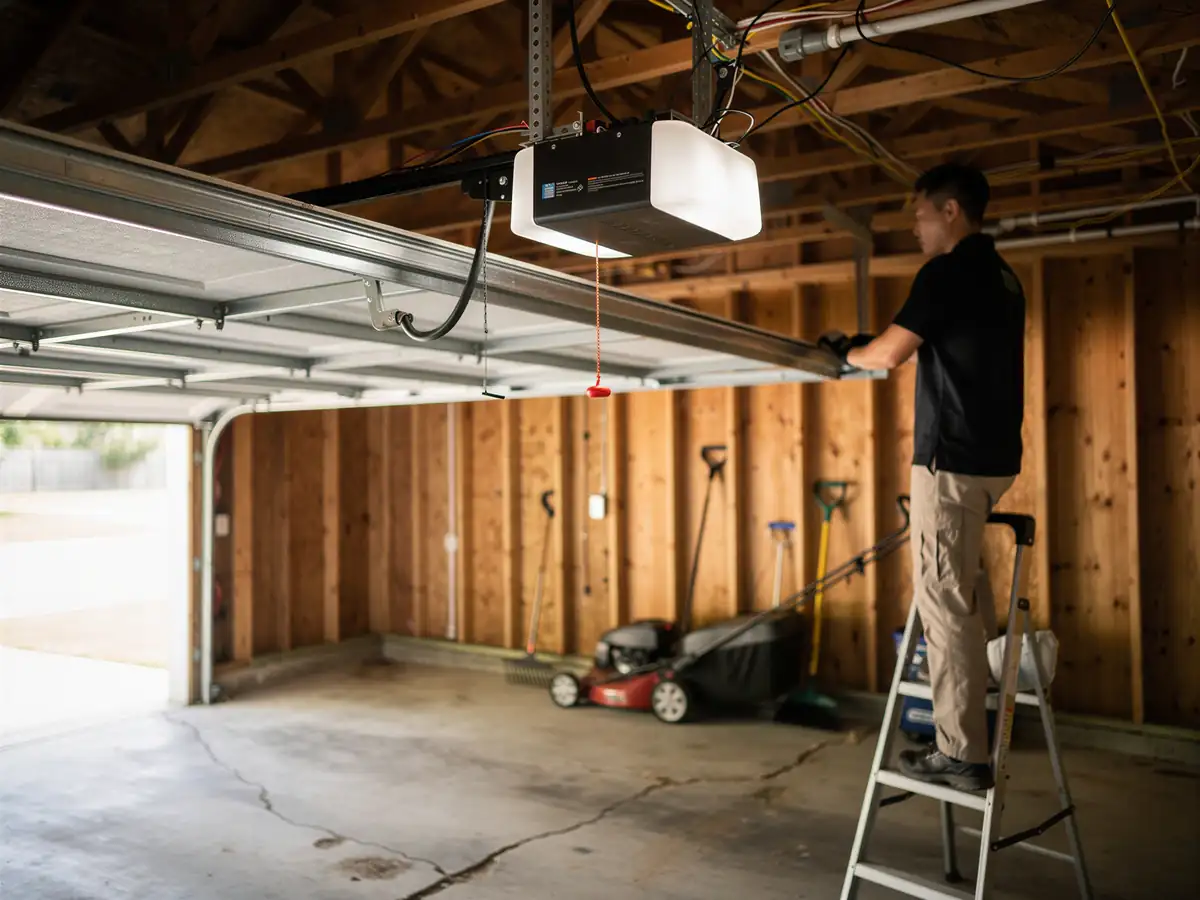
Opener repairs split between the simple stuff (limit switches, drive gears, logic boards that have given out after years of humidity) and the stuff that isn't worth fixing. If a motor's cooked and the unit's old enough that parts are backordered or discontinued, we'll say so rather than charge for a repair that won't hold. That's the one call we make honestly every time, even when it costs us the bigger ticket.
Why It Happens Here
Monroe's housing stock mostly went up between 1975 and 2005
With the median build year sitting around 1985, which is exactly the era when a lot of builders switched to lighter-duty extension springs and stamped steel track that wasn't built to run for thirty-plus years. Across the nine areas we cover around Monroe, you're mostly looking at that same 1980s-and-90s generation of garage door hardware, which means the springs on a huge share of doors here are well past their rated cycle count whether anyone's touched them or not.
The climate plays a part too
Monroe sits in a mild band with occasional freeze nights rather than the deep freeze-thaw swings that crack foundations further north, but that occasional cold snap is still enough to stiffen old grease in a torsion spring overnight. A spring that's been quietly fatiguing for two decades doesn't need a hard freeze to finally let go - it just needs one cold morning to be the last straw.
Put those two things together
Original-era hardware and a climate that still throws the occasional cold front - and you get the same pattern on a lot of calls: a door that worked fine yesterday and won't move today, with no warning in between.
How It Shows Up
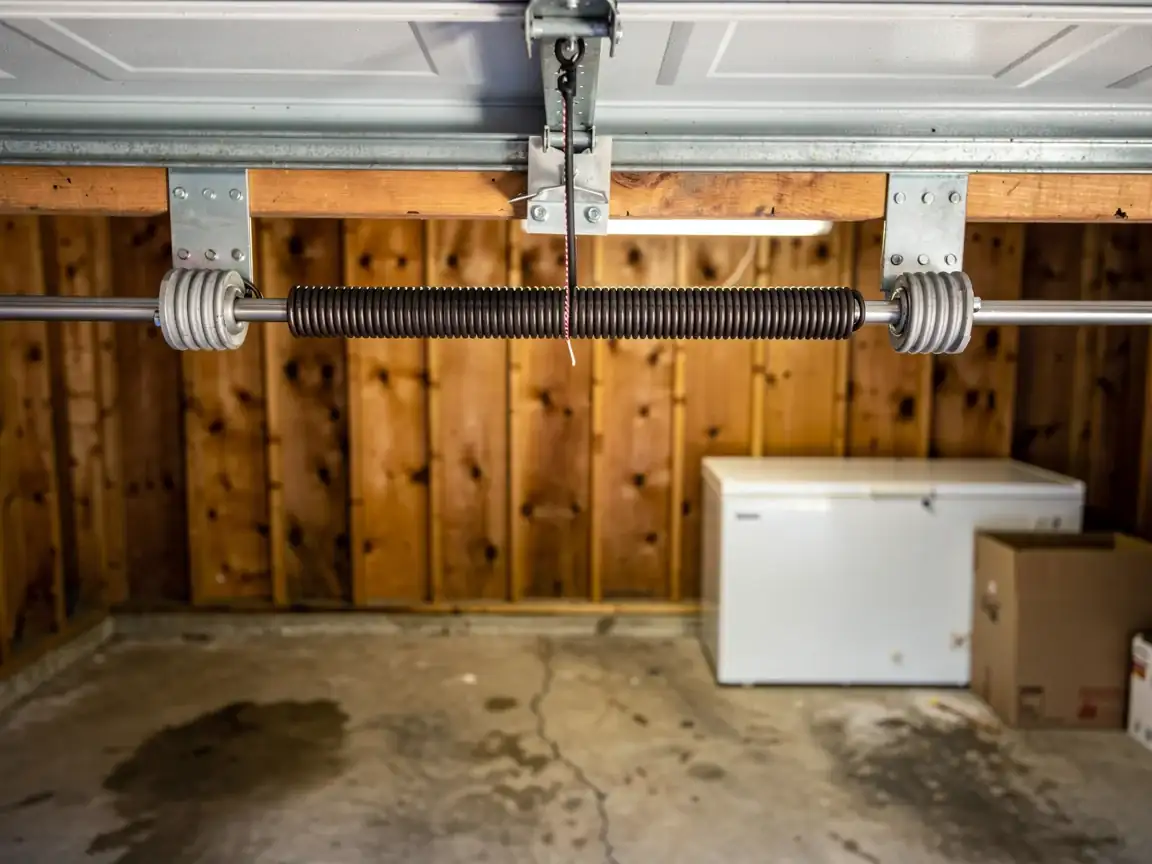
The most common version: the door won't budge, the opener motor hums or clicks but nothing moves, and there's a visible gap or slack in the spring coil above the door. That's a broken torsion spring, and it's not a DIY fix - the tension stored in that coil can do real damage if you're not set up for it.
A second pattern is the door that slams down fast instead of lowering under control, which usually means a cable has snapped or come off the drum and the door is riding on one side only. You'll often hear it before you see it - a loud bang followed by the door sitting crooked in the opening.
A third pattern, more common on older 1980s and 90s hardware, is a door that runs rough, grinds, or hangs up partway through the cycle. That's usually worn rollers in a track that's slowly bent out of square from years of use, and it tends to get worse gradually rather than failing all at once - right up until it doesn't.
Less dramatic but still an emergency in most owners' minds: an opener that simply stops responding. Sometimes it's a dead logic board, sometimes it's a limit switch knocked loose by vibration over the years. Either way, a door stuck shut (or stuck open) on a house you need to leave or lock up is a same-day problem, not a someday one.
What You Pay
We're not going to put a number here that isn't accurate for your door, because spring size, door weight, and whether it's cables, rollers, track, or the opener itself all change the job. What we can tell you is how the visit works: we diagnose on site, tell you what's actually broken and what it'll take to fix it, and you decide before any work starts.
One honest limitation - if your opener is old enough that the manufacturer's stopped making the circuit board or gear set, we're not going to pretend we can source a part that doesn't exist. In that case replacement is usually the straighter path, and we'll say so instead of running up a bill chasing a fix that won't last.
For most households in the Monroe area, with median income around $46,663, a straight repair - spring, cable, or roller job - tends to make more financial sense than replacing the whole door, and that's the call most owners want anyway when the opener and panels are still sound. We quote the repair first and let you weigh it against replacement yourself, not the other way around.