The Drive Over
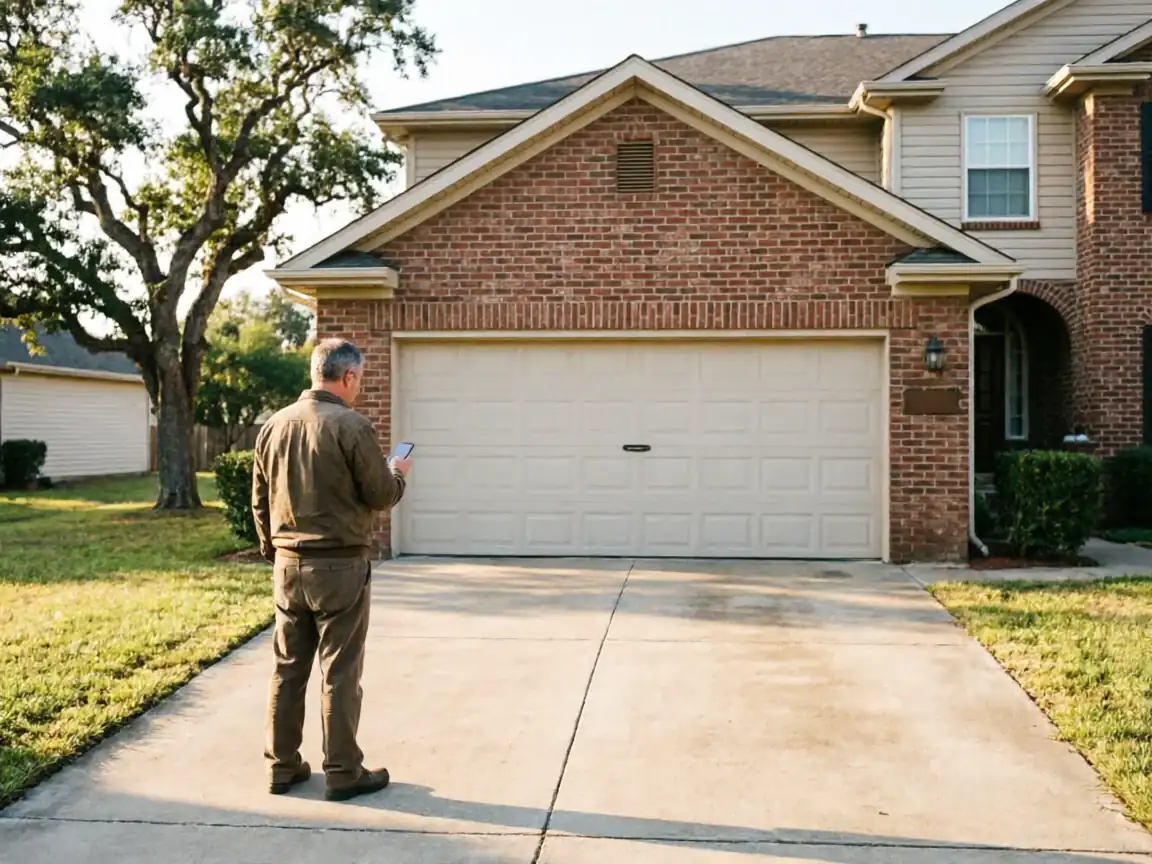
Calhoun sits about 16 miles out from our shop in Monroe, further than most of the areas we cover. It's not a quick hop, so when we schedule a job out here we plan the truck's day around it rather than squeezing it between closer calls. We don't keep a depot or a crew stationed in Calhoun - every job starts with a drive, and that's worth saying plainly rather than implying we're already around the corner.
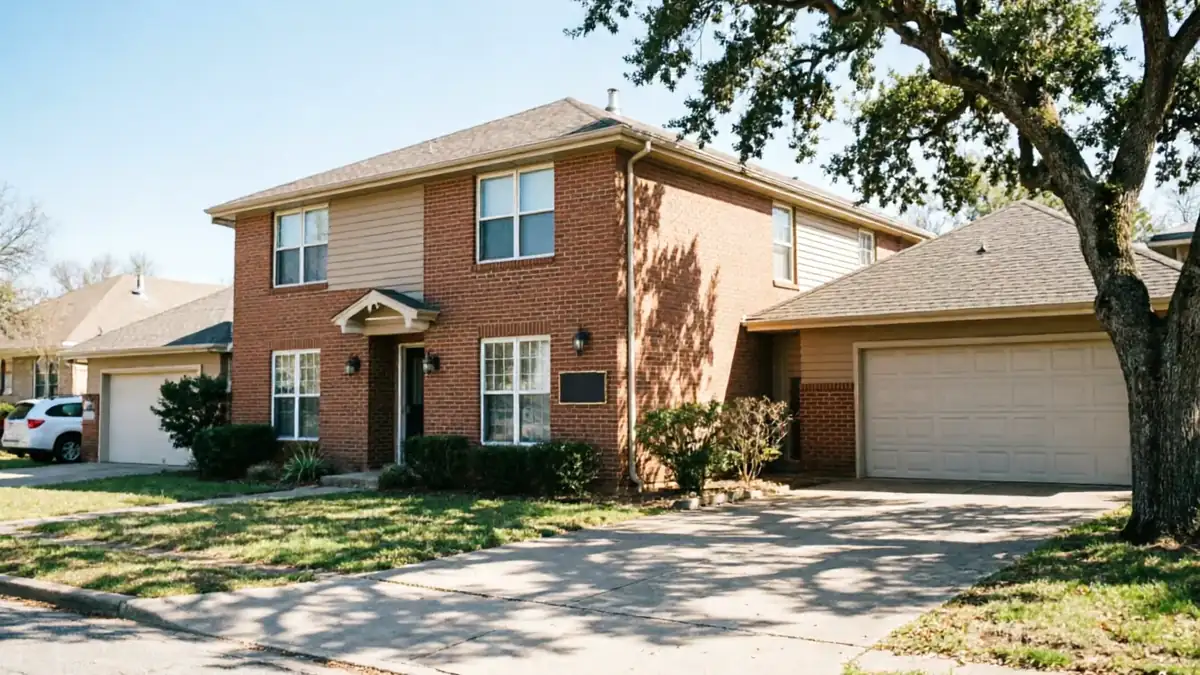
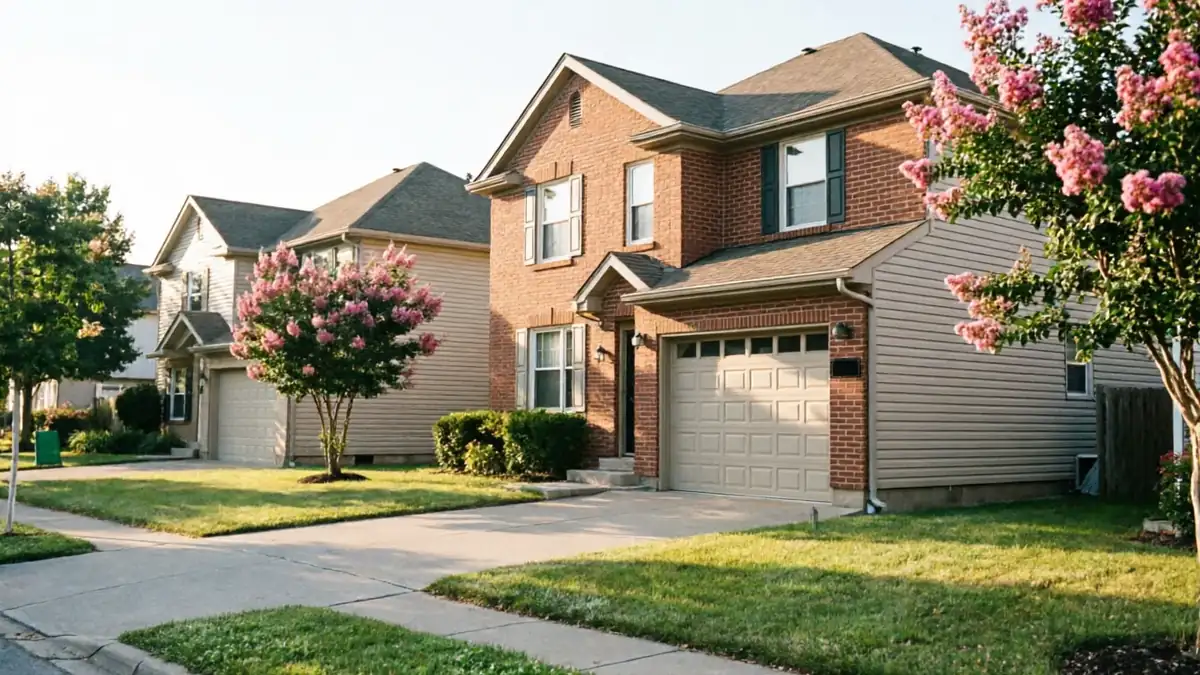
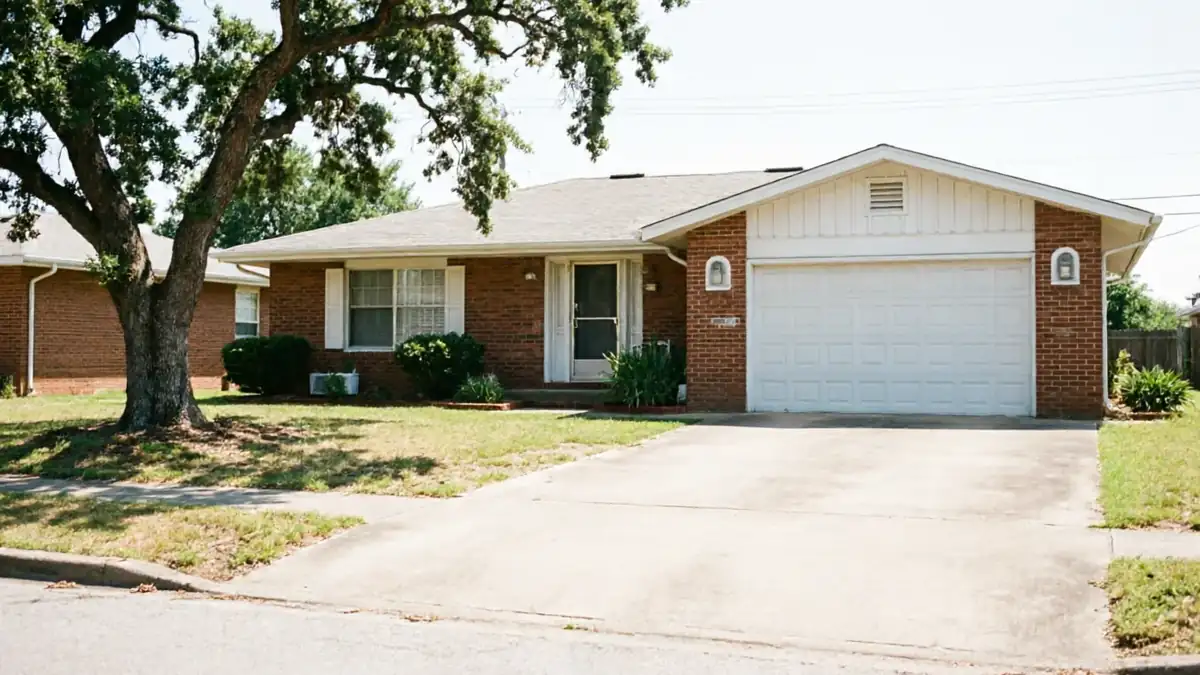
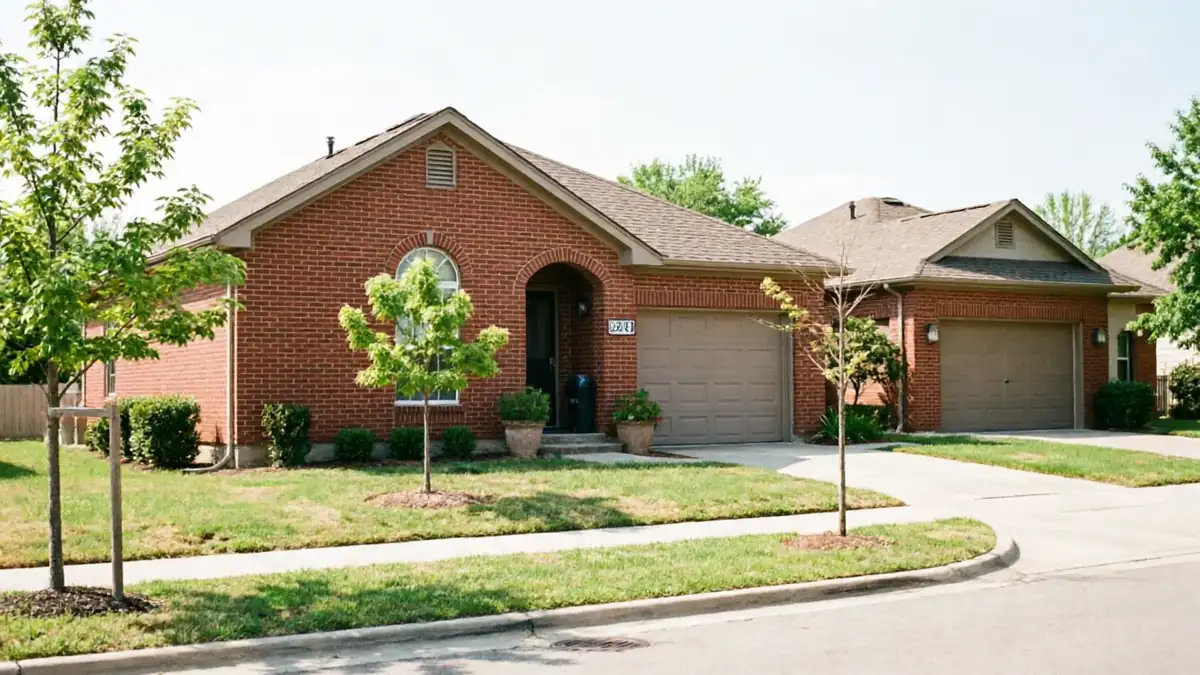
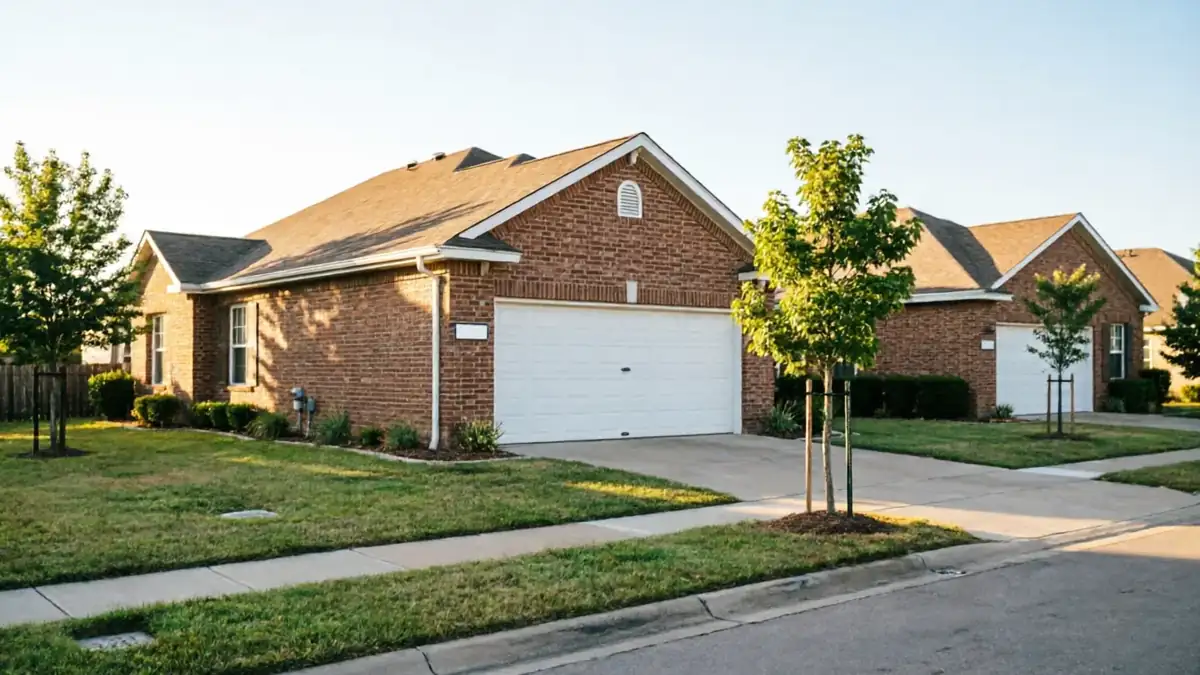
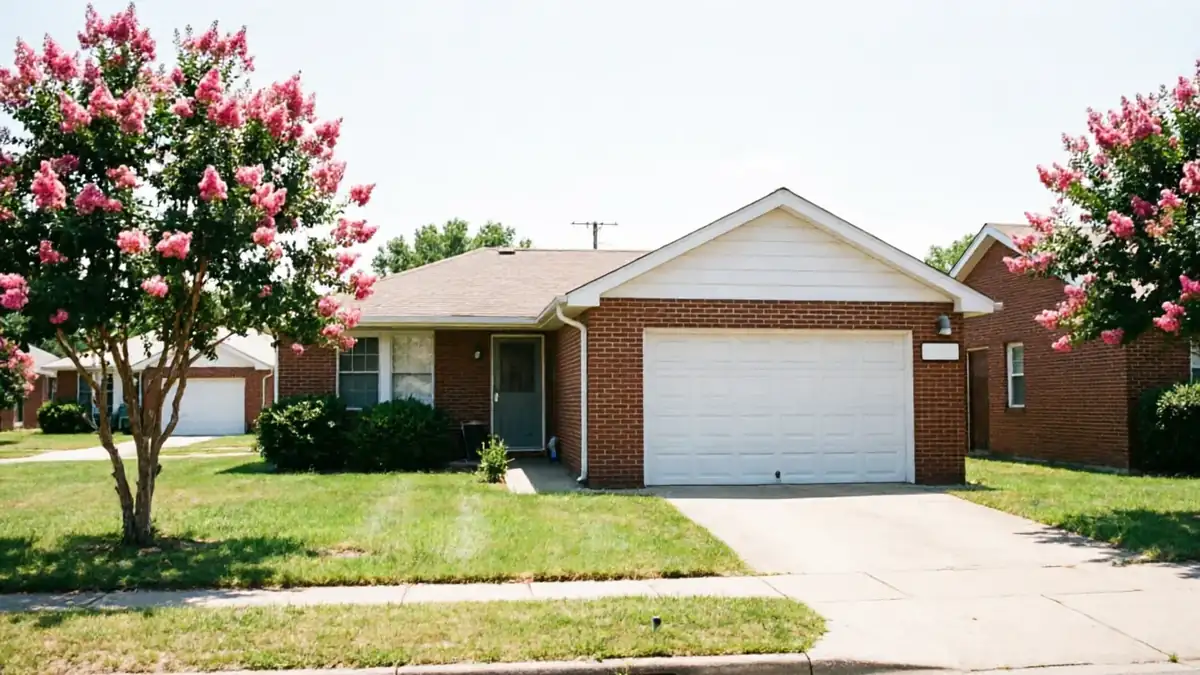
What makes the trip worth planning for is that Calhoun's housing doesn't look like the rest of the Monroe service area. Across the broader area, the median home was built around 1985, with most stock from the 1980s and 90s. Calhoun's median build year is 2005 - two decades newer. That's not a small gap. It's the difference between a door and track system built to one set of standards and one built to a completely different, later set.
With only about 151 households in Calhoun, it's also a smaller, newer pocket rather than a sprawling subdivision grid. That matters for how we think about parts and what we expect to find behind the door when we get there.
How That Shows Up in the Door
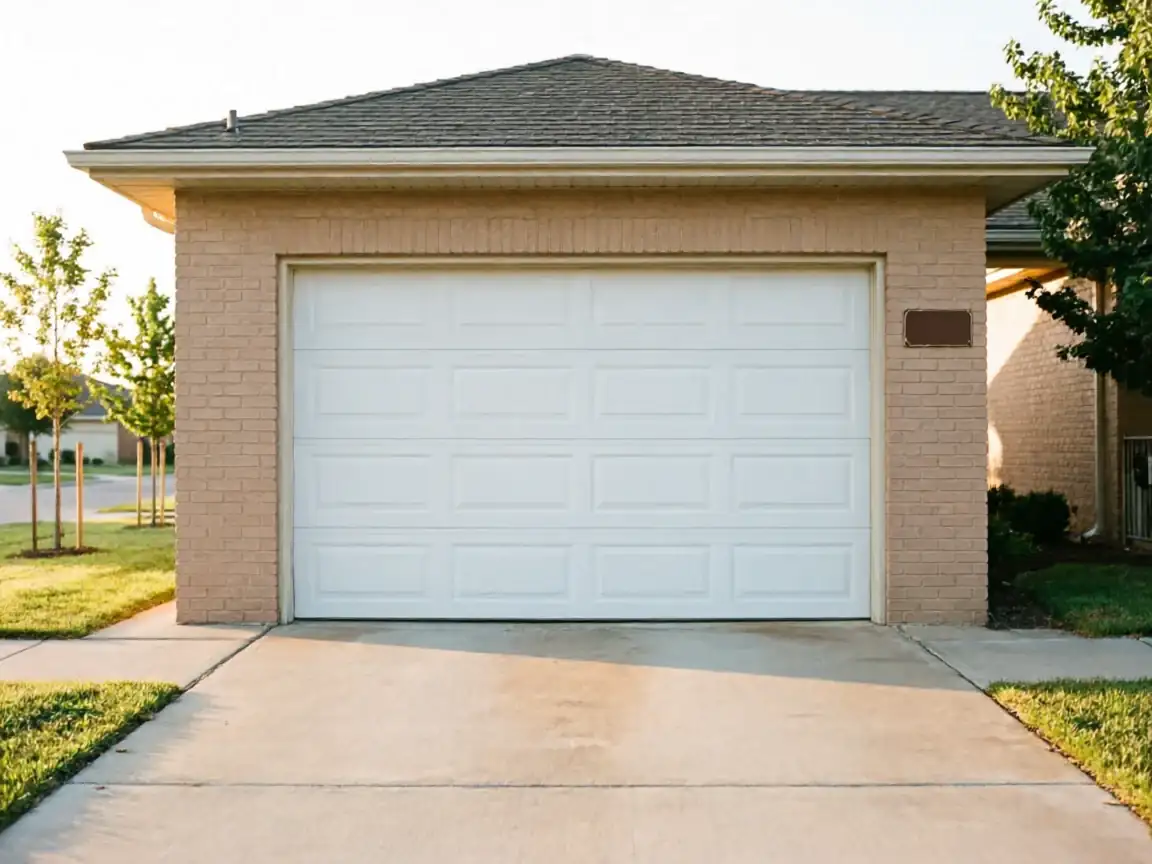
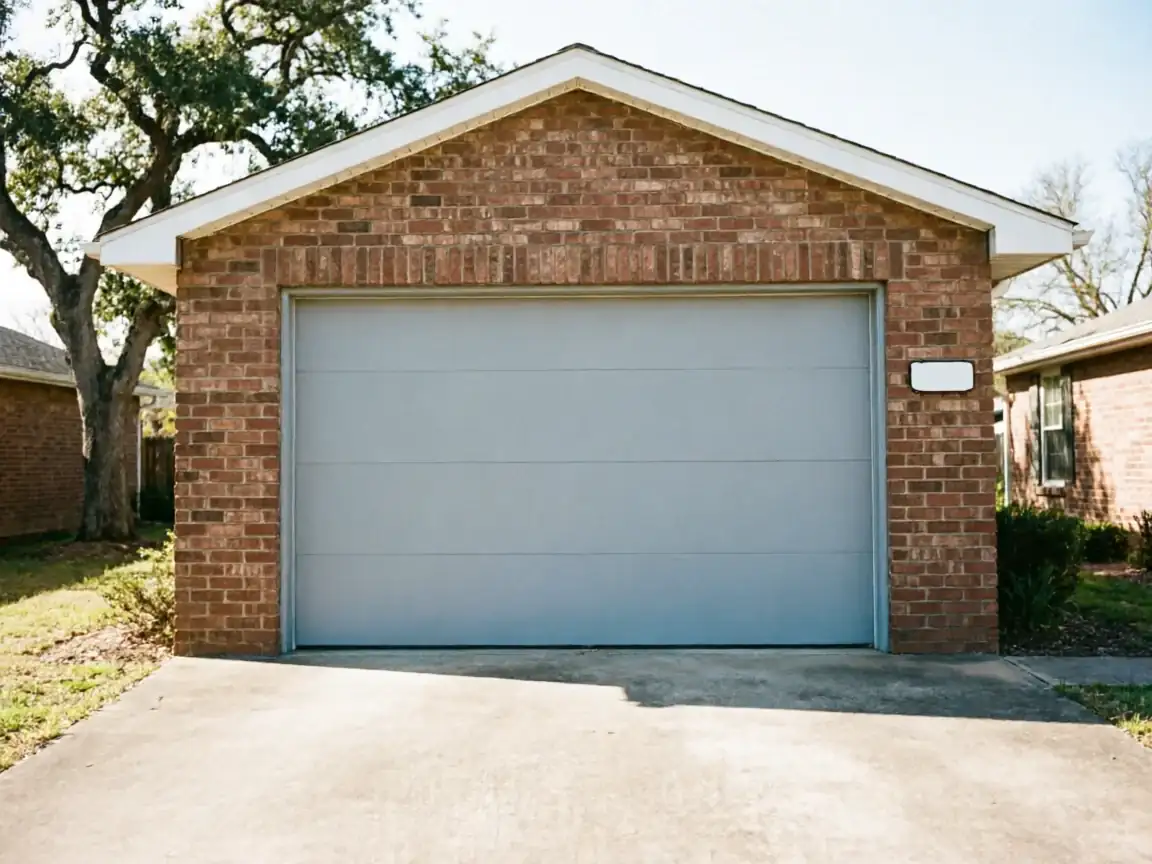
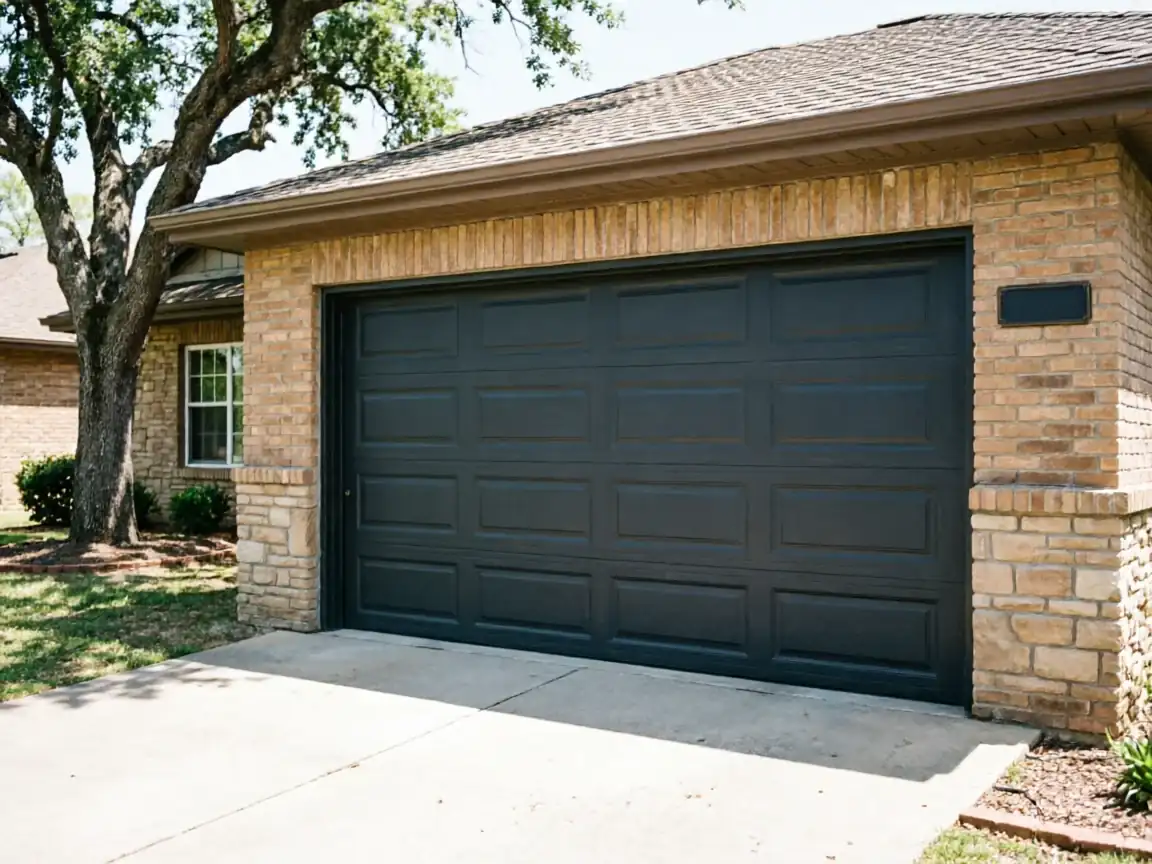
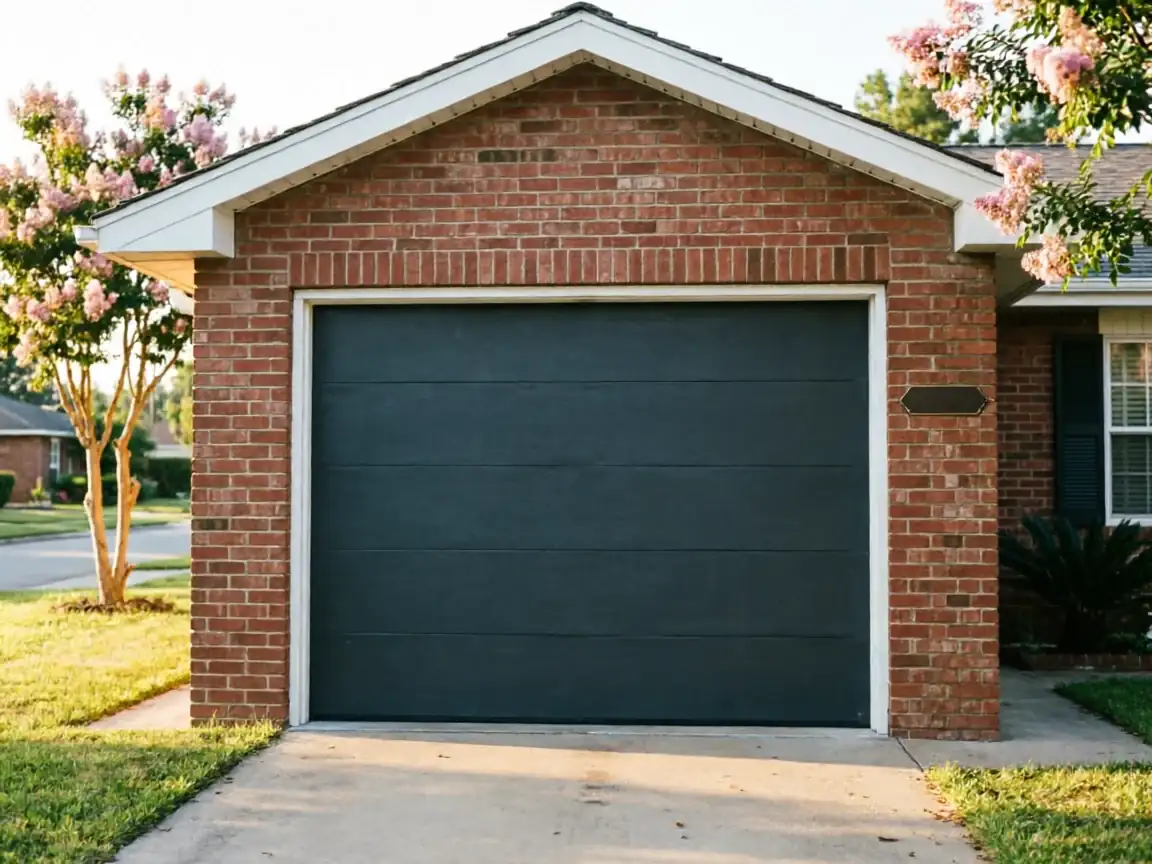
A house built in 2005 almost never has the original one-piece door or the side-mounted torsion setup you find on 1980s construction elsewhere in the area
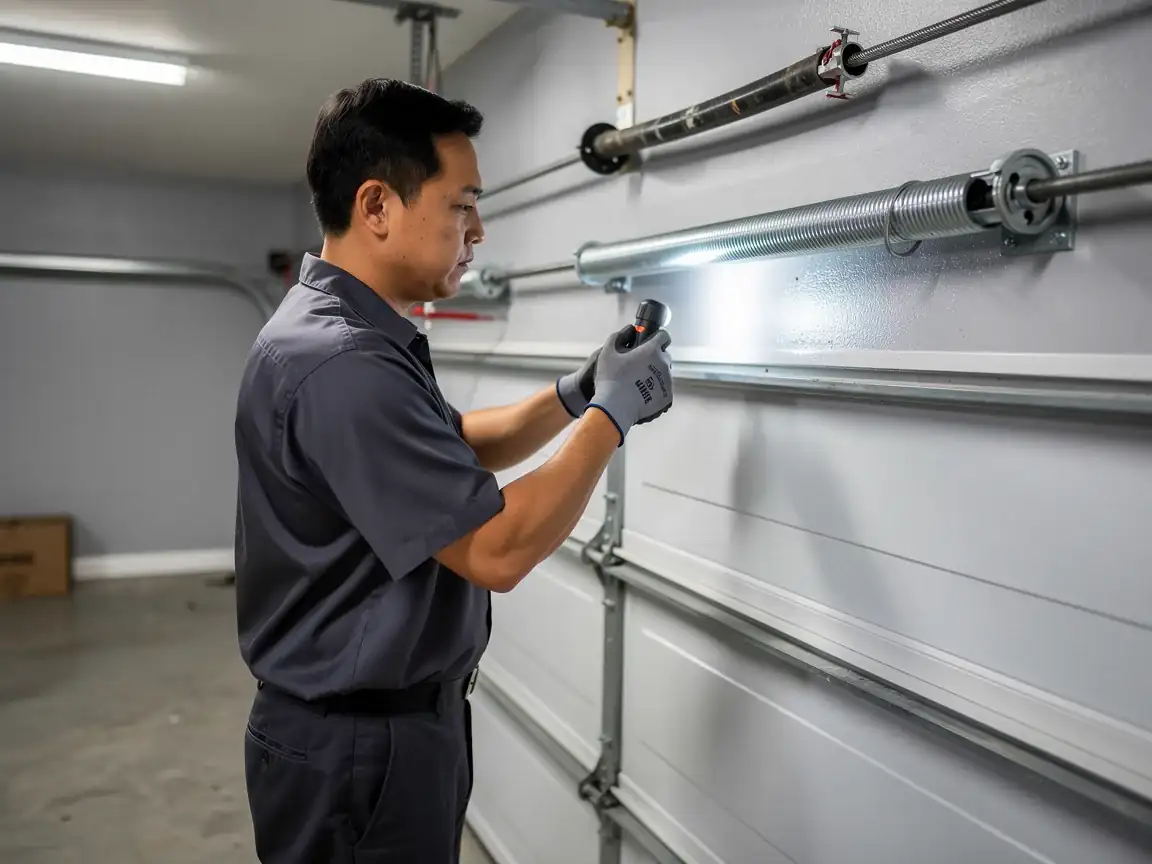
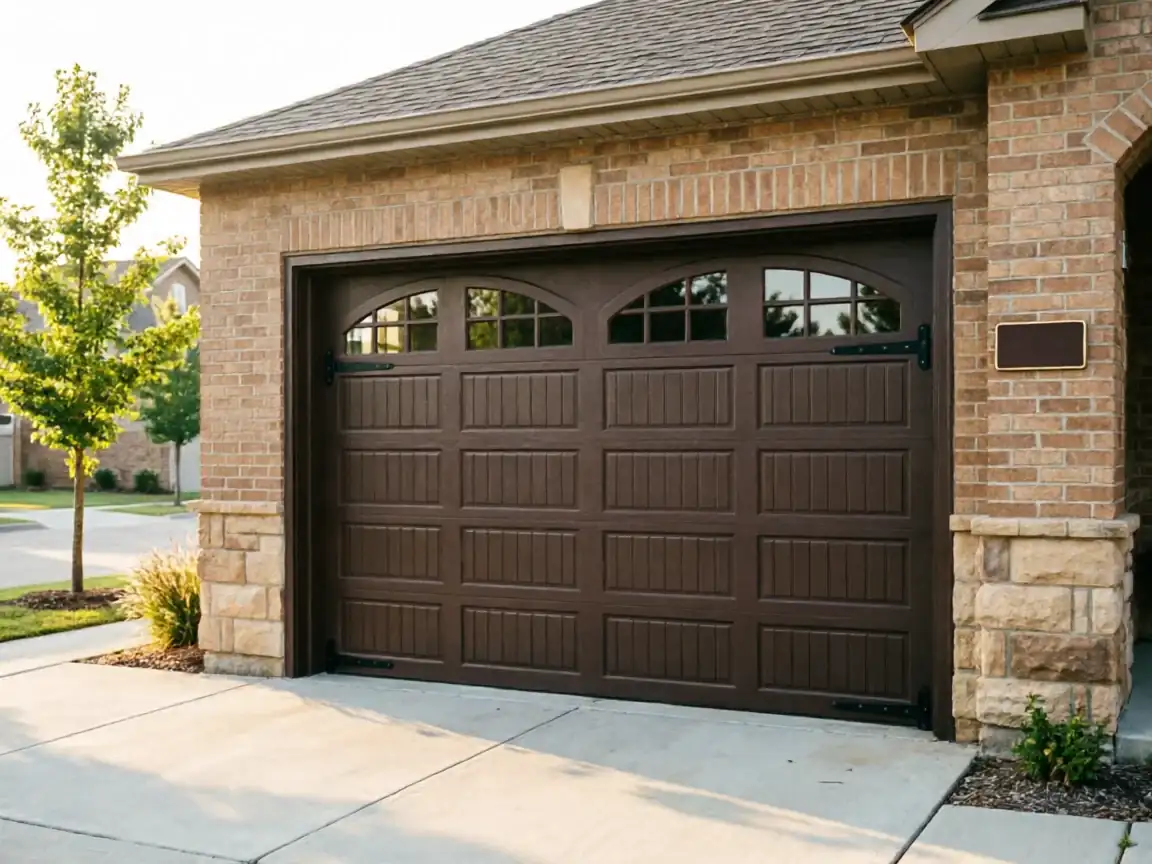
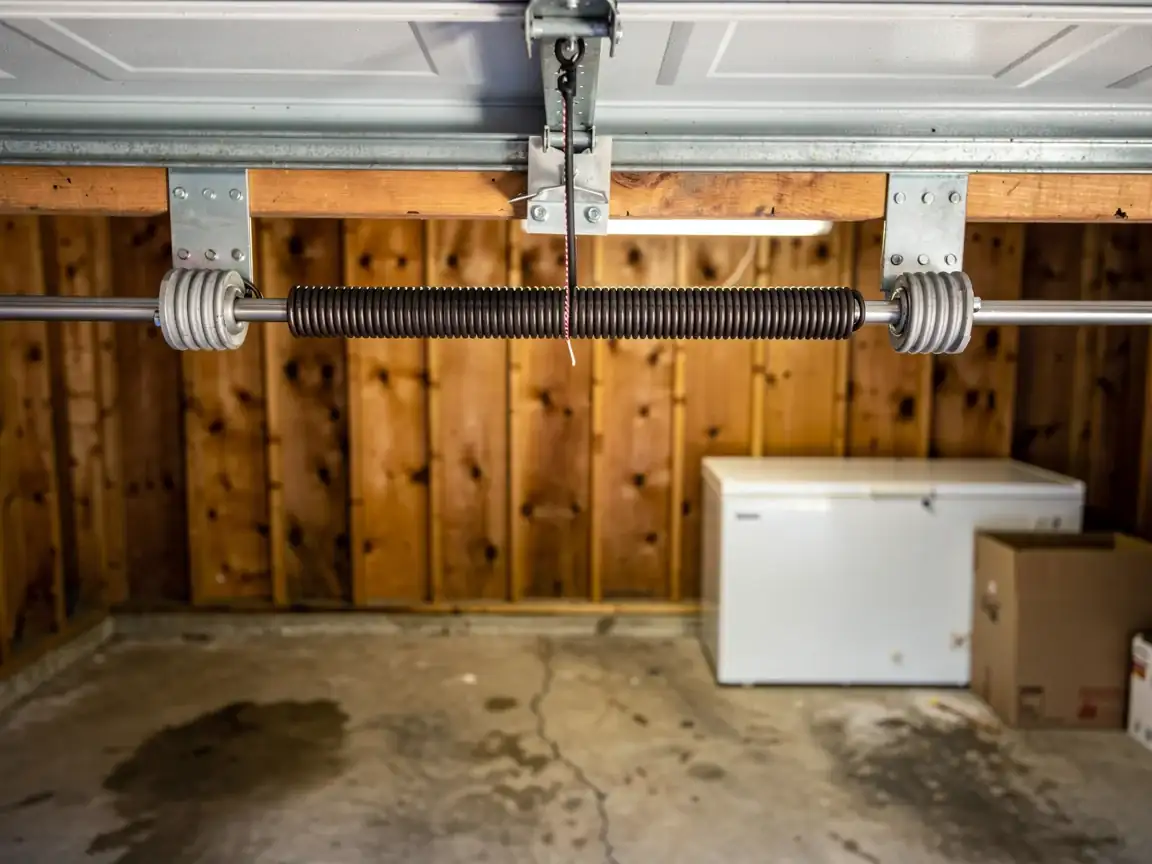
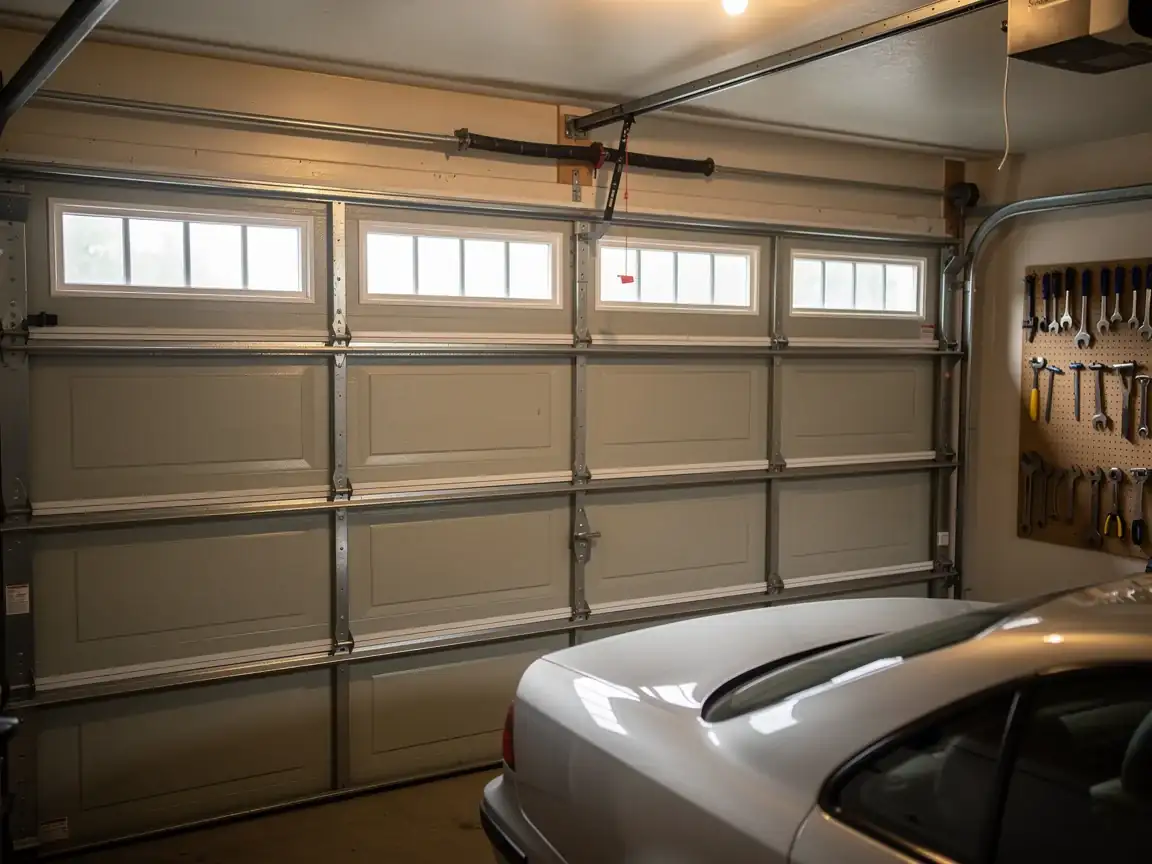
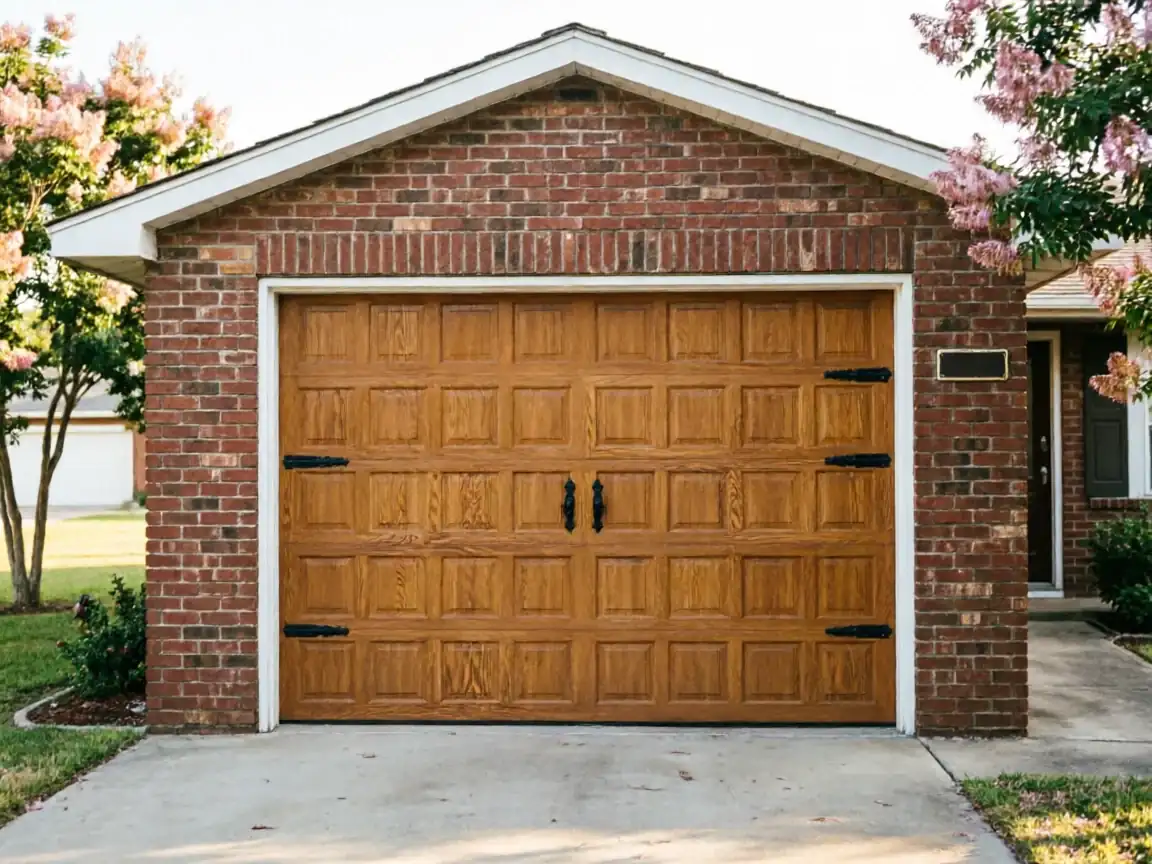
By 2005, sectional doors with center-mounted torsion springs above the opening were standard, usually paired with a chain or belt-drive opener with photo-eye safety sensors - a feature that wasn't code-required on older installs.
What fails on a 2005-era door is different too
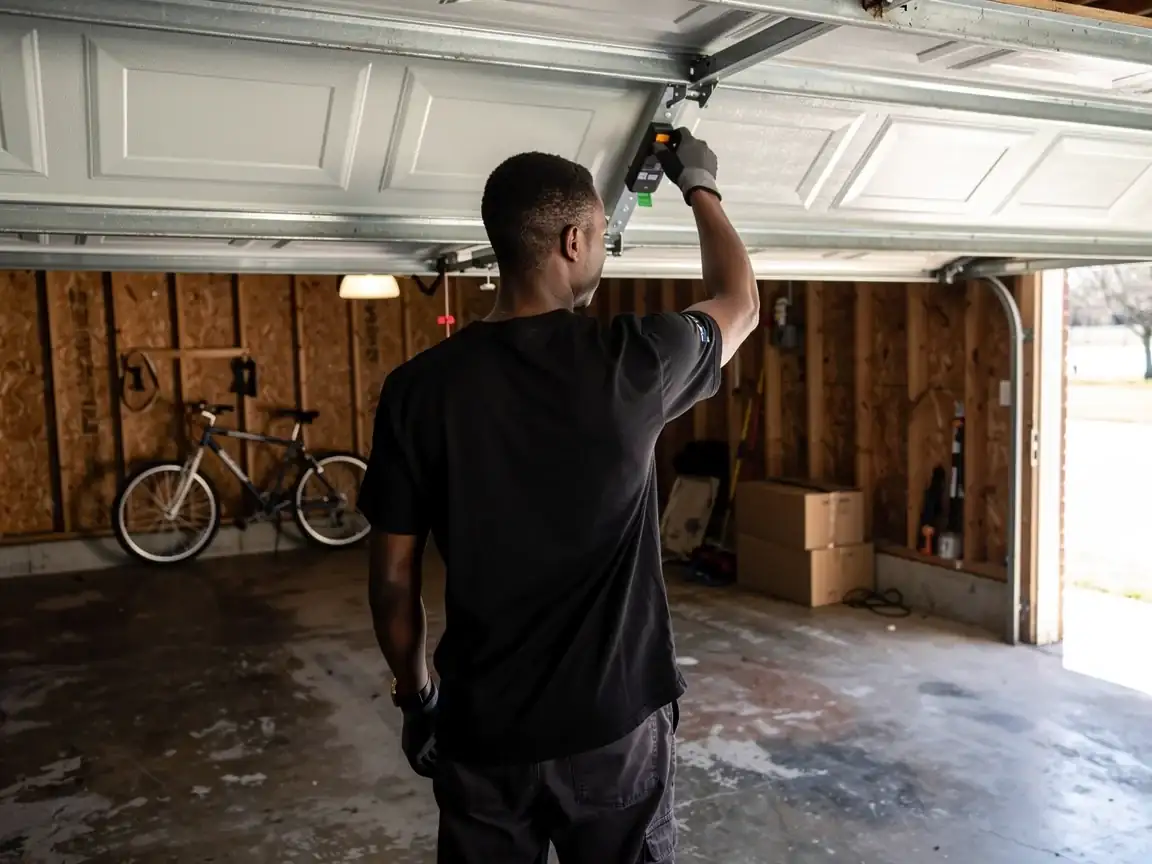
You're less likely to see the brittle, sun-cracked panels or rusted-through track common on 1980s doors, and more likely to see worn nylon rollers, a opener's drive gear wearing out, or a torsion spring finally giving up after two decades of cycles - springs are usually rated for a set number of cycles, and 20 years of daily use puts a lot of doors right at that edge.
- 20 years
We size parts for what's actually there, not for what's typical of an older Monroe-area house
A torsion spring that matches a 1985 door's weight and drum size won't be right for a heavier insulated sectional door from the mid-2000s, and guessing wrong on that front causes more callbacks than almost anything else in this trade.
Timing on This Area
Because Calhoun is on the outer edge of where we travel, same-day fits depend on what else is already on the schedule that day. We're honest about that: a job 16 miles out doesn't slot in as easily as one five minutes from the shop, and we won't tell you otherwise just to book the call.
The climate here is the same mild band with occasional freeze that the whole area sits in, so cold-weather spring stiffness and hardware contraction aren't a Calhoun-specific issue - they show up anywhere in the service area on a cold morning. What is specific to Calhoun is parts planning. A 2005-era opener or spring is a different order than what we'd pull for a 1980s house closer to Monroe, so when you call, telling us roughly when the door or opener was installed helps us bring the right part on the first trip instead of a second one.
What Was Built Here
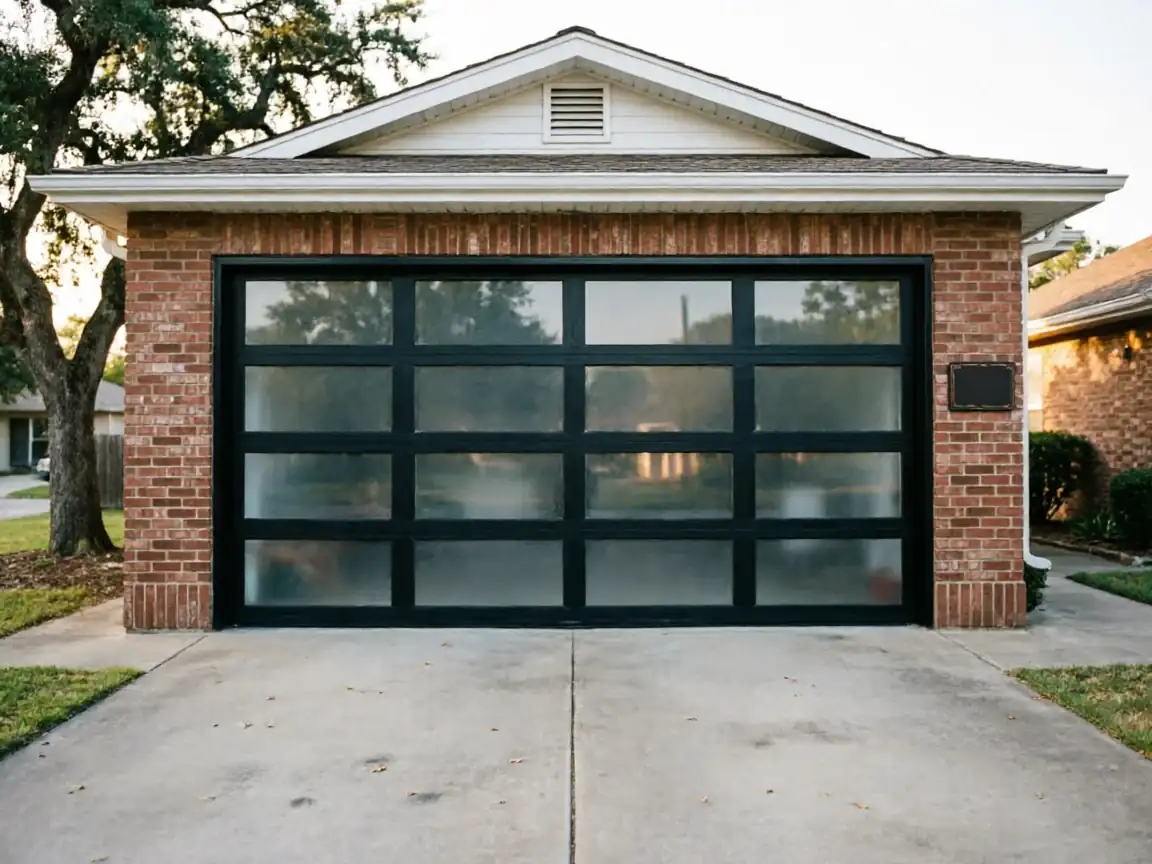
Calhoun's 151 households sit at a median income of $133,476, well above the $46,663 median for the broader Monroe service area. That income level tends to track with the newer construction - 2005-era builds here often came with better-insulated steel doors and more capable openers from the start, rather than a base-model door that's since had three different openers bolted onto it over the decades.
We won't pretend to know the exact subdivision or builder behind any given Calhoun house without seeing it, but the pattern holds: a door from this era is more likely to need an opener logic board, a drive gear, or a spring at the end of its rated cycle life than the track and hinge problems that dominate older housing stock elsewhere in the area. If a repair on a newer door starts running close to the cost of replacing it outright, we'll say so rather than patch something that's going to need the same fix again in a year.