What the Fix Involves
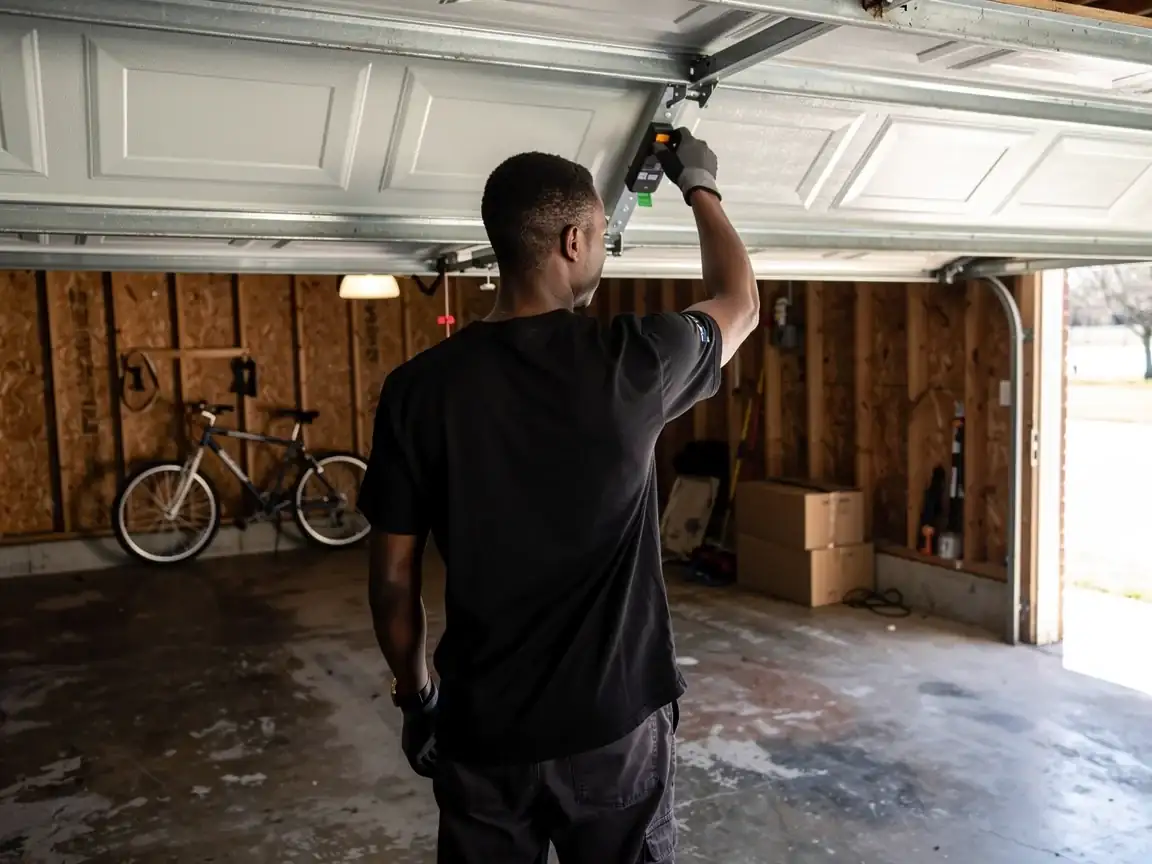
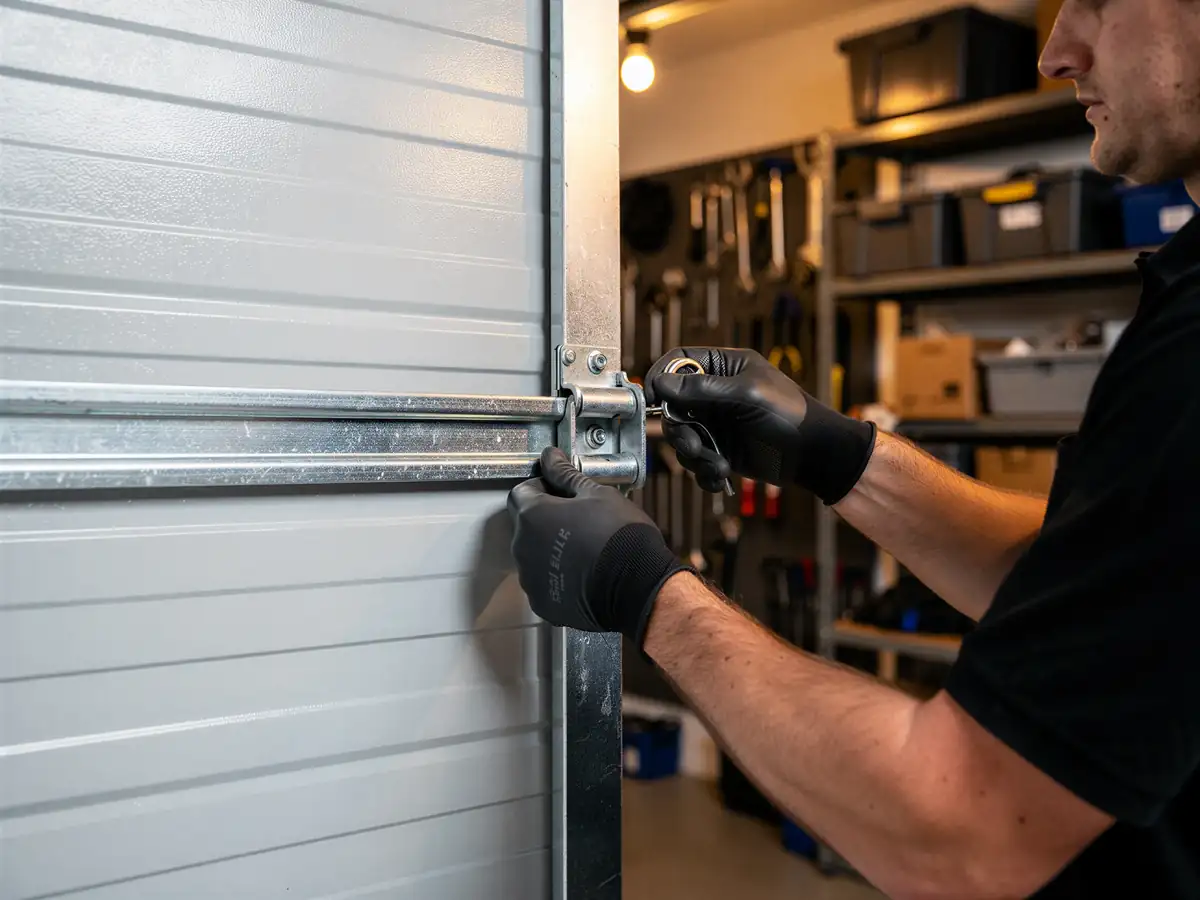
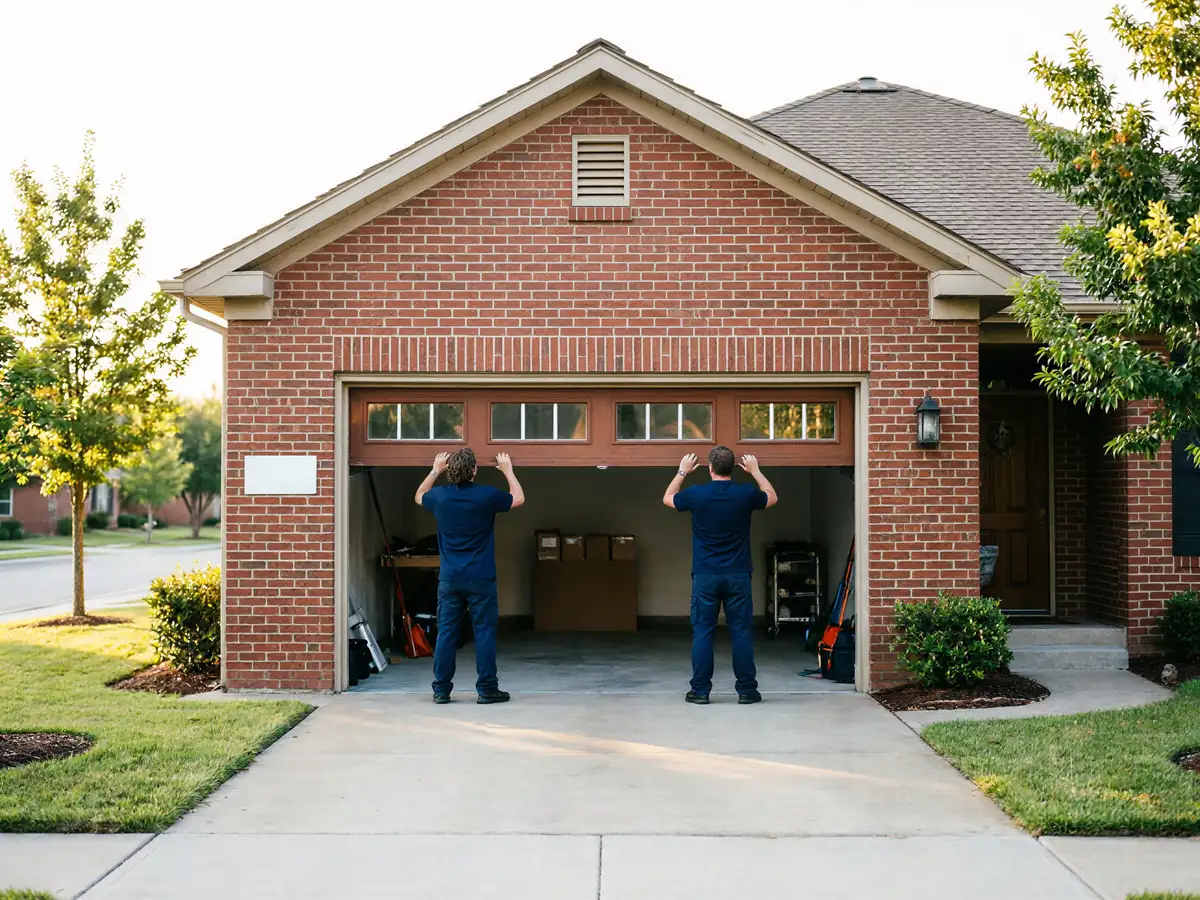
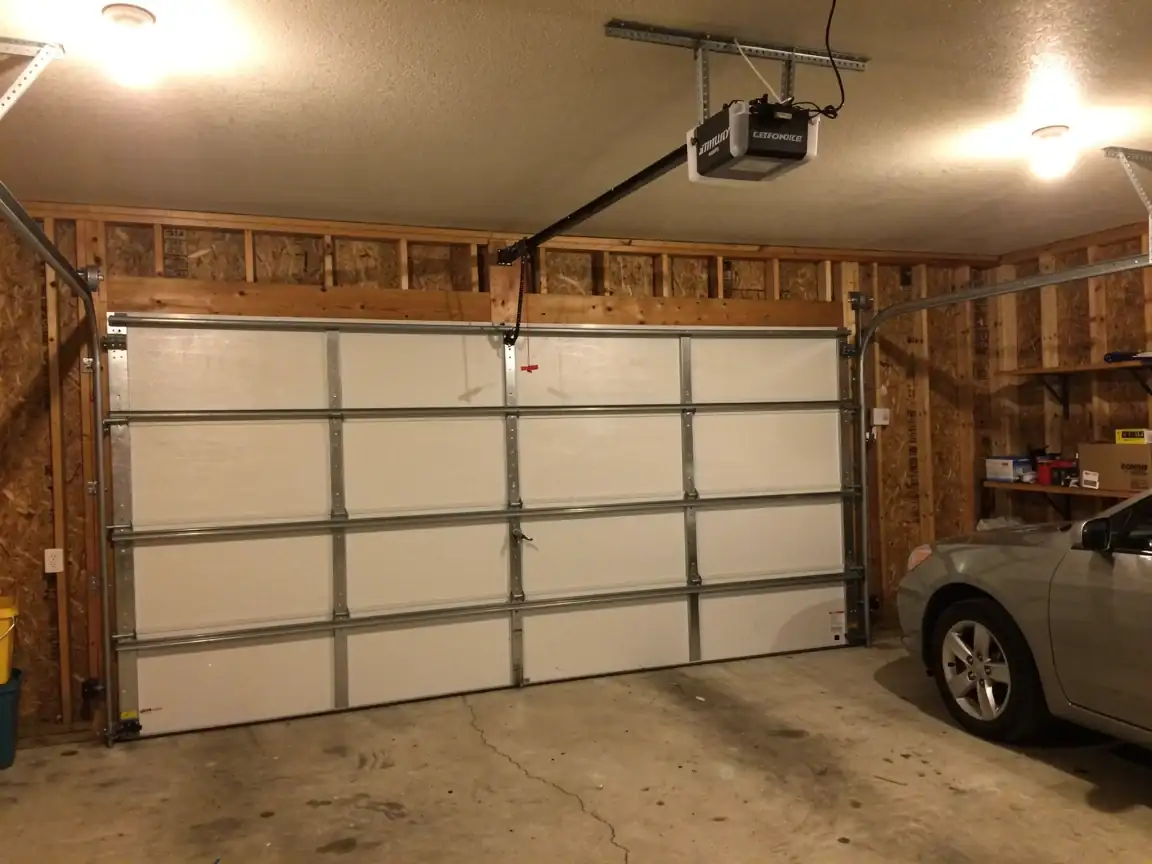
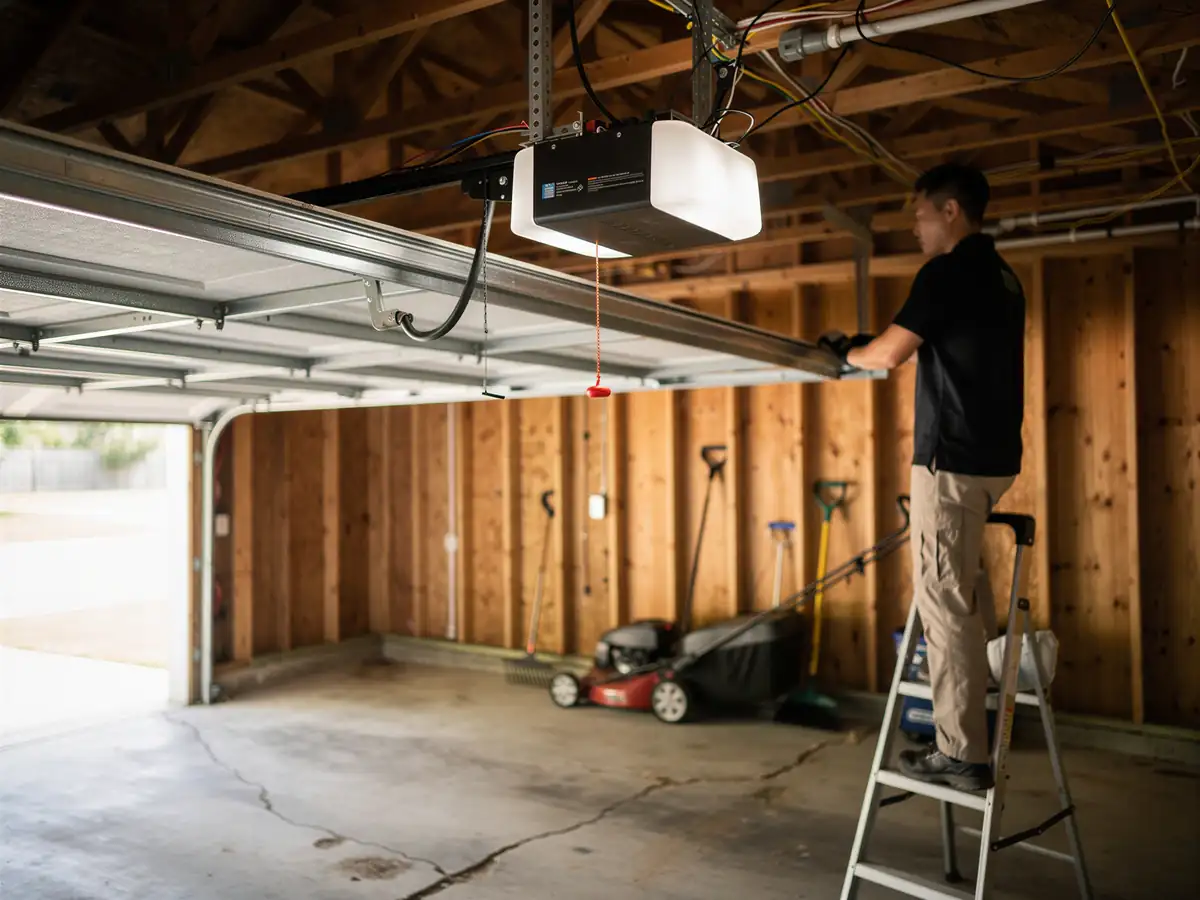
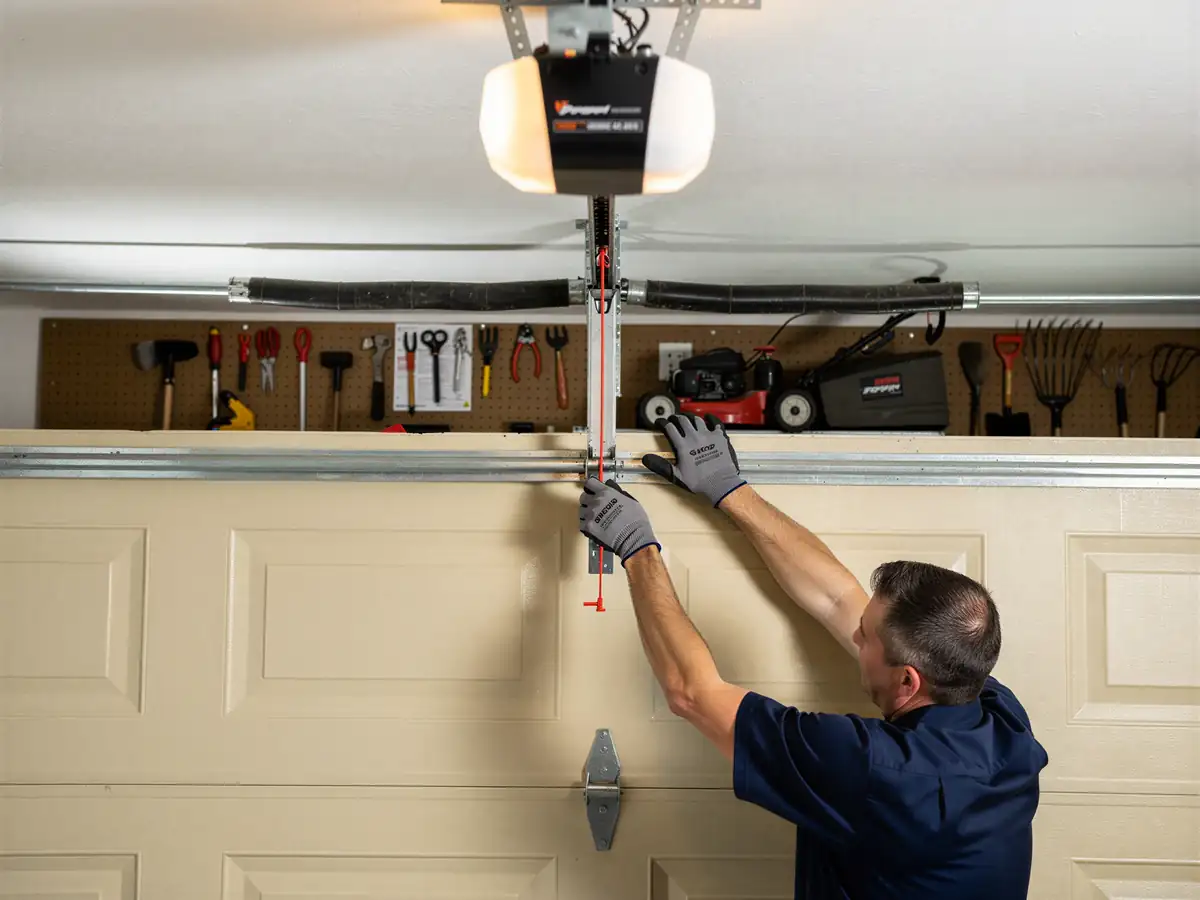
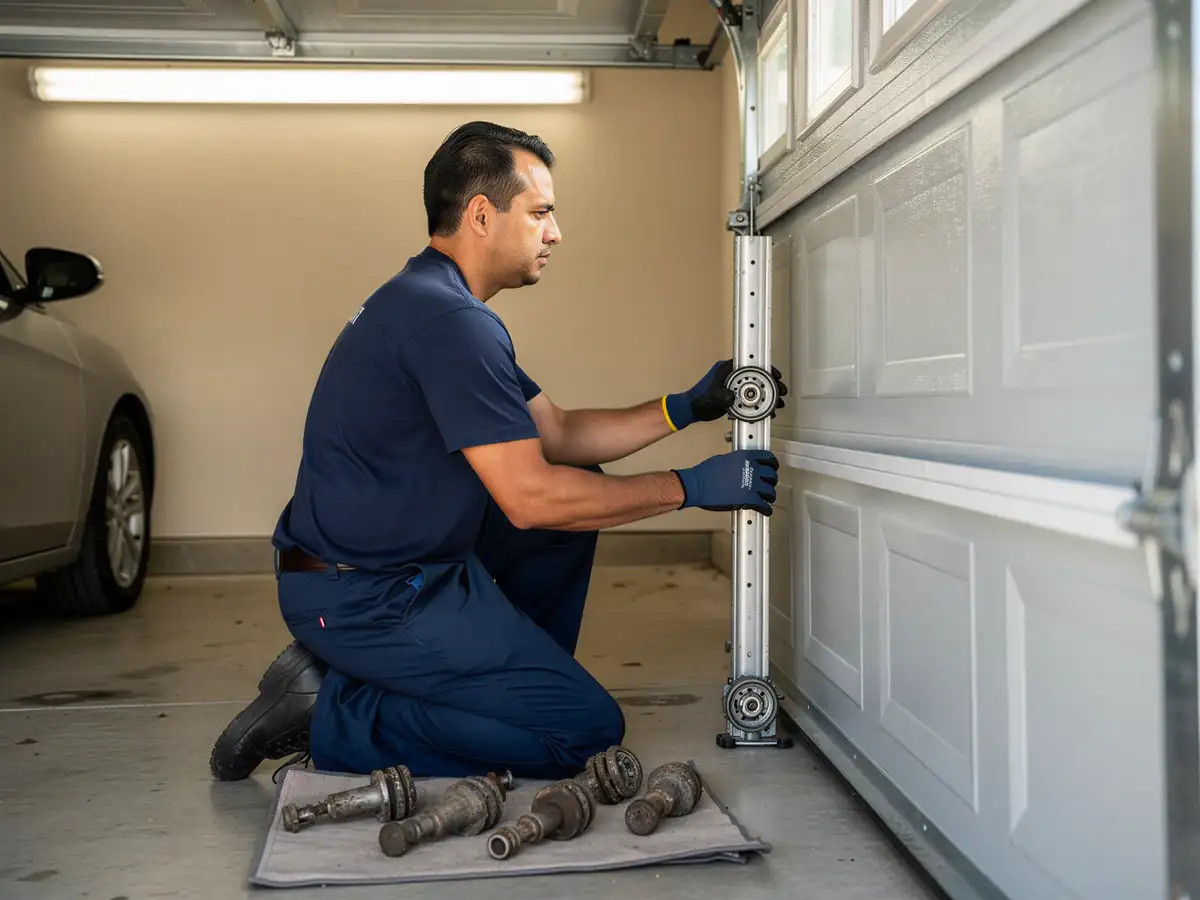
Roller replacement means pulling the old rollers off the track brackets, one panel at a time, and setting new ones in without letting the door drop or the cables jump the drum. On most of the doors we see in this service area, that's ten rollers total, two per hinge point, and the bottom two take the brunt of the wear because they carry the most weight and travel the tightest part of the curve into the horizontal track.
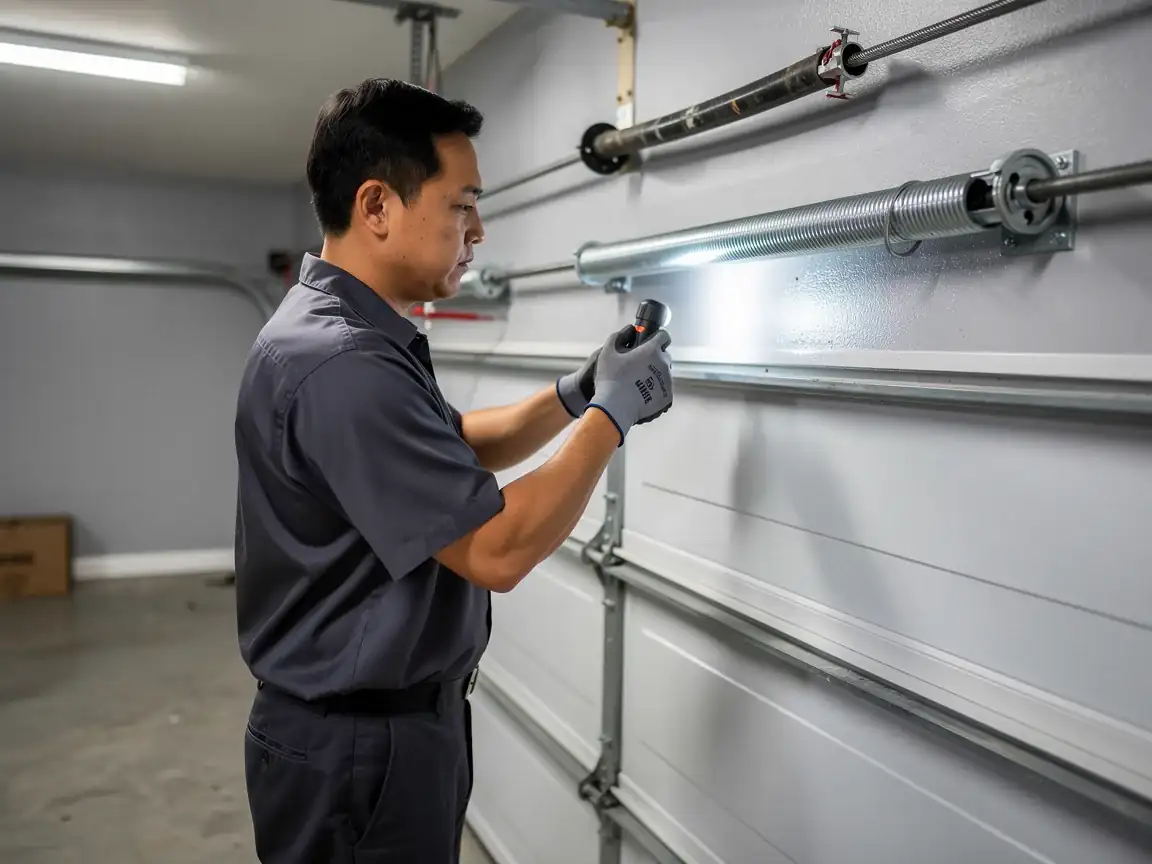
If a roller has been grinding metal-on-metal for a while, the track itself can get chewed up too, so part of the job is checking the track for burrs or bends before we call it finished. We don't just swap the obvious bad one and leave the rest - if nine rollers are original and one failed, the other nine are close behind.
One honest limit here: if the stem on a roller has rusted into the hinge and won't pull free clean, sometimes it's faster and cheaper to replace that whole hinge bracket than to fight the roller out. We'll tell you when that's the case rather than bill extra labor to save a ten-dollar part.
Why It Happens Here
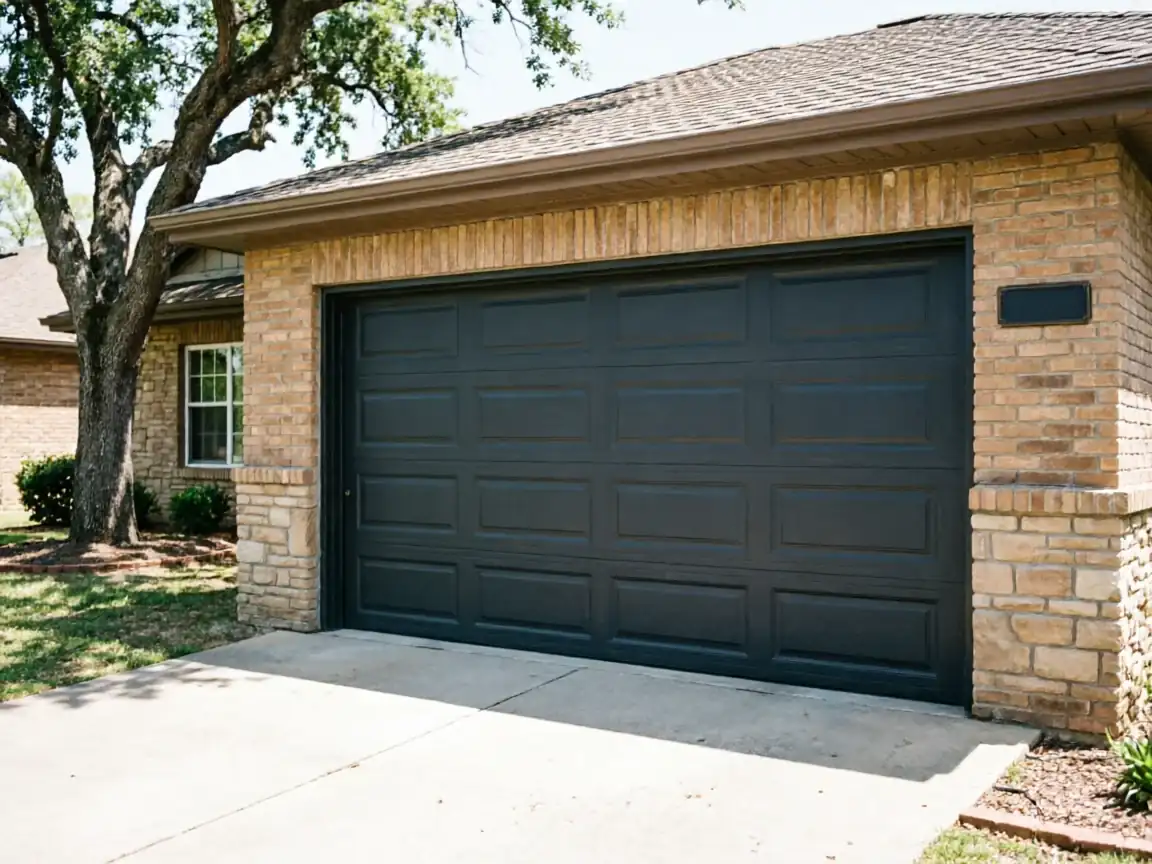
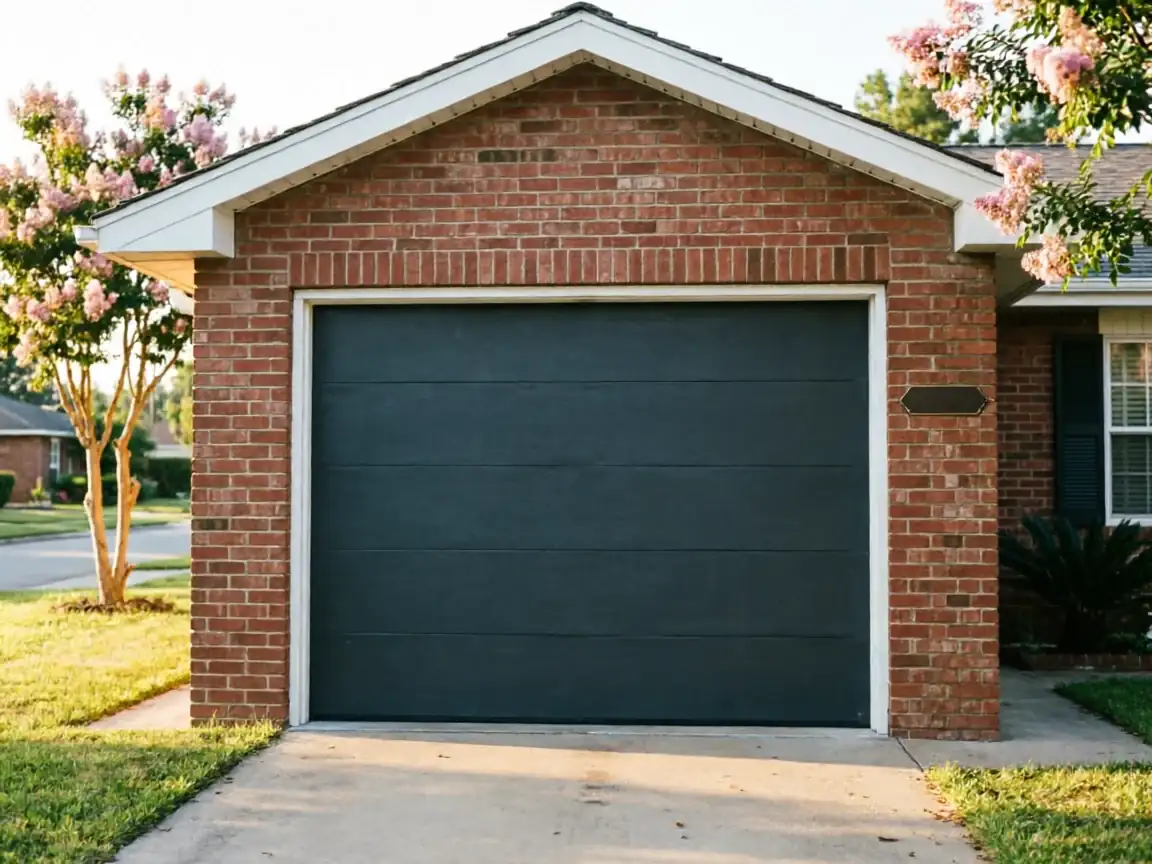
Housing across this service area was mostly built between 1975 and 2005
With a lot of it going up in the 1980s and 90s, and that generation of doors came standard with nylon rollers on steel stems - fine parts, but not built to last the life of the house. Thirty to forty years on, a huge share of those original rollers are still in service, worn down to an oval shape that bangs and binds instead of rolling smooth.
The climate here doesn't help
Monroe sits in a mild band with occasional freeze, which sounds easy on hardware, but the swing between humid summer stretches and the odd cold snap is exactly what dries out old nylon and makes steel stems rust in the sleeve. A roller that's fine in July can seize by January.
Put those two things together
1980s and 90s stock that's aging out of its original hardware, in a climate that cycles wet to dry - and roller failure is one of the most common service calls we run across the area, not an occasional fluke.
How It Shows Up
The first sign is usually noise - a grinding or popping sound as the door passes a certain spot in the track, worse than normal opener hum. That spot is almost always where a worn roller is riding flat instead of round.
Next comes visible wobble. Stand to the side while the door moves and watch the panel edges against the track; if you see the door shimmy side to side instead of traveling straight, one or more rollers has worn down unevenly or the stem has bent.
In the worst cases the roller jumps the track entirely, usually at the curve where vertical track bends into horizontal. That can bind the door halfway open or closed, and if it happens on a high-cycle door - the one a family uses several times a day - it tends to happen without much warning, because the wear that led to it built up slowly over months.
What You Pay
We don't post a flat number for roller replacement because the job scales with how many rollers are bad and whether the track needs attention too - a single roller swap is a different job from replacing a full set on a door that's been grinding for a year. What we can tell you is the household side of this: across the service area the median income runs around $46,663, with roughly 6,745 owner-occupied houses out of 16,599 households total. That's a lot of homes with original 1980s-90s hardware and a tight household budget behind the decision, which is why we quote roller jobs by what's actually worn, not by a one-size estimate.
If your rollers are original to a house built in that 1975-2005 window, replacing the full set at once usually costs less in the long run than doing them one at a time as each fails, since you're paying a single trip charge instead of several. We'll look at the whole set and tell you straight whether partial replacement makes sense or whether you're better off doing all ten now.