What the Fix Involves
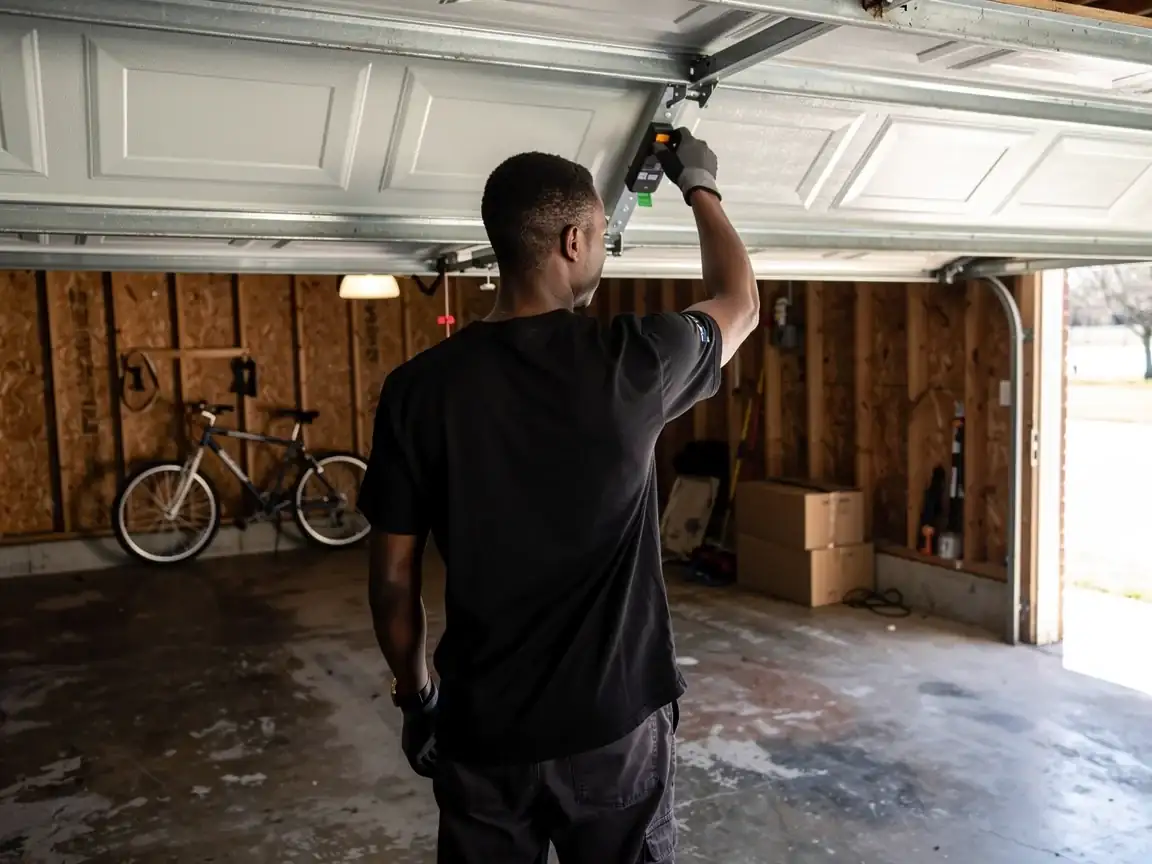
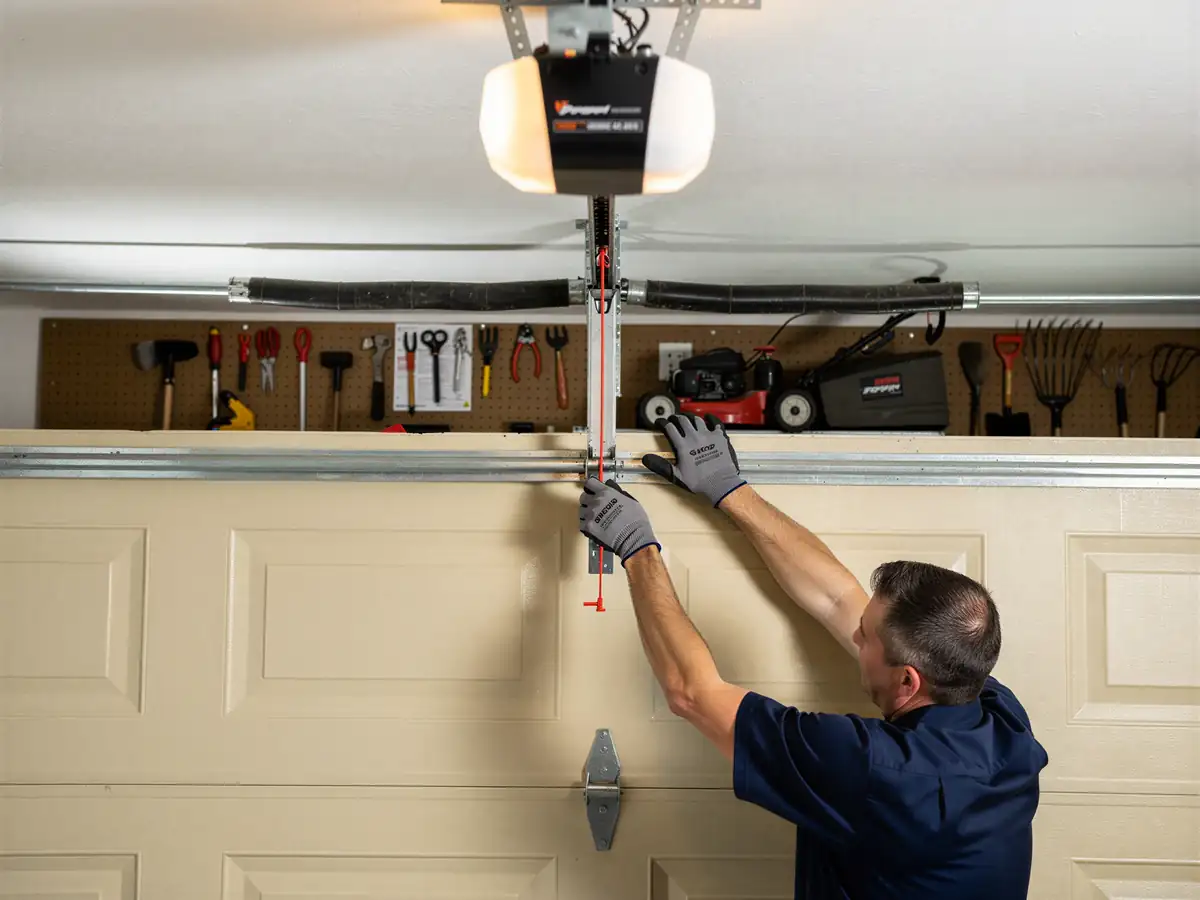
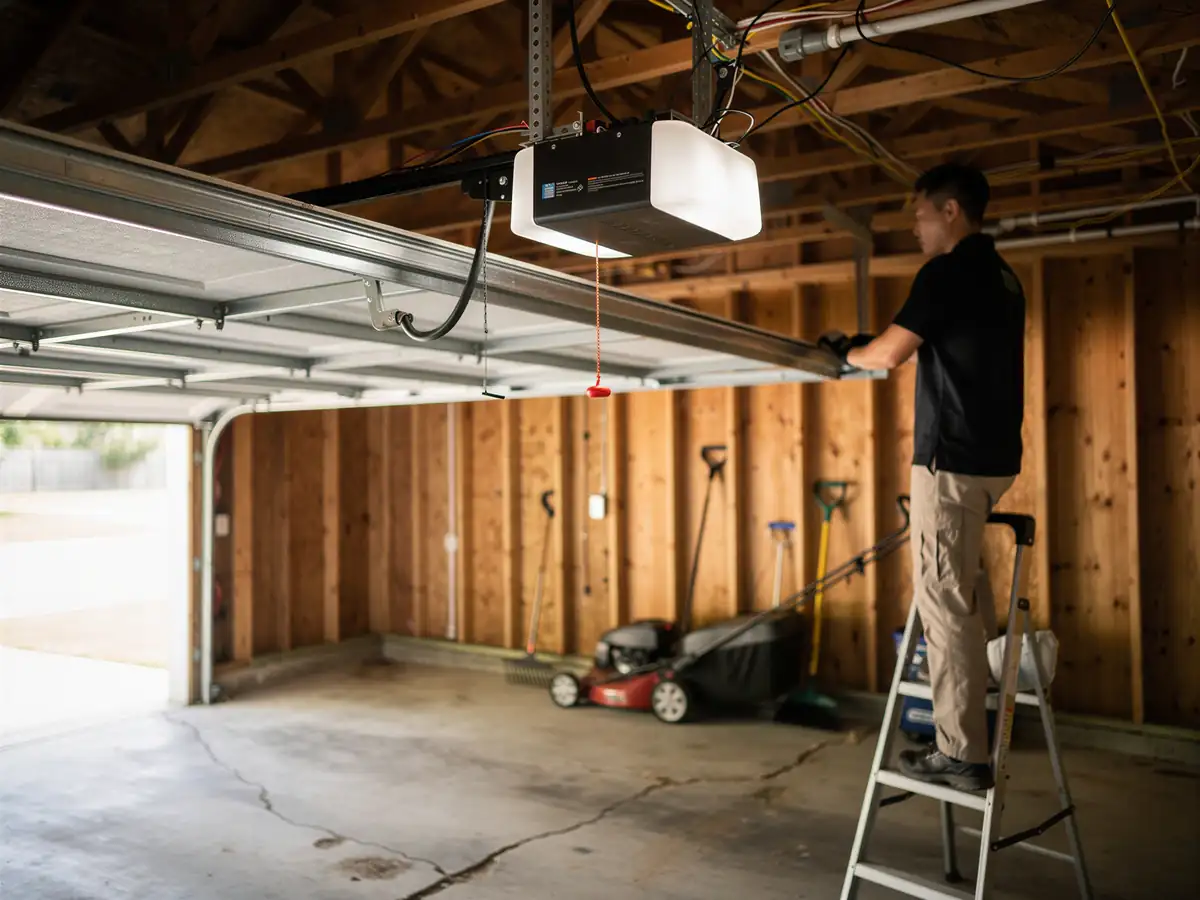
Opener repair starts with figuring out whether the problem is the motor head, the drive system, the logic board, or something downstream of the opener entirely - a misaligned sensor or a binding track can mimic a dead opener and send homeowners straight to a replacement they don't need. We check the capacitor and gears on chain and belt-drive units, test the circuit board for power delivery, and look at the safety eye sensors, since a knocked-loose or fogged-up sensor is one of the most common reasons an opener refuses to close.
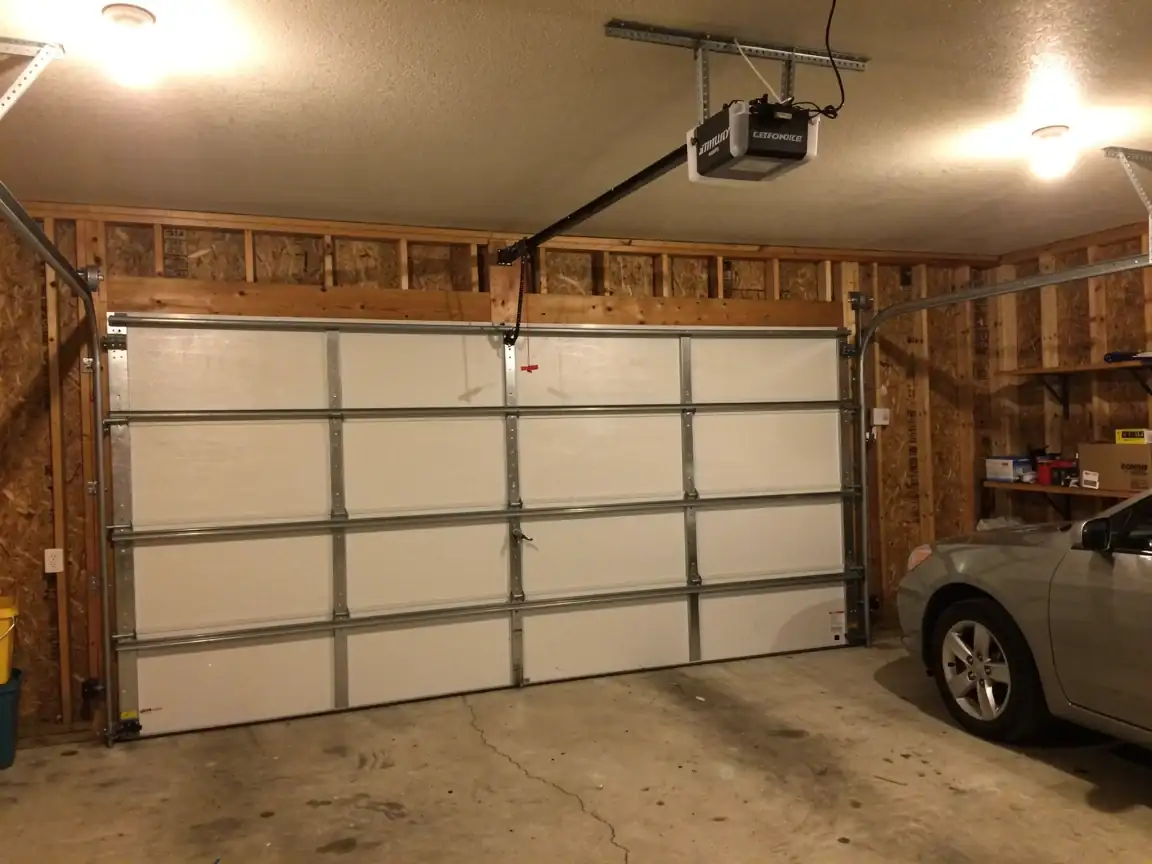
A lot of the service area - Monroe itself plus West Monroe, Richwood, Brownsville, Swartz, Claiborne, Sterlington, Calhoun, Collinston, and Rayville - is still running openers original to houses built in that 1975-2005 window. Those units are chain-drive, half-horsepower motors with mechanical gear sets that wear down over twenty-plus years of daily cycling. Repair on those often means a new gear kit, a new capacitor, or a logic board swap rather than tearing the whole unit out.
We don't always recommend repair. If the motor housing is cracked, the circuit board is a model that hasn't been made in over a decade, or the unit has already been patched twice, replacement is the honest answer and we'll say so instead of billing for a short-term fix.
Why It Happens Here
Housing stock across the service area clusters tightly in age
Most of the nine named communities built up between the late 1970s and the mid-2000s, with the bulk of that from the 1980s and 90s. That means a lot of openers hit the end of their mechanical life around the same calendar window, which is why we see clusters of opener failures by subdivision vintage rather than evenly spread across the map.
The climate here is mild with occasional freeze
Which doesn't sound like opener weather compared to true freeze-thaw country, but it still matters. Humidity swings between warm, wet stretches and the occasional cold snap put stress on capacitors and circuit boards faster than a dry climate would. Capacitors in particular don't like repeated heat-cool cycling, and that's a part we replace often on units from this era.
The other factor is simple ownership
With 6,745 owner-occupied houses among the area's 16,599 households, a big share of these openers have had one owner who's lived with the slow decline - a louder motor, a slower close, a remote that needs three tries - long enough that by the time they call, the gear set or board is actually failing, not just acting up.
- 6,745 owner-occupied
- 16,599 households
How It Shows Up
The earliest sign is usually noise: a chain-drive opener that used to run quiet starts grinding or clicking partway through its cycle. That's often a stripped gear, which is a cheap part but one that fails completely if ignored - the door will stop moving mid-cycle and you're stuck opening it by hand.
Next most common is a door that reverses right after it starts closing, or won't close at all. Nine times out of ten that's the safety sensors - dust, spider webs, or a sensor knocked out of alignment by a bike or a trash can. We check those before we open up the motor head, because it saves the homeowner a repair bill they don't need.
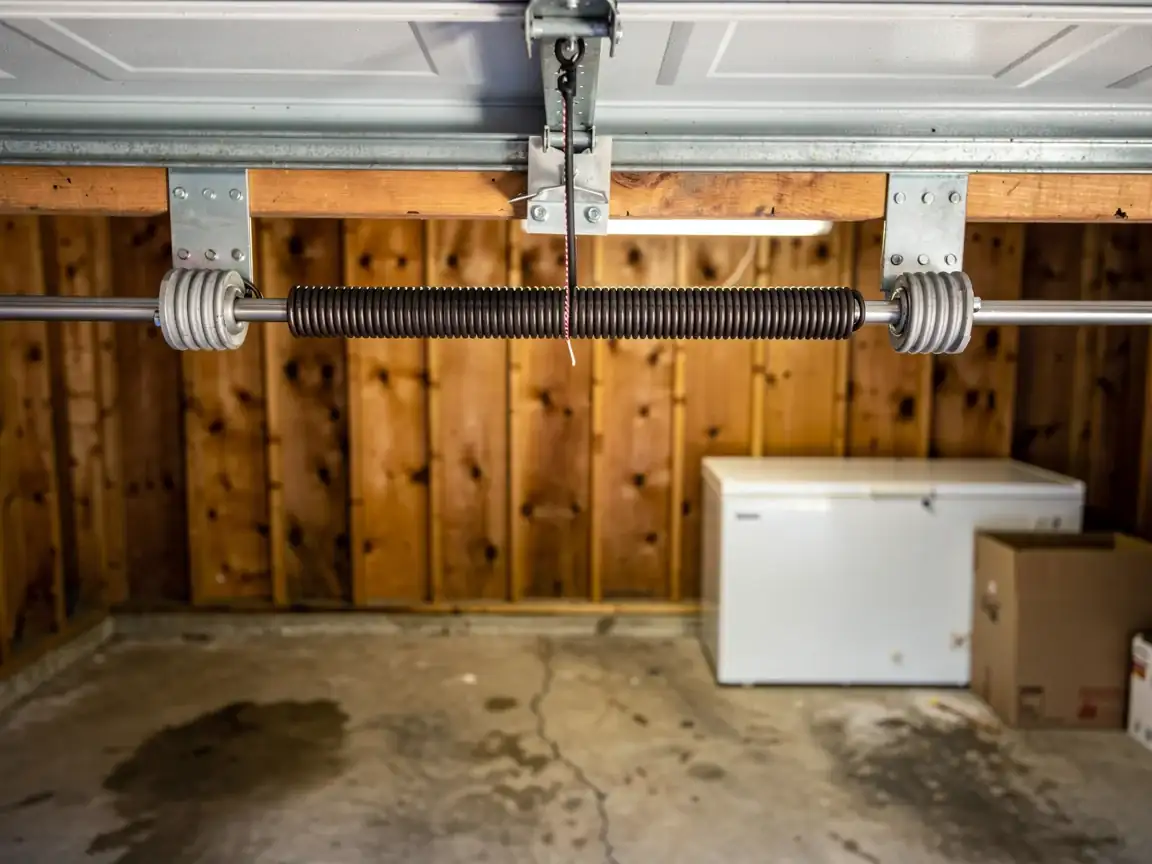
A third pattern: the remote works intermittently, or only from inside the garage. That usually points to a failing logic board or a dying antenna wire, not the remote itself - swapping batteries rarely fixes it. And some owners come to us with an opener that runs but the door barely moves, which almost always means the motor is fine but the door's spring tension has shifted, putting more load on the opener than it was built to carry. That's a door problem wearing an opener problem's clothes, and it's worth knowing the difference before you pay for the wrong repair.
What You Pay
We don't post flat prices here because the cost swings a lot based on what's actually broken - a capacitor and a service call cost nothing like a logic board replacement, and a logic board costs nothing like a full opener swap. What we can tell you is what drives the number: the part itself, whether your motor's gear kit is still in production or has to be sourced for an older model, and whether the issue is isolated to the opener or tangled up with spring tension or track alignment that needs fixing first.
Given that median household income across the service area sits around $46,663, we try to lead with the cheapest fix that actually solves the problem - sensor realignment or a gear kit over a full unit replacement, when that's a real option. We'll tell you on-site what repair costs versus what a new opener costs, and let you make the call with both numbers in front of you, not just one.
One honest limitation: if your opener is an older belt-drive model that's been discontinued, parts can take time to source, and in some of those cases replacement ends up both faster and cheaper than waiting on a backordered board.