How It Shows Up
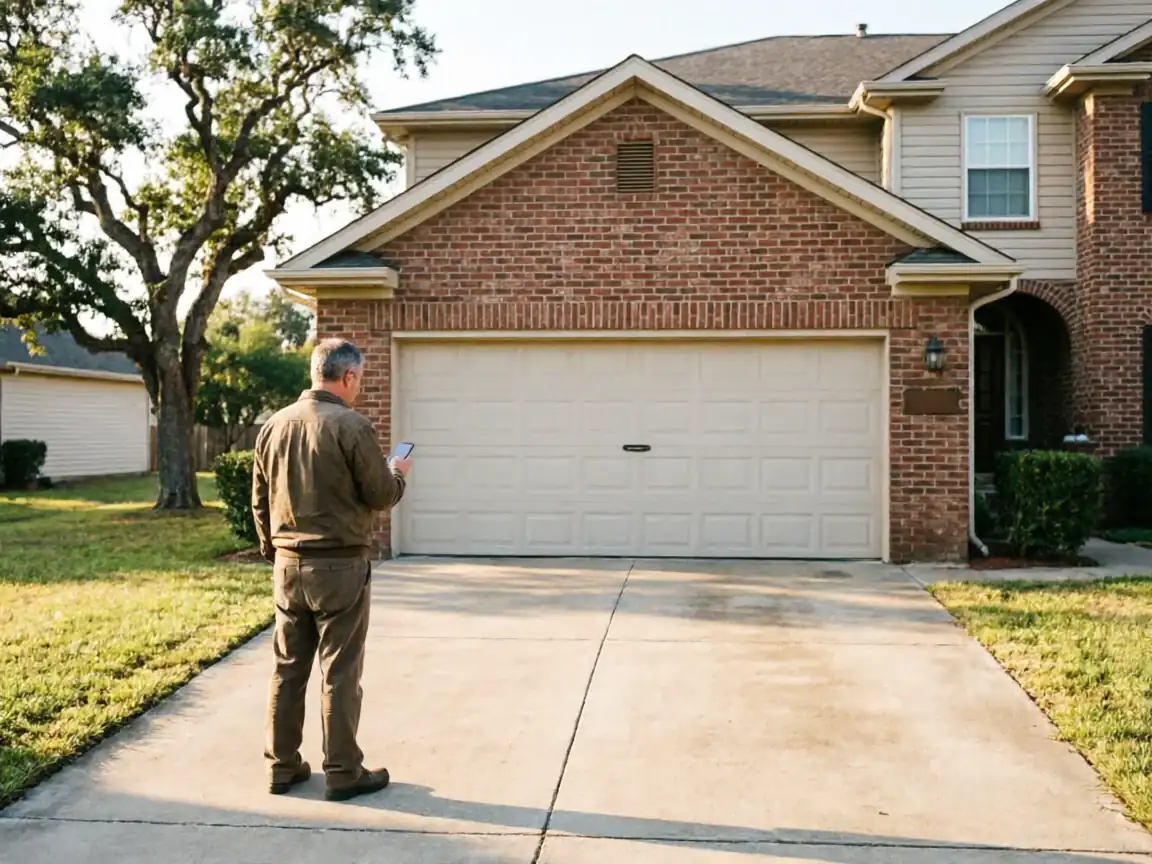
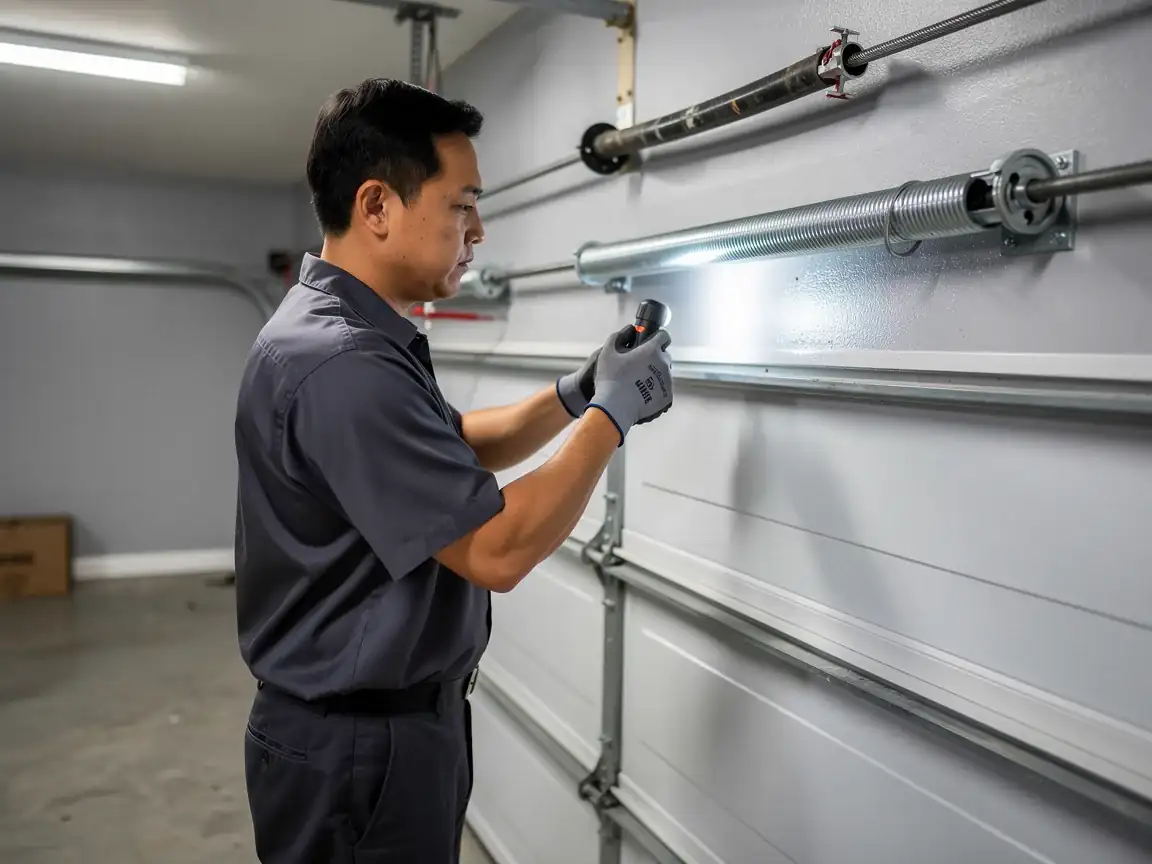
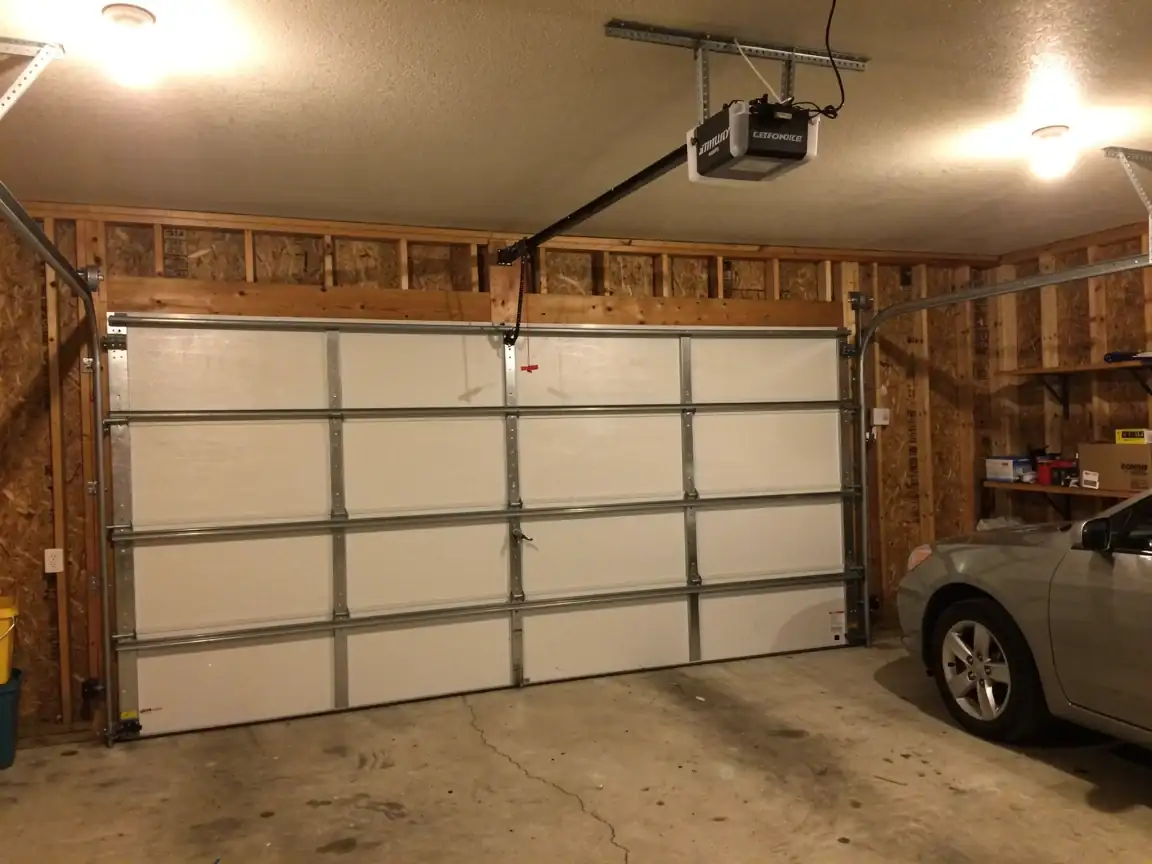
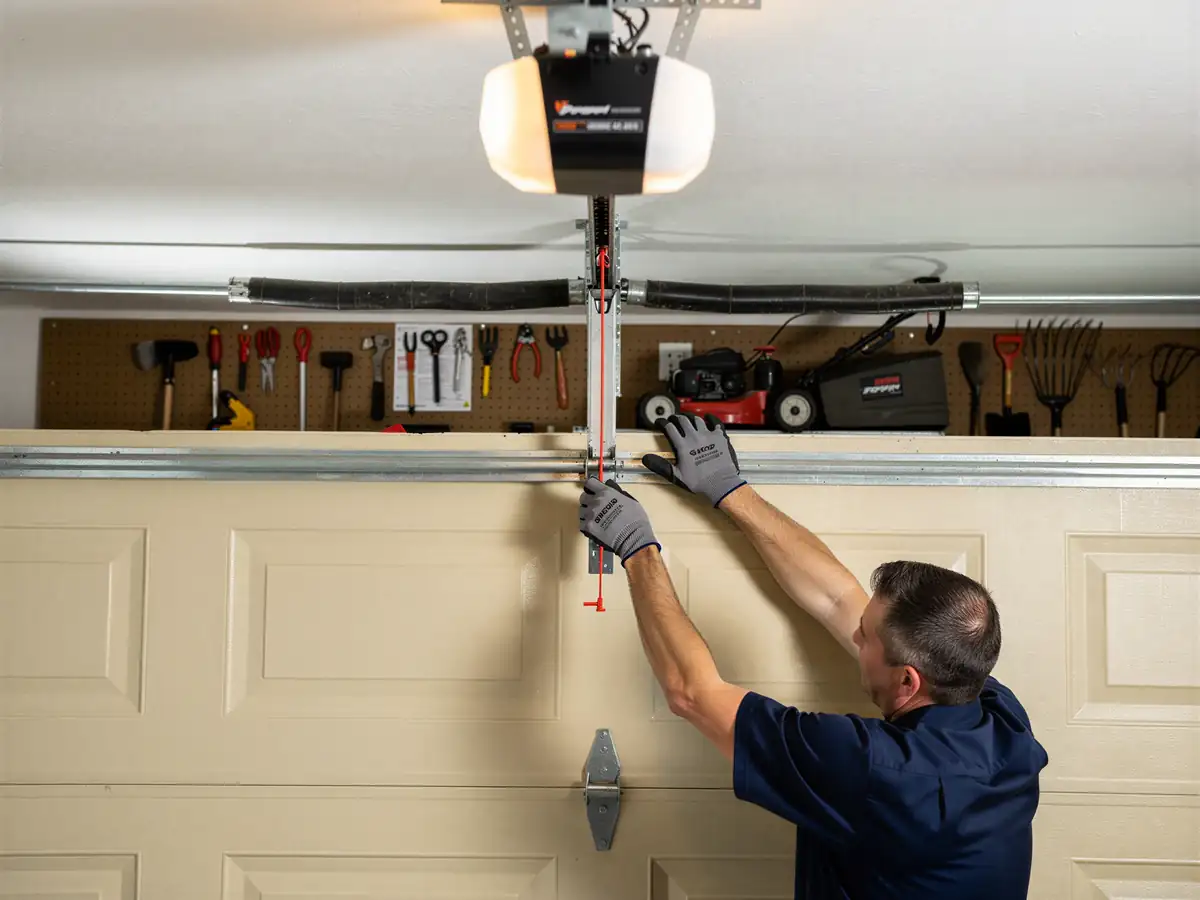
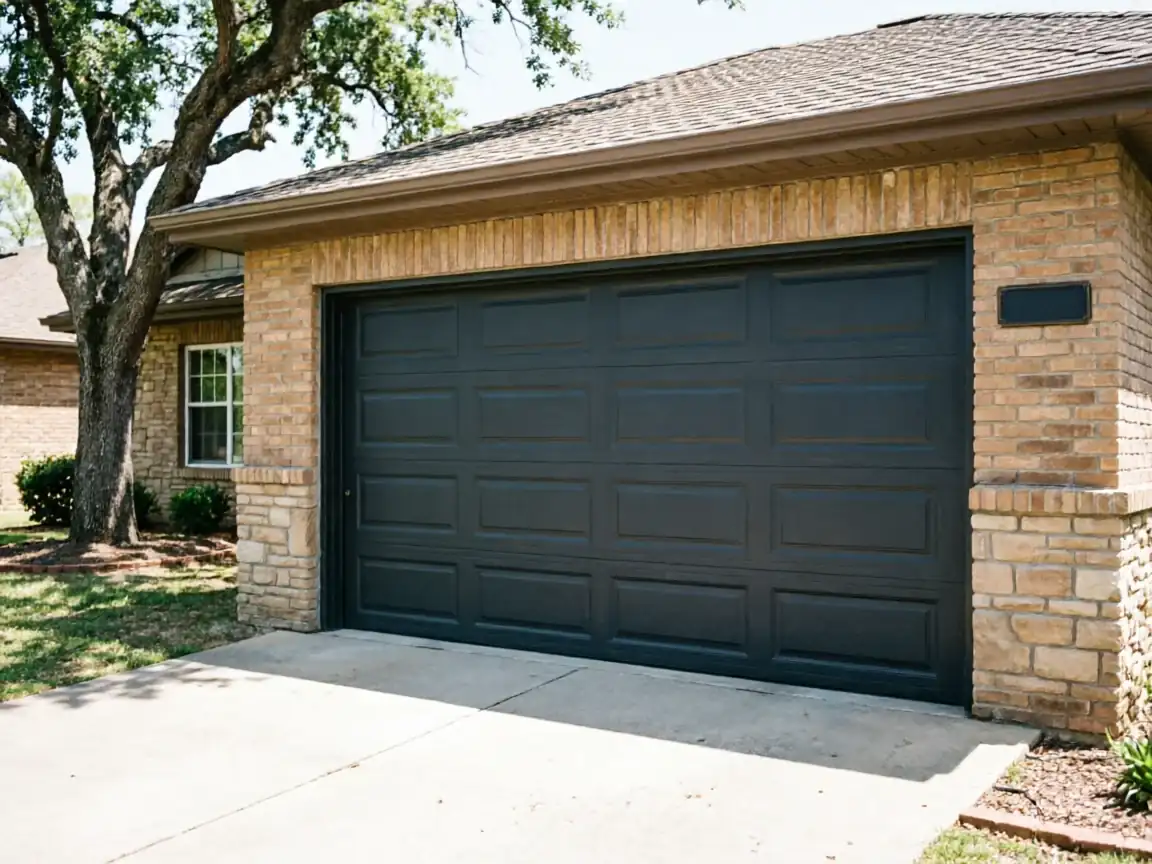
Most houses in Brownsville were built around 1985, and a lot of them are still running the torsion spring, track, and drum setup that went in with the original construction. Nobody tears out a garage door system that still moves, so when we get a call out here it's often the first real repair that hardware has ever had - thirty-plus years on the same spring, the same cable drums, sometimes the same bracket bolts. That shows up as a door that's gotten noticeably heavier to lift by hand, a spring with visible gap in the coil, or an opener motor that strains and reverses partway up. On a door that's never been serviced, one worn part tends to be dragging two or three others down with it, because the whole system was sized and balanced together back in 1985 and nothing in it has been touched since.
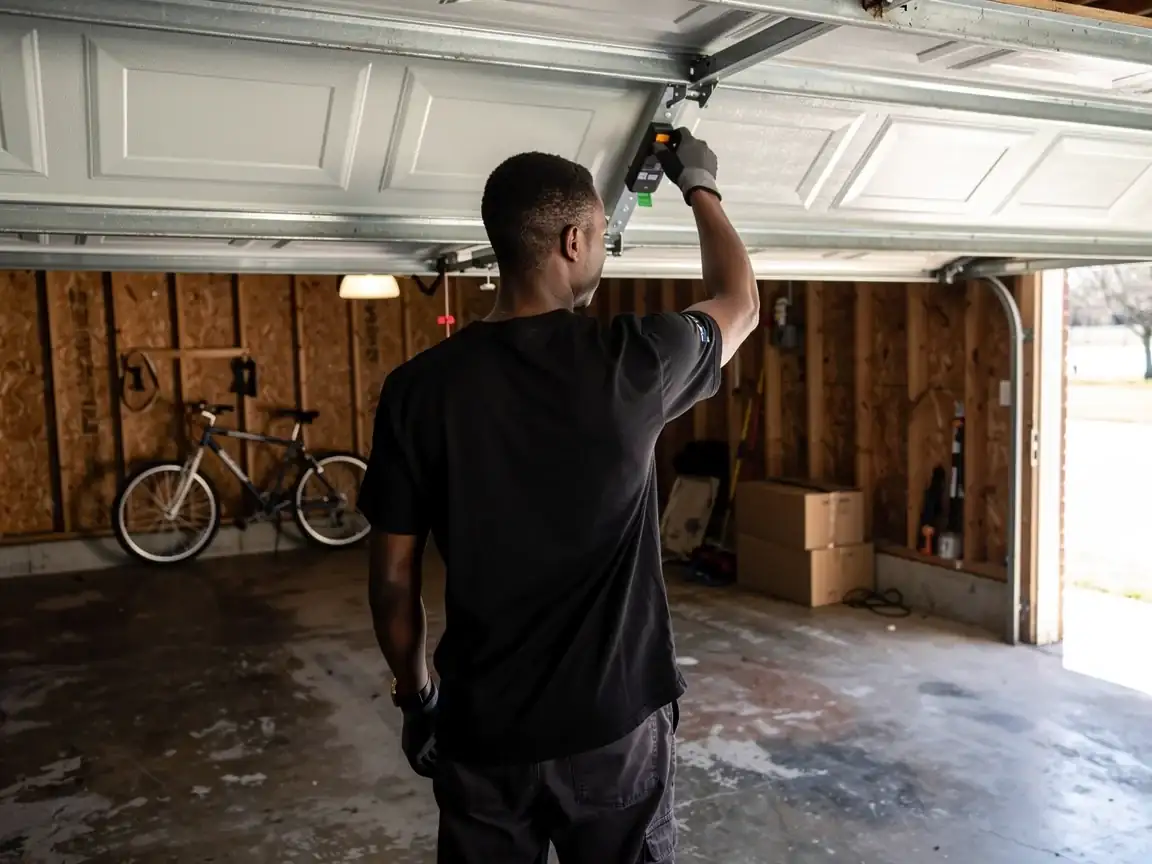
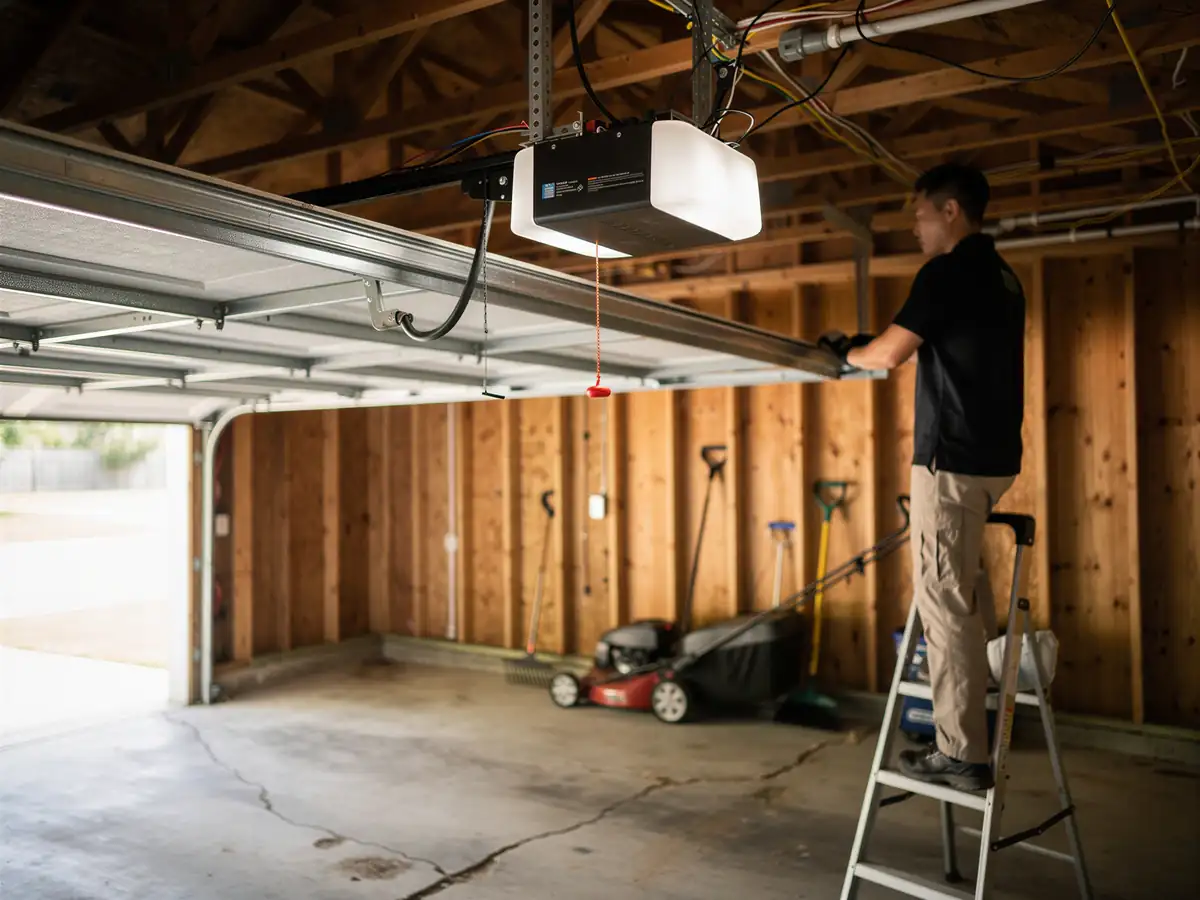
We also see openers from that same era still installed - chain-drive units with manual-release mechanisms that were standard then but don't meet current safety expectations for auto-reverse sensing. That's not a Brownsville-specific defect, it's just what thirty-eight years of "it still works" looks like when nothing forces the issue until it breaks.
What the Fix Involves
On a door this old, the first question is whether we're replacing a spring or replacing the whole torsion system
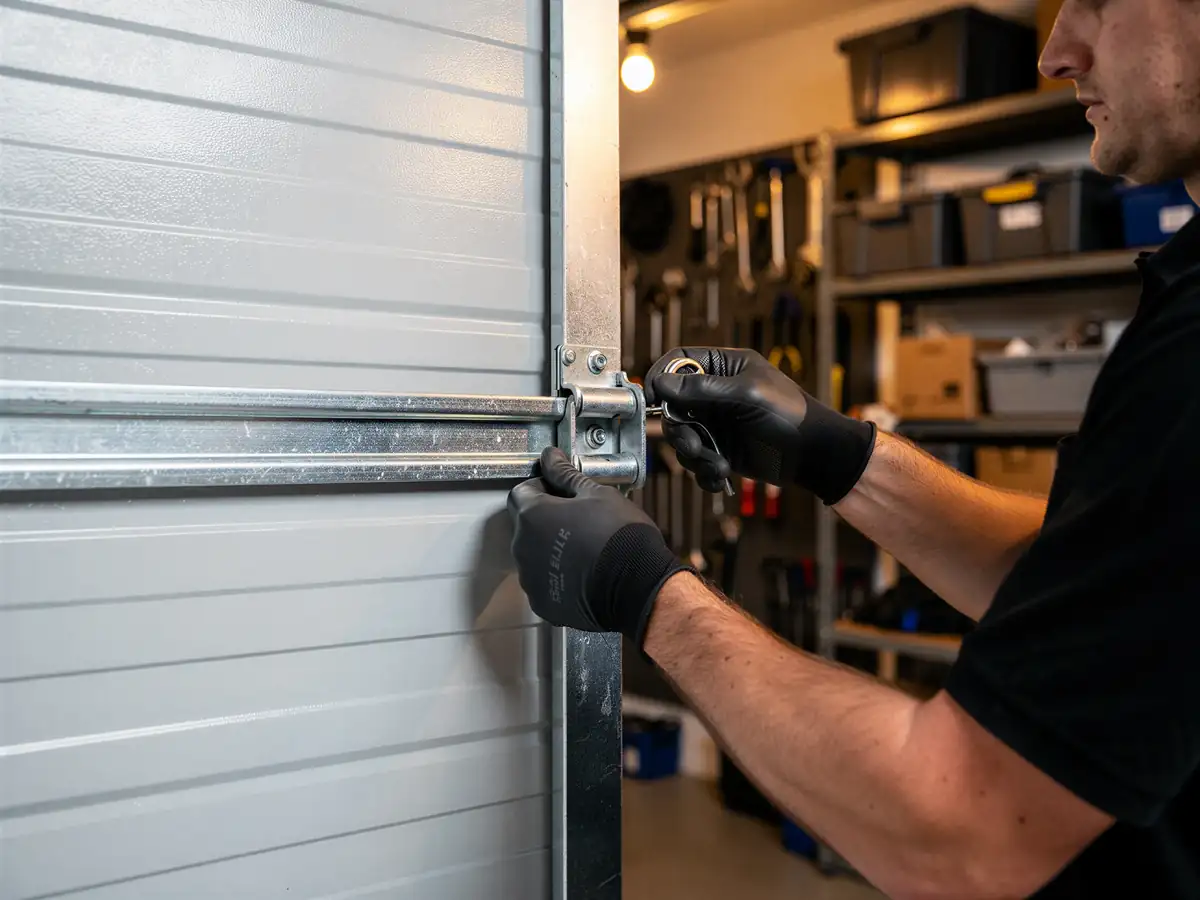
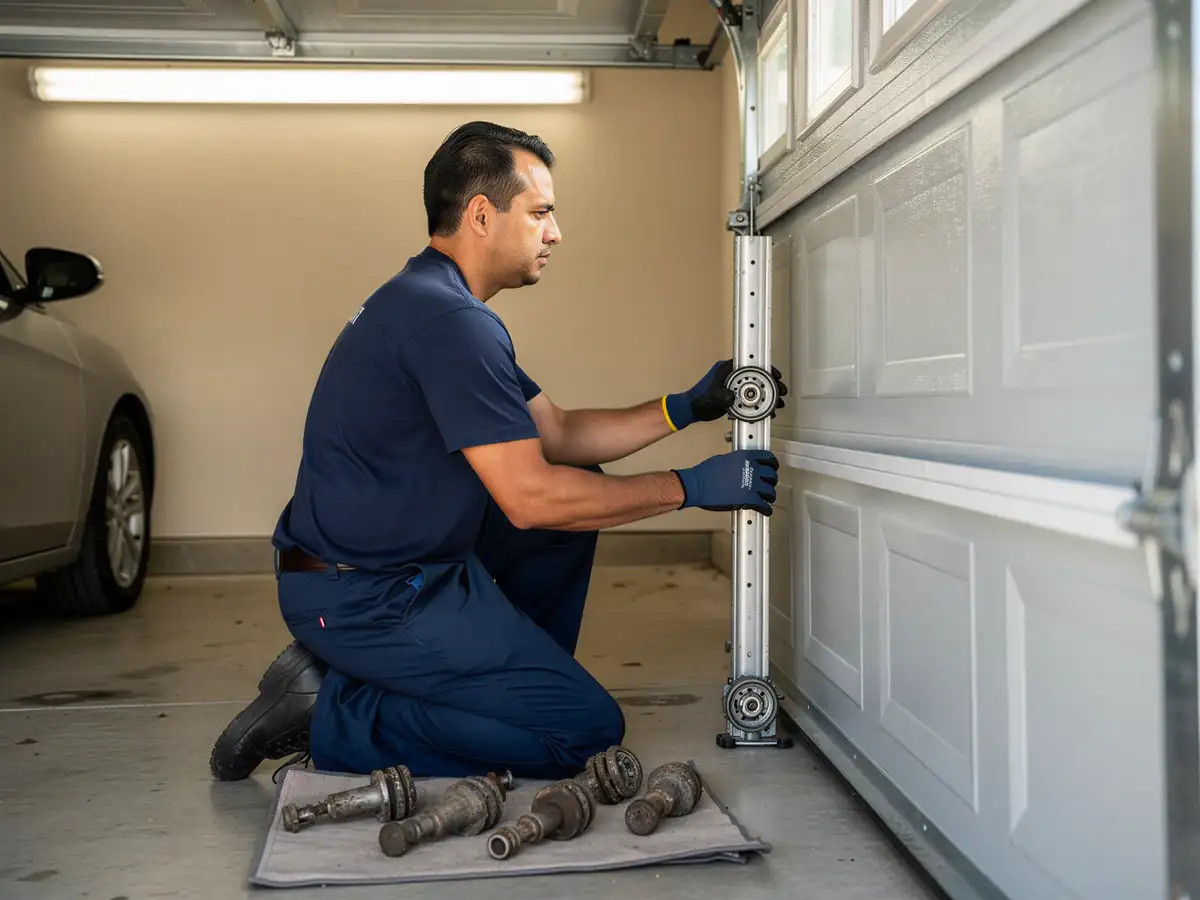
Because original drums and shafts from 1985 construction are often undersized for today's heavier insulated panels if the door's ever been swapped out. We measure the door, weigh the balance, and match new hardware to what's actually hanging on the track now - not just drop in a same-size spring and call it done.
Honest limitation: if the opener is original to the house
We may not have a same-brand replacement part on the truck. Openers from the mid-1980s used mounting and wiring that current units don't match piece for piece, so that job sometimes means a full opener swap rather than a quick part fix. We'll tell you that up front rather than charge you for a repair that won't hold.
Given that Brownsville's median household income runs lower than the wider Monroe service area
We'll also tell you plainly when a repair is the better call versus a full replacement - a working torsion system with a new spring can often run years longer, and there's no reason to replace what isn't broken just because it's old.
How to Book
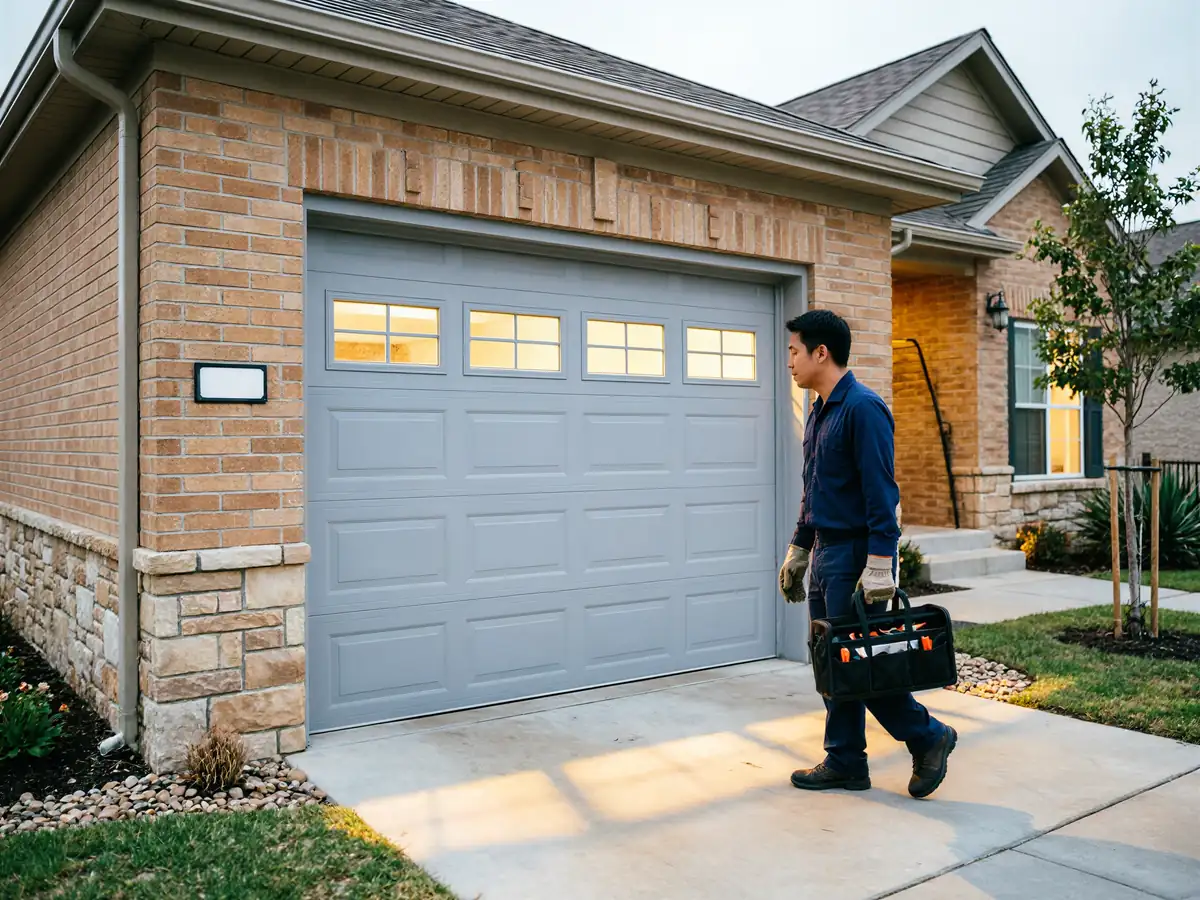
We're based in Monroe, about 5 miles from Brownsville, and we come to you - there's no branch or counter here, just a truck that drives out for the call. Tell us what the door is doing (won't open, opener grinding, spring snapped, door off track) and whether you know the age of the door itself versus the house, since that changes what hardware we expect to find.
See the Brownsville garage doors page for what we cover in this specific area, or the main Monroe service page for the full rundown of work we do across the service area.
Why It Happens Here
Brownsville sits in a mild climate band with occasional freeze, which is gentler on steel hardware than a true freeze-thaw region - springs here fail from age and cycle count more than from weather stress cracking. That's part of why original 1985 hardware can still be running today instead of having failed outright years ago.
The other piece is simple: Brownsville has around 1,774 households, a small enough base that a door failing here doesn't move any regional statistic, but it means the housing here is a tight cluster from one building period rather than a mix of decades. When one door from 1985 construction fails on worn hardware, it's a reasonable bet the house next door is carrying the same original parts, just a few years behind on the same failure curve.