How It Shows Up
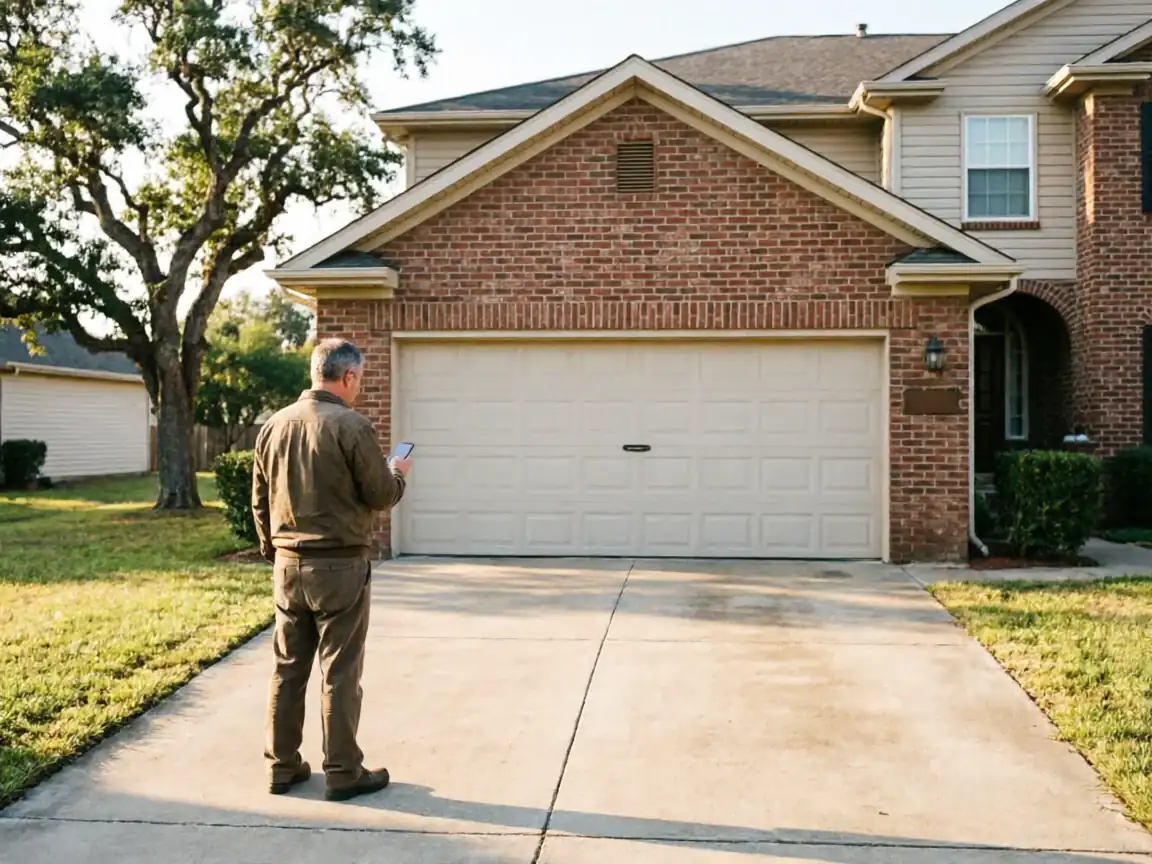
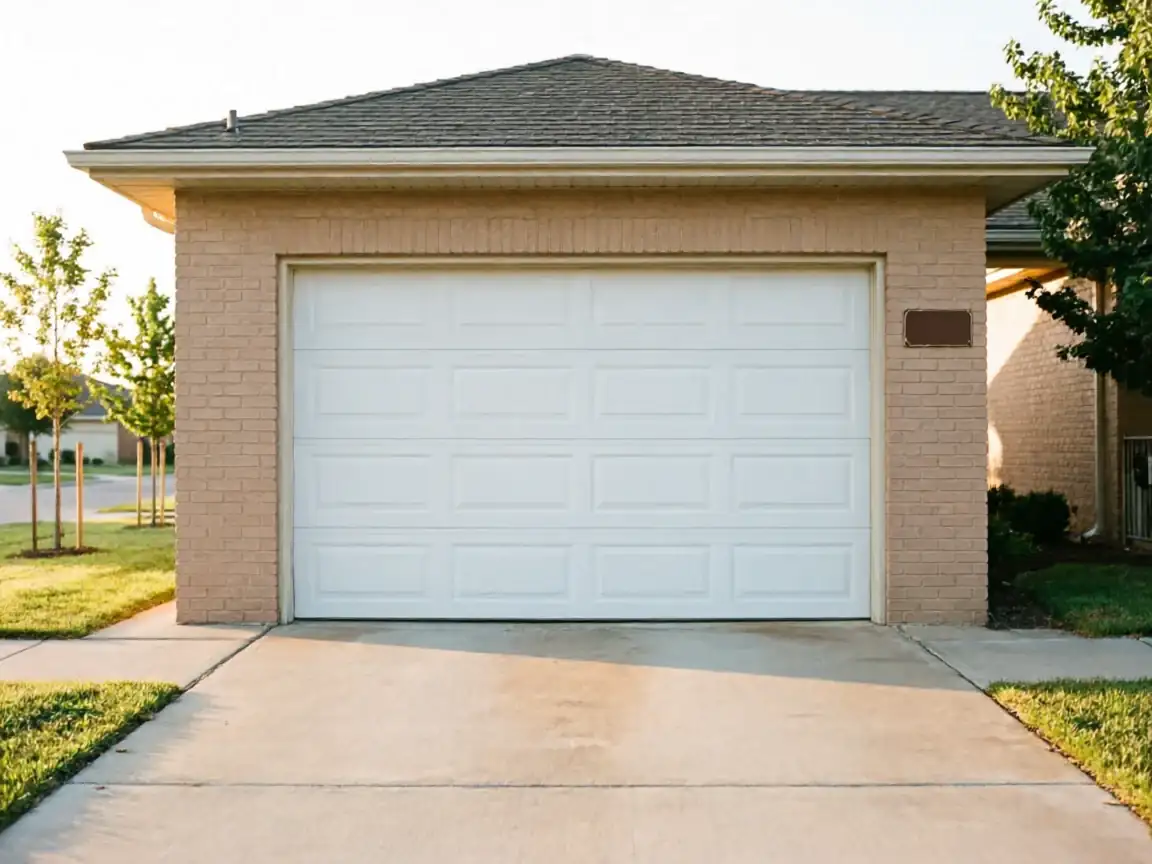
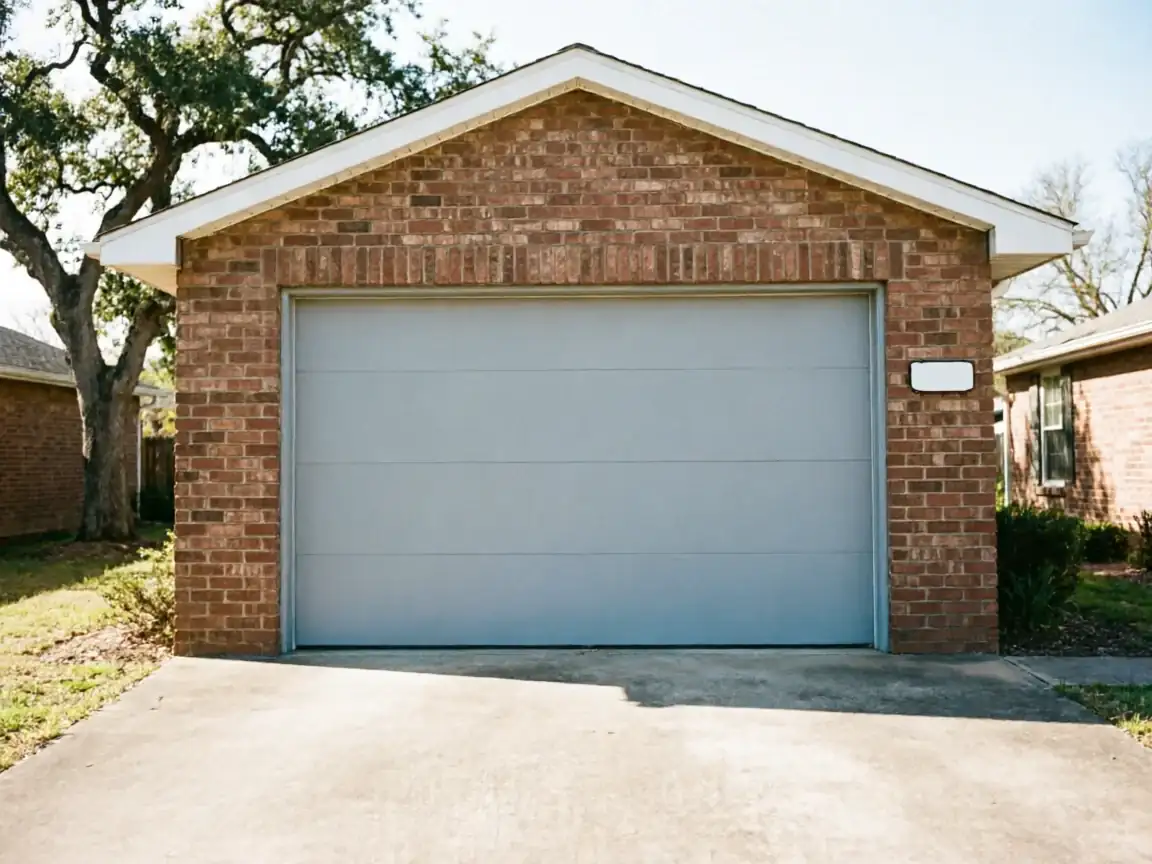
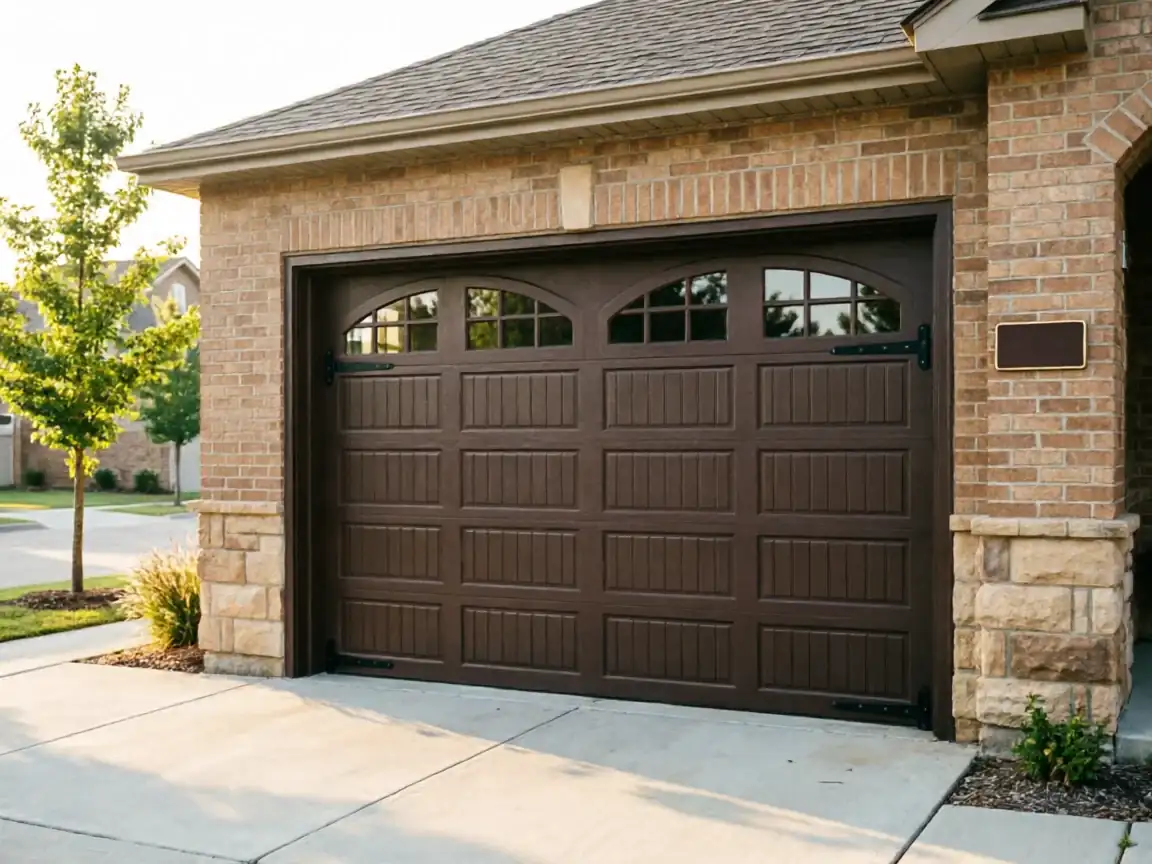
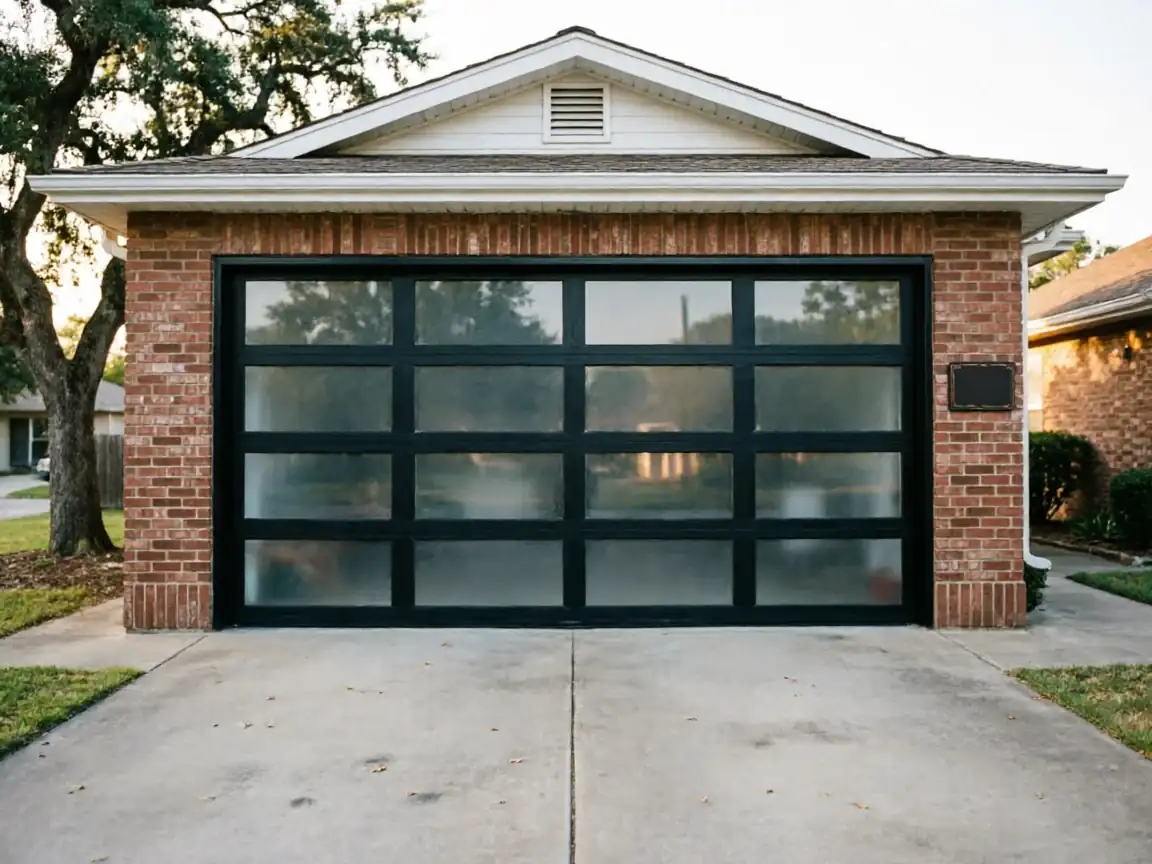
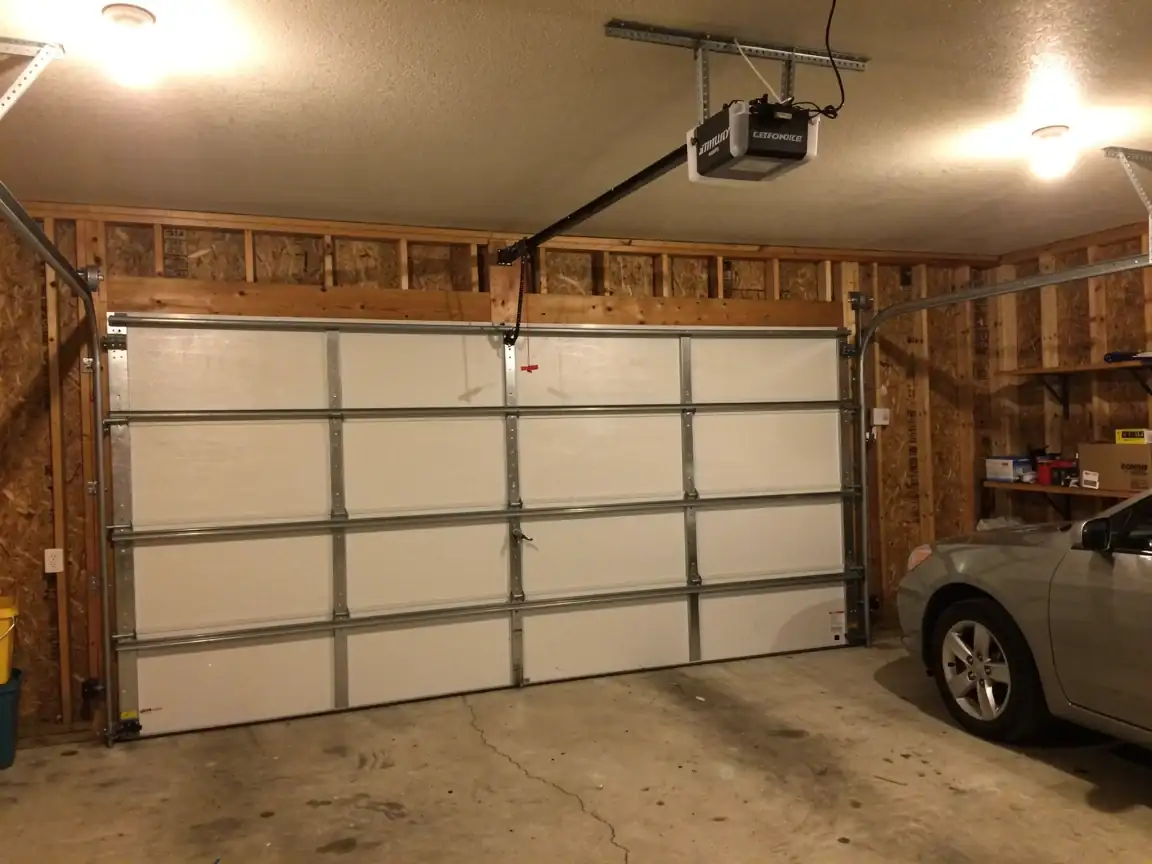
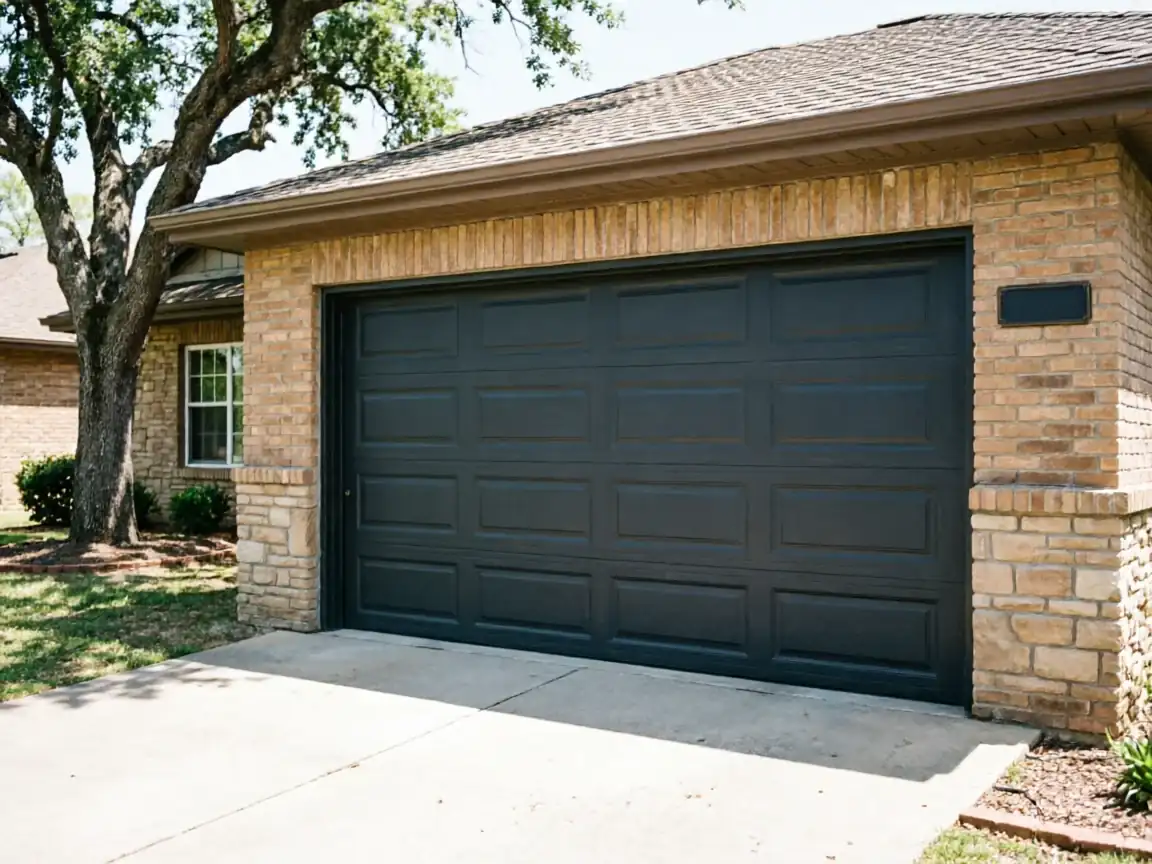
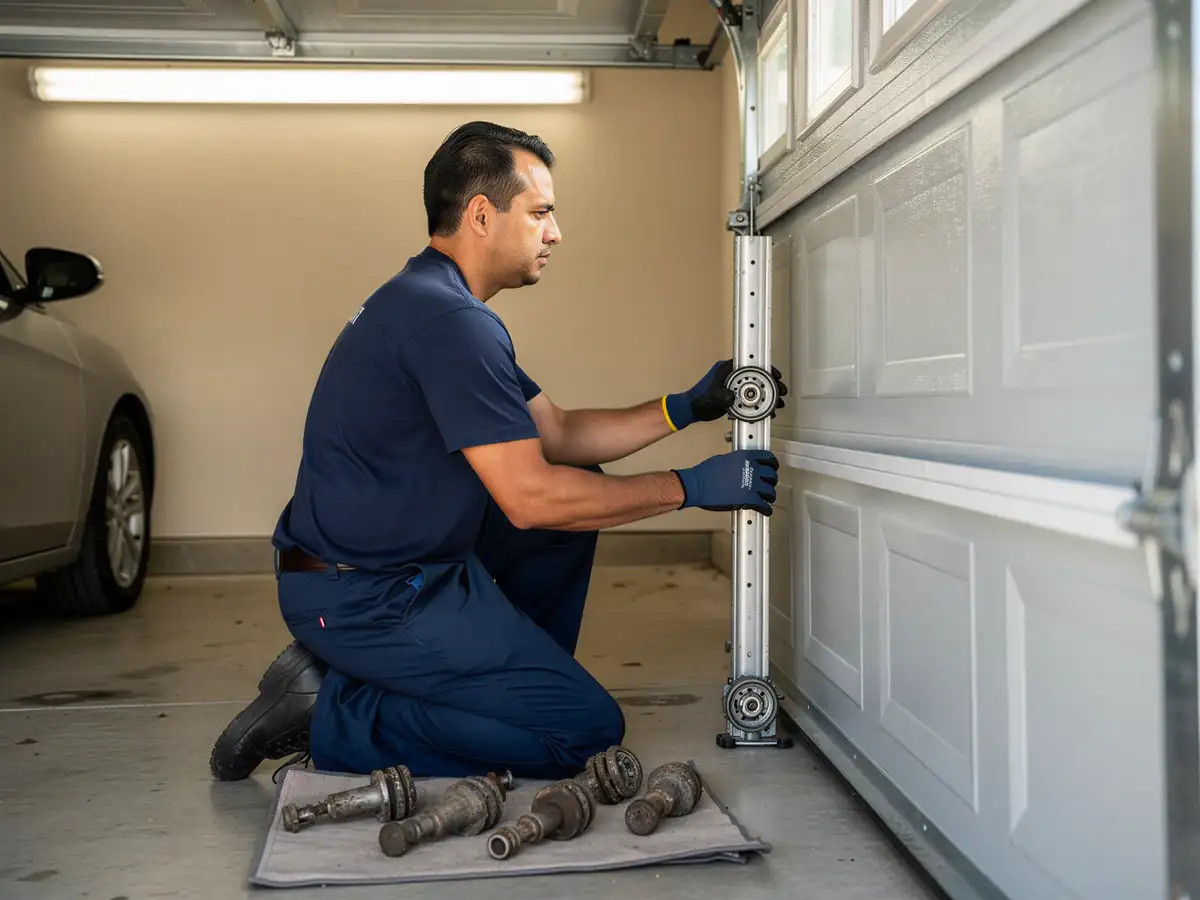
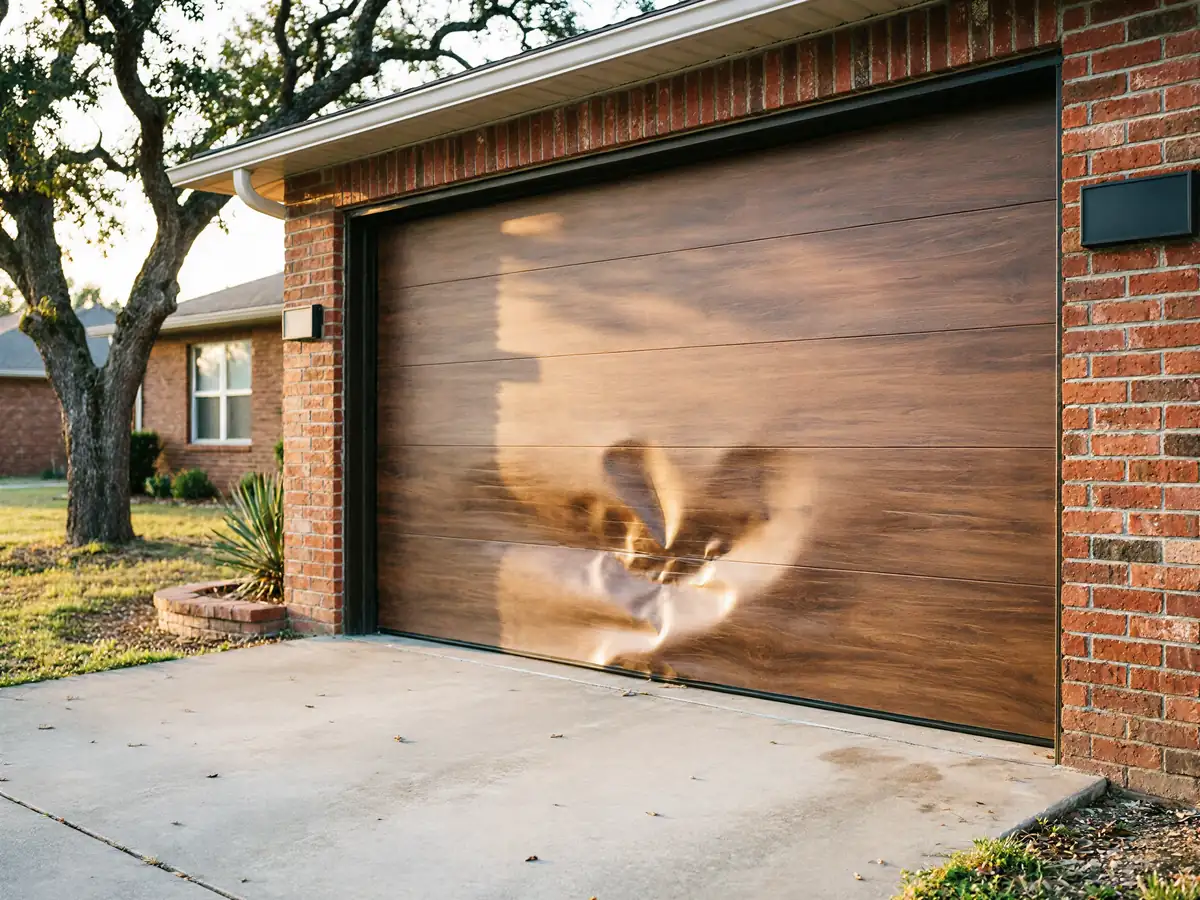
Brownsville's median household income sits at $26,971, well under the $46,663 median for the wider Monroe service area we cover. That number matters more than it sounds like it should, because it decides whether a dented or rusted panel gets swapped out alone or whether the whole door comes down. On a steel door from the 1980s - which is when most houses here went up - a single bottom panel takes the brunt of mower scrapes, trailer hitches, and the odd backing-up mistake. If the rest of the door is sound, replacing that one panel instead of the whole unit keeps the job inside a budget that actually fits a $27,000 median income household. We've seen homeowners talked into full replacements by companies that don't bother checking if a matching panel is even available first. Sometimes it isn't, and then you're right to replace. But sometimes it is, and skipping straight to a new door costs three or four times what the fix needed to cost. The honest answer starts with what's actually damaged, not what's easiest to sell.
How to Book
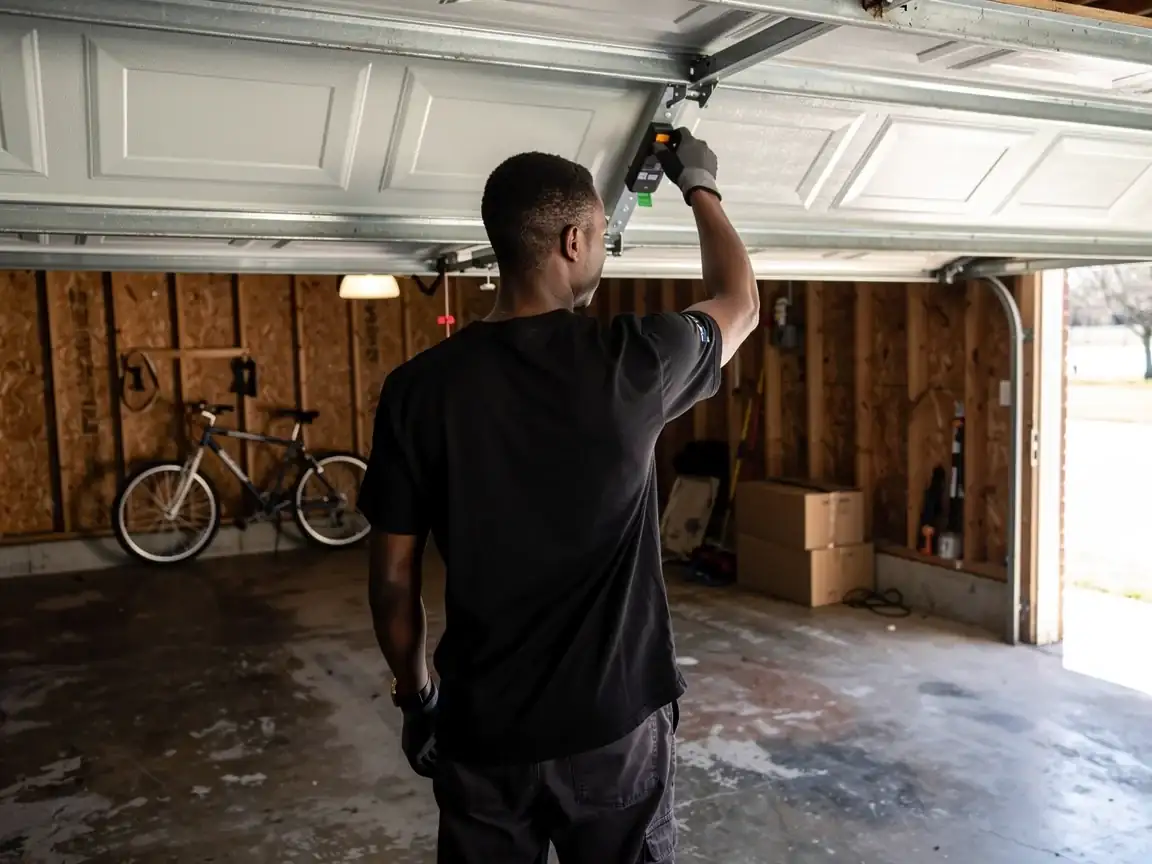
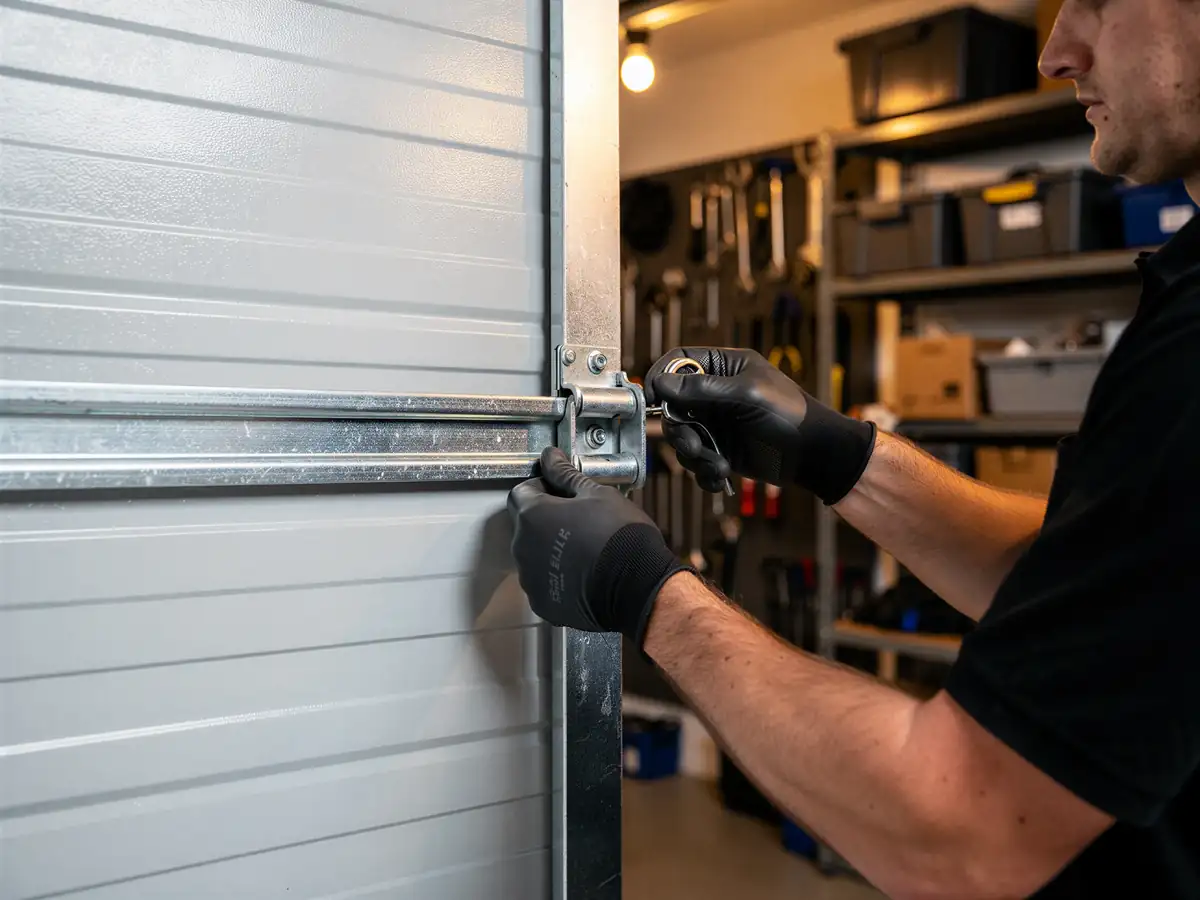
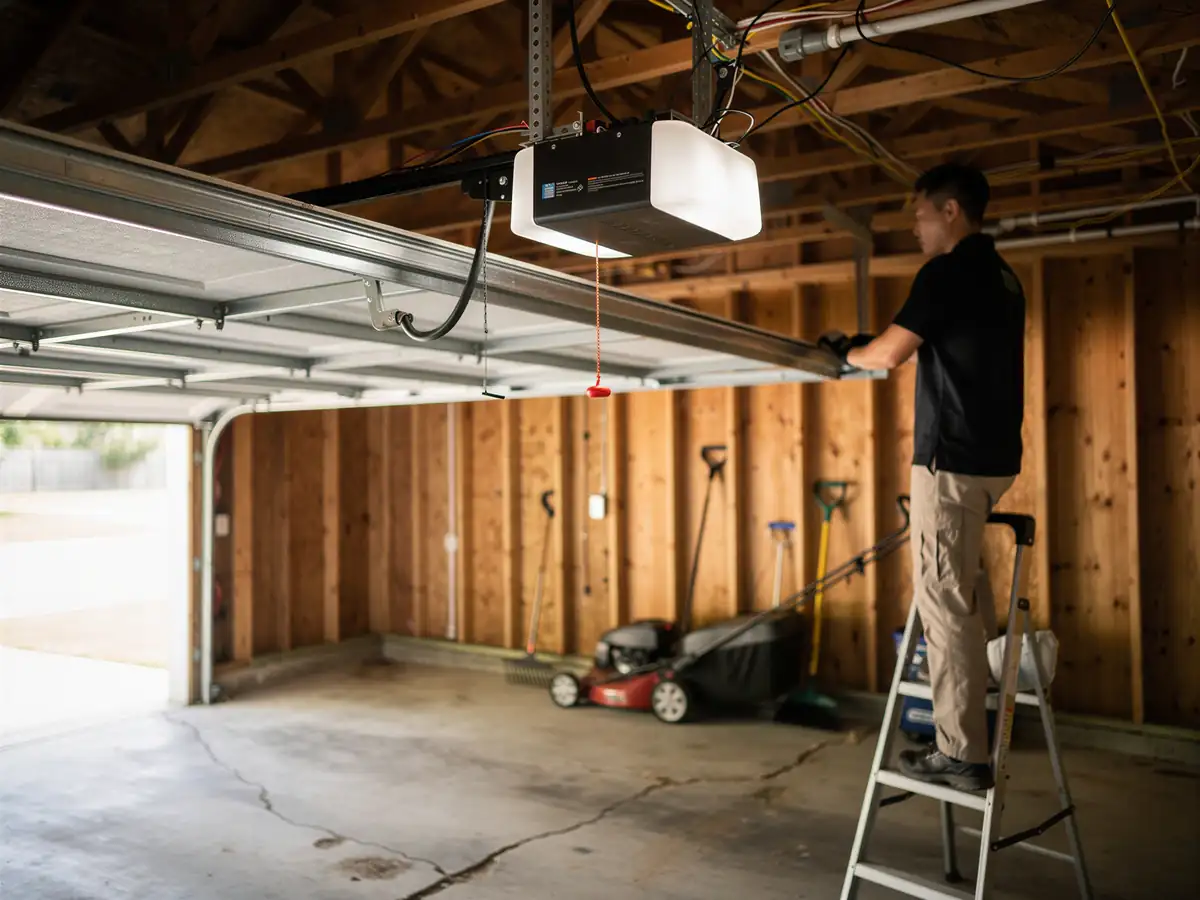
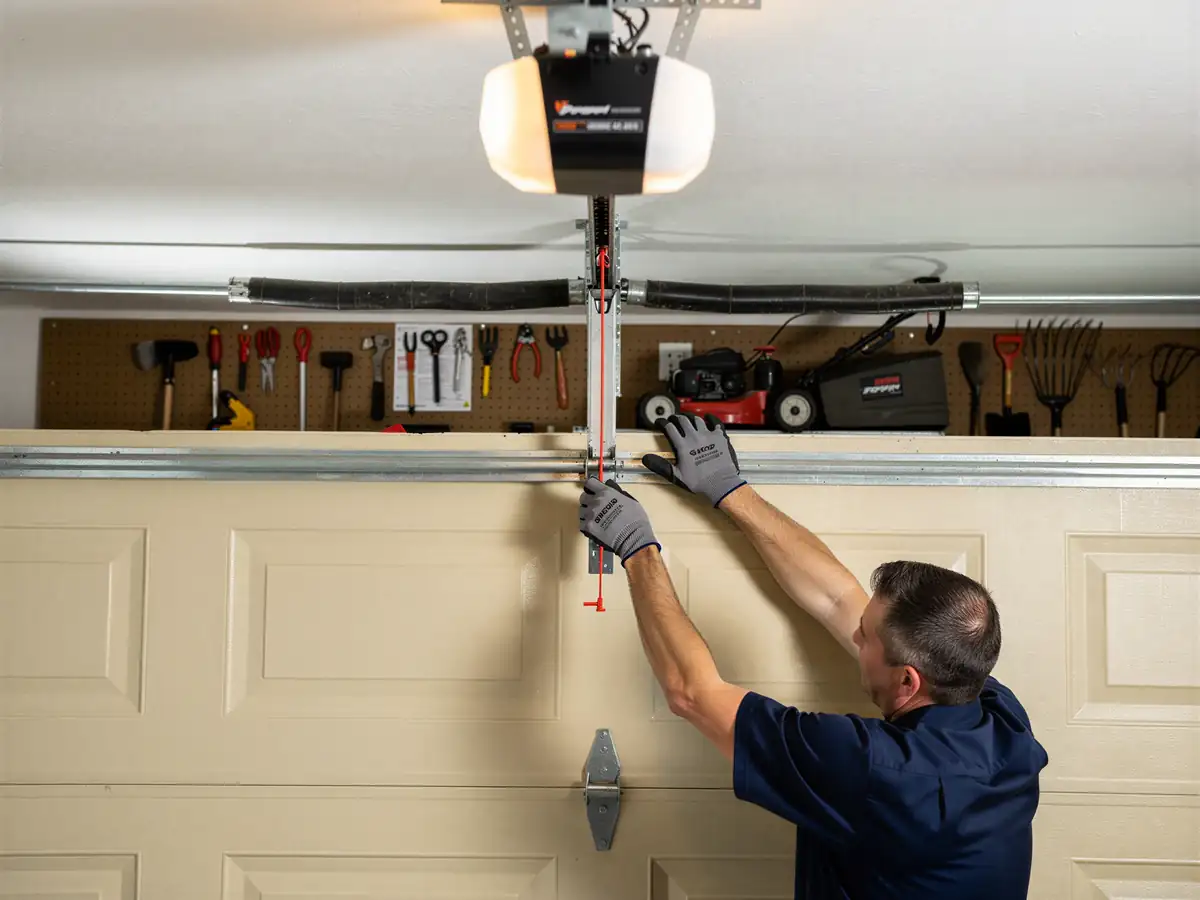
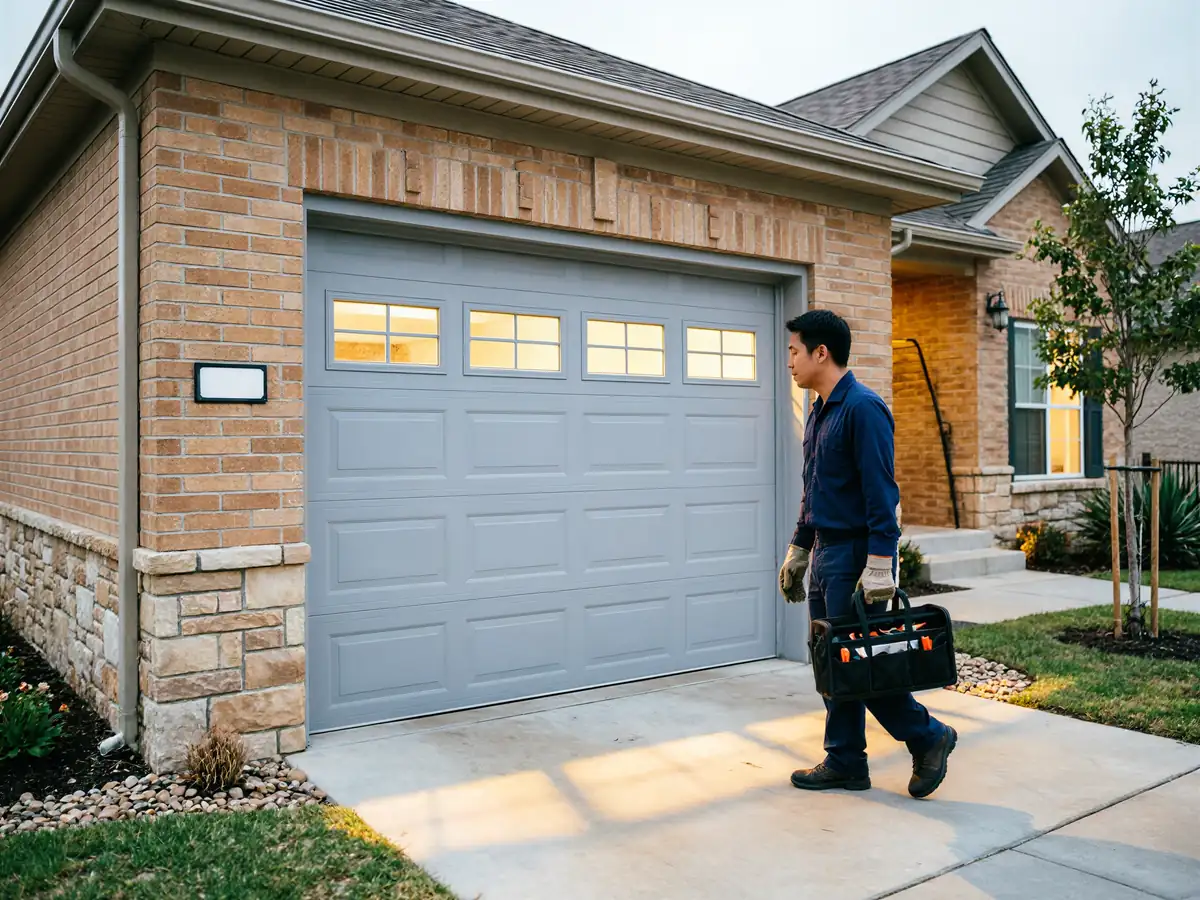
We run out of Monroe, and Brownsville is a straight 5-mile drive, so getting a truck to you doesn't add the cost or wait that a farther stop would. Call and tell us the panel is damaged - which section, top or bottom, and whether the door still opens and closes on track. That lets us bring the right hardware instead of guessing on-site. See our Brownsville page for the rest of what we handle locally, and the panel replacement page for Monroe itself if you're comparing notes with a neighbor closer to town.
Why It Happens Here
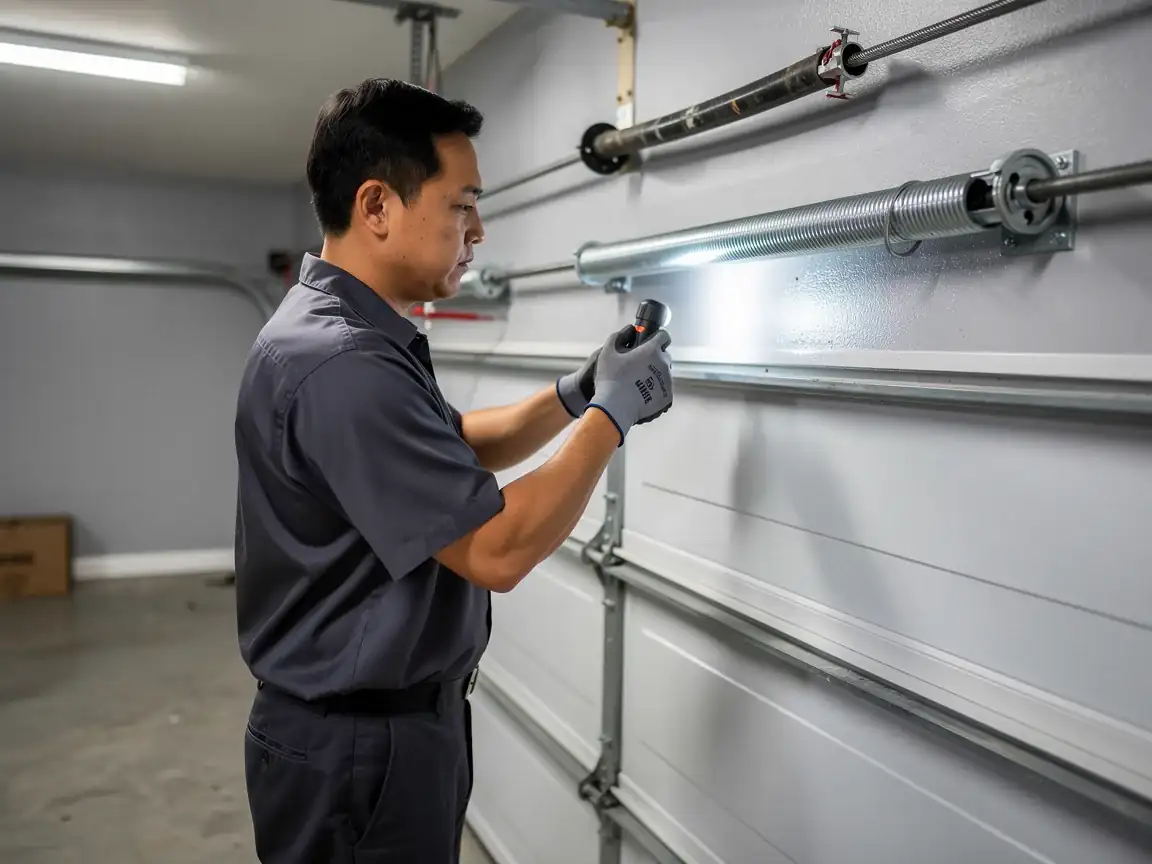
The housing stock around Brownsville clusters right at 1985, same era as most of the broader Monroe service area, which runs 1975 to 2005. Doors from that window are steel, single or double, usually on extension or early torsion spring setups, and after close to four decades the panels are the first thing to show wear - seams rust at the joints, foam core delaminates from the skin, and a hard enough knock cracks the steel instead of denting it clean. The region sits in a mild climate band with occasional freeze, so it's not extreme cold cracking steel the way it would further north, but humidity and the freeze-thaw swings we do get work on exposed seams over time, especially on panels that already took a hit years back and were never properly resealed. Combine 1980s steel with 1,774 households at a tighter income level than the surrounding area, and you get a lot of doors that have been nursed along with a dent nobody fixed - until the panel finally gives out at the weak point instead of holding.