Doing It Yourself
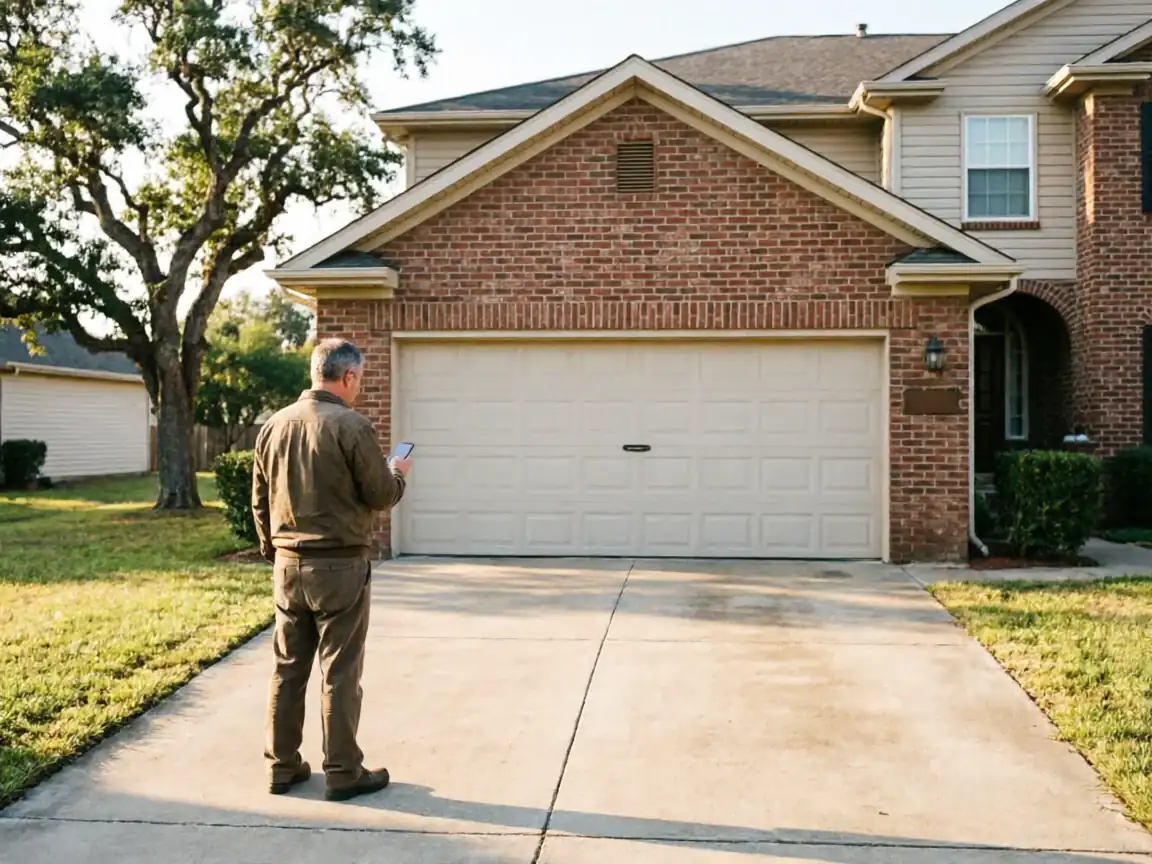
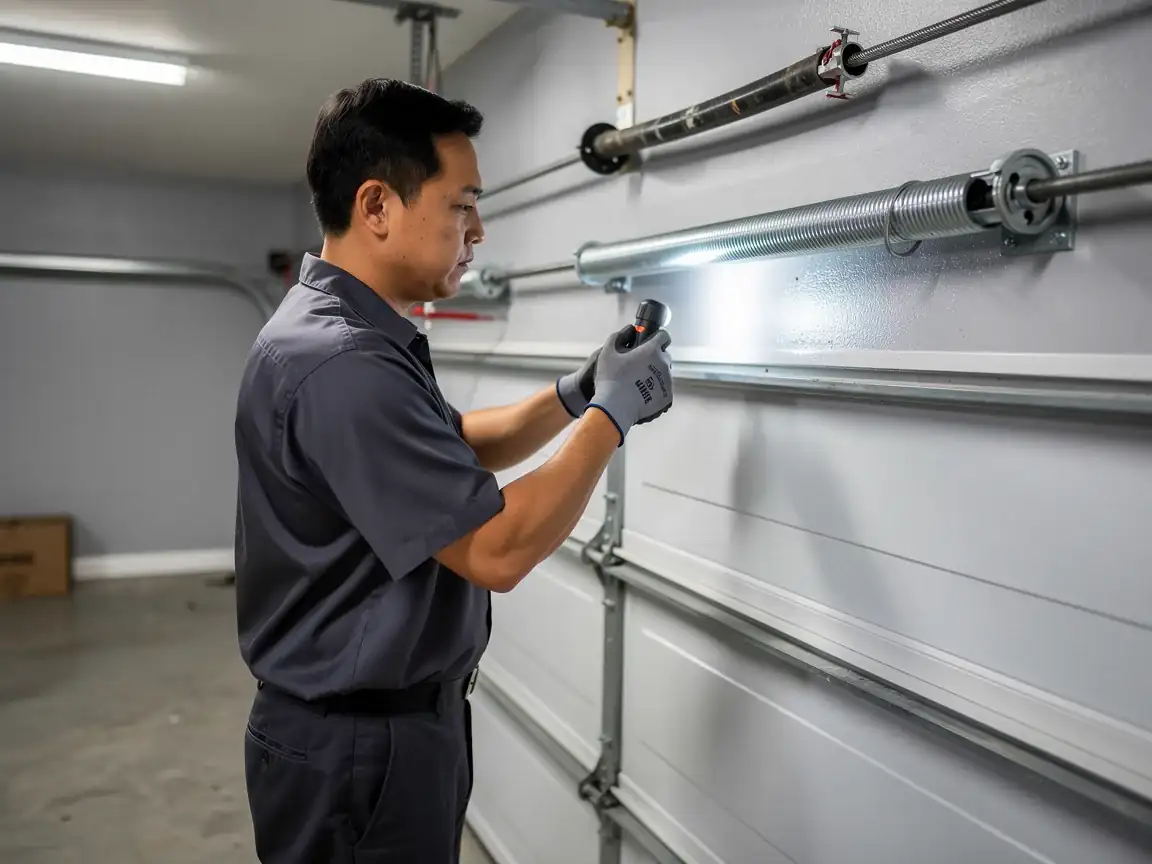
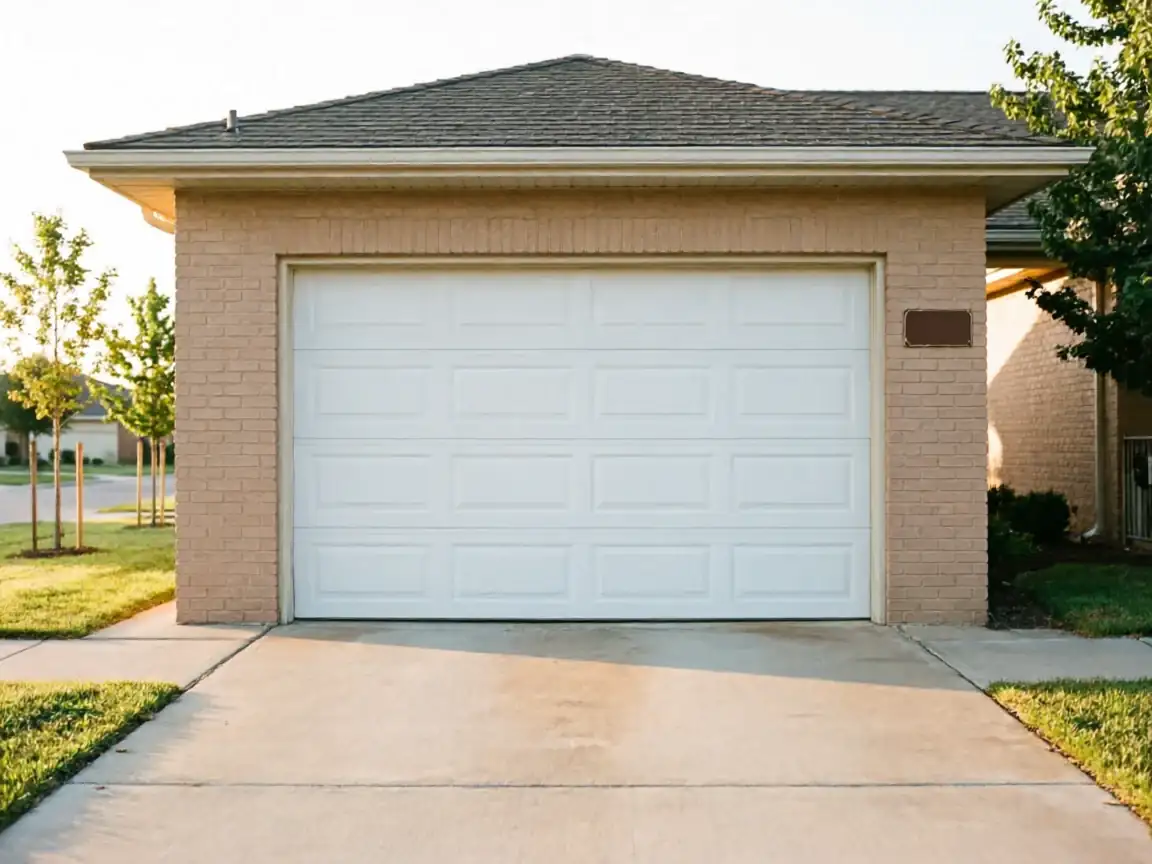
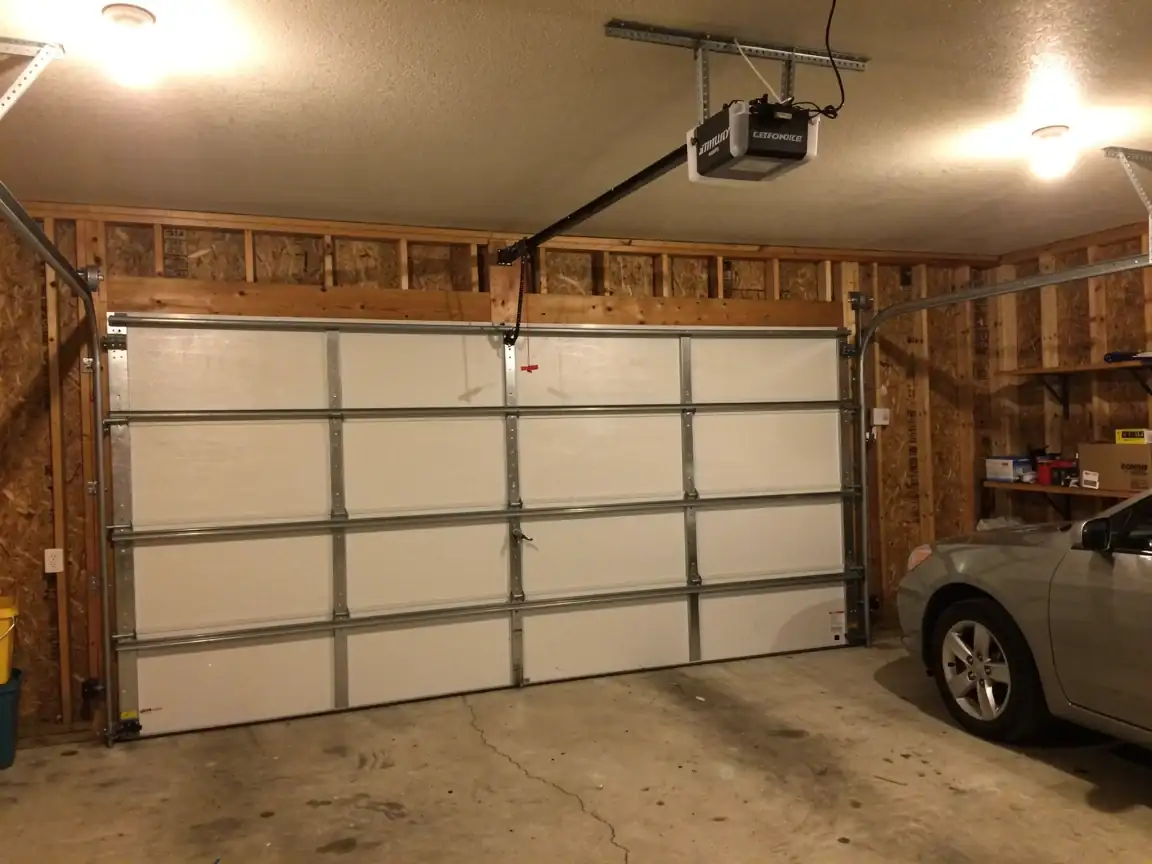
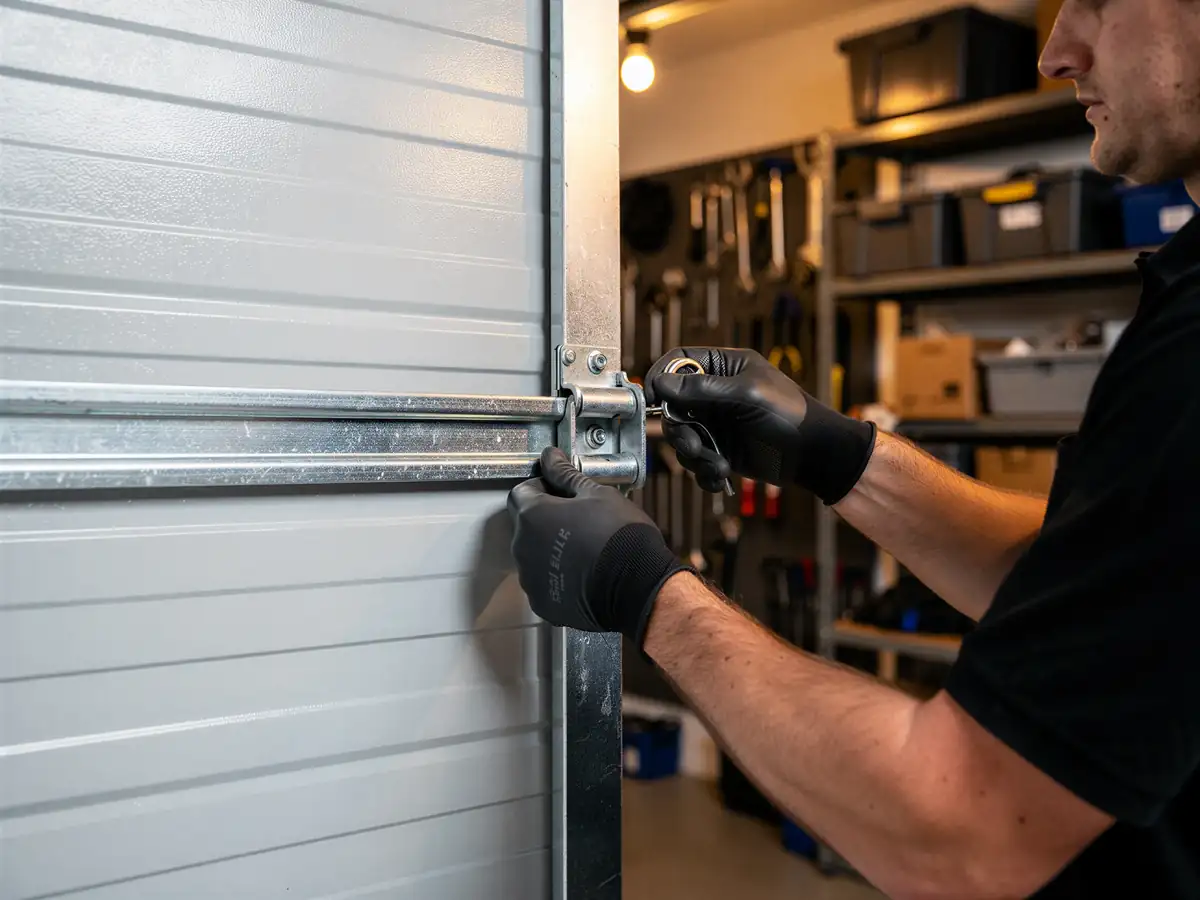
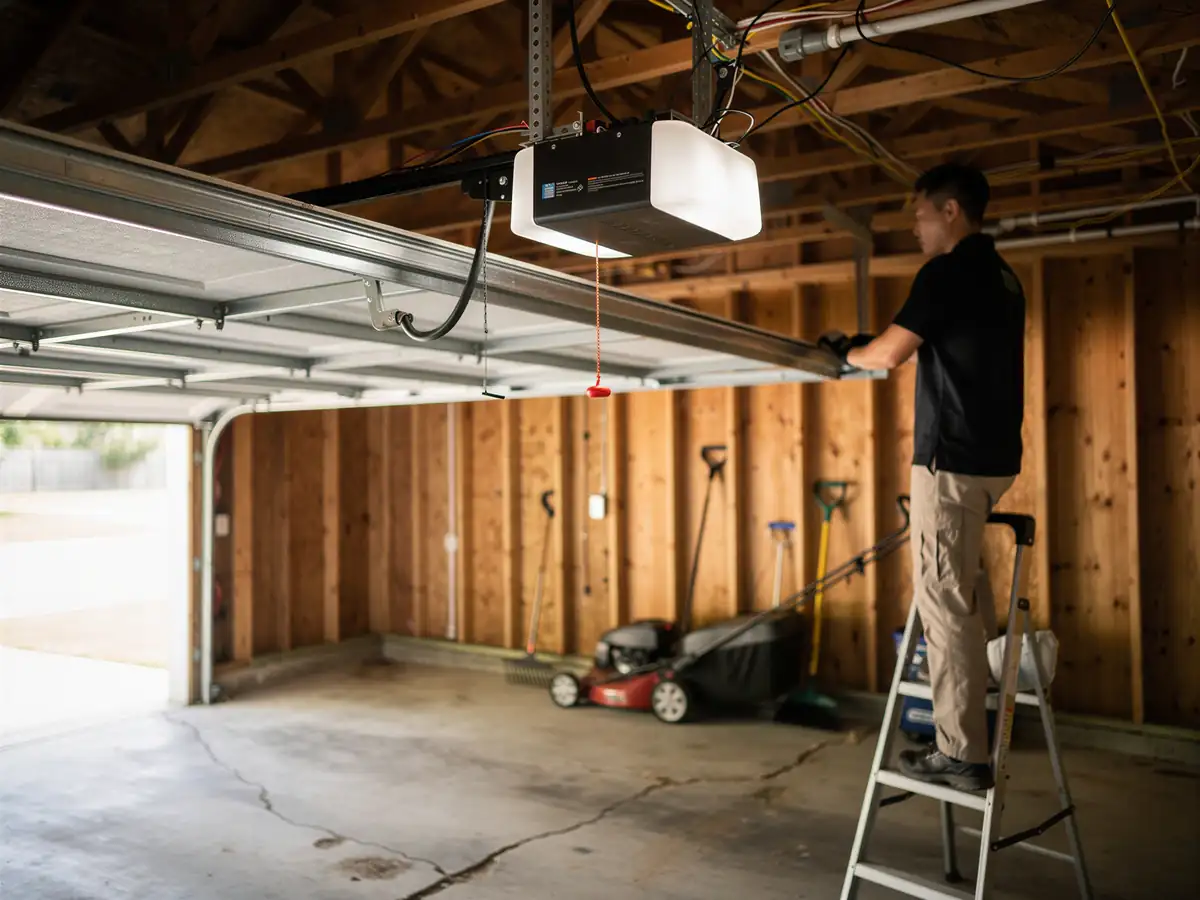
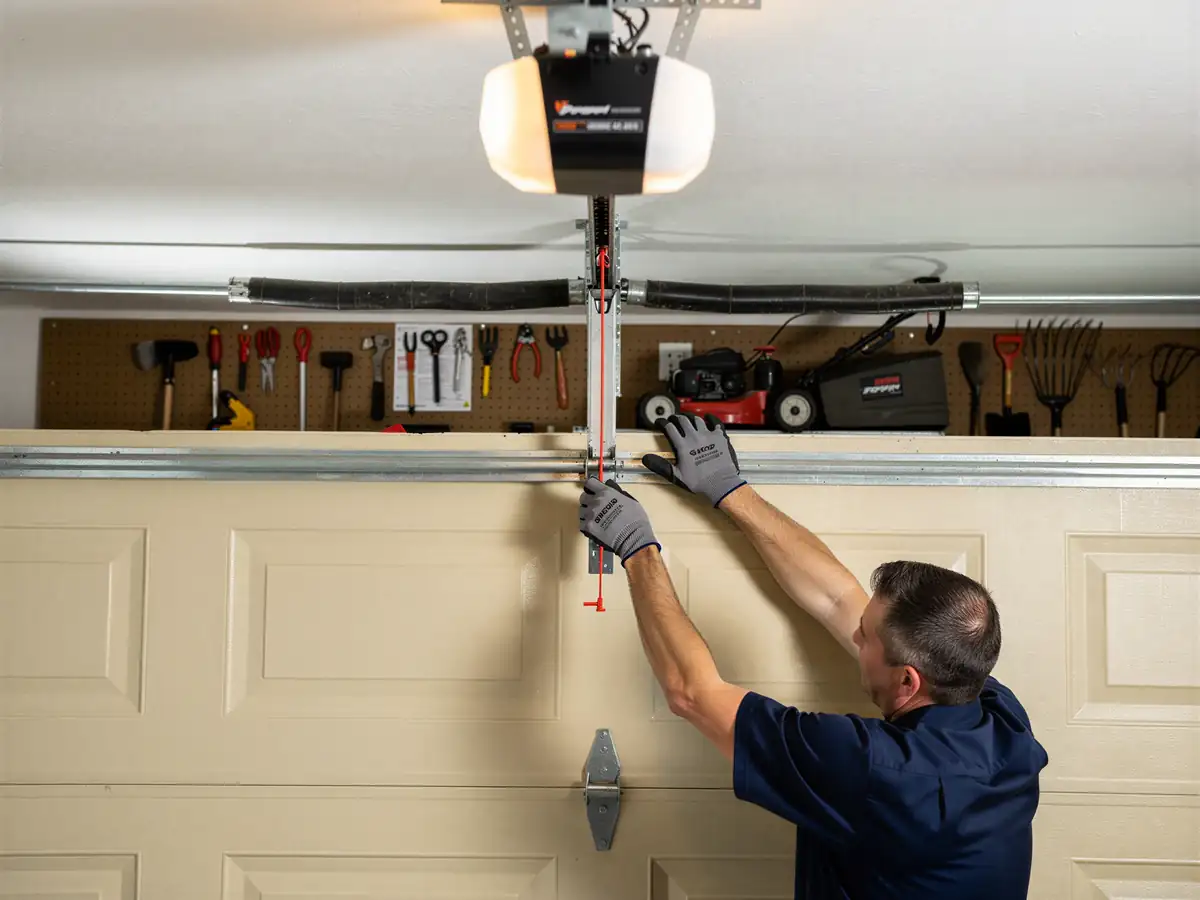
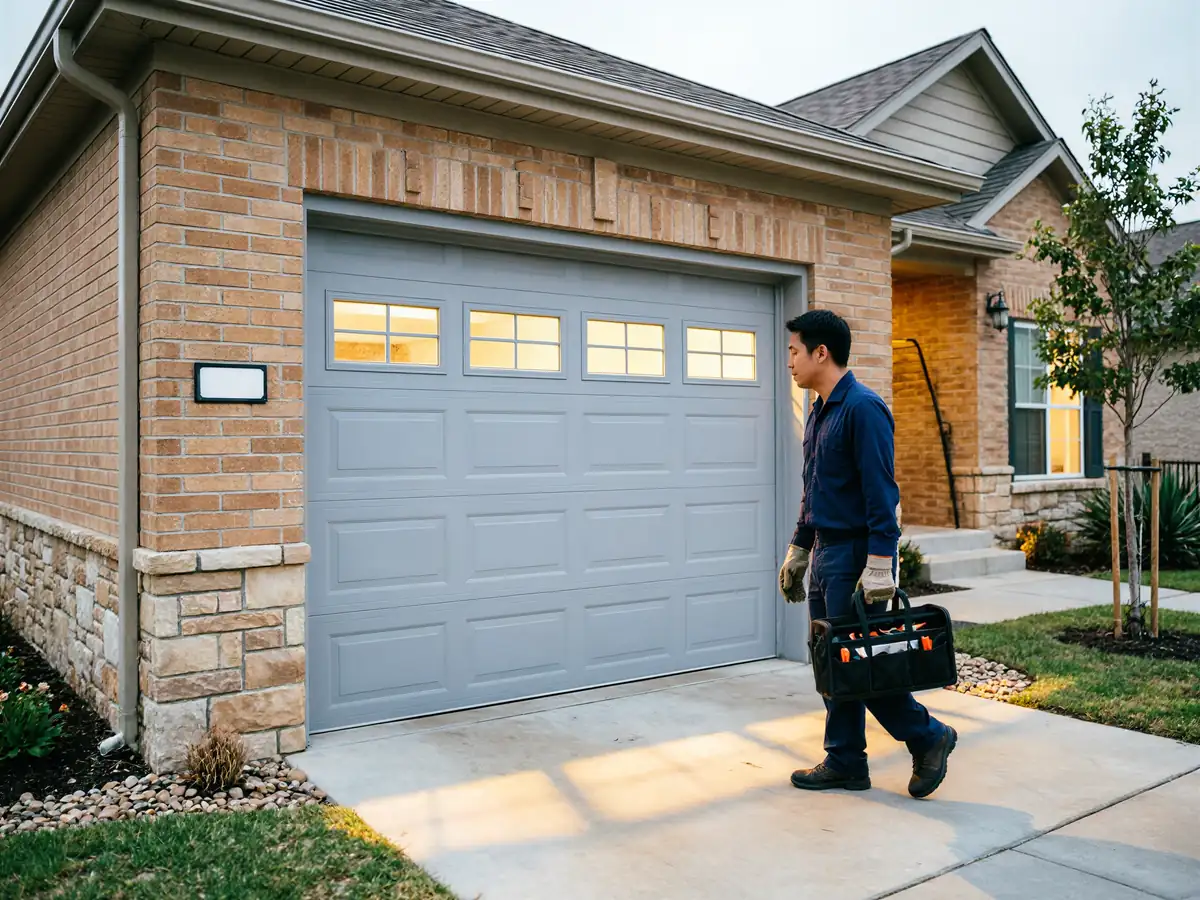
Calhoun's housing stock skews younger than most of what we cover out of Monroe - median build year here is 2005, against a median closer to 1985 across the wider service area. That twenty-year gap matters more than people think. A door from 2005 almost always runs on a standard extension or torsion spring system with a factory-installed opener, not the older side-mounted hardware you'll find on a 1980s build. If your opener won't respond, check the wall switch first, then the obvious: is the unit plugged in, has a breaker tripped, is the remote battery dead. If the door moves but struggles or reverses partway, that's usually a spring losing tension or a sensor knocked out of alignment - both are common on newer doors too, just for different reasons than on older hardware. We're honest about the limit here: once a torsion spring is actually broken, that's not a safe DIY fix. The spring is under enough load to cause a serious injury, and it's a short job for someone with the right bars and clamps.
Parts We Carry
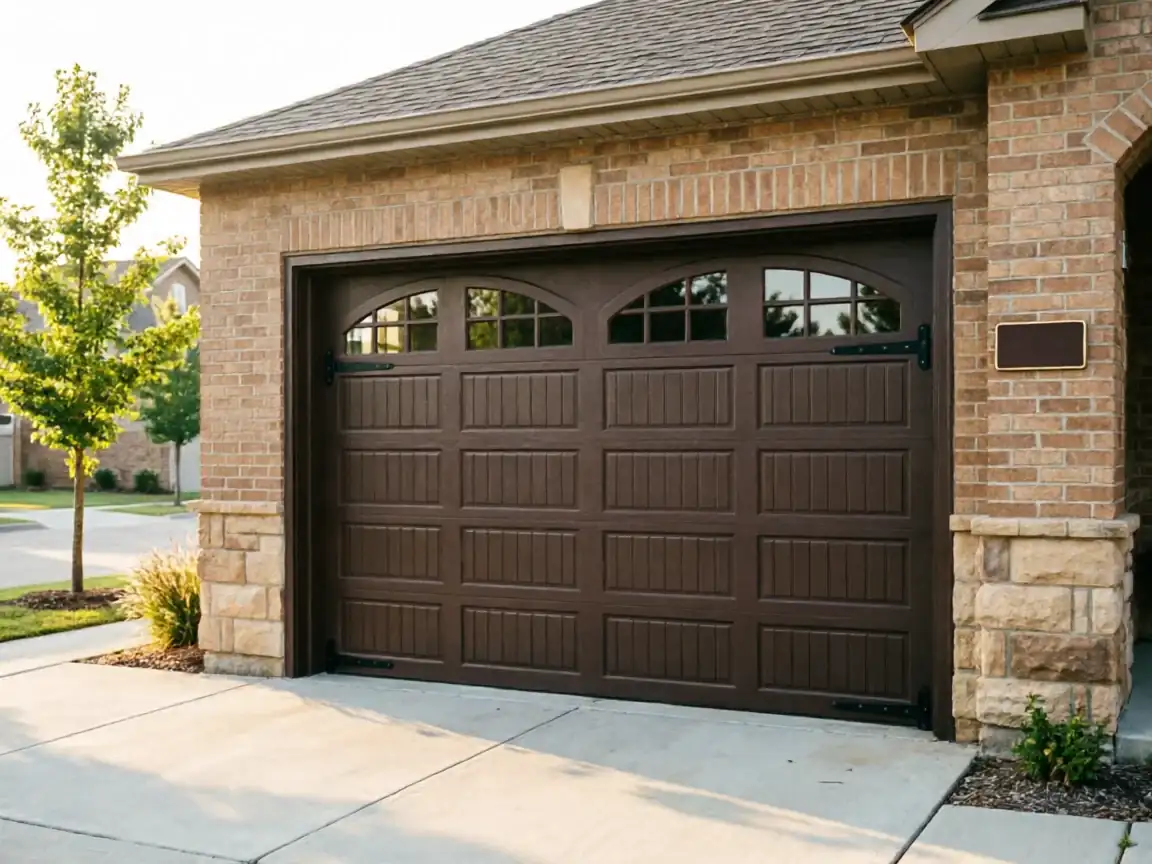
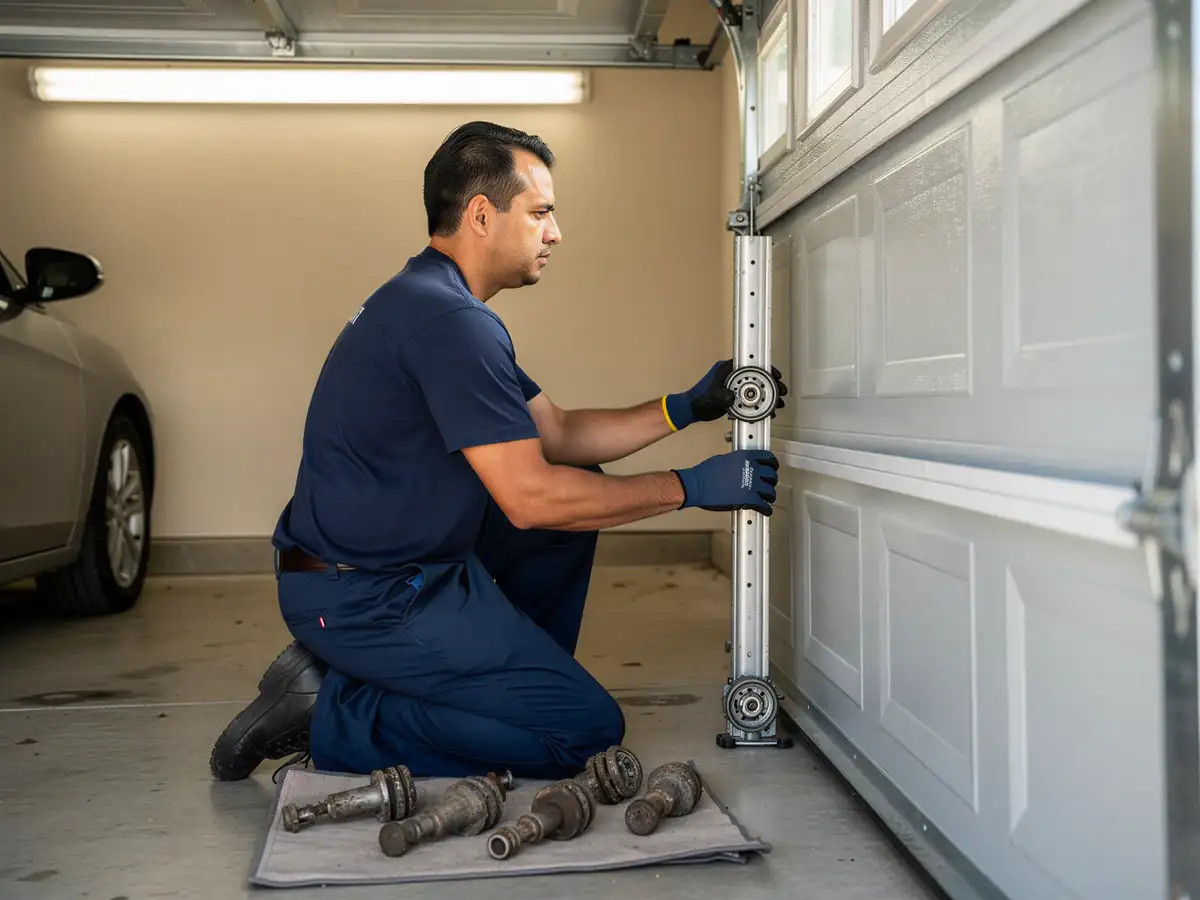
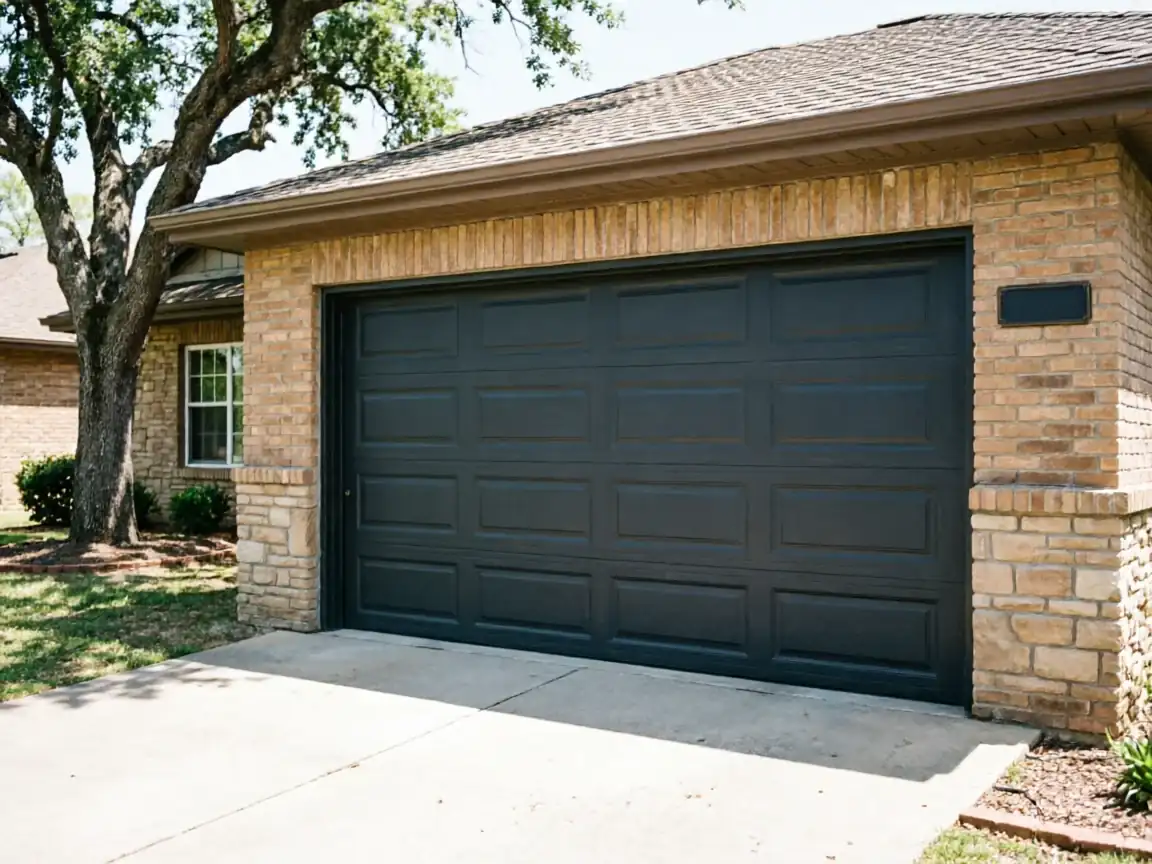
Because most Calhoun homes were built closer to 2005 than the 1980s stock common elsewhere in the service area, we stock torsion springs, standard steel rollers, and the opener logic boards that fit newer production doors - the kind with keypad entry and photo-eye safety sensors built in from the start, rather than retrofitted. We carry standard panel sections for common widths, drive belts and chains for mid-2000s opener models, and cable sets sized for torsion systems rather than the older extension-spring setups. One limitation: if your door is a less common brand or an older holdout built before the newer wave of houses went up, we may need to order a part rather than carry it on the truck, and that can add a day or two.
Why It Happens Here
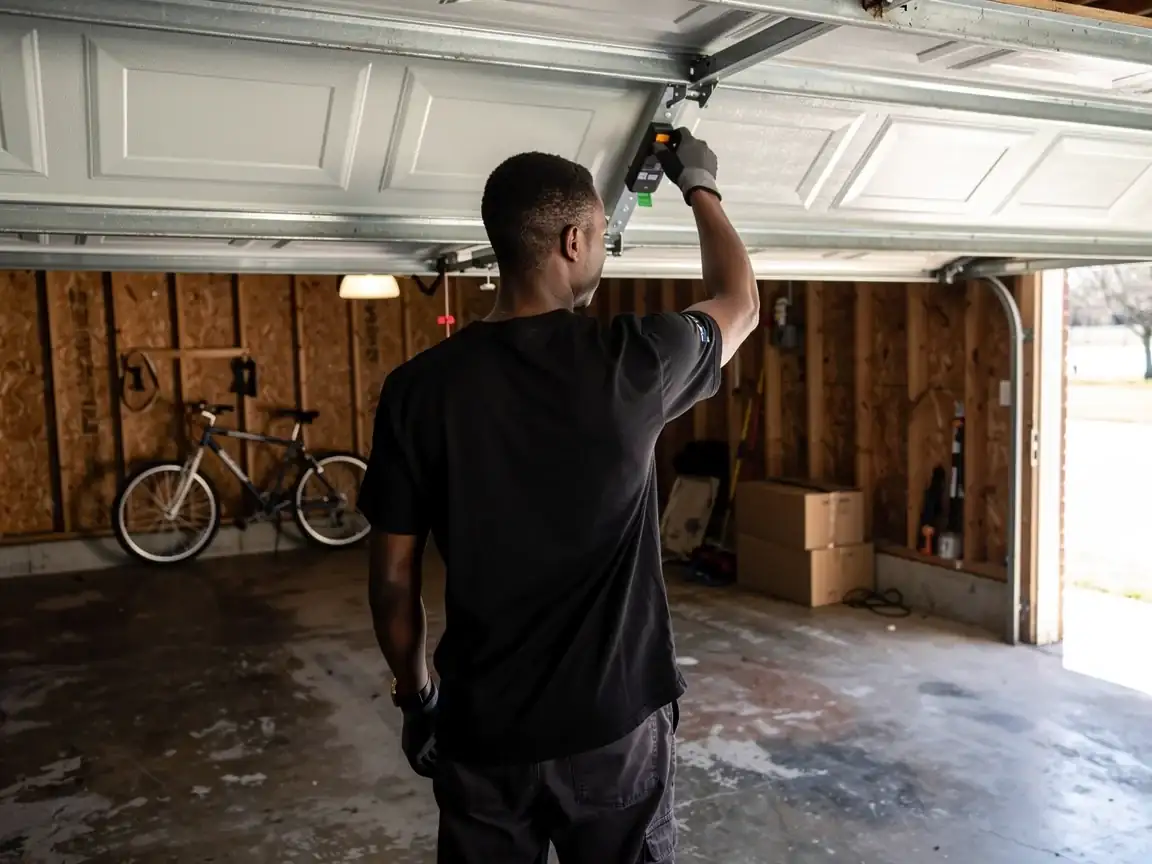
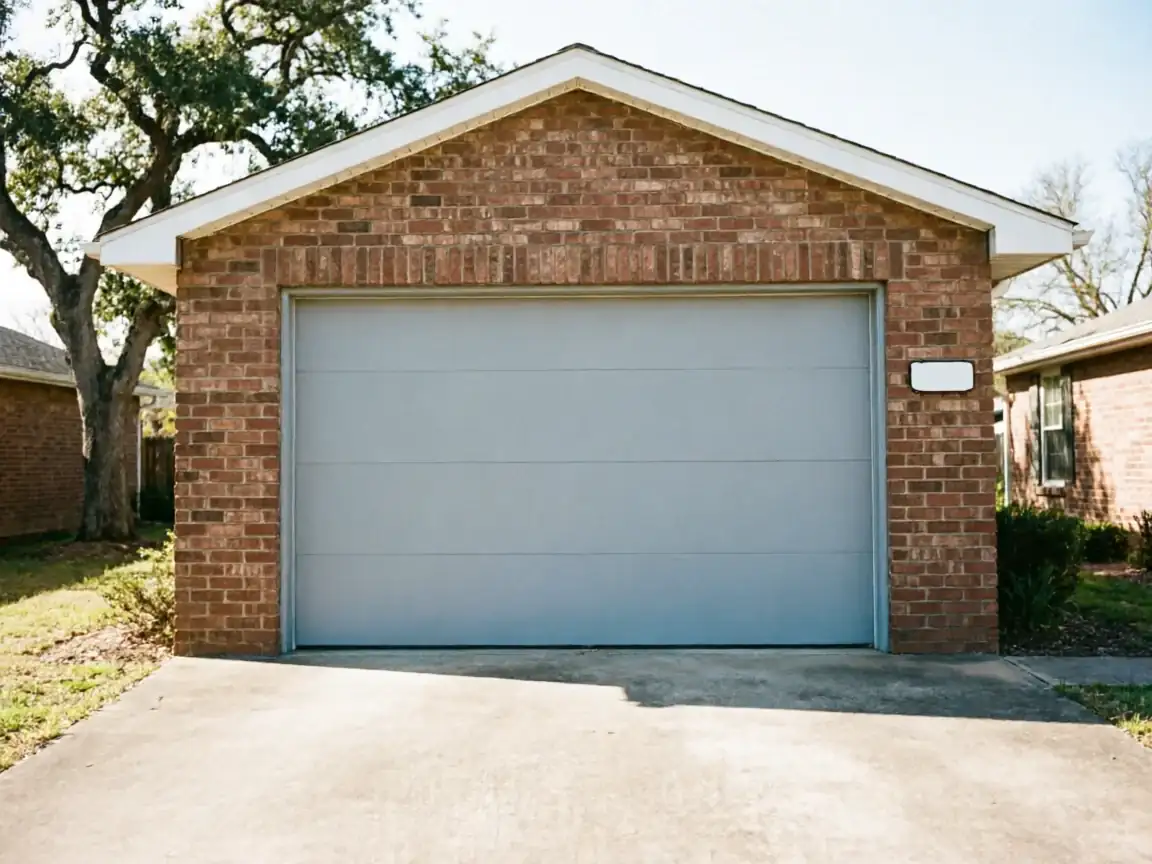
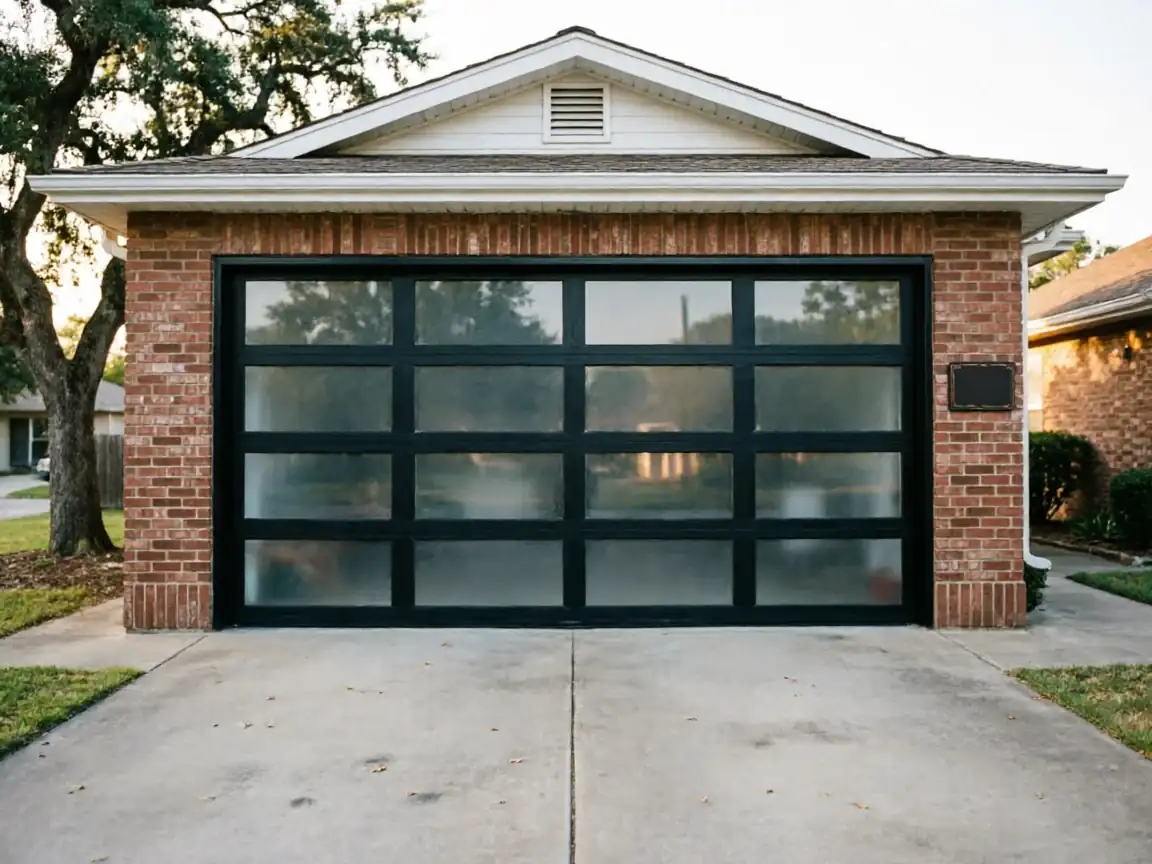
The climate across this part of Louisiana sits in a mild band with occasional freeze risk - not the deep freeze-thaw cycling that cracks concrete and warps tracks further north, but enough cold snaps to stiffen lubricant and tighten metal tolerances on cold mornings. On a newer door like the ones common in Calhoun, that usually shows up as a slower open cycle or a louder start on a cold morning rather than outright failure. Because Calhoun's housing is newer - median built around 2005 versus the 1985 median across the broader service area - the failures we see here lean toward opener electronics, sensor drift, and worn rollers rather than the seized torsion hardware and one-piece doors we deal with in the older sections of Monroe and some of its other suburbs. Newer doors also mean more homes with keypad and smart-opener add-ons, which introduces its own short list of complaints: lost programming, dead remote batteries, Wi-Fi modules that won't pair. None of that is dramatic, but it's a different repair conversation than the one we have on a 40-year-old door.
What You Pay
We don't post flat prices here because the job depends on what's actually wrong - a sensor realignment costs a lot less than a spring and cable replacement. What we can say: Calhoun households report a median income well above the broader service area average, and that's worth mentioning only because it tends to track with newer houses needing fewer major hardware repairs and more opener-and-sensor calls, which run shorter than a full spring job. Every quote is for the actual repair in front of us, not a bundled rate - we'll tell you the cost before the truck leaves.