Doing It Yourself
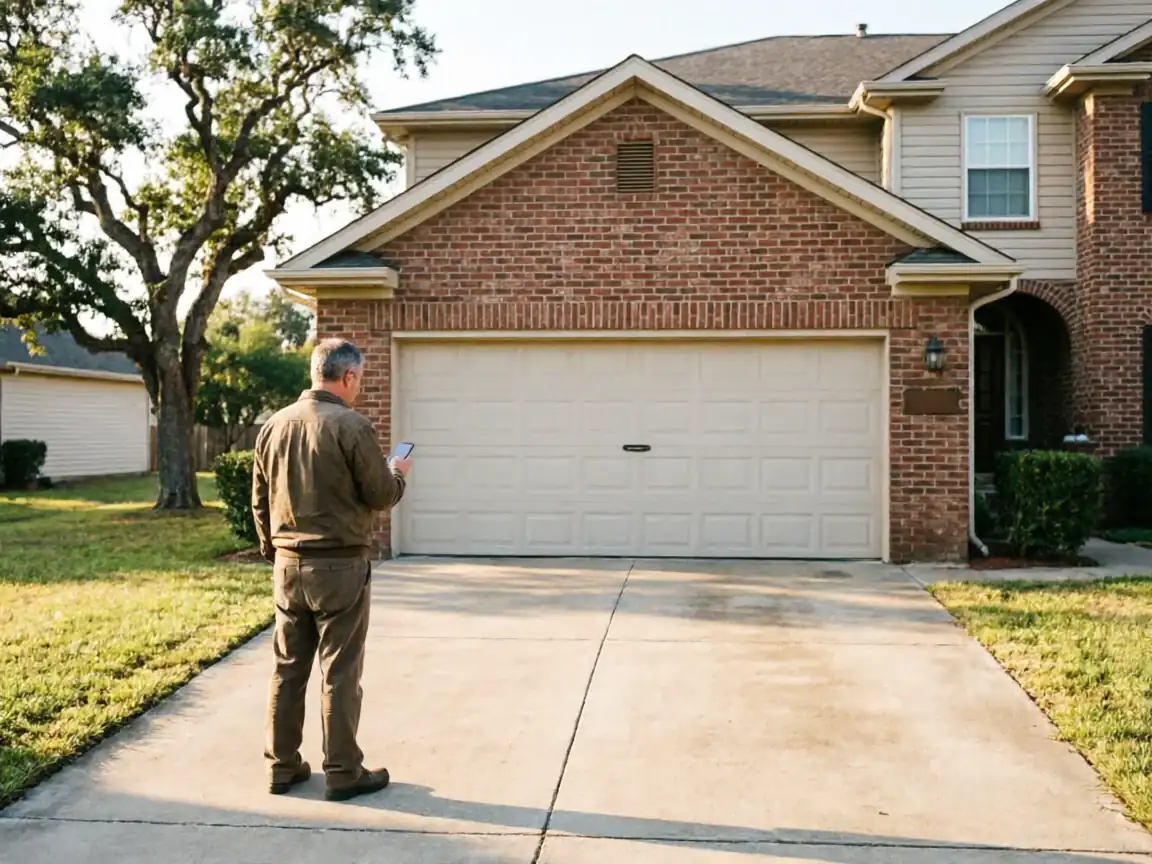
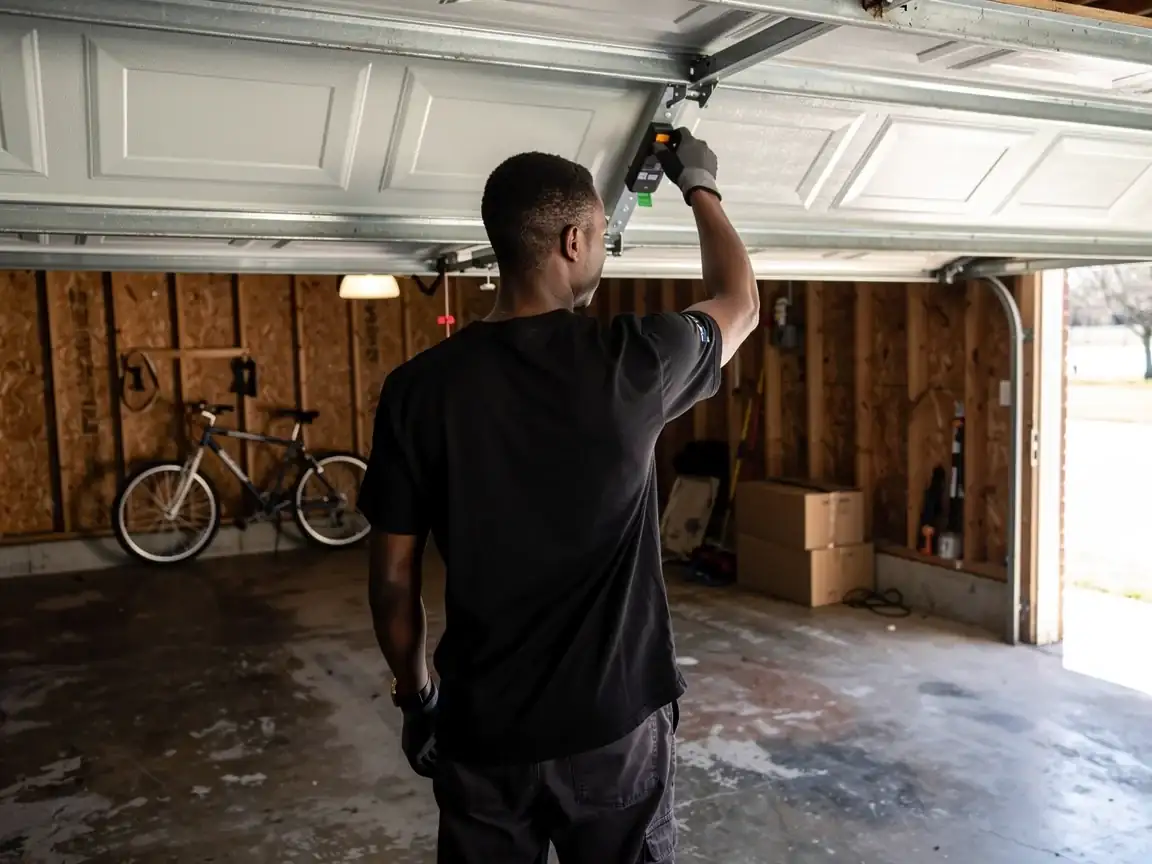
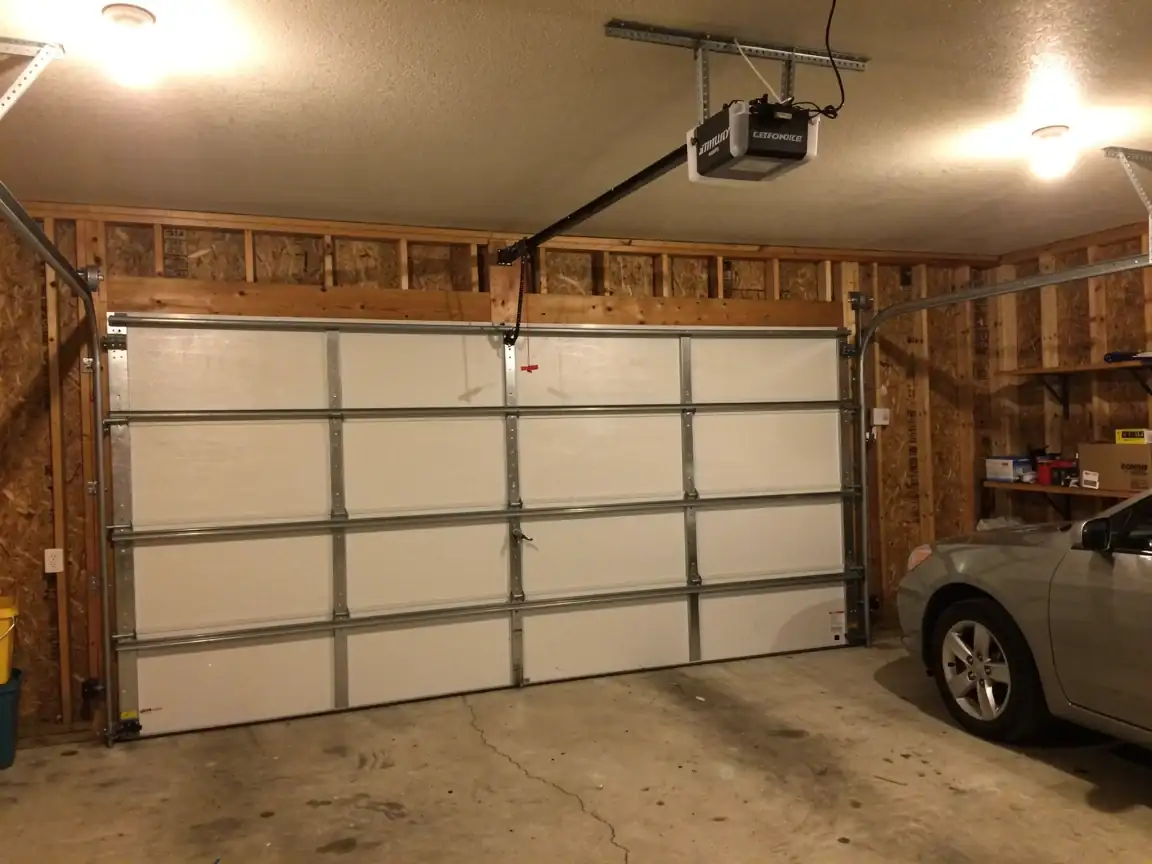
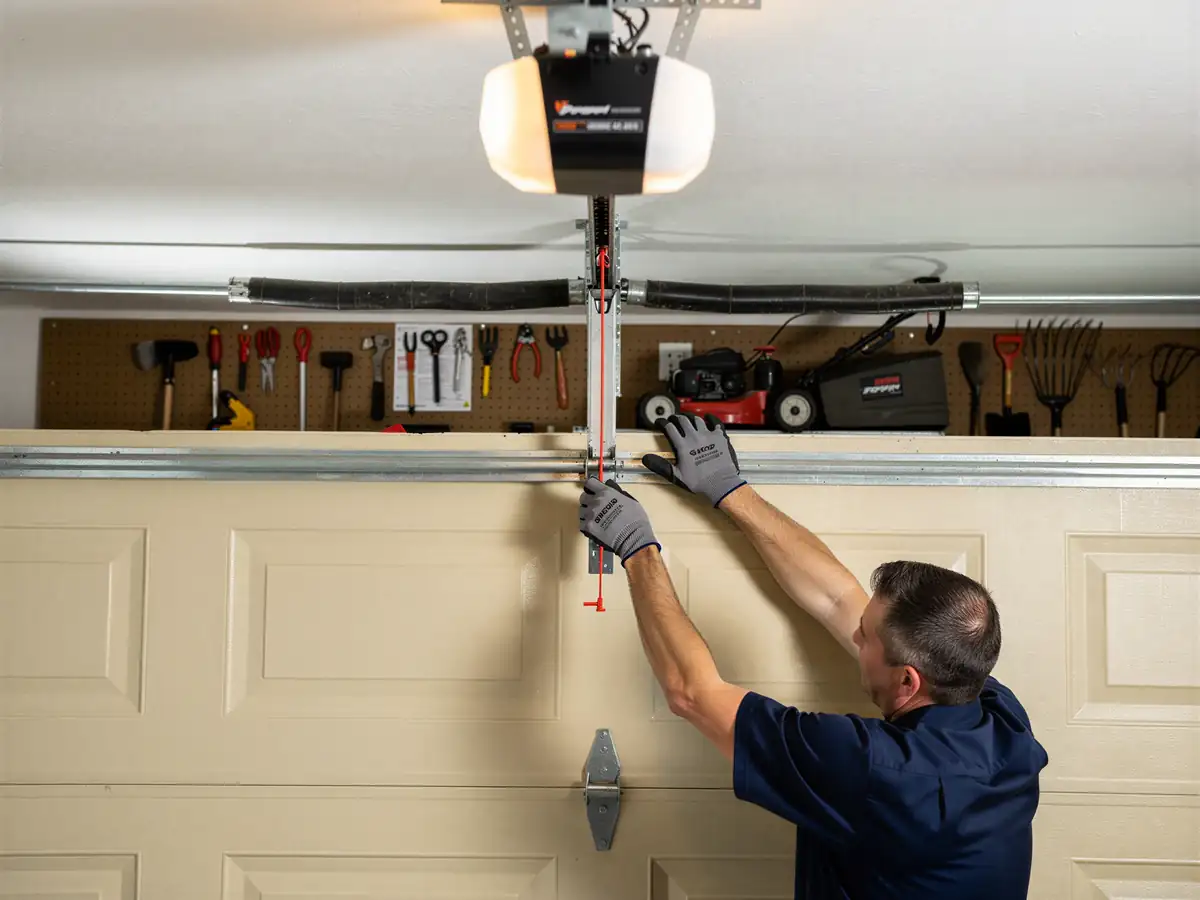
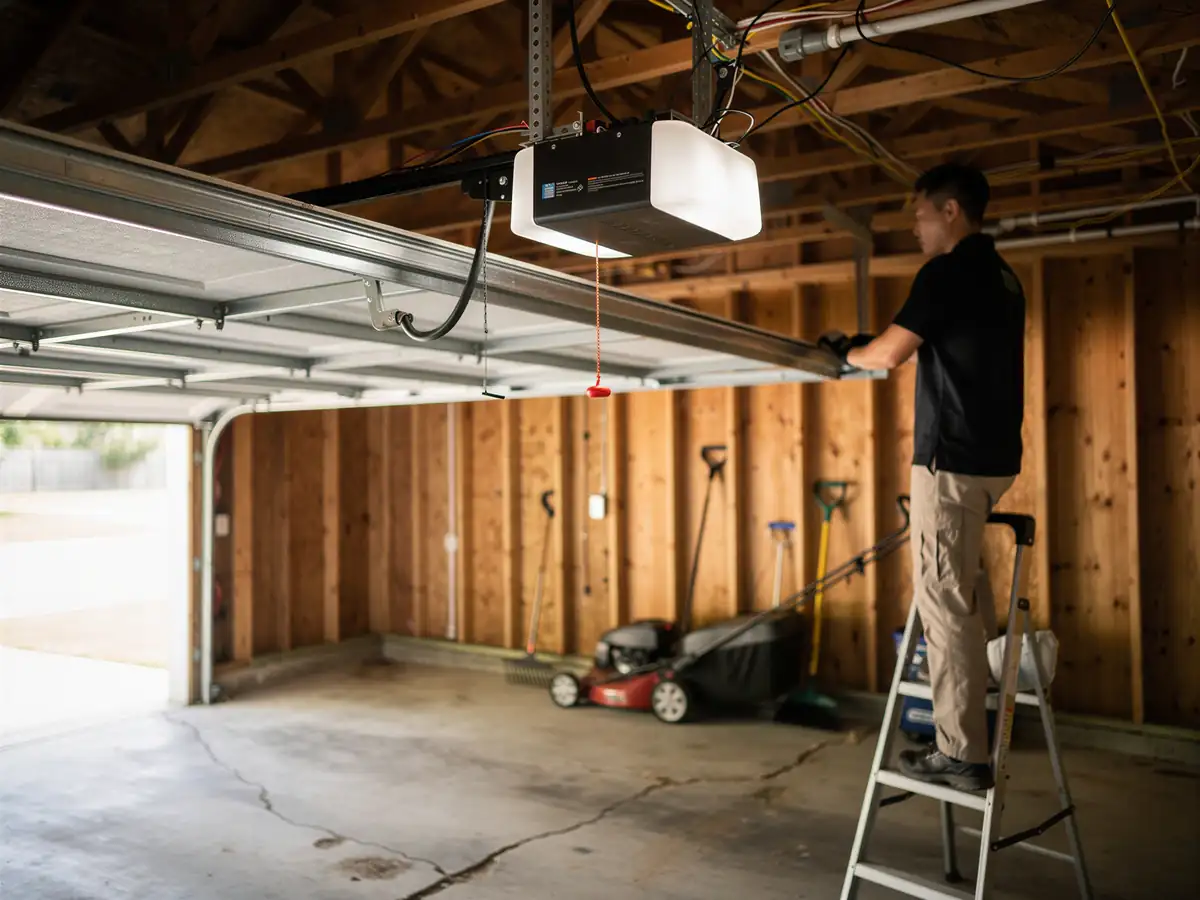
Before you call anyone, there are a few things worth checking on your own. Unplug the opener, wait ten seconds, and plug it back in - a stuck logic board sometimes just needs a reset. Check the photo-eye sensors on either side of the track near the floor; a spider web or a shift in the bracket is enough to block the beam and stop the door from closing. Pull the manual release cord and see if the door moves freely by hand. If it's heavy or binds, the problem may be a spring, not the opener, and that's a different repair.
If you've got a remote that used to work and now doesn't, try reprogramming it before you assume the opener itself is bad - battery corrosion in the remote is a common, cheap fix that looks like a motor problem. If the opener runs but the door doesn't move, or if it grinds, hums, or trips the breaker, stop opening and closing it. Running a failing motor or a stripped gear repeatedly usually turns a $150 part into a full unit replacement. That's the one place DIY stops being worth the risk.
How to Book
We're based in Monroe
And Calhoun sits about 16 miles out - farther than West Monroe, Richwood, or Brownsville, which are all inside five miles. That doesn't change what we can fix, but it does mean we schedule the Calhoun run rather than swing by on a whim between closer jobs. Call ahead and tell us the opener brand if you know it, and whether the door moves by hand when you pull the release - that one detail tells us a lot before we even load the truck.
- 16 miles
We don't keep a second crew or a satellite stop out this way
So the trip comes from our Monroe shop every time. For most opener calls we carry what we need on the truck already, since we know roughly what's installed on houses from this era. If your unit turns out to need something unusual, we'll tell you straight rather than guess.
Parts We Carry
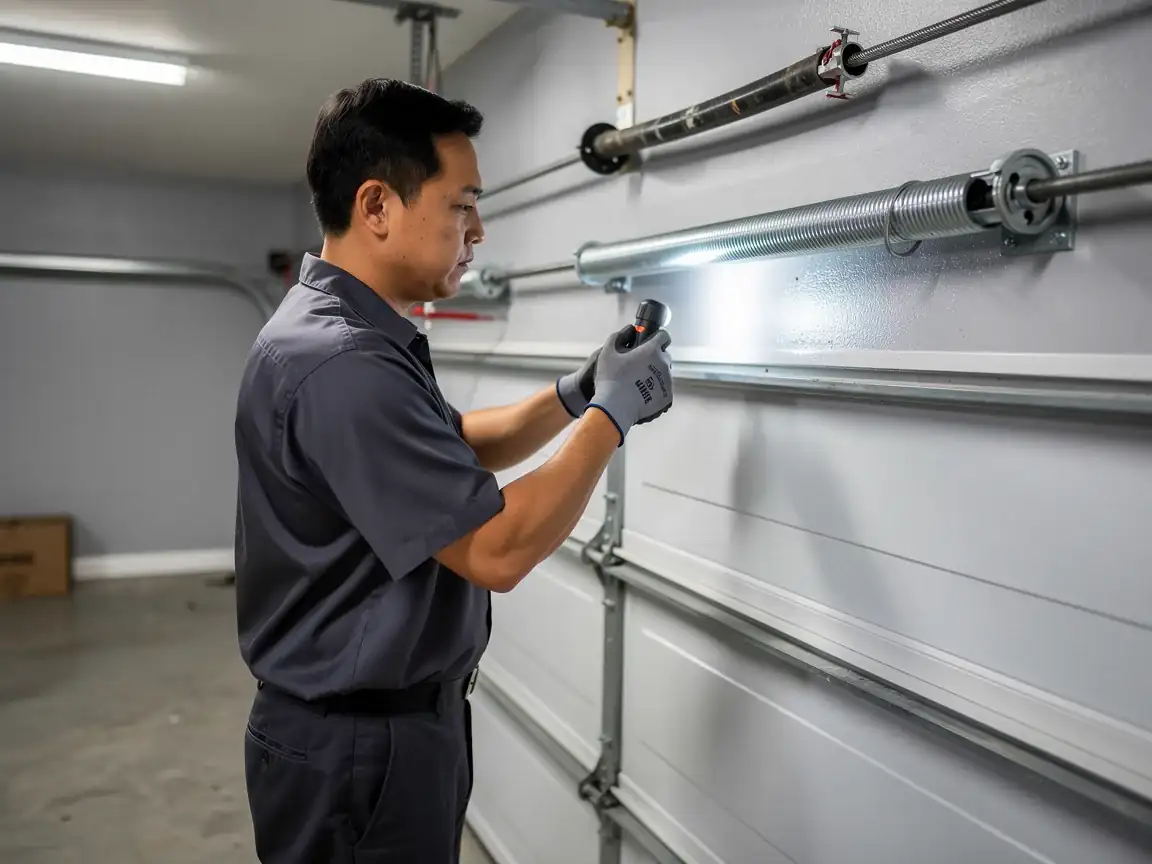
On the truck we carry logic boards, drive gears, capacitors, photo-eye sensor pairs, trolley carriages, and standard remotes and keypads for the chain-drive and belt-drive openers common on houses built in the early 2000s. We also stock wall control buttons and the wiring harnesses that tend to fray where they run along the rail.
What we don't carry on the truck is obsolete circuit boards for openers no longer in production - if your unit is a discontinued model, that part may need to be ordered, and we'll tell you the lead time instead of promising same-day on something we can't get our hands on. That's the honest limit: we fix what we can get parts for, and we'll say so when a model has aged out of support rather than install a mismatched board and hope.
Why It Happens Here
Most houses in Calhoun went up around 2005, which puts the original opener hardware right at the age where capacitors dry out and logic boards start dropping signals. A chain-drive or belt-drive opener installed when the house was built is now pushing close to twenty years of motor cycles, and that's about the point where we start seeing intermittent failures instead of clean breaks - the door works fine three times, then doesn't respond on the fourth.
The region sits in a mild climate with only occasional freeze, so the openers here aren't fighting the same humidity or deep-cold stress you'd see further north, and that's part of why a 2005 unit can still be running at all. But heat cycling in an attached garage over two decades still takes a toll on wiring insulation and sensor alignment, even without hard freezes to blame.
How It Shows Up
The most common call we get from this stretch of houses is a door that reverses right before it touches the floor
Which almost always traces back to a photo-eye that's drifted out of alignment or a sensor wire that's been pinched over the years. Close behind that is a remote that works sometimes and not others - usually a sign the receiver board inside the opener is starting to fail, not the remote itself.
We also see openers that run but don't engage the door at all
Which points to a stripped drive gear, a common failure point once a chain-drive unit passes the fifteen-year mark. Less often, the whole unit goes dead - no lights, no hum - and that's usually either the capacitor or the wall outlet, and it's worth checking the outlet first before assuming the worst.
What You Pay
We don't post prices here because opener repair costs depend on what's actually failed - a sensor realignment is a different job than a logic board swap, and a full unit replacement is different again. What we can tell you is that Calhoun runs well above the area's median household income, and in practice that shows up in the calls: more owners here choose to replace an aging 2005-era opener outright rather than keep repairing a unit piece by piece once it's into its second decade.
We'll give you the actual number for your specific problem on-site, and we'll tell you plainly when a repair isn't worth it compared to swapping the unit. No quote over the phone before we've seen the opener running.