Doing It Yourself
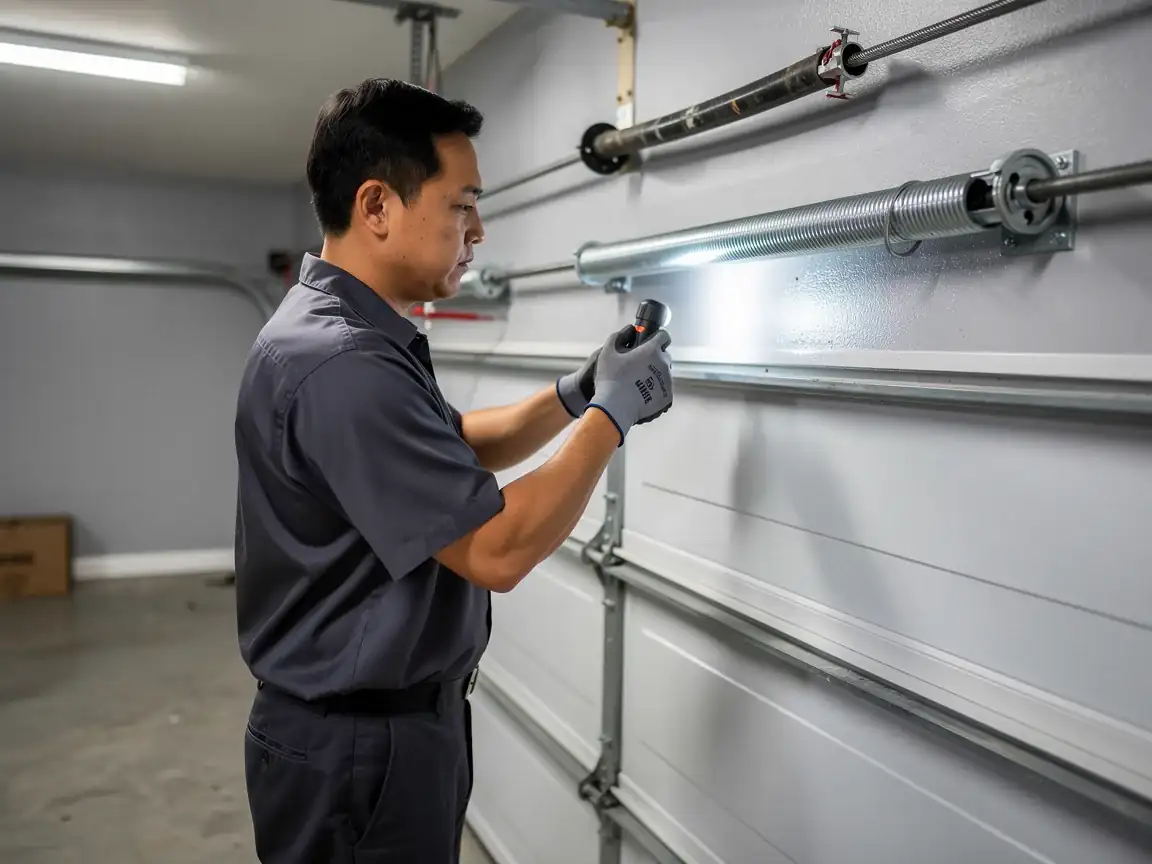
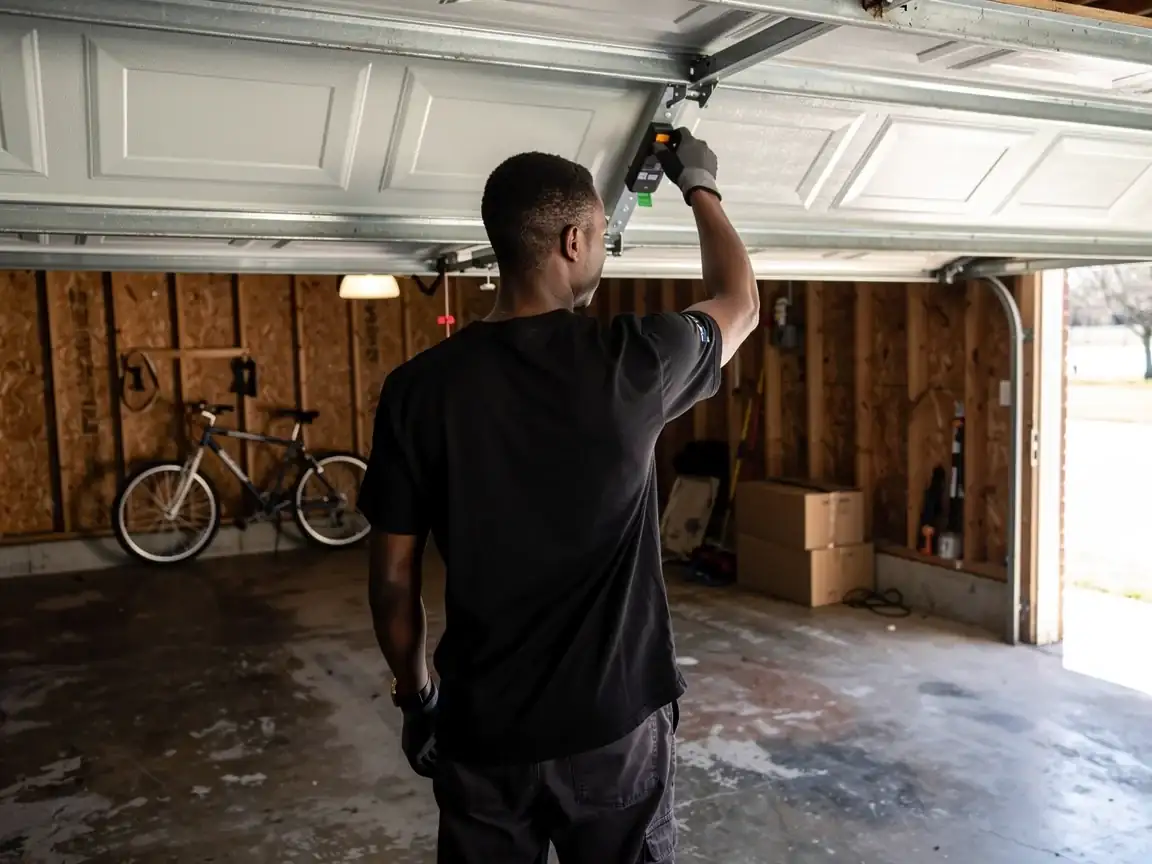
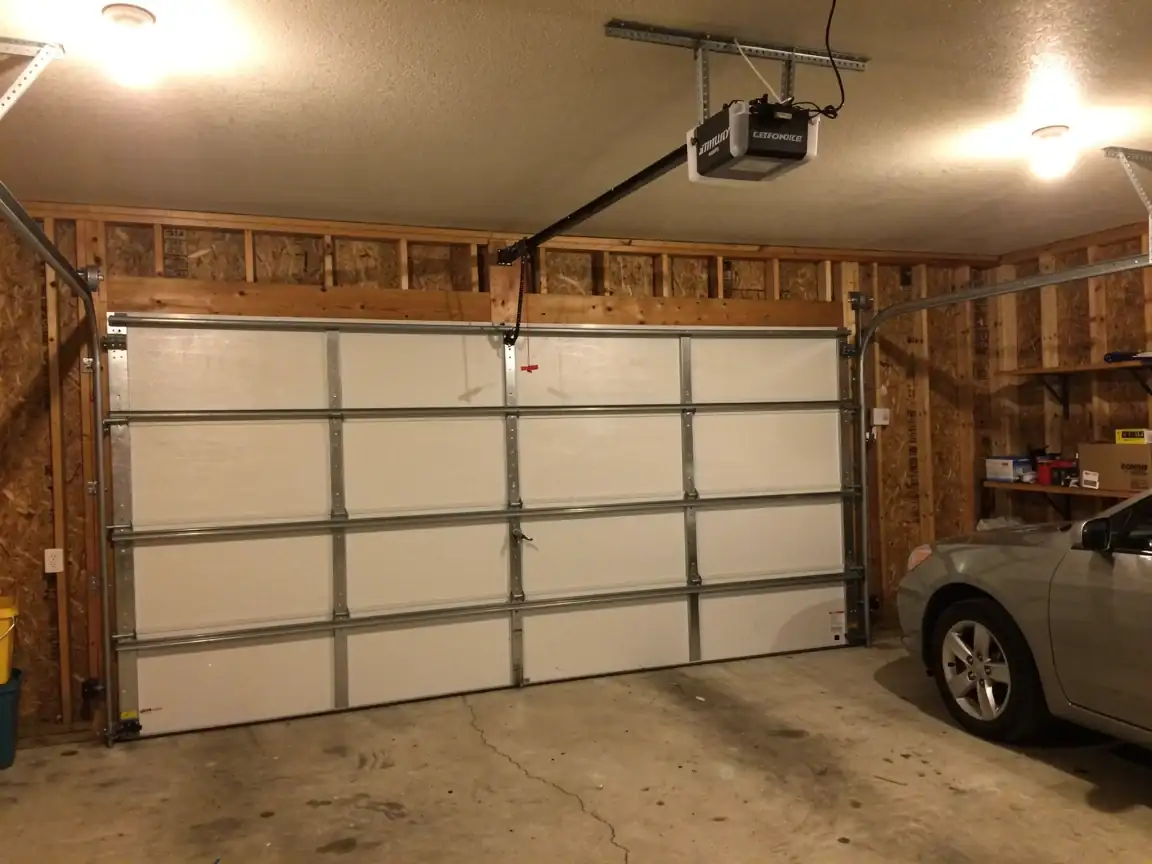
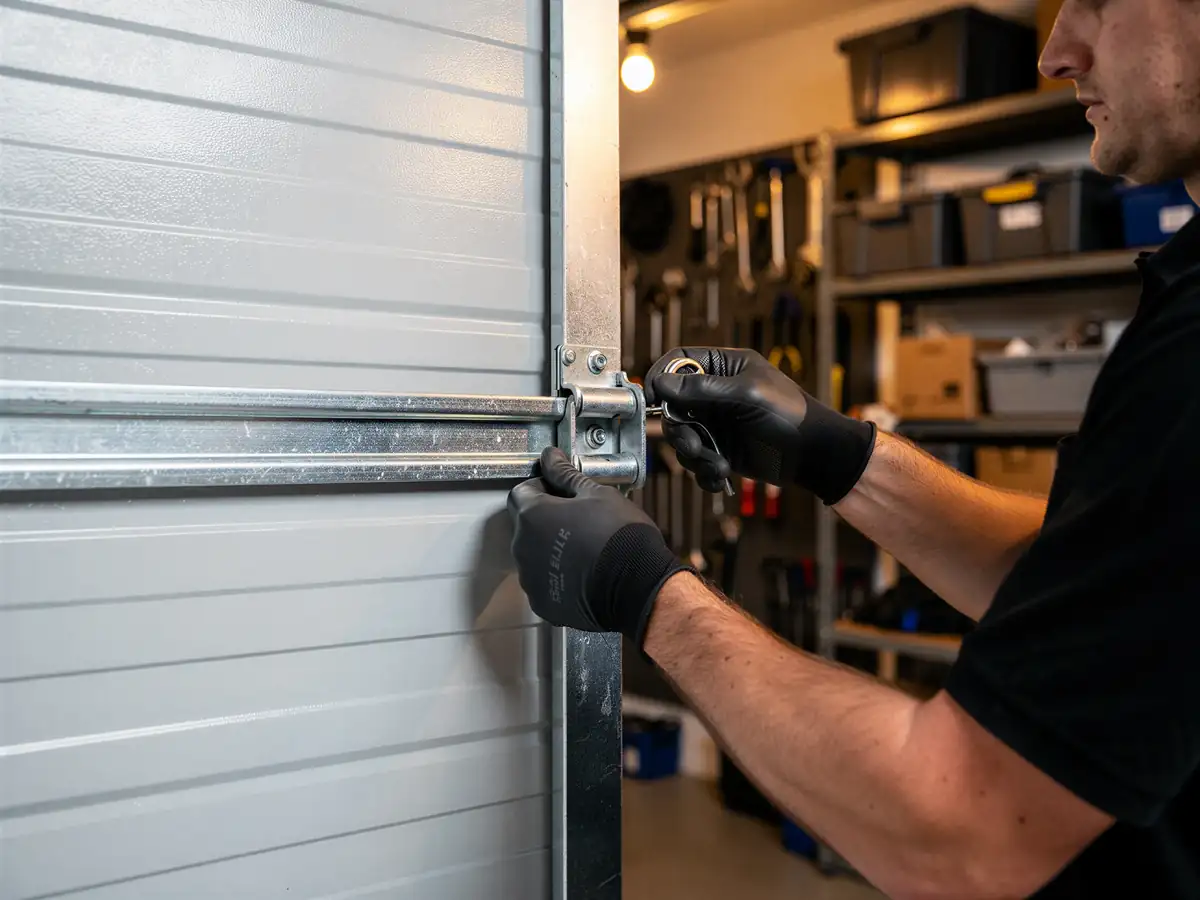
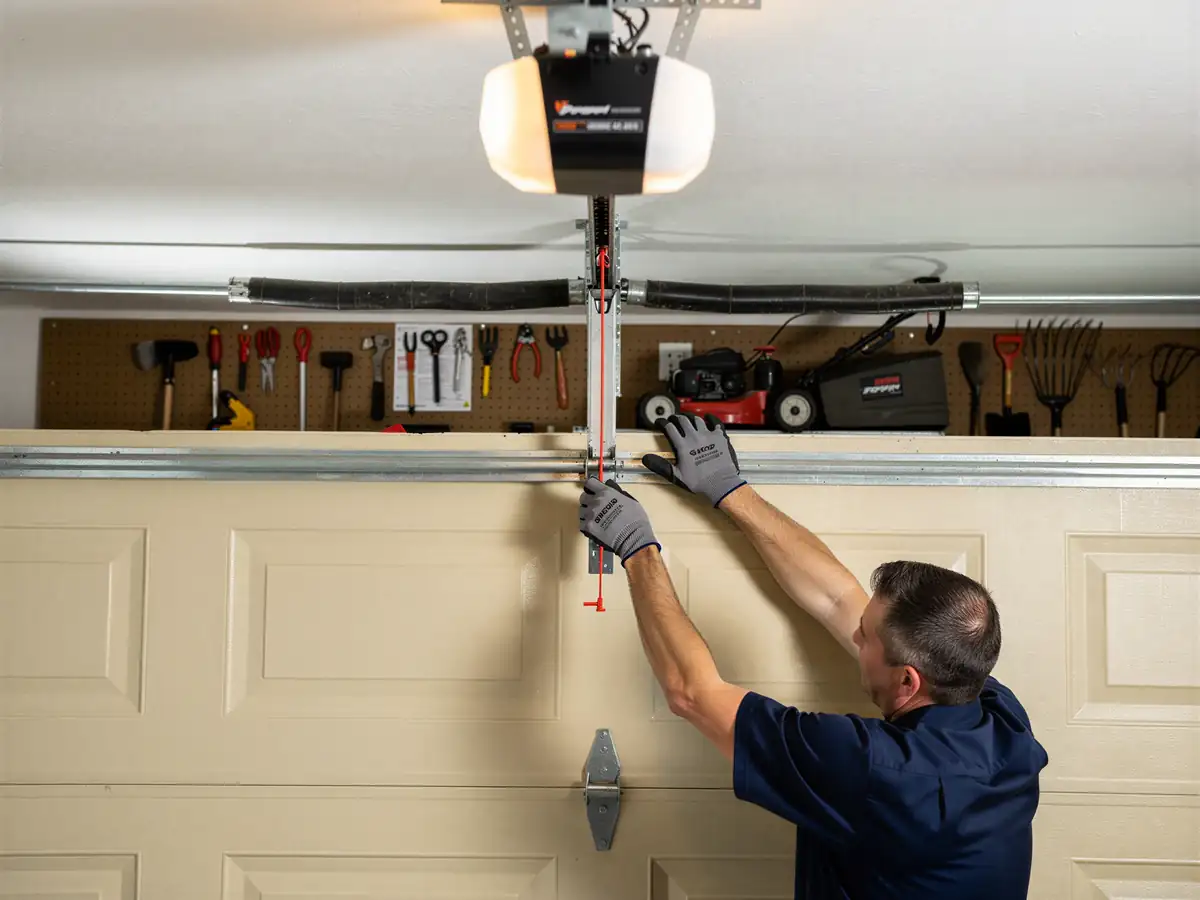
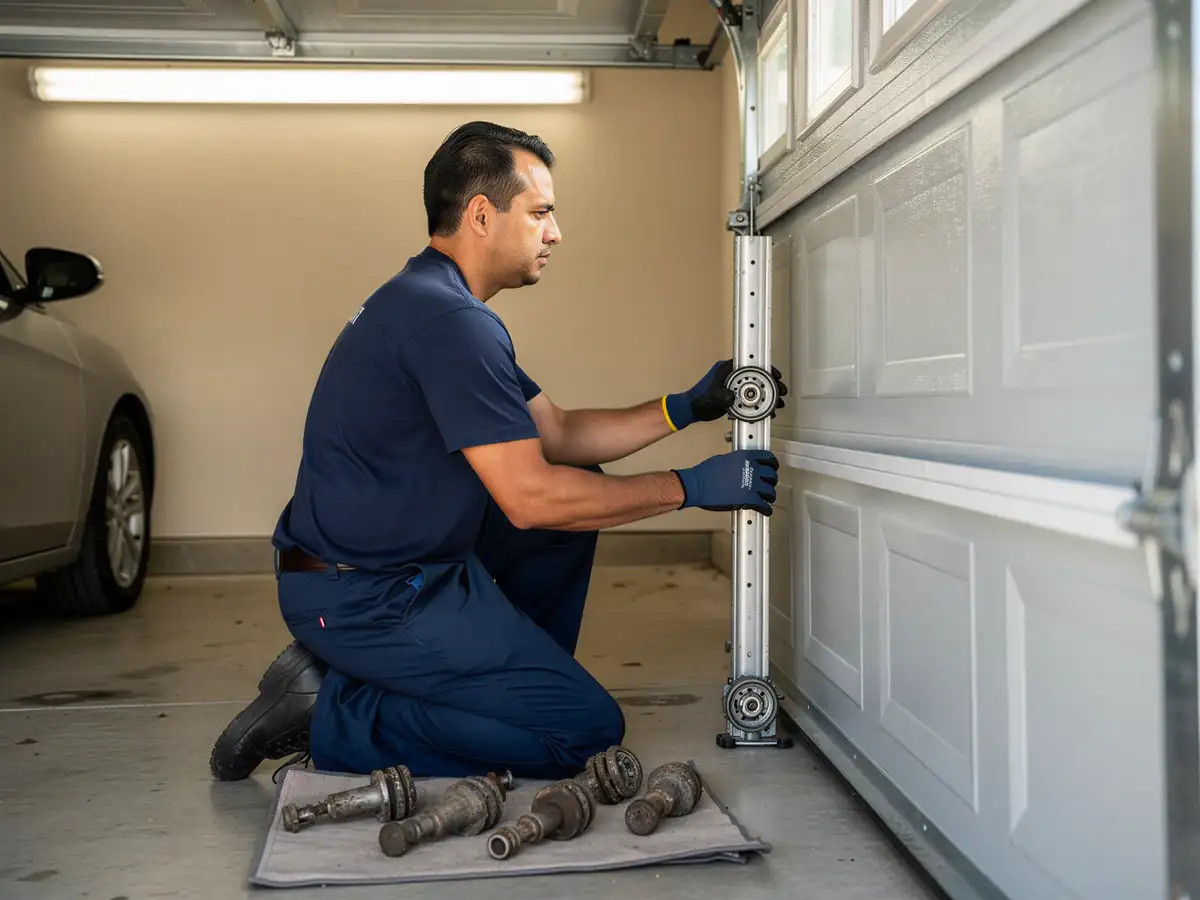
A single dented or cracked panel on a sectional door can sometimes be swapped without touching the spring system, but it depends on which panel it is. Bottom panels carry the bottom brackets and cable attachment points, and those come off tension you don't want to release by hand. Middle and top panels are more forgiving, but you still have to match the exact panel width and hinge spacing, and builder-grade doors from the 2000s used a handful of different panel profiles depending on the manufacturer at the time. Get the width wrong by even half an inch and the new panel won't seat against its neighbors. If you've got the door open, the track aligned, and a helper to hold the panel while you work the hinges, a single-panel swap on a lightweight steel door is doable. We won't pretend otherwise. What we will say honestly: if more than one panel is damaged, or the damage is on a door with a torsion spring mounted over the opening, call it in. Misjudging spring tension is how people end up in the ER, not how they save a weekend.
Parts We Carry
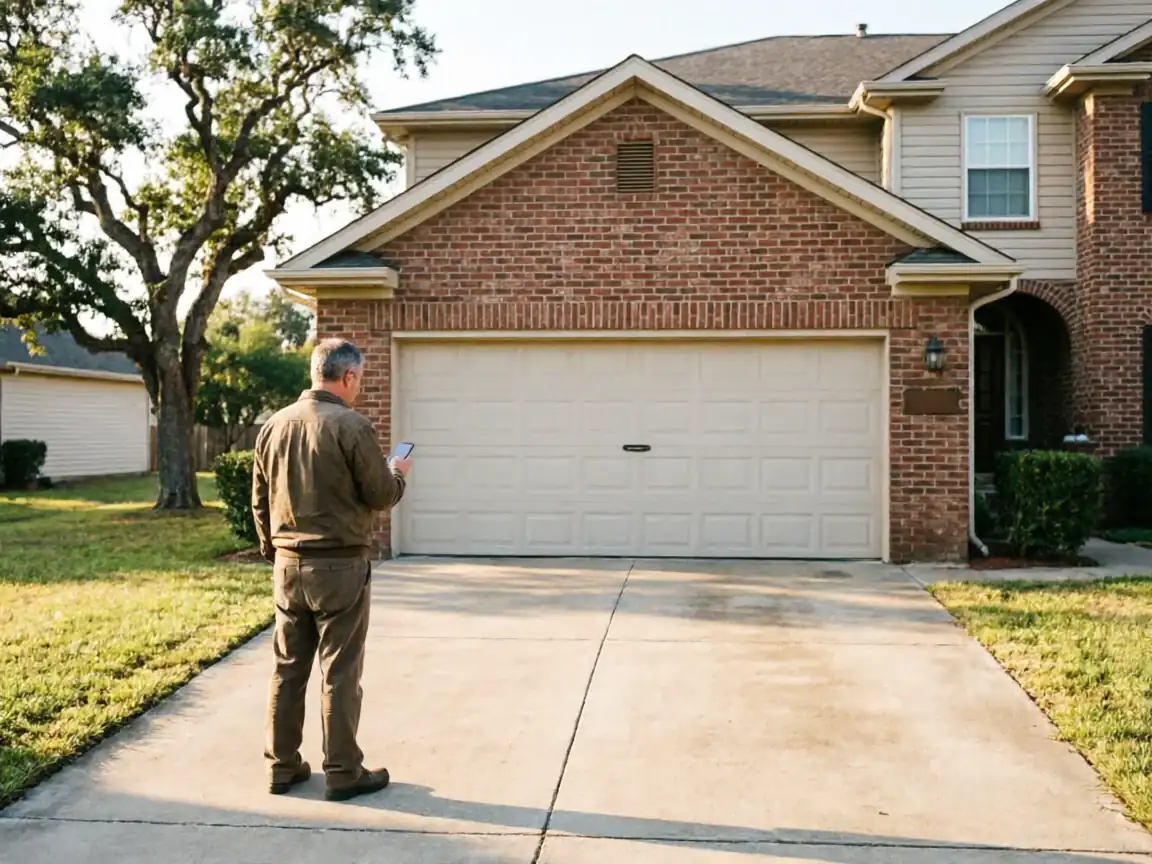
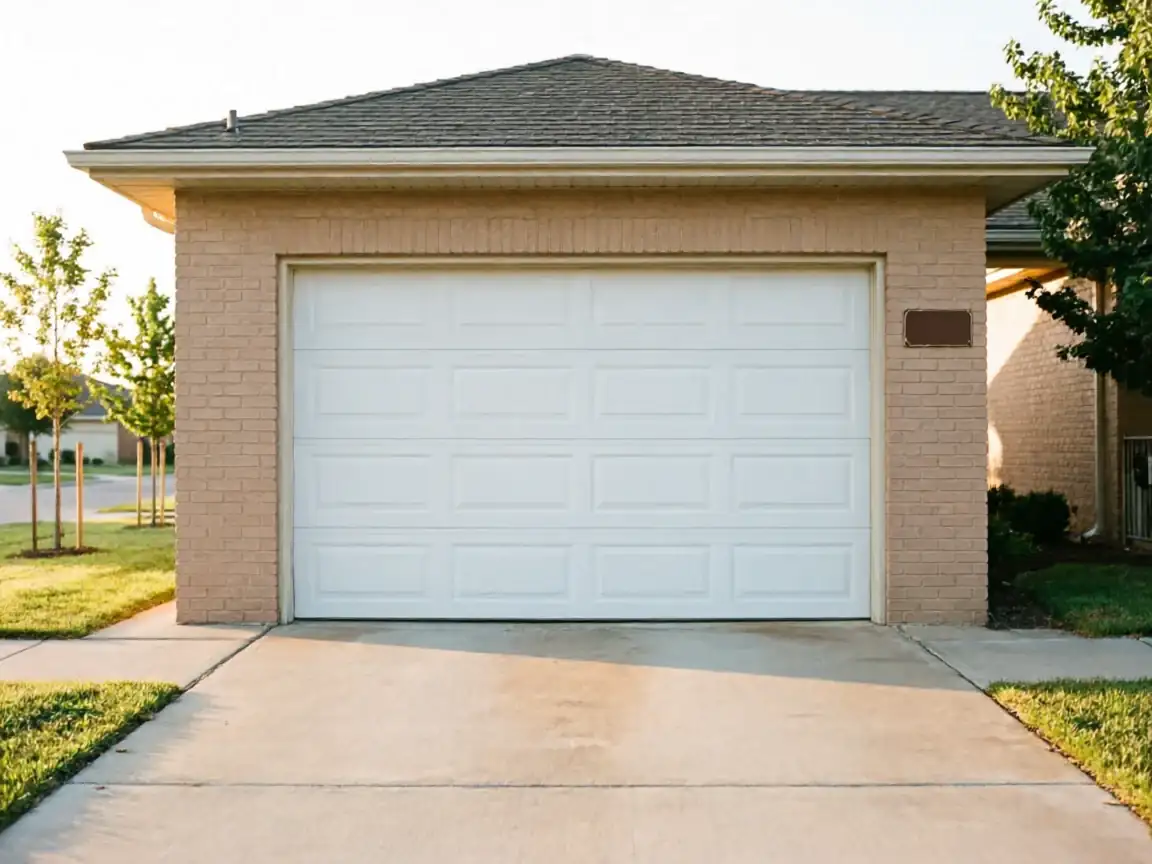
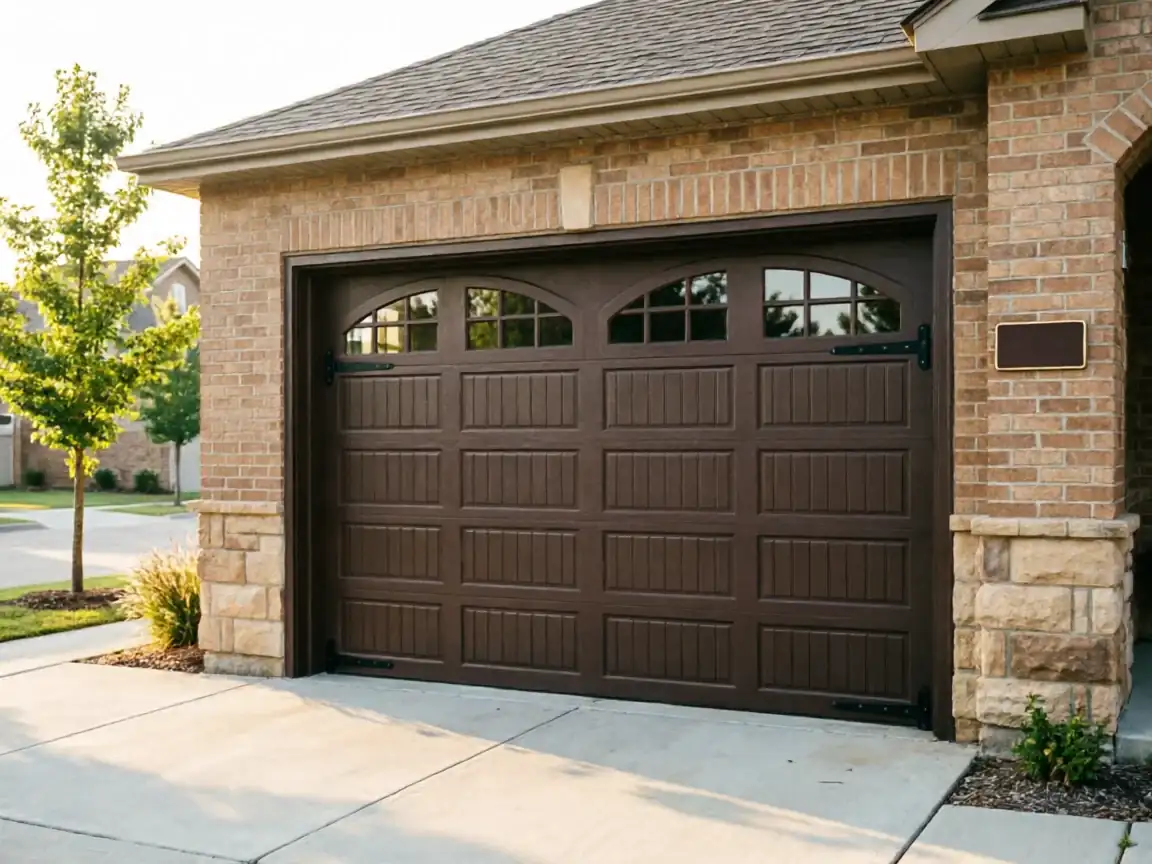
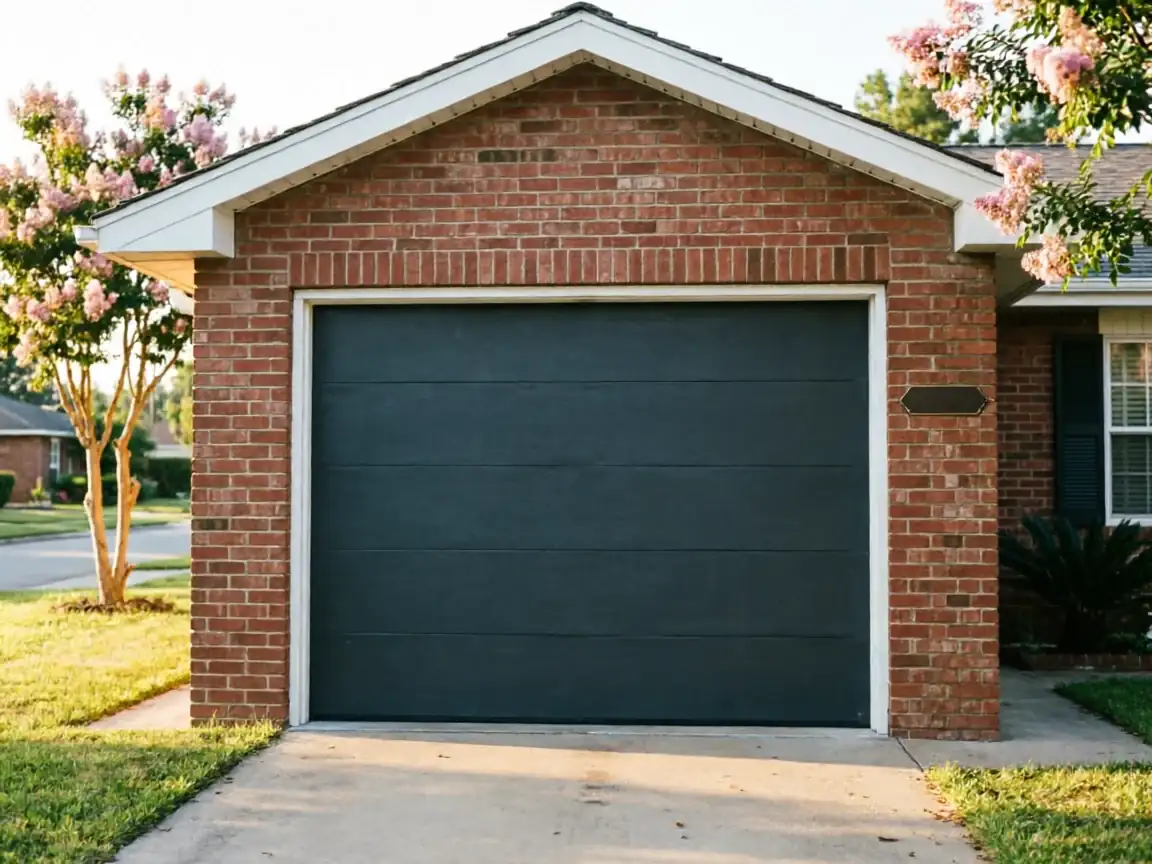
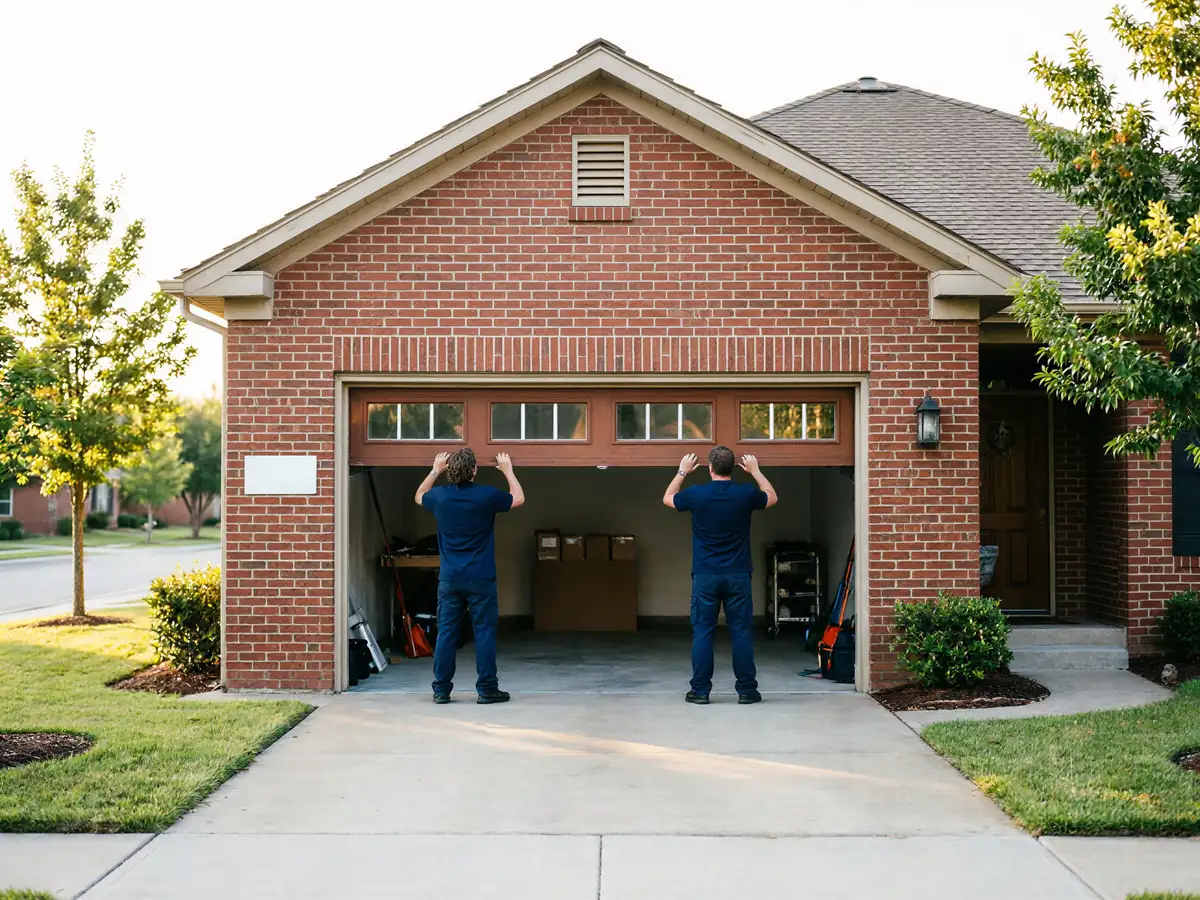
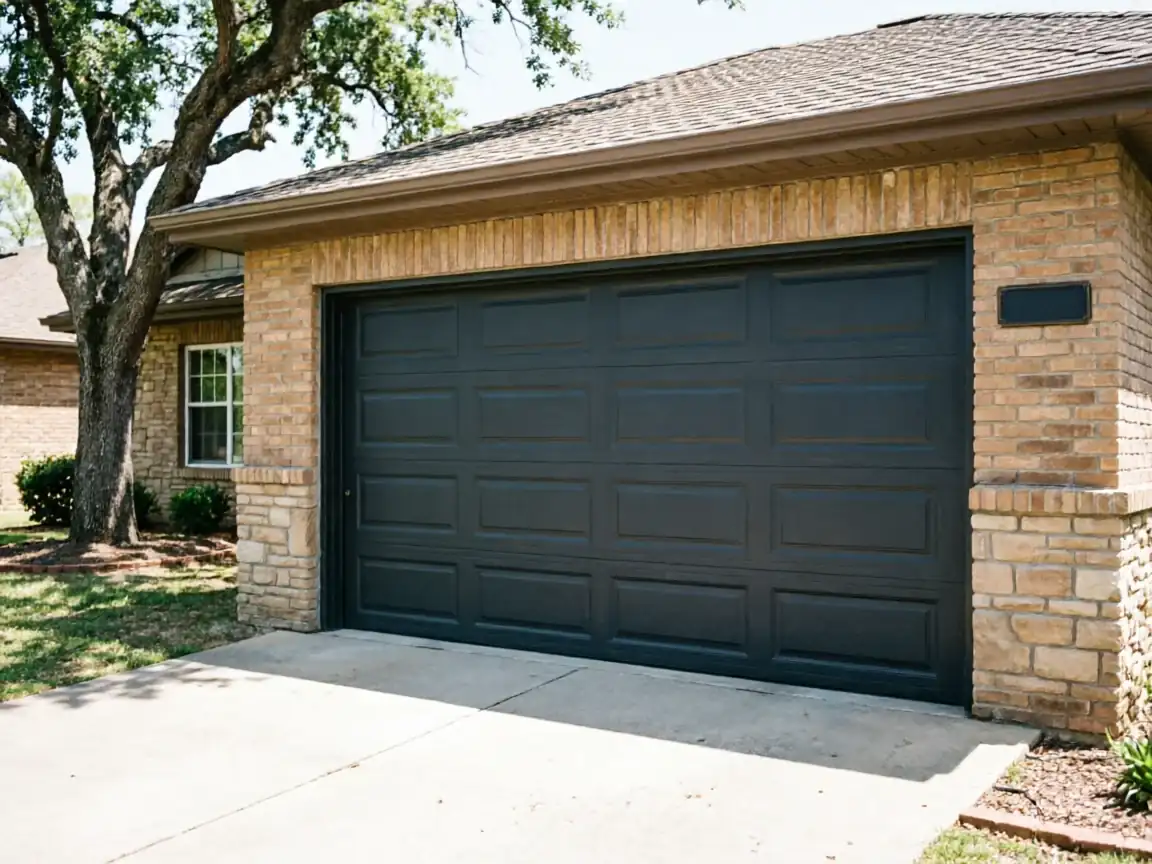
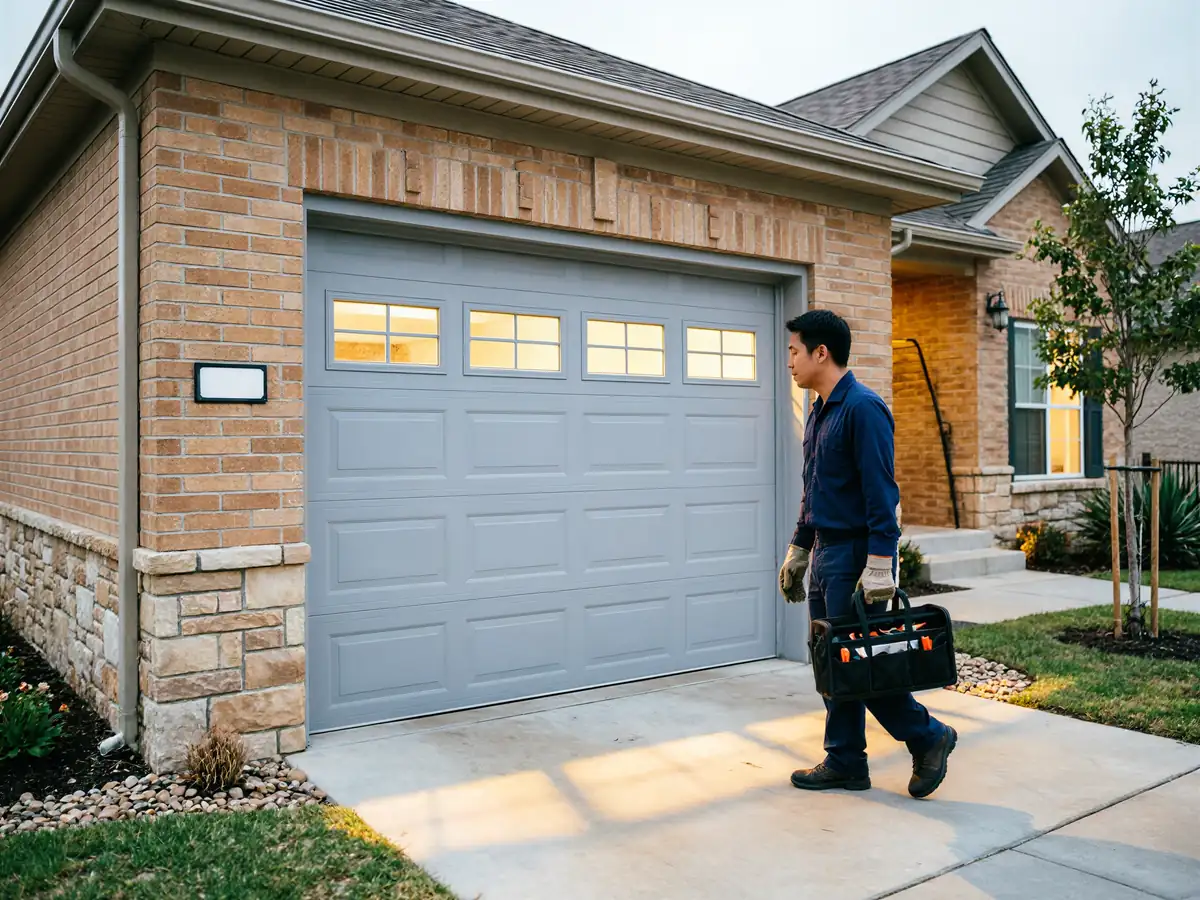
Most of the homes in Calhoun went up around 2005, which puts this pocket at the newer end of the service area's broader 1975-2005 build-out. That matters for panel stock: doors from this era are almost always factory steel sectional units, not the older wood or fiberglass styles you'll still find on houses built in the 1970s elsewhere in the area. We carry standard-width steel panels in the raised-panel and flush styles that were common on builder-grade doors through the 1990s and early 2000s, along with matching end caps and hinge hardware. What we don't always have on the truck is an exact color or texture match for a door that's faded or was a less common builder option - steel panels do fade unevenly over fifteen-plus years of sun, and a brand-new panel next to old ones can look slightly different until the whole door weathers together. We'll tell you that up front rather than let you find out after installation.
Why It Happens Here
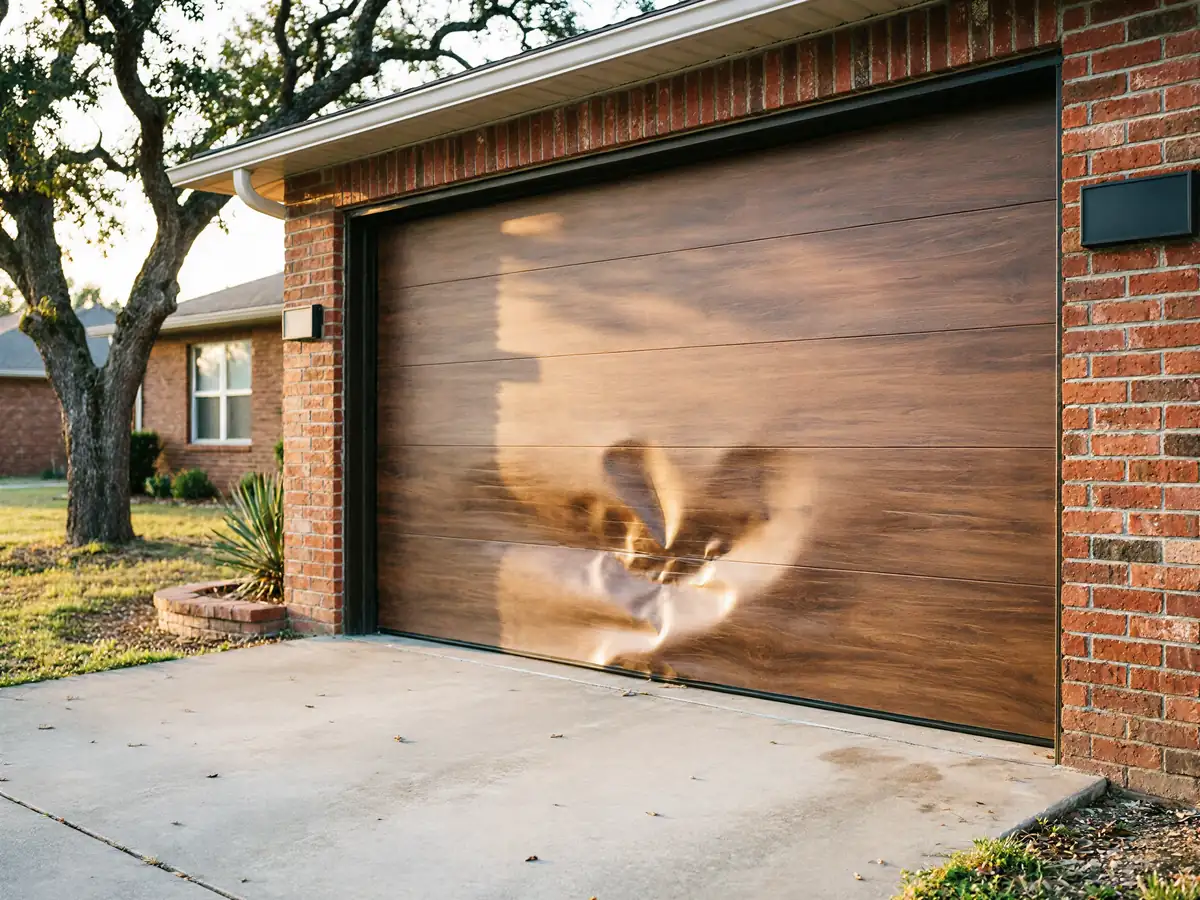
This area sits in a mild climate band with occasional freezes, not the deep-freeze cycles that crack panels outright, but enough seasonal swing to work on thinner steel over time. Because Calhoun's housing stock dates to around 2005, it caught the tail end of the building boom that put up most of the service area's homes between 1975 and 2005 - meaning a lot of these doors are now fifteen to twenty years old, right in the window where steel panels start showing fatigue at the hinge points and rust starts at the bottom panel where it sits closest to the ground. Builder-grade doors from that period also tended to use lighter-gauge steel than what's sold today, so a stray basketball or a trailer backed in too close leaves a dent that a heavier modern panel might have shrugged off.
What You Pay
We don't post a flat price for panel replacement because the real cost drivers vary by job: how many panels need replacing, whether the color and texture need to match an existing door, and whether we're swapping a standard panel or one with a window cutout. A single mid-door panel swap on a plain steel door is a smaller job than replacing a bottom panel with brackets and cable hardware attached, or replacing enough panels that a full-door match makes more sense than patching. Calhoun's median household income runs well above the rest of the area we cover, but that doesn't change what the parts or labor cost - the job is priced the same way here as anywhere else in the service area. We'll give you a number before we start, based on the actual panel count and door model, not a guess over the phone.