Doing It Yourself
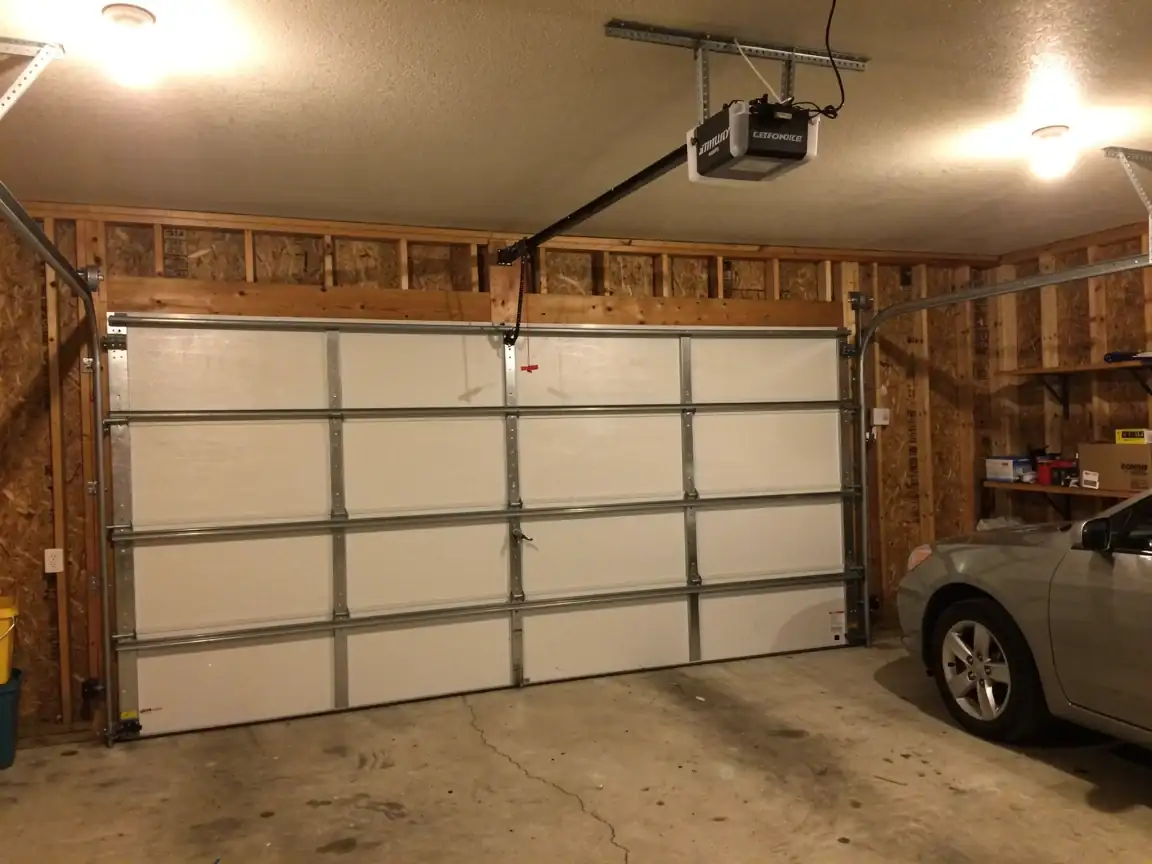
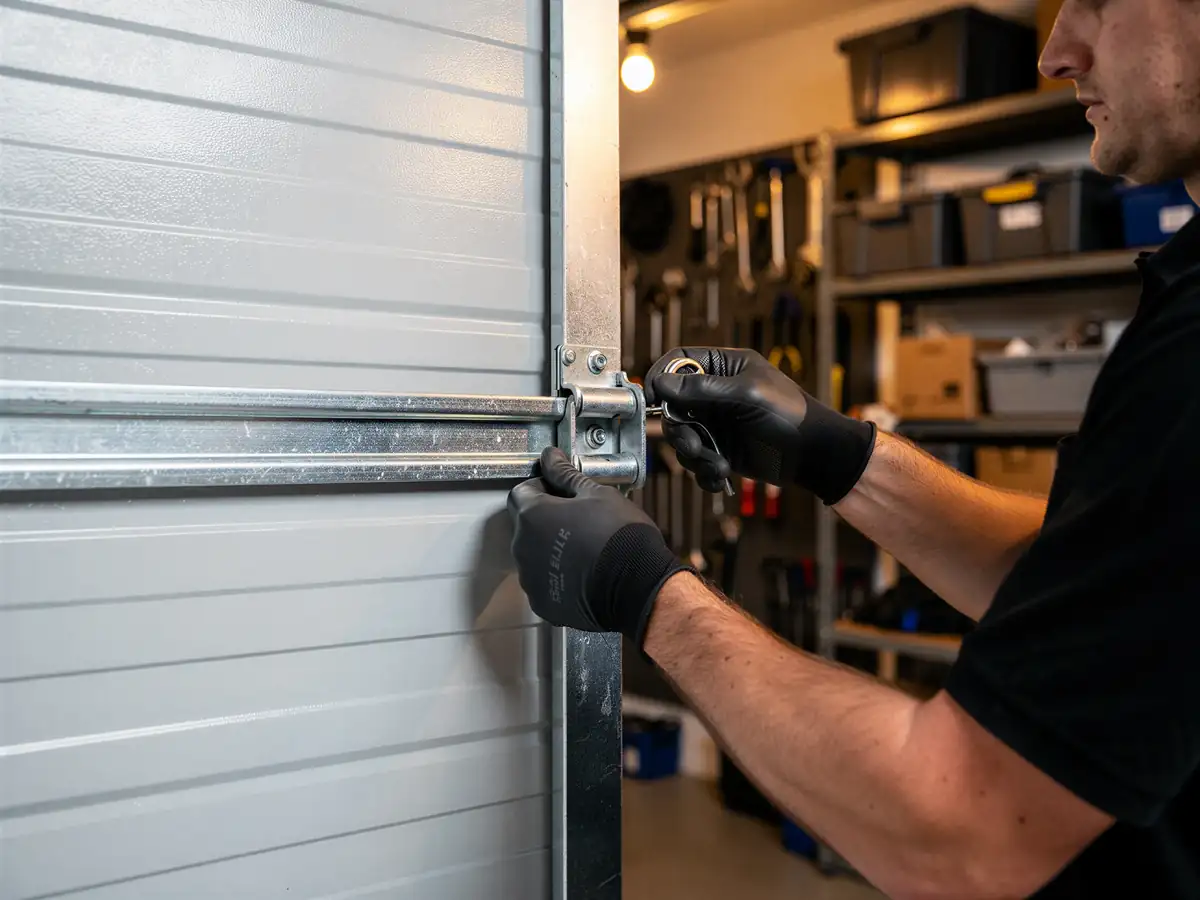
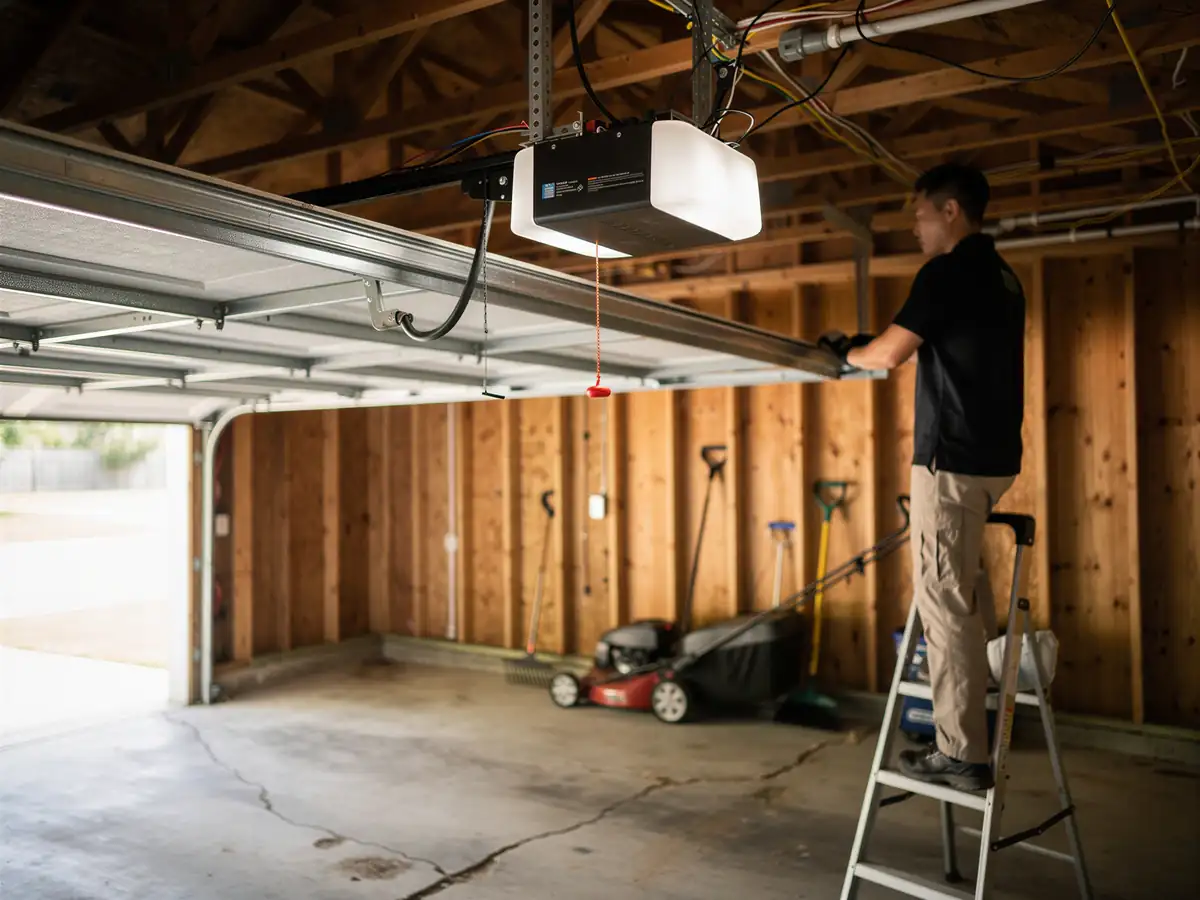
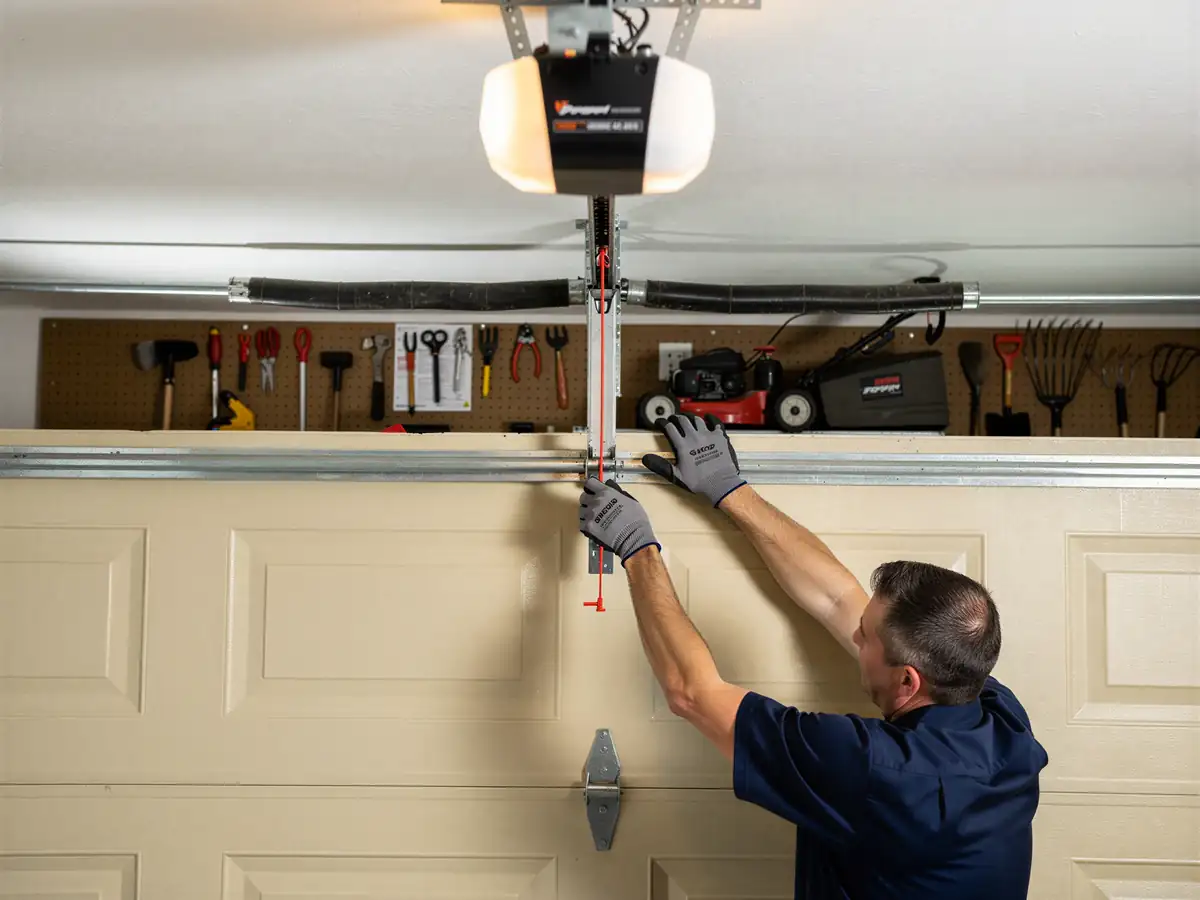
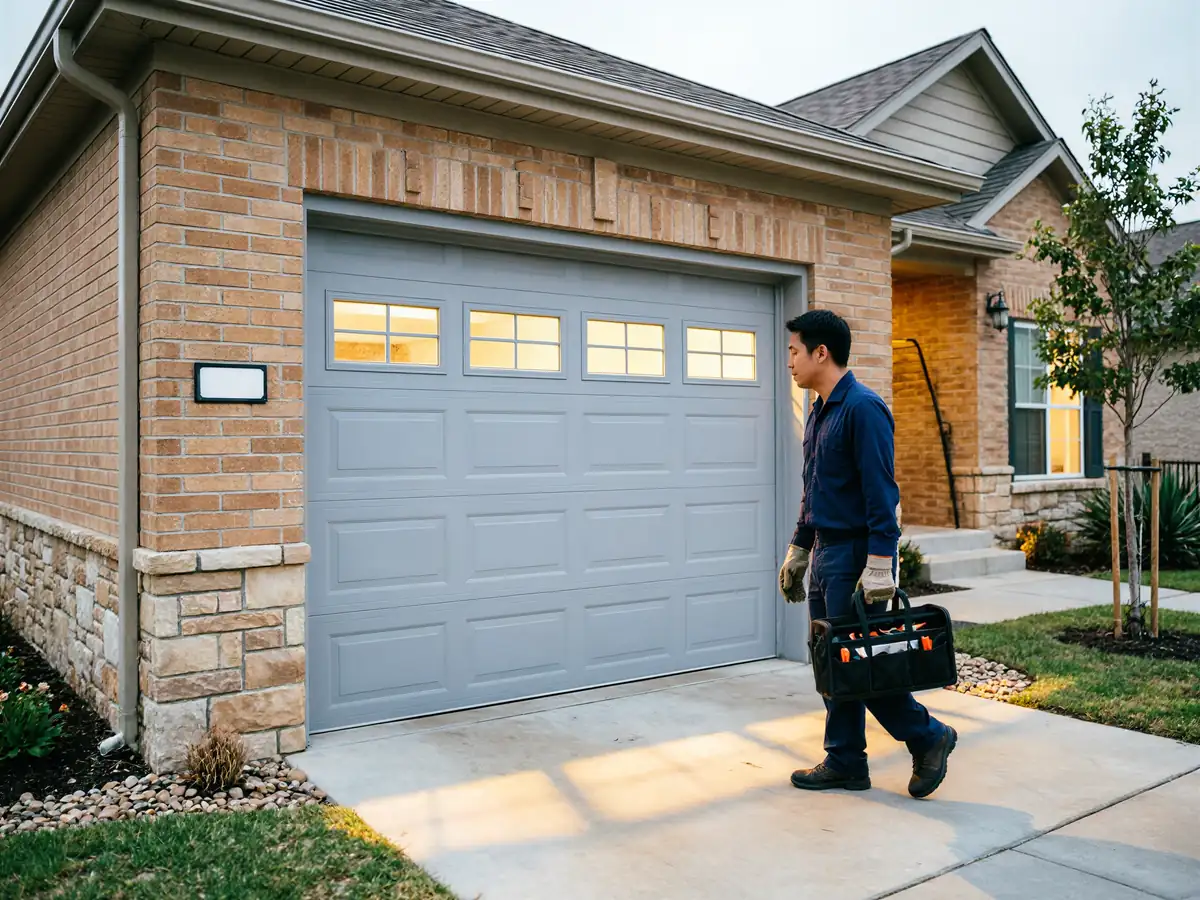
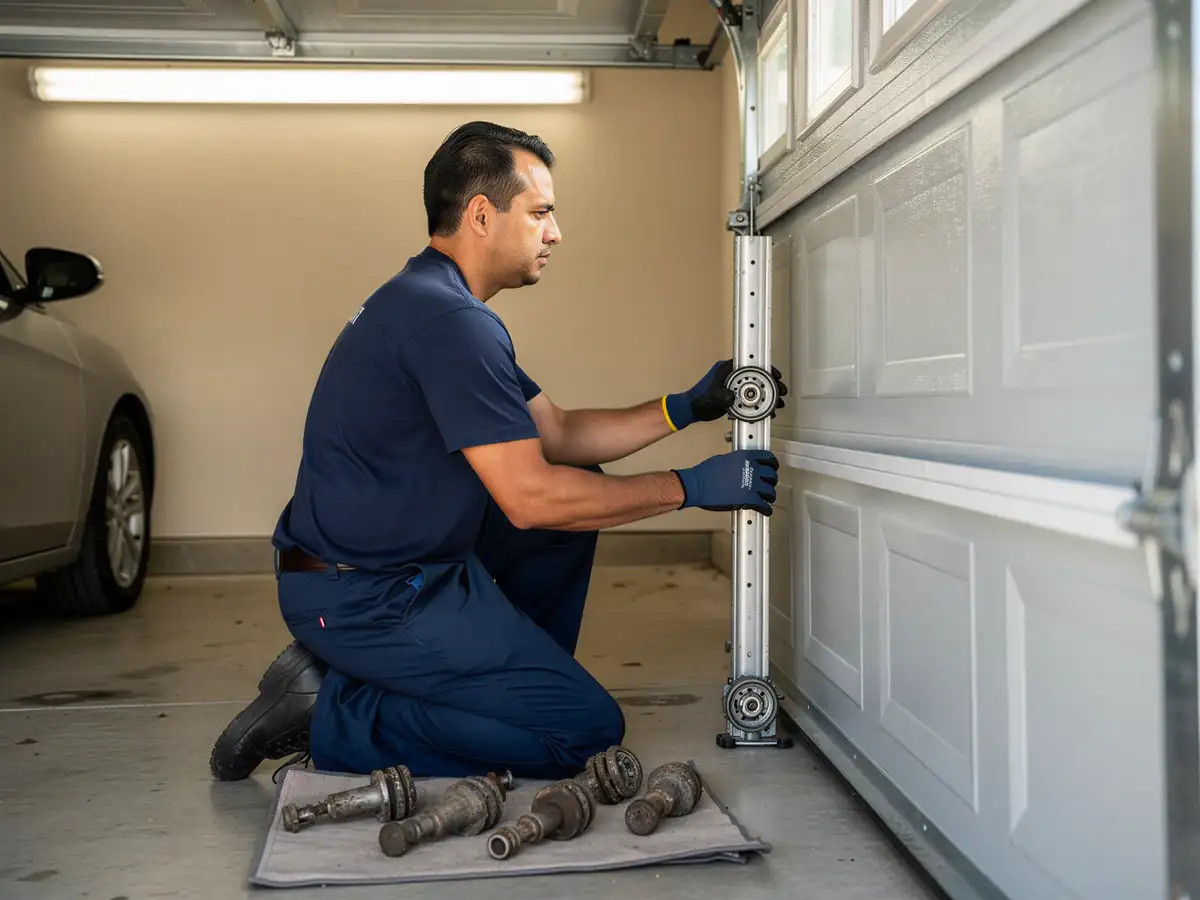
Swapping rollers is one of the more doable DIY jobs on a garage door, provided the door isn't under tension from a broken spring at the same time. You release the tension on the bottom bracket, slide the old roller out of the track, and work the new one in - no special tools beyond pliers and a step ladder for the top section. Where it goes wrong: Calhoun's garage doors are young enough, built around 2005, that most are still on the factory steel track with tight tolerances, and a roller swapped at a slight angle will bind the whole panel on the next cycle. The bottom corner rollers also sit close to the cable drum, and working near a loaded cable without knowing which way it's wound is how people lose fingers, not a figure of speech. We're honest that a single roller or even a full set of ten isn't usually worth a truck roll on its own unless the door is also showing panel damage or the opener is straining - sometimes the math says do it yourself and call us if something else turns up.
Parts We Carry
We stock nylon rollers with sealed ball bearings as the standard swap - quieter than the stamped-steel rollers builders used through the 1980s and 90s, and they don't need grease. For doors where the owner wants to cut noise further, we carry steel rollers with a nylon tire, which run a little more but hold up better on heavier doors. We don't stock the open-bearing steel rollers that came standard on older builder-grade doors; if a house still has those, we replace the full set rather than patch one, since the old style isn't worth sourcing anymore. We also carry the longer-stem rollers some doors need when the hinge has worn oval over time - a five-minute check on arrival tells us which stem length a given door needs.
Why It Happens Here
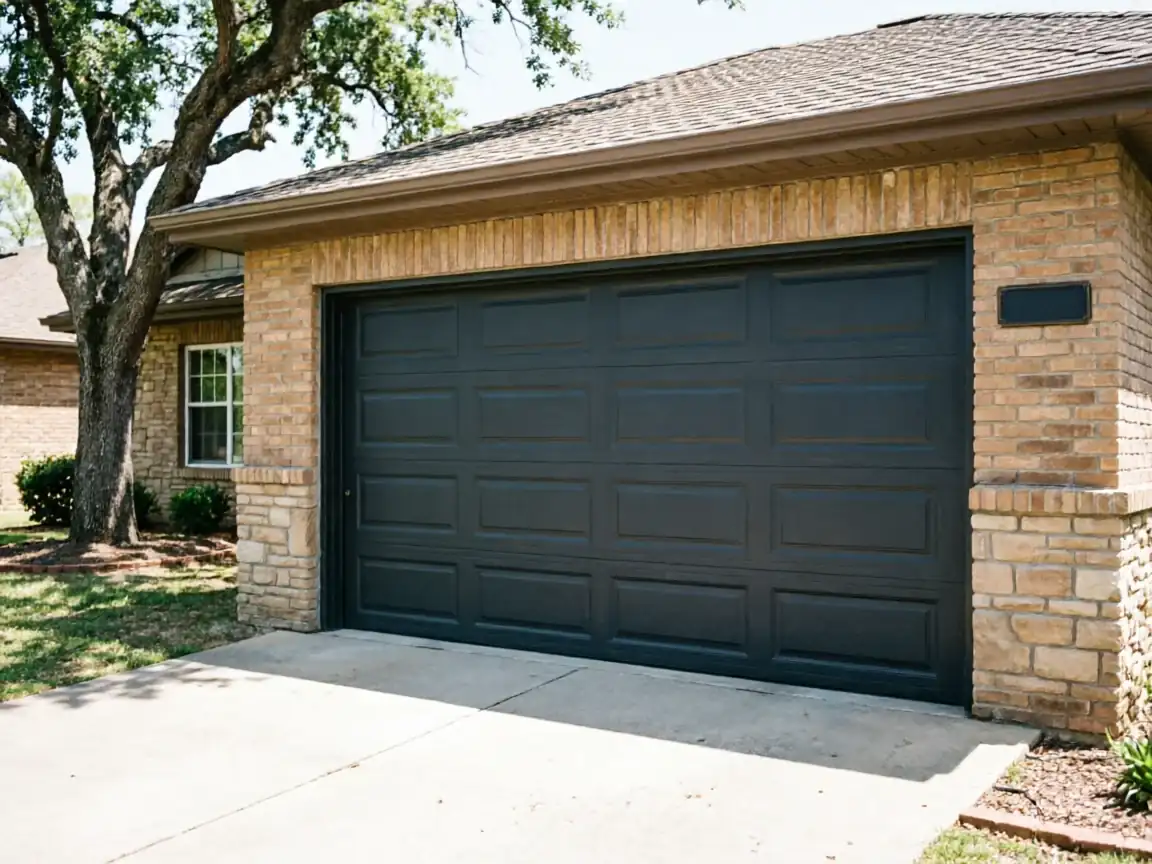
Calhoun's housing stock clusters tightly around 2005, noticeably newer than the 1985 median across the rest of the service area. That matters for rollers specifically: nylon rollers have a working life in the range of fifteen to twenty years under normal cycling, and a door built in the early 2000s is now sitting right at that mark. We're not dealing with the mix of 1980s steel doors and older one-piece units you find closer to the service area's core - Calhoun's doors are more uniform in age, which means when one roller starts going, the other nine on that door aren't far behind, and the neighbor's door built the same year is often close behind that. Add the region's mild climate with occasional freezes and the plastic in an aging nylon roller gets brittle enough to shed a chip off the wheel edge, which is usually the first sign anyone notices.
What You Pay
We don't have a Calhoun-specific price list to quote here, and we're not going to make one up - the honest answer is that cost depends on whether it's one roller, a full set of ten, and whether the stems or track show wear that needs attention at the same time. What we can say: Calhoun's median household income runs well above the wider service area's figure, and in practice that shows up as more owners choosing the steel-and-nylon roller over the plain nylon one when we quote the job, since the price difference between the two is small relative to a service call from Monroe. Ask for a number when you call - we'll give you one based on what you describe before anyone drives out.