What You Pay
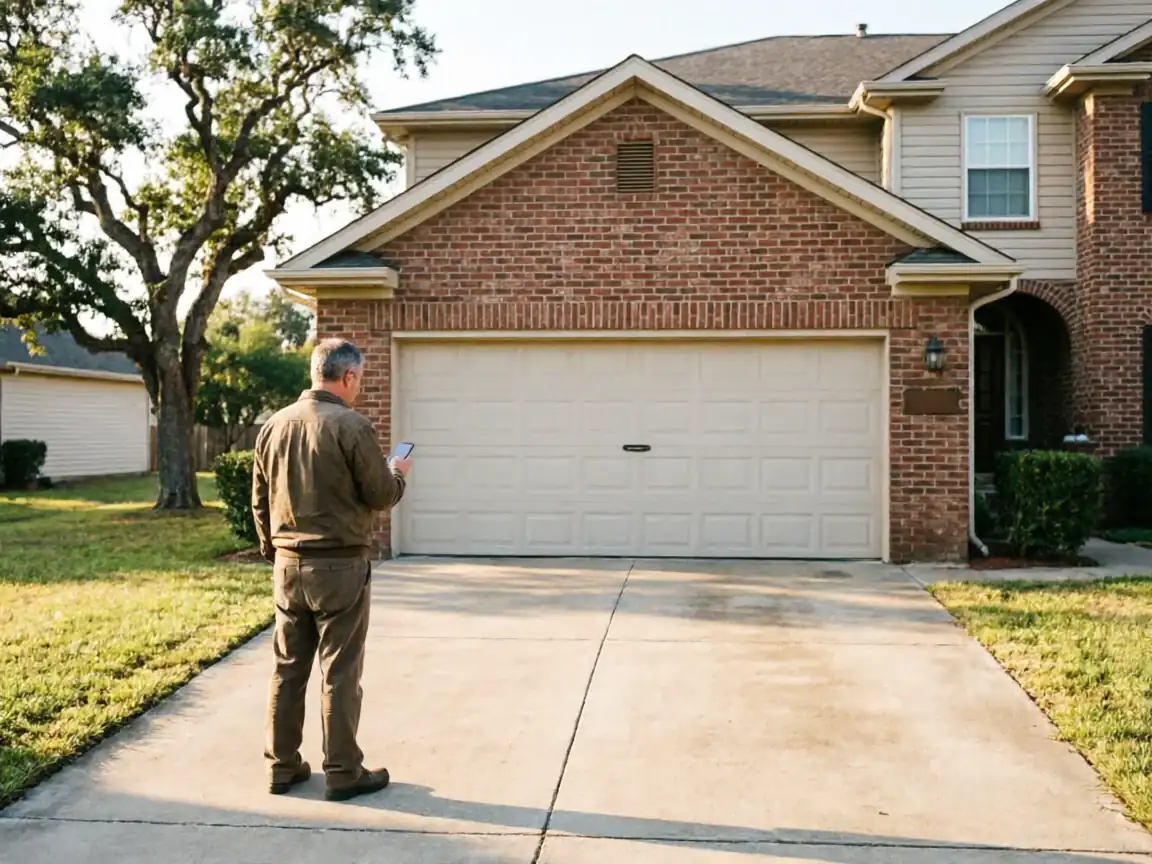
We don't quote a flat number for Claiborne sight unseen, because the job on a late-1980s door isn't the same job as a 1975 door, and we don't have a published price list to hand you here anyway. What we can tell you is what drives the bill: whether the spring is a standard torsion size or something oddball from a builder-grade door of that era, whether the opener is original or already replaced once, and whether the track is still square. Claiborne's housing mostly dates to around 1989, which puts it on the newer end of the wider Monroe service area's 1975-2005 range. That matters because doors from this period usually came with torsion springs rather than the older extension-spring setups still common on the oldest homes closer to the city. Torsion parts are more standardized, which tends to keep repair costs more predictable than on an older door where the hardware was swapped out piecemeal over 35 years. We travel out from Monroe for every call here, about seven miles each way, and that's folded into how we schedule the day rather than tacked on as a separate trip charge line.
How Long It Takes
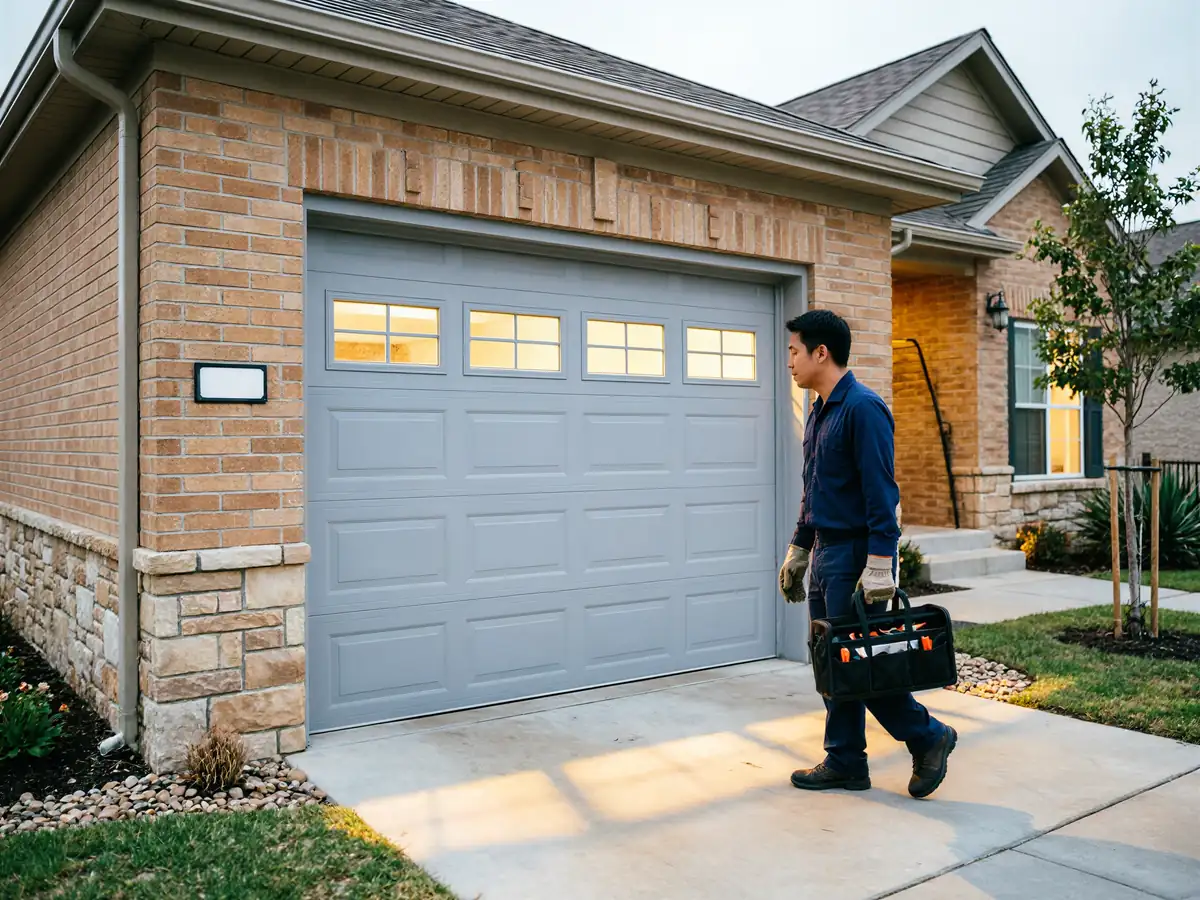
A straight spring replacement on a standard torsion setup, which is what most Claiborne doors carry, is usually a same-visit job once we're on site - an hour or so of work. Where it runs longer is when the opener is original to a late-1980s install and parts for that generation aren't something we carry on the truck; then we're ordering and coming back. We don't keep a depot in Claiborne, so every job here starts with the drive from Monroe, roughly seven miles, and we build that into the day rather than promising a specific arrival window we can't back up. If you need the door operable the same day for security or weather reasons, say so when you call - it changes how we sequence the route, though it doesn't change physics if a part has to be ordered.
What the Fix Involves
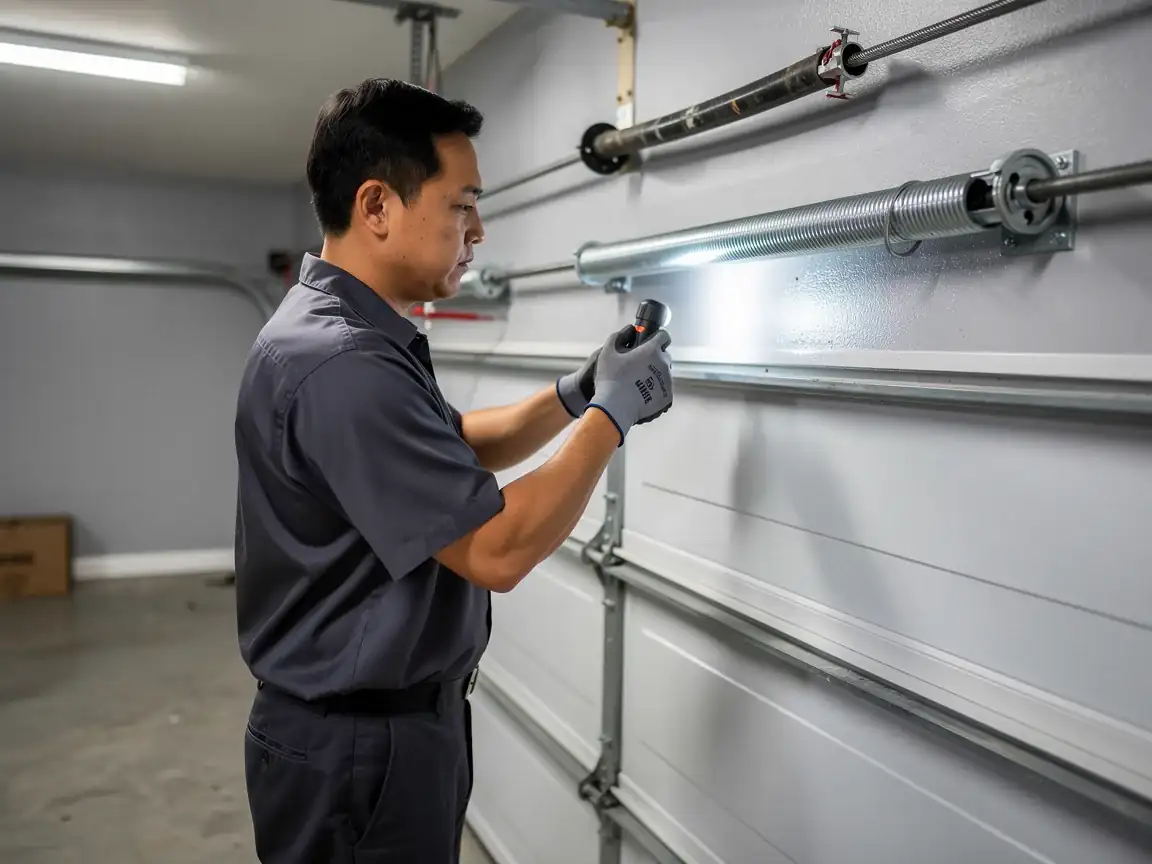
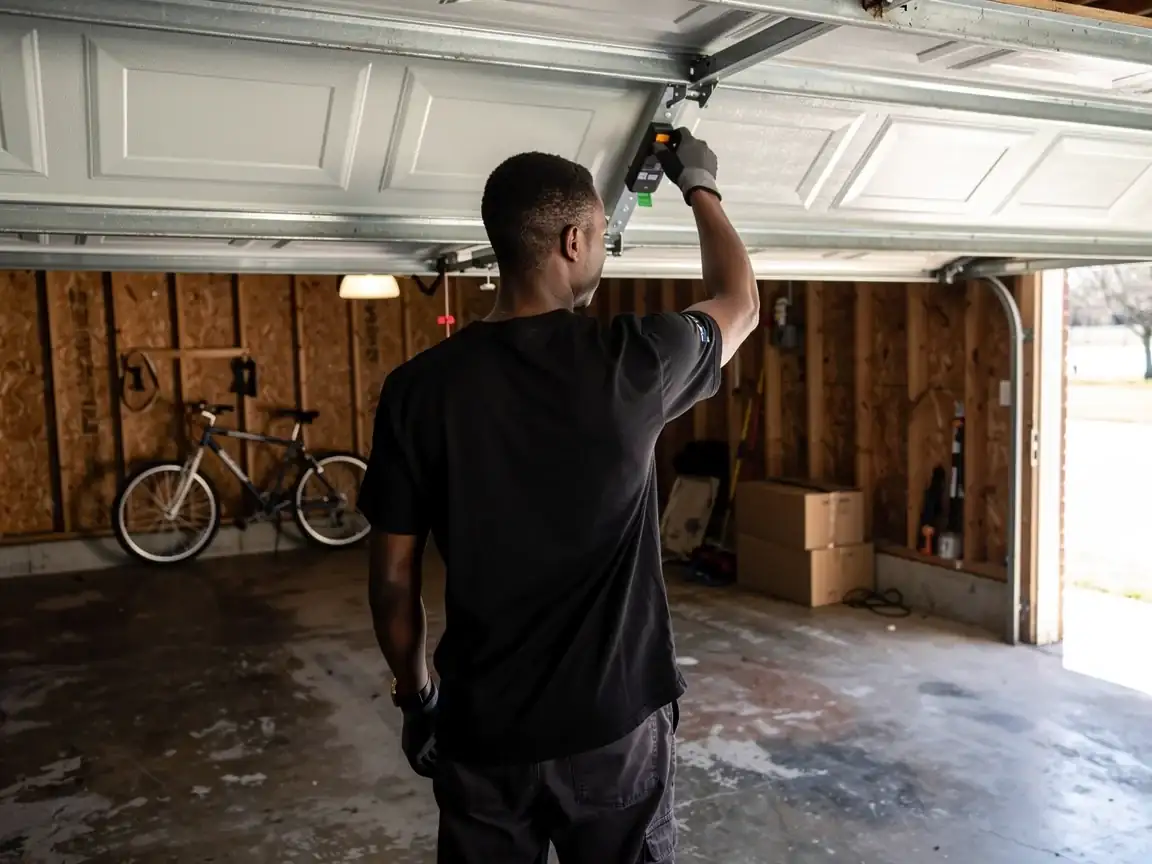
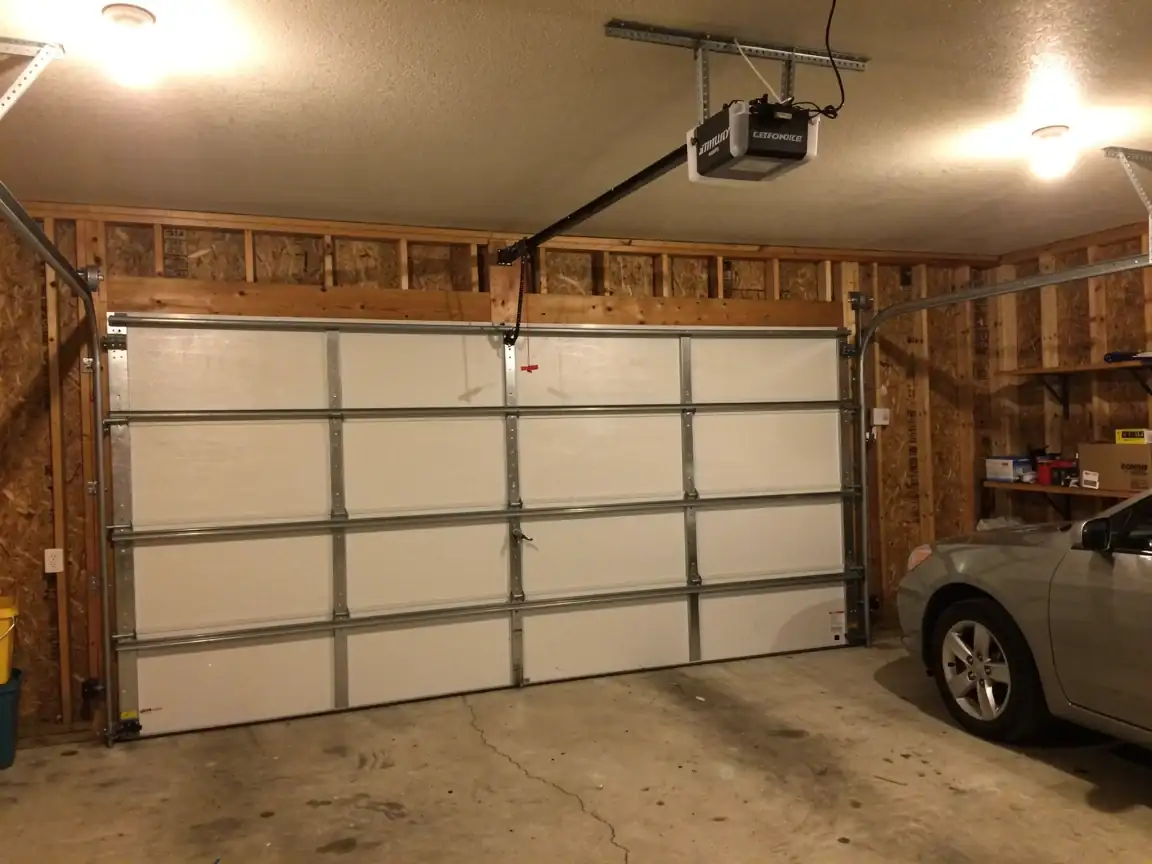
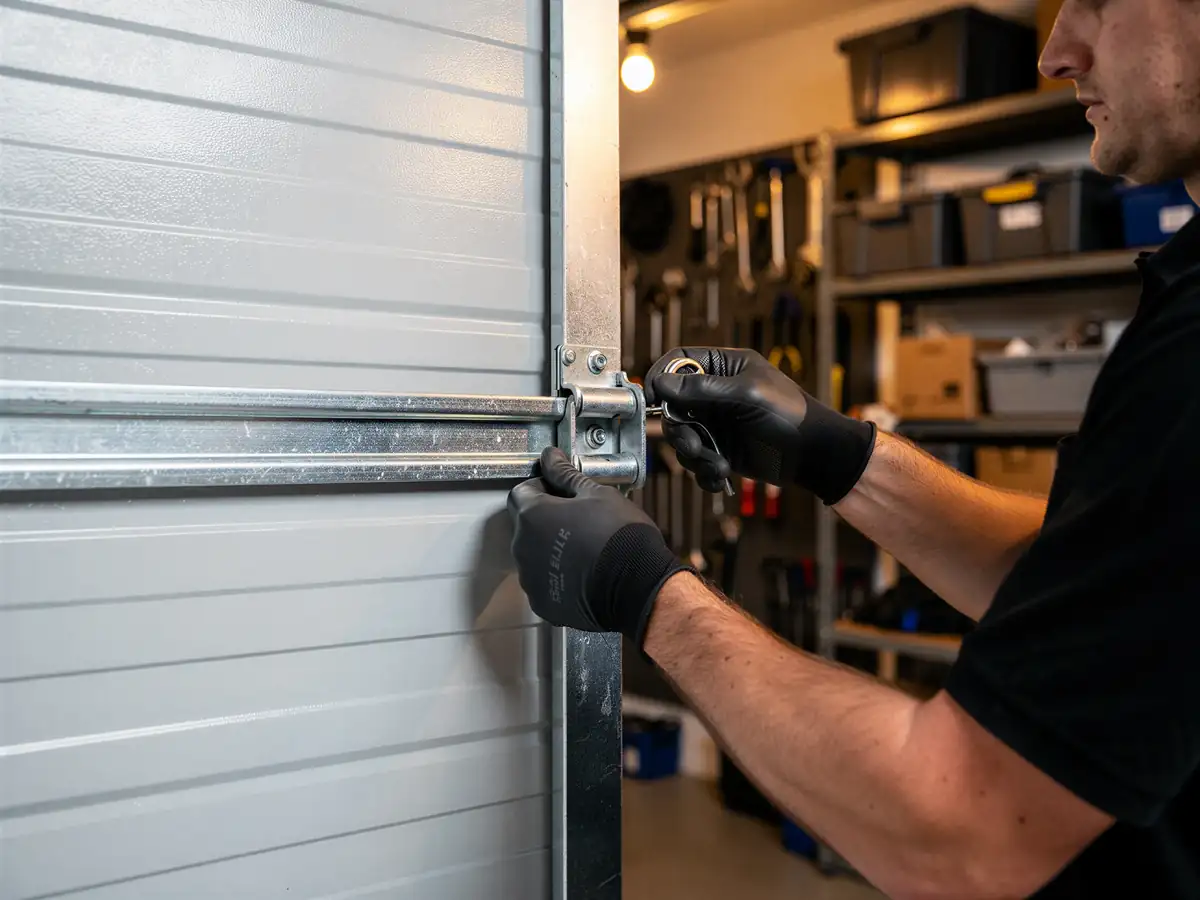
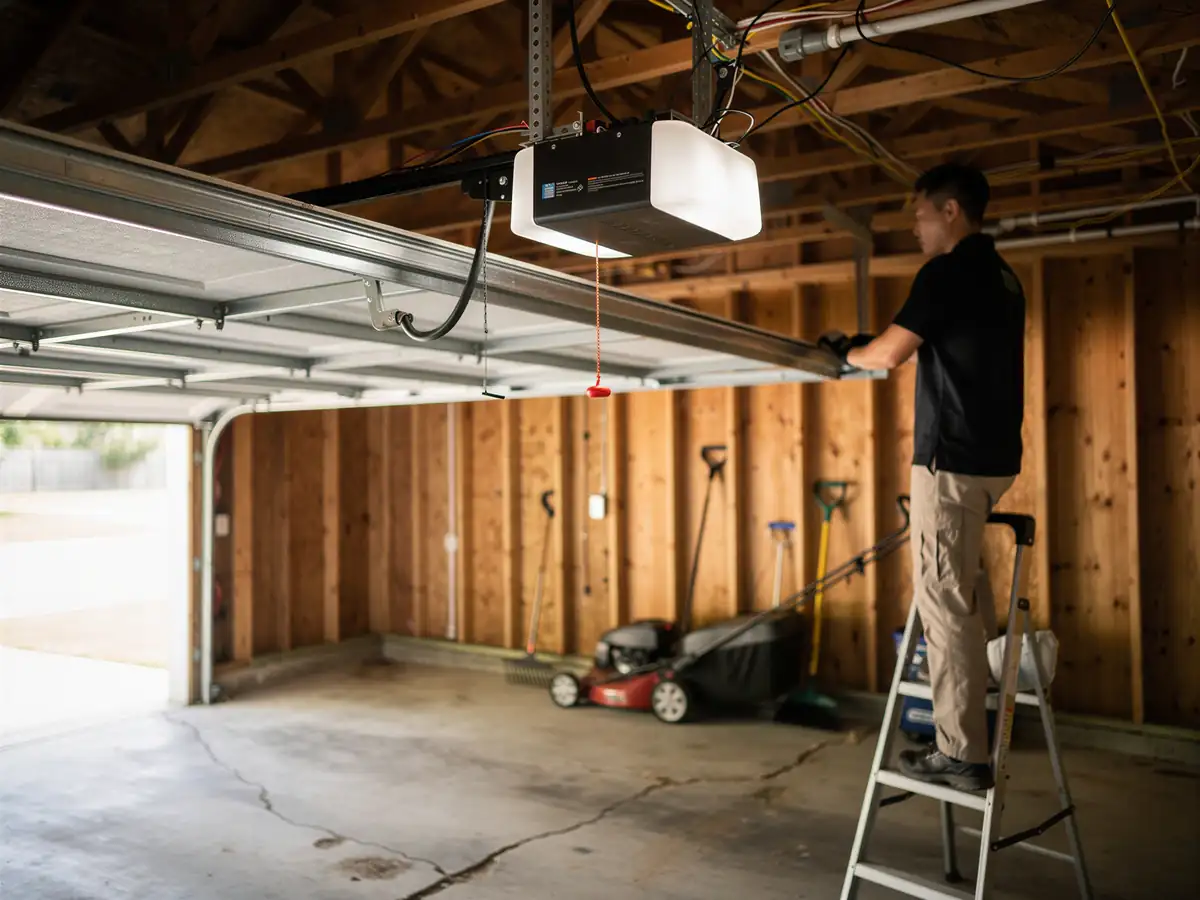
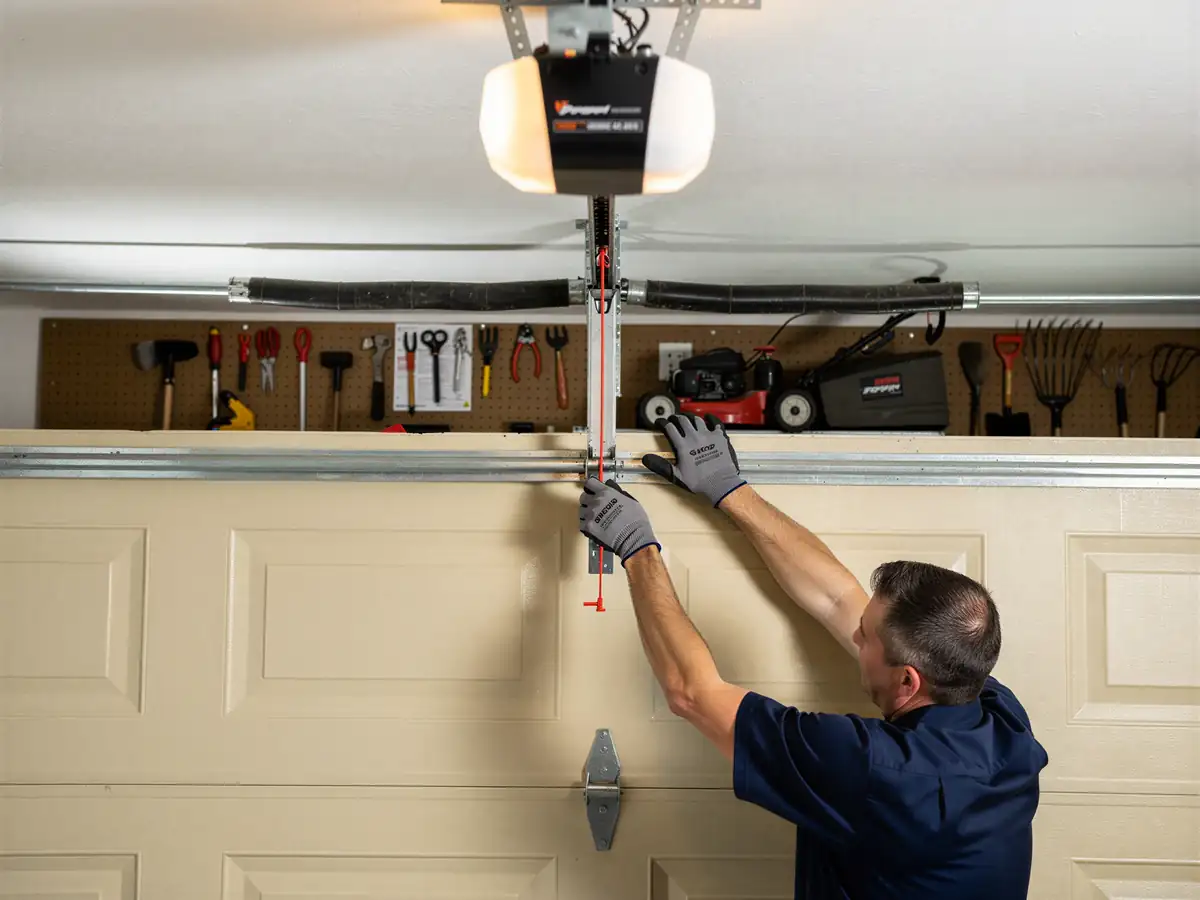
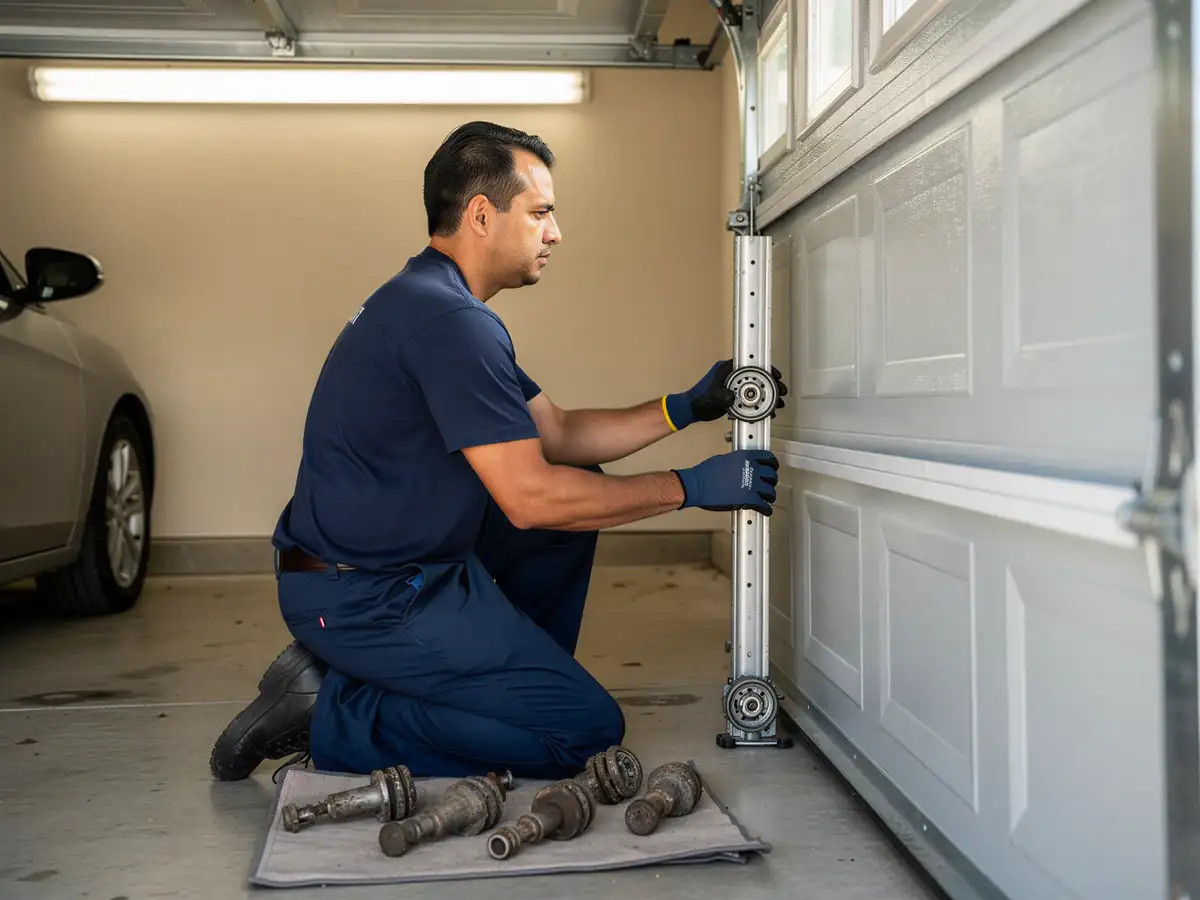
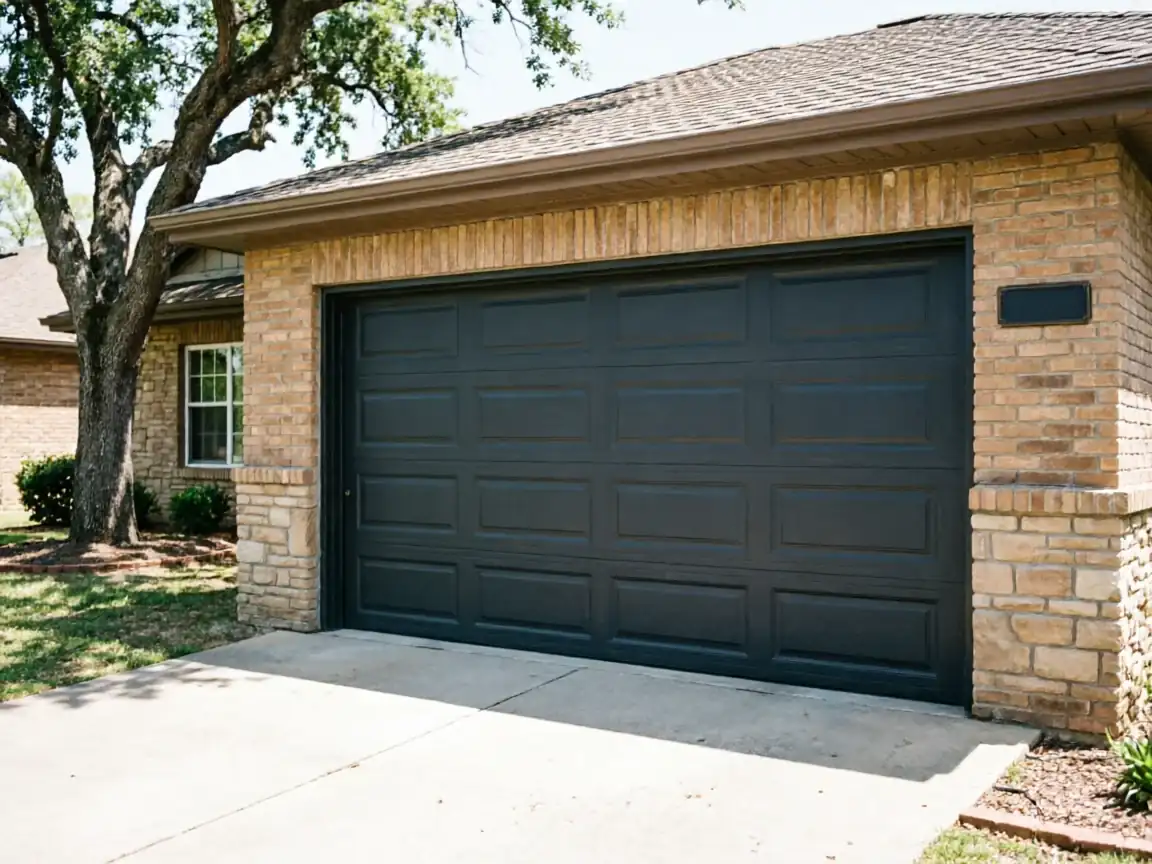
On a late-1980s torsion door, the usual failure points are the spring itself, the cables that run alongside it, and the rollers if nobody's touched them since the house was built. We pull the old spring under control, measure wire gauge and wind length against the door weight (a 1989-era door is often lighter-gauge steel than what you'd find on a 1970s panel door, so we don't assume the replacement spring matches what's on an older neighbor's house), and we check the track alignment while we're in there since a door this age has usually had one opener swap already that may have nudged the mounting. If the opener itself is still the original unit, we'll tell you straight whether it's worth repairing or whether the safety sensors and drive mechanism have aged past the point of a sensible fix. We won't talk you into a full opener swap if a $40 part solves it.