What You Pay
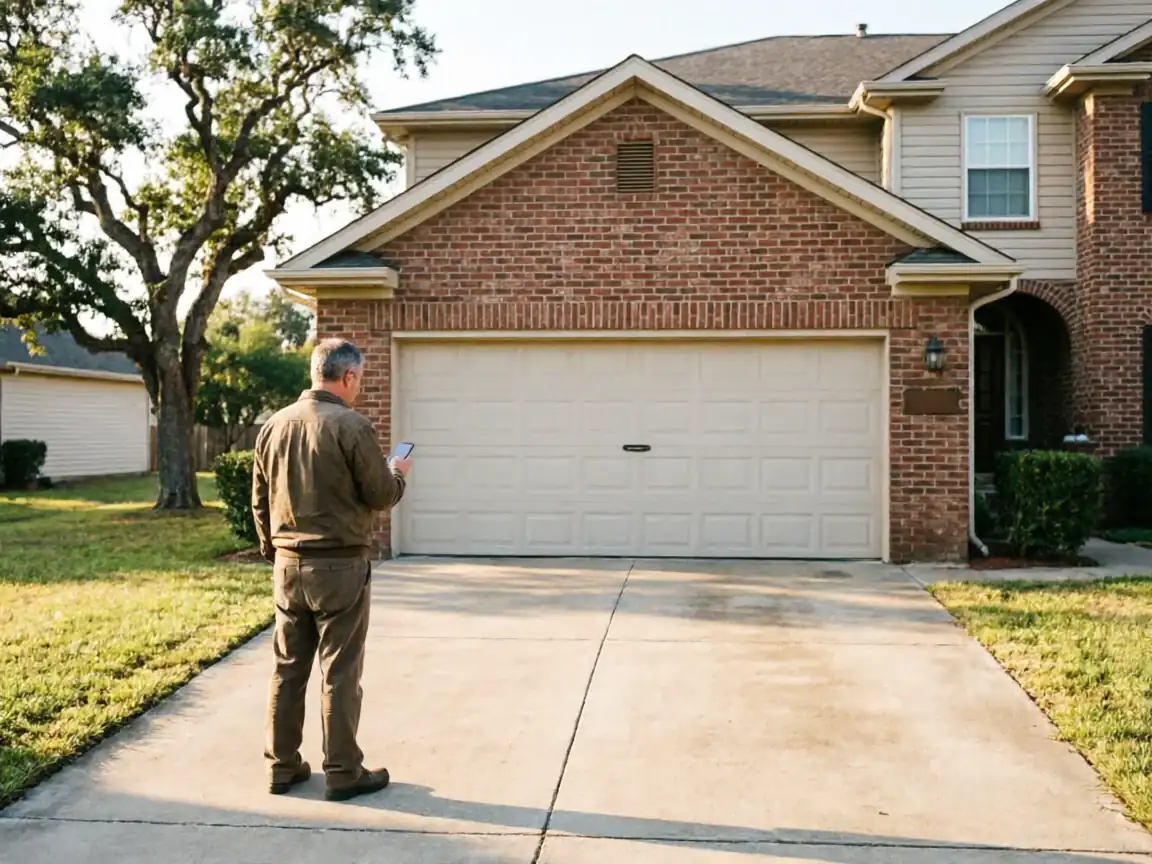
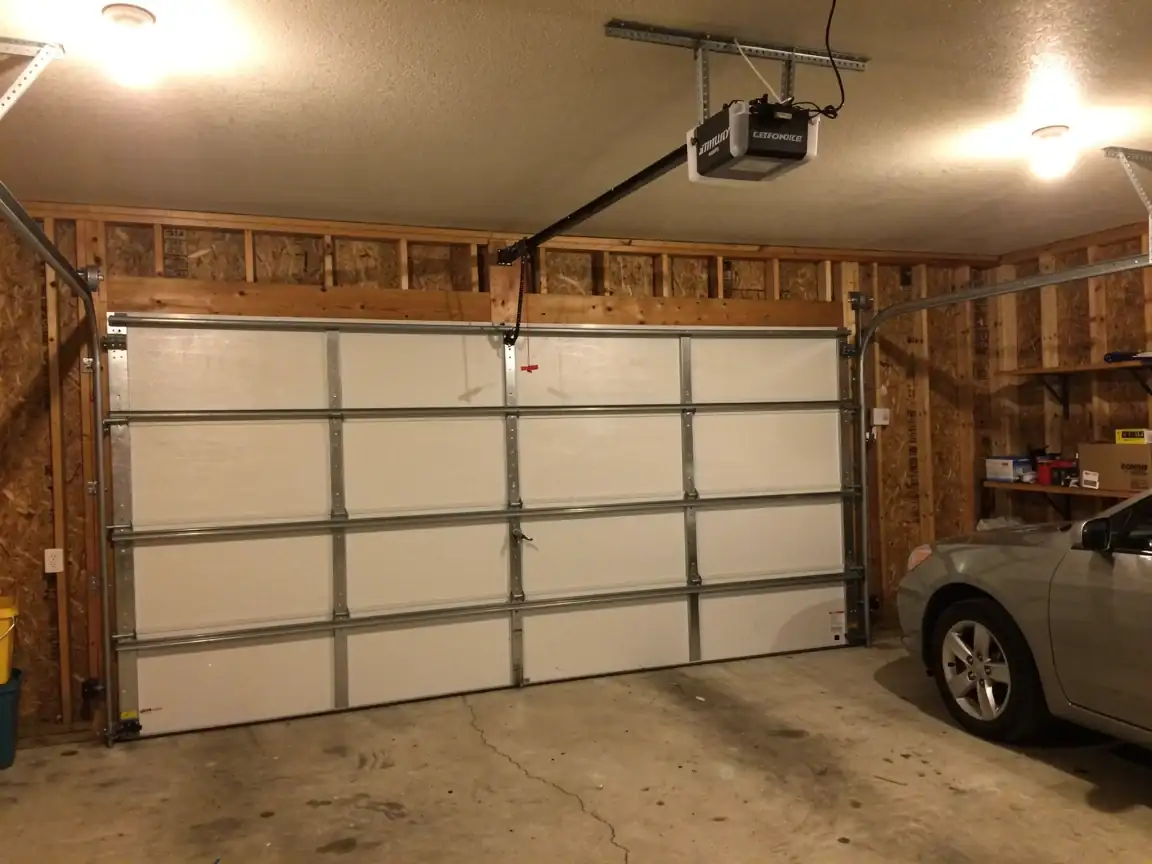
What you pay for opener repair in Claiborne usually comes down to what's actually broken, not the brand on the unit. A dead capacitor or a burnt logic board costs less to fix than a stripped gear or a motor that's seized. With median household income in this area at $69,173, a good chunk of the market here calls us for a repair quote before they'll even consider a full opener swap, and that's often the right call if the motor and rail are sound. We don't quote a flat number for every job because a keypad failure and a motor replacement aren't the same work. What we can tell you is that most of what fails on a unit installed when these Claiborne houses went up - around 1989 - is a handful of predictable parts: capacitors, drive gears, circuit boards, and the wall control. None of those require tearing into the door itself, which keeps the bill down.
How Long It Takes
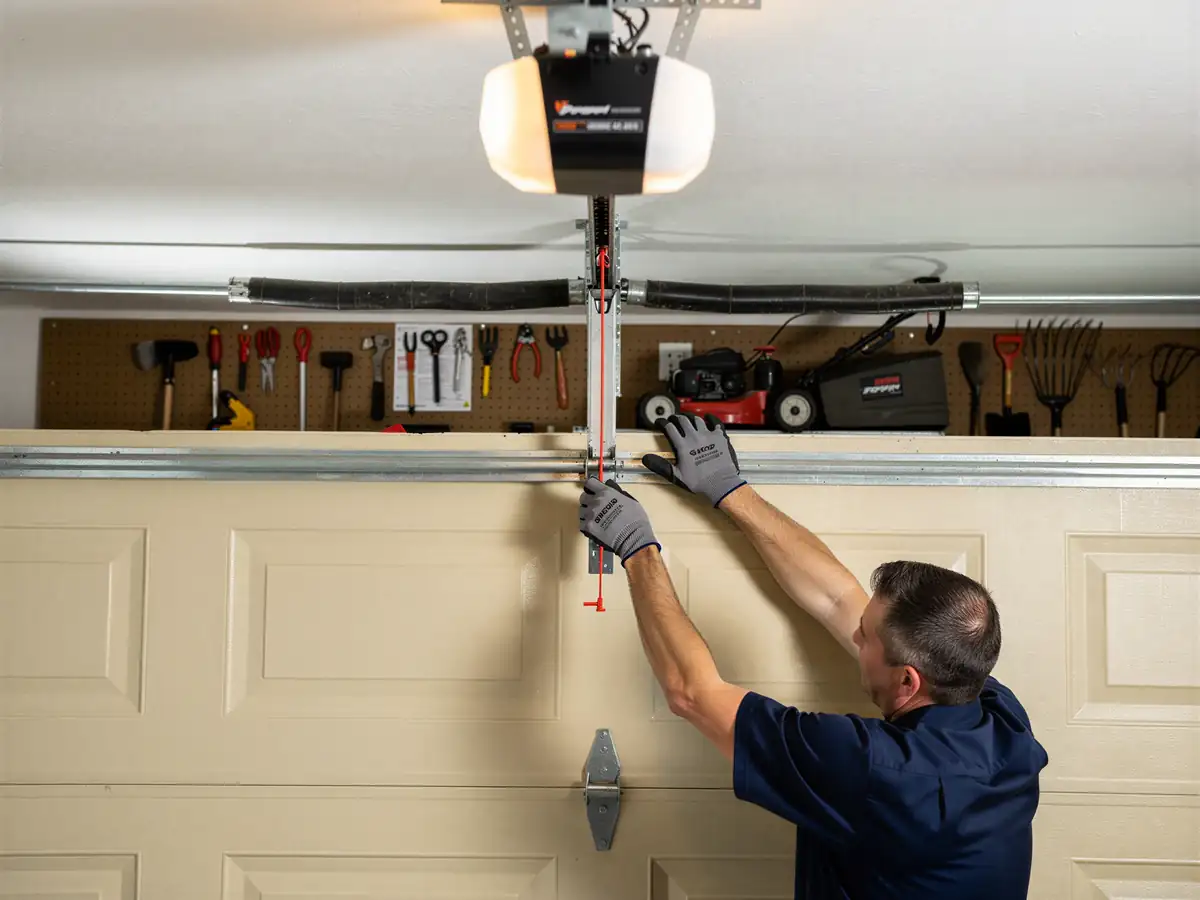
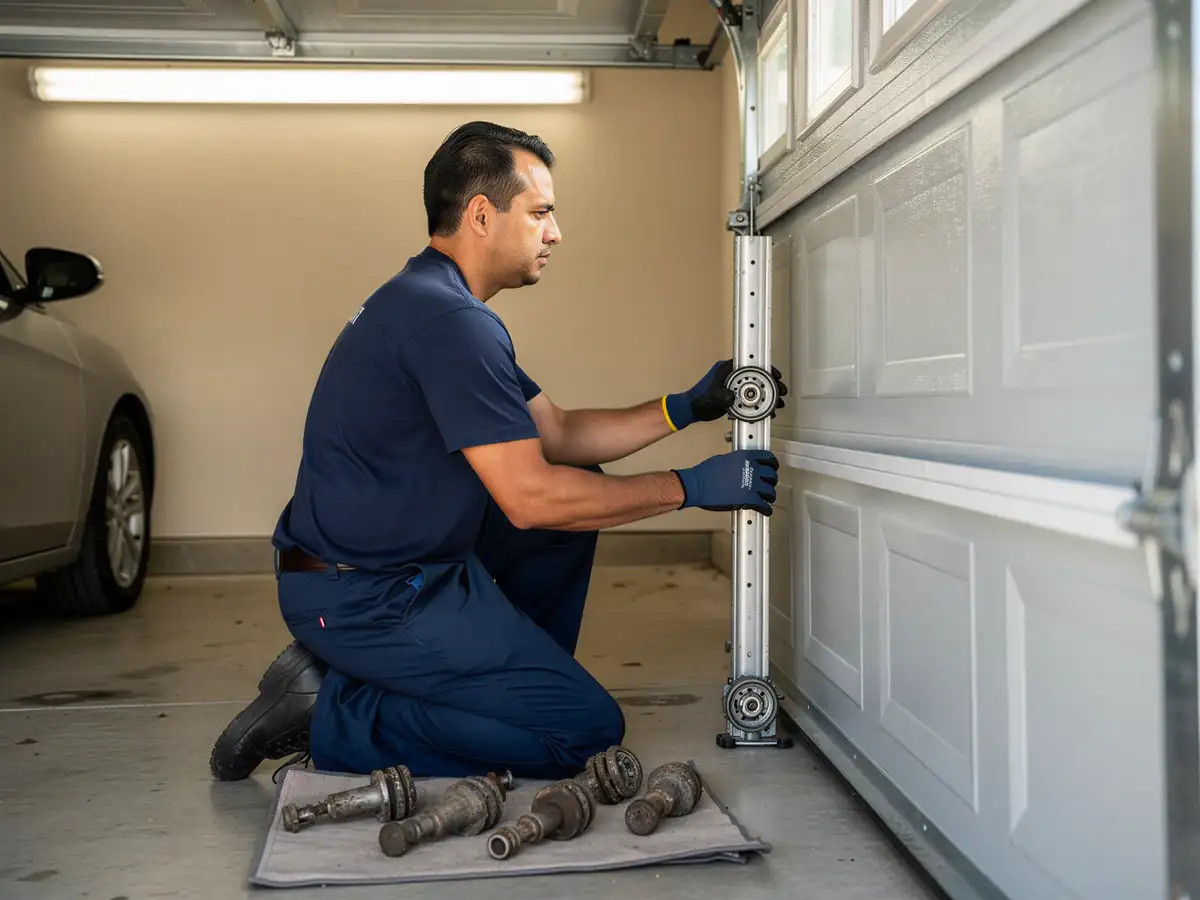
A straightforward opener repair - capacitor, logic board, wall control, or sensor realignment - is usually a single visit from the truck, which runs the 7 miles out from Monroe to reach Claiborne. Gear and sprocket kits, the common fix for a chain-drive unit from the 1989 era that's started grinding or slipping, also go in the same visit in most cases. Where it stretches out is when the motor itself has seized or a board is a model we don't carry on the truck; that part has to be ordered, and we won't pretend we stock every board for a 30-year-old opener. We'll tell you straight if your job is a same-visit fix or a return trip before we start.
What the Fix Involves
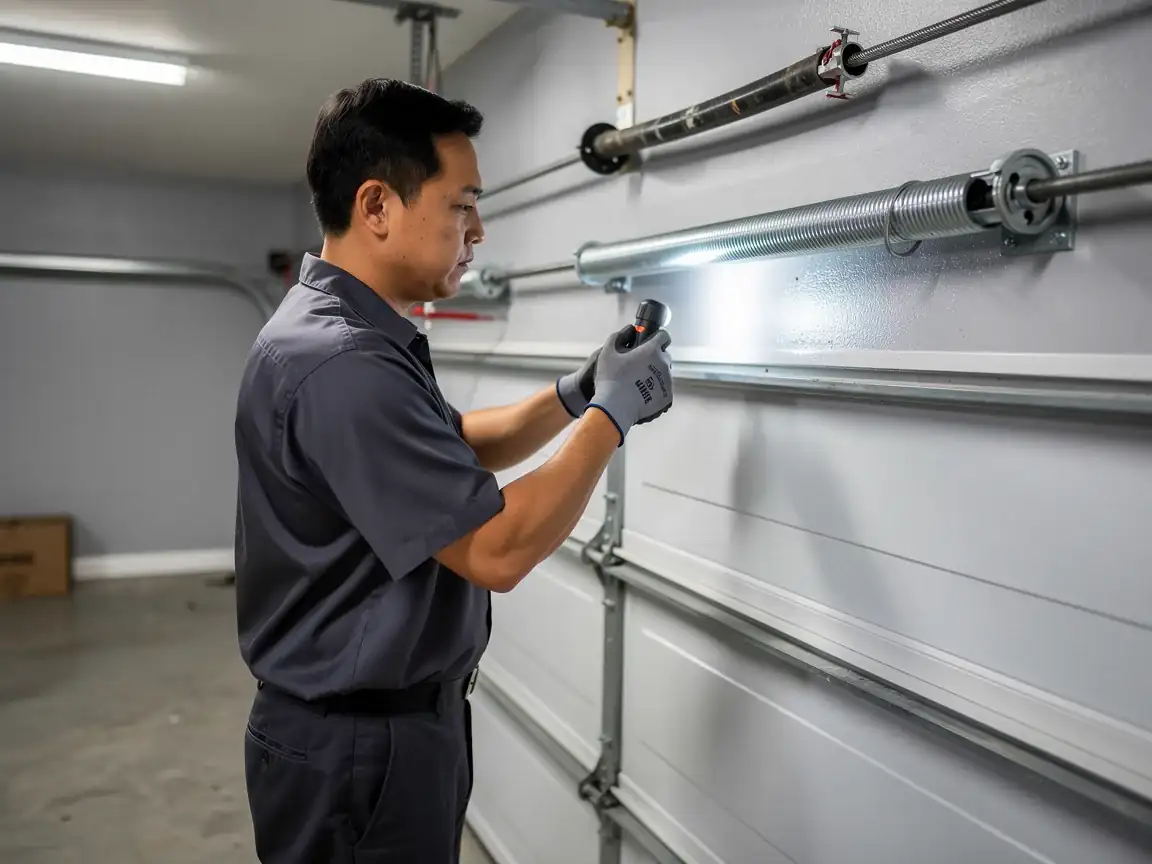
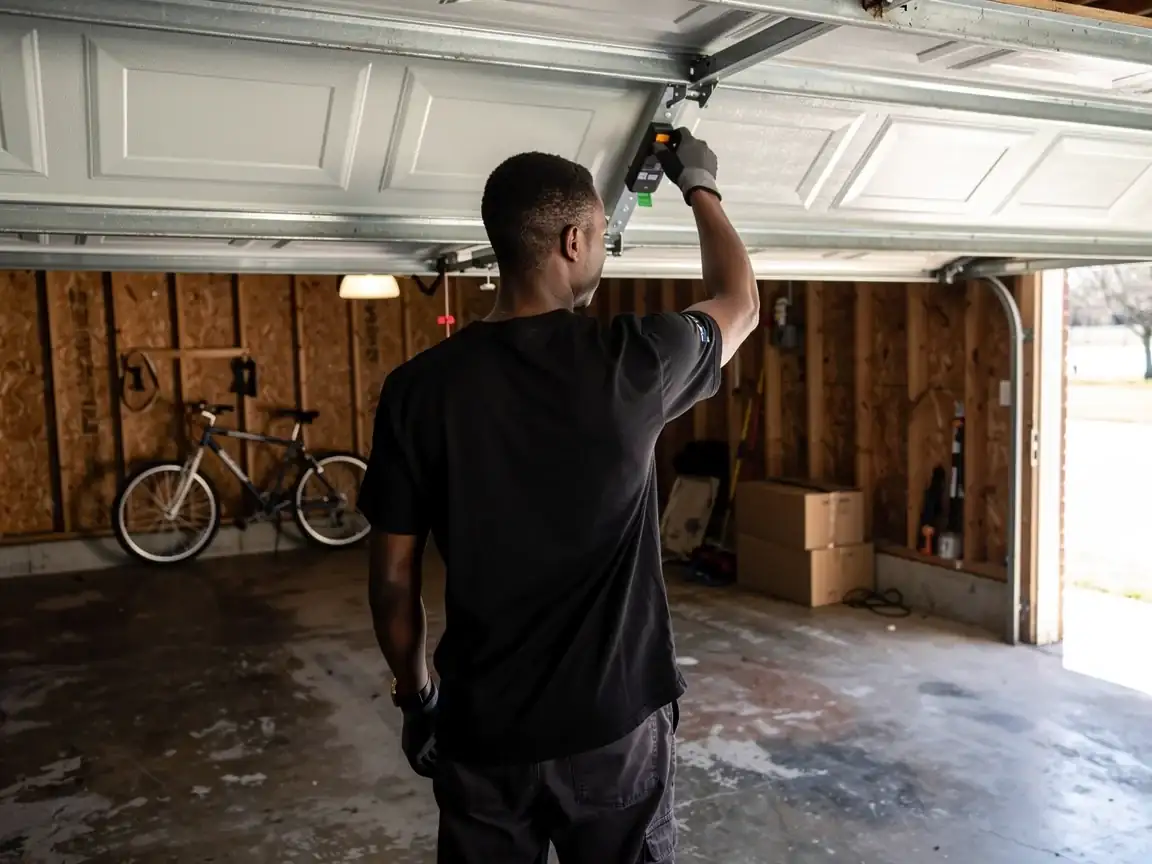
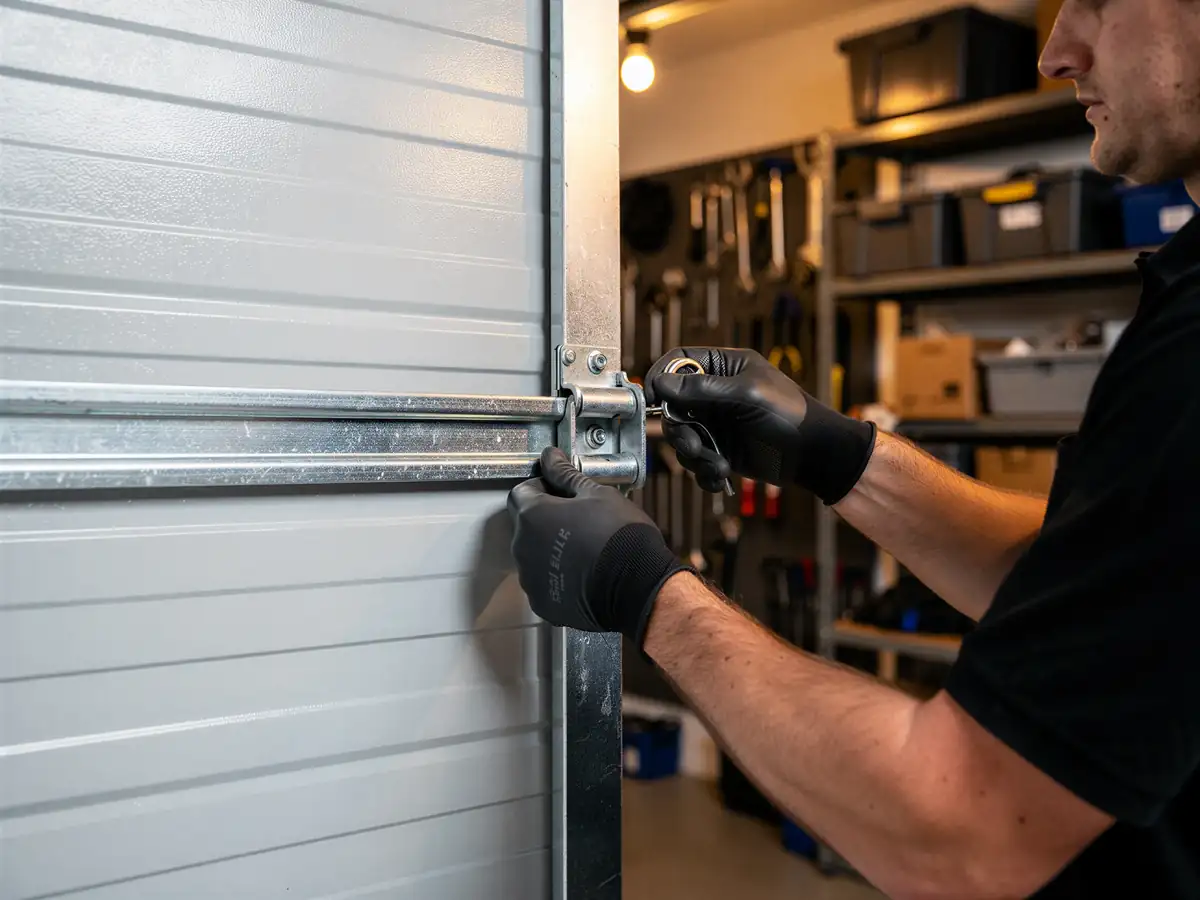
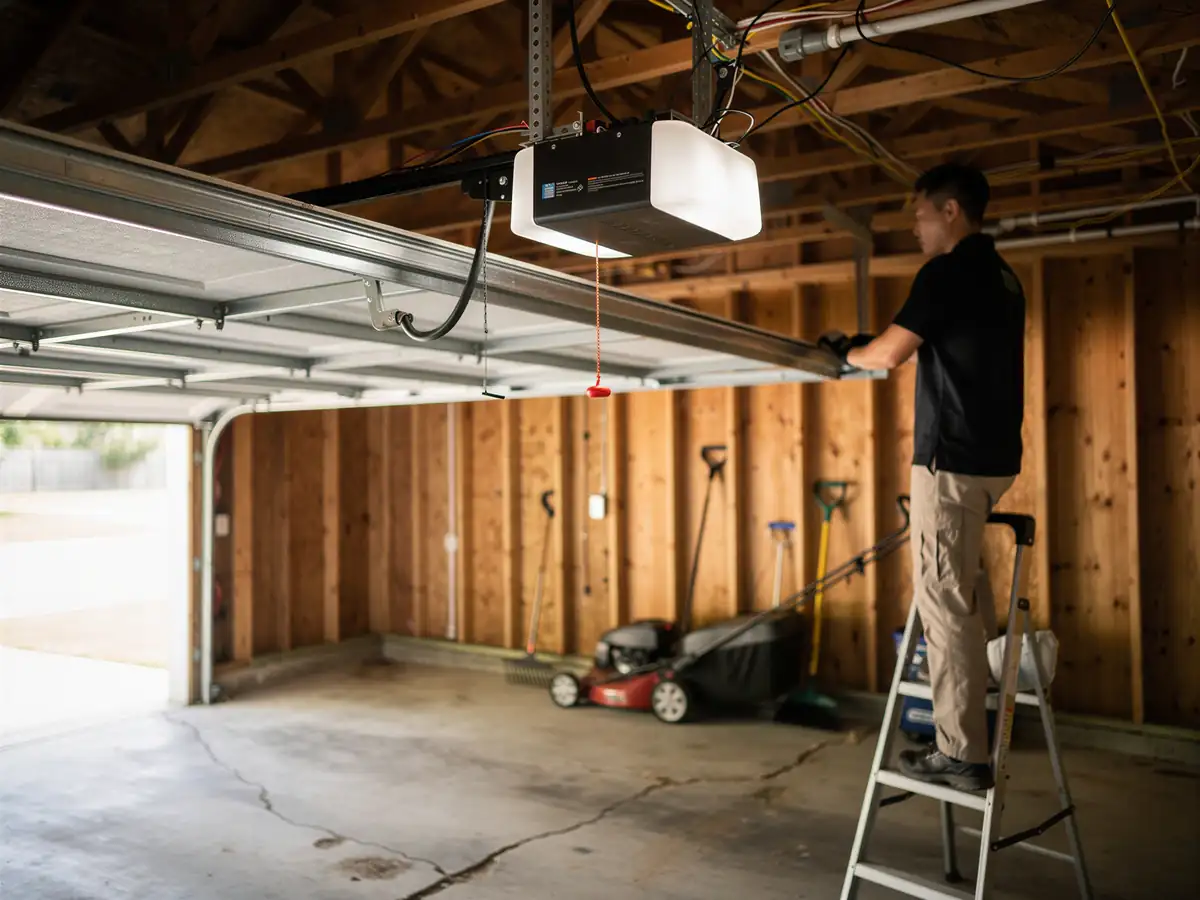
We start by running the opener through its full cycle and watching what it actually does - hesitates, reverses early, grinds, or just hums without moving the door. On these older Claiborne-area units that usually points to one of a few things: a worn drive gear eating itself inside the housing, a capacitor too weak to start the motor under load, a logic board that's lost track of travel limits, or safety sensors knocked out of alignment by seasonal temperature shifts. We test the sensors and the wall control separately from the motor, because a lot of