What You Pay
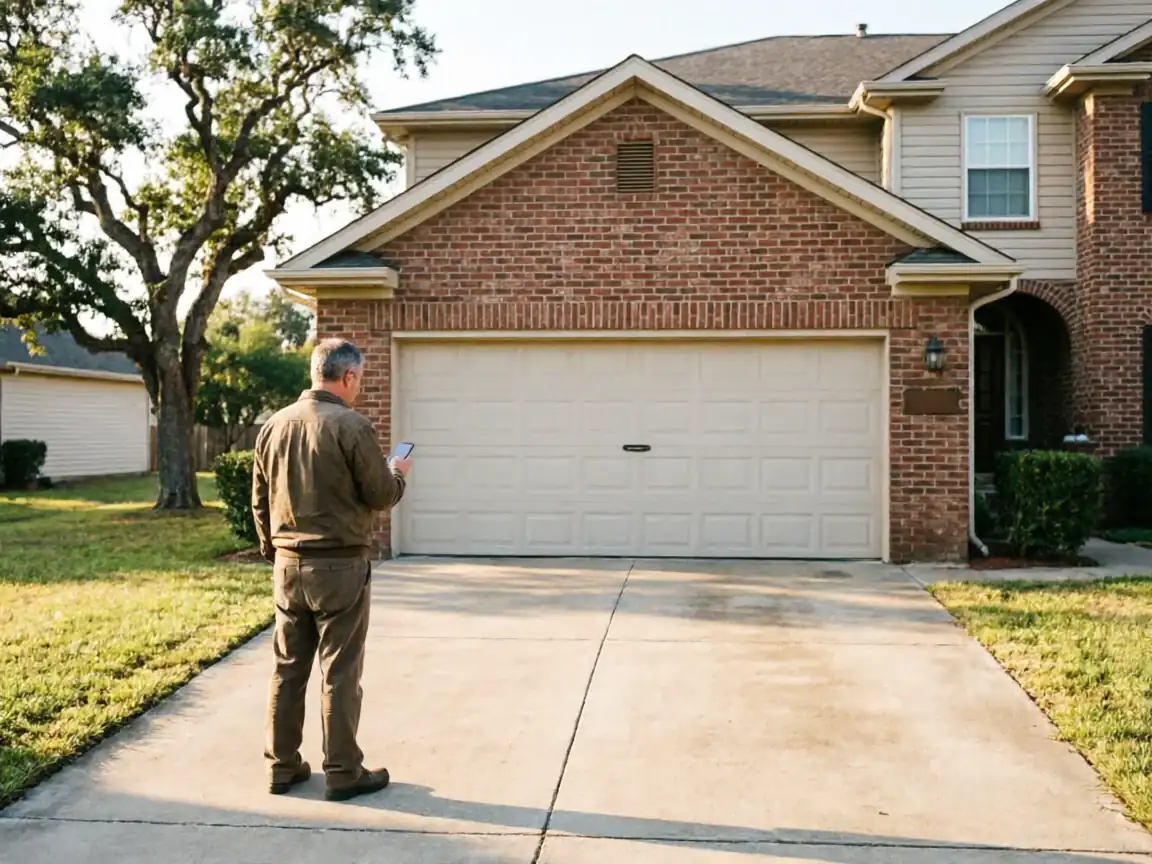
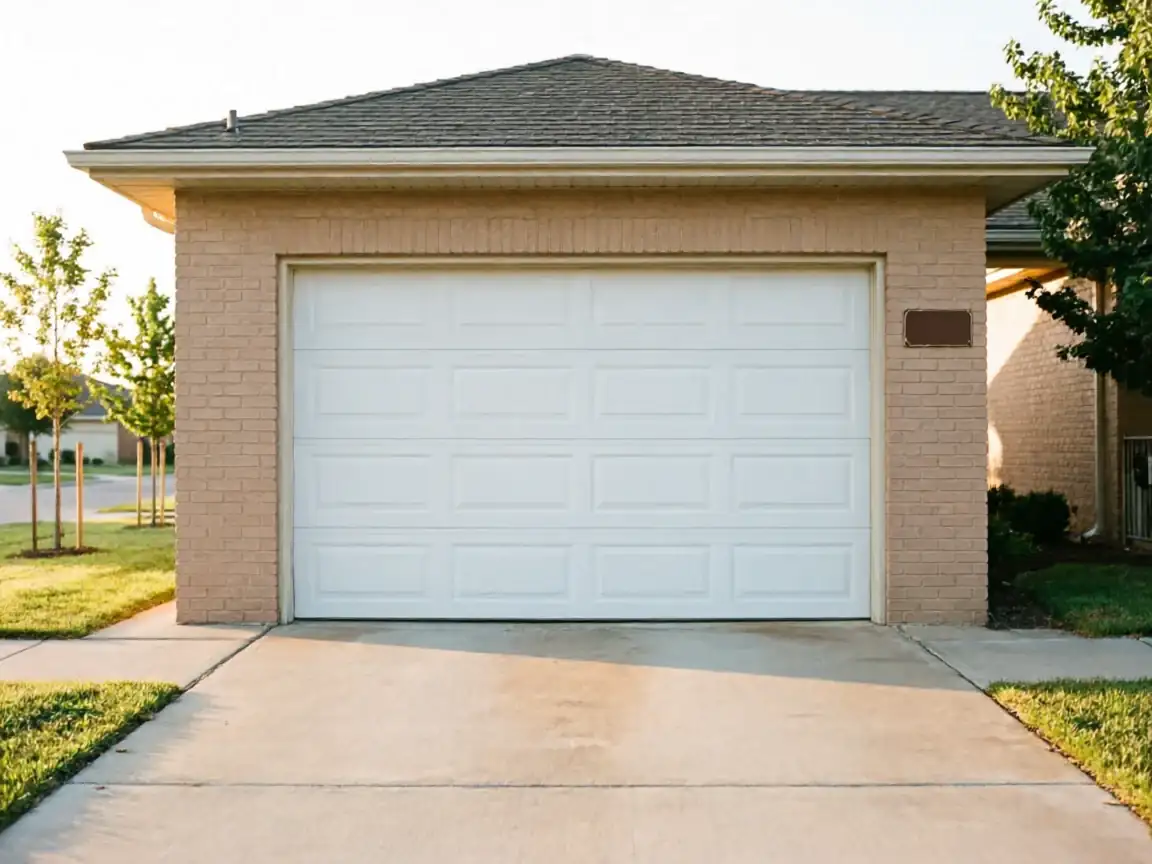
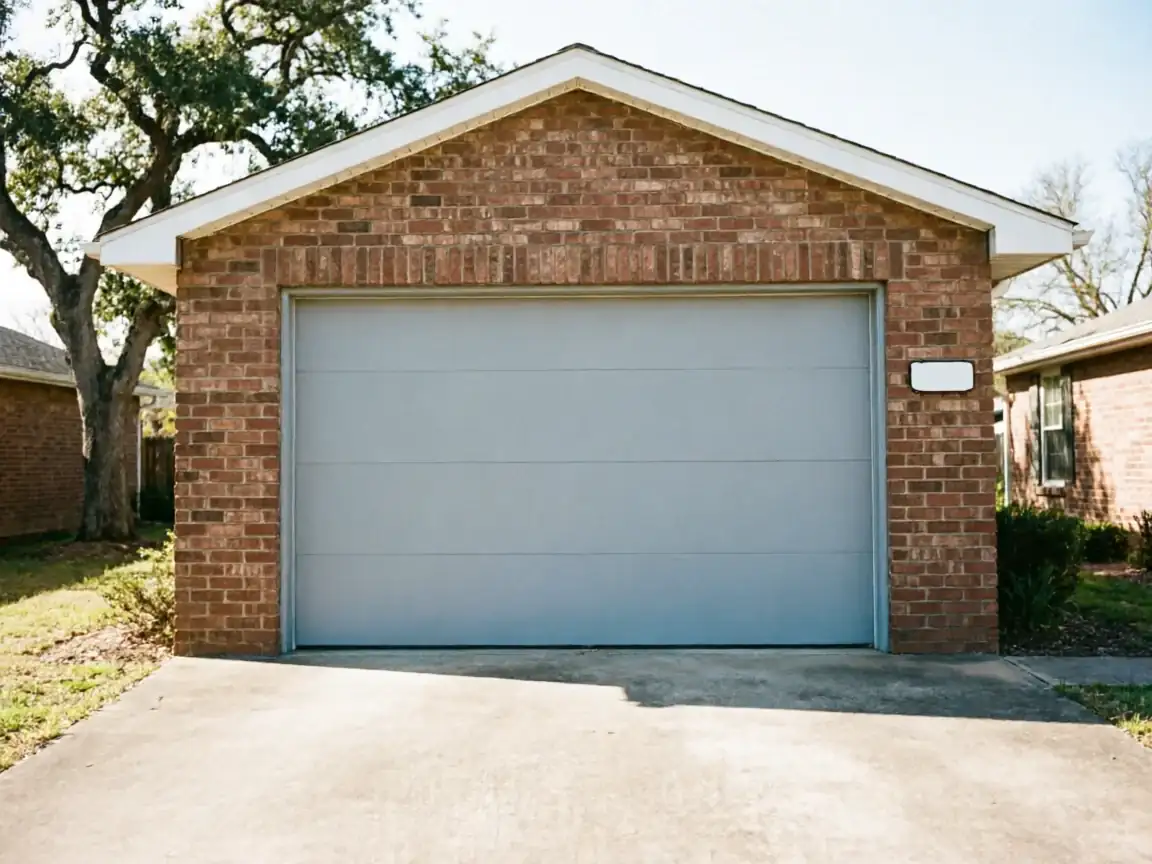
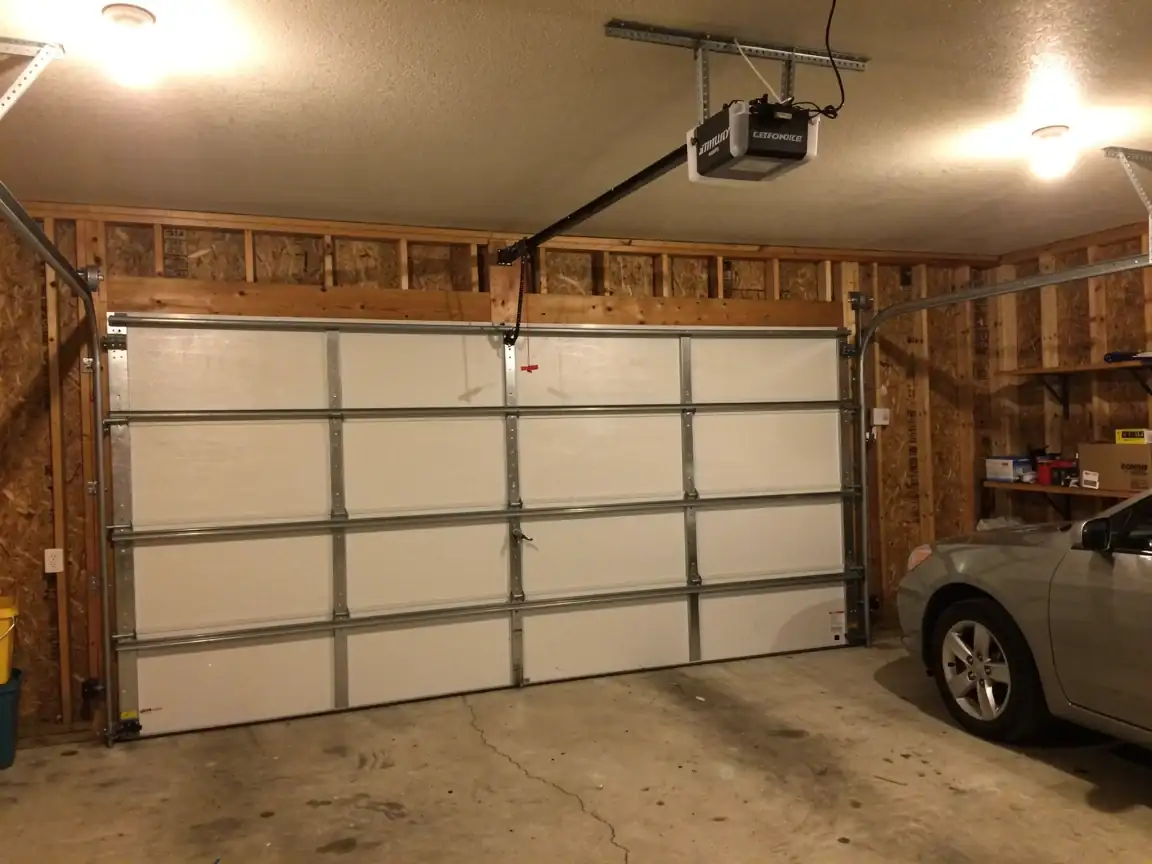
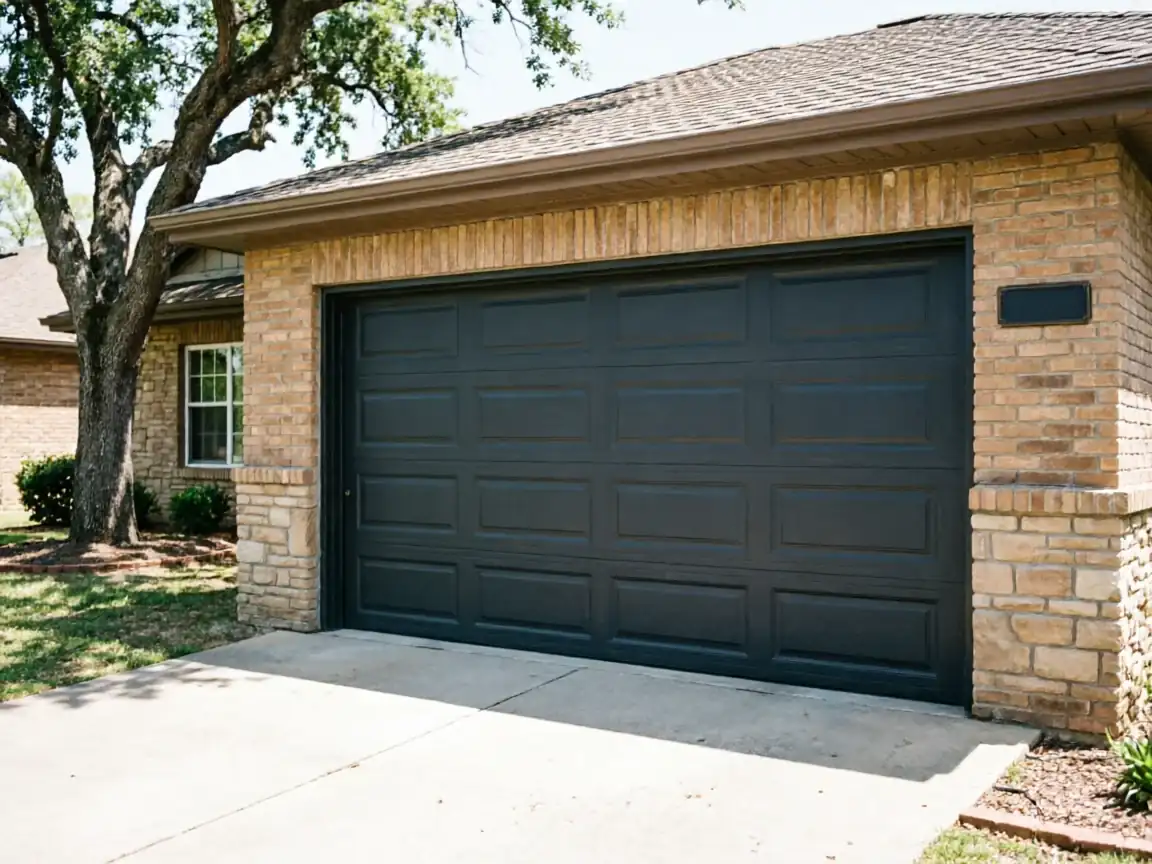
Claiborne's housing stock centers on 1989, which means most garage doors here are steel sectional panels on standard extension or torsion hardware sized for the 7-foot openings common to that building period. The opener that came with the house, if it's still the original, is a chain-drive unit rated for a lighter door than what often sits on the track today after a panel swap or insulation retrofit over the years.
What you pay depends on the opener's drive type (chain, belt, or direct-drive), the horsepower needed for your door's weight, and whether we're replacing a working unit versus troubleshooting one that's failed mid-cycle. A straight swap onto existing hardware costs less than a job where the travel rail, safety sensors, or wiring also need updating because they predate current opener standards. We don't quote a flat number here because door weight varies enough house to house in Claiborne that a phone estimate would be a guess, not a price.
One honest limit: if your existing rail or mounting bracket is bent or the header isn't square, that's extra labor beyond the opener itself, and we'll tell you before we start, not after.
Why It Happens Here
With median household income in Claiborne around $69,173
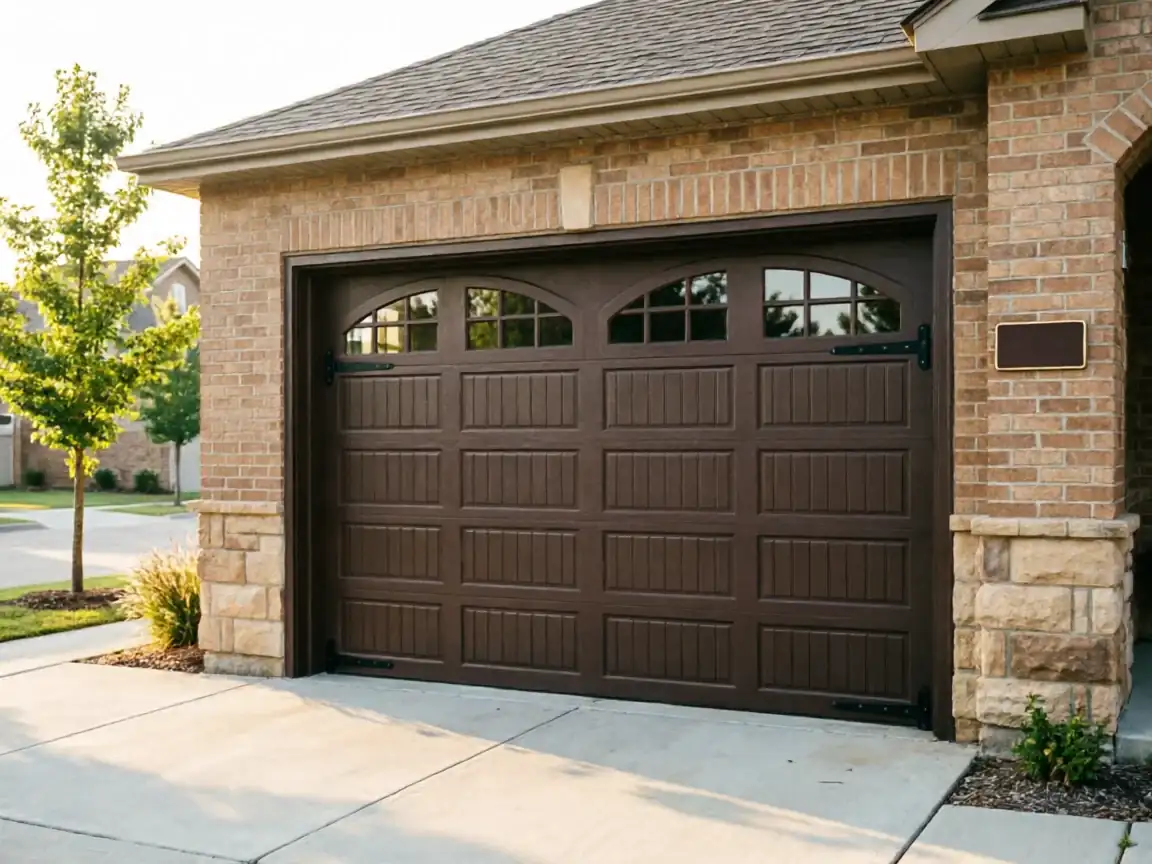
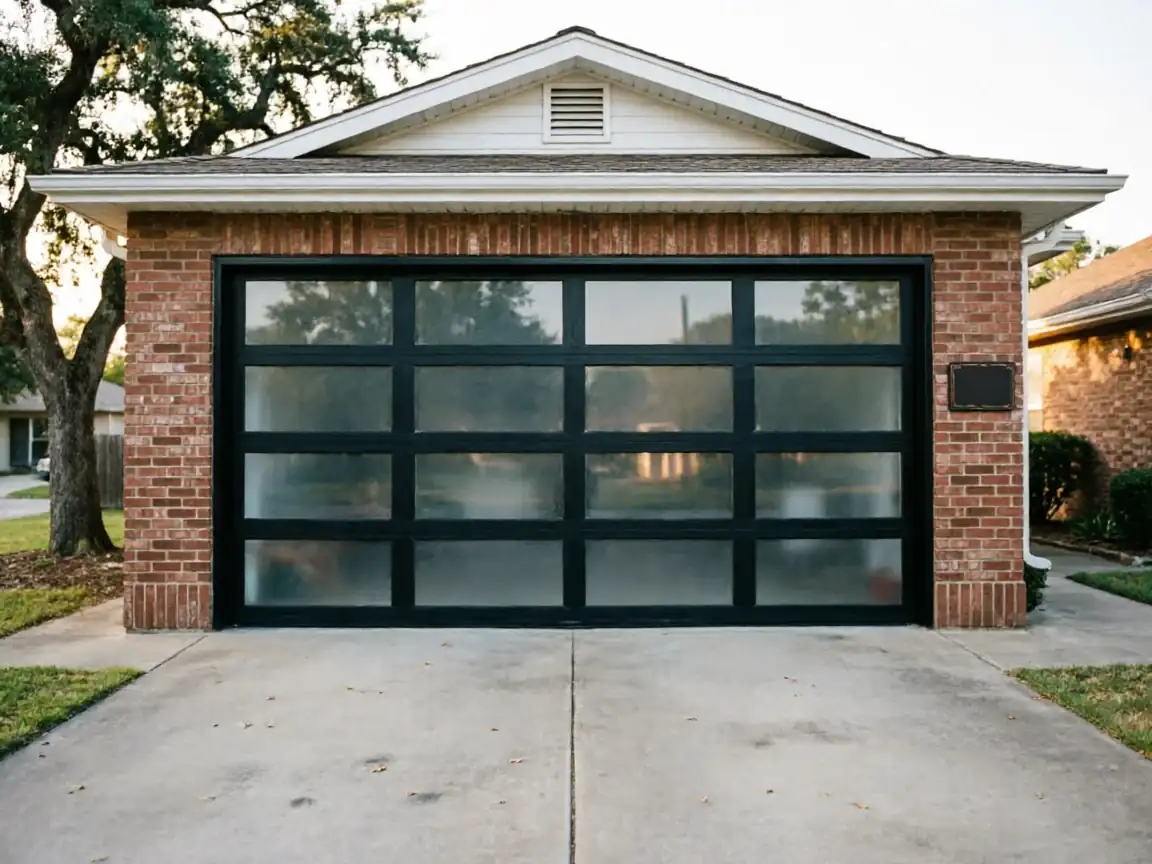
A good number of homeowners here have put money into upgraded doors - heavier insulated steel, sometimes with added glass panels - without upgrading the opener underneath them. A chain-drive unit built for a hollow single-layer door from the 1980s or 90s struggles with a heavier insulated replacement; it labors on the lift, the gears wear faster, and the remote range drops before the motor itself quits.
Across the roughly 4,897 households in Claiborne, this mismatch is one of the more common reasons we get called out
Not a dead opener, but an overworked one paired with a door it was never sized for. The mild climate with occasional freeze here doesn't stress openers the way deep-freeze regions do, so when a unit fails in Claiborne it's almost always wear from mismatched load or age, not weather damage to the motor housing itself.
- 4,897 households
How Long It Takes
A straight opener swap on existing, square hardware is a same-visit job. Where it runs longer is reattaching or realigning the travel rail if the old bracket doesn't match the new unit's mounting pattern, which comes up more in Claiborne's 1980s-built garages than in newer construction because mounting hardware from that era wasn't standardized the way it is now.
We travel from Monroe, about 7 miles to Claiborne, so the drive isn't the bottleneck - the door itself is. If the existing sensors are wired the old way (through the wall instead of the modern photo-eye low-voltage setup), that adds time to bring the safety reverse system up to current function, which we won't skip regardless of how the old one was wired.
What the Fix Involves
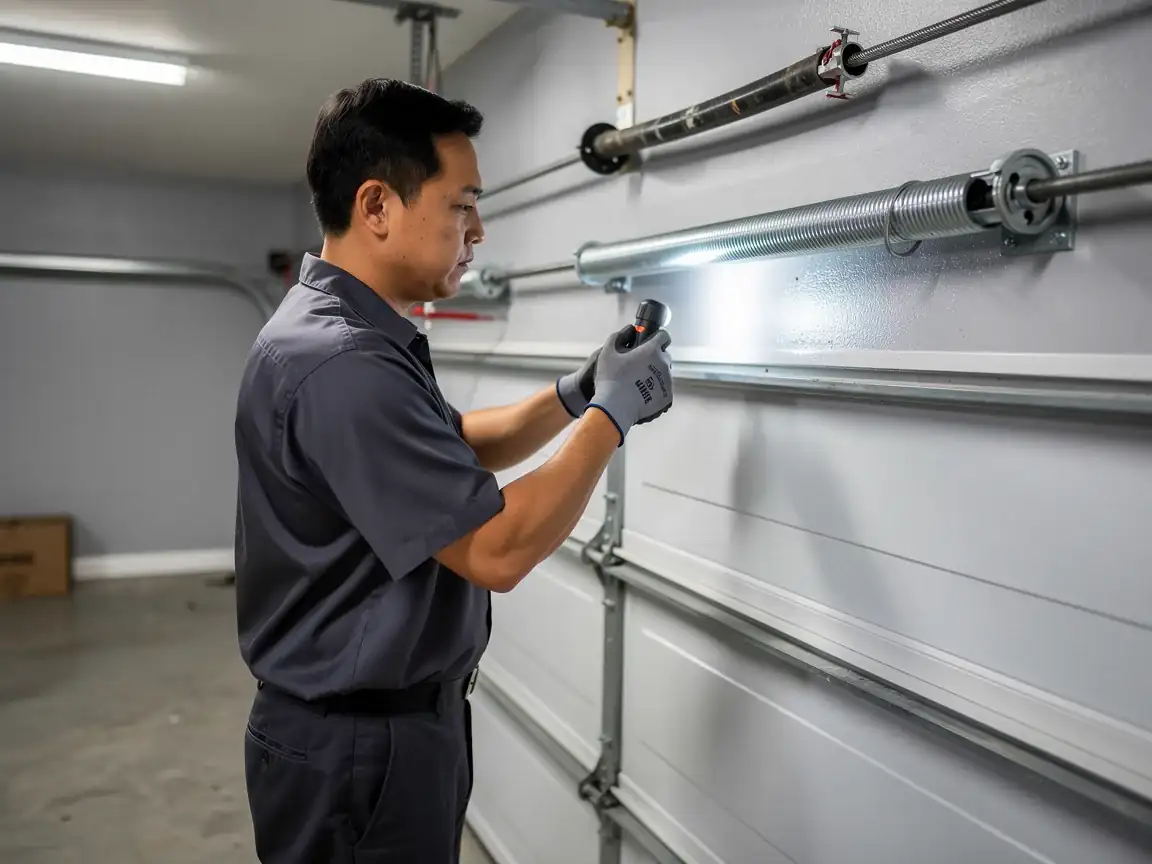
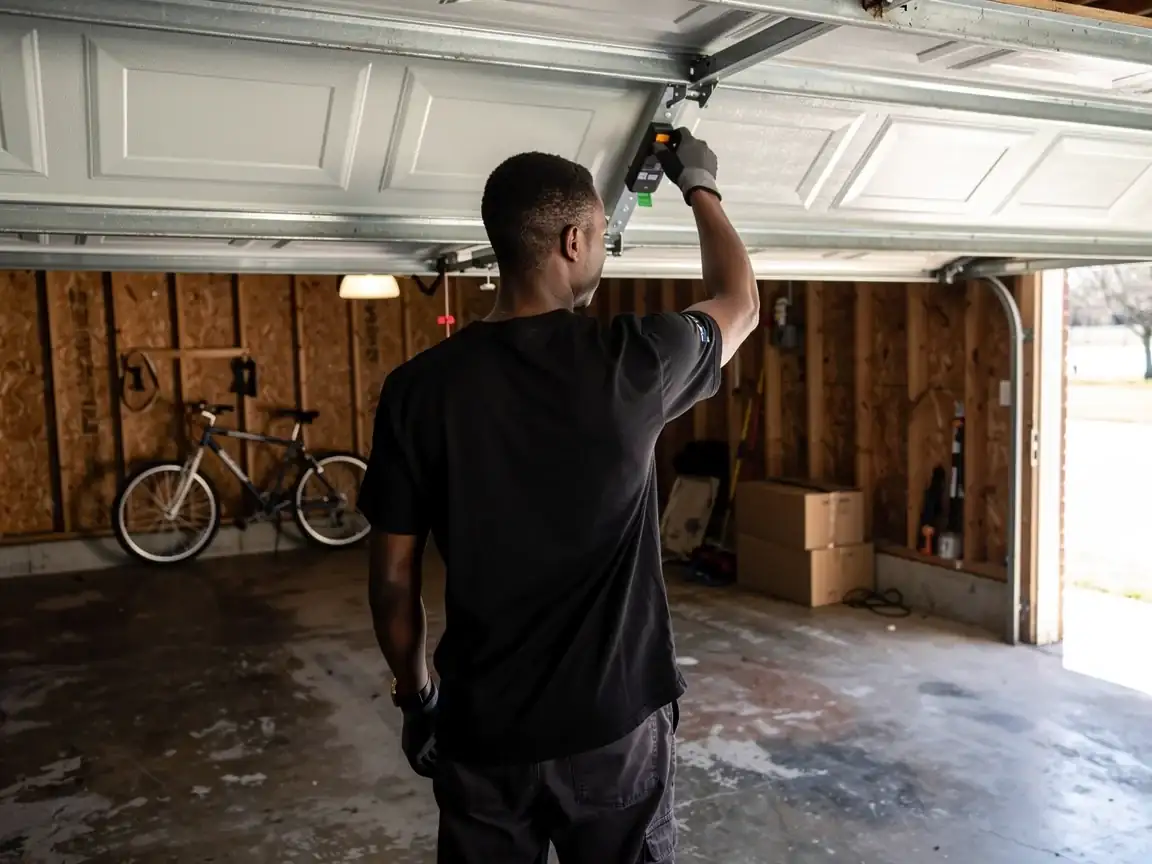
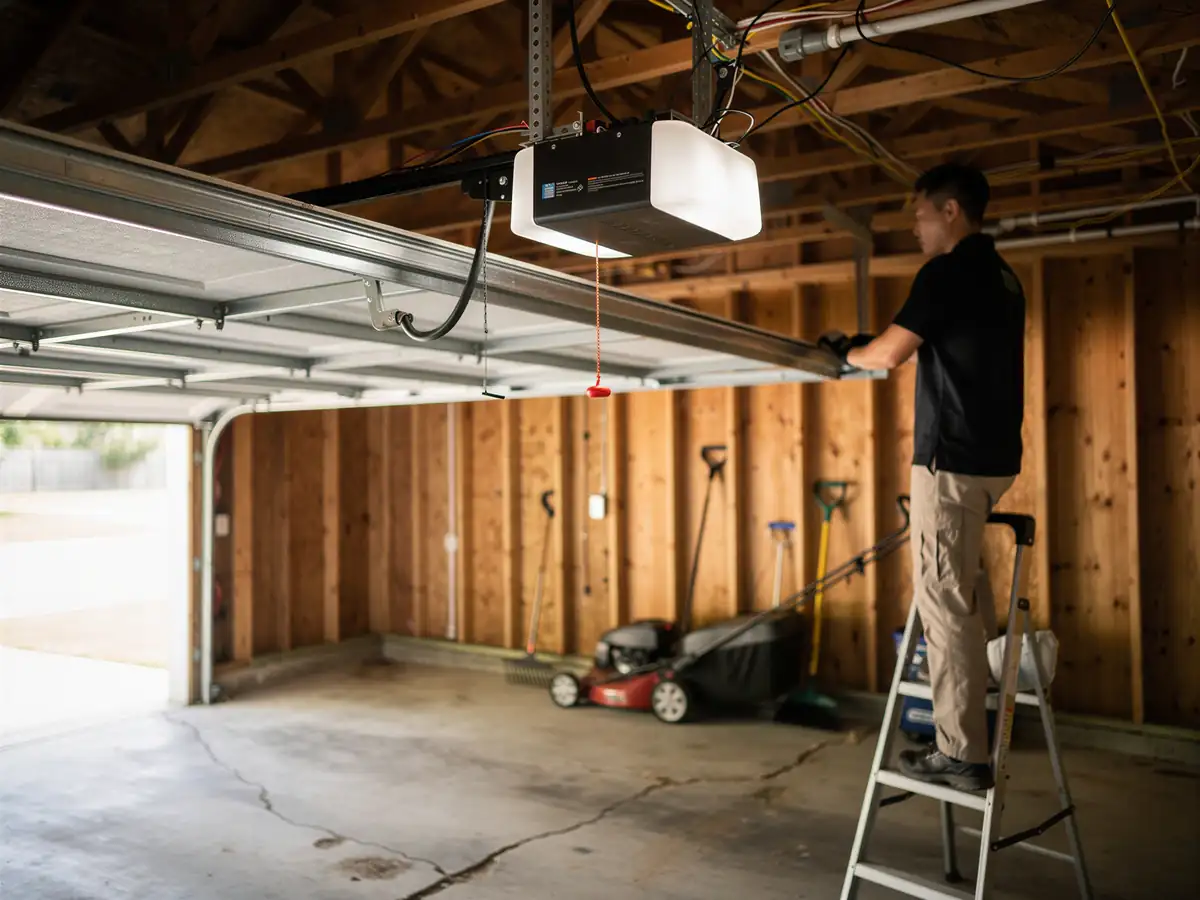
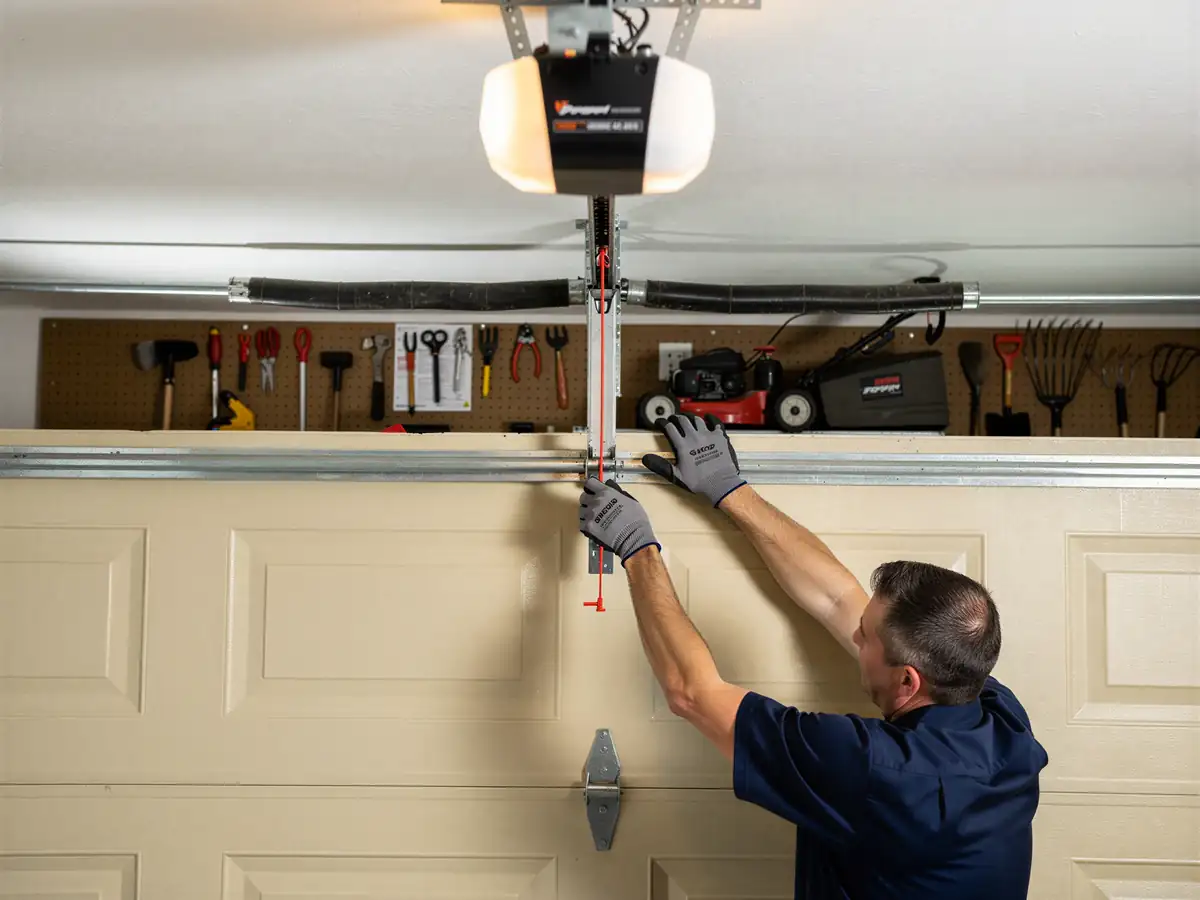
Installing a new opener on a Claiborne garage usually starts with checking what the door actually weighs and whether the existing track and springs can handle the lift cycle the new motor will put on them - a mismatch there is what burns out openers early in the first place. From there it's mounting the rail, setting the travel limits for the door's actual height (many of these 1989-era doors run a standard 7-foot clearance, though some have been swapped to taller doors since), and wiring in the safety sensors at the code-required height near the floor.
We set the force settings to the door's real weight rather than a factory default, because a door that's been upgraded with insulation or glass since the house was built often weighs more than the opener's out-of-box setting expects. Last step is testing the auto-reverse function with a real obstruction, not just a visual check, since that's the one safety feature that actually gets tested in daily use.
Doing It Yourself
A lot of opener kits sold today are designed for DIY mounting
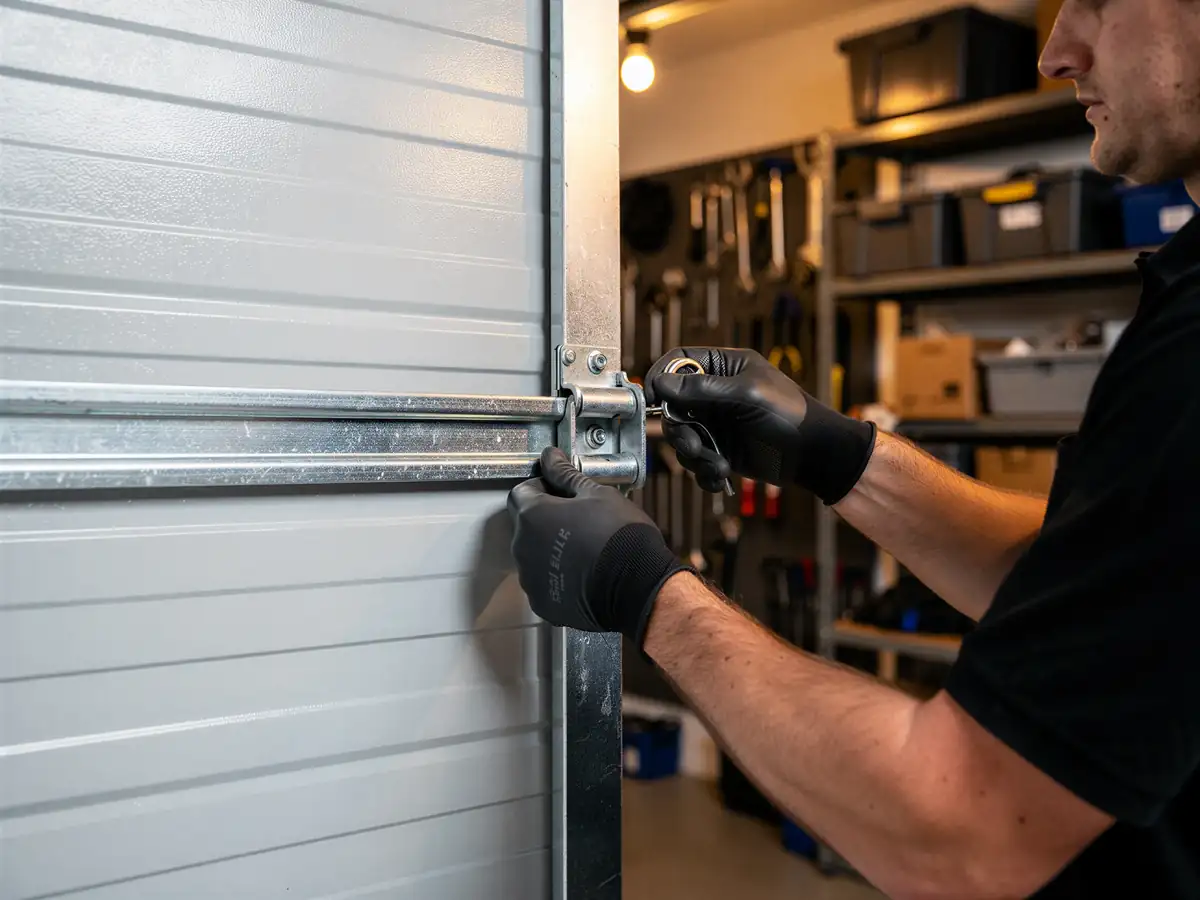
And if your door and track are already square and in good shape, hanging the unit itself isn't the hard part. Where owners in Claiborne run into trouble is the wiring for the safety sensors and setting the force/travel limits correctly - get those wrong and the door either won't reverse on an obstruction or reverses on nothing at all, which is more annoying than dangerous but means a return trip to fix it anyway.
If your garage still has the original 1989-era bracket pattern or the springs look original
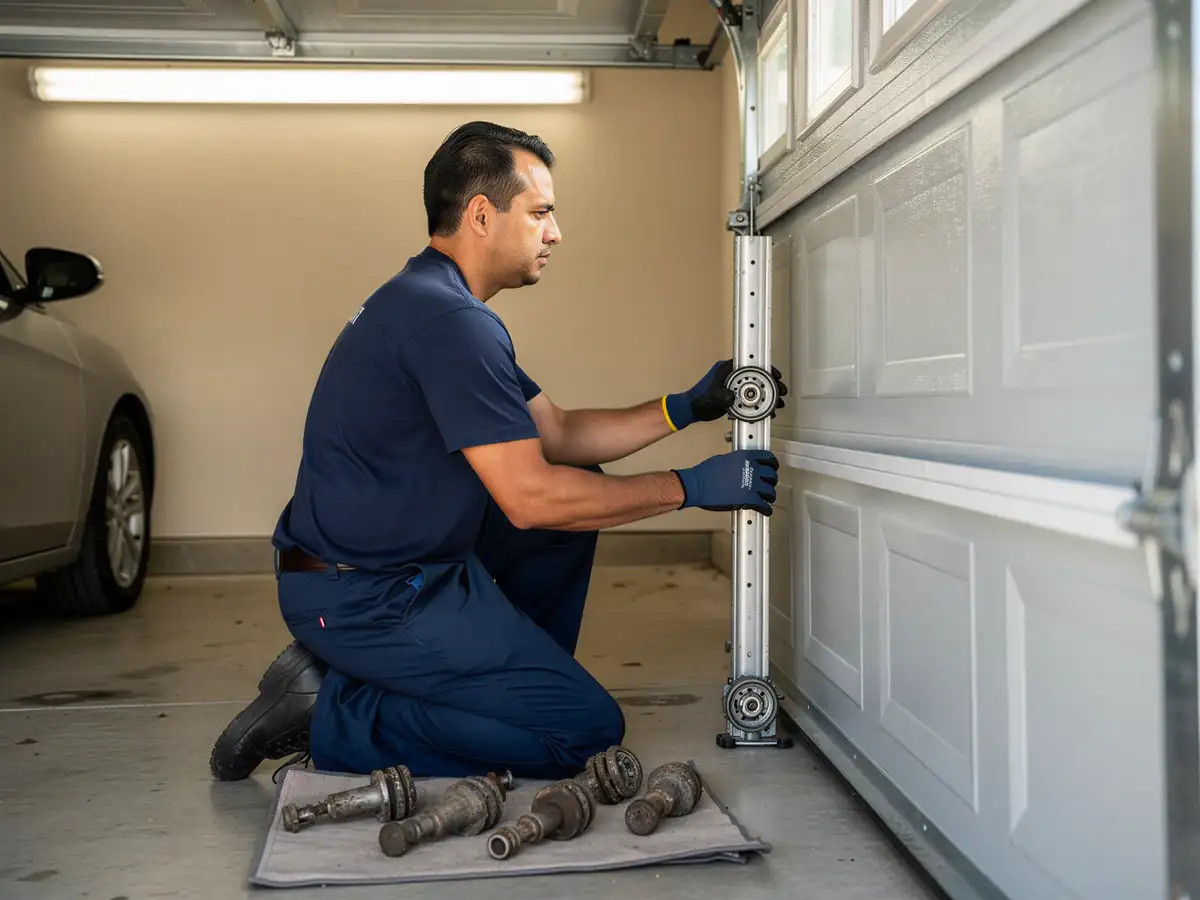
That's where we'd say stop and call rather than push through. A door under tension from a worn spring is not a place to improvise, and an opener installed on hardware that's already failing will fail again within months regardless of how well the opener itself is mounted.