What Can Go Wrong
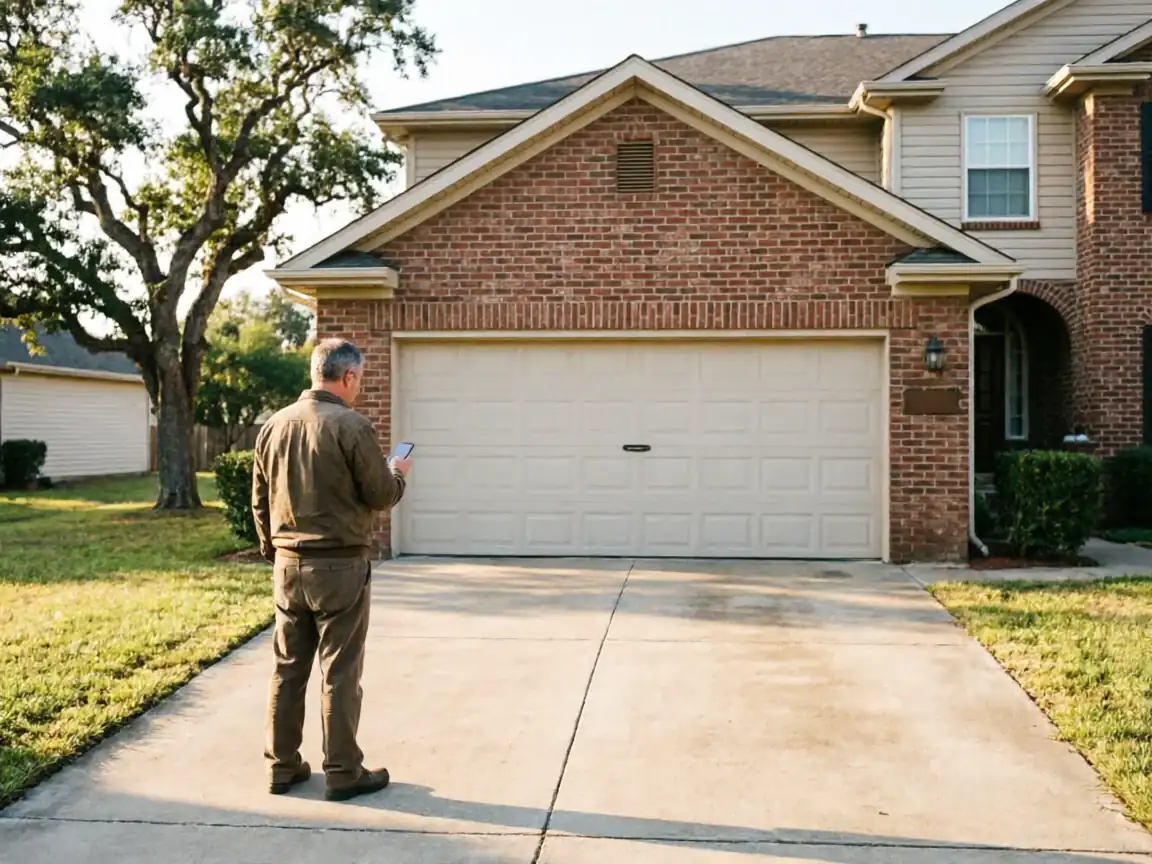
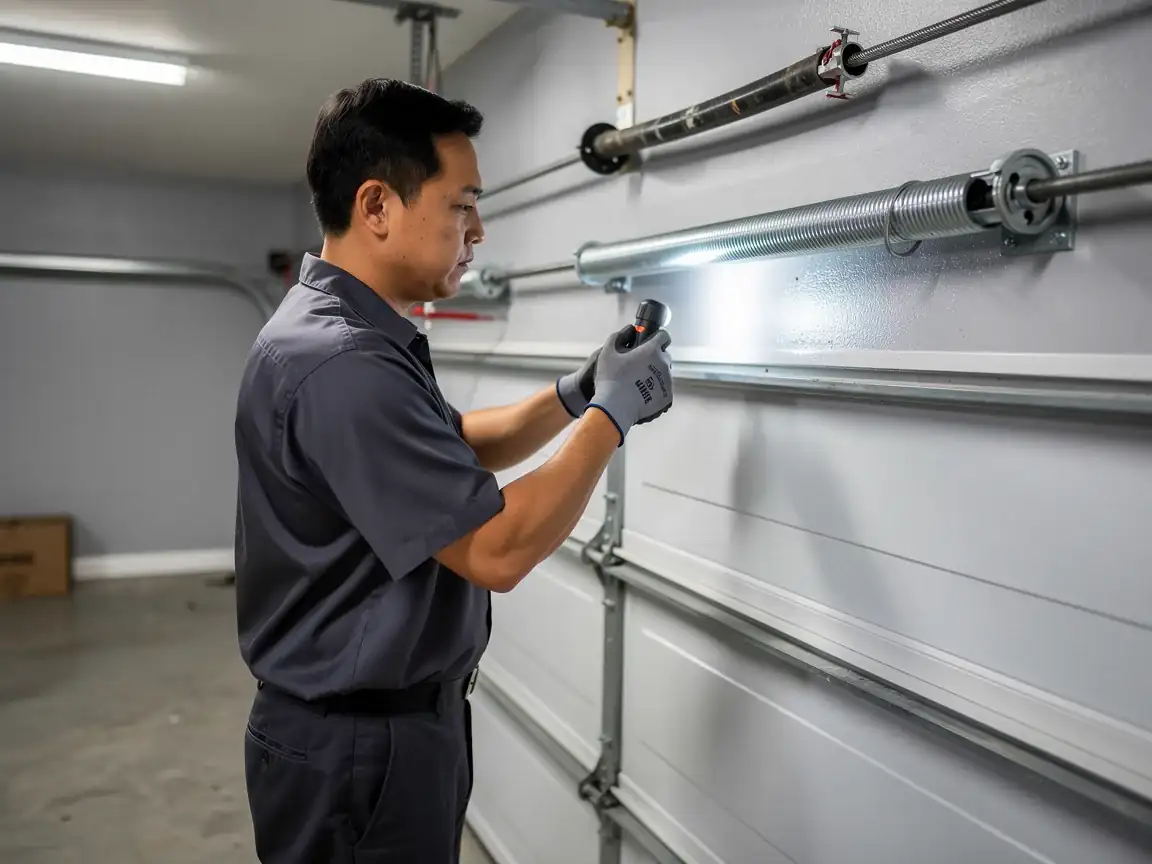
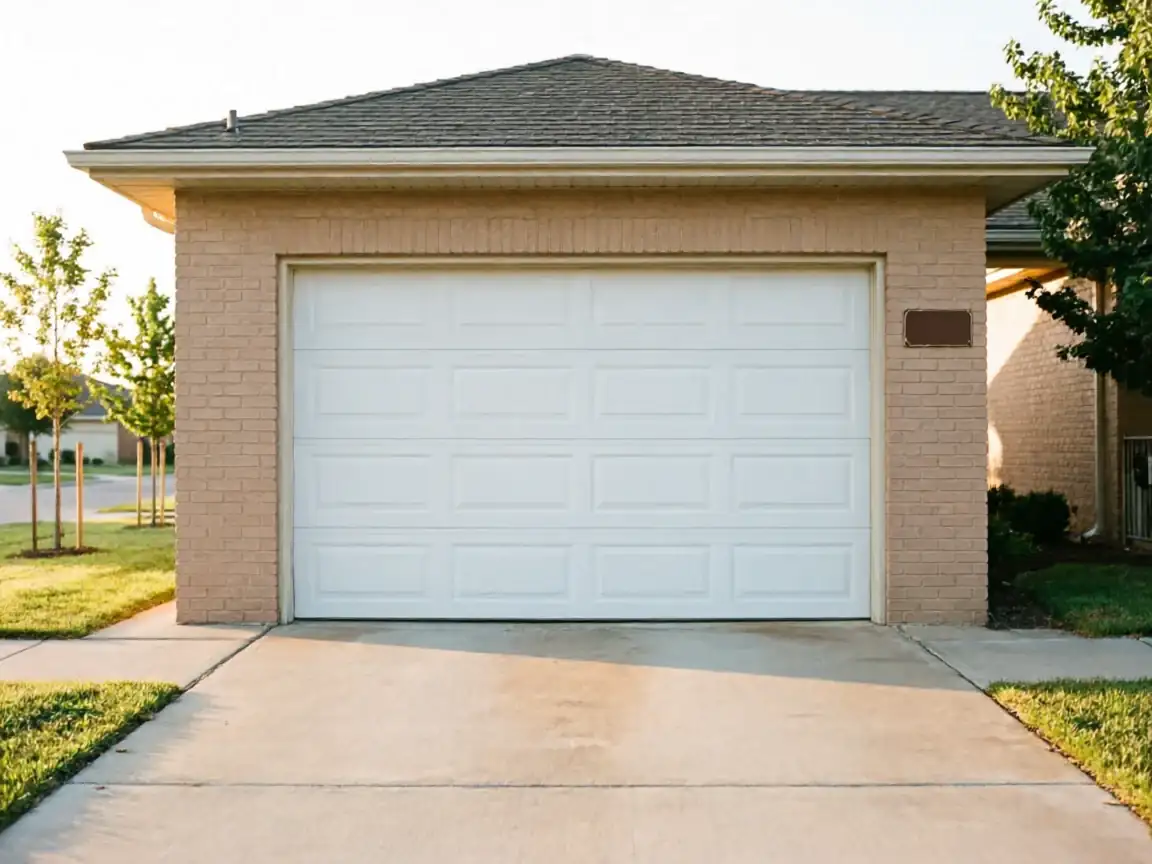
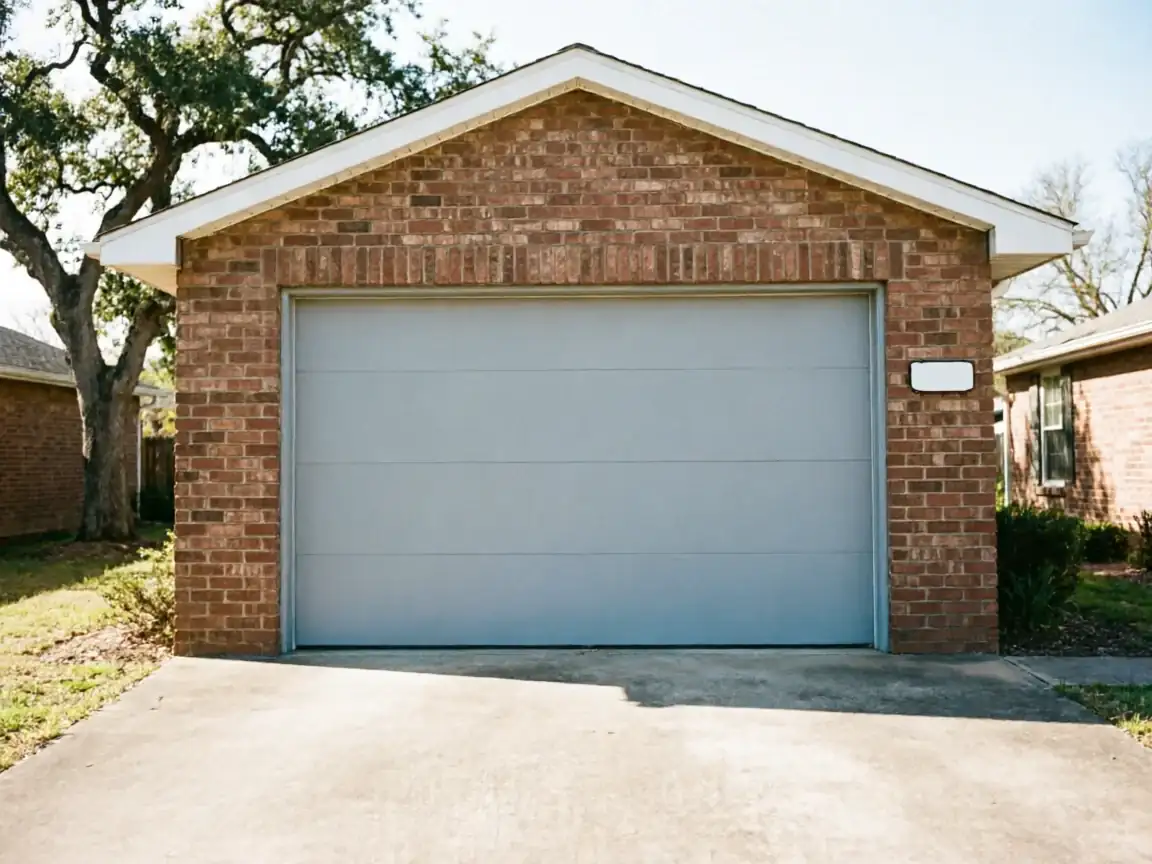
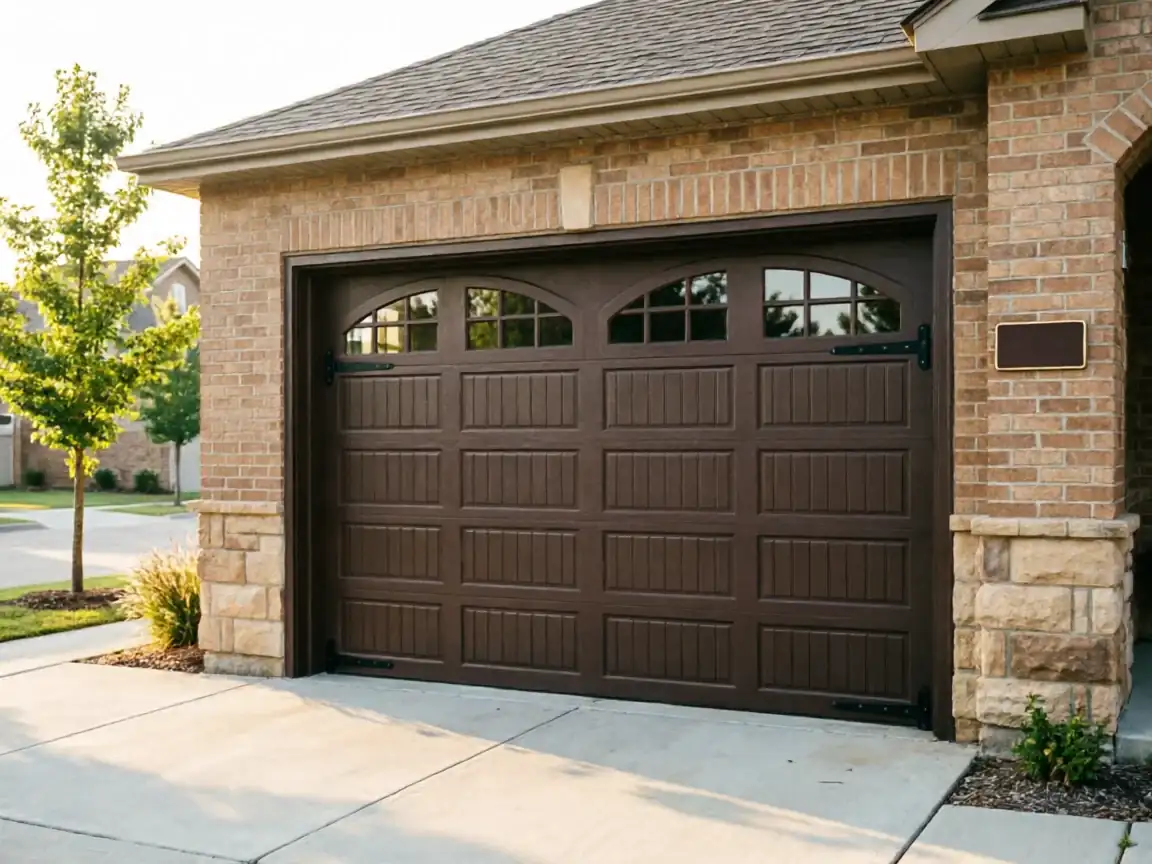
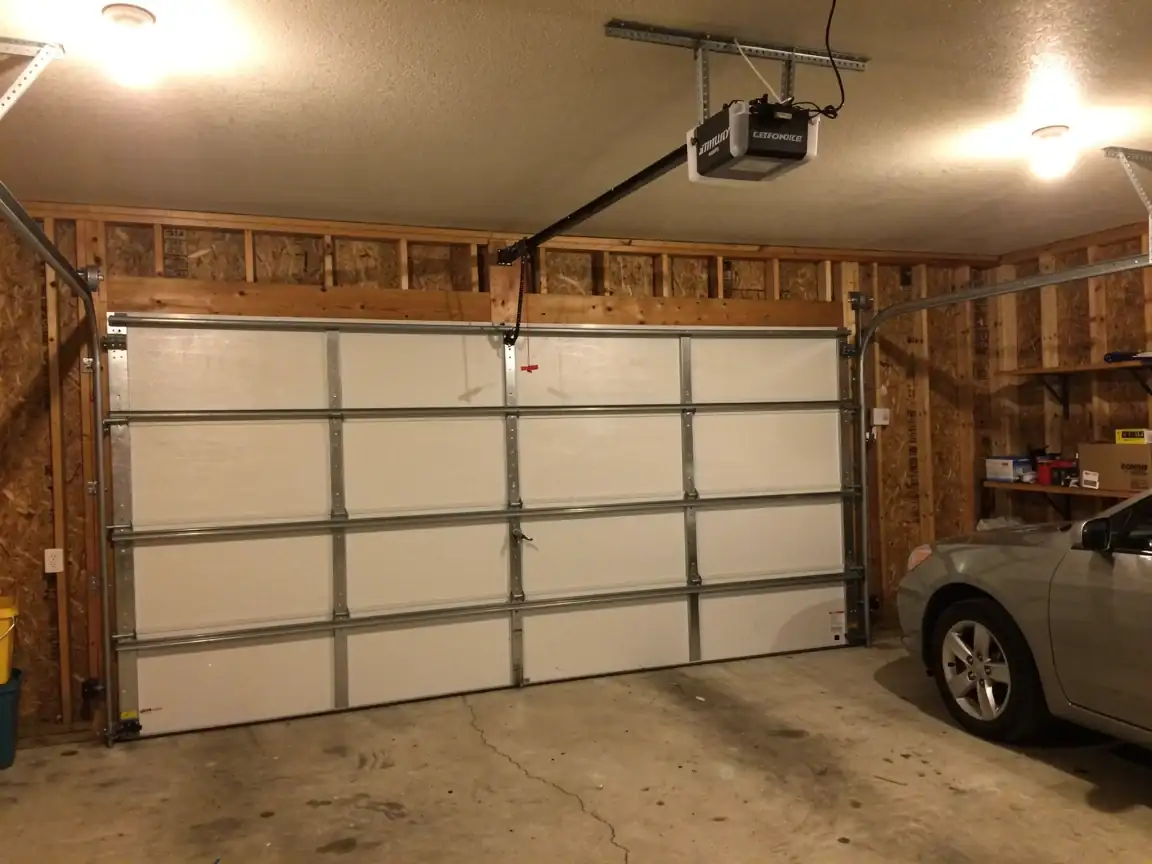
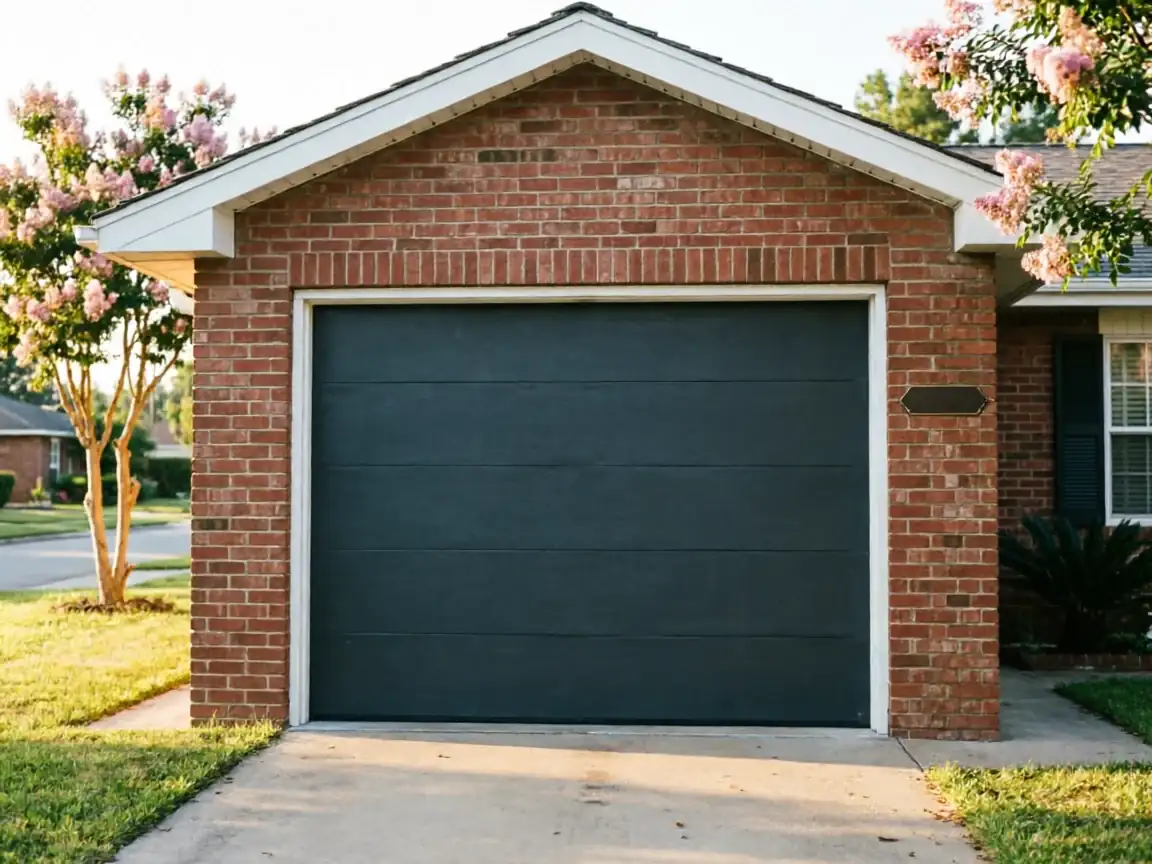
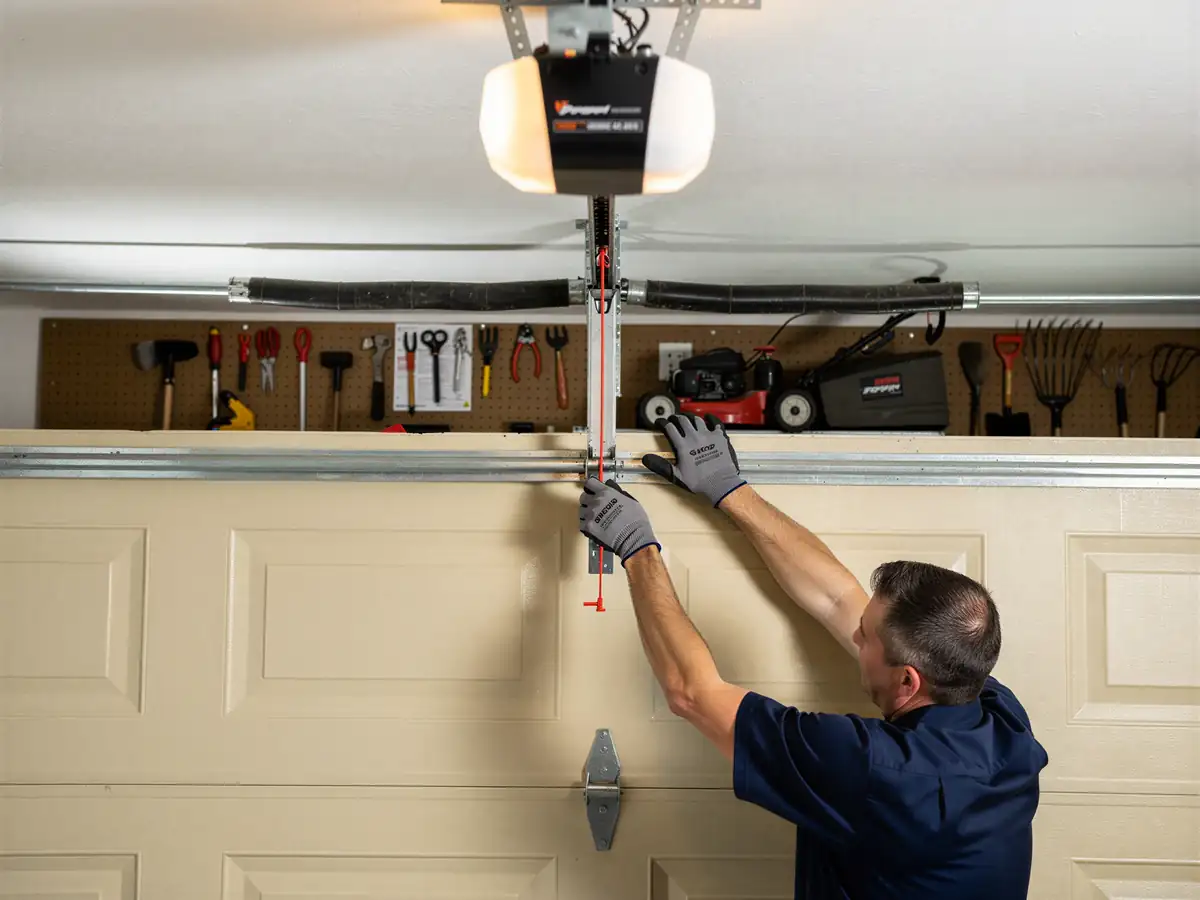
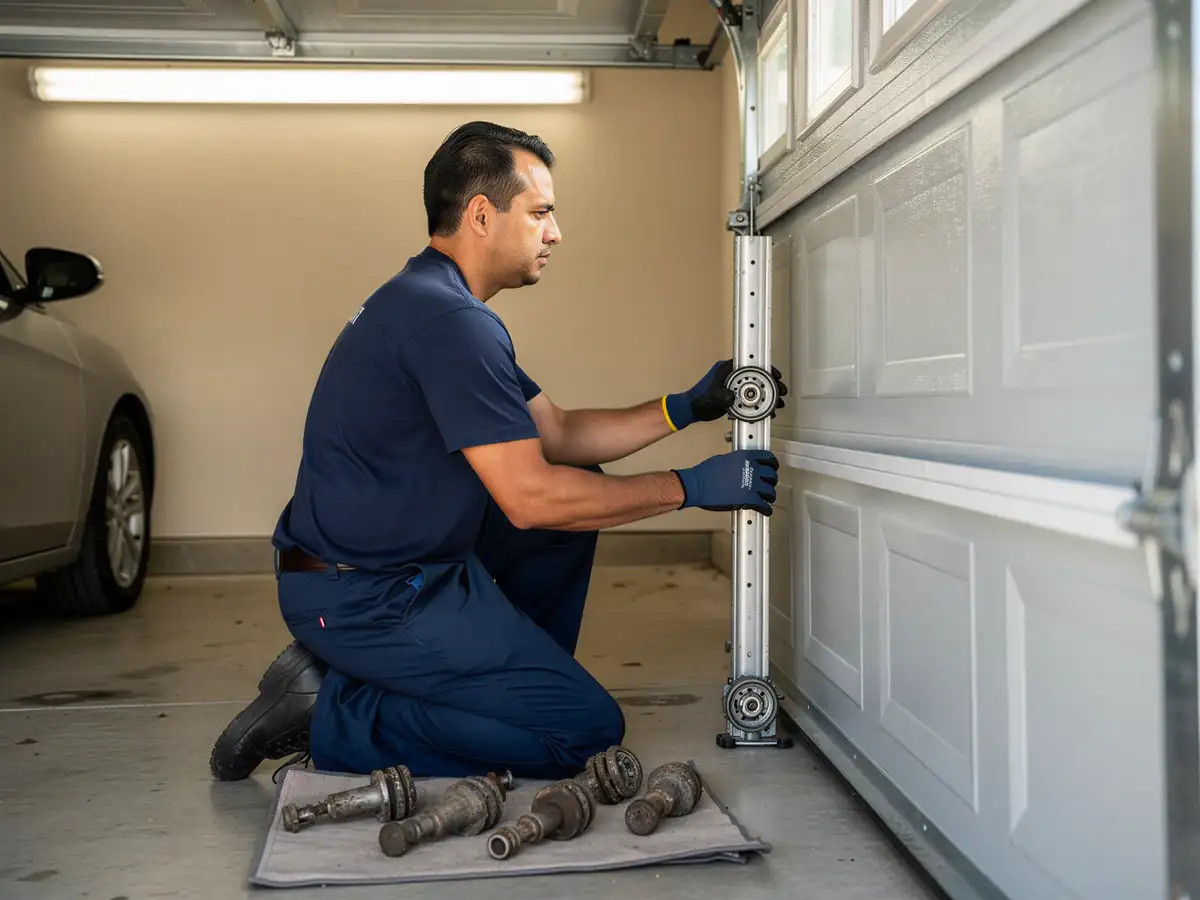
Richwood's housing stock centers on 1991, a few years newer than the median across the wider Monroe service area, which runs closer to 1985. That gap matters more than it sounds. A house built in the early 90s usually came with a steel sectional door on torsion spring hardware rather than the older one-piece or wood doors still common on older streets closer to Monroe. The failures we see out here tend to be different too - worn rollers and stretched torsion cables from thirty-plus years of daily cycling, rather than the obsolete track styles that show up on pre-1980 housing. With only 781 households in Richwood, this isn't a huge market, but the doors that are here were mostly installed in the same decade, which means a lot of them are wearing out around the same time. If your opener is original to the house, the gears inside are plastic and they don't last forever - that's often the first thing to go, not the door itself.
Doing It Yourself
A full door replacement isn't a solo weekend project, and we'll say that plainly. The springs on a new installation are under real tension, and a torsion spring that gets away from you can break bones or worse. Where a homeowner can save money is in the smaller stuff: ordering the right weatherstripping, repainting trim, or handling the opener's smart-home setup once it's mounted. If your current door is from that early-90s wave of construction and the track is still square, sometimes a new opener and new springs on the existing door frame is enough - you don't always need a full tear-out, and we'll tell you honestly when that's the case instead of selling you a full install you don't need.
What the Fix Involves
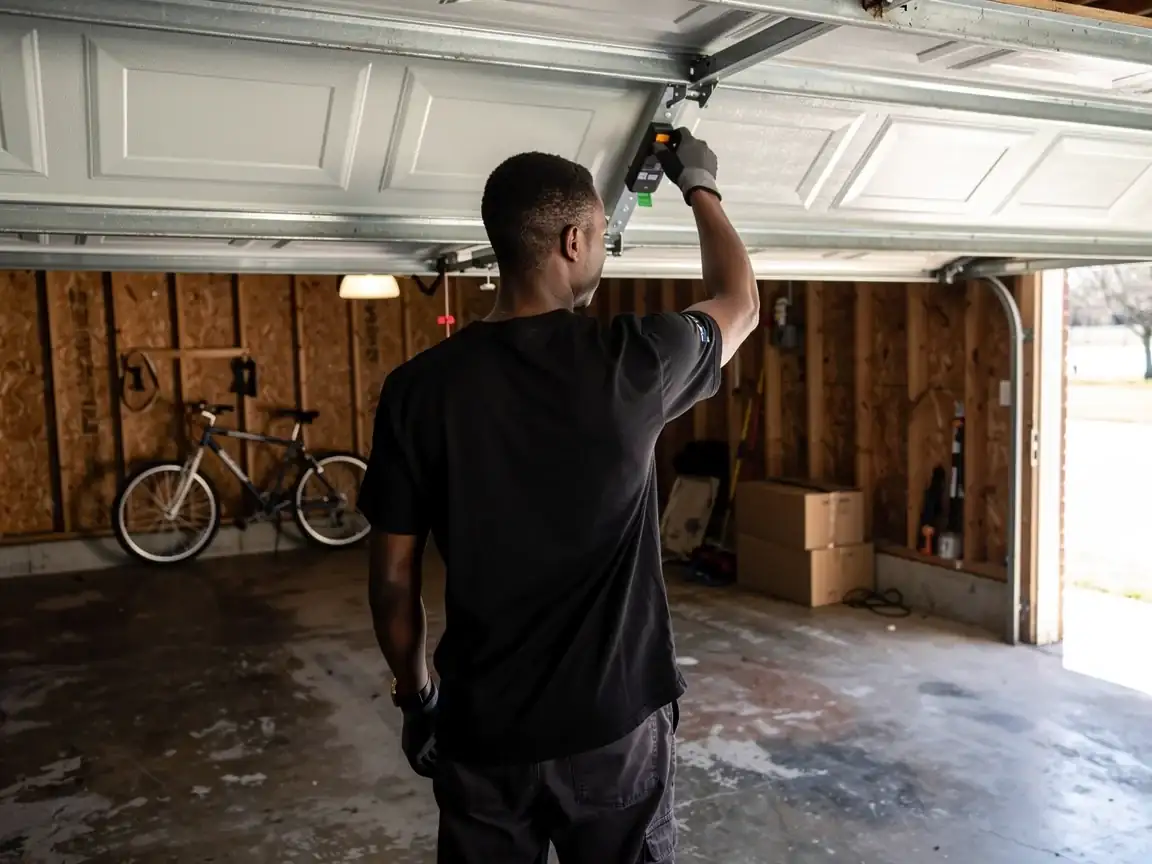
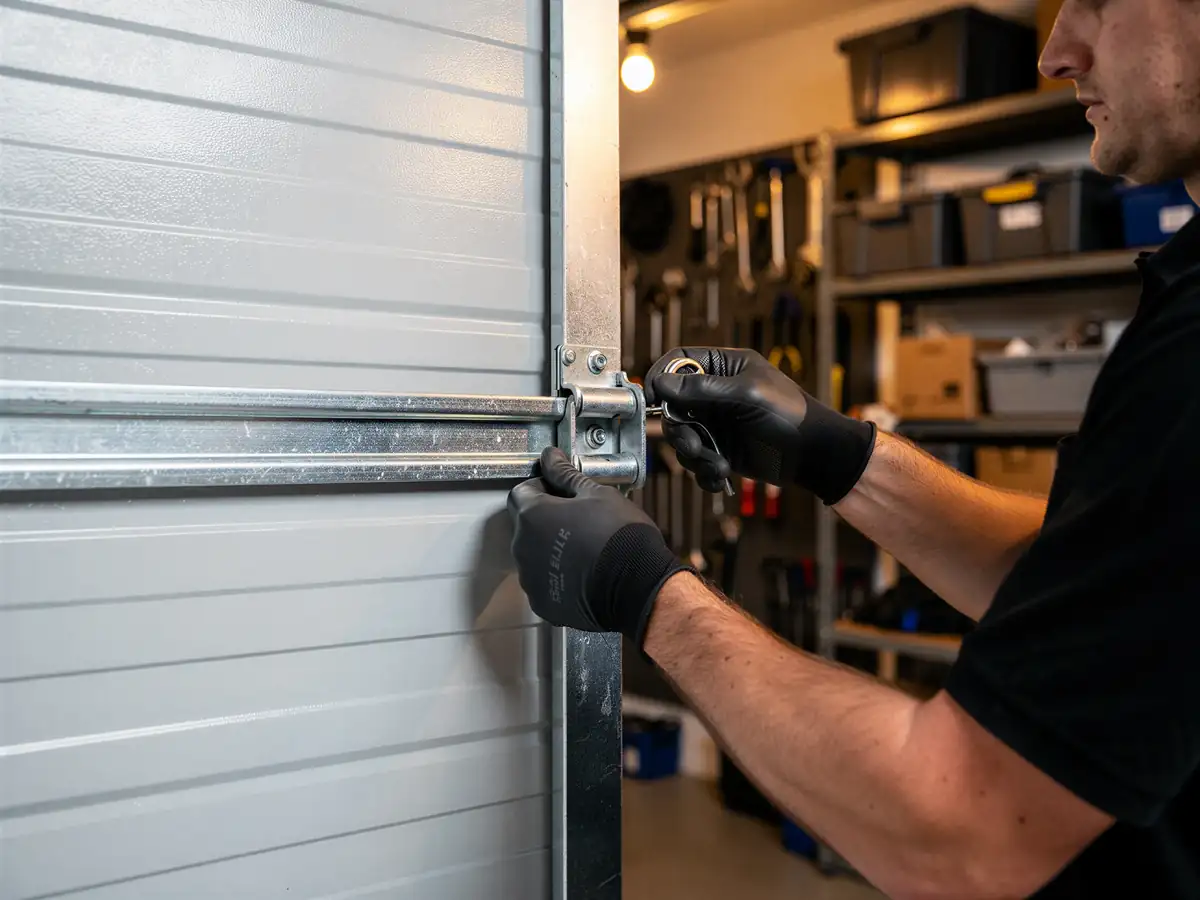
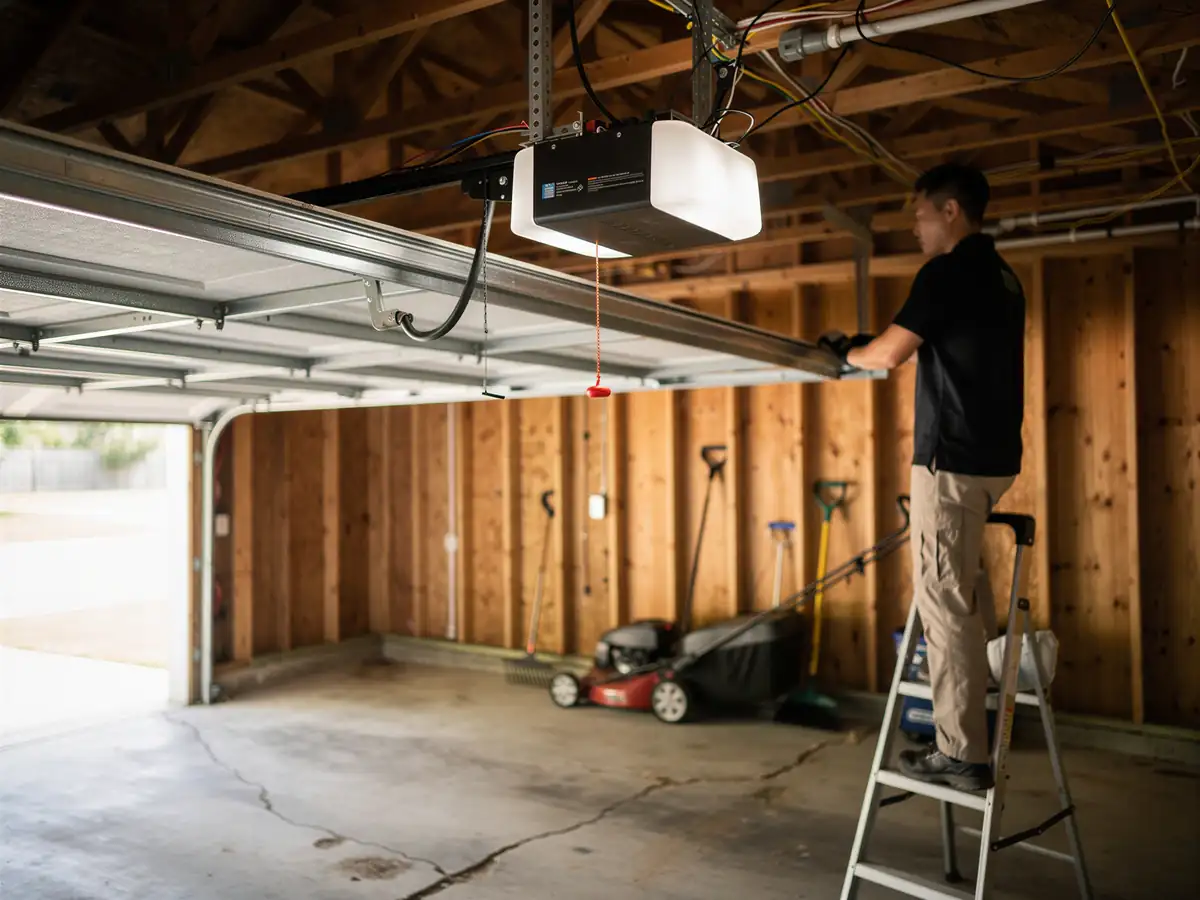
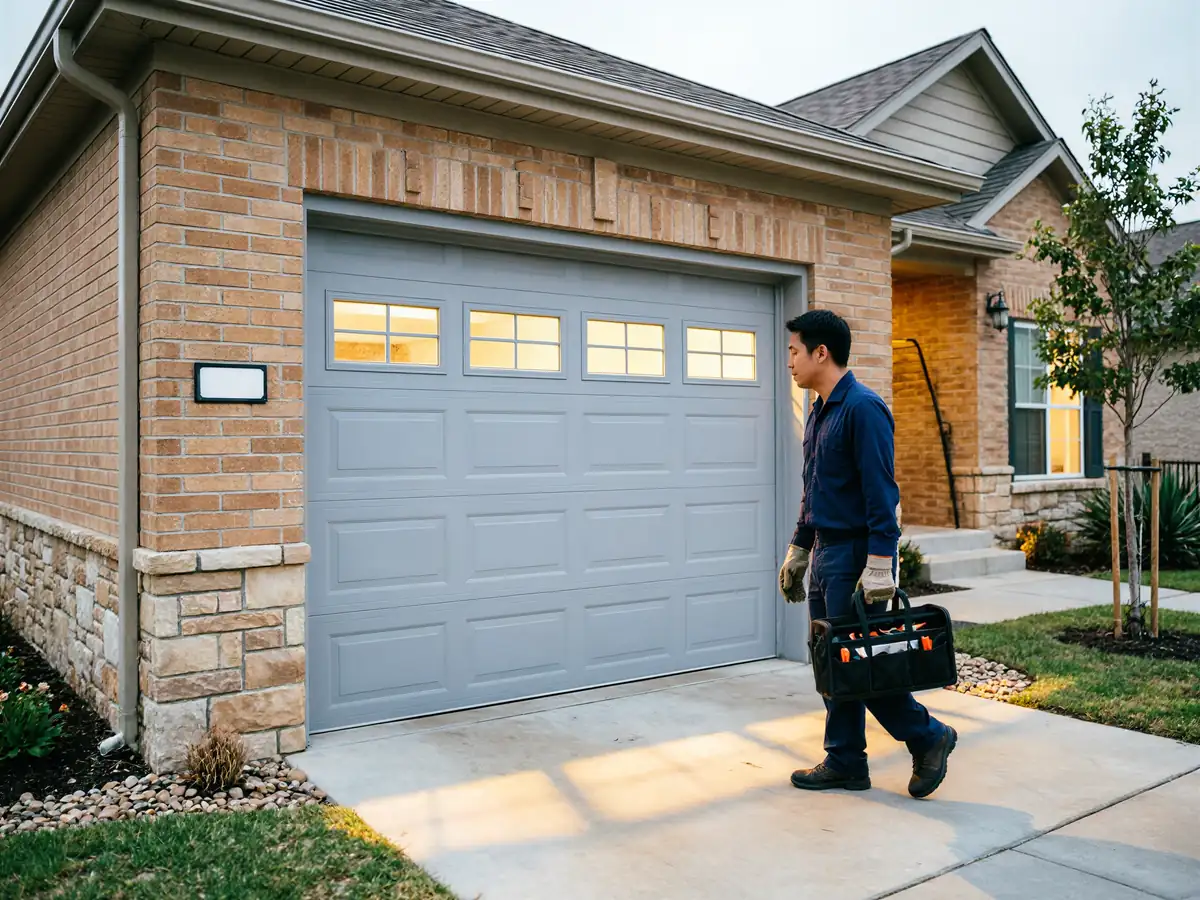
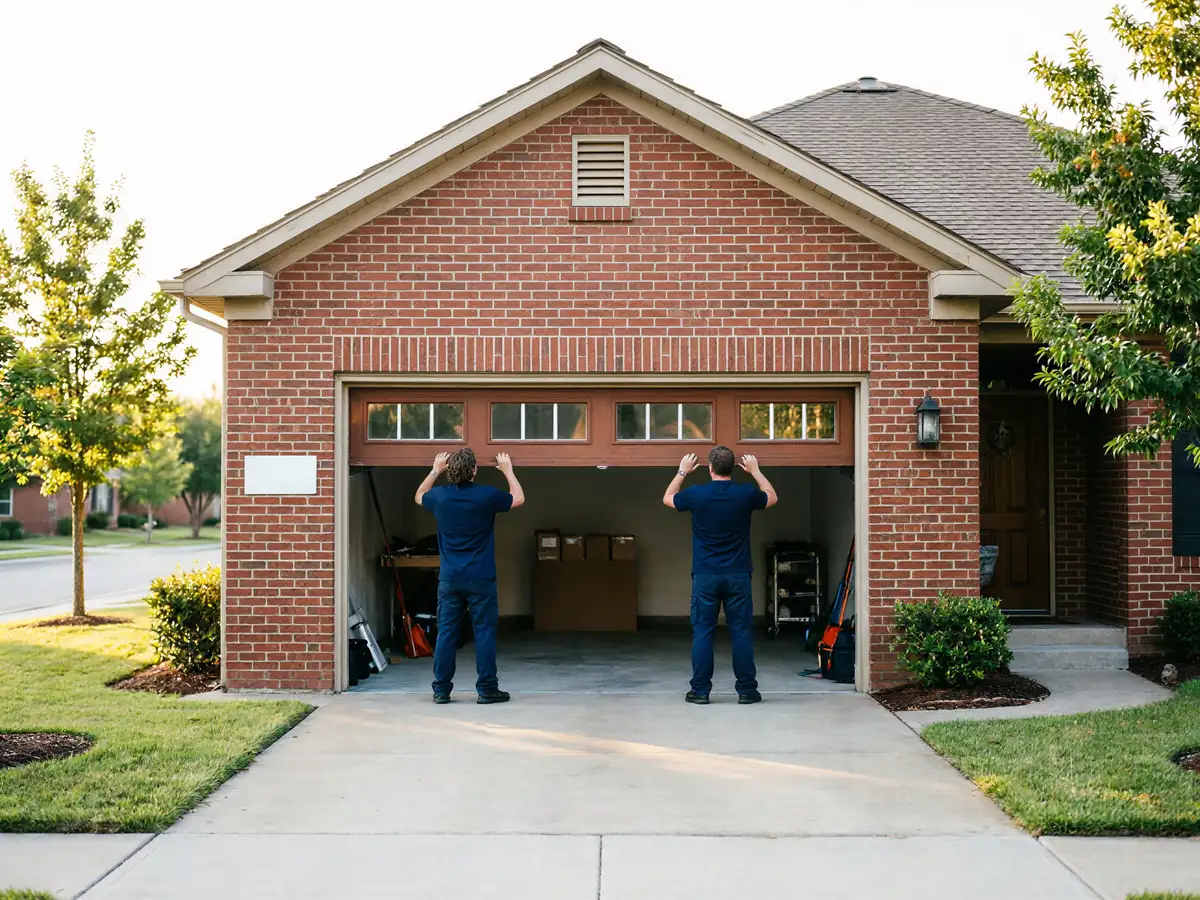
A new installation starts with pulling the old door, track, and spring system down to the frame, then checking that the opening is still square - something that matters on houses from the 1991 era because original framing can shift over three decades. We set new track, mount the torsion spring system sized to the door's weight, hang the sections, and balance it so the opener isn't doing more lifting work than it should. Given the mild climate here with occasional freeze nights, we don't push heavy insulation packages the way a colder-climate installer might, but we do make sure weatherstripping is tight enough to keep out wind-driven rain. The opener gets mounted and tested through a full cycle before we call the job done.
How Long It Takes
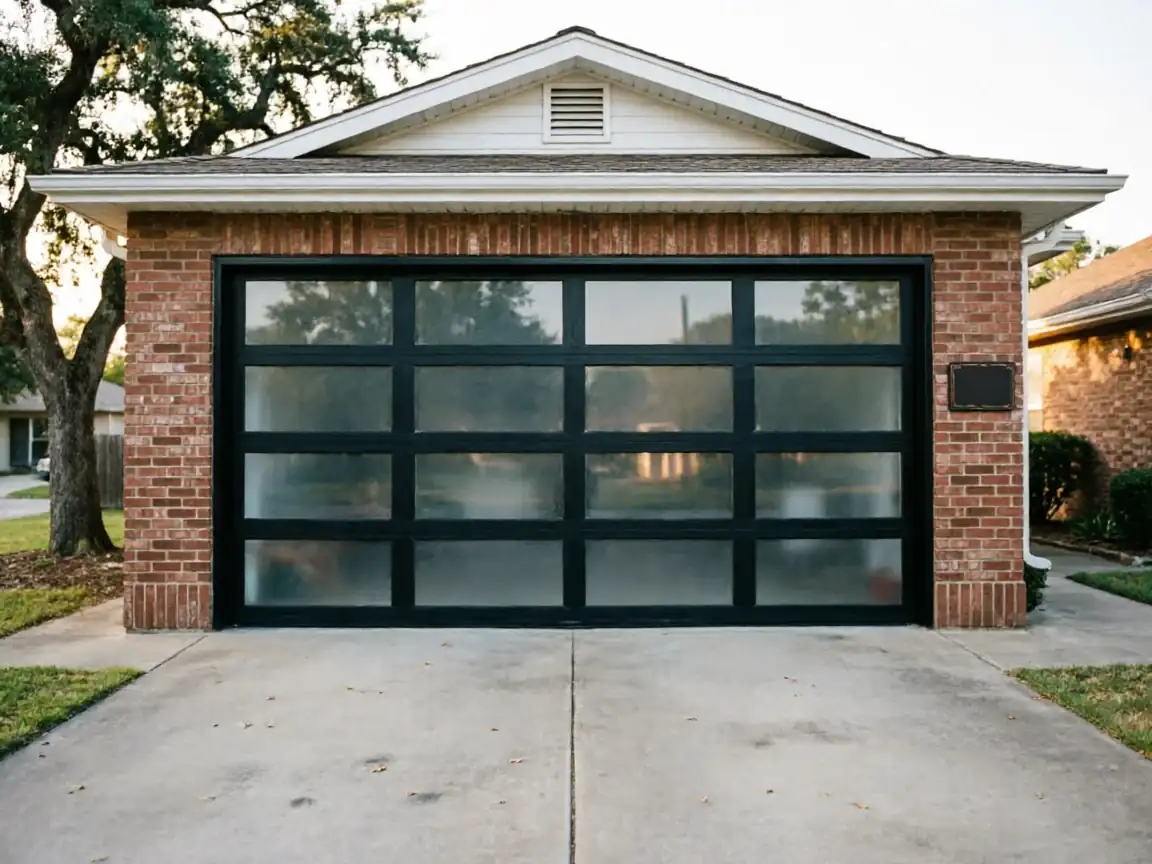
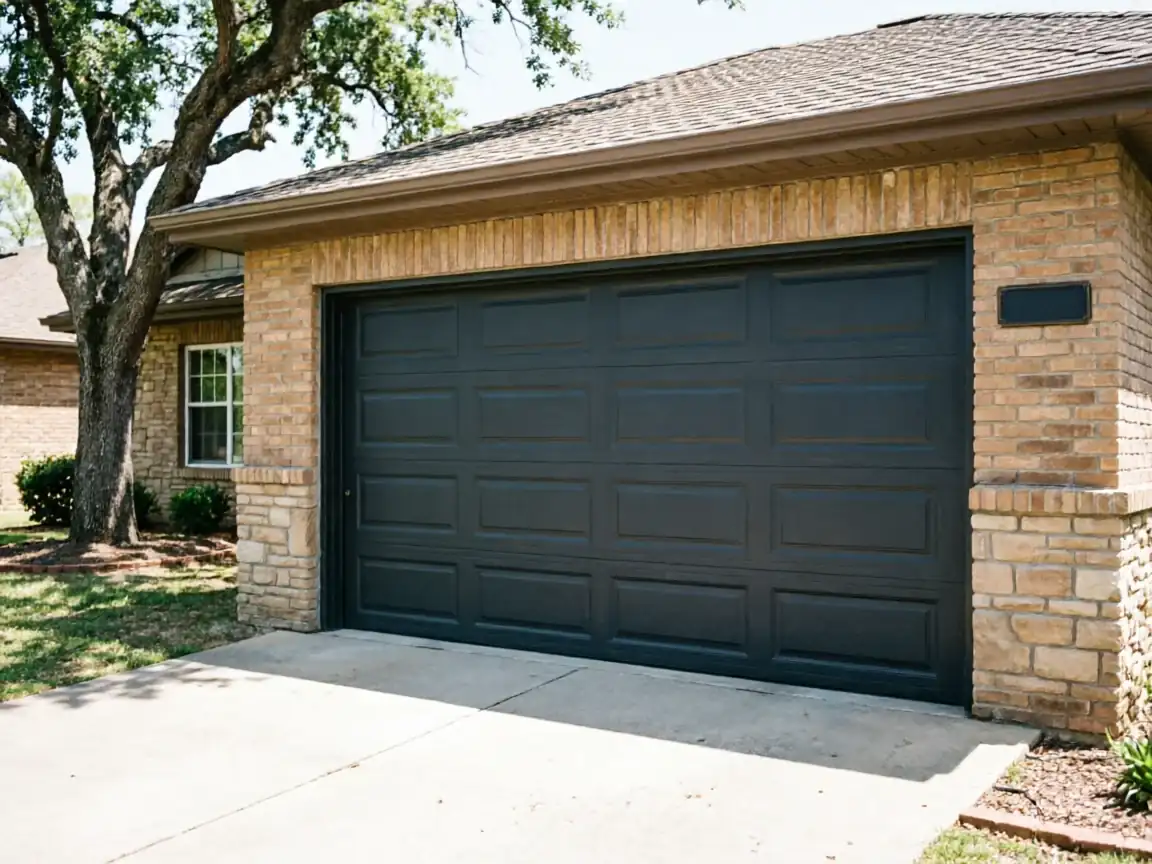
Most single-door installations run half a day once we're on site, door and opener included. Double doors or jobs where the old track has to be reframed take longer. Because we're traveling the 5 miles from Monroe rather than working out of a Richwood yard, we schedule the appointment window up front so you're not guessing when the truck shows up. Custom-width or custom-color doors are the one thing that can stretch the timeline - those are special-order items and we don't control the manufacturer's lead time on them.