What Can Go Wrong
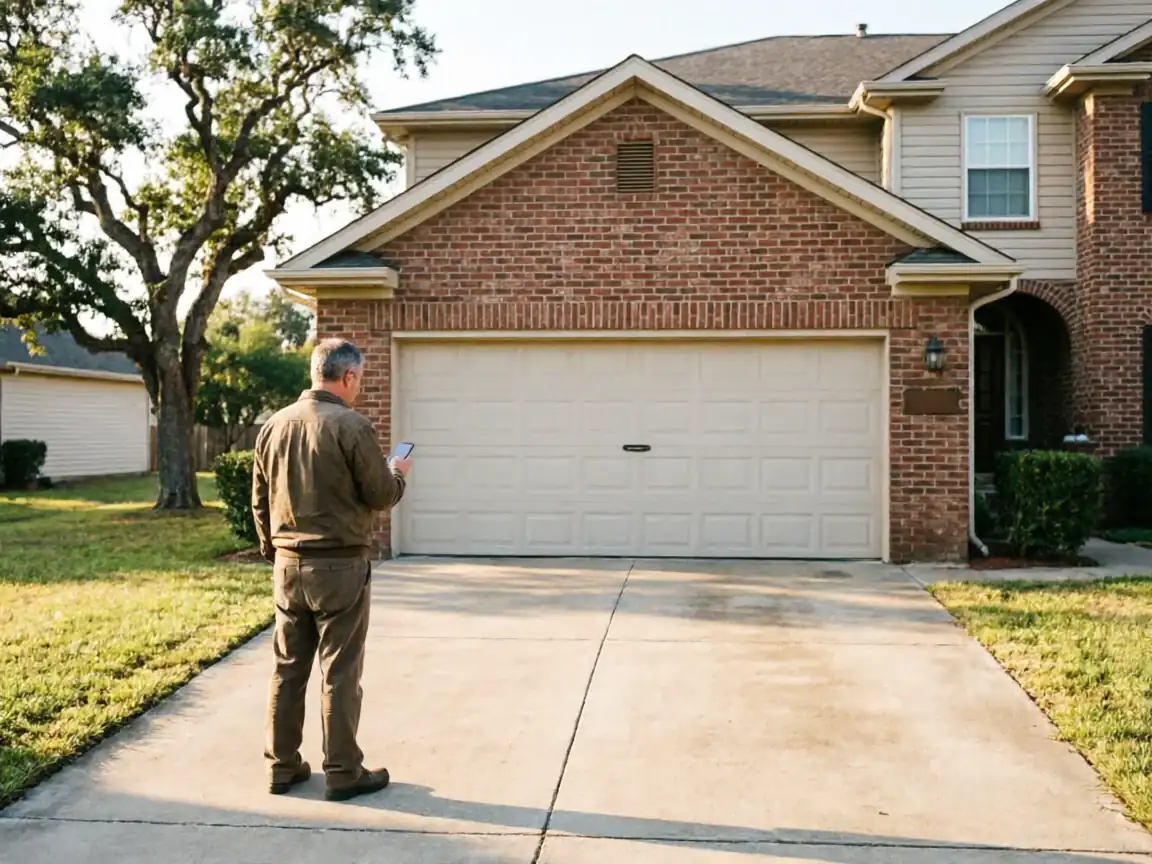
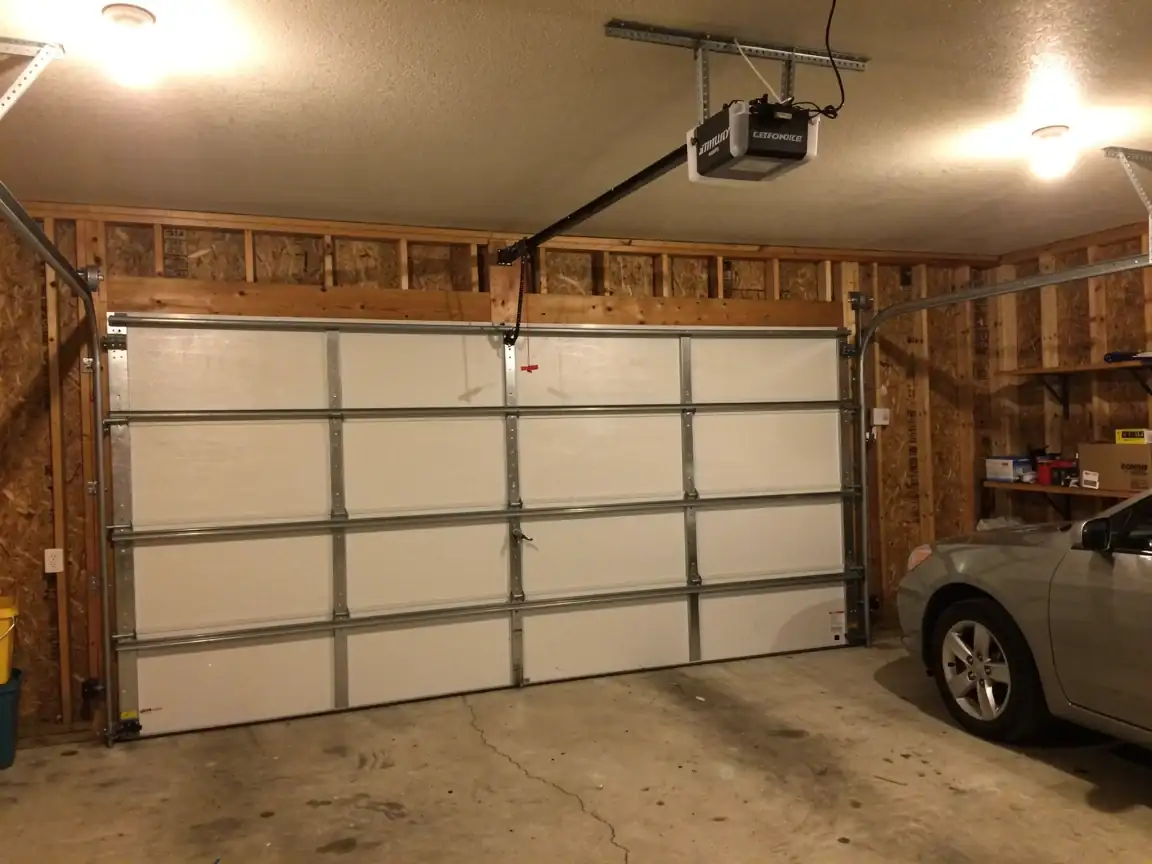
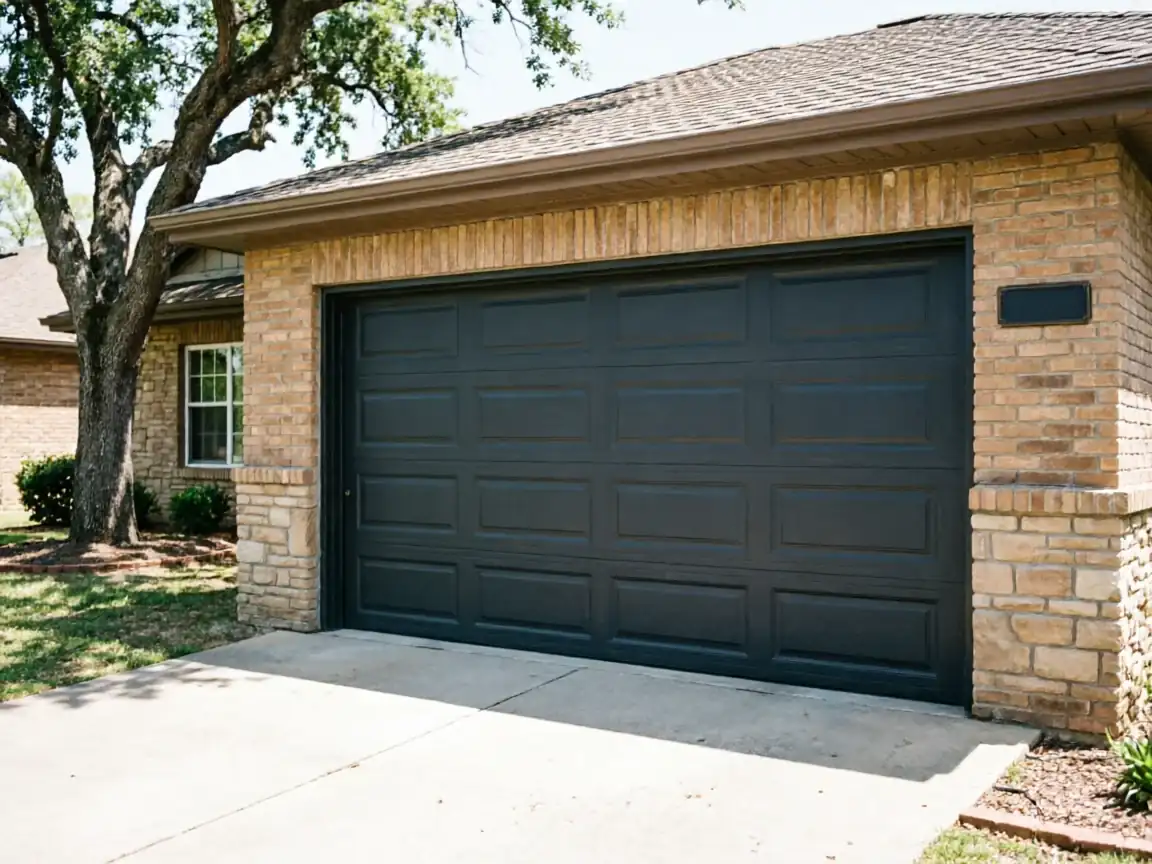
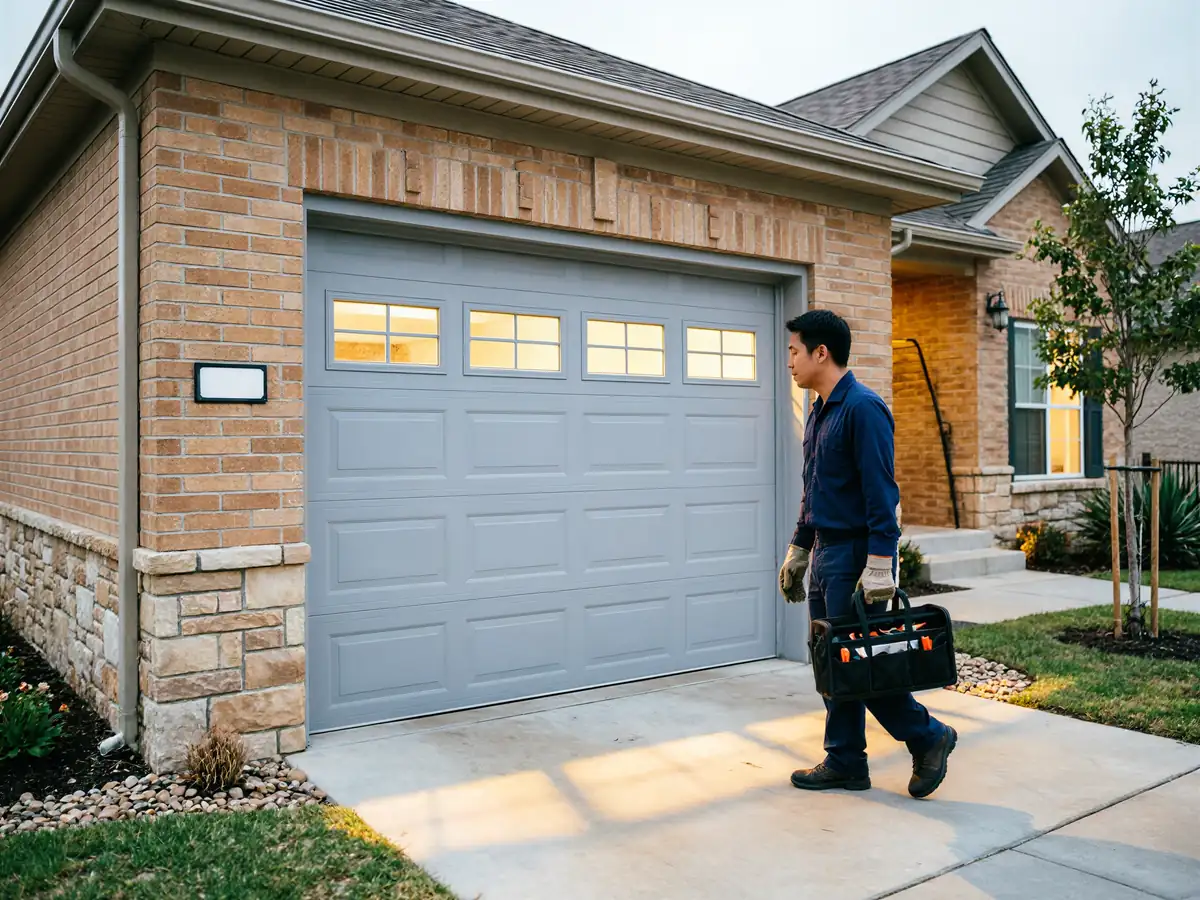
Richwood is a five-mile drive from our shop in Monroe, and that short run matters more than it sounds like it should. It means a tech can be looking at your track within the same stretch of road he drives every day, which keeps the diagnosis fast even when the fix isn't. Most of the housing stock here went up around 1991, square in the middle of the broader 1975-2005 build window across the Monroe service area. Doors from that era were built with steel rollers riding on steel track, no nylon, no sealed bearings. After thirty-plus years those steel wheels wear flat on one side, and you get the grinding or shuddering sound that owners usually describe as the door "catching" partway up. The climate here is mild with occasional freezes, not the kind of swing that cracks track outright, but the humidity still works rust into the roller stems over time, and that's usually what seizes a wheel in its hinge rather than the roller itself wearing out. Bent track from a roller that's jumped the rail is the other common failure we see on doors this age.
Doing It Yourself
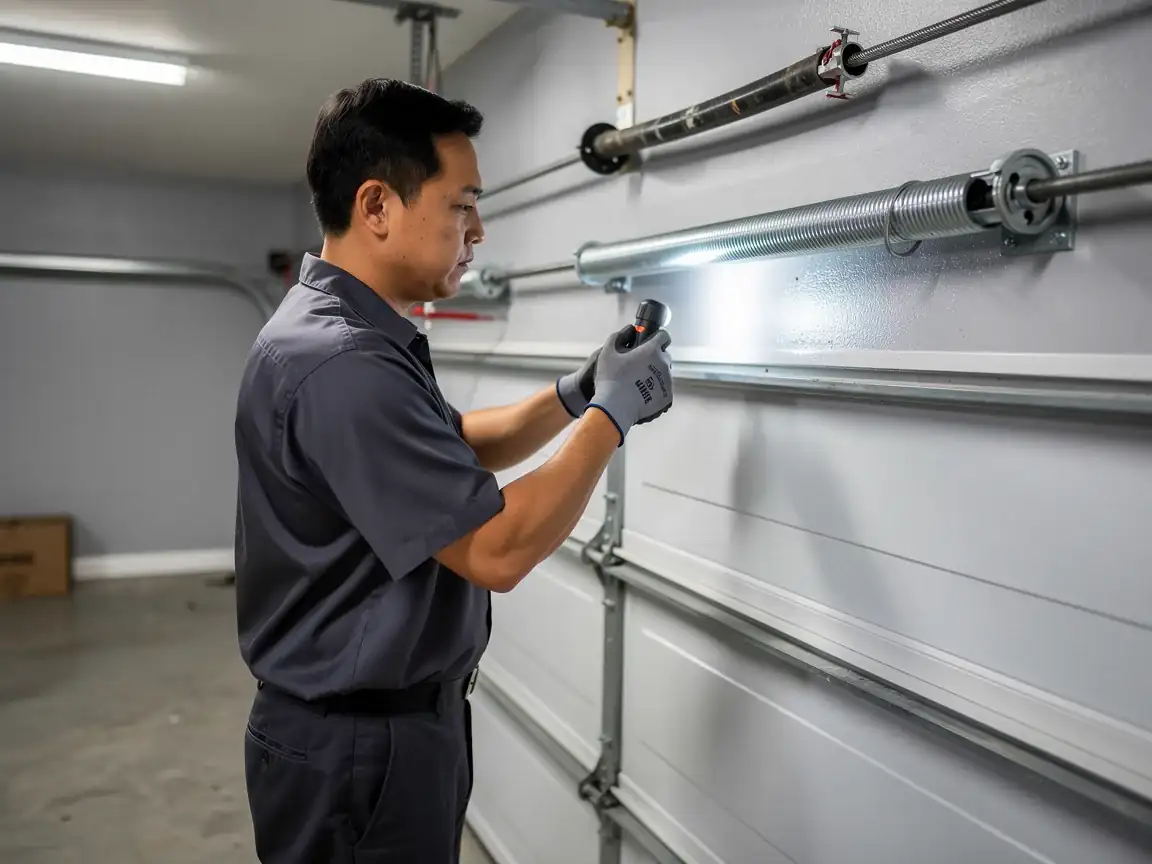
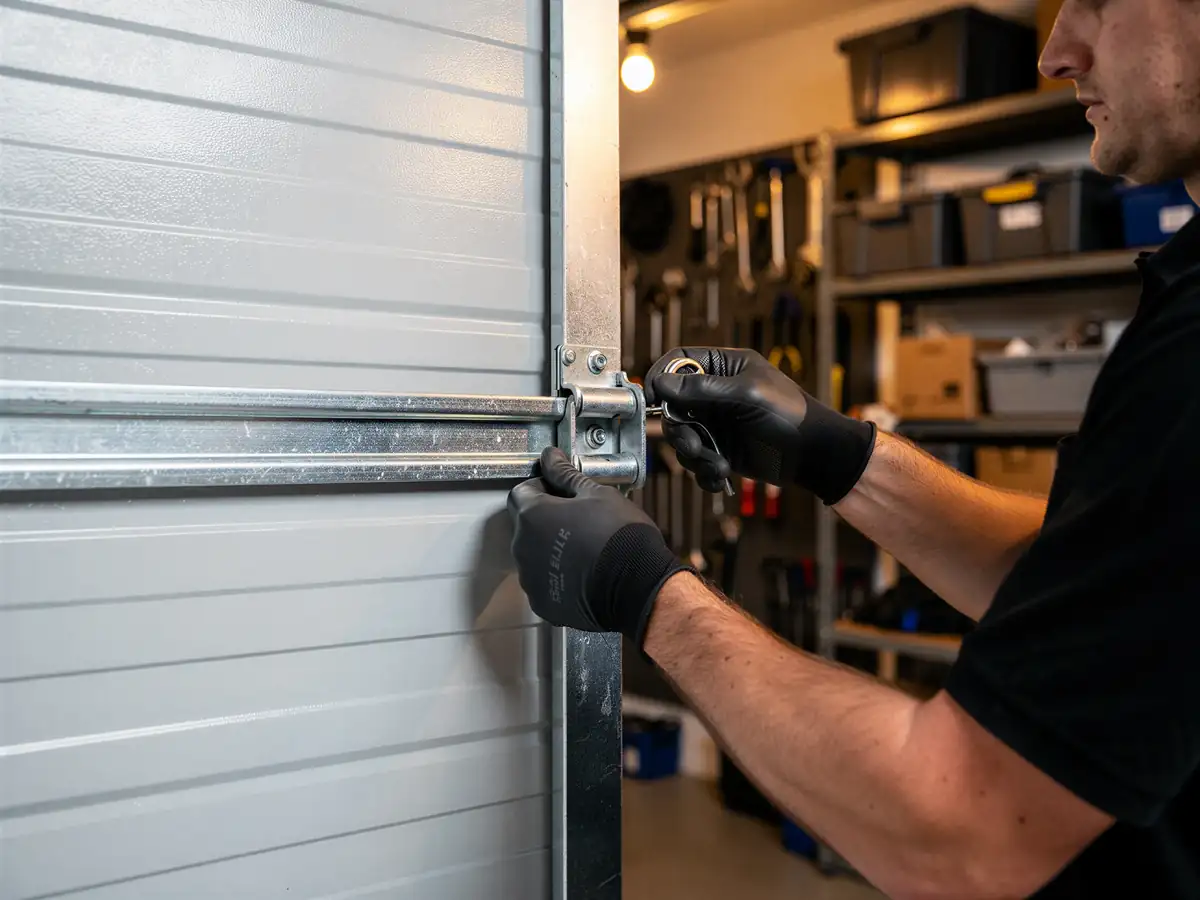
Swapping a single roller on a door that's down and disconnected isn't an unreasonable DIY job if you've got the right pliers and you're not working near the bottom bracket, which holds spring tension and should stay off-limits to anyone without a winding bar. Where owners here get into trouble is doing it with the door still under power from the opener, or trying to pull a roller out of bent track instead of replacing the track section first. On a house built in the early '90s, you're also likely dealing with the original steel track gauge, which doesn't always match the nylon rollers sold at the hardware store - wrong roller stem length means it won't seat in the hinge bracket at all. If more than two rollers are worn, it's worth replacing the full set rather than one at a time, since the others are the same age and will go next.
What the Fix Involves
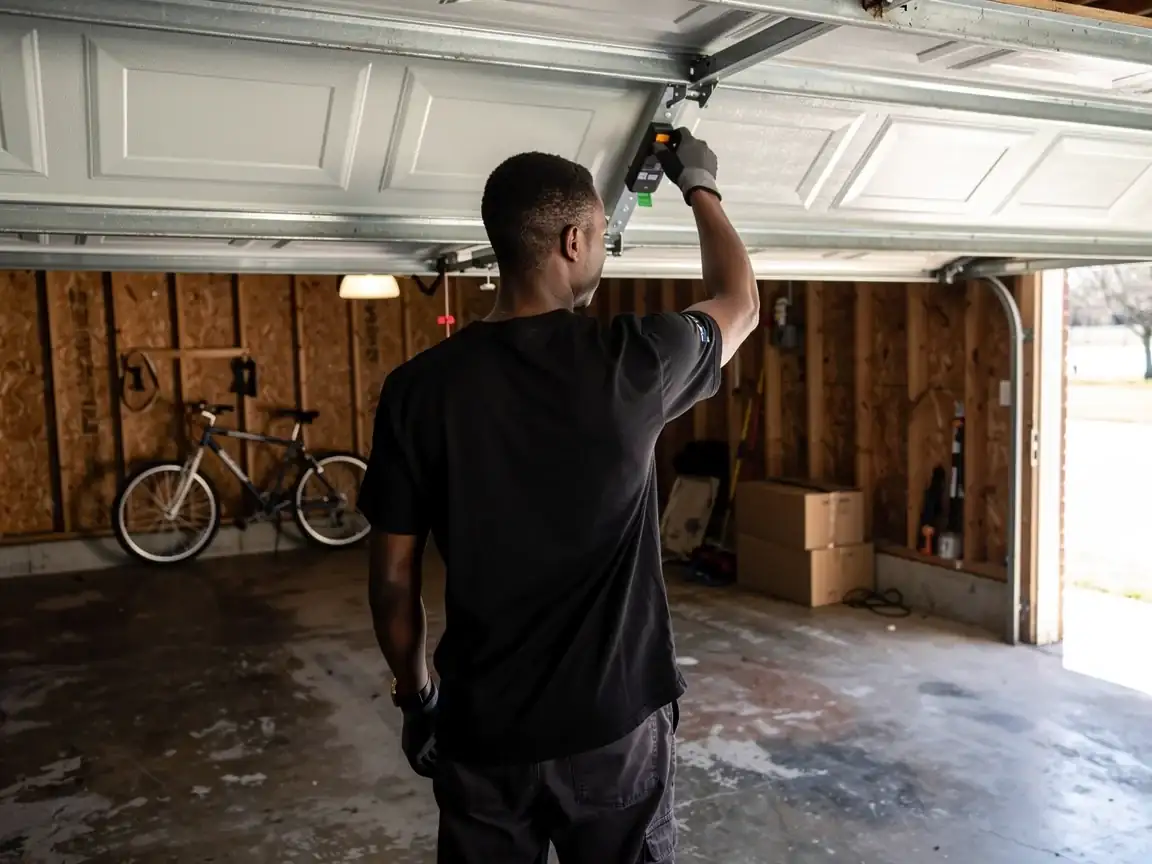
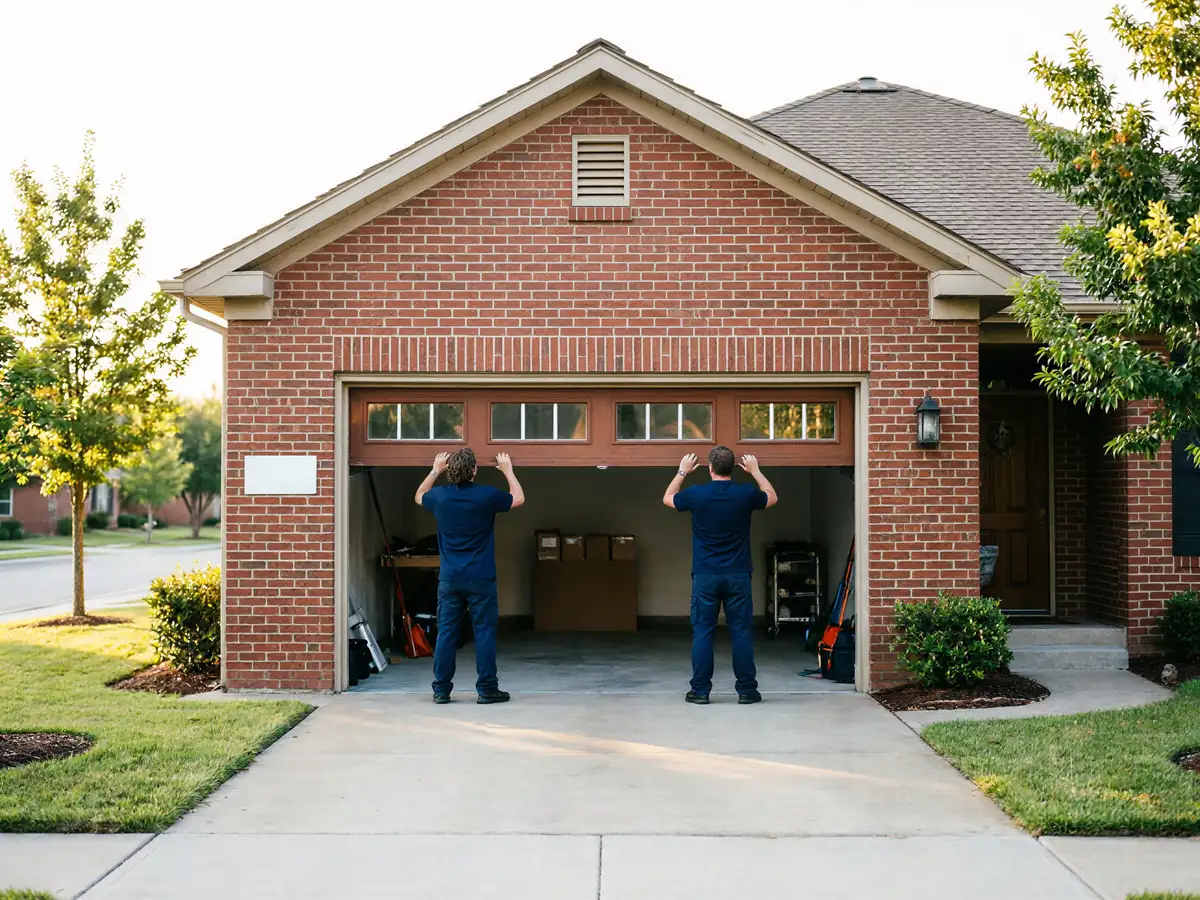
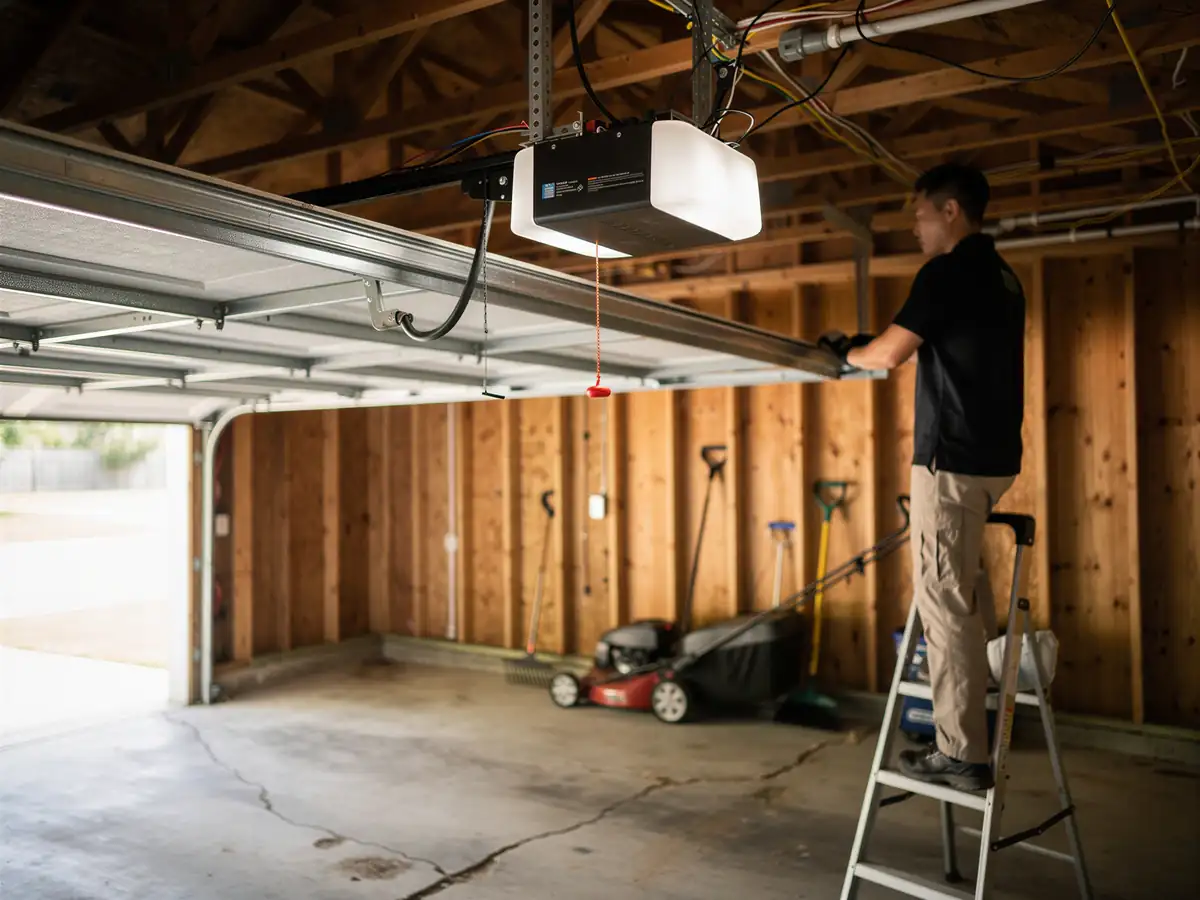
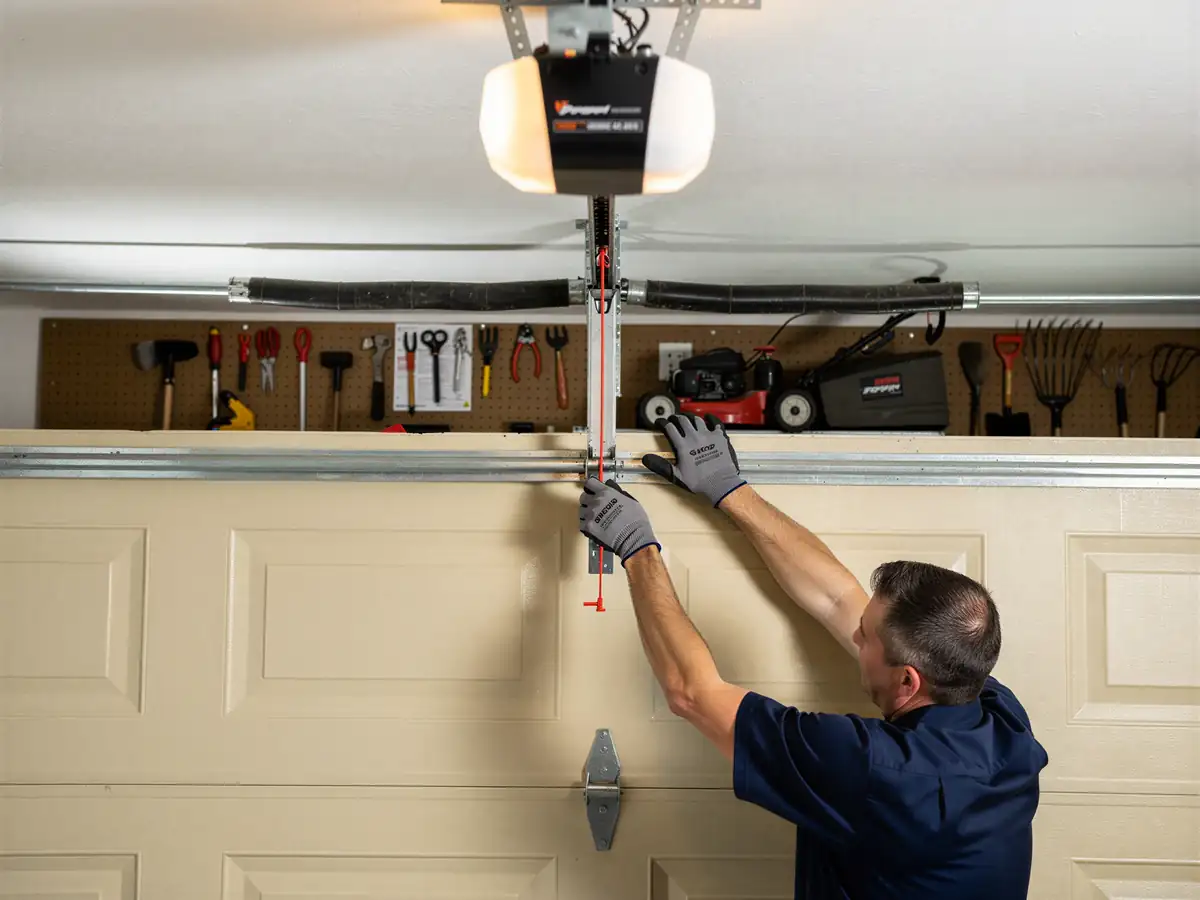
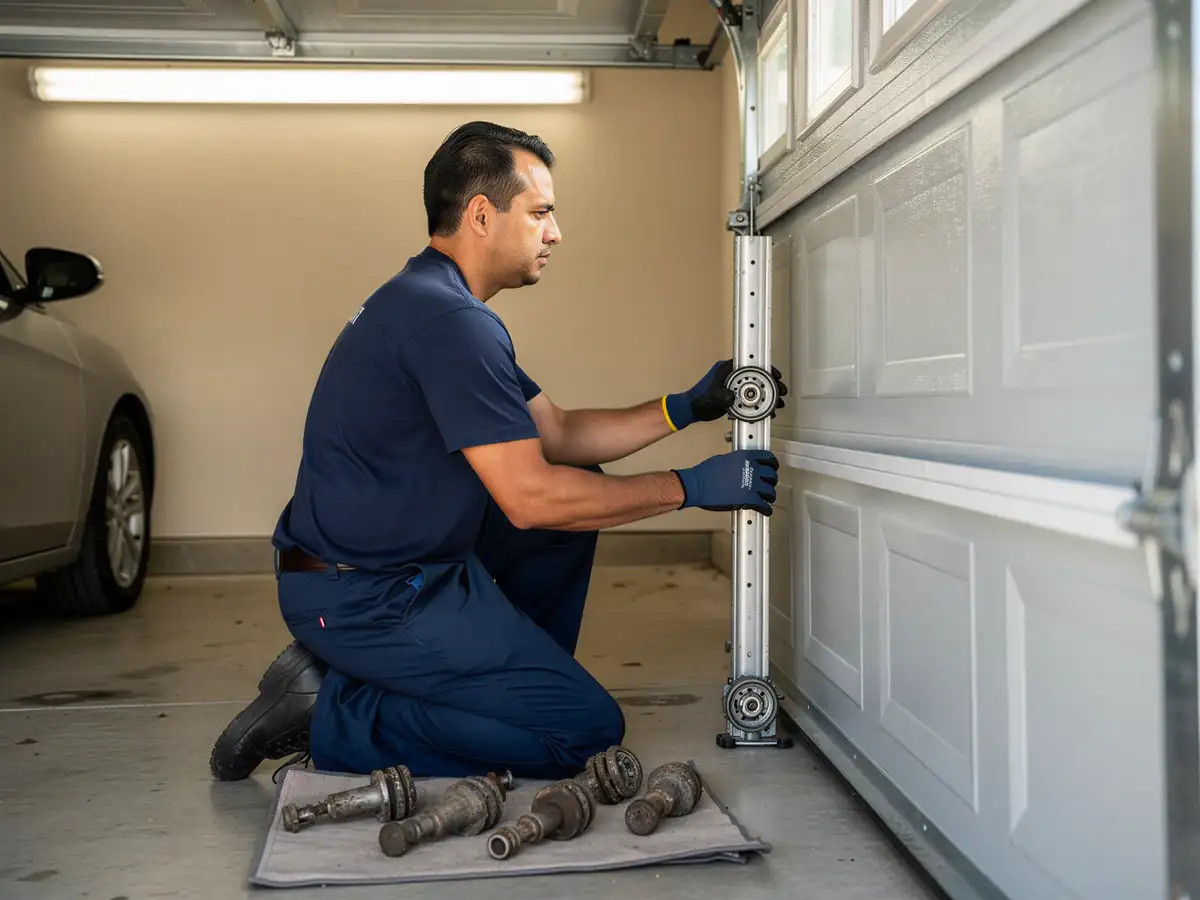
We pull the door down on a clamp, not by cutting power at the opener, and work roller by roller so the door stays supported the whole time. Steel rollers get replaced with sealed nylon - quieter, and they don't need the grease steel rollers do, which matters in this climate's humidity since dry grease on steel is half of why those old rollers seize. If the track's bent from a jumped roller, that section gets swapped too rather than bent back, since bent track that's been straightened tends to fail again at the same spot. We check the hinges and brackets while we're in there, since on a door this age the roller is rarely the only part showing its years.
How Long It Takes
A straightforward roller swap, no bent track, is usually done within a couple hours of the truck arriving. Add a track section and you're looking at longer, since that involves resetting alignment on both sides of the door and testing travel before we call it done. The honest limitation: if the track is badly bent or the door itself has racked out of square from years of riding on worn rollers, roller replacement alone won't fix it, and we'll tell you that rather than replace parts that won't solve the actual problem.