What Can Go Wrong
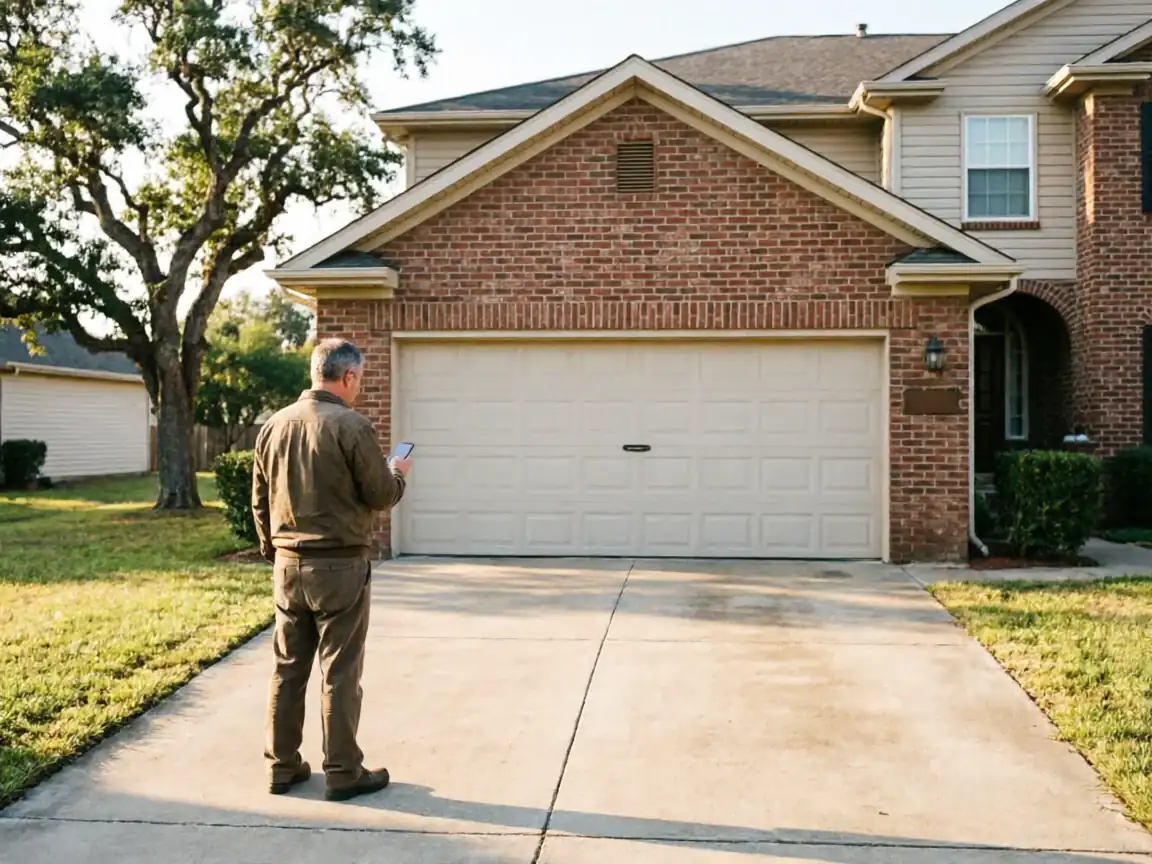
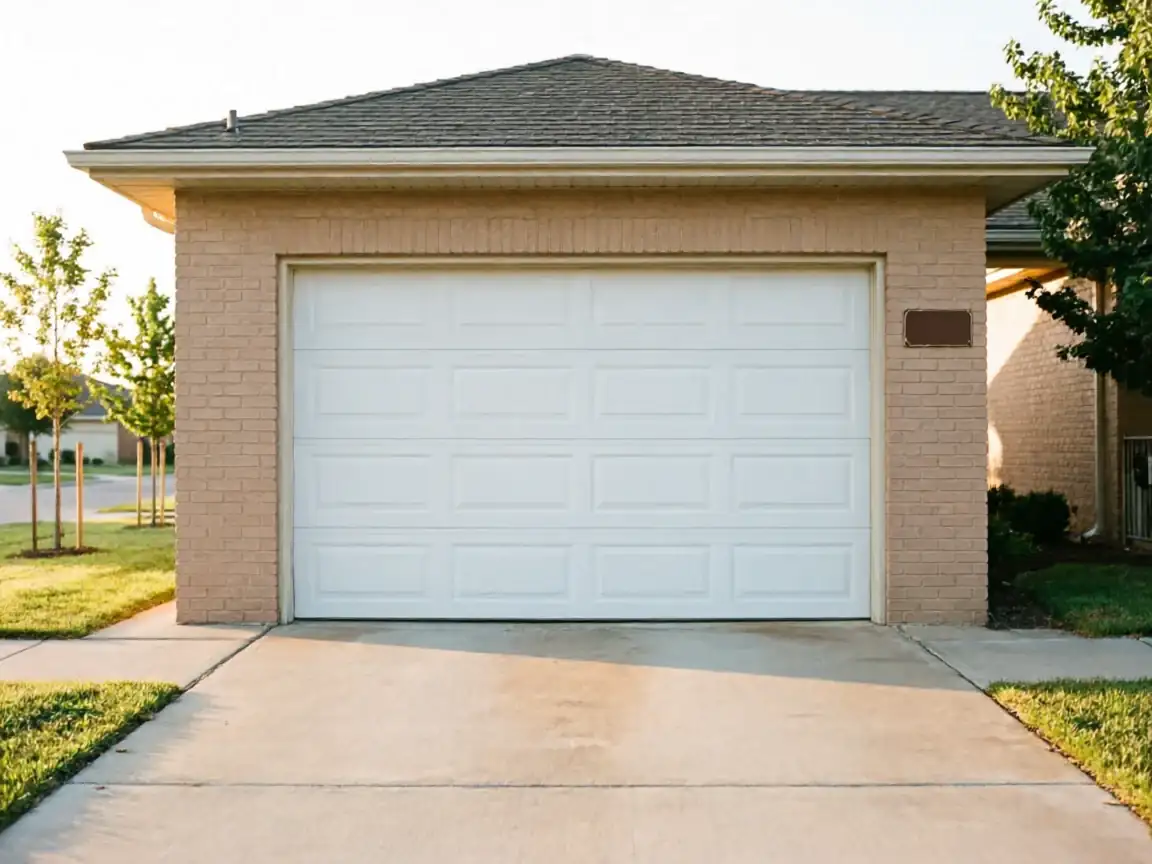
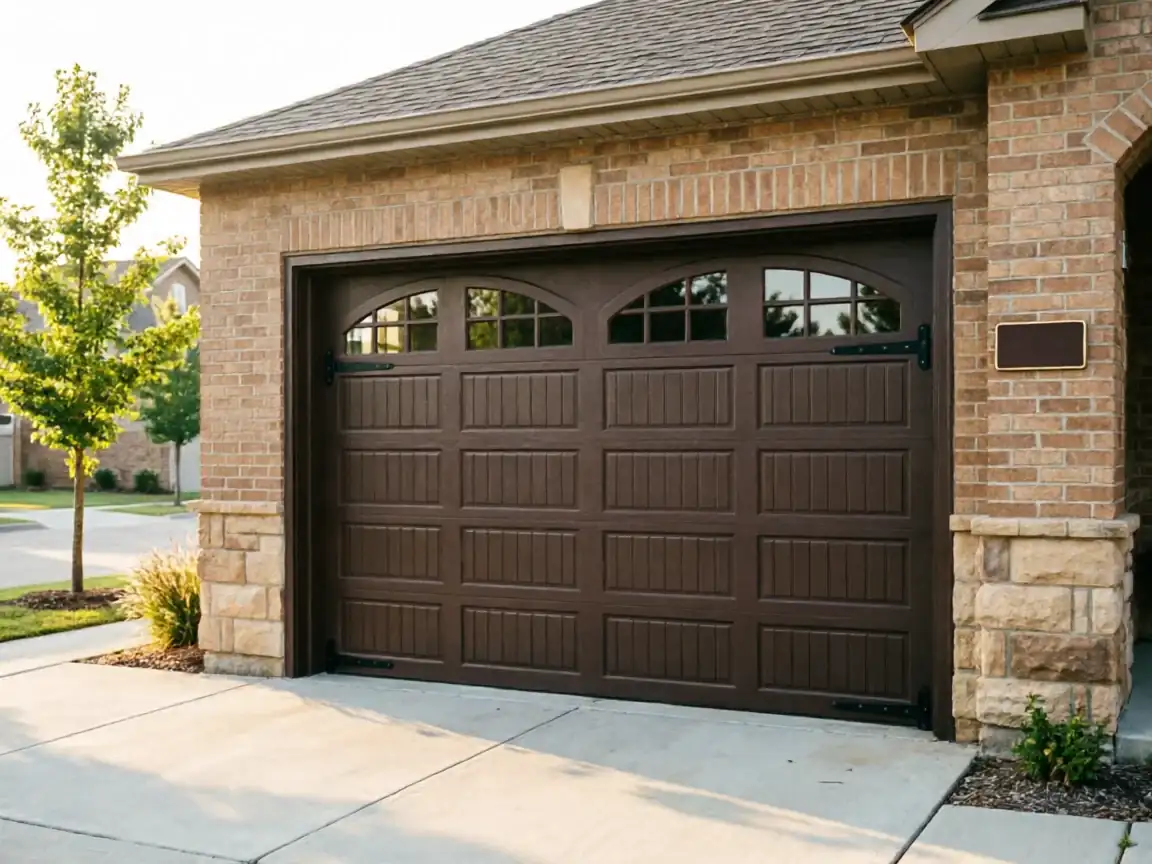
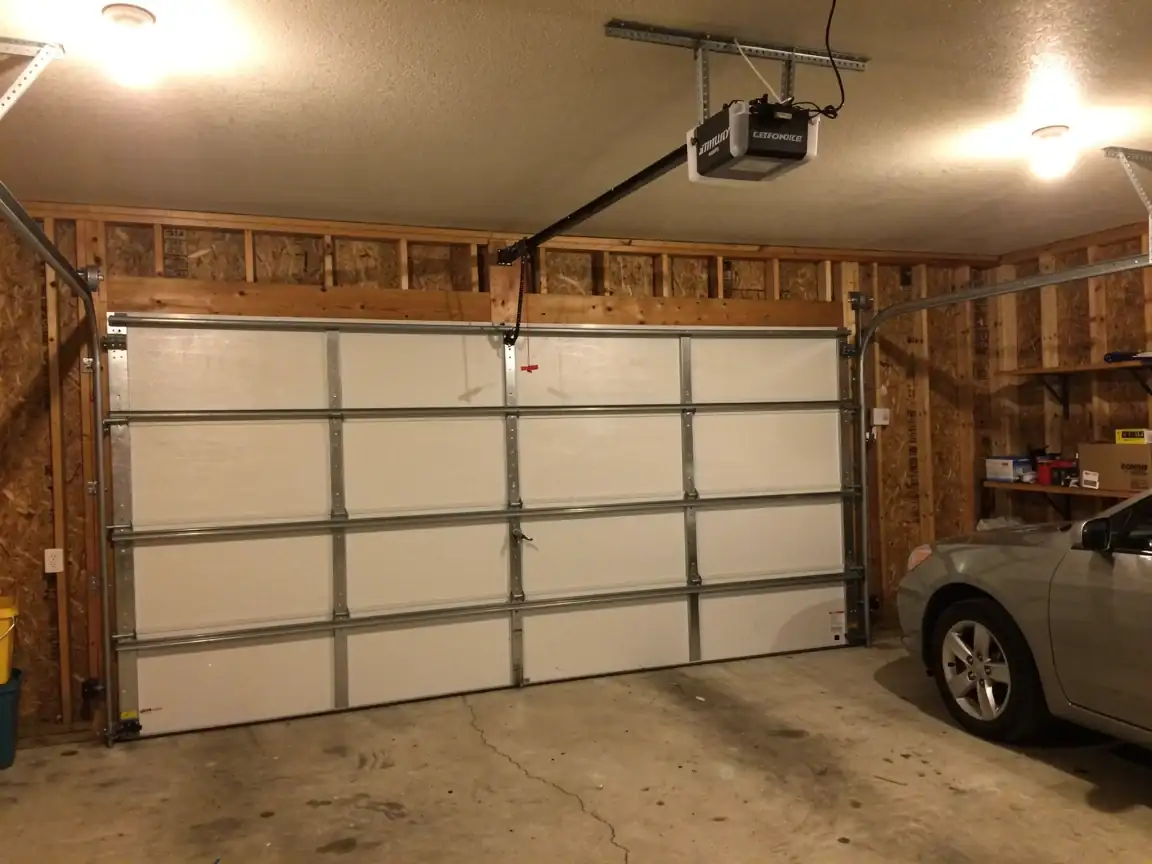
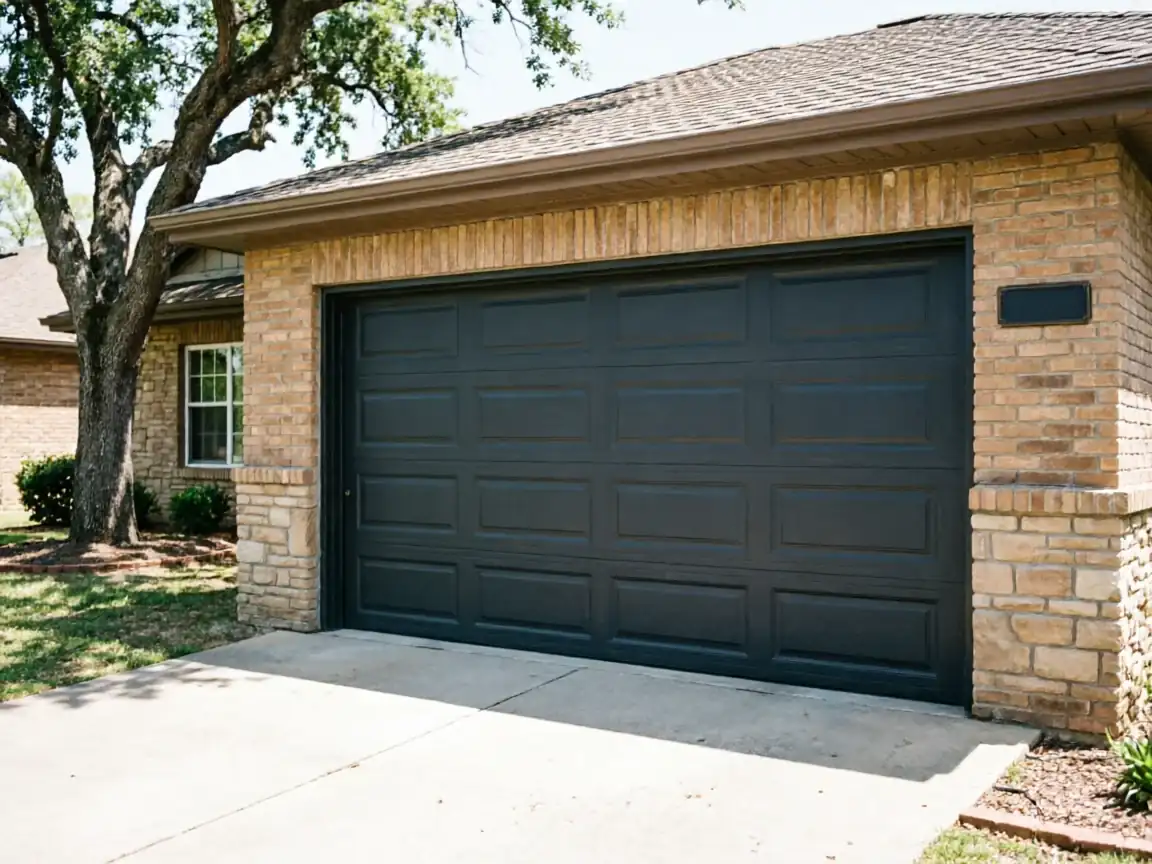
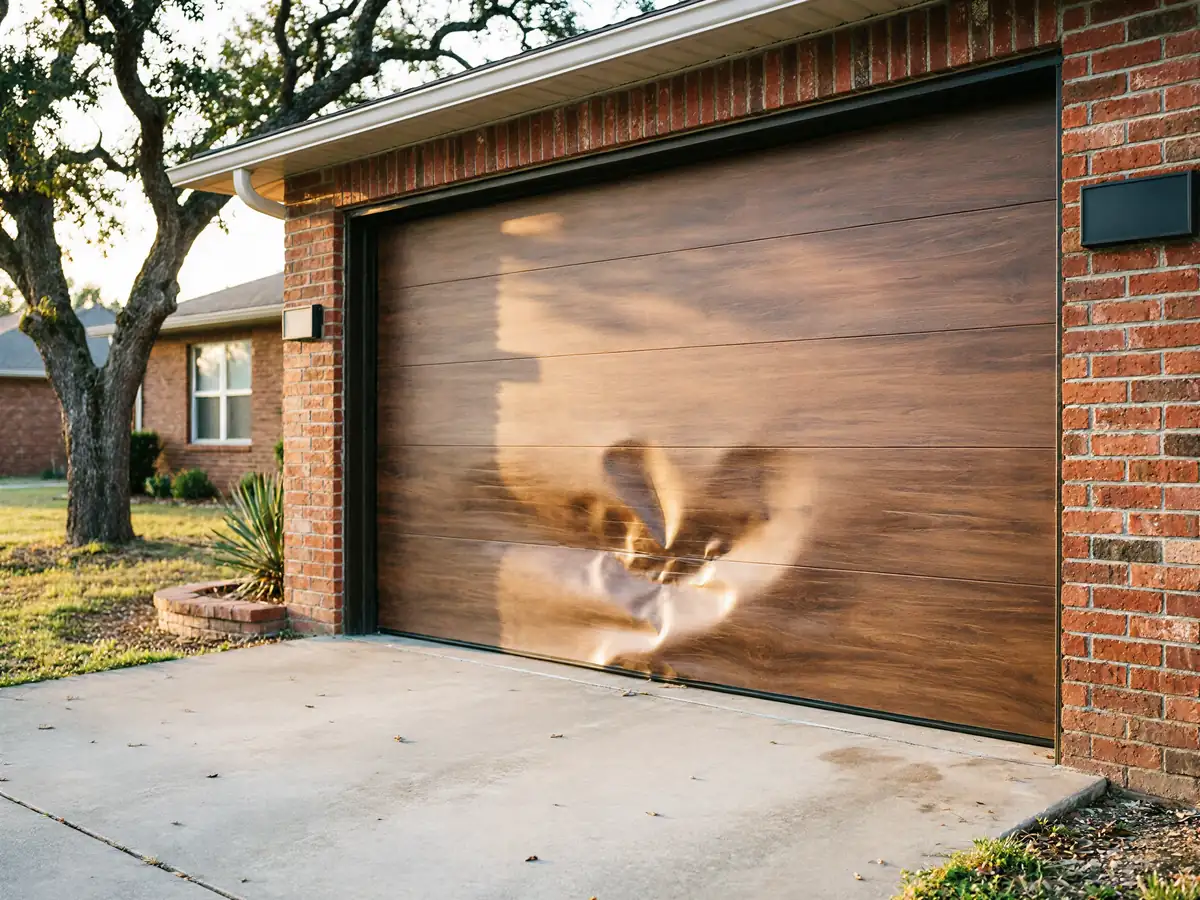
Most houses in Richwood went up around 1991, a good six years past the median build year for the wider Monroe service area (1985). That gap matters for panels specifically. Doors installed in that window were almost always steel sectional units with a roll-formed raised-panel face - the embossed look that was standard before insulated doors became common around here. Thirty-plus years on, the usual failure is the bottom panel: moisture sits at ground level, the galvanized coating gives out at the seams, and you get bubbling paint or a soft, rusted-through section long before the rest of the door shows its age. Mid panels crack or dent from a car bumper or a wayward basketball, and because the profile is specific to that era, a mismatched replacement panel sticks out immediately - different rib spacing, different gloss. The climate here is mild with occasional freezes, so you're not fighting the kind of swing that cracks vinyl-clad doors, but that same moisture-then-dry cycle is exactly what eats a steel panel from the inside out at the seam. One honest limit: if more than two panels on a door have gone soft, patching one at a time usually costs more than replacing the whole section run.
Doing It Yourself
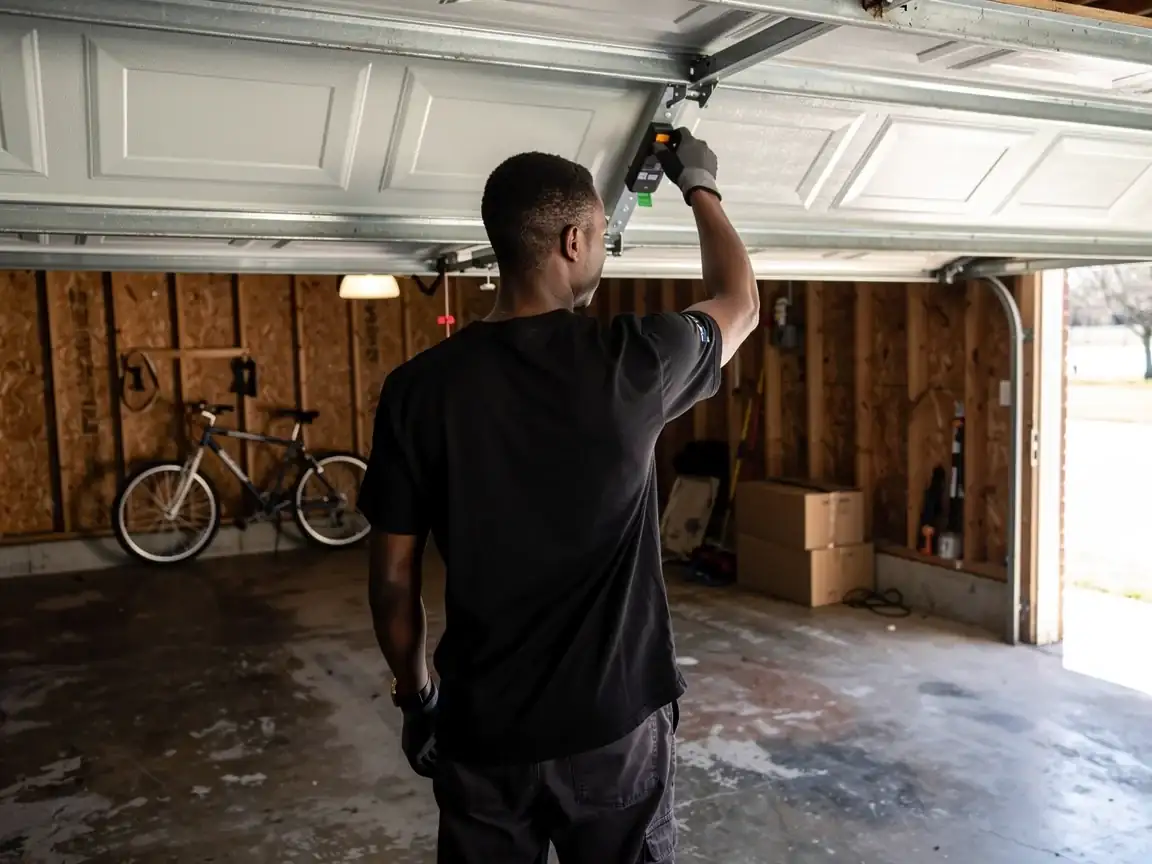
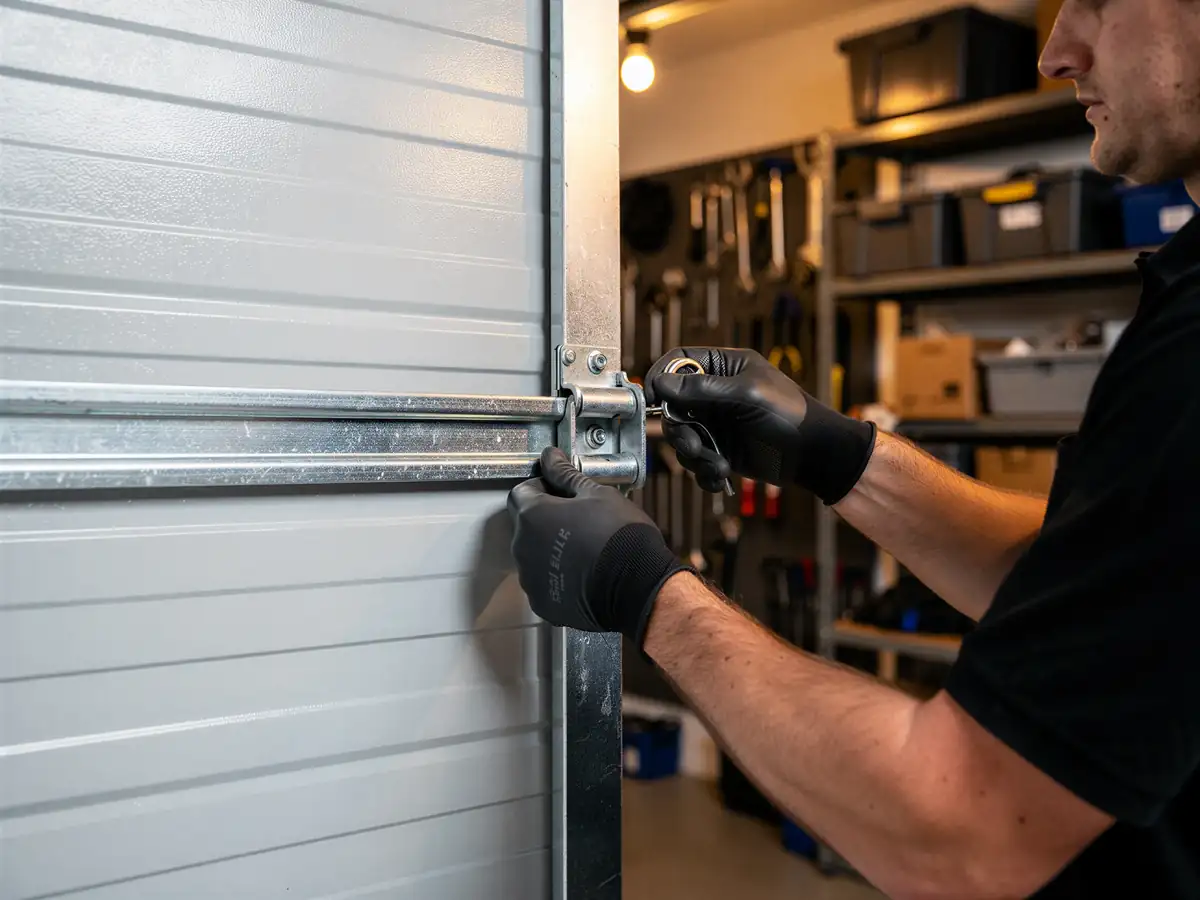
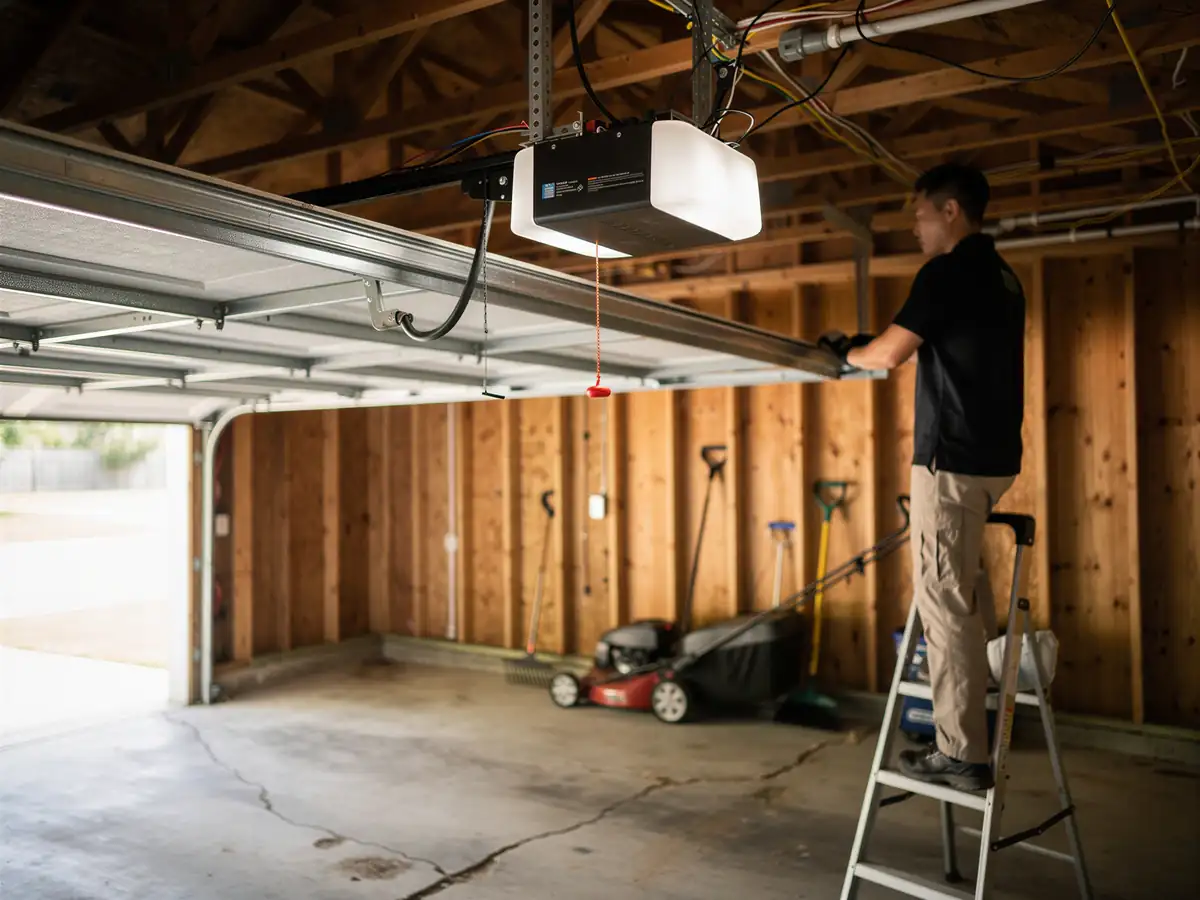
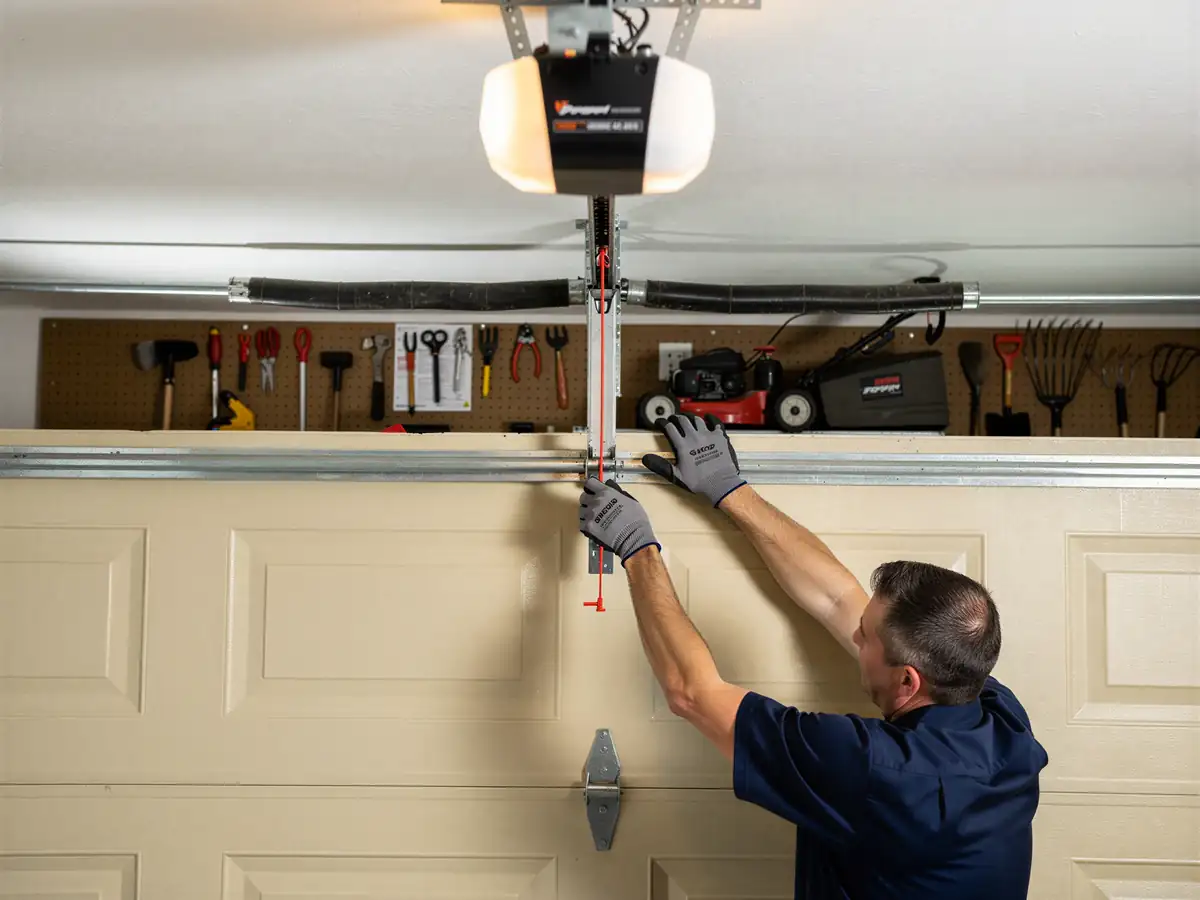
Swapping a single steel panel on a sectional door is doable if the door is still square and the track isn't bent, but it's not a weekend-afternoon job for most homeowners. You have to disconnect the opener, support the door at the right height, pull the end caps and hinges off the damaged section without the whole door racking sideways, and get a replacement panel that actually matches the 1990s-era rib spacing - not always a shelf item. If the bottom panel is the one that's gone, you're also dealing with the weatherstrip retainer and often a bent bottom bracket, which changes how the cables sit. We won't talk you out of trying it, but if the door's income in parts alone starts running close to half a new section's cost, it's worth a second look before you commit a Saturday to it.
What the Fix Involves
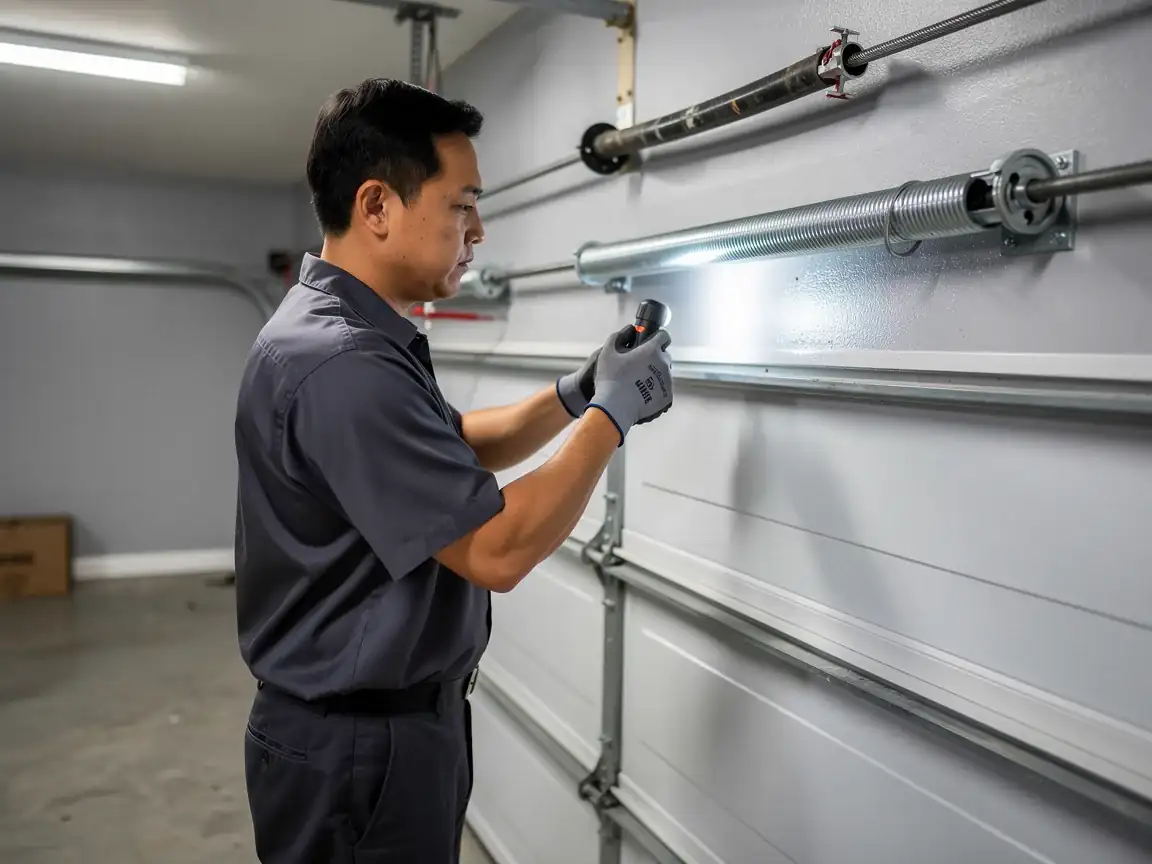
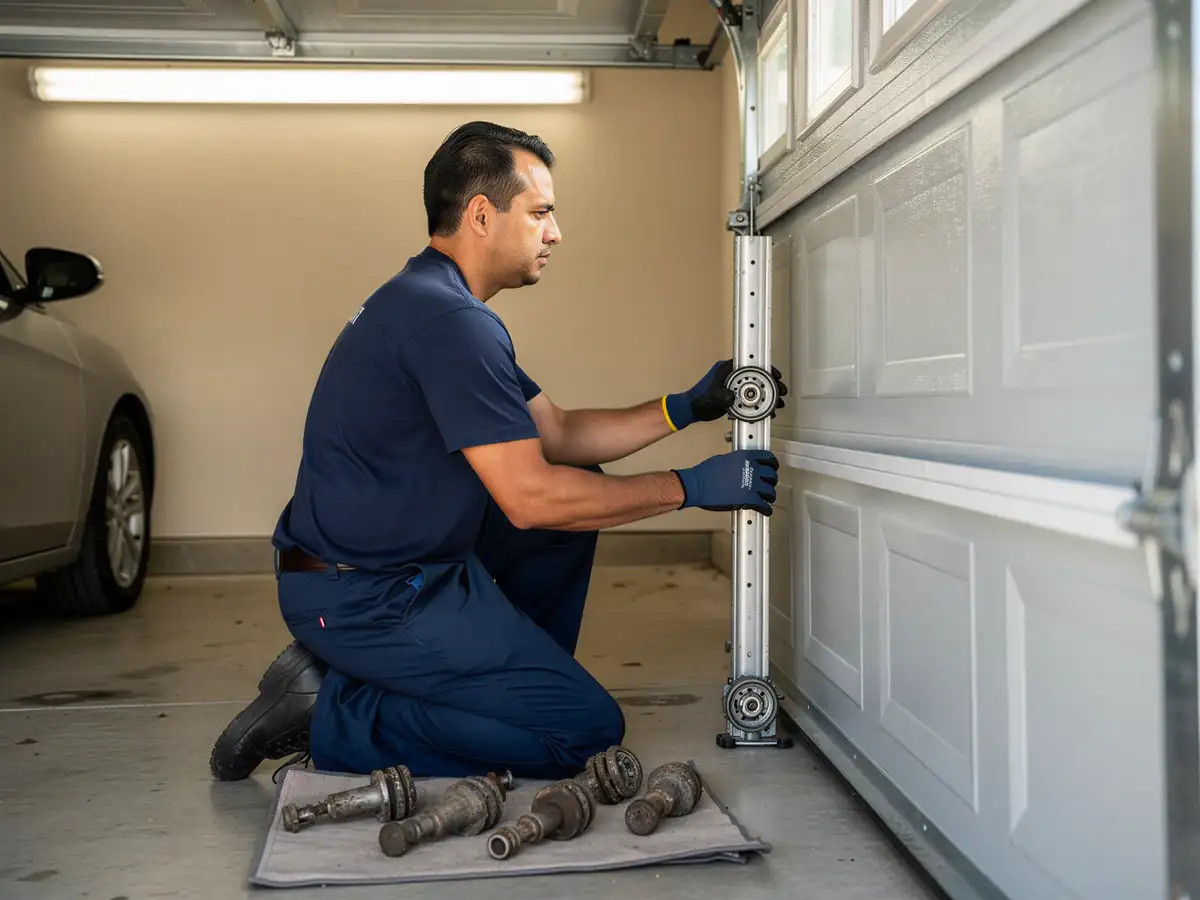
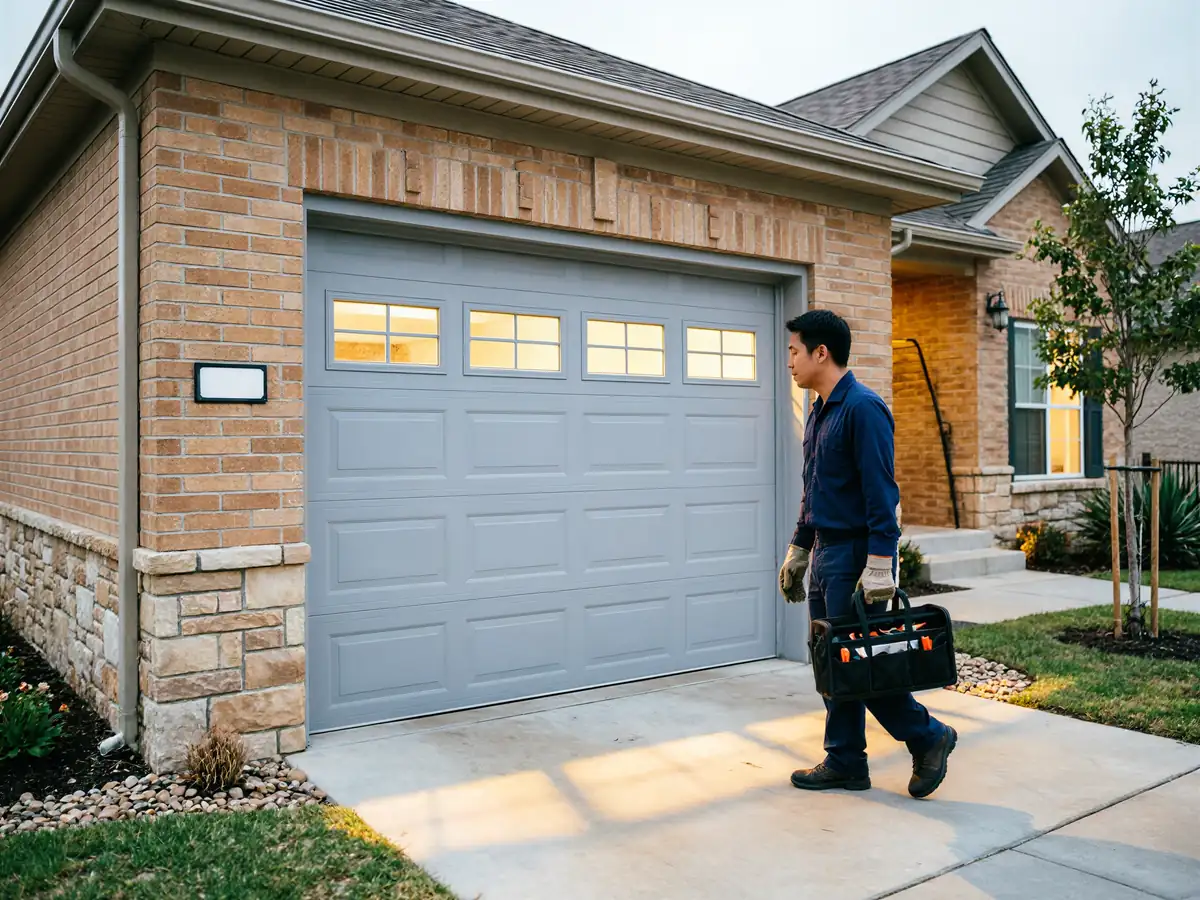
We unload the door from the spring, pull the hinges and rollers off the damaged section, and set the new panel in using the original hardware wherever it's still sound - hinges and rollers from a 1991-era door are usually fine, it's the steel skin that goes first. We check the track alignment and the bottom bracket torque before closing it back up, since a panel swap on an older door is also when a slightly bent track finally shows itself. If the paint or embossing doesn't match close enough to pass from the driveway, we'll say so up front rather than install something that looks obviously patched.
How Long It Takes
Most single-panel swaps on a door this age run under two hours once the right panel is on the truck. The variable is sourcing: a 1991-era raised-panel profile isn't always sitting on a shelf, so if we don't have a close match in stock, expect the quote visit and the install to be two separate trips rather than one.