What Can Go Wrong
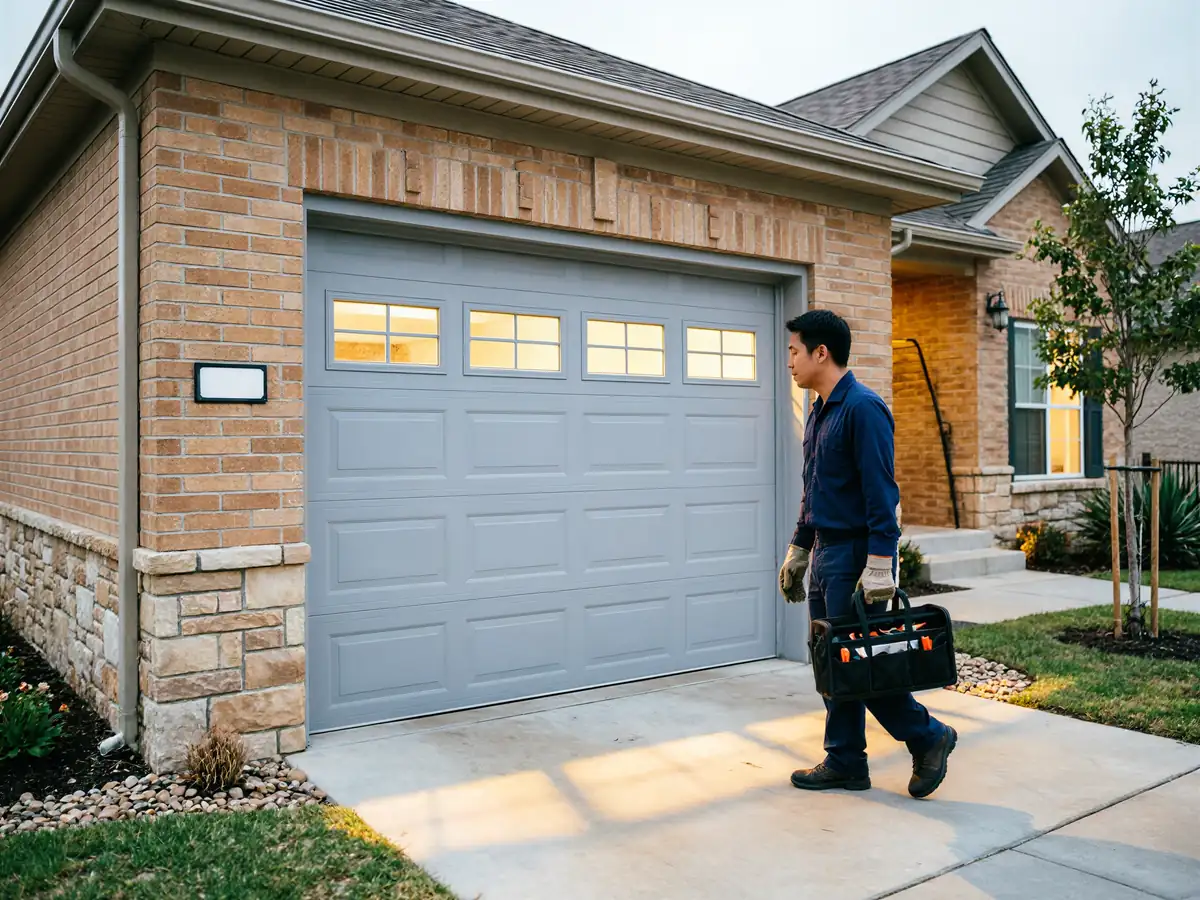
Richwood's housing stock centers on 1991, which puts a lot of these garage doors and openers right at the edge of a code change that matters. Federal law started requiring photo-eye safety sensors on garage door openers in 1993. If a house here still has its original opener, there's a real chance it was installed before that sensor was required, which means no eye, no auto-reverse on contact in some older units, and a control board running logic that newer remotes and keypads can't talk to.
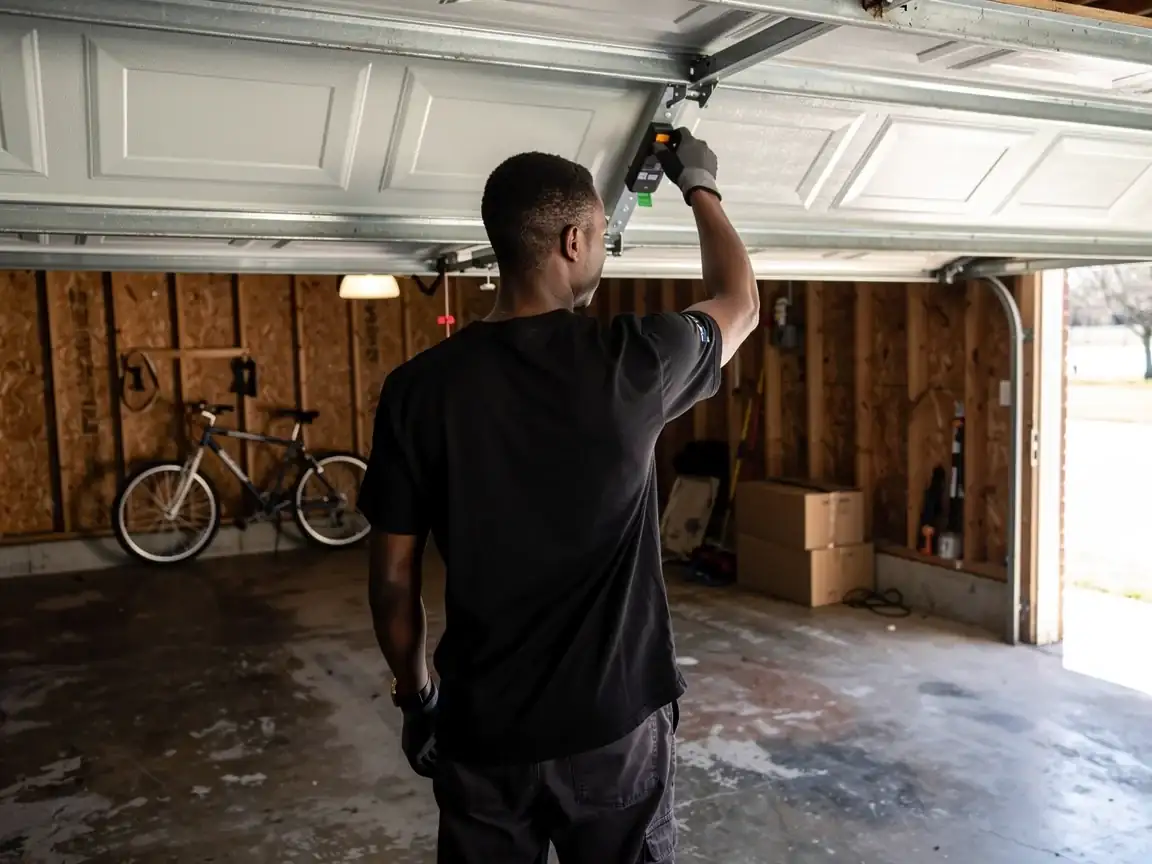
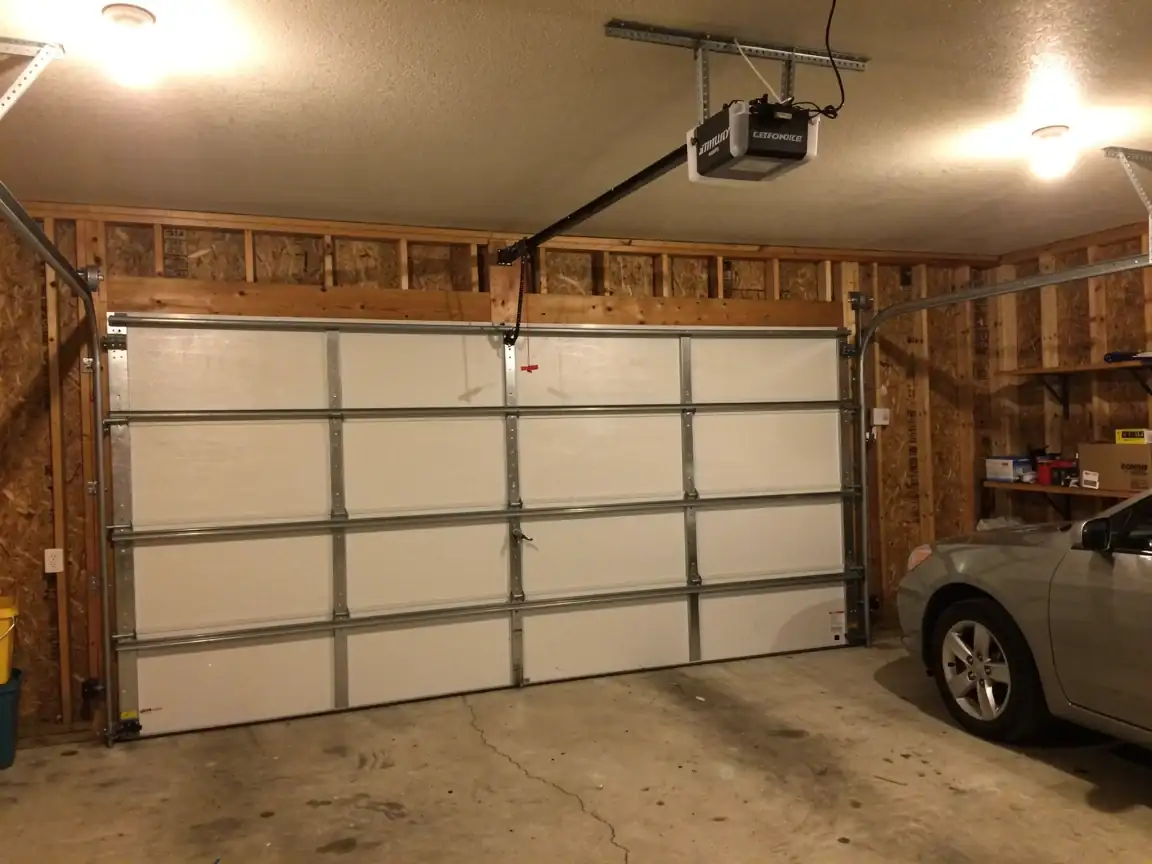
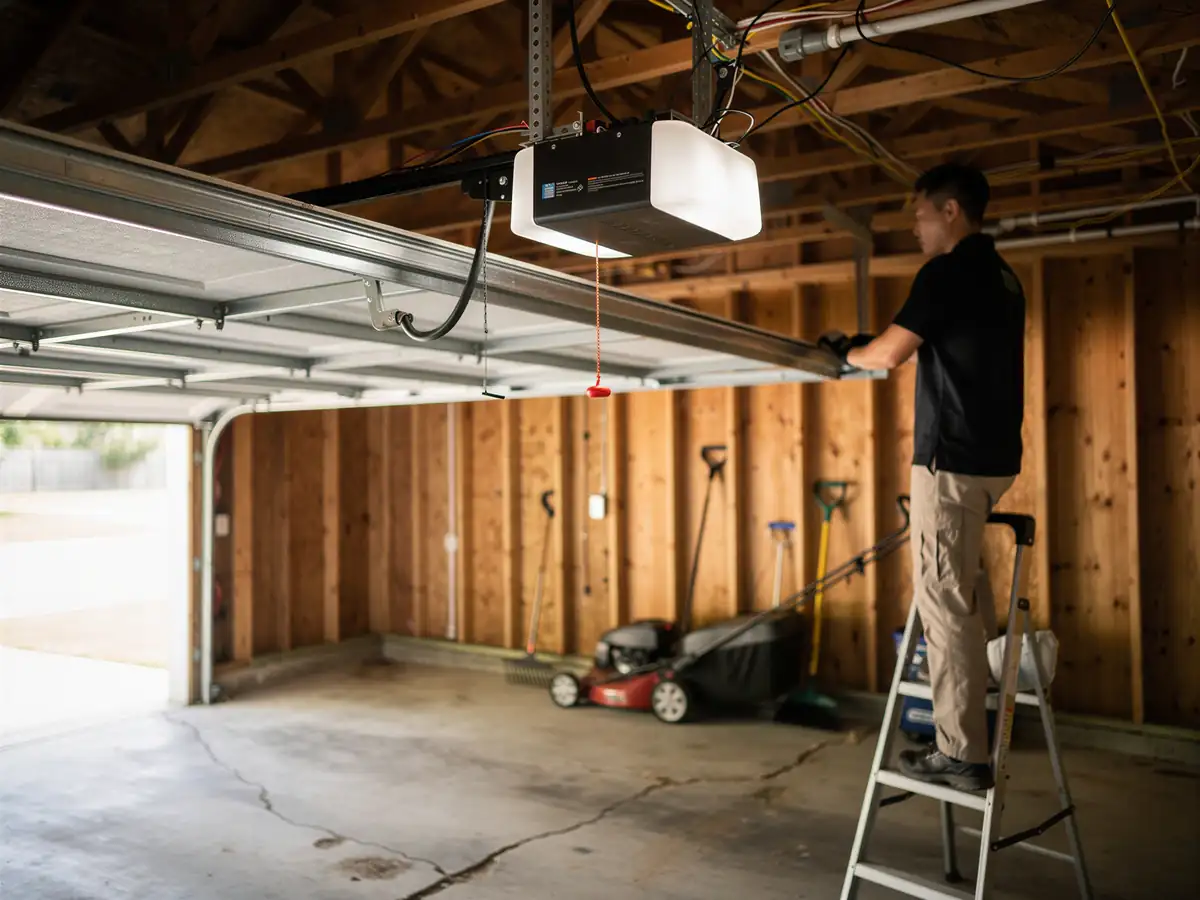
Beyond the code issue, the common failures are ordinary ones that show up hard once an opener passes the 25-30 year mark: the drive gear inside the unit strips and the door won't lift even though the motor hums, the capacitor on the motor goes and the door opens in slow motion or not at all, and the logic board takes a hit from a power surge during a storm and just stops responding to anything. On chain-drive units from this era, the chain stretches and starts skipping the sprocket, which looks like a dead opener but usually isn't.
We also see a lot of mismatched remotes in Richwood - a replacement opener installed over the years that never got paired correctly to the original wall button, so the door only half-works.
How to Book
We run out of Monroe, five miles down the road from Richwood
So there's no local branch to call - just book the job and we drive out. Use the Richwood page to see what we cover in the area, or go straight to the opener repair details on the Monroe page if you want the full service breakdown before you call.
Have the opener's brand and, if you can read it, the model number ready when you reach out
It's usually on a sticker on the housing near the light bulb. That one detail tells us whether we're bringing a logic board, a full unit, or just a sensor kit, and it keeps the truck from making a second trip.
Doing It Yourself
Some of this is worth doing yourself before you call anyone. Check that both photo-eye sensors near the floor are lined up and the LED on each one is lit solid, not blinking - misalignment is the single most common no-close complaint and it's a two-minute fix with no tools. Check the wall button wiring where it's exposed; mice get into garages in this climate and chewed low-voltage wire looks exactly like a dead opener.
What we don't recommend doing yourself: opening the opener housing to look at the circuit board, or replacing a drive gear. The housings on 1990s units aren't standardized, parts for units that old are getting hard to source new, and if the board is the problem, diagnosing it wrong and replacing the wrong part costs more than just having it looked at once. If your opener is original to a 1991 build, the honest call is usually replacement over repair - parts for that generation are scarce enough that a new unit with a sensor set that meets current code is often the cheaper path.
What the Fix Involves
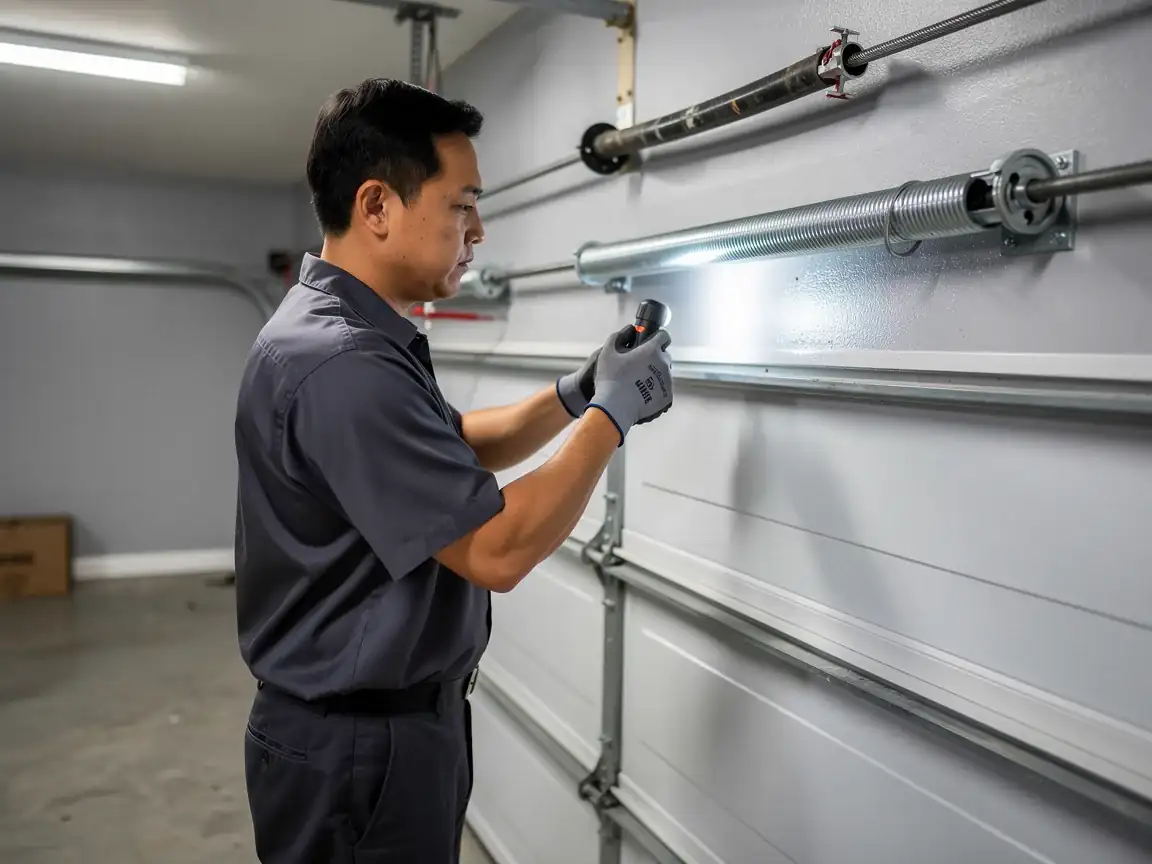
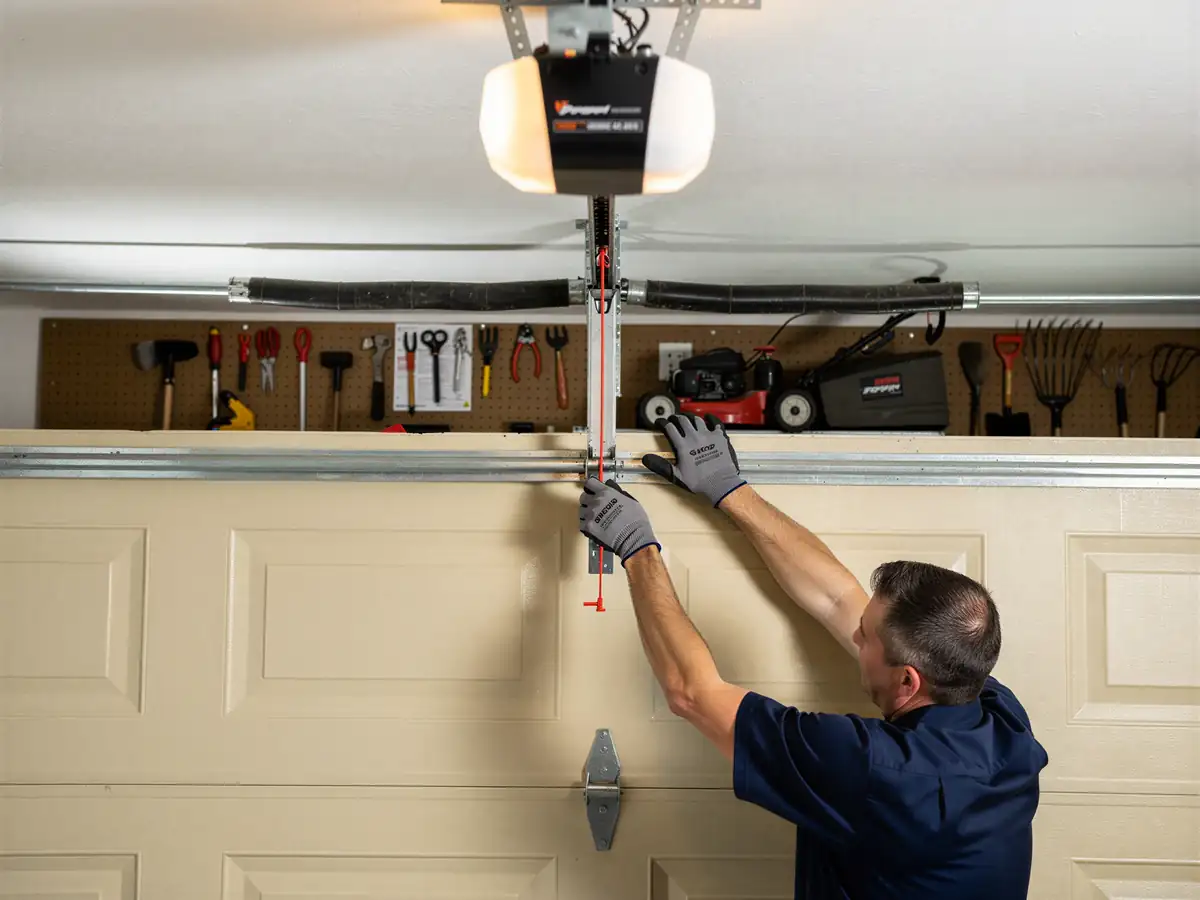
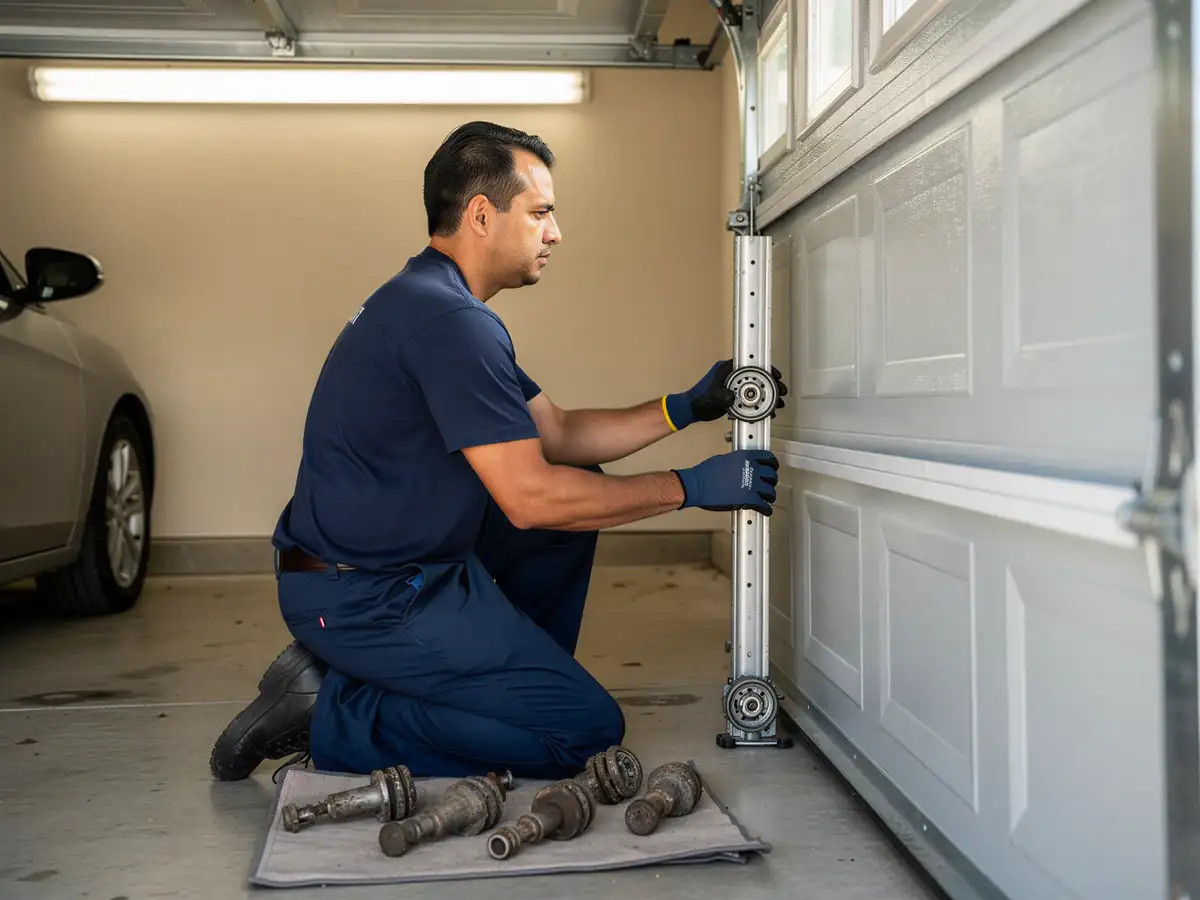
For a straightforward repair - a dead capacitor, a stripped gear, a sensor out of alignment - we're in and out in one visit with parts on the truck for the common current models. For anything tied to an opener old enough to predate the 1993 sensor requirement, the fix usually means a full unit swap rather than a board repair, since board stock for units that age isn't something suppliers carry anymore.
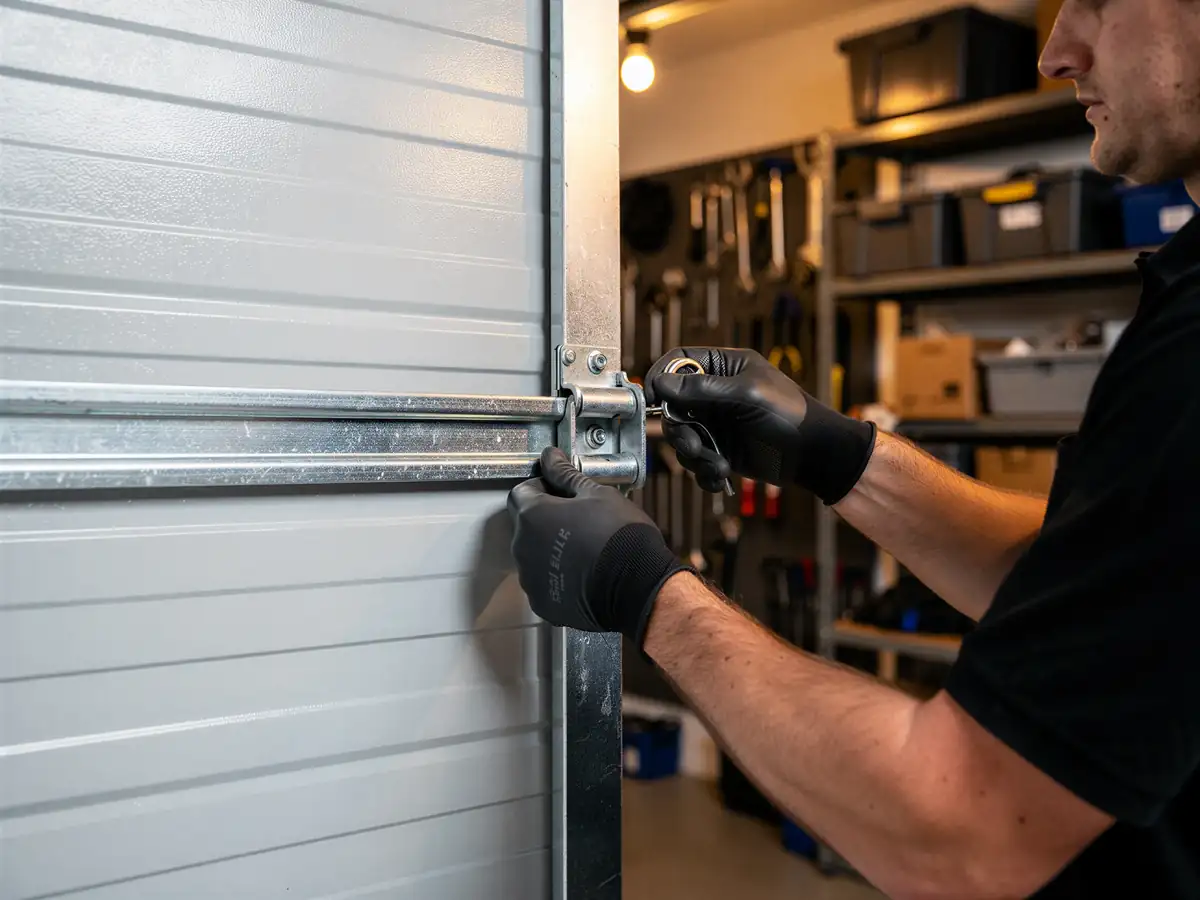
We also check the travel limits and the force setting on every call, not just the symptom you called about. An opener set too aggressively will keep working through a slipping cable or a binding track until something breaks hard, and in a MILD climate with occasional freeze, metal track and hardware contract enough in a cold snap to tighten clearances that were fine all summer. We adjust for that while we're already up on the ladder instead of sending you a second bill for a second trip.
What You Pay
Richwood's median household income sits at $31,386, noticeably below the wider service area's $46,663
And that's worth saying plainly because it changes what the right fix looks like here more than it does elsewhere in the territory. A sensor realignment or a capacitor swap is a small bill. A full opener replacement on an original 1991-era unit is a bigger one, and we'll tell you straight when a repair isn't worth chasing versus when the existing track and door hardware are solid enough that just swapping the opener head makes sense.
We don't have a posted price list for this page
And we're not going to invent one - what you pay depends on the opener model, whether the drive system is chain, belt, or screw, and whether the board or the motor is the actual failure. What we can tell you is that we price the job the same way regardless of which of the nine areas we're in, Richwood included.
How Long It Takes
Most single-opener repairs - sensor alignment, a capacitor, a logic board that can still be sourced - run under an hour once the truck is on site. A full opener swap, where we're pulling the old unit, mounting a new one, re-running the wall button, and setting travel and force, takes longer, usually most of a morning or afternoon depending on ceiling height and whether the old mounting bracket is reusable.
We're driving the five miles from Monroe for every Richwood call, so there's no local stock sitting in a Richwood garage somewhere - what's on the truck is what's on the truck. If your opener needs a part we don't carry for that model, we'll tell you at the first visit rather than guess, and schedule the return trip once the part's in hand.