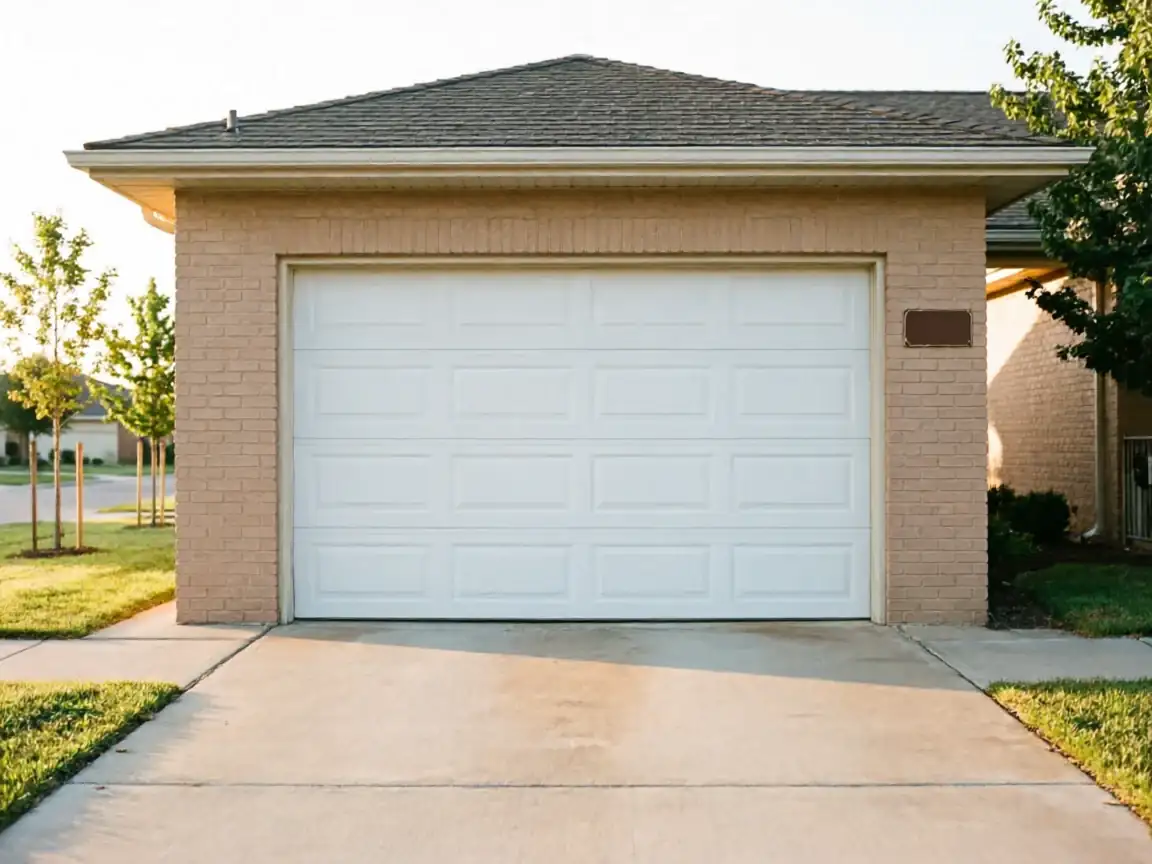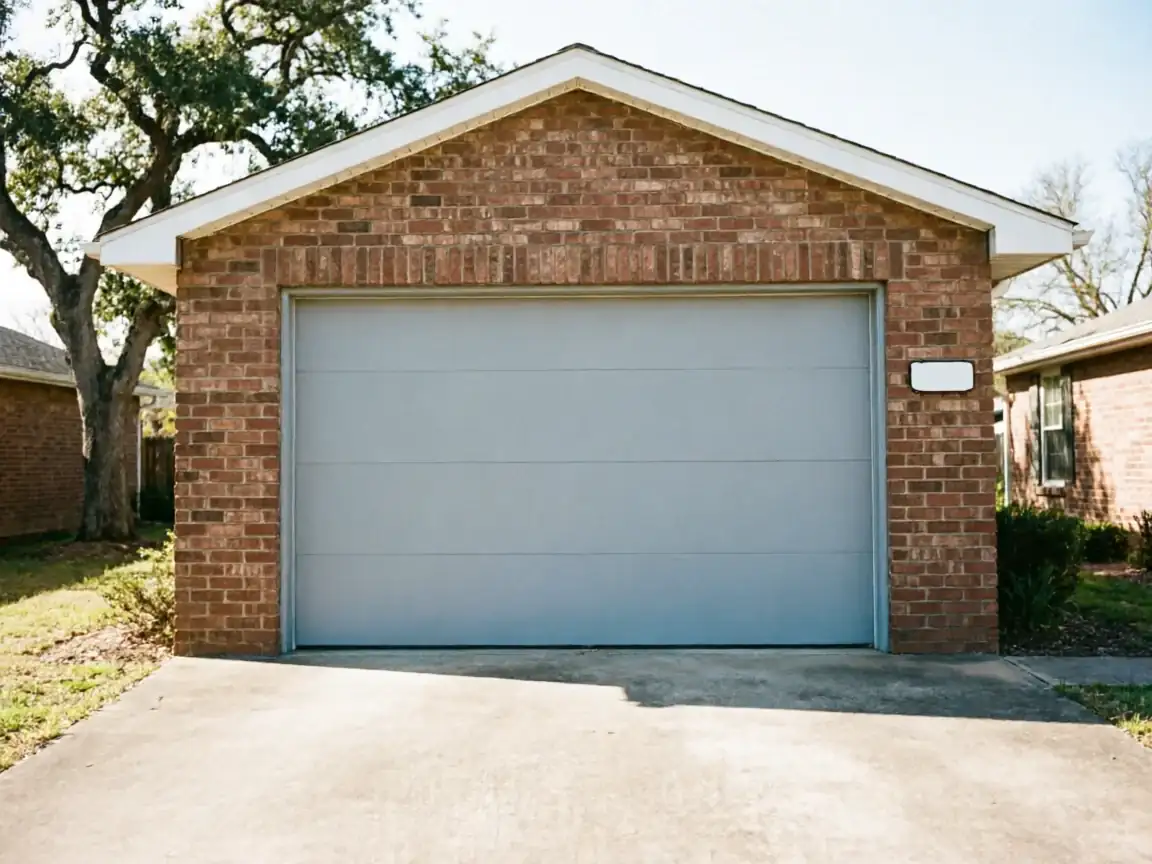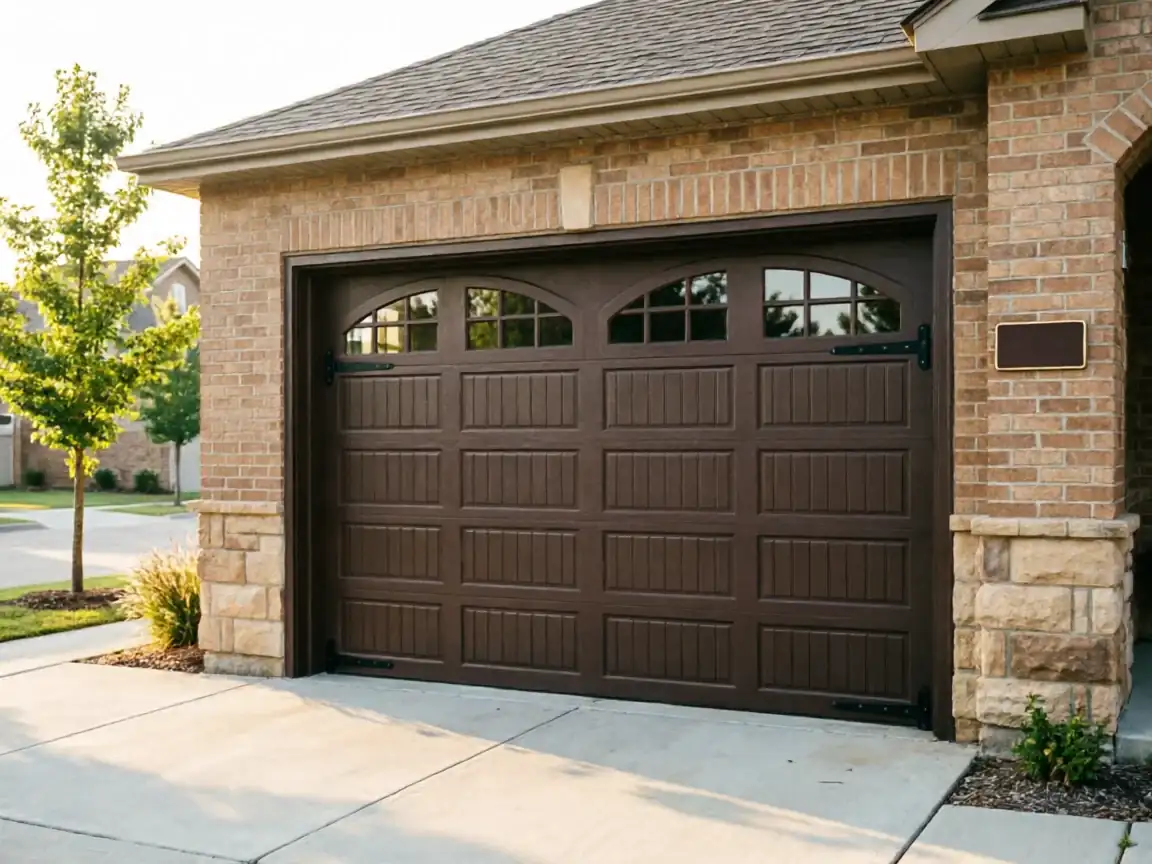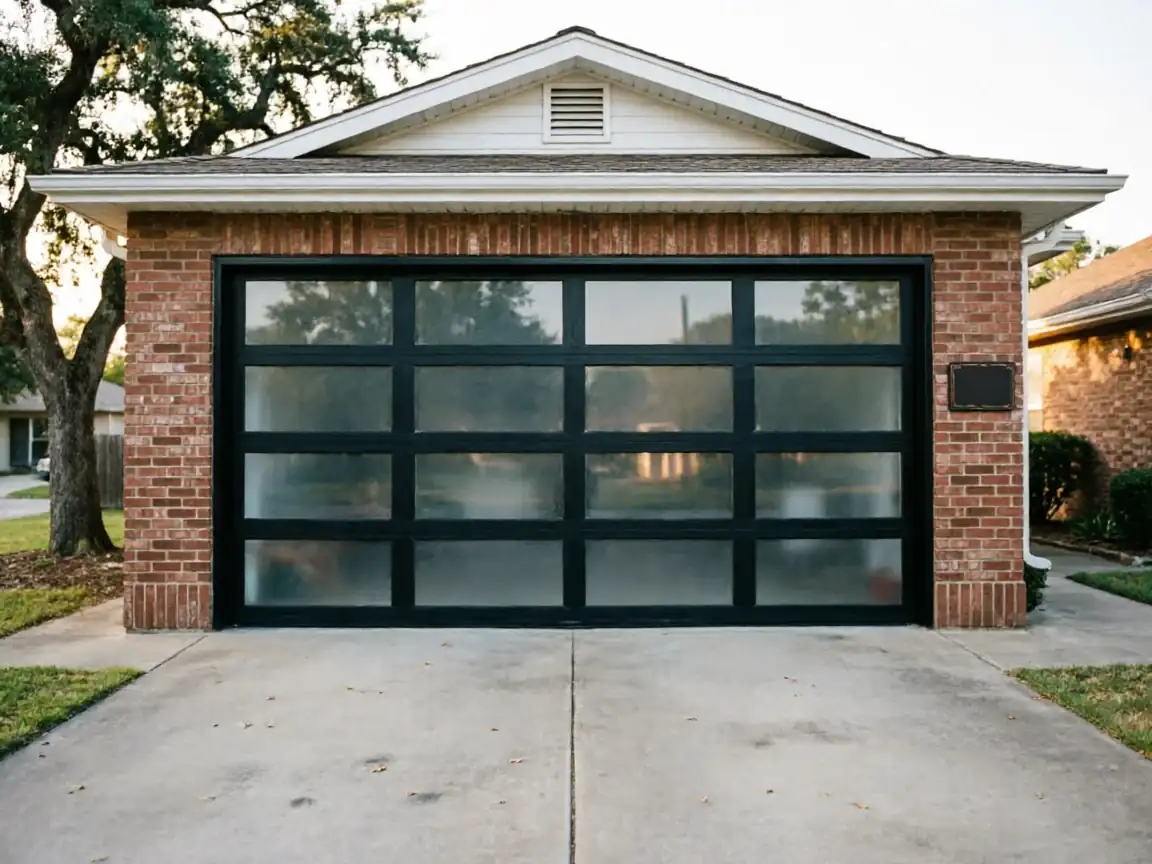
What Can Go Wrong
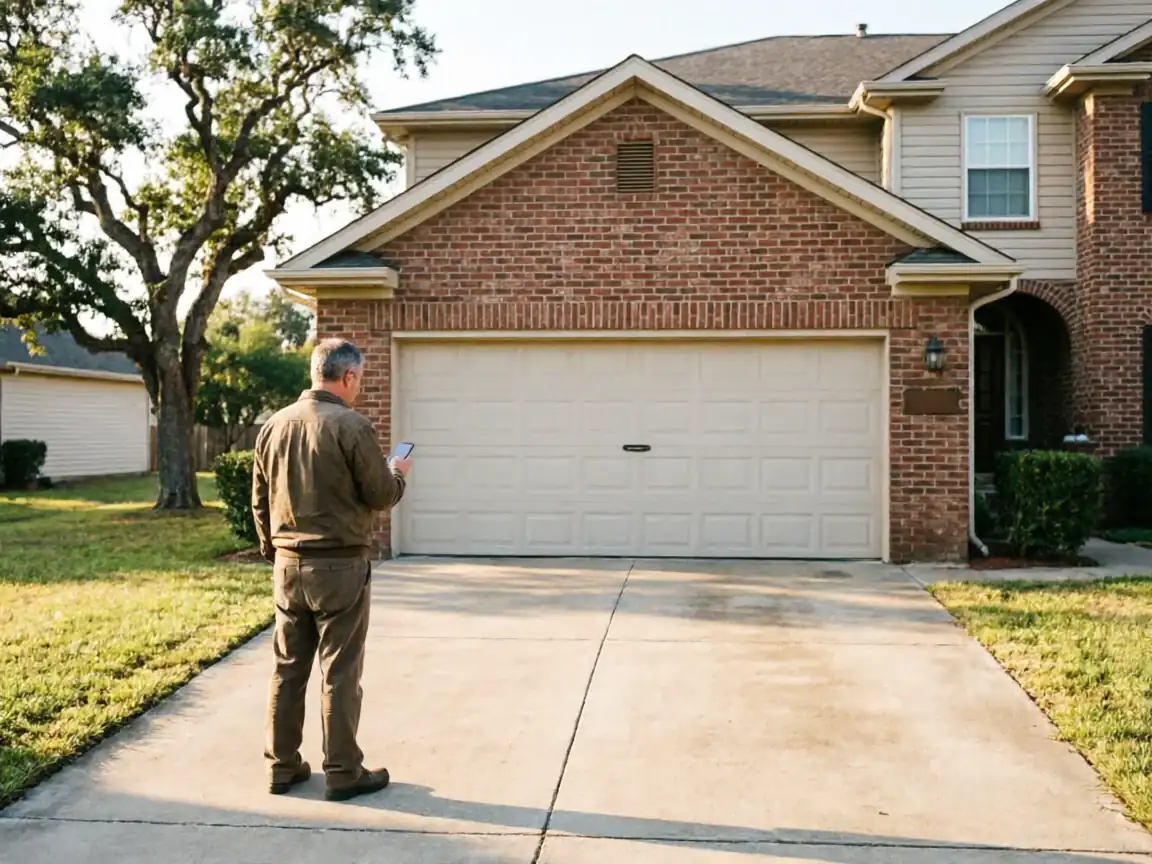
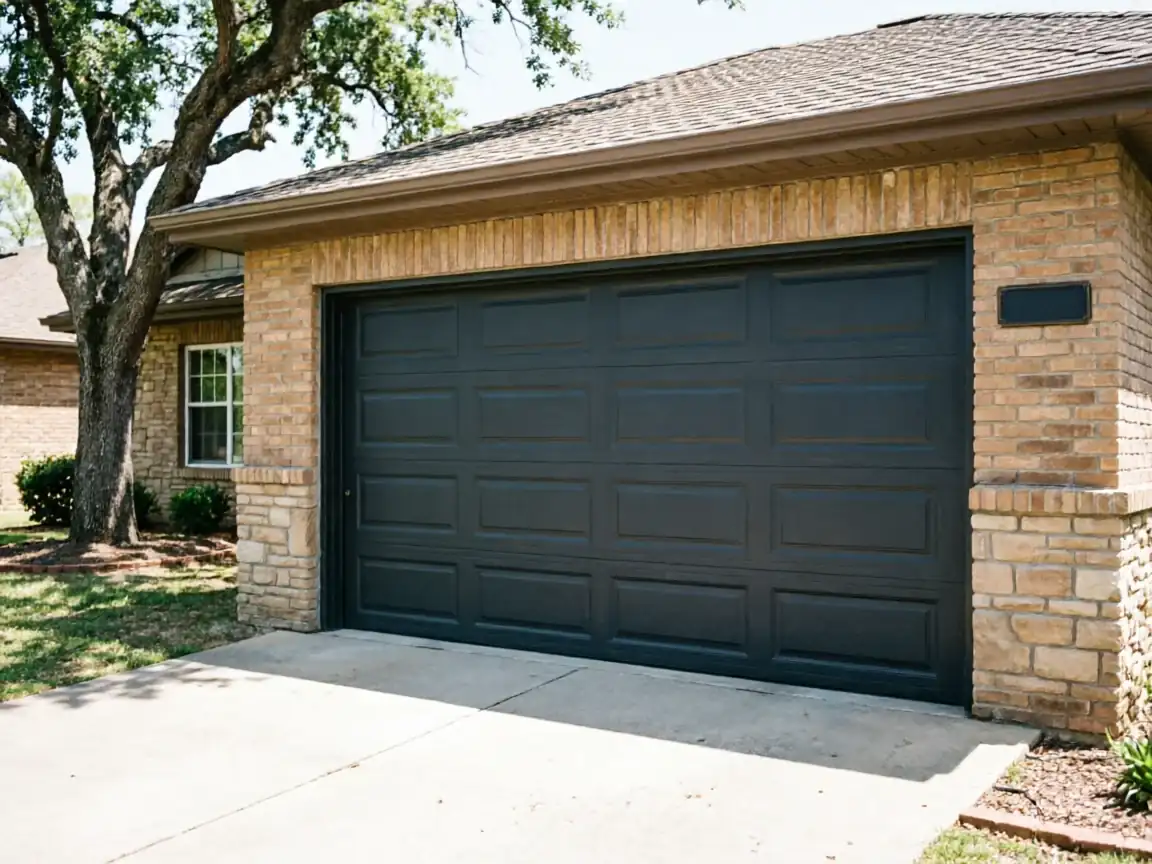
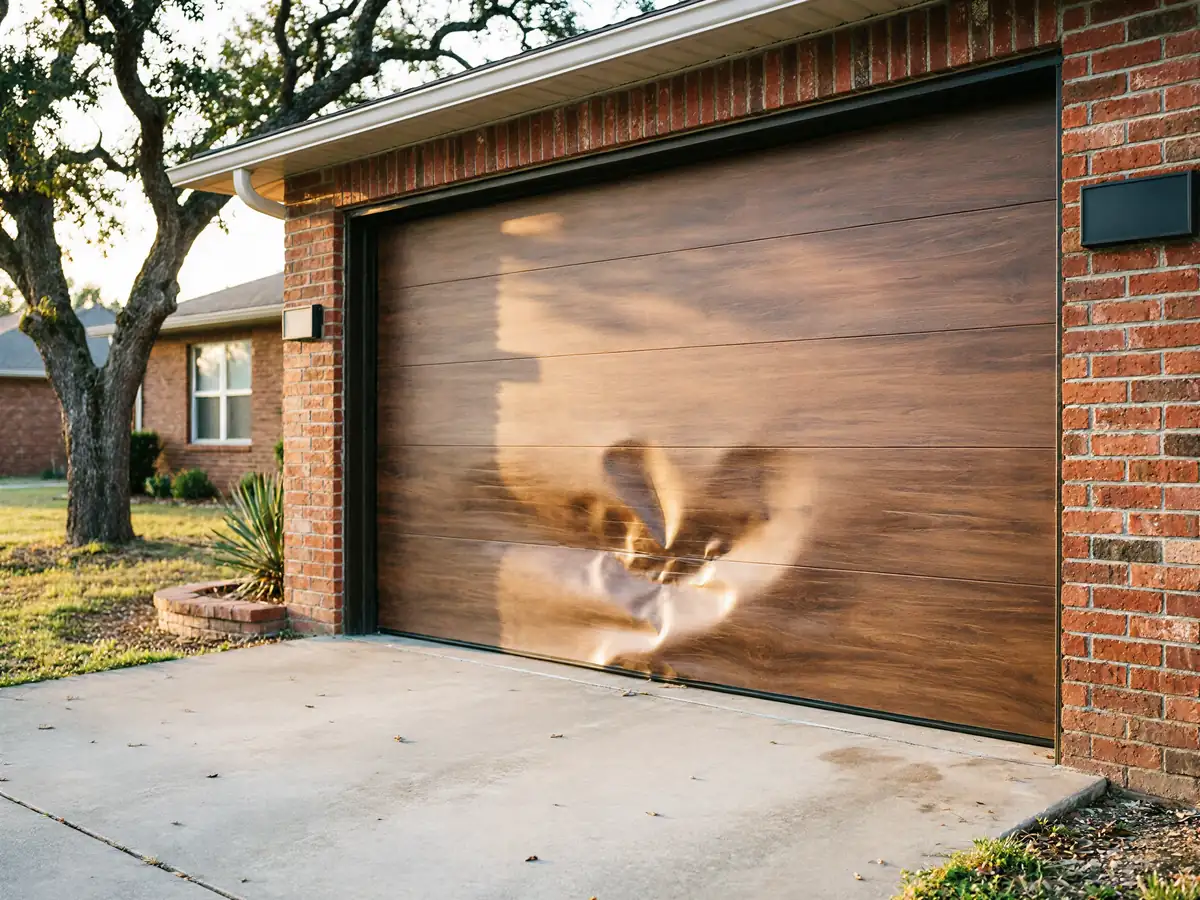
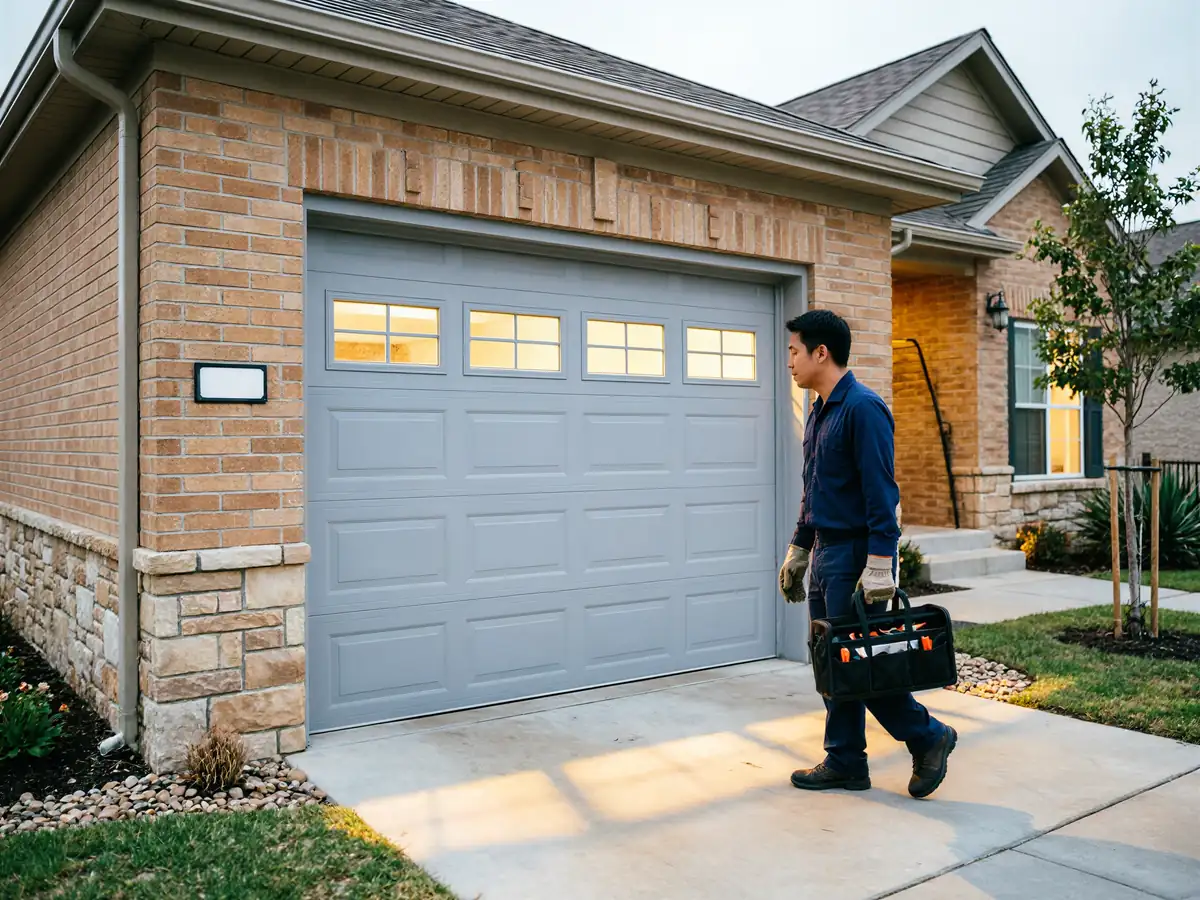
Richwood's houses cluster around a median build year of 1991, which means a lot of openers out there are original or close to it. That's 30-plus years on a motor, a drive gear, and a logic board that was never designed to run that long. The usual failure isn't dramatic - it's a chain-drive unit that grinds louder every month, a remote that only works from six feet away, or a door that reverses halfway up for no reason anyone can see. On older units especially, the safety reversal system can get sluggish or stop working right, which isn't something to leave alone. With about 781 households in Richwood, a good share of them are sitting on hardware from that same build era, so this isn't a one-house problem - it's a neighborhood pattern.
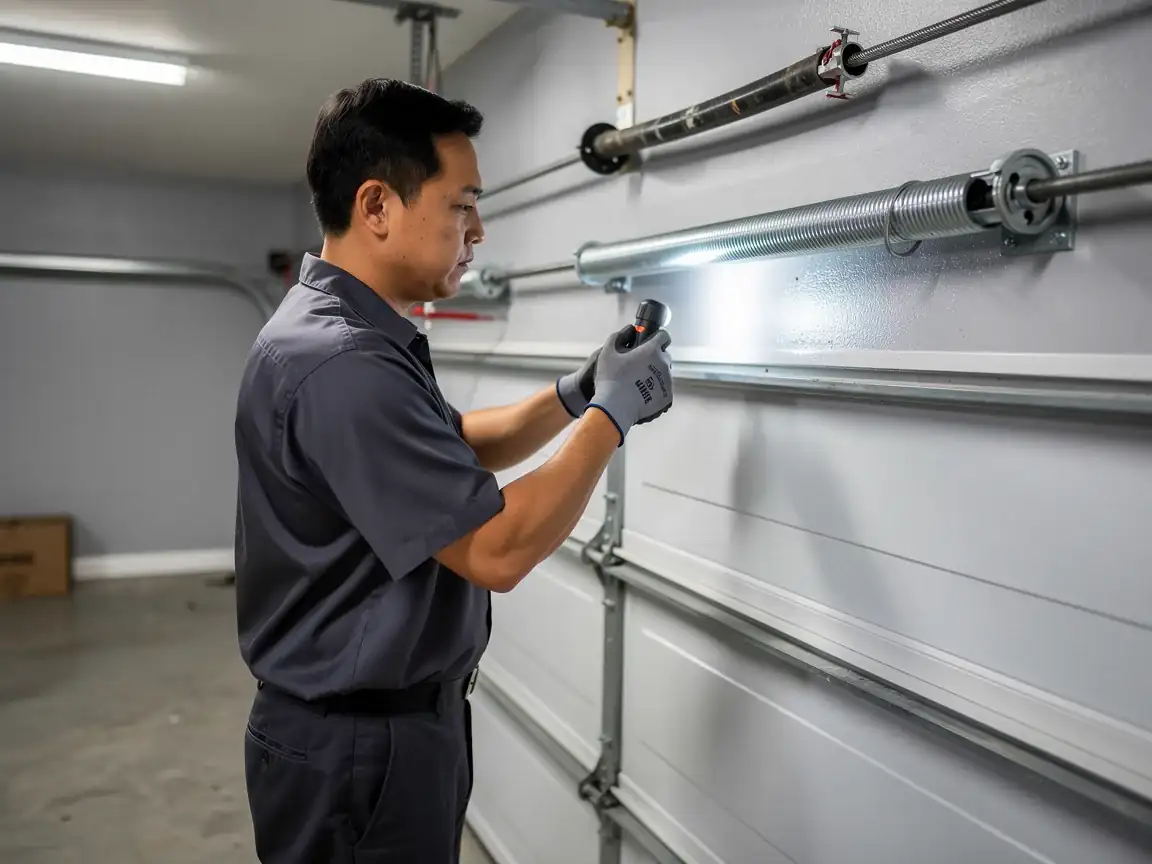
The other thing that goes wrong is mismatched replacement: someone puts a modern heavy-duty opener on an old, out-of-balance door, and the opener burns out trying to do the spring's job. We check the door itself before we touch the opener, because installing a new unit on bad springs just moves the failure point.
Doing It Yourself
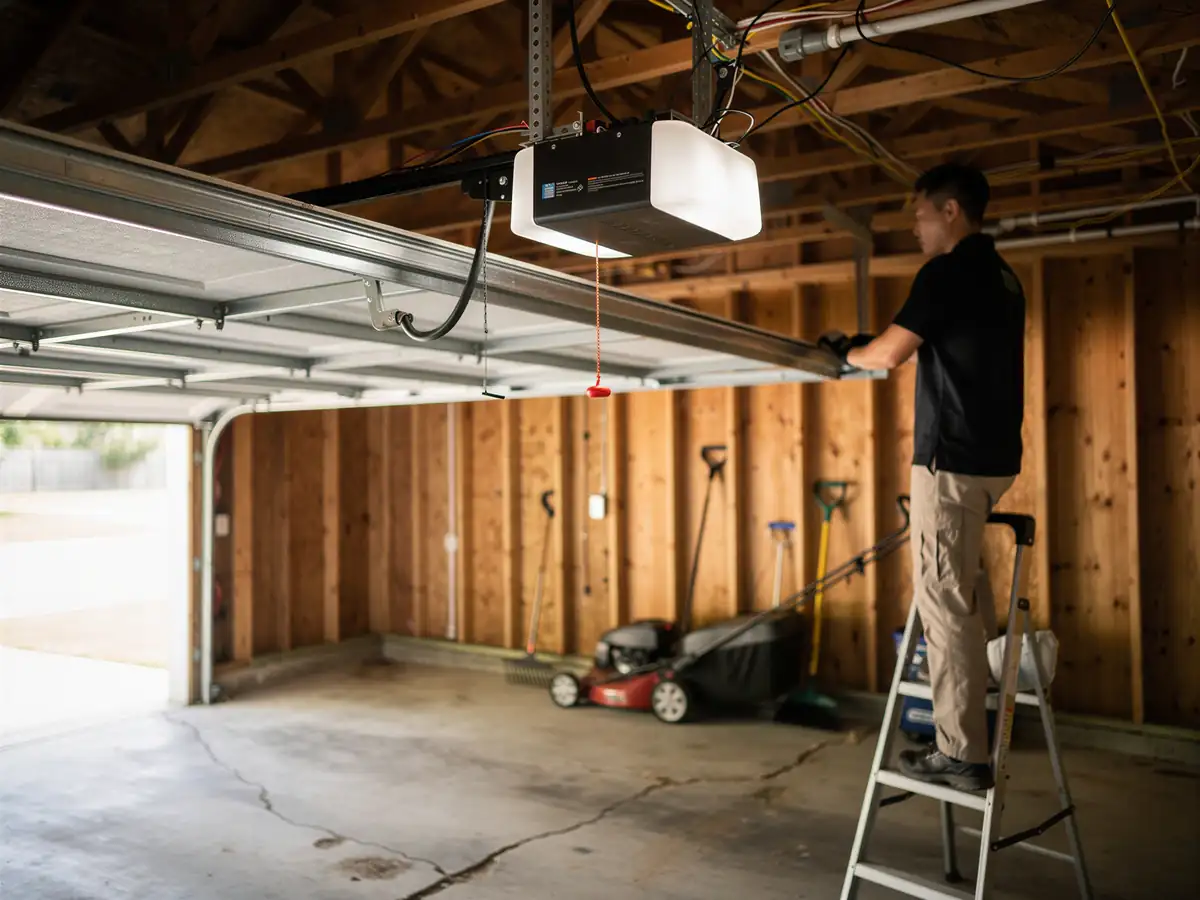
Swapping a remote battery or reprogramming a keypad code is fine to do yourself, and most owners can handle that without calling anyone. Replacing the opener unit itself is a different job - it means setting travel limits, adjusting force settings, and testing the safety reversal so the door doesn't come down on a kid, a pet, or a car bumper. On a house with a 1991-era door and track, there's also a decent chance the existing hardware wasn't built to the same mounting specs as what's sold today, so the bracket work isn't always plug-and-play. If you're comfortable with a ladder and basic tools, you can get the old unit down yourself before we arrive, but we'd rather set the new one than troubleshoot a mis-installed one.
What the Fix Involves
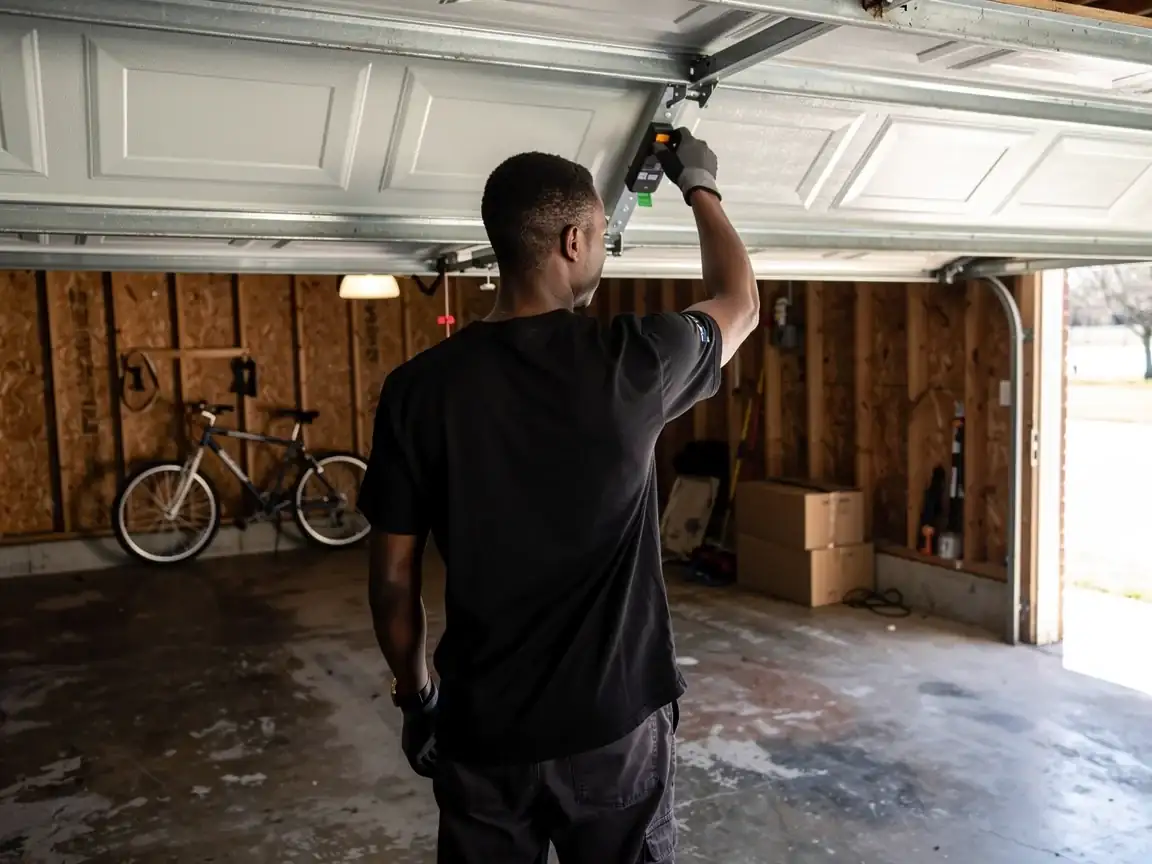
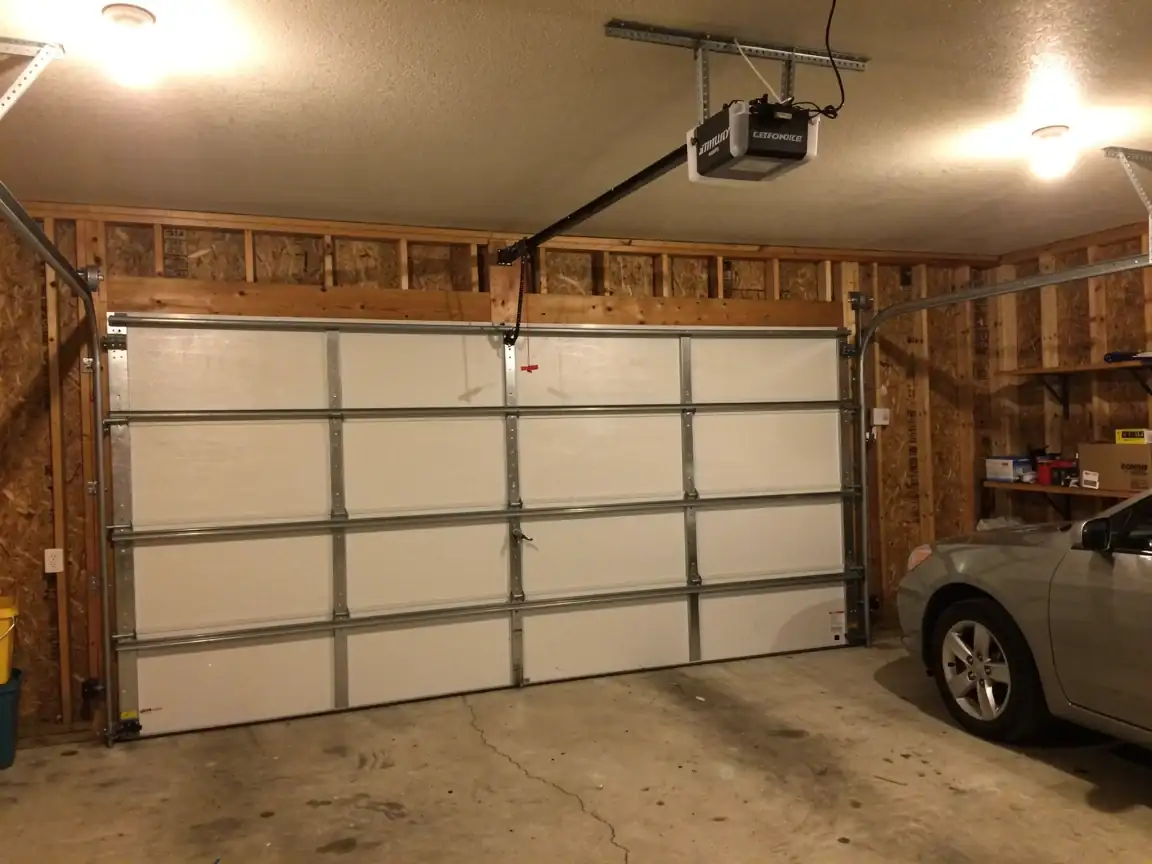
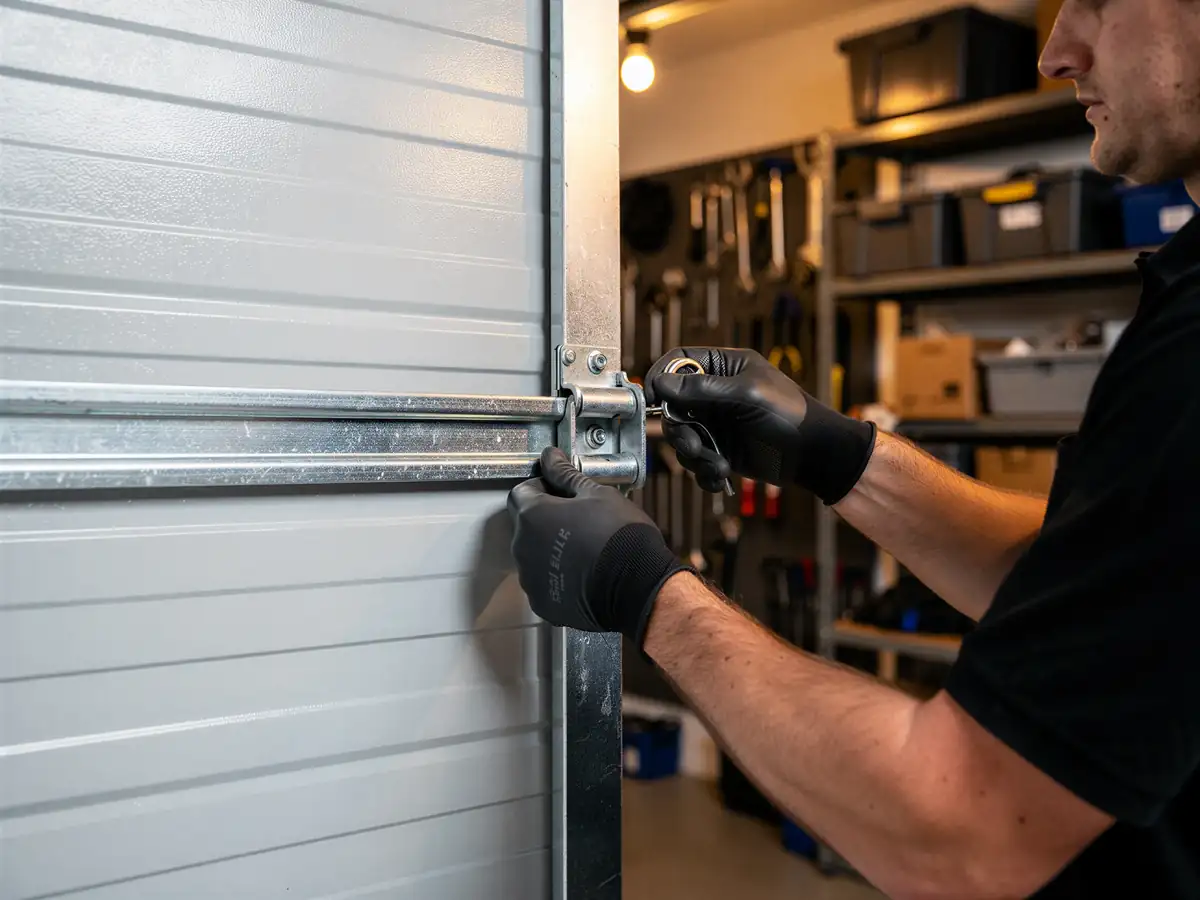
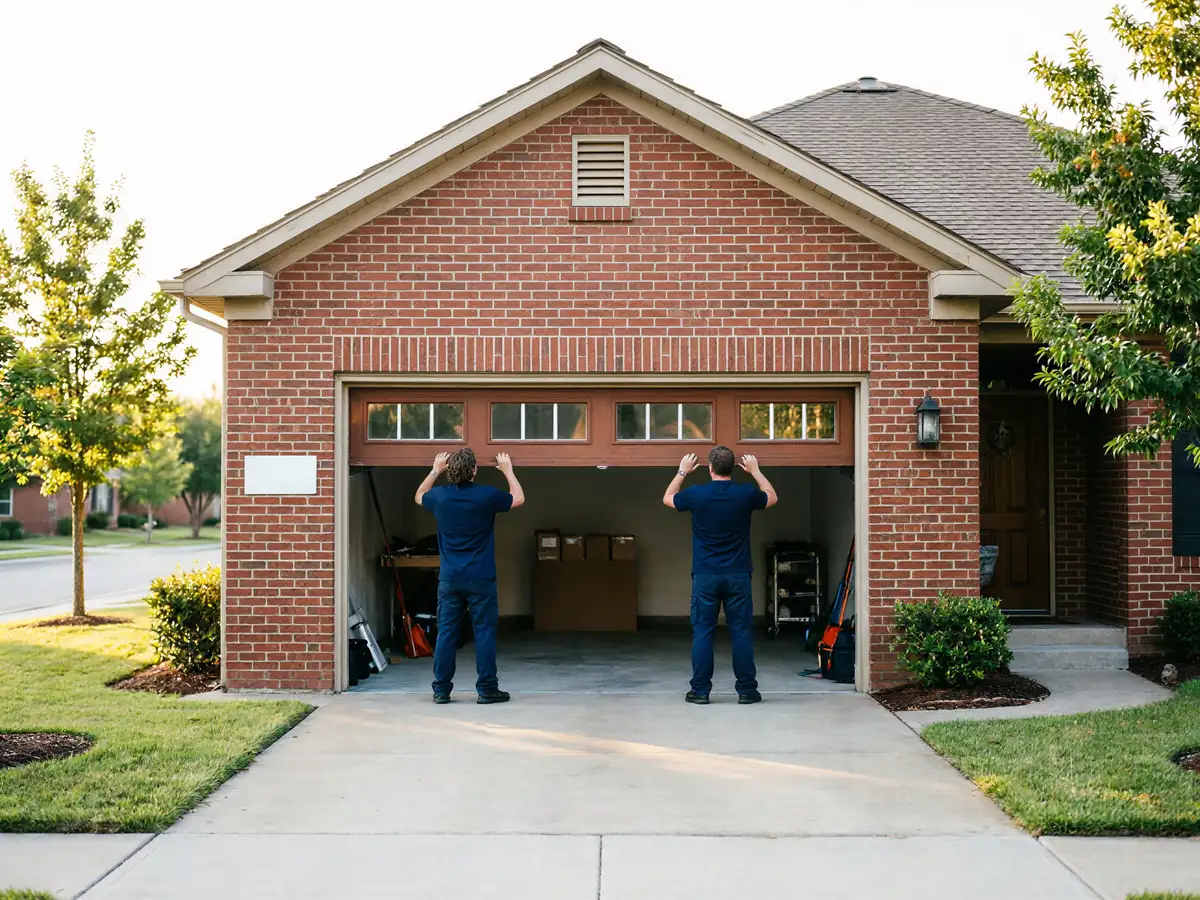
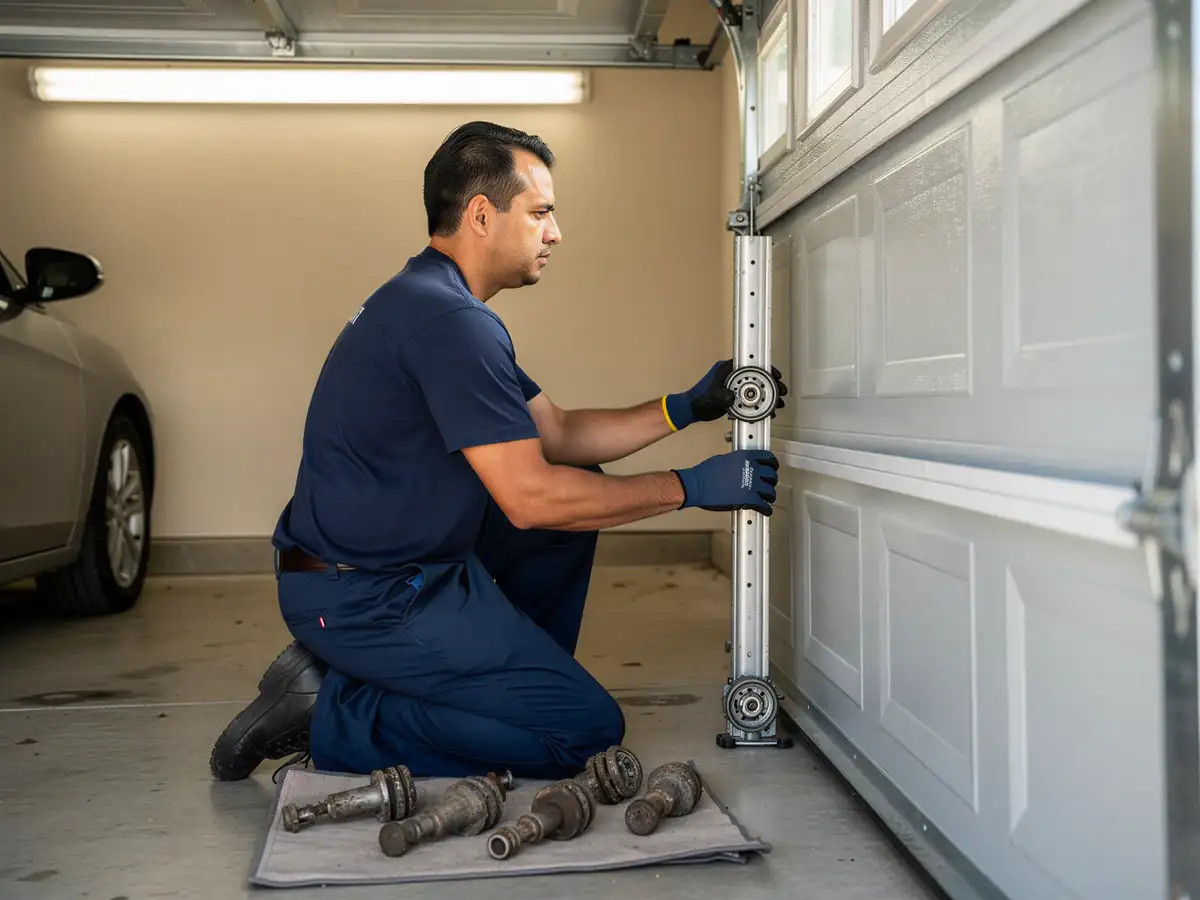
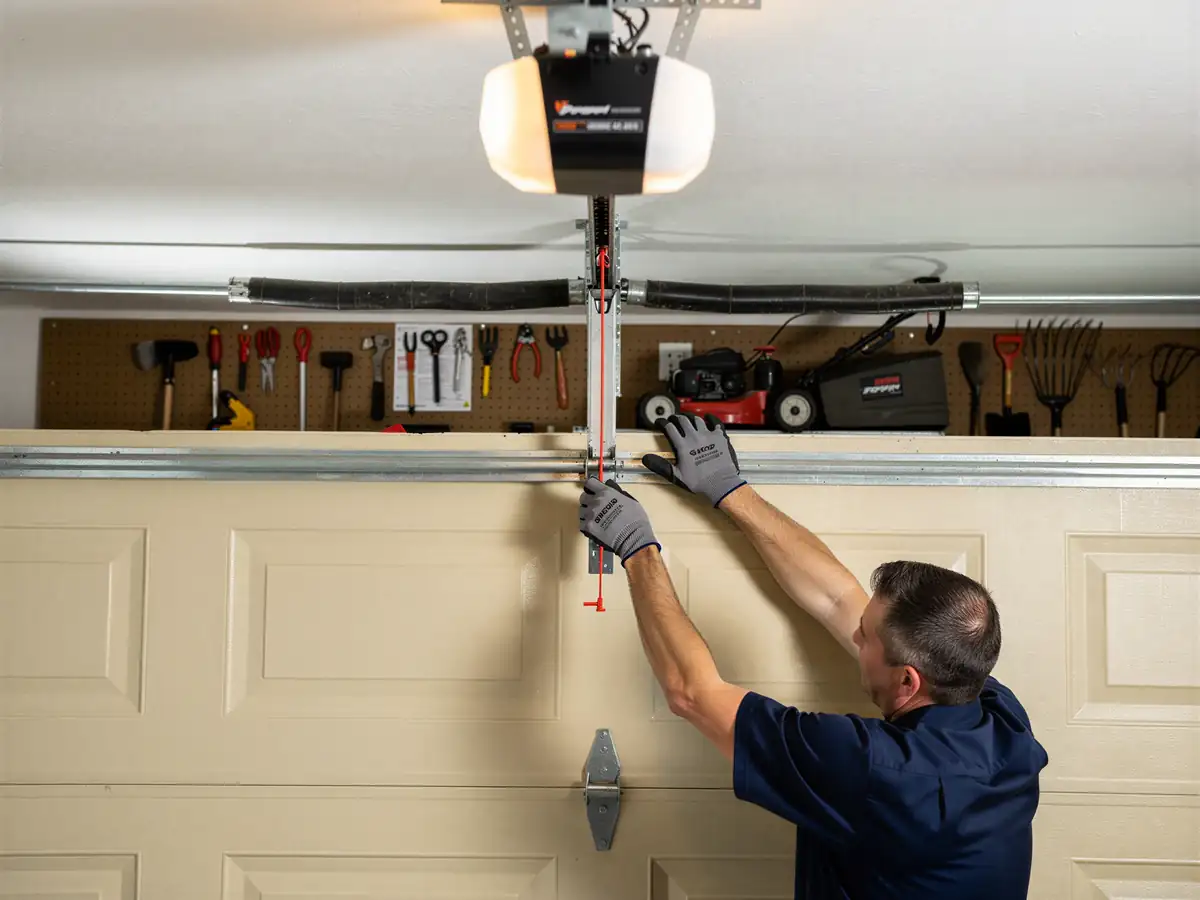
We start by checking the door's balance and the condition of the springs and cables, because an opener installed on a door that isn't moving freely will fight itself from day one. Then we pull the old unit, mount the new rail and motor head, wire in the wall control and safety sensors, and set the travel limits so the door seats fully without slamming or stalling partway. We test the auto-reverse by hand, with something in the door's path, before we call the job done. On houses from the early-90s stock common in Richwood, we often find the existing wiring or bracket points need a small amount of rework to meet current hardware - nothing major, but it's part of the job, not an upsell we tack on afterward.
How Long It Takes
A straightforward opener swap, where the door itself is in decent shape, usually wraps in one visit. If we get into the job and find the springs are shot or the track is bent - more likely on a door that's never been serviced since the house went up in 1991 - that adds time, since we're not going to leave a new opener running against a door that's fighting it. Louisiana's mild climate with occasional freeze doesn't do much damage to openers directly, but humidity and heat cycles over three decades do wear out lubrication and seals faster than a owner might expect from the outside.