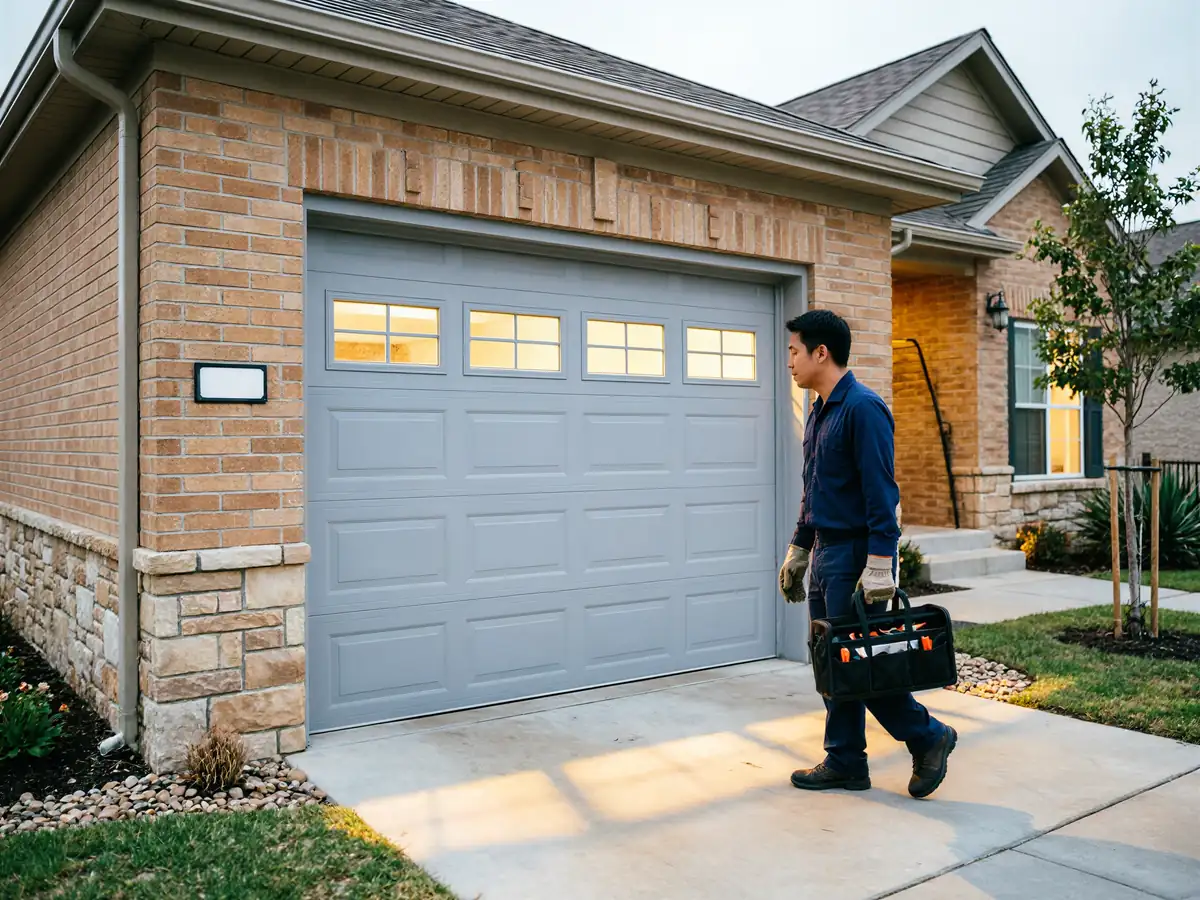
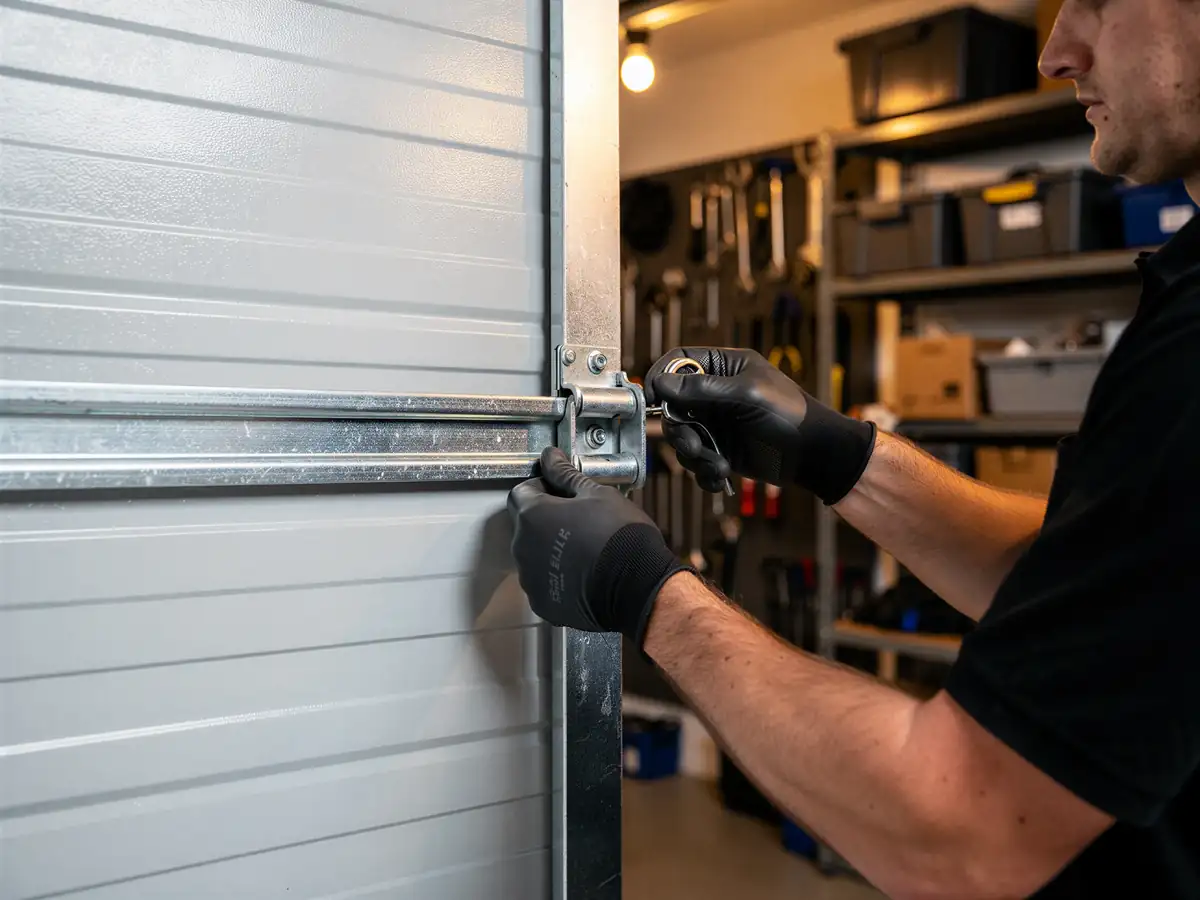
Doing It Yourself
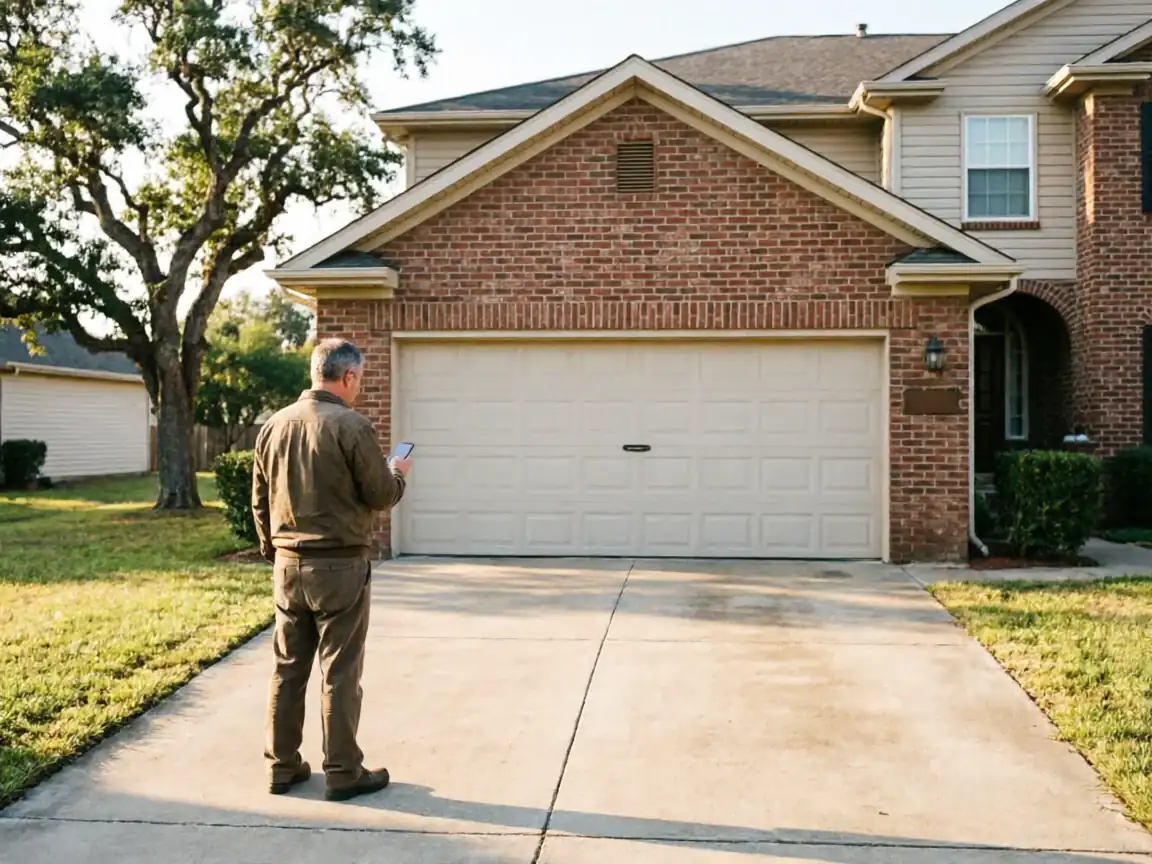
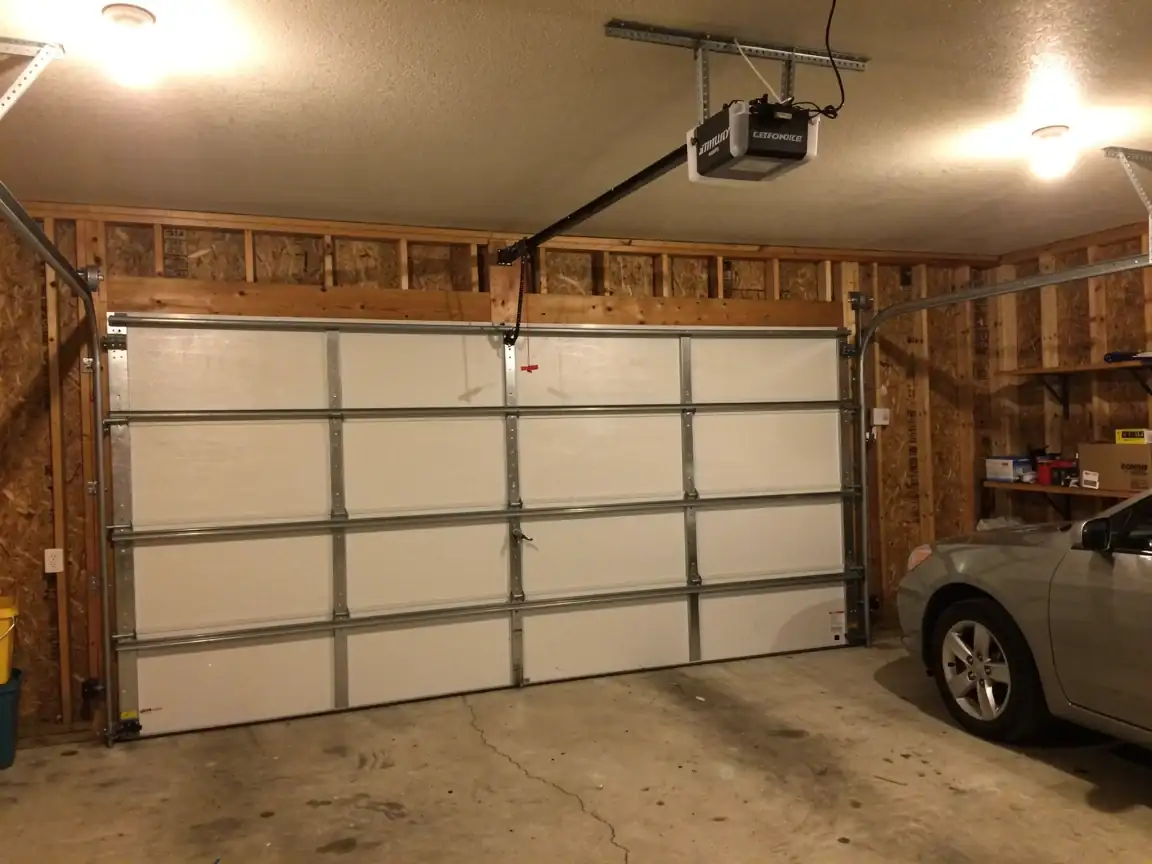
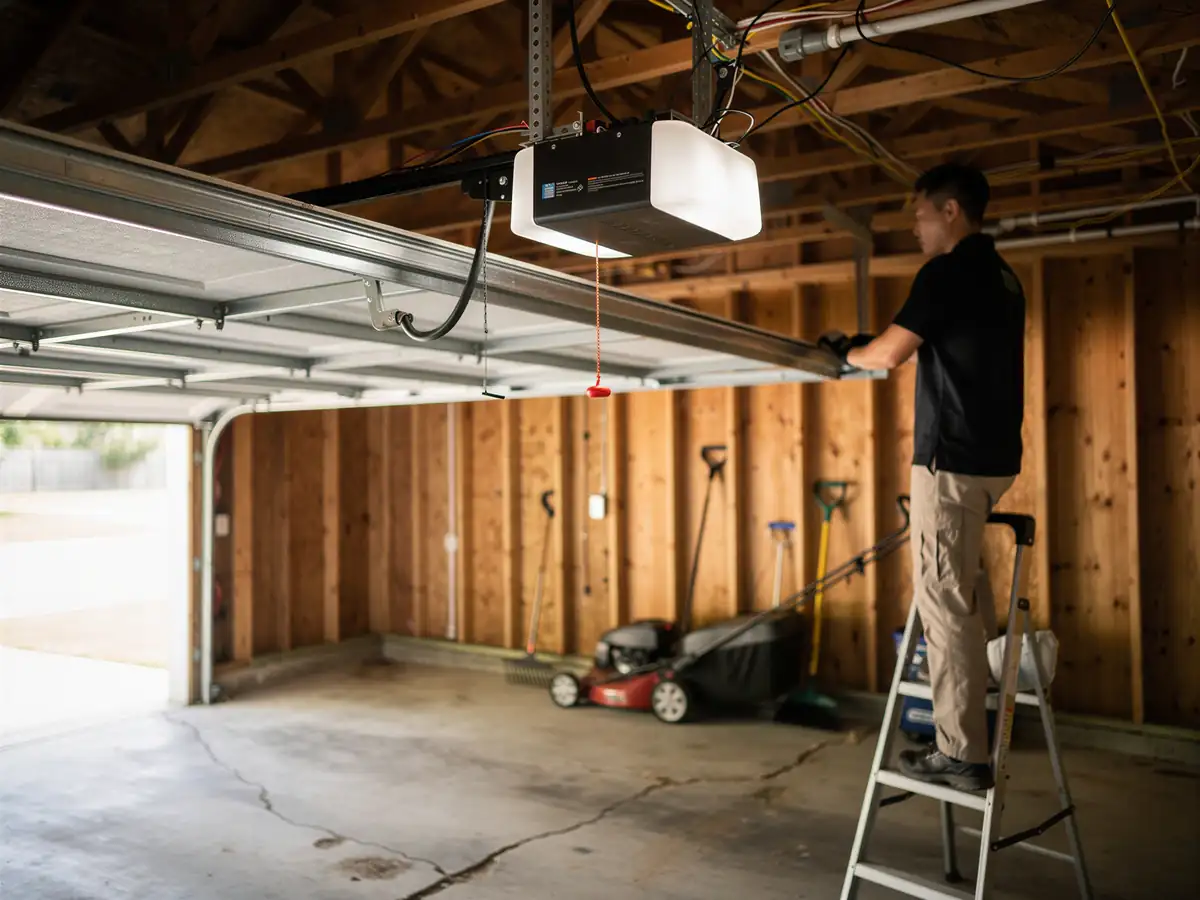
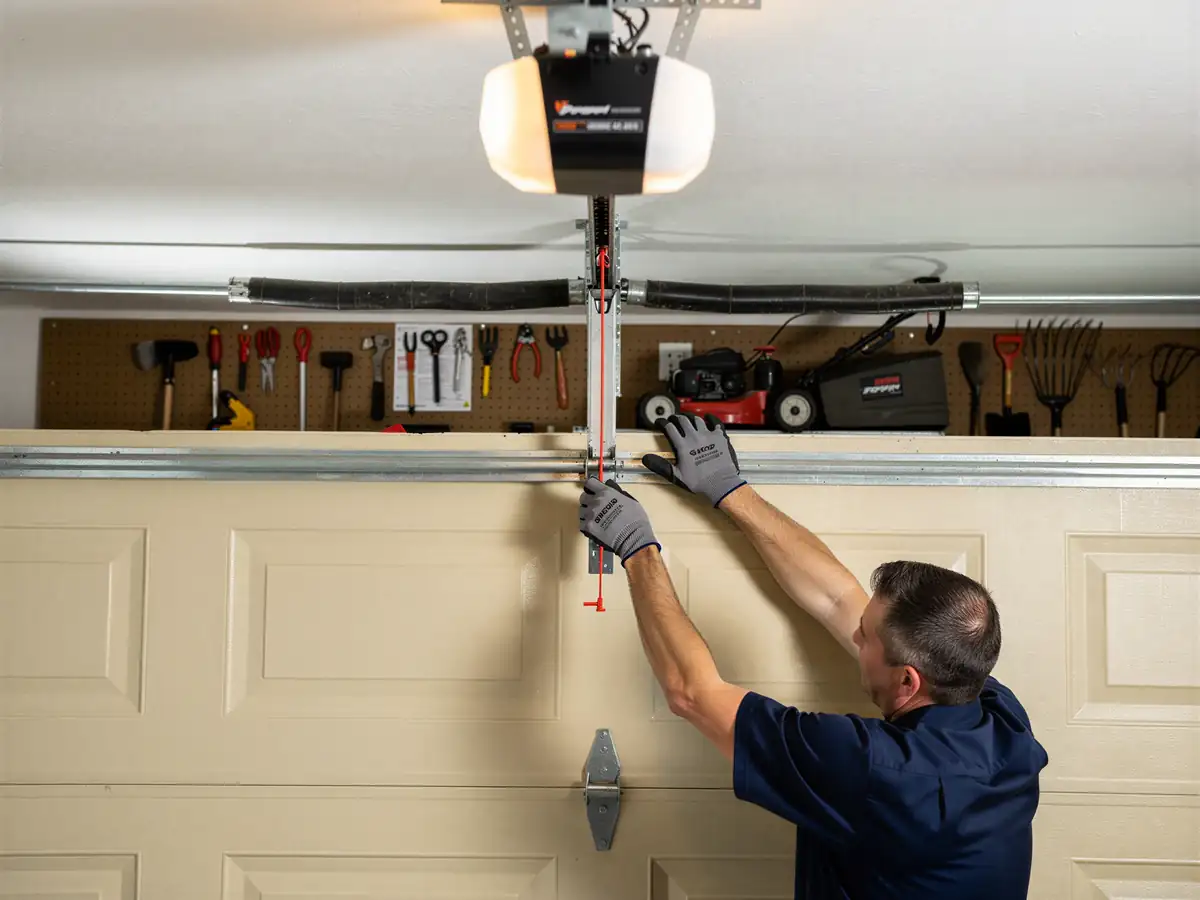
A lot of what goes wrong on a 2002-era door is stuff you can handle with a ladder and twenty minutes. Rollers squeal because they're dry, not because they're dying - a shot of lithium grease on the roller stems and hinges quiets most of them down. Photo-eye sensors drift out of alignment and throw the door into a reverse loop; loosen the wing nuts, line up the two little lights, and snug them back down. Weatherstripping on the bottom panel cracks and lets drafts in - pull it and replace it, no tools beyond a utility knife.
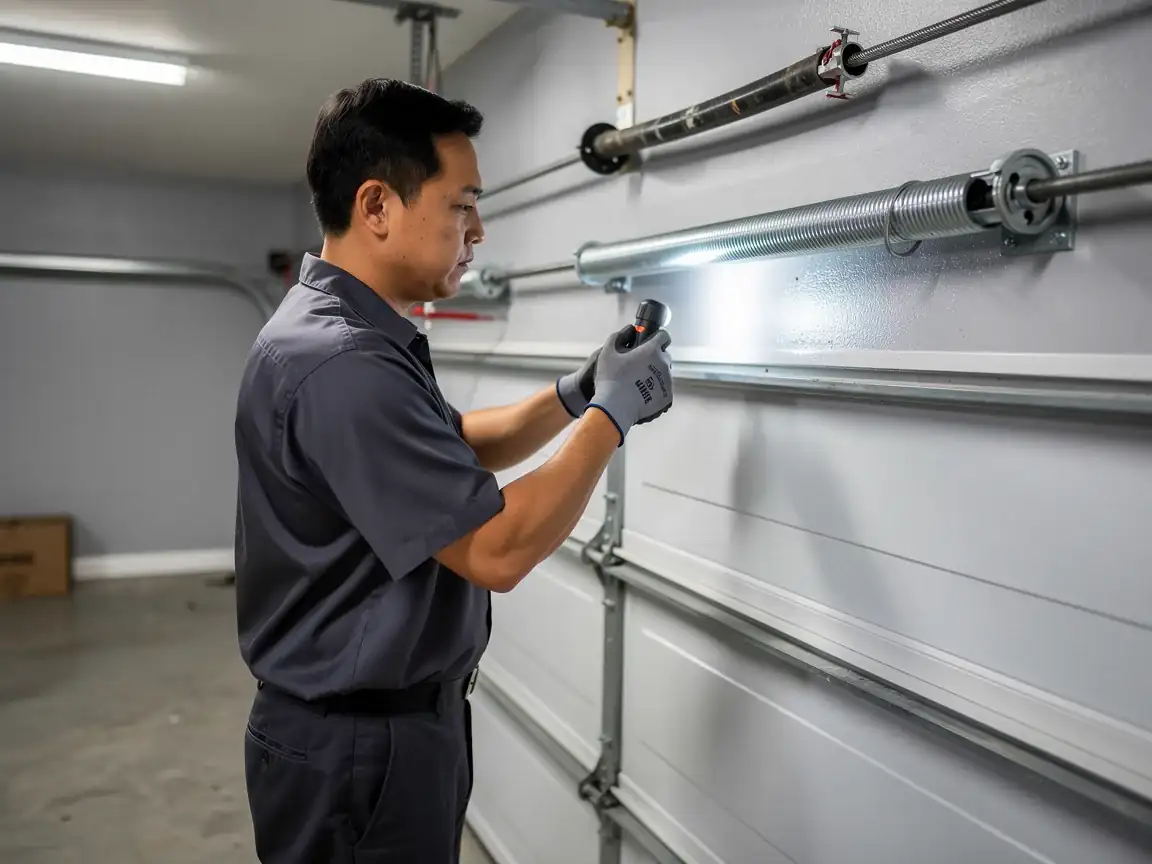
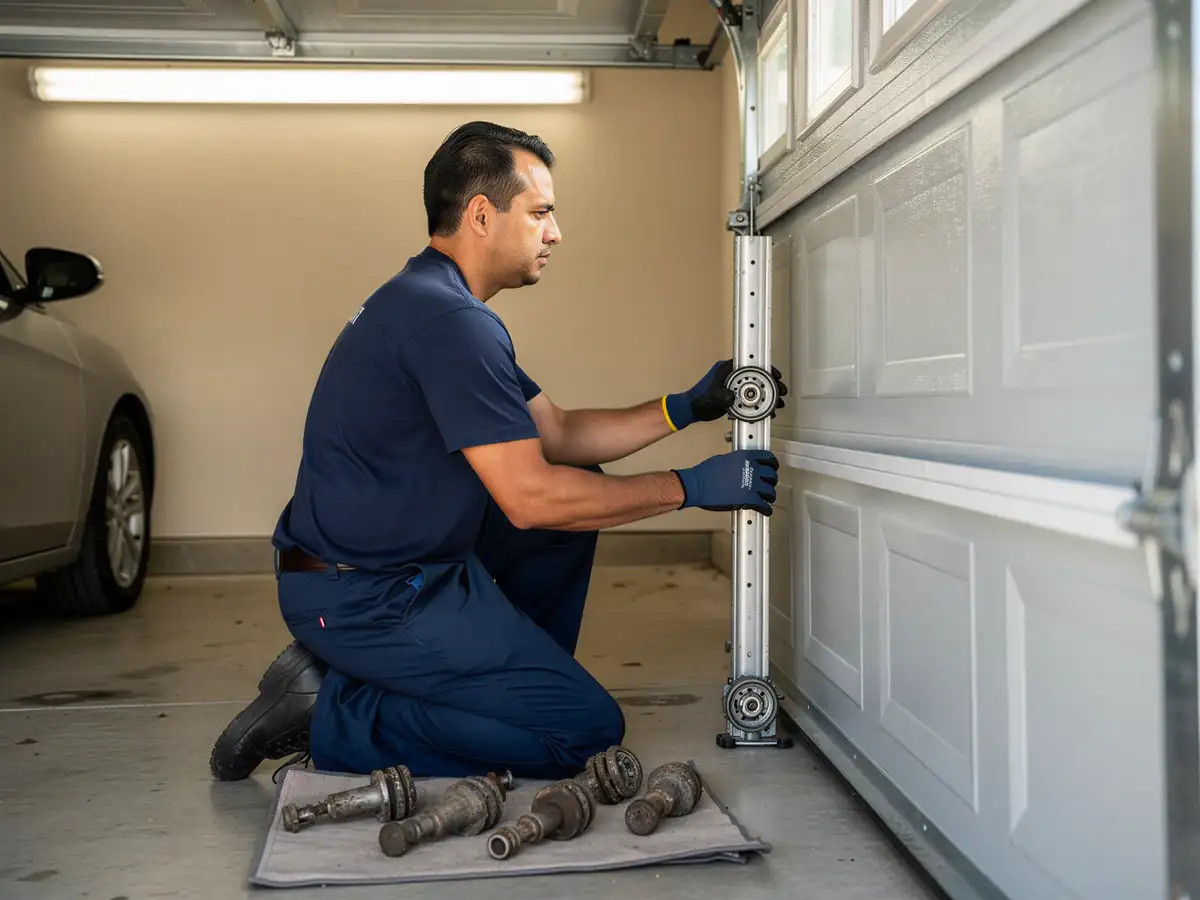
What you shouldn't touch: the torsion spring, and anything on the cable side of the drum. These doors, even newer ones, run on springs wound tight enough to break a wrist or worse if the winding bar slips. If the opener's logic board is throwing error codes, or the door drops instead of lowering smoothly, that's a call-out, not a weekend project. We'd rather tell you that up front than have you find out the hard way. If you're not sure which category your problem falls into, a five-minute look usually settles it - and we're glad to tell you over the phone if it's safe to try yourself before we ever load the truck.
Why It Happens Here
Sterlington's housing stock skews newer than most of the towns we cover out of Monroe
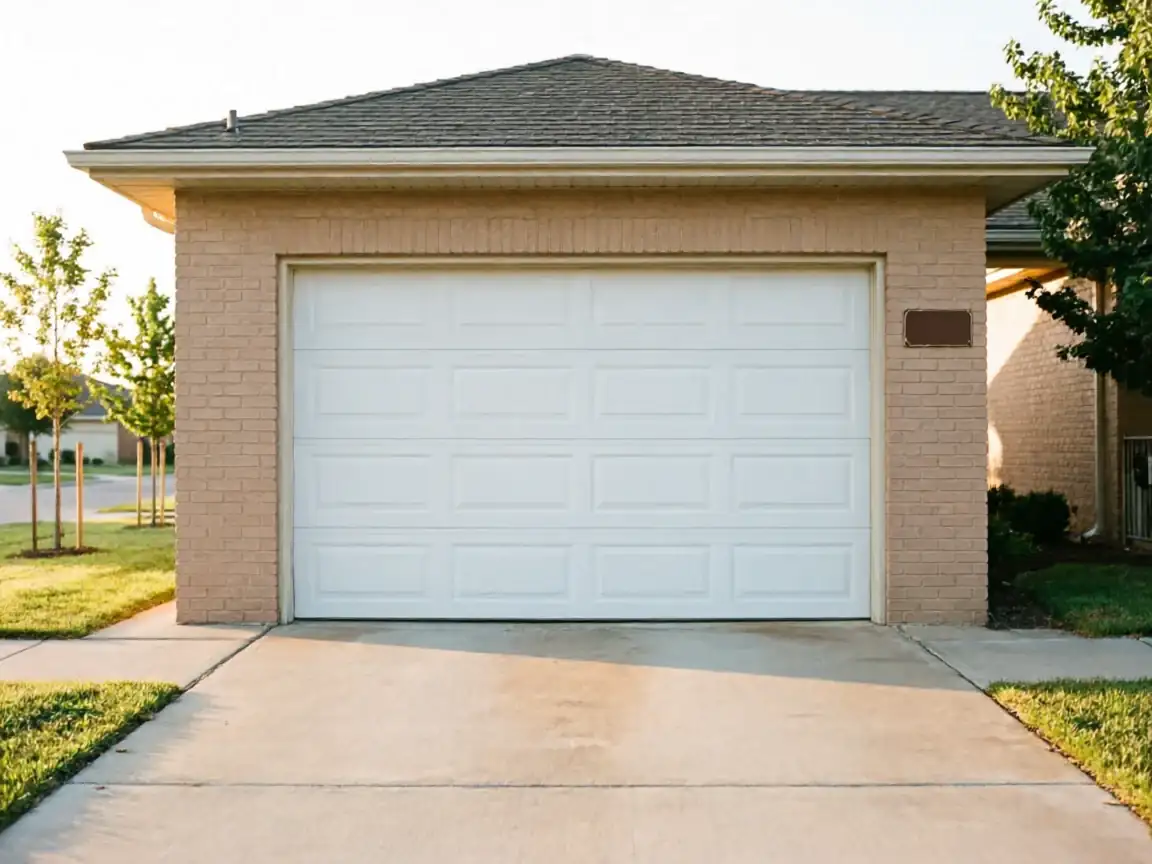
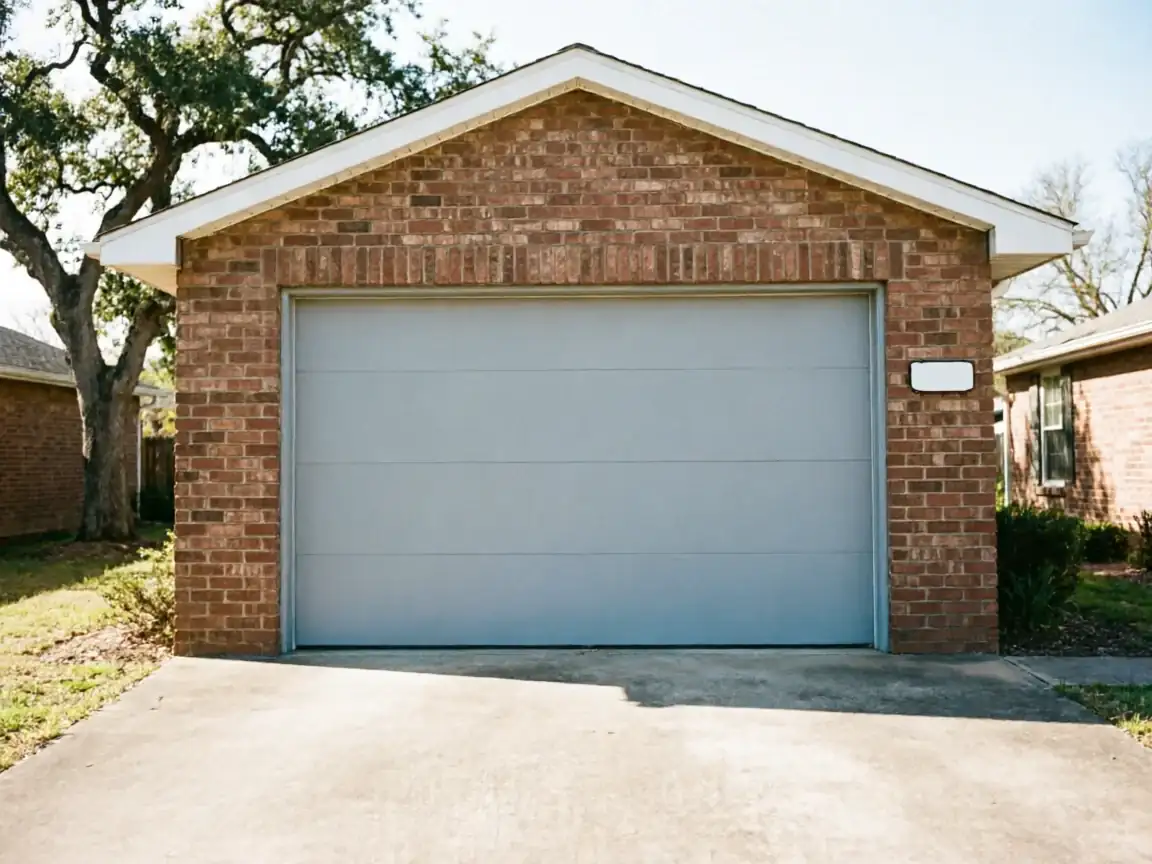
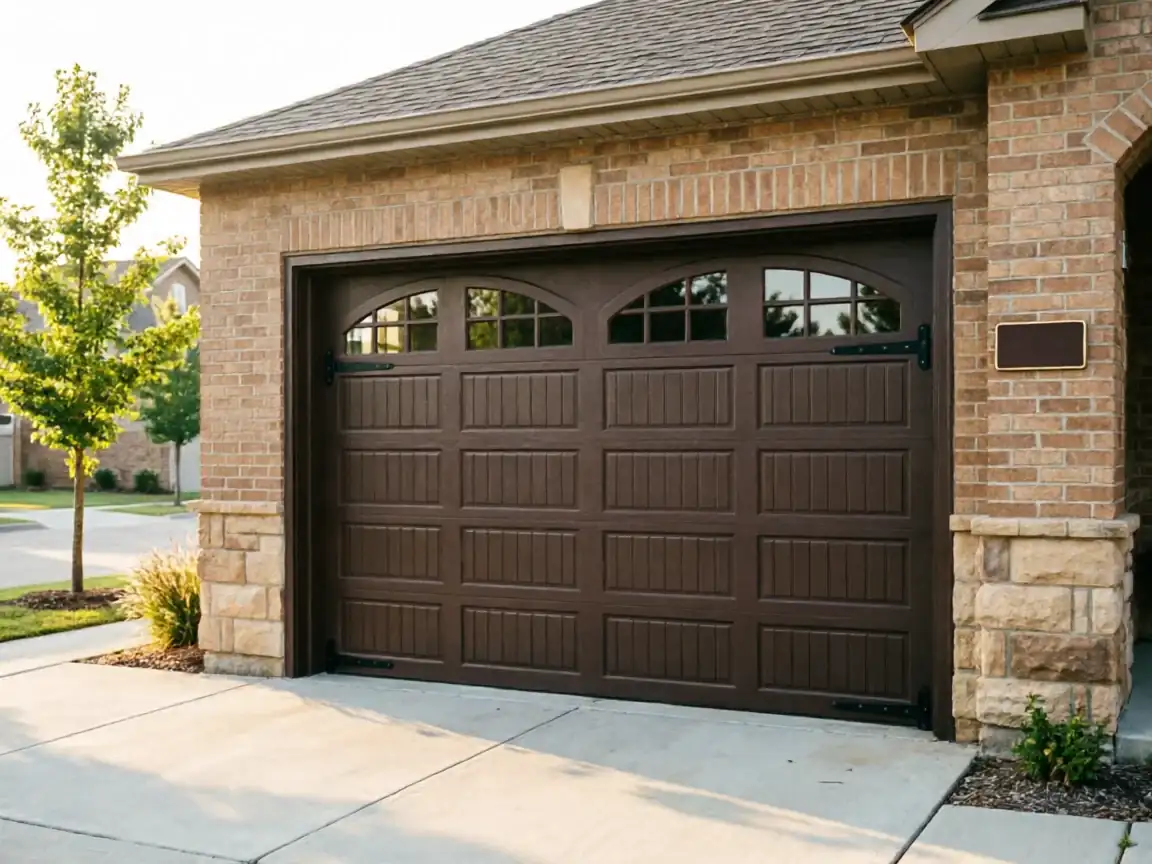
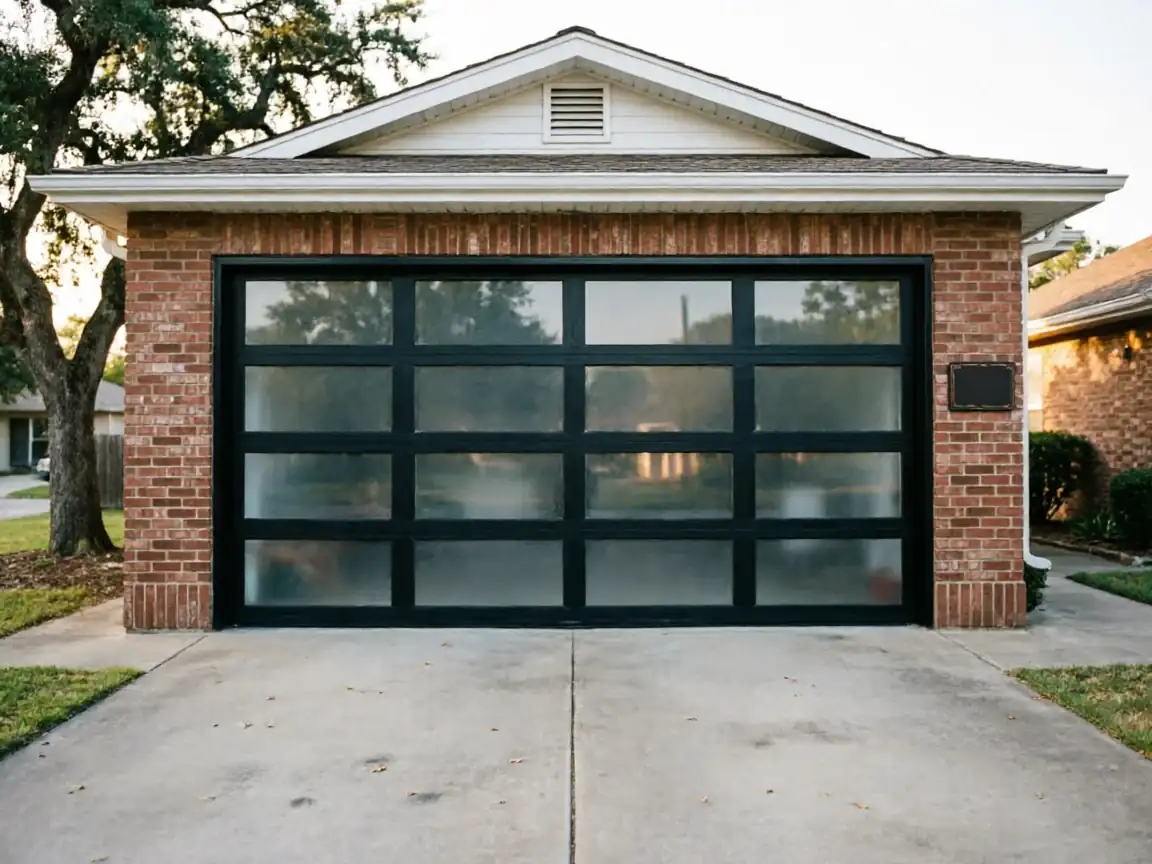
The median build year here sits around 2002, a good fifteen years past the 1985 median across the wider service area. That matters because it changes what actually breaks. Older neighborhoods are still running original one-piece doors on side-mounted torsion hardware that nobody stocks anymore. Sterlington's garages are mostly steel sectional doors with factory-installed chain or belt-drive openers from the early 2000s - and those openers are now twenty-plus years old, which is right about when circuit boards, capacitors, and travel-limit switches start failing on their own, independent of how hard the door's been used.
With roughly 875 households in town, the call pattern we see is narrower than the spring-and-cable work that dominates older sections of the service area
More opener boards, more sensor alignment, more drive-gear wear inside the motor housing. It's a different failure profile, and it's worth knowing before you assume your door needs a new spring when it actually needs a new logic board.
- 875 households
What You Pay
We don't publish flat prices here because a spring job and a board swap cost nothing alike, and quoting one number for both would be a guess dressed up as a fact. What we can tell you is what drives the cost on a Sterlington job specifically: parts for 2002-era openers aren't always sitting on the truck the way a universal travel-limit switch is, and if the board itself has to be ordered, that's a second trip, not a same-visit fix. Household income in the Sterlington area runs noticeably higher than the broader service area - $67,986 versus $46,663 - and we mention that only because it tends to track with the kind of insulated steel doors and heavier-duty openers that were specified when these houses were built, which cost more to repair proportionally than a bare steel panel from the 1980s.
Ask for the number before any work starts, not after. A phone estimate based on symptoms is never the final word - we confirm it once we've got eyes on the actual part.
What Can Go Wrong
The climate here is mild with occasional freeze, not a hard winter pattern, so cold isn't the main stress on these doors the way it would be farther north - but it still does something. A freeze snap after a wet stretch can swell a wood jamb or stiffen weatherstripping just enough that the door binds on the track for a day or two, which some homeowners mistake for a spring problem when it's really friction.
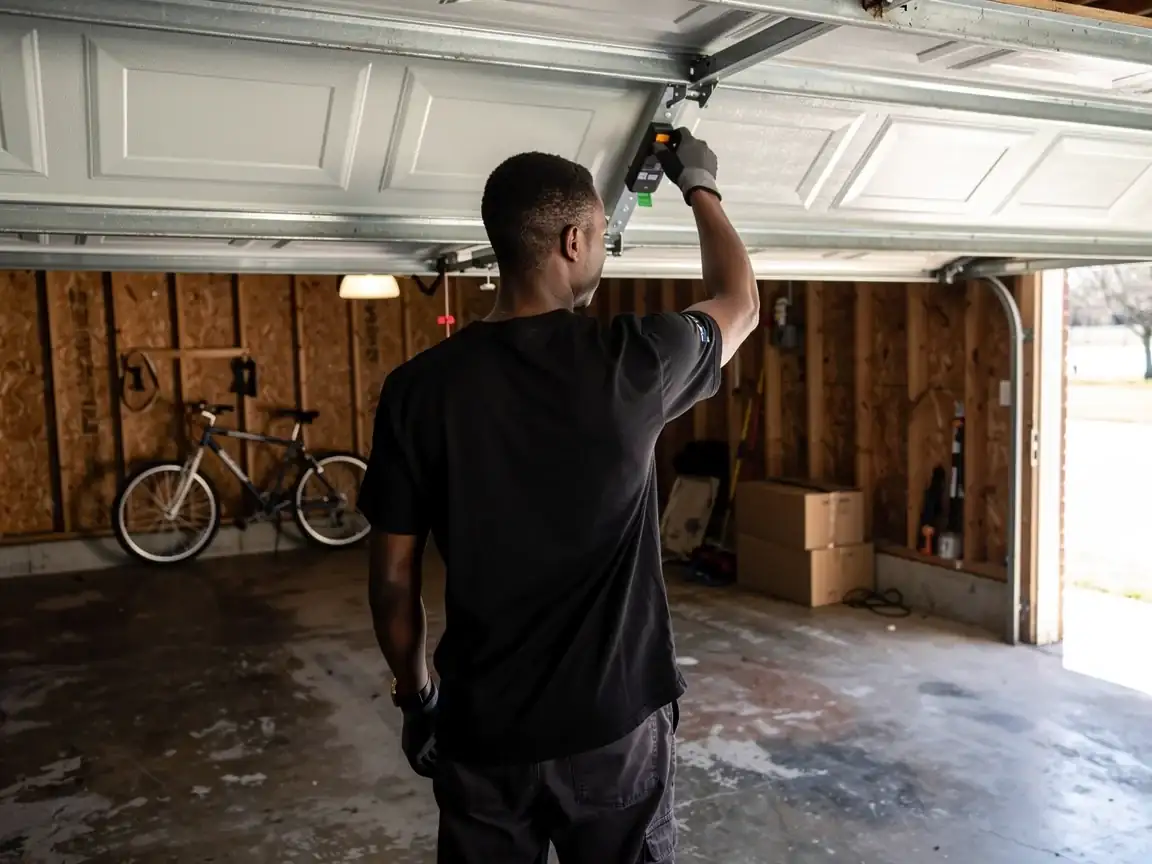
The more common failure on Sterlington's newer stock is electronic: a logic board that resets itself randomly, a wall switch that stops communicating with the head unit, or a photo-eye sensor that's been nudged out of alignment by a bike or a trash can and now won't let the door close at all. None of that is a spring issue, and replacing a spring won't touch it. On the mechanical side, the belt or chain on an opener from the early 2000s is due for replacement around now regardless of symptoms - it's rubber or steel that's been flexing daily for two decades. We'll tell you straight if a repair on an opener this age is worth it or if you're better off replacing the unit outright; sometimes the board costs more to source than a new opener does.