Doing It Yourself
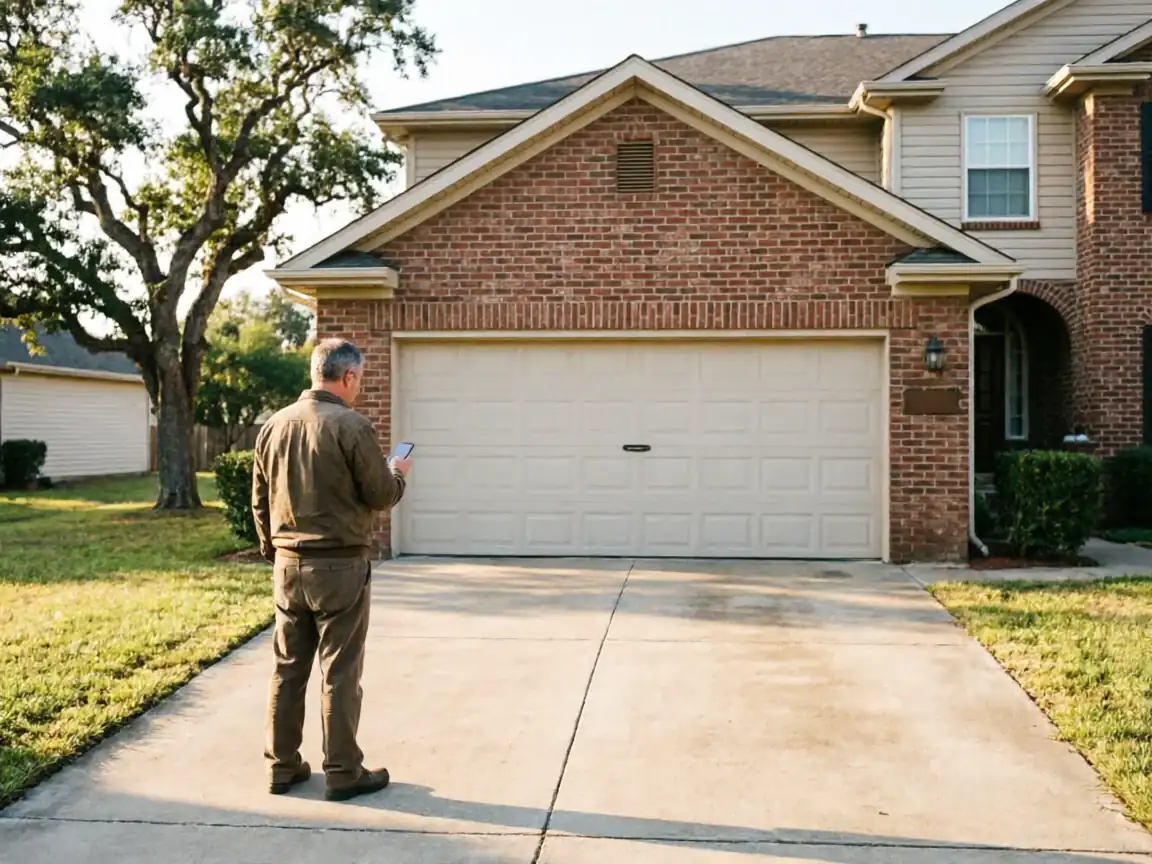
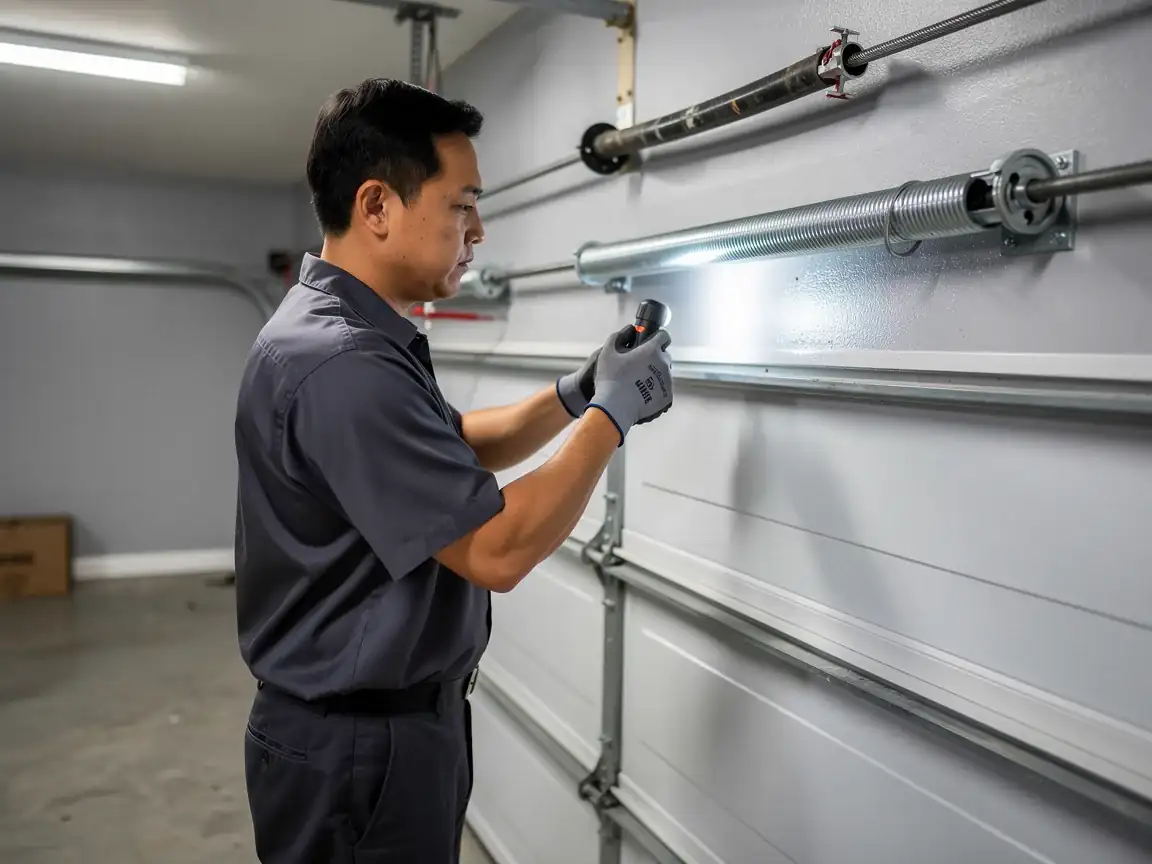
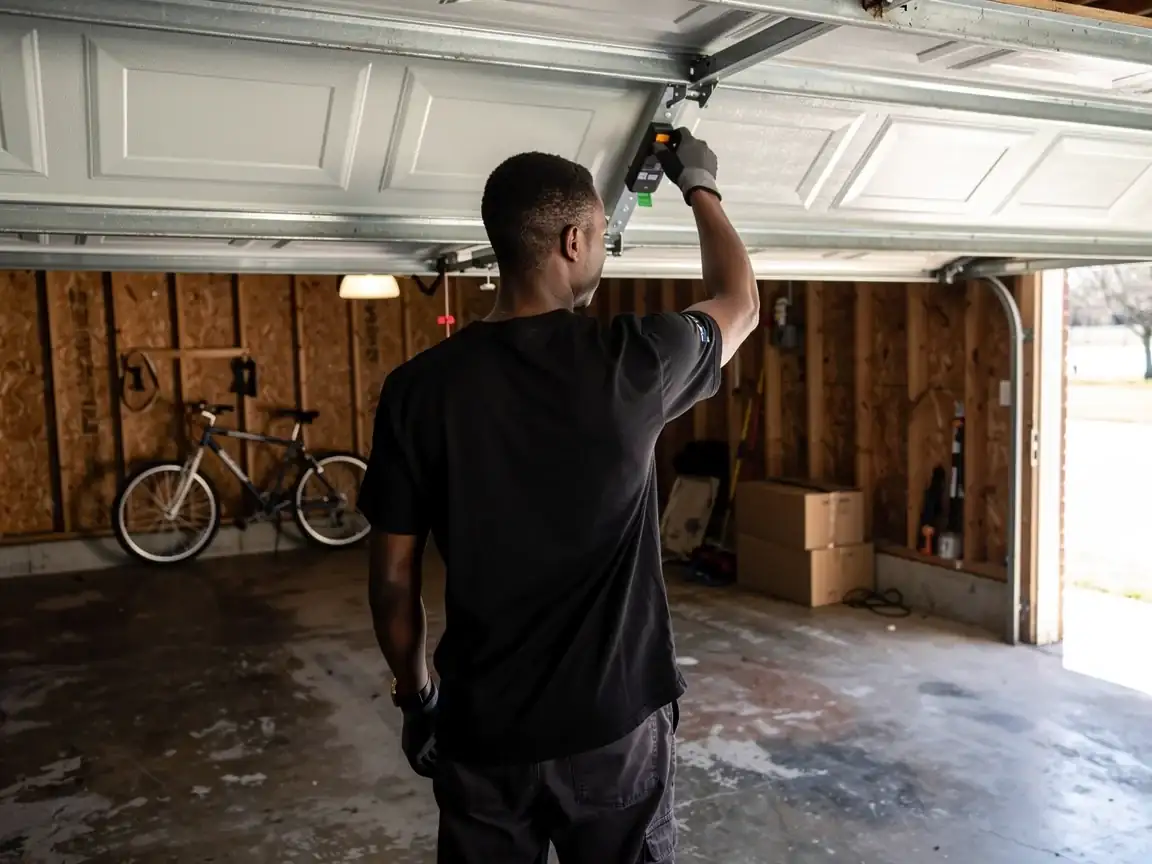
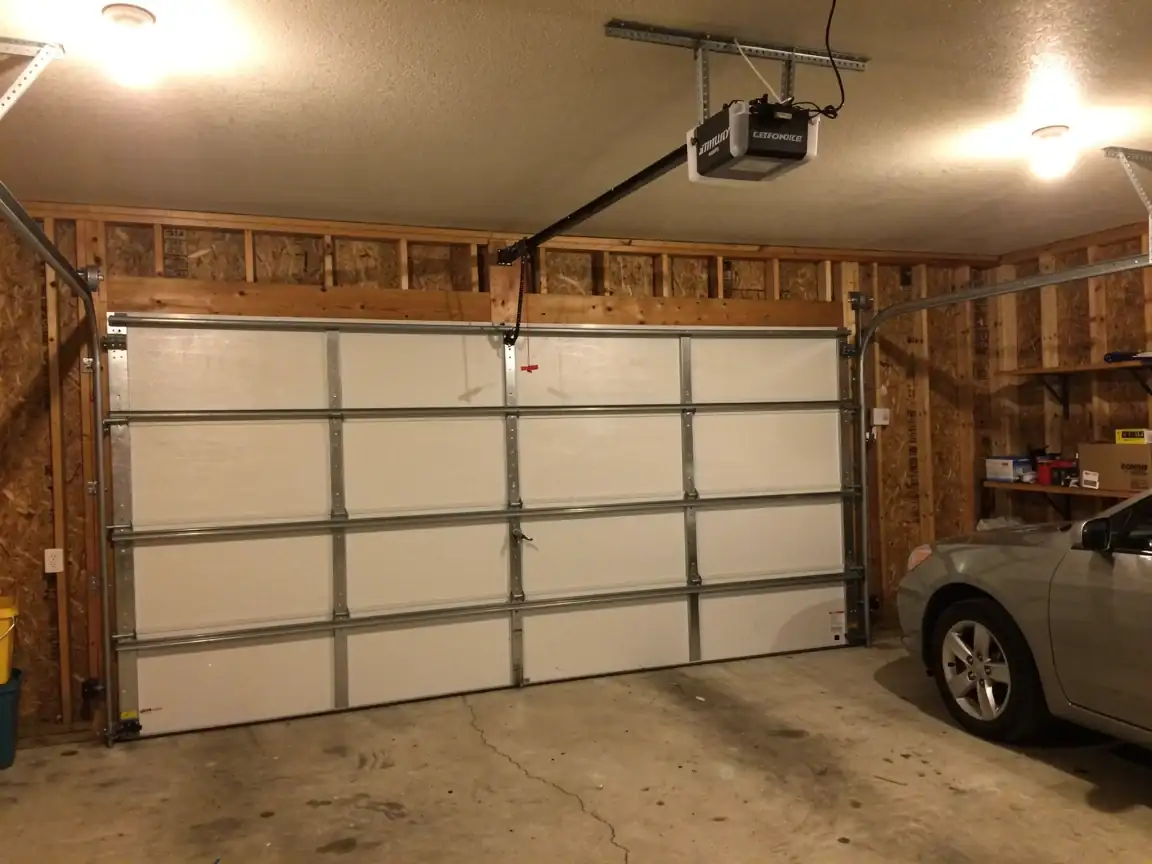
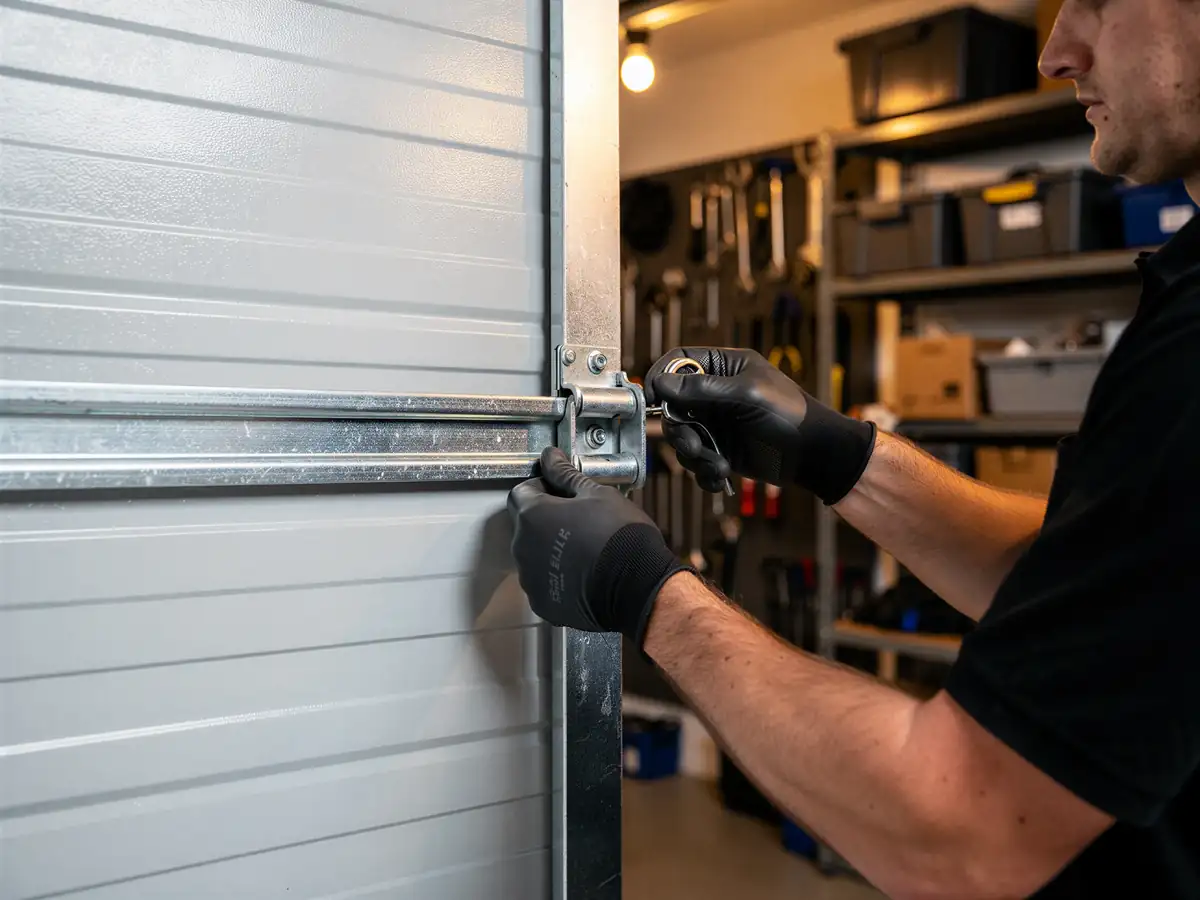
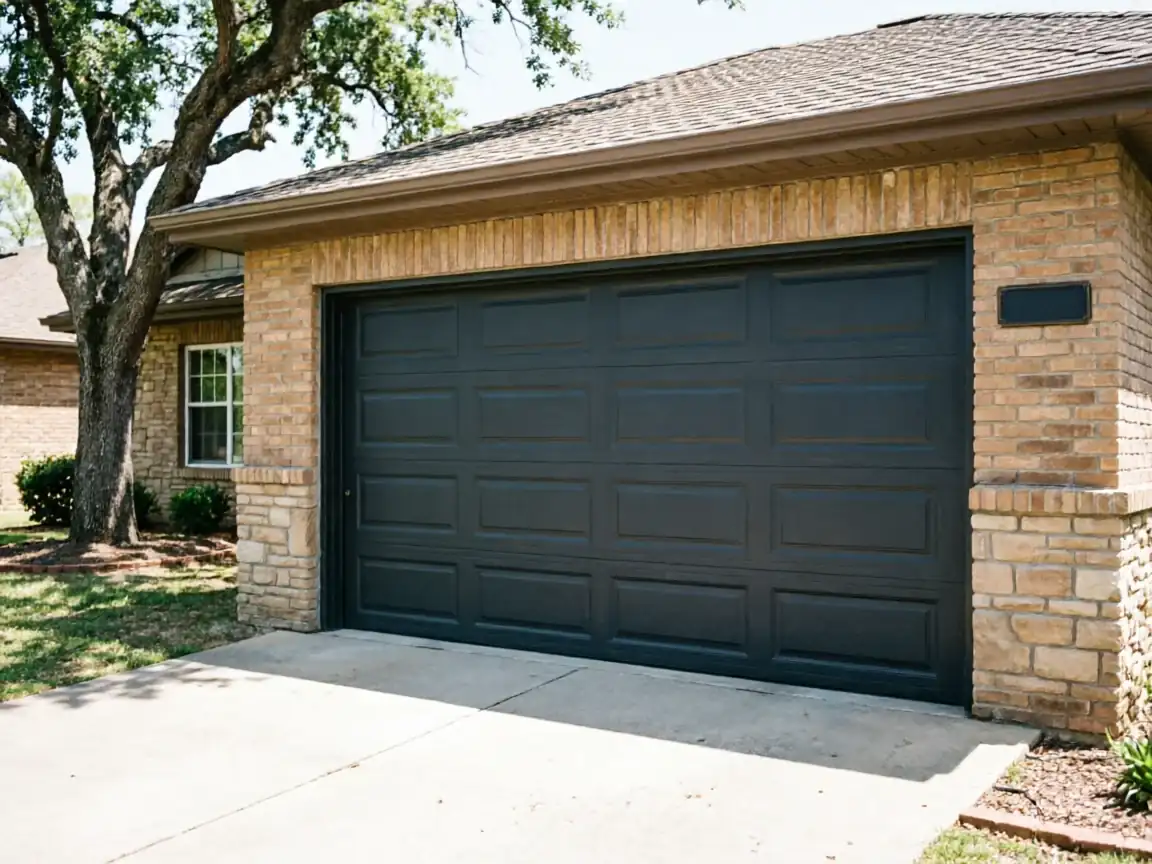
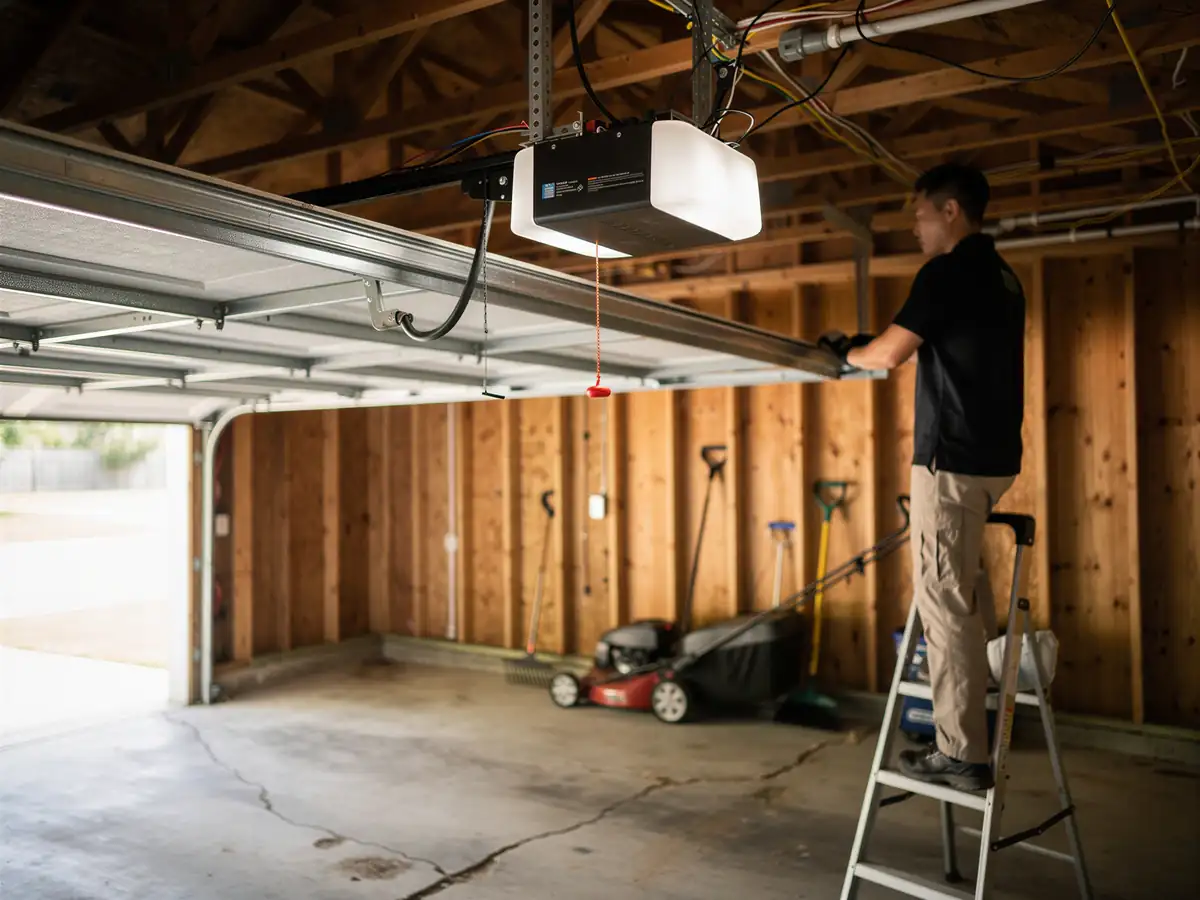
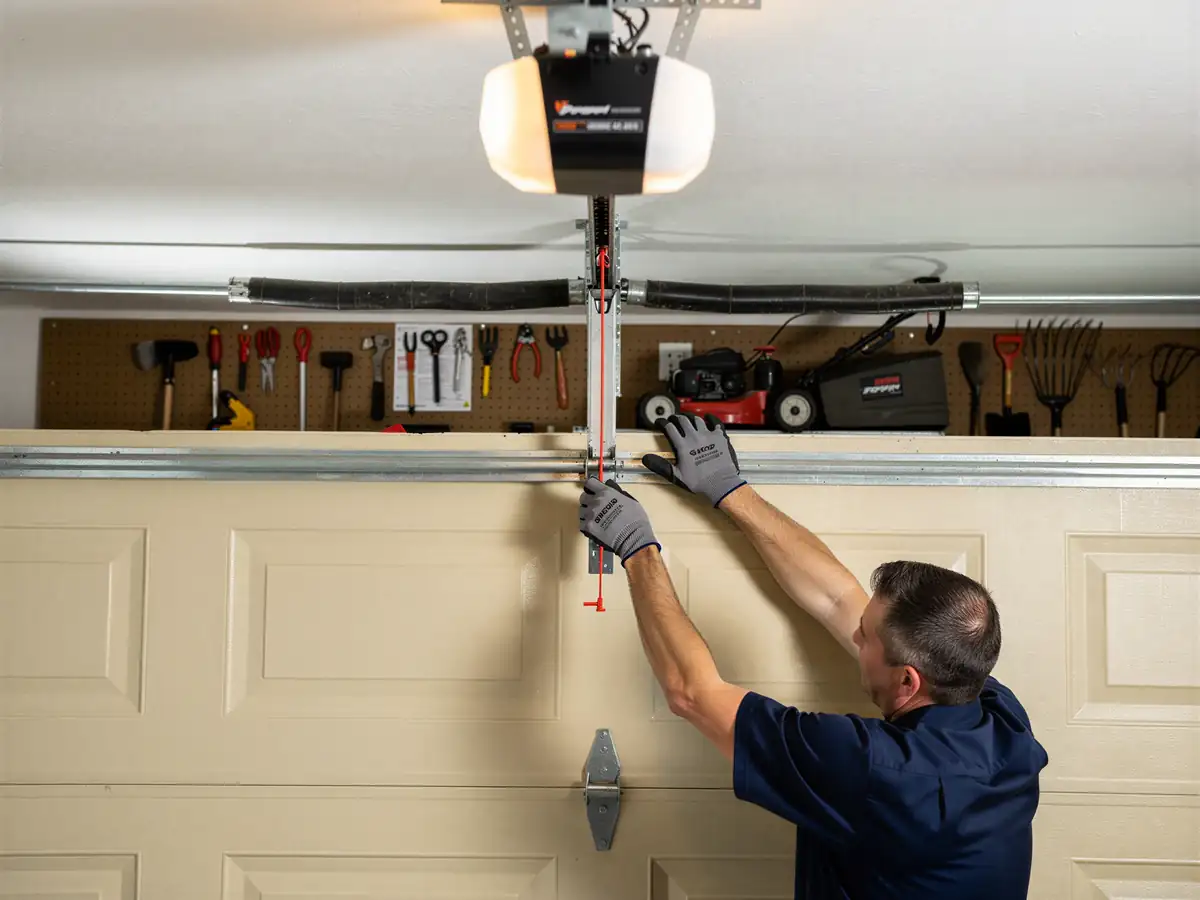
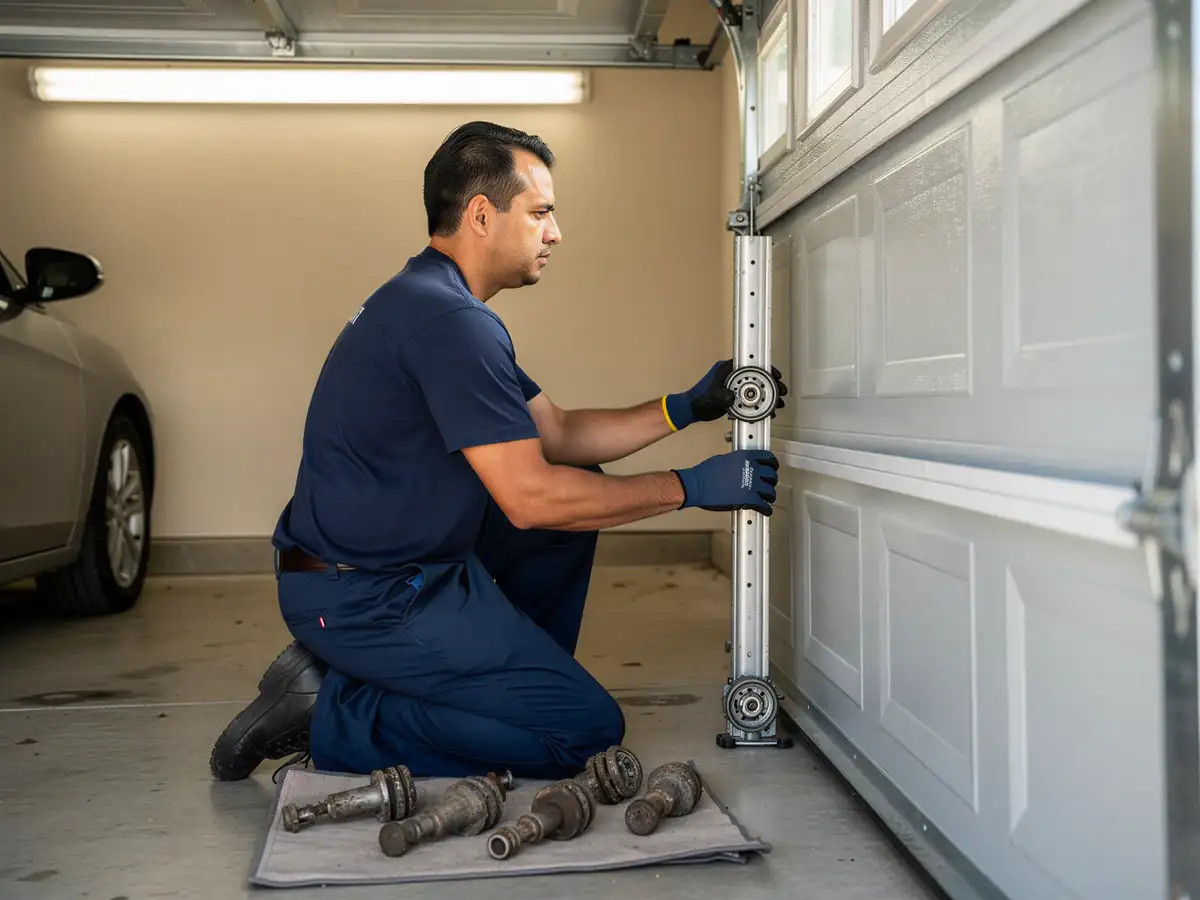
Most garage doors in Sterlington went up around a median year of 2002 - newer than the 1985 median you'll find across the rest of our Monroe service area. That matters for a DIY job because newer sectional doors usually came with factory nylon rollers on steel track, bolted to simple stamped hinges. If your rollers are worn but your springs and cables look fine, swapping rollers on a door this age is one of the more forgiving jobs a homeowner can take on: unplug the opener, support the door, pull the roller stems out of the hinge brackets one at a time, and don't work on more than one hinge section at once so the door stays supported. Where we draw the line is torsion spring work - if a roller failure has also bent a track or popped a cable off a drum, that's not a stem-and-roller fix anymore, and that's where we'd rather get a call than have you improvise under a loaded spring. Parts stores don't always stock the exact stem length for every 2000s-era builder-grade door, so matching the old roller before you order is worth ten minutes with a tape measure.
What You Pay
We don't have a flat price list to quote sight unseen, and a roller job here depends on a few things: whether it's a full set of rollers or just the two or three that failed, whether the stems match what's already on the hinge brackets, and whether the track took any damage from a roller that seized before it broke. Because we're coming out from Monroe - Sterlington runs about 12 miles from the shop, farther than some of the stops closer in like West Monroe or Brownsville - the trip itself is part of what goes into scheduling a job, though we don't publish a separate rate for distance. With median household income here at $67,986, well above the $46,663 figure for the broader service area, we also see more owners opt for the steel ball-bearing roller upgrade over a straight nylon-for-nylon swap, since the material cost difference is small against the cost of calling someone back out in three years.
What Can Go Wrong
The most common failure on a 2002-era door is exactly what you'd expect from a roller at the end of its life: the nylon wheel cracks or chips, and the stem starts binding sideways in the track instead of rolling. Left alone, that bent stem chews a groove into the track wall, and what started as a $20 part becomes a track replacement. The other thing we see on builder-grade doors from this era is a hinge bracket that's worked loose from running on a rough roller for months - the bracket screws back out, and the panel starts to sag at that corner. With only 875 households in Sterlington, this isn't a town with a shop on every corner, so a roller that's already damaging the track tends to sit longer before anyone calls it in than it would somewhere with more options nearby. If you hear a grinding or thudding sound low on the door track, that's worth a look before the track itself needs replacing.