Doing It Yourself
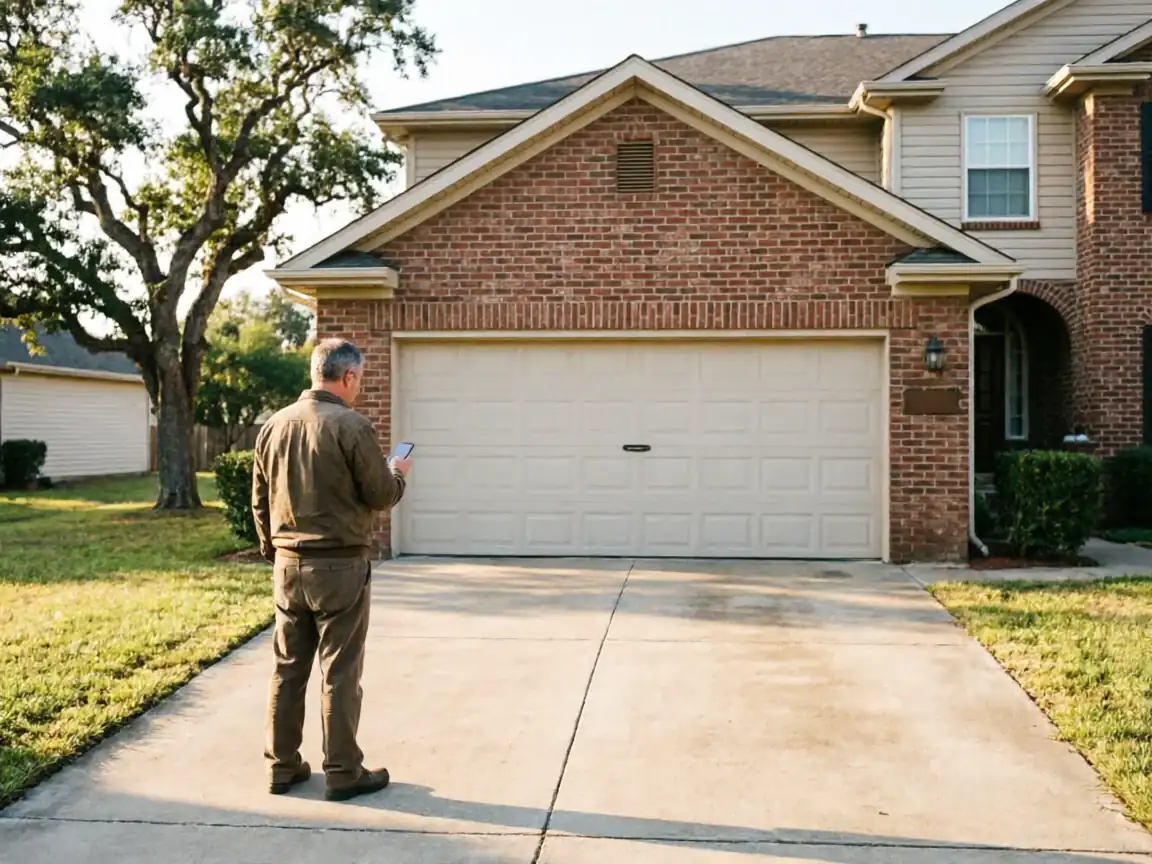
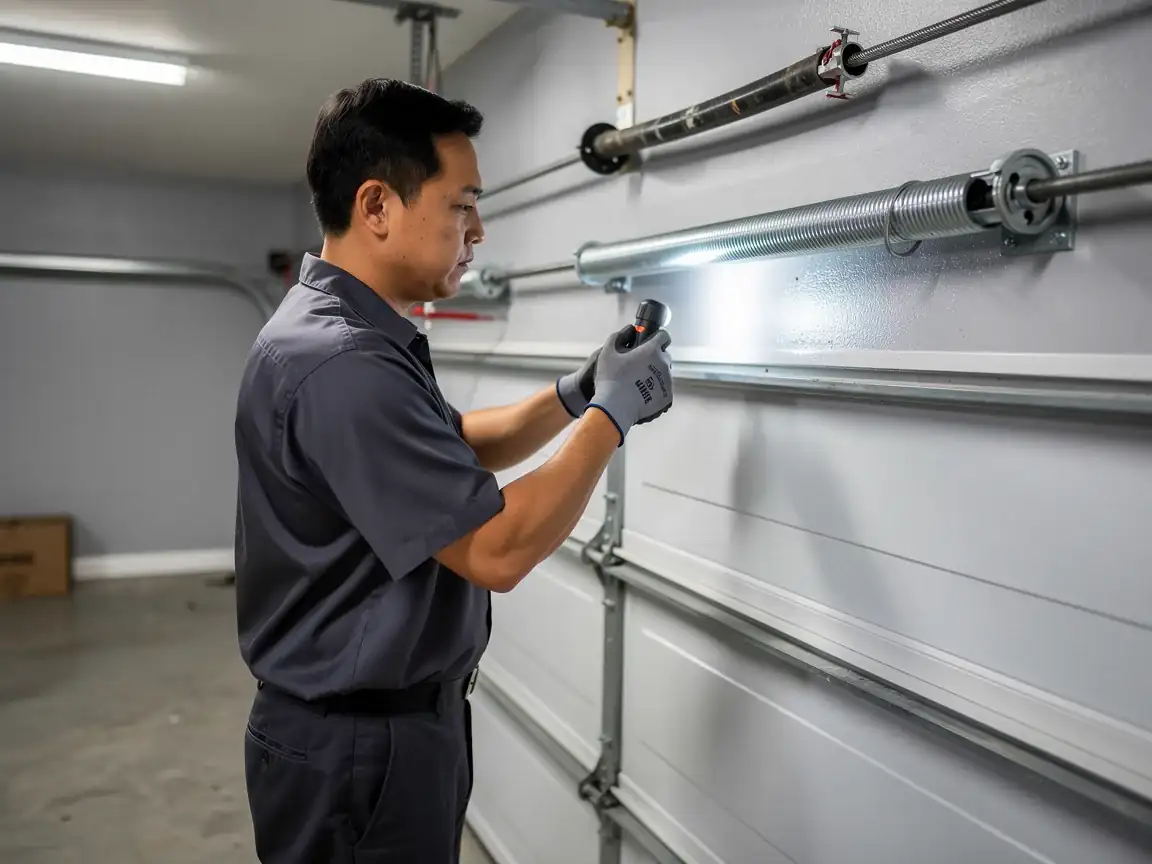
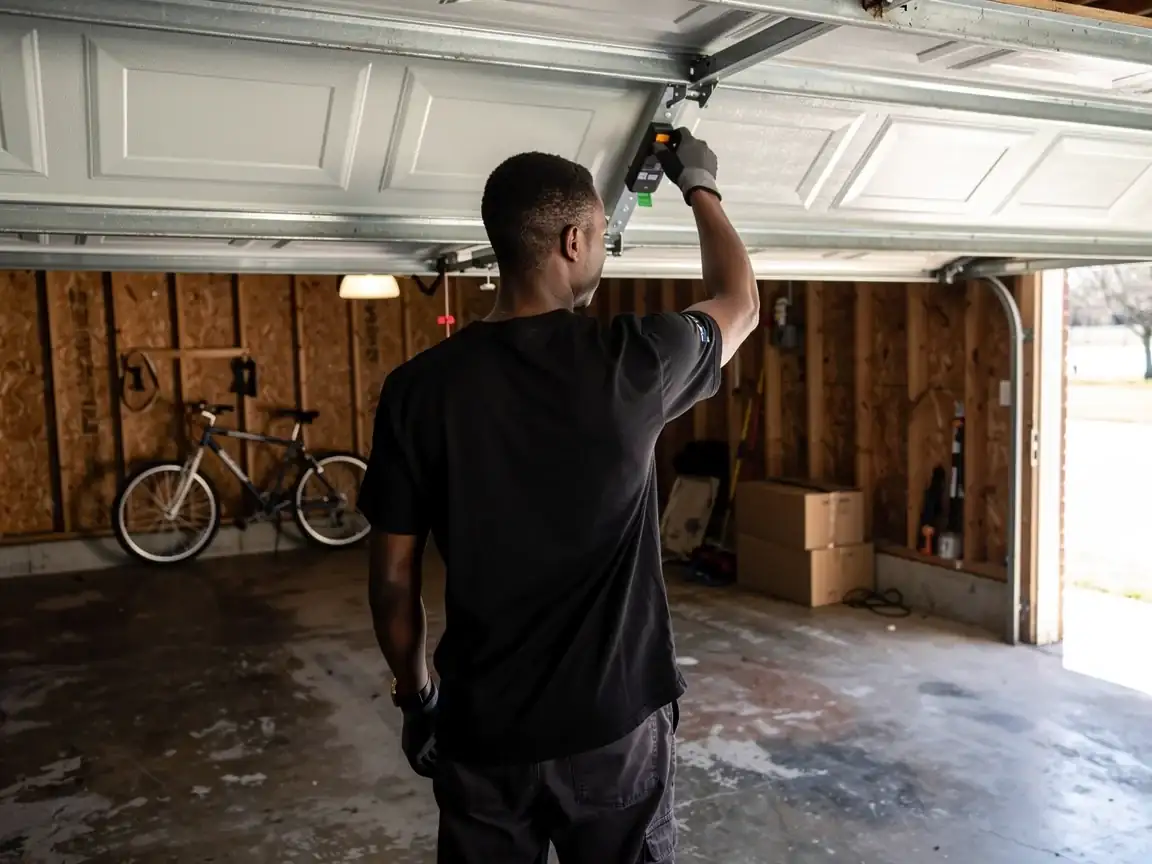
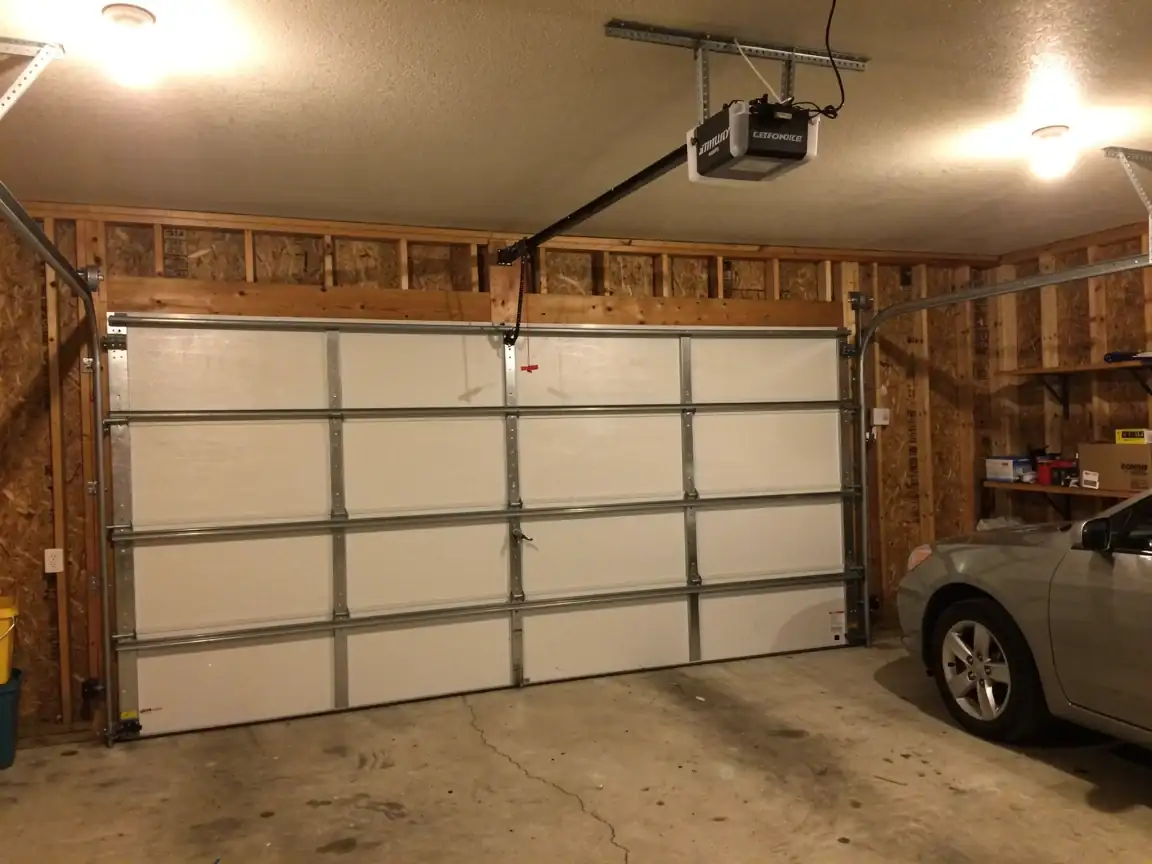
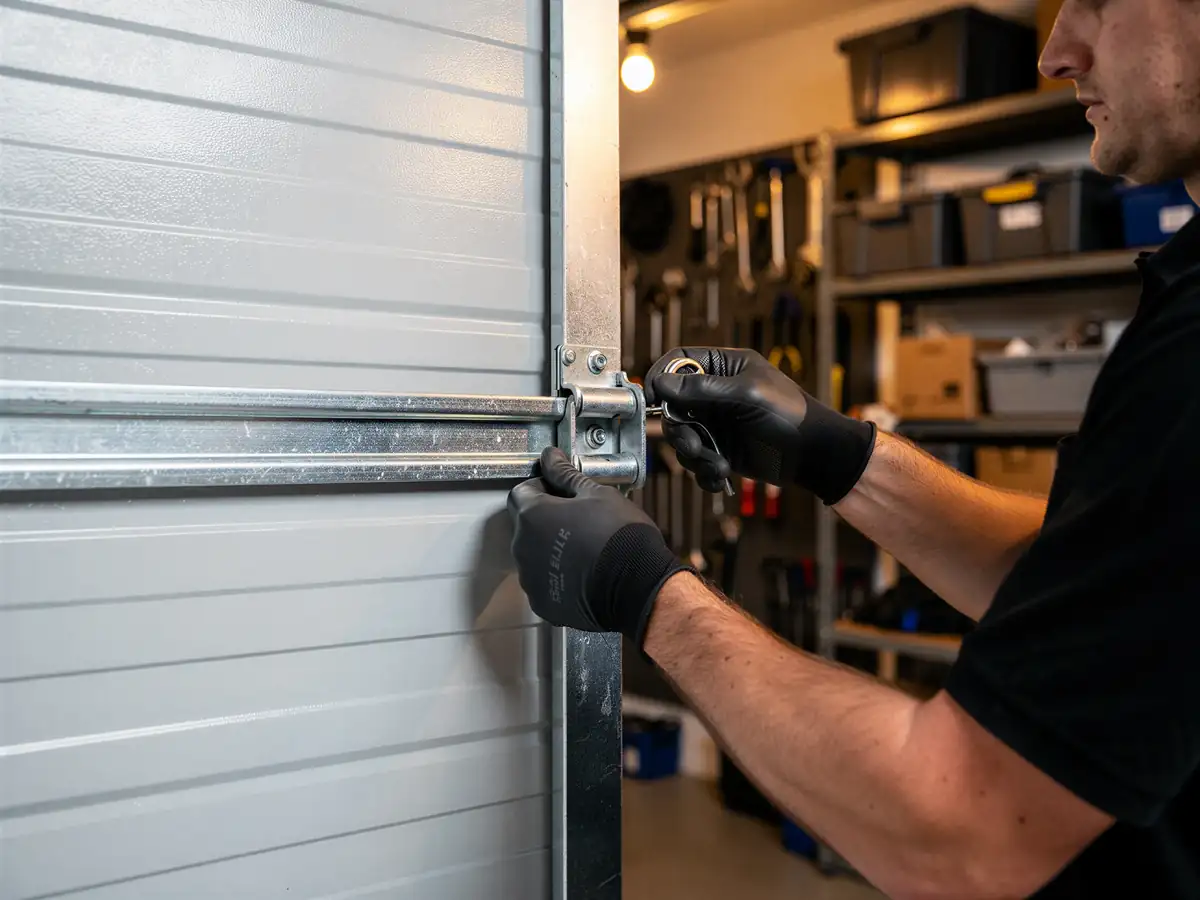
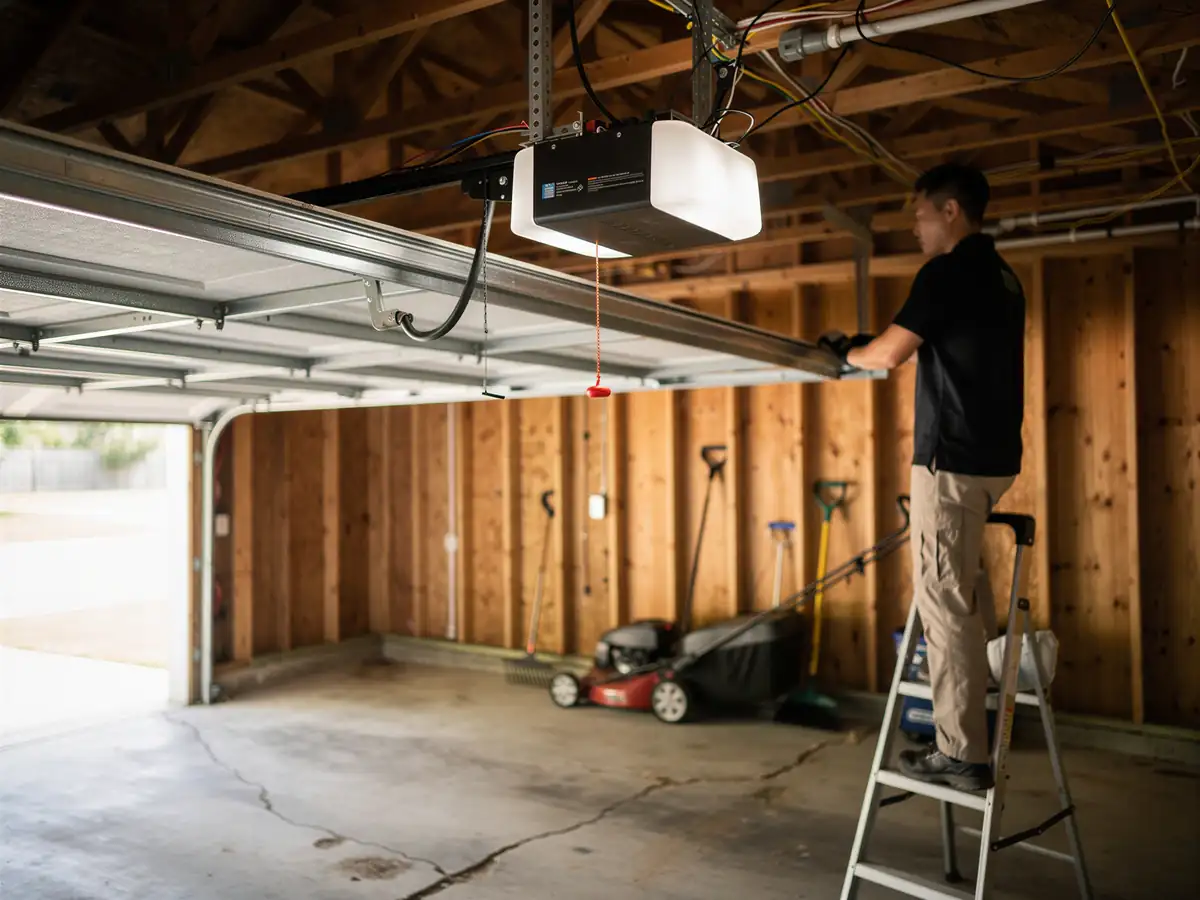
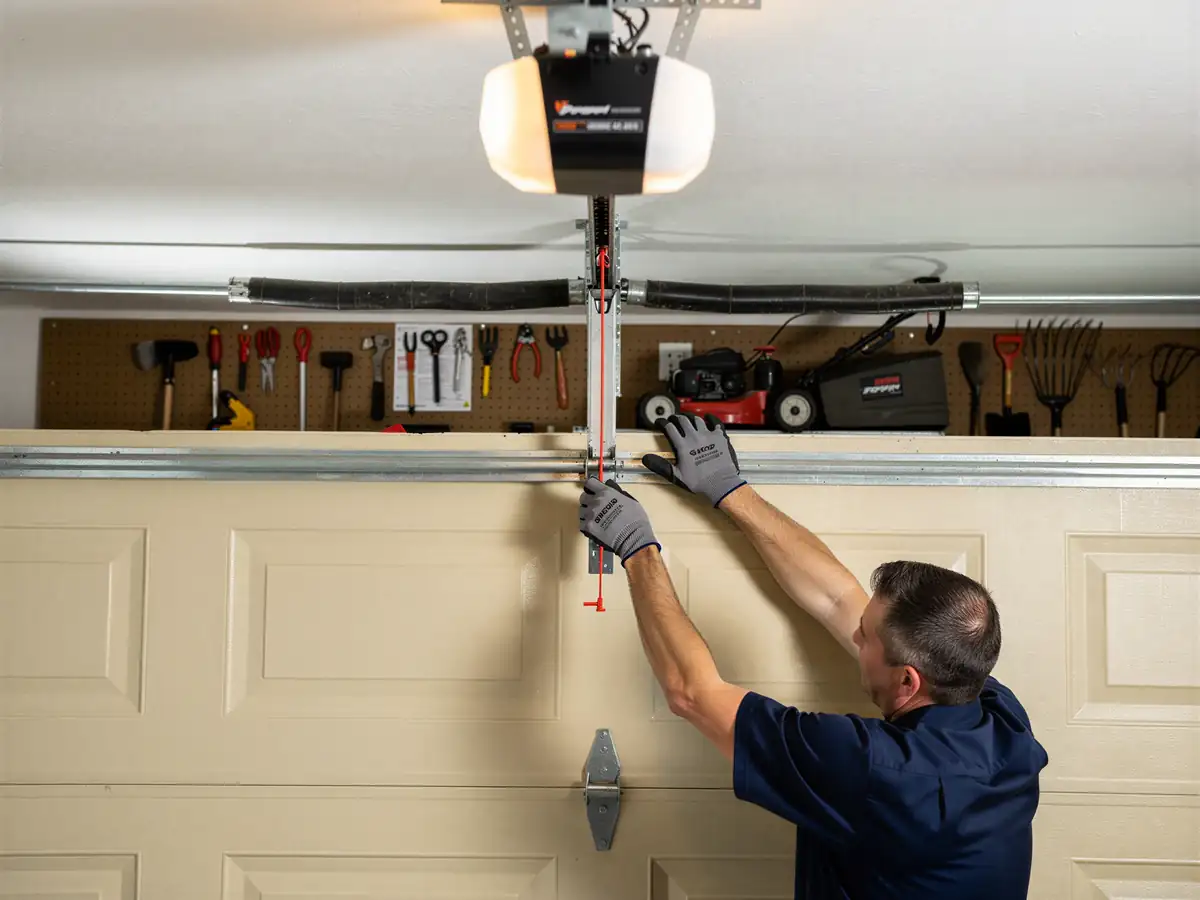
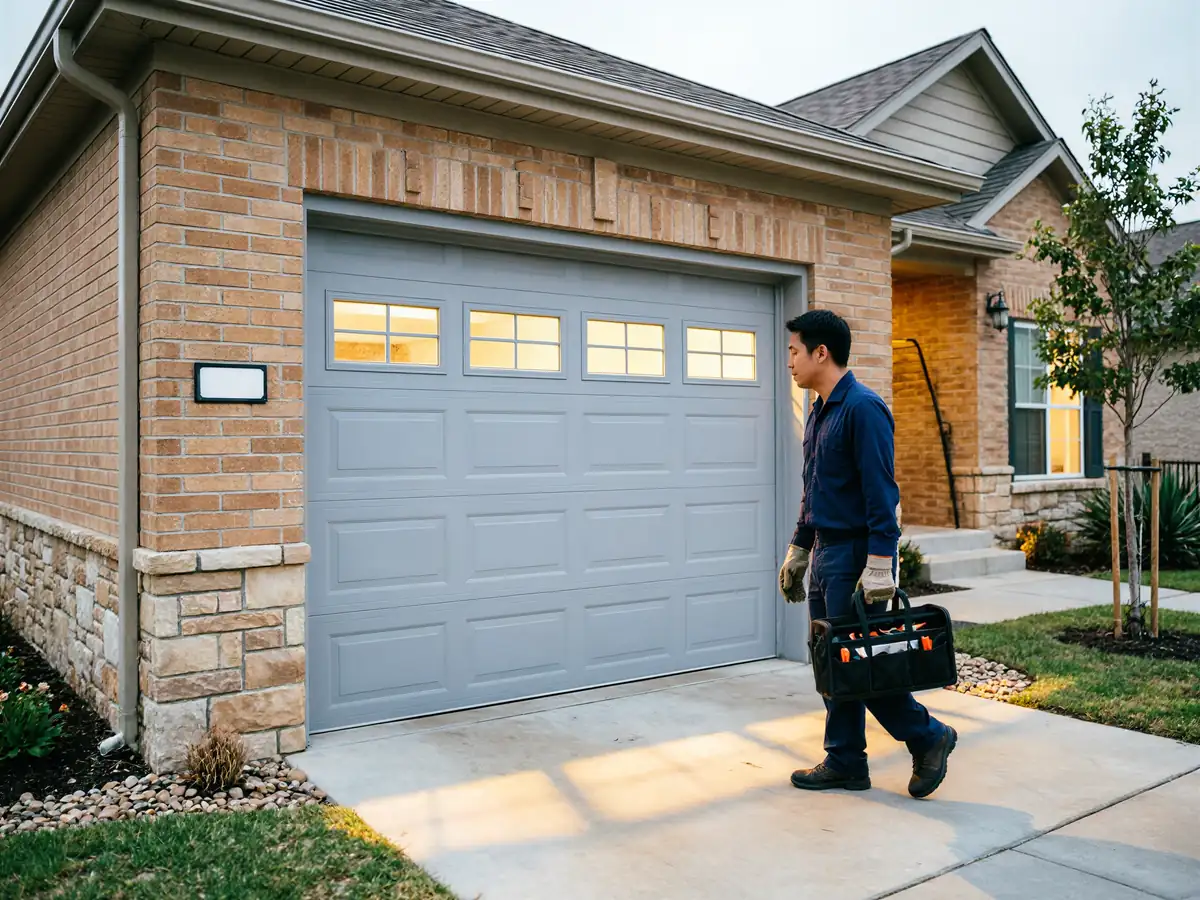
Most Sterlington garage doors went up when the house did, somewhere around 2002, and that matters more than people think. A torsion spring rated for 10,000 cycles doesn't care that it looks fine - if it's original to a 2002 build, it's had twenty-plus years to fatigue, and the day it lets go is not a day you want to be under the door. You can do the easy stuff yourself: wipe down the tracks, check that the photo-eye sensors near the floor are aligned, listen for grinding on the rollers. What you shouldn't touch is the spring system or the cable drums. Winding or unwinding a torsion spring under tension has put people in the hospital, and we're not going to pretend otherwise to sell you a service call. If your opener is original too, test the auto-reverse by setting a 2x4 under the door - if it doesn't bounce back, that's not a DIY fix, that's a part that's past its working life. Know the limits, do the five-minute checks, and call for anything involving spring tension or the opener's motor housing.
What You Pay
We don't have a Sterlington-specific price list to hand you, and we're not going to make one up. What we can tell you is how the decision usually breaks down. Sterlington's median household income runs higher than the broader service area's, and that shows up in what gets fixed versus replaced - more owners here opt to replace an aging opener outright rather than patch a motor that's original to a 2002 install, since parts for a 20-year-old unit are getting harder to source. A spring swap is a different conversation than an opener swap, and a full door replacement is different again. We'll give you the actual number for your door and your opener when we're standing in front of it, not before.
What Can Go Wrong
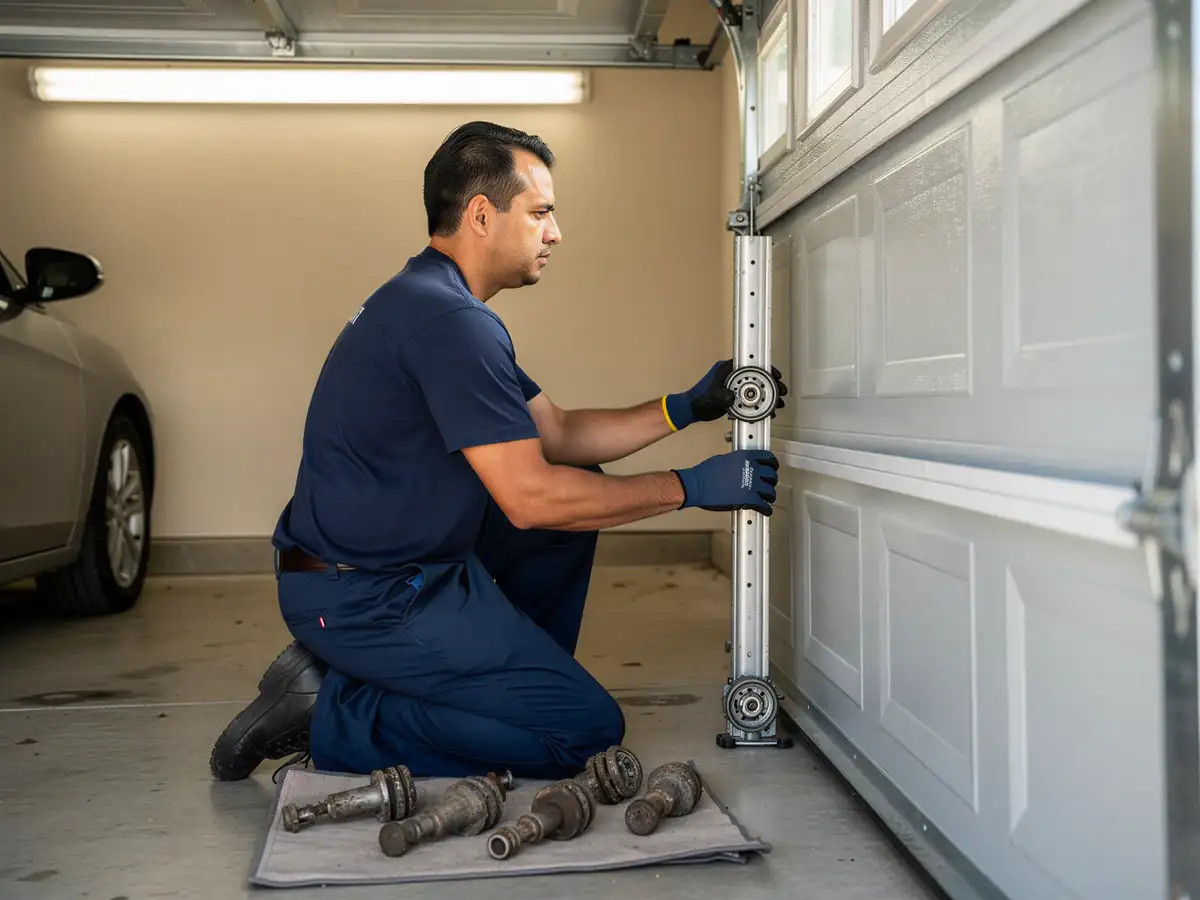
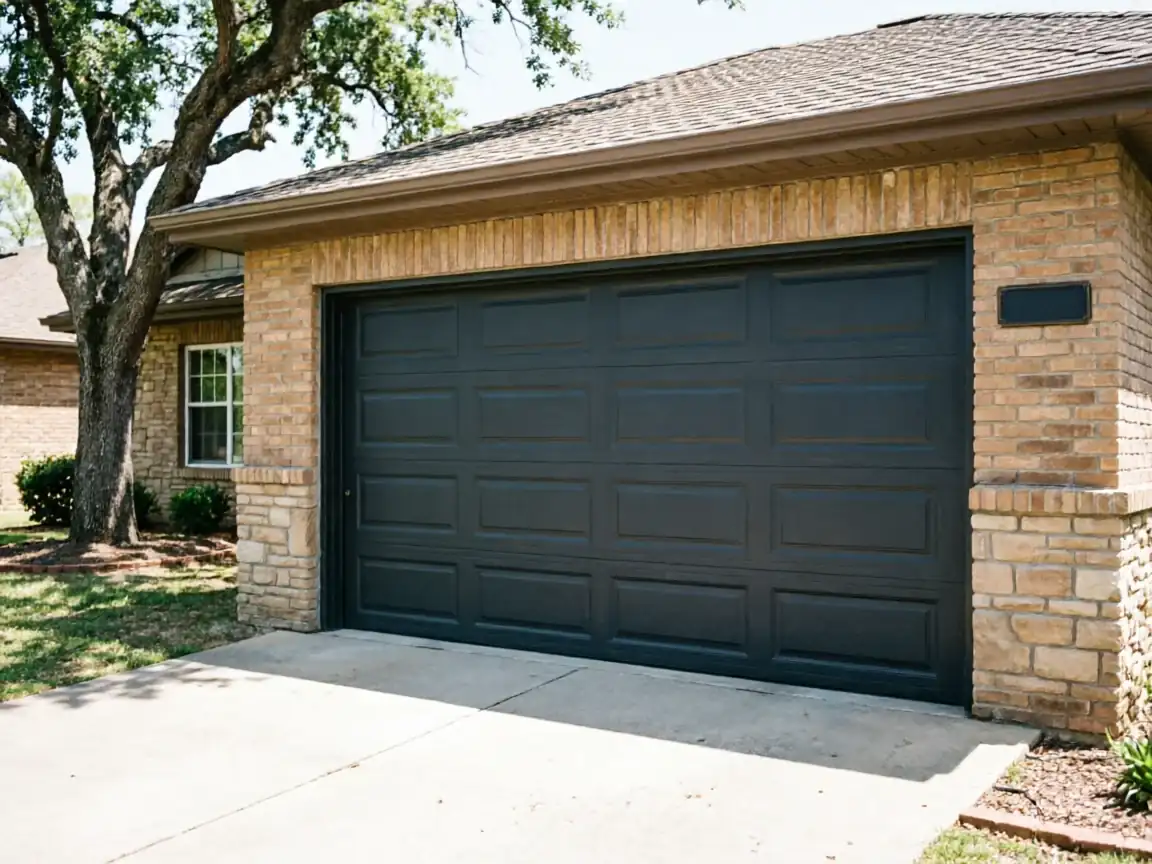
The common calls out this way track the build year. Springs that have never been replaced are the big one - they were rated for a number of cycles, that number got used up quietly, and the door starts feeling heavy before it snaps. Openers from the early 2000s often used drive belts or gears that aren't made anymore, so when the gear strips, the fix might be a new opener rather than a part. Cables fray at the drum from the same two decades of use the spring's had, and on doors that have sat with the original rollers, you'll hear it in the track before you see it - a grinding or shuddering as steel wheels wear down after years nobody's touched. None of this is dramatic weather damage; the mild climate out here isn't the enemy. It's just original hardware finally running out of cycles, which is exactly what you'd expect on a door that's as old as the house it's attached to.