Doing It Yourself
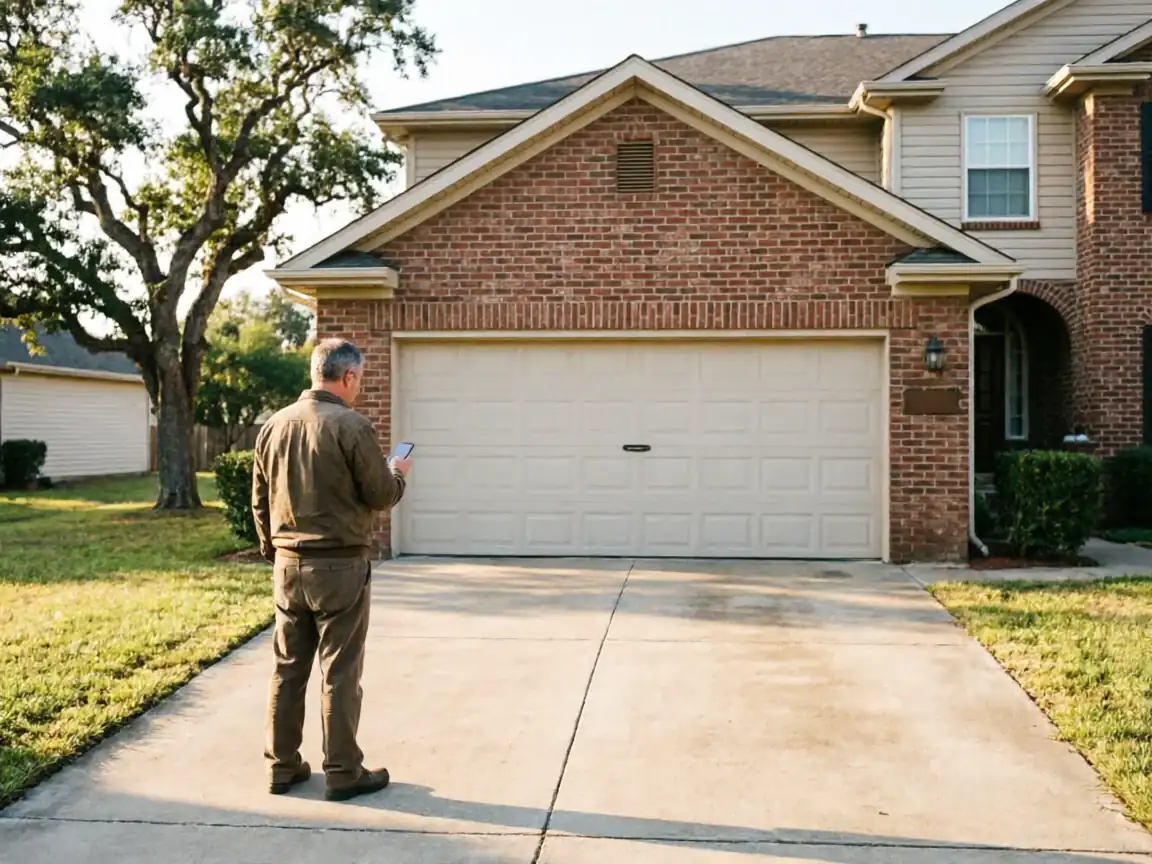
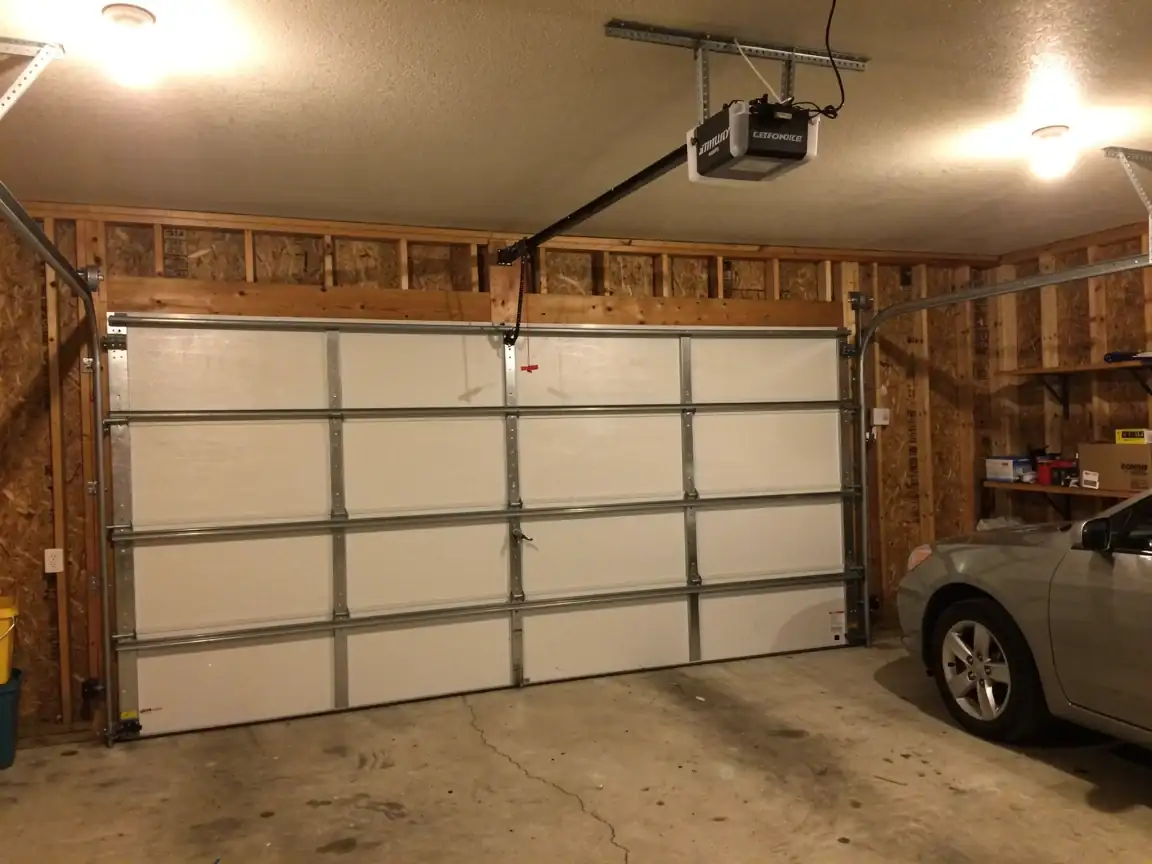
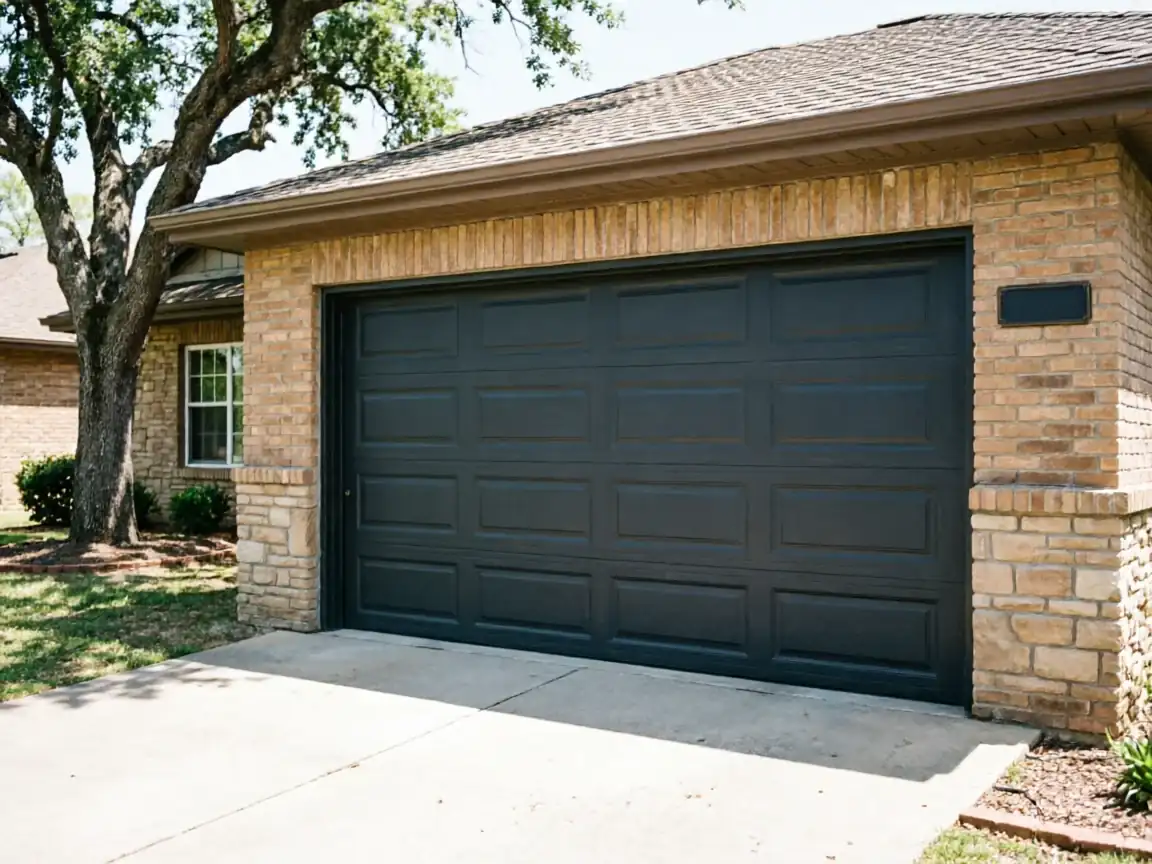
Sterlington is a small place - about 875 households - and most of the openers we get called out to here are newer than what we see on the Monroe side of the service area, where homes often date to the 1980s. Houses in Sterlington were mostly built around 2002, which means you're likely dealing with a chain or belt-drive opener with modern photo-eye safety sensors rather than an old relay-based unit.
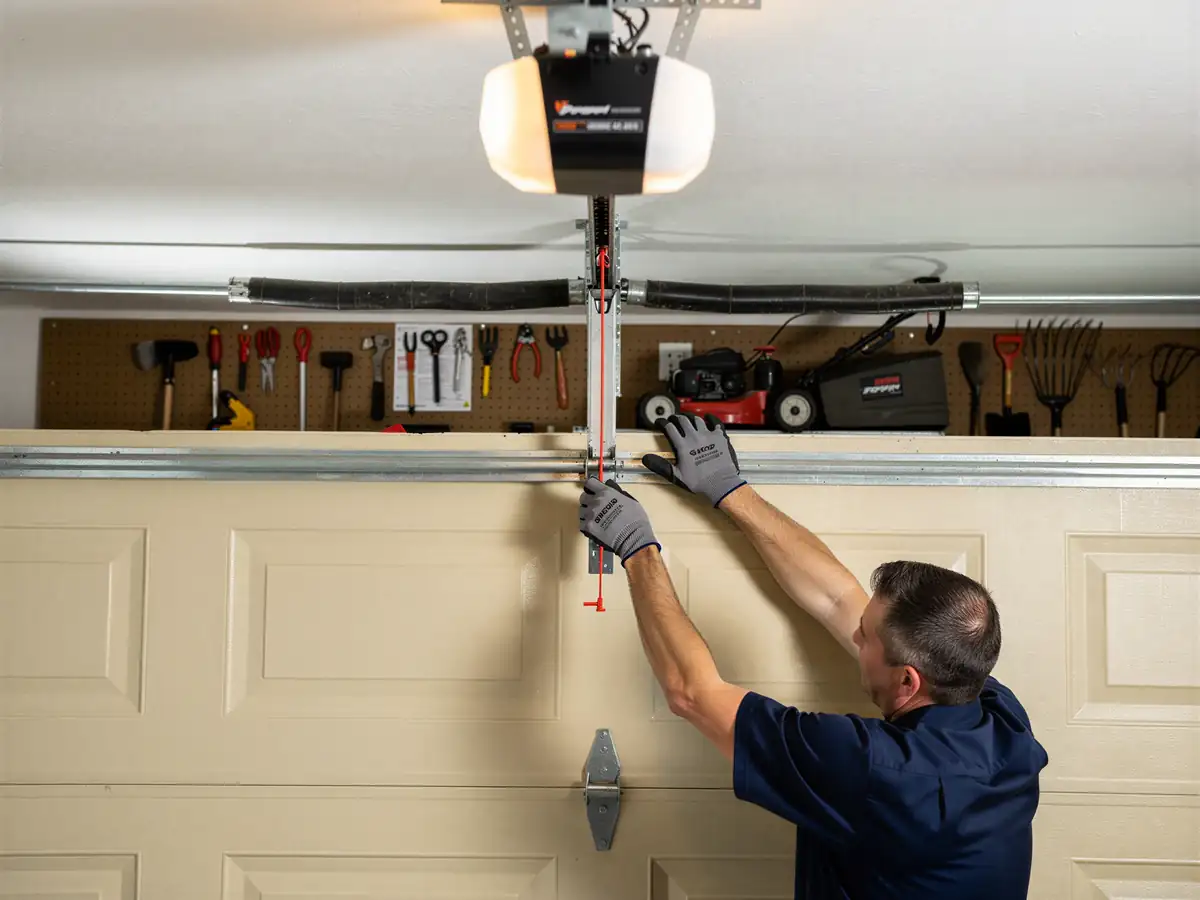
Before you call anyone, check the basics. Make sure the breaker hasn't tripped and the wall unit isn't just out of batteries. Look at the two safety sensors near the floor on either side of the track - if the LED on one is blinking instead of solid, something is blocking the beam or one sensor has drifted out of alignment, which is the single most common no-go complaint on a 2000s-era opener. Wipe the lenses and nudge the bracket gently; don't force it.
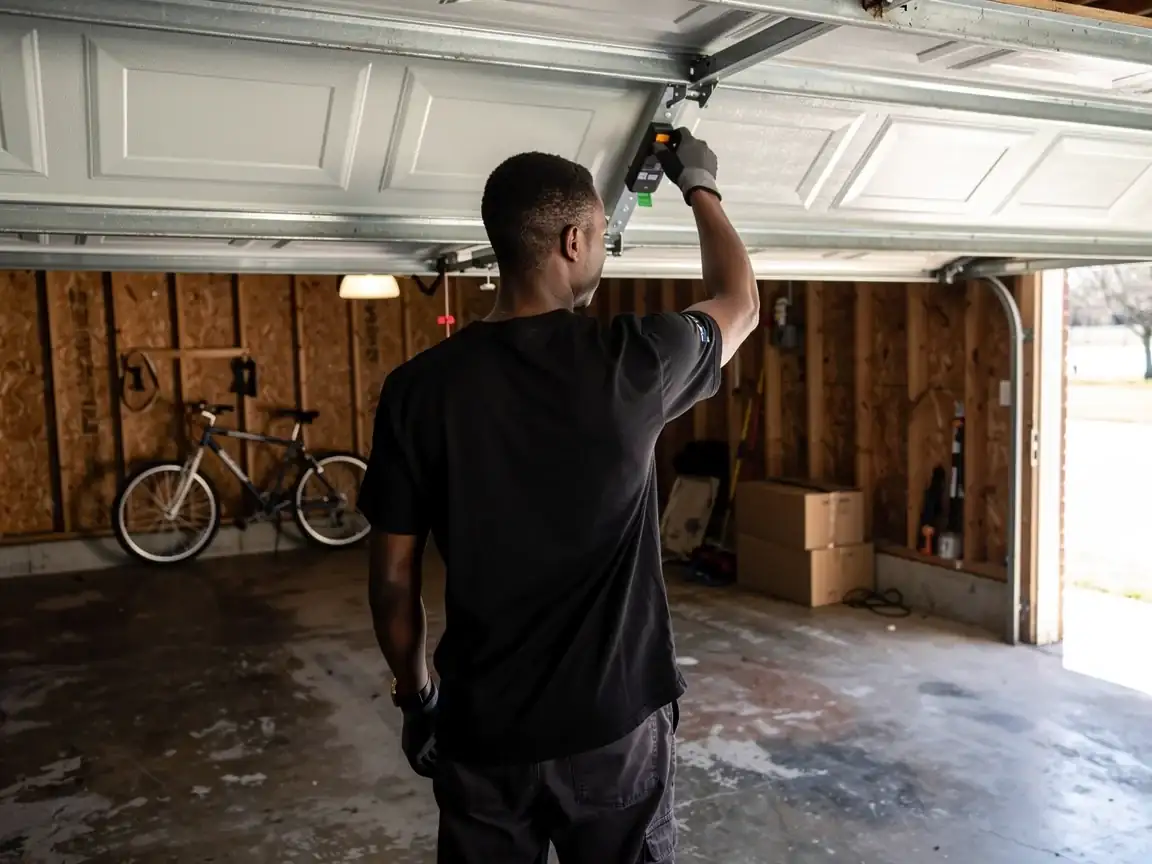
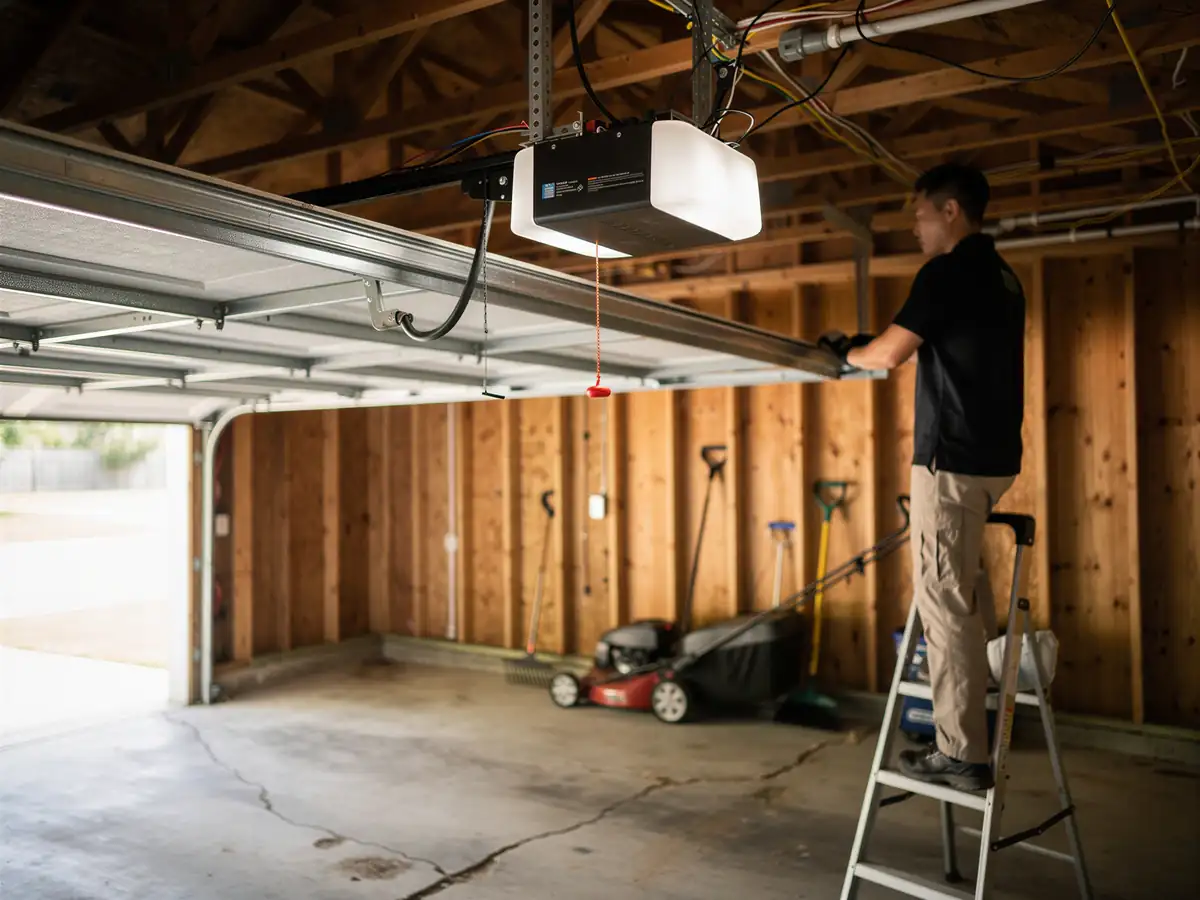
What you shouldn't touch yourself: the travel limit screws or the force adjustment on the motor head. Get those wrong and the door will either stop short or slam down with real force behind it. If the opener runs but the door doesn't move, or the motor hums without turning the sprocket, that's a gear or capacitor problem, not a settings problem - see our opener repair page for the wider Monroe area for what that job usually involves.
Why It Happens Here
The climate here is mild with occasional freeze
Which isn't the dramatic swing some parts of the country deal with, but it still matters for an opener. Humidity swings and the odd hard freeze night are rough on circuit boards and on the small capacitors that start the motor - moisture gets into connectors that sit in an unconditioned garage year-round, and a board that's been fine for fifteen years starts throwing faults in year sixteen or seventeen.
Because Sterlington's housing stock centers on 2002
A lot of original openers installed when these houses were new are now into their third decade. That's past the normal service life for the capacitor and often for the logic board, even if the motor itself still has life left. We don't see the same volume of ancient screw-drive units here that we do in the older 1980s neighborhoods closer to Monroe - the fault pattern in Sterlington skews toward board and sensor issues rather than worn-out drive mechanisms, simply because the equipment is younger on average.
What You Pay
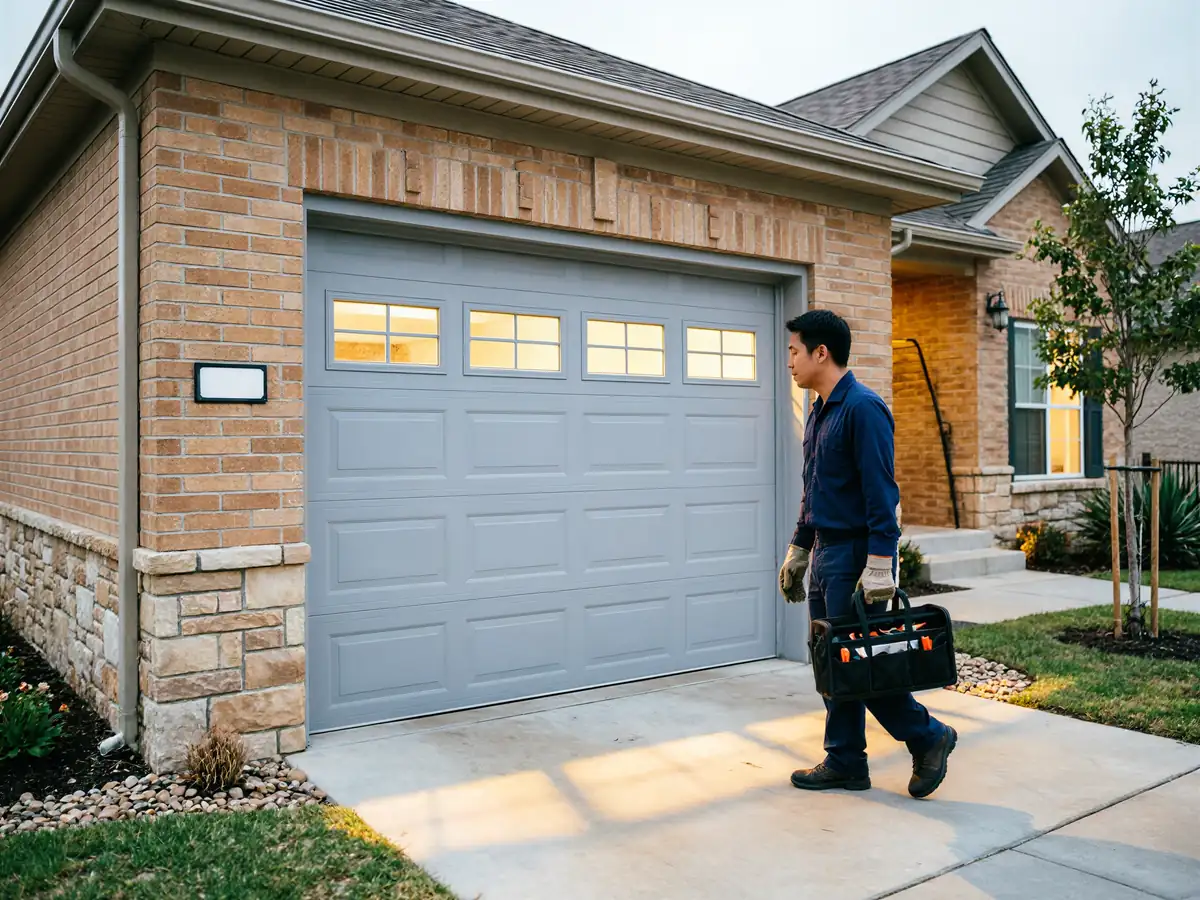
We travel to Sterlington from Monroe, about 12 miles out - there's no local branch here, so every visit is a dispatched truck, not a drop-in. We're not going to quote a number before we've seen the opener, because the range between a sensor realignment and a logic board replacement is wide, and guessing a price over the phone does nobody any favors.
One honest limitation: if your opener is original to a 2002-era build and the board has failed, we may tell you replacement makes more sense than repair, since parts for a twenty-plus-year-old motor head can be slow to source or discontinued outright. Household income in this part of the service area runs higher than the Monroe-wide median of $46,663, and we mention that only because it shapes what we recommend - replacing a dead board on an otherwise sound door is often the better call here than it would be on a house where budget is tighter. See more on garage doors in Sterlington for the door side of that decision.
What Can Go Wrong
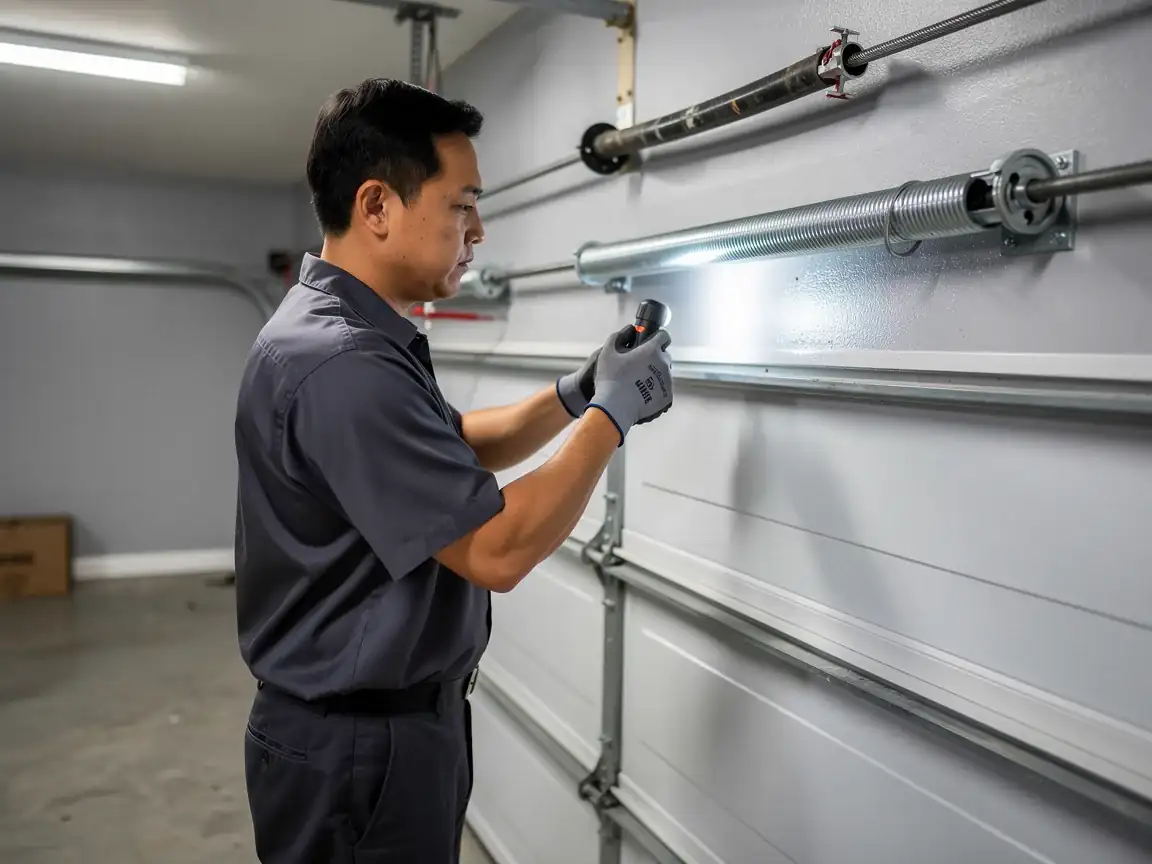
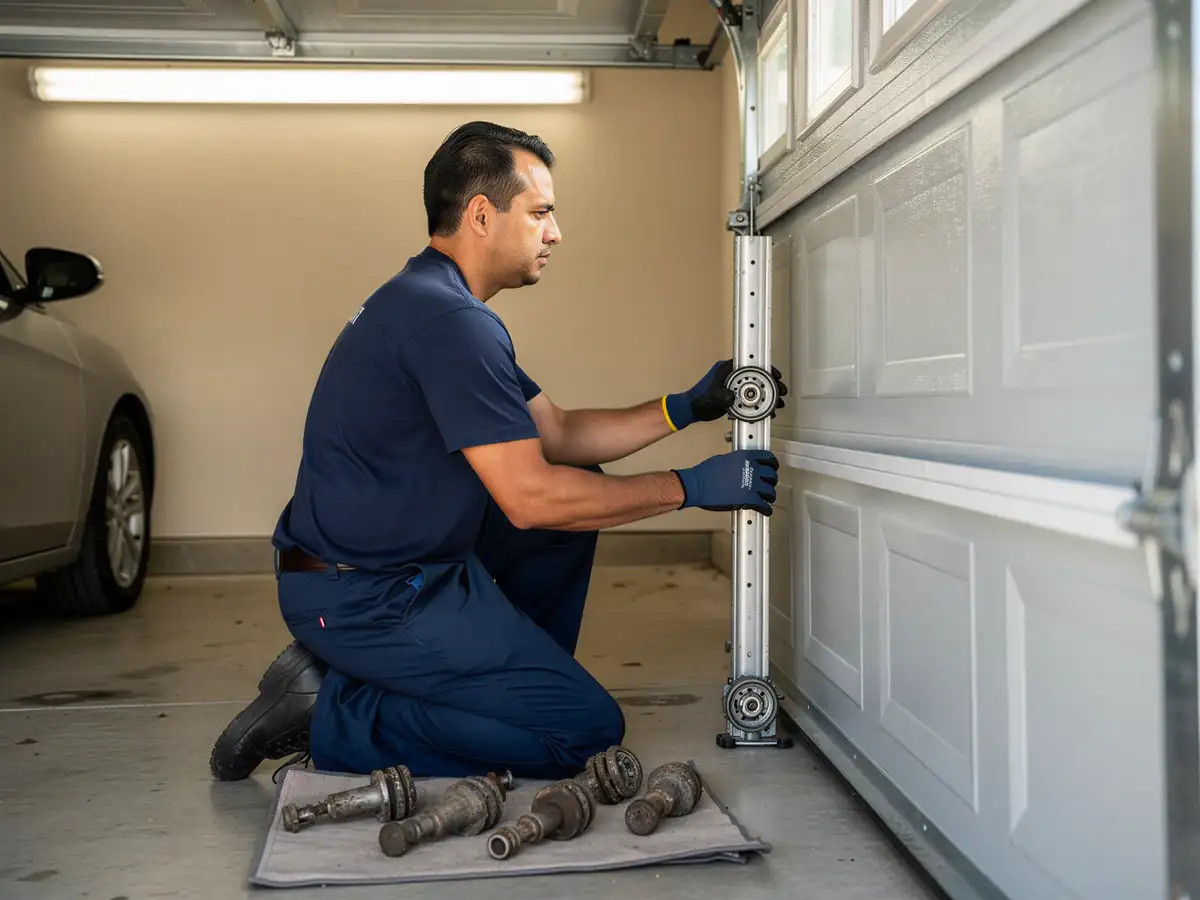
On a 2002-vintage opener, the failures we see most are: a blown start capacitor (motor hums, door doesn't move), a fried logic board after a power surge, drifted or dirty safety sensors that throw a false obstruction signal, and stripped nylon drive gears inside the motor head on units that have run hard for close to twenty years without the gear ever being replaced.
Less common but still real: the remote or keypad stops syncing because the rolling code memory on an older board corrupts, which usually means a board swap rather than a simple reprogram. We also see belt-drive units where the belt has stretched enough to skip on the rail - a tensioner adjustment fixes it if caught early, but a badly stretched belt needs replacing outright.
What we don't do on these calls is treat every fault as a full opener replacement. If the motor and gearing are sound and it's a sensor or capacitor issue, repair is usually the right call and the cheaper one. We make that judgment after we're standing in front of the unit, not before.