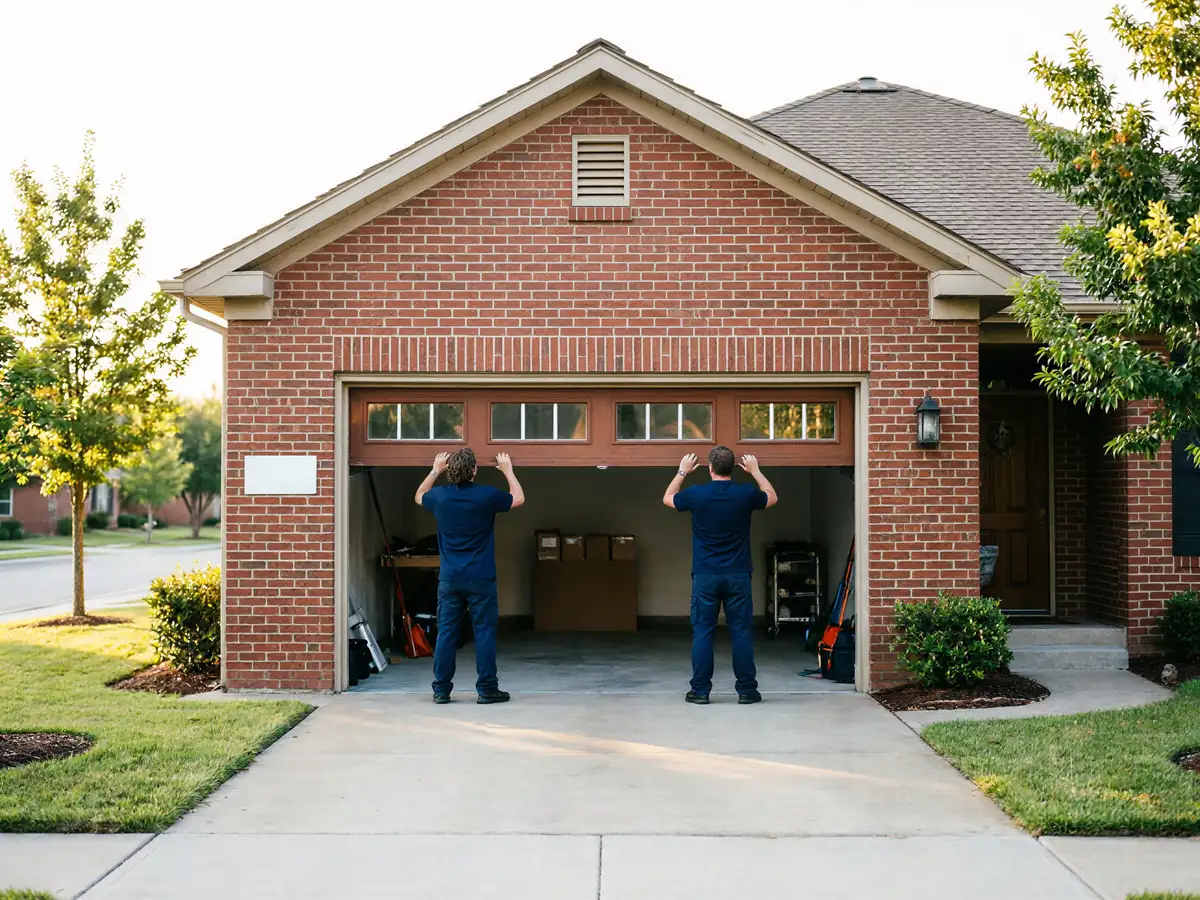
Doing It Yourself
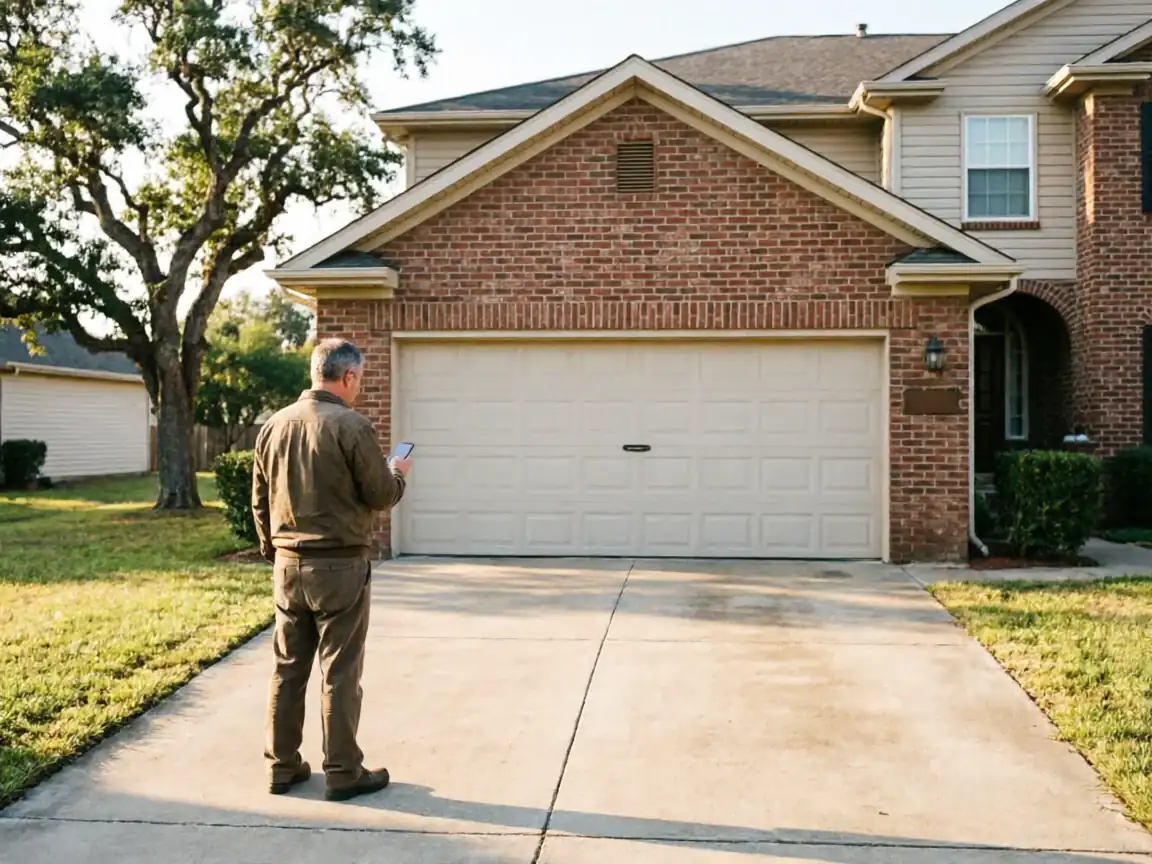
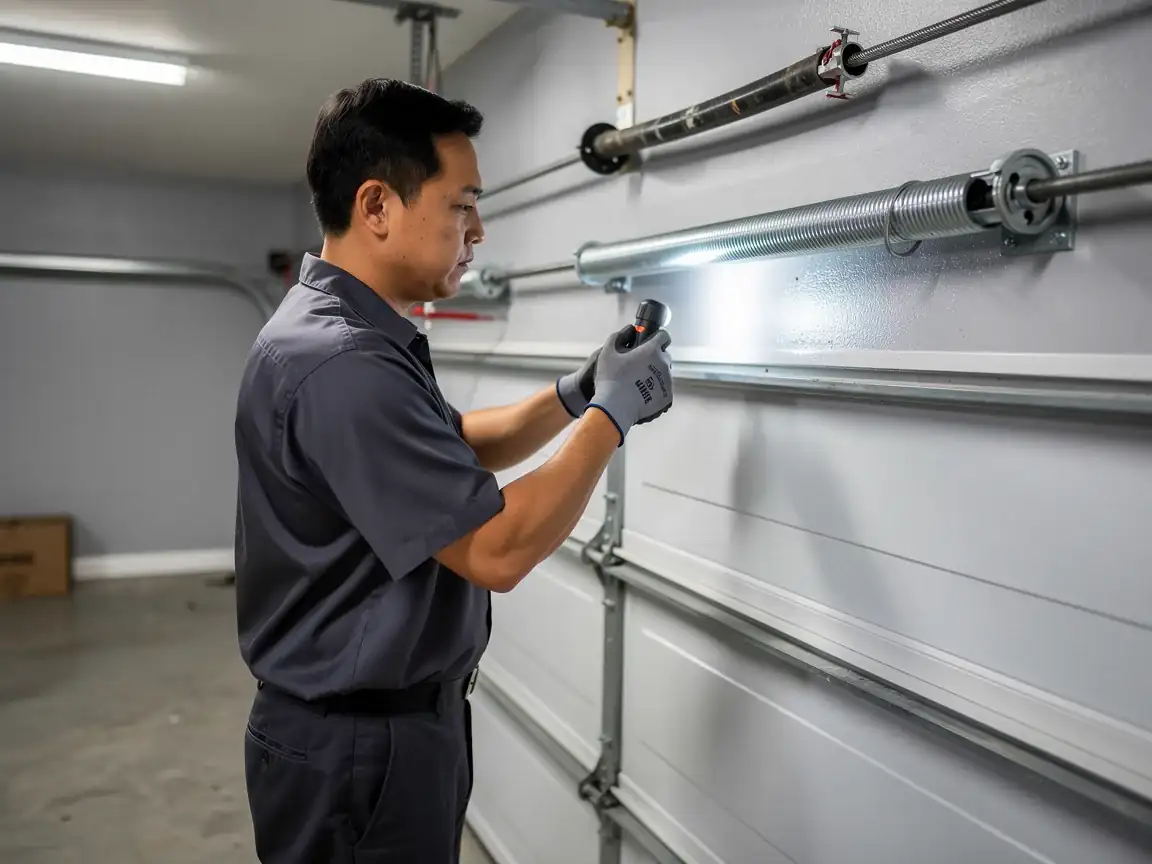
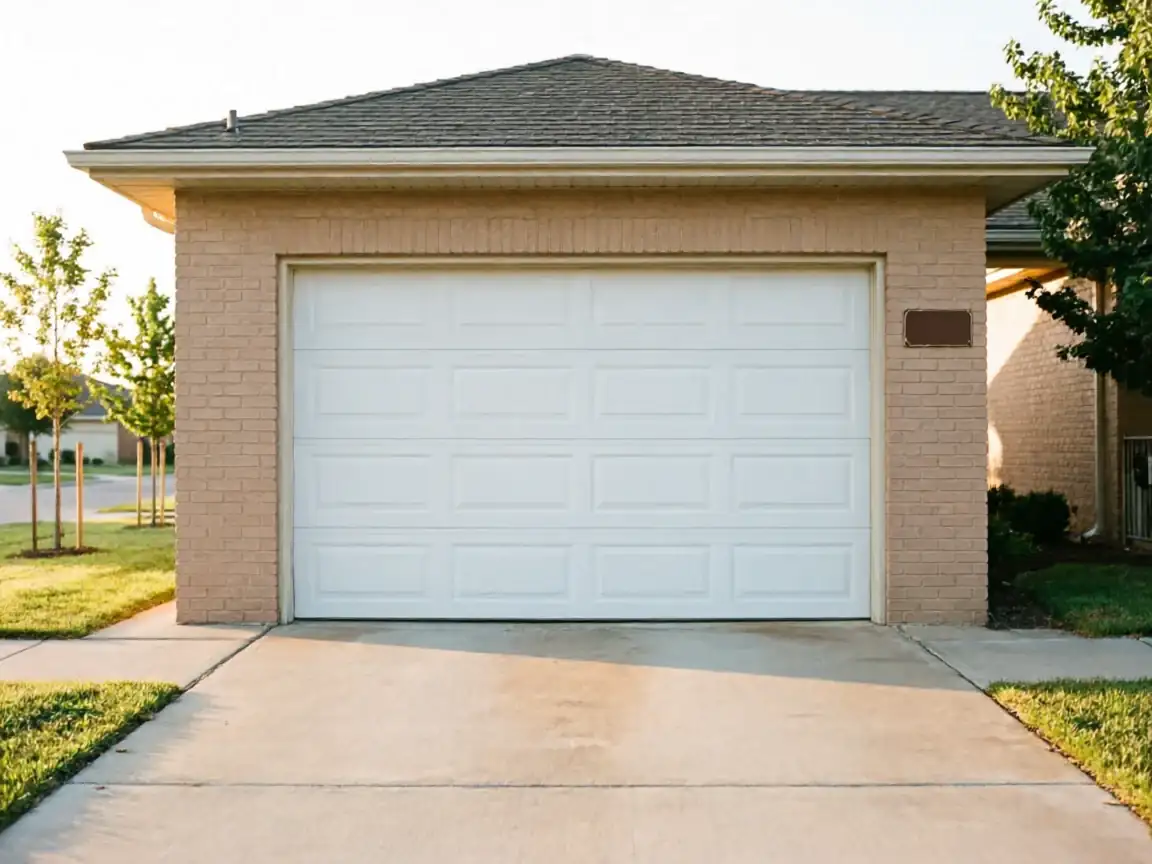
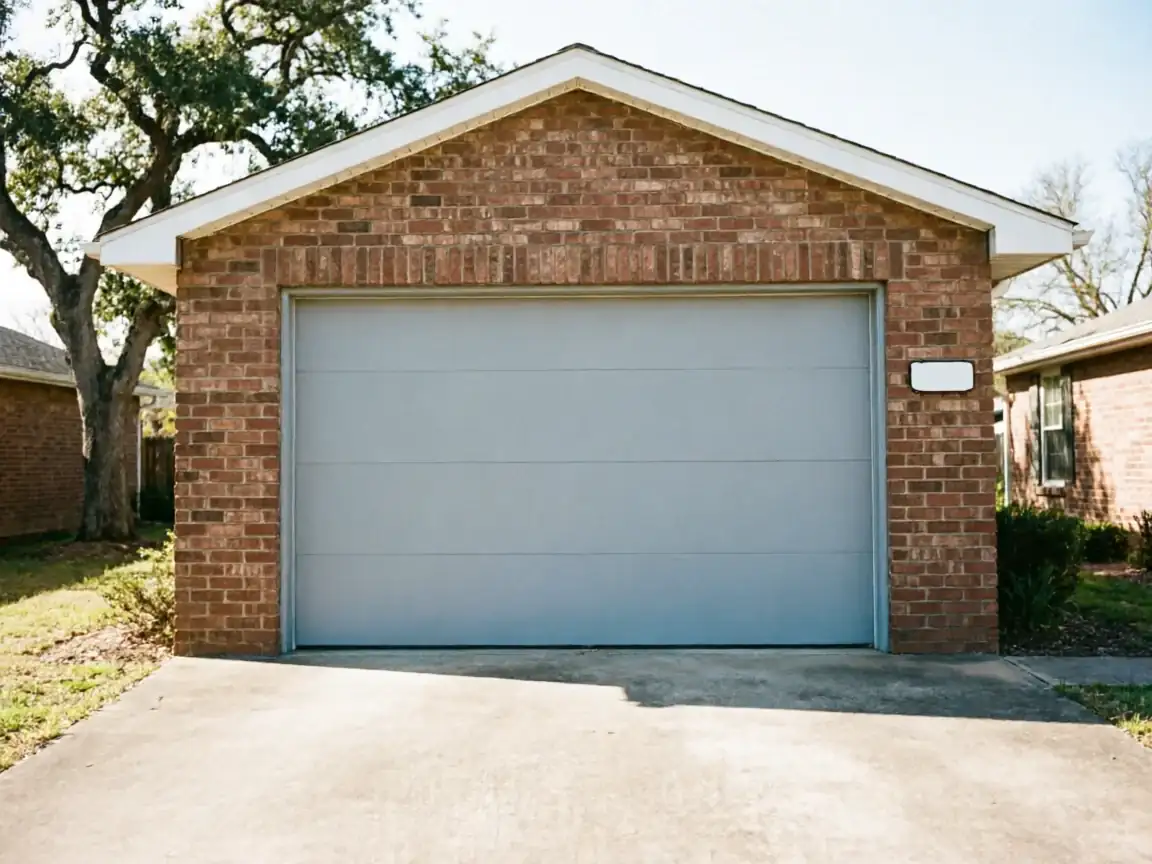
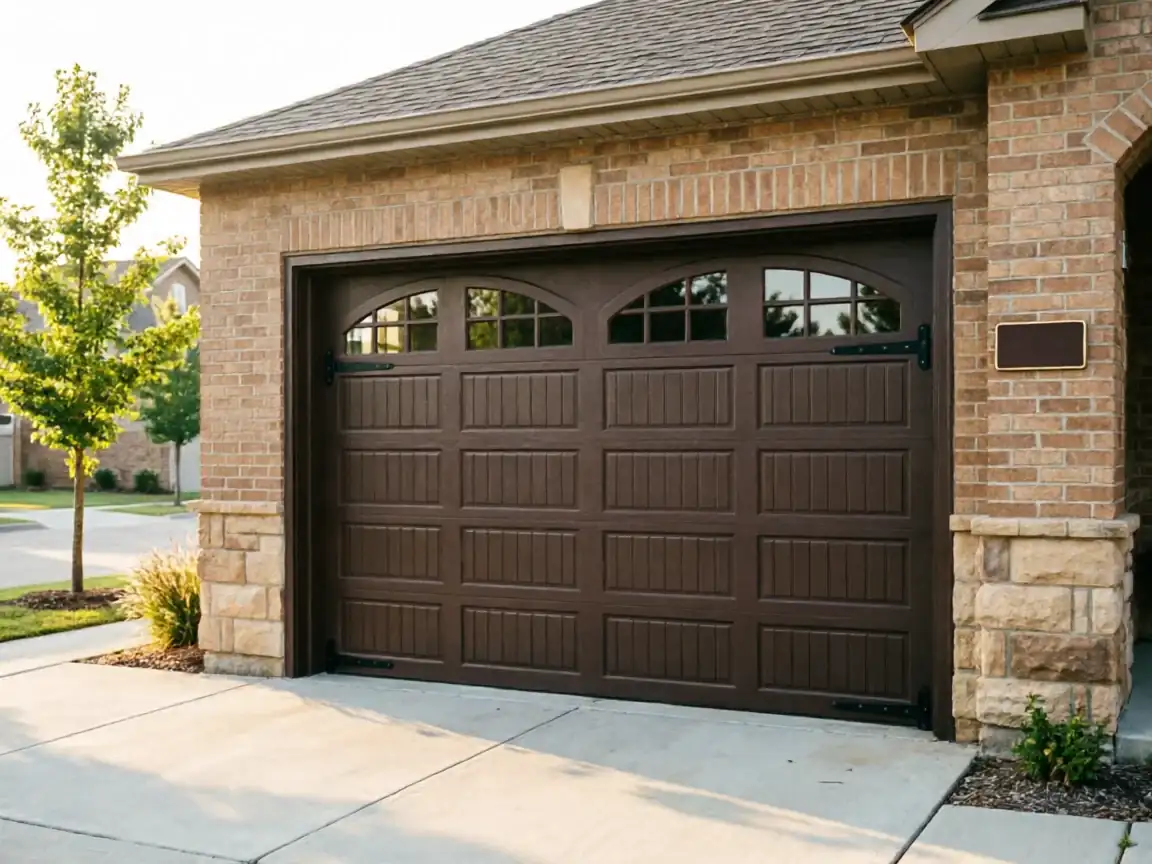
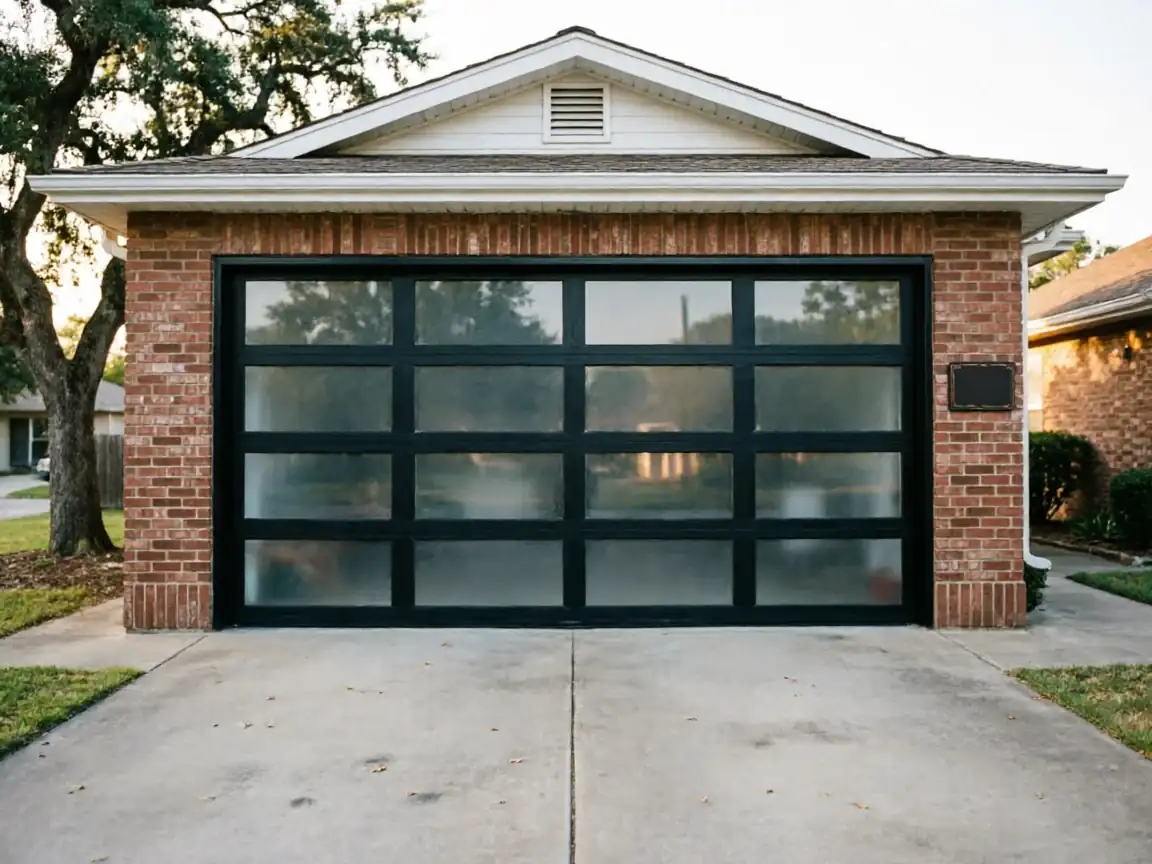
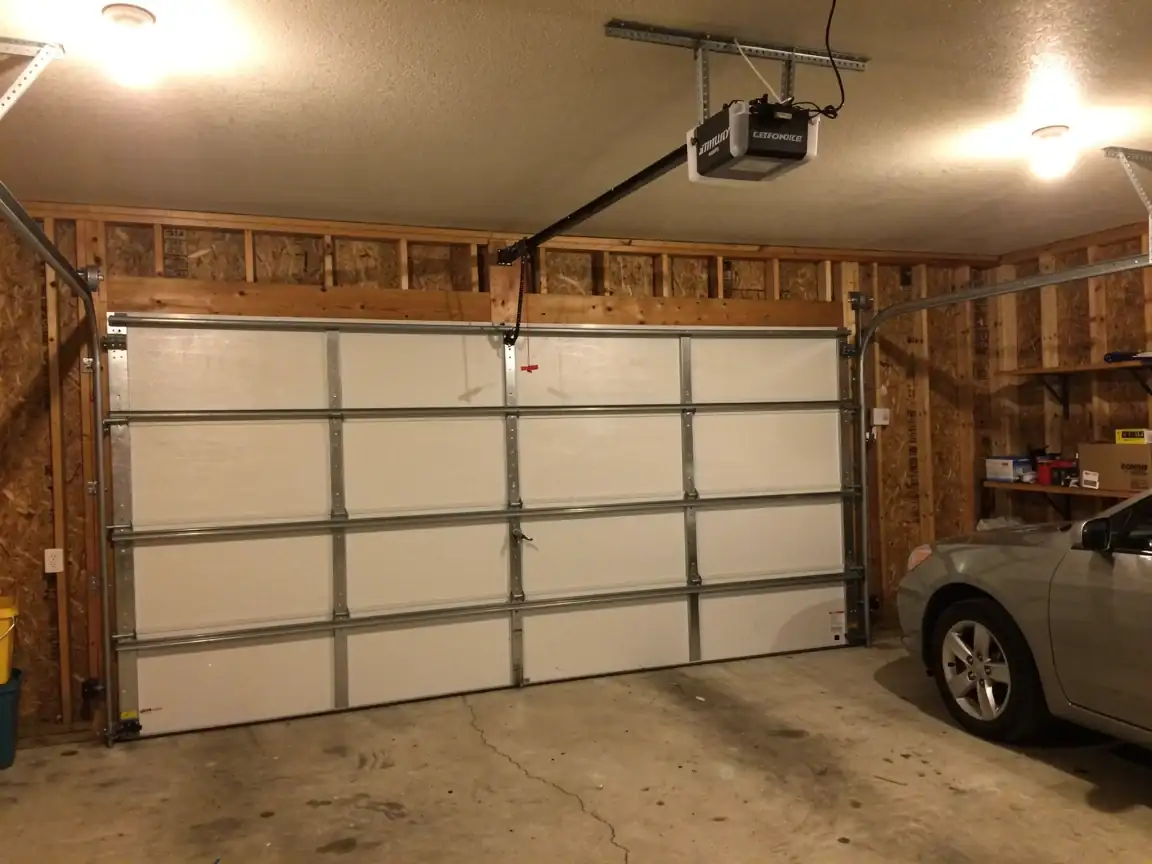
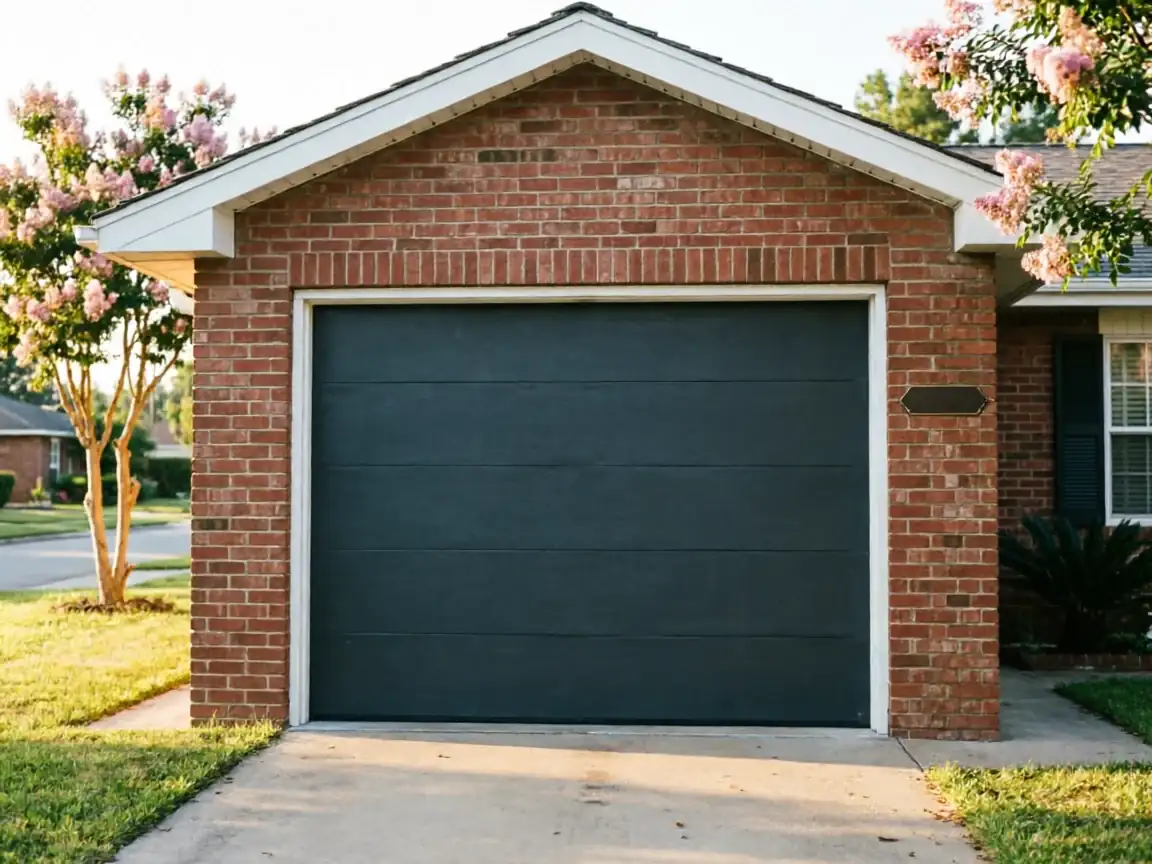
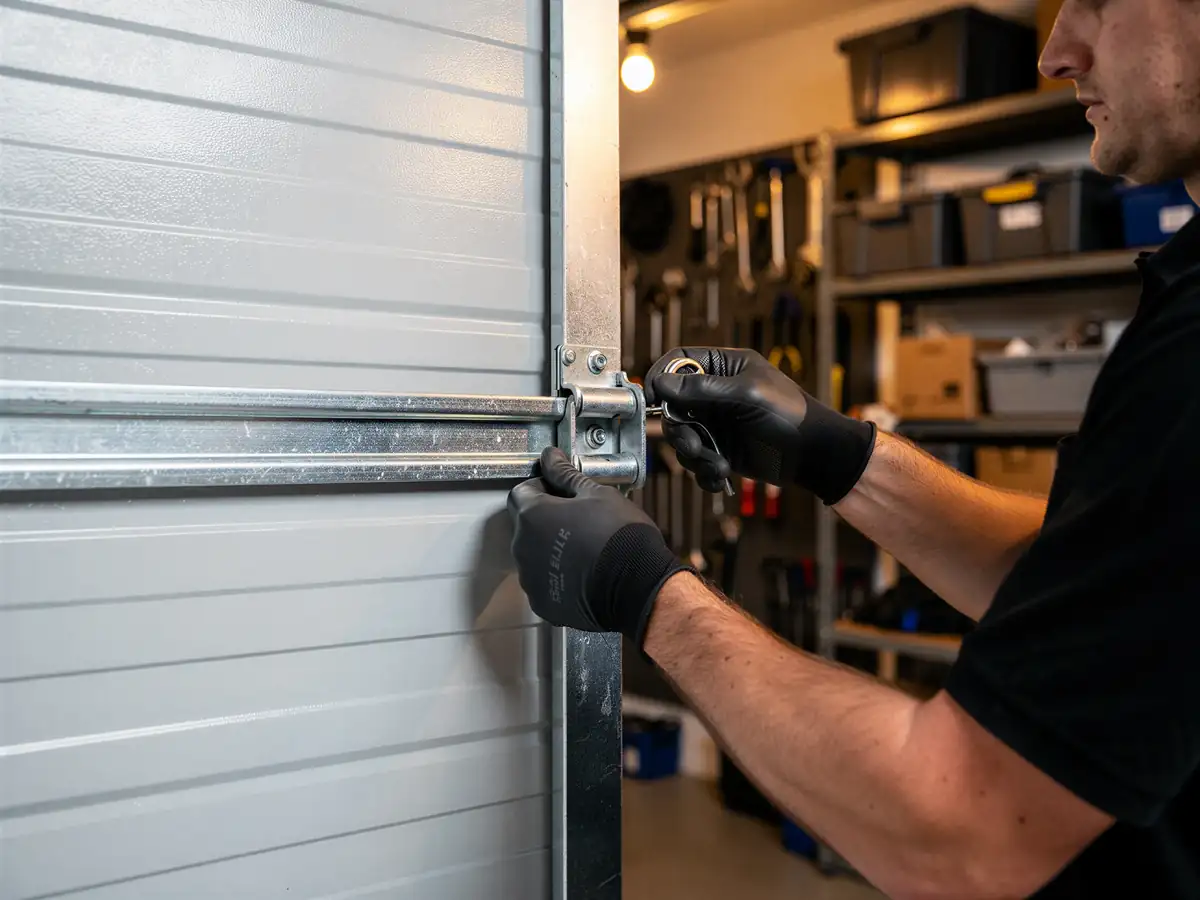
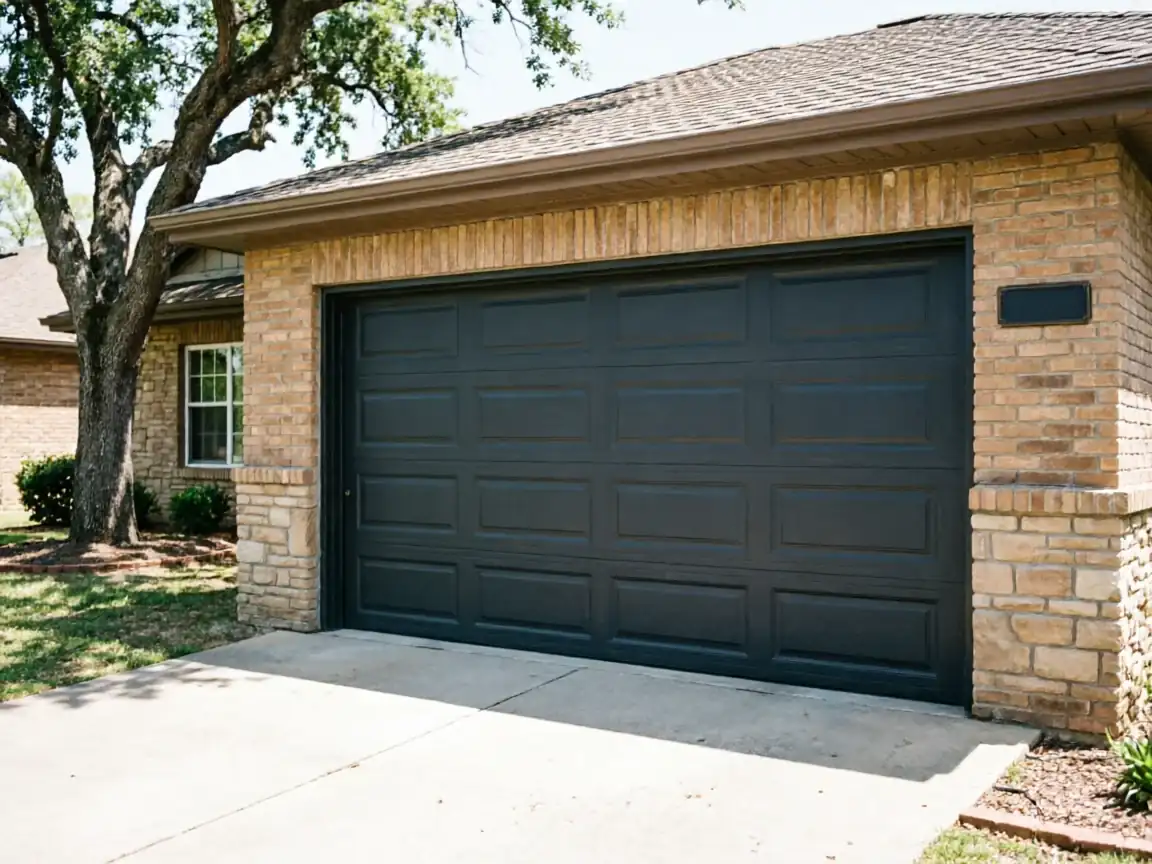
Most garages in Sterlington hold a steel sectional door, factory insulated, hung in either a 16x7 double or a 9x7 single opening - standard builder spec for homes put up in the early 2000s. That's a heavier, better-sealed door than the plain single-layer steel you'd find on a house from the 1980s, and it changes what a DIY swap actually involves. The track has to be plumbed to a wider rough opening, the torsion spring has to be sized for a heavier insulated panel, and the opener bracket usually needs reworking rather than a straight bolt-on. We're not going to tell you it can't be done - some owners manage it - but undersizing a spring on a door this heavy is the most common mistake we get called out to fix after the fact, and by then the door's already dented the frame or dropped a panel. If your current door is original to a 2002-era build, it's old enough that a straight swap for another standard sectional, rather than a custom order, is usually the simplest path.
What You Pay
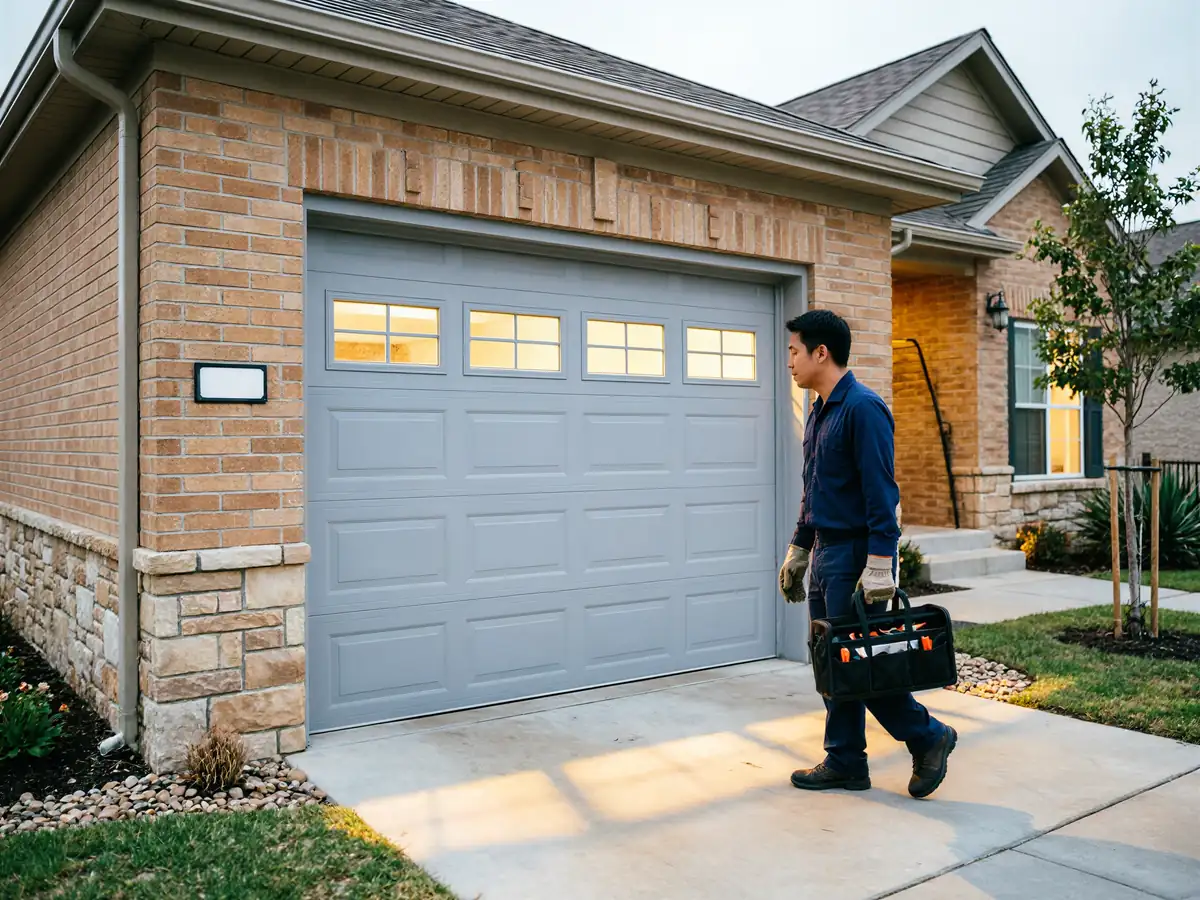
We don't have a posted price list for installs in Sterlington, and we're not going to make one up to fill space here. What we can tell you is what drives the number: door size (9x7 single versus 16x7 double), whether you're keeping the existing track and opener or replacing those too, and insulation level. A straight swap on a standard double opening costs less than a custom-width order, and reusing a working opener saves a line item. Call for a number specific to your door - we travel out from Monroe, about 12 miles, to quote and install in Sterlington, and we'd rather give you a real figure over the phone than a range that doesn't match your garage.
What Can Go Wrong
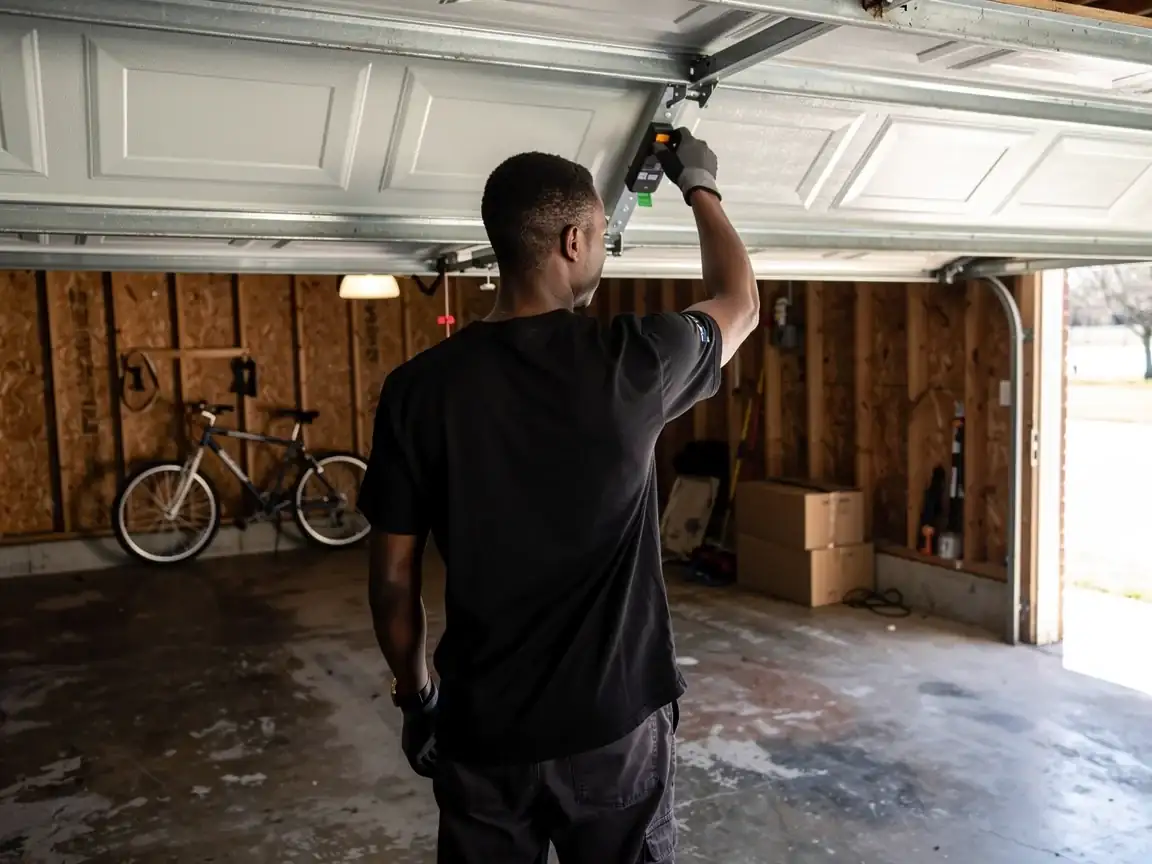
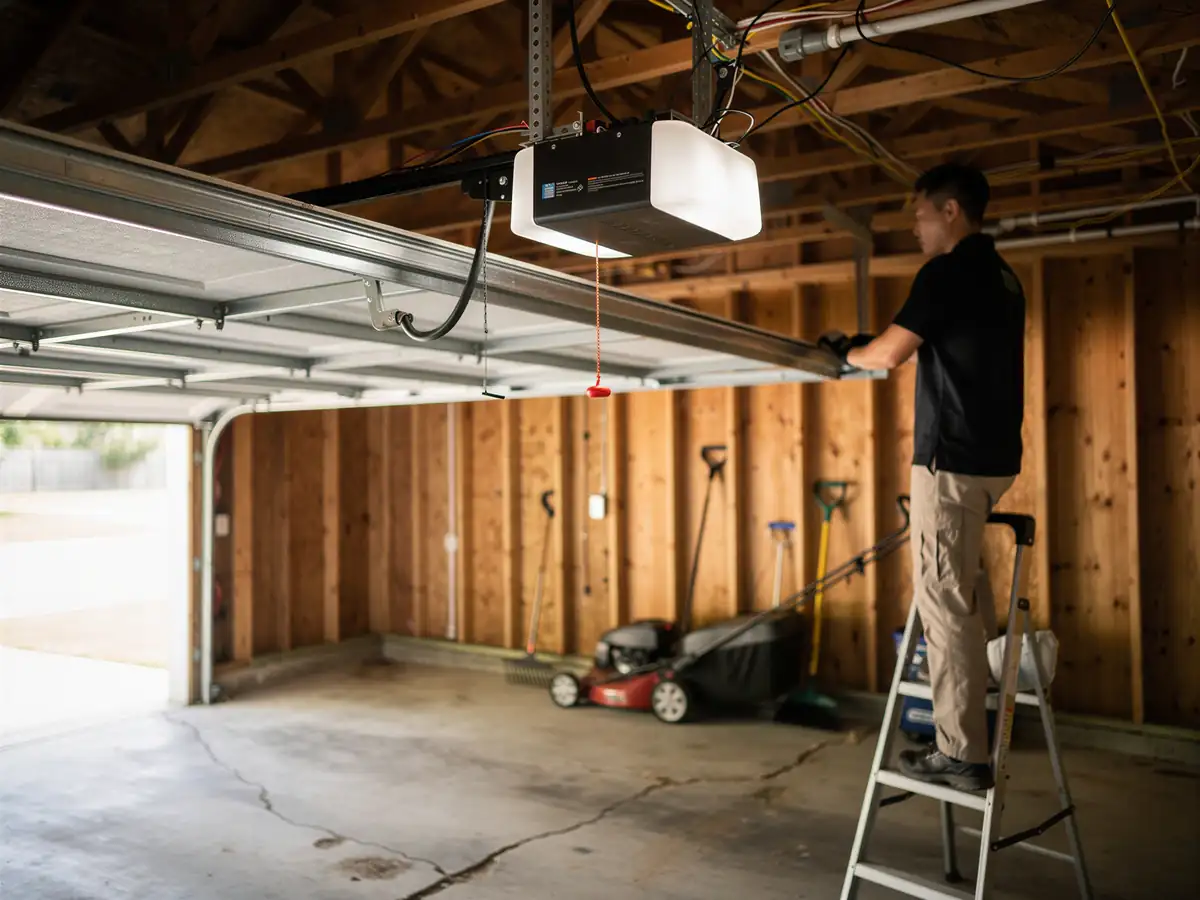
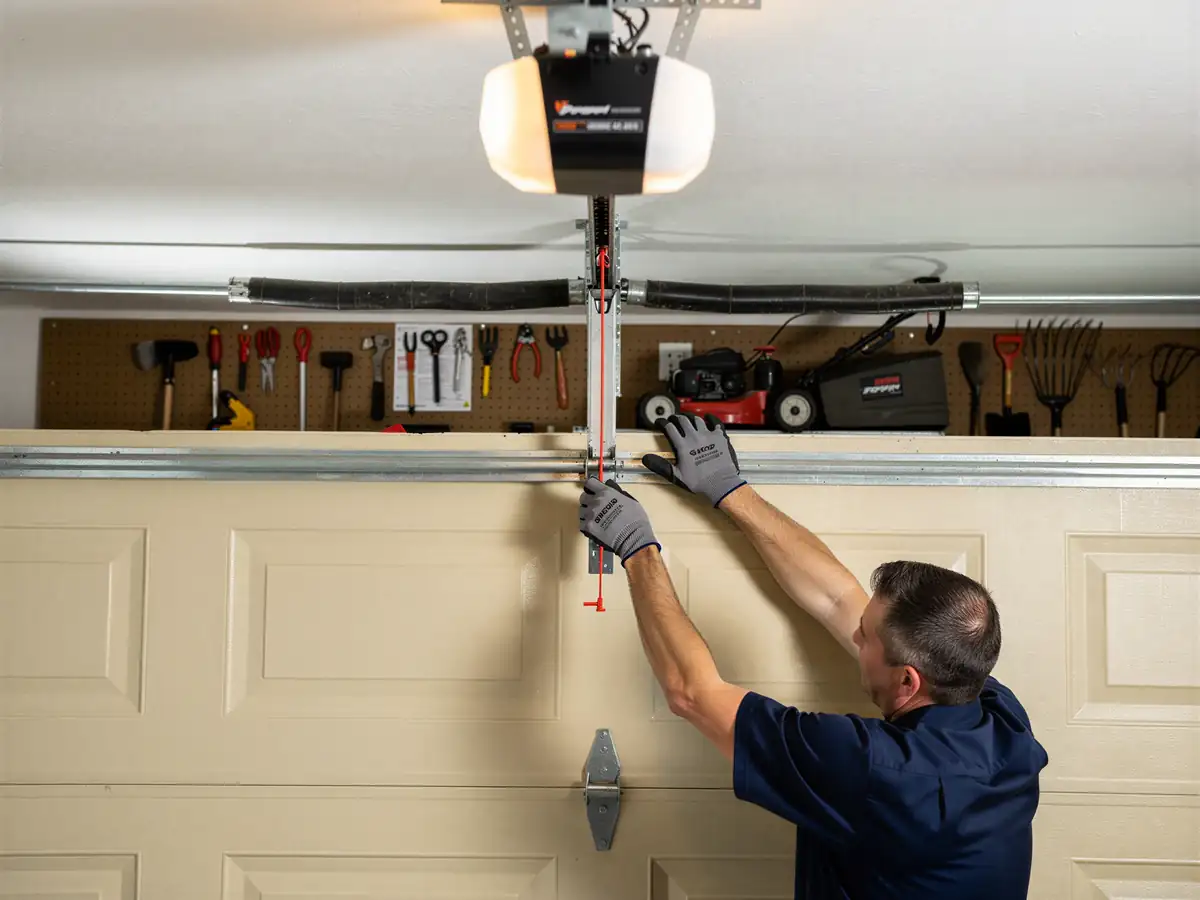
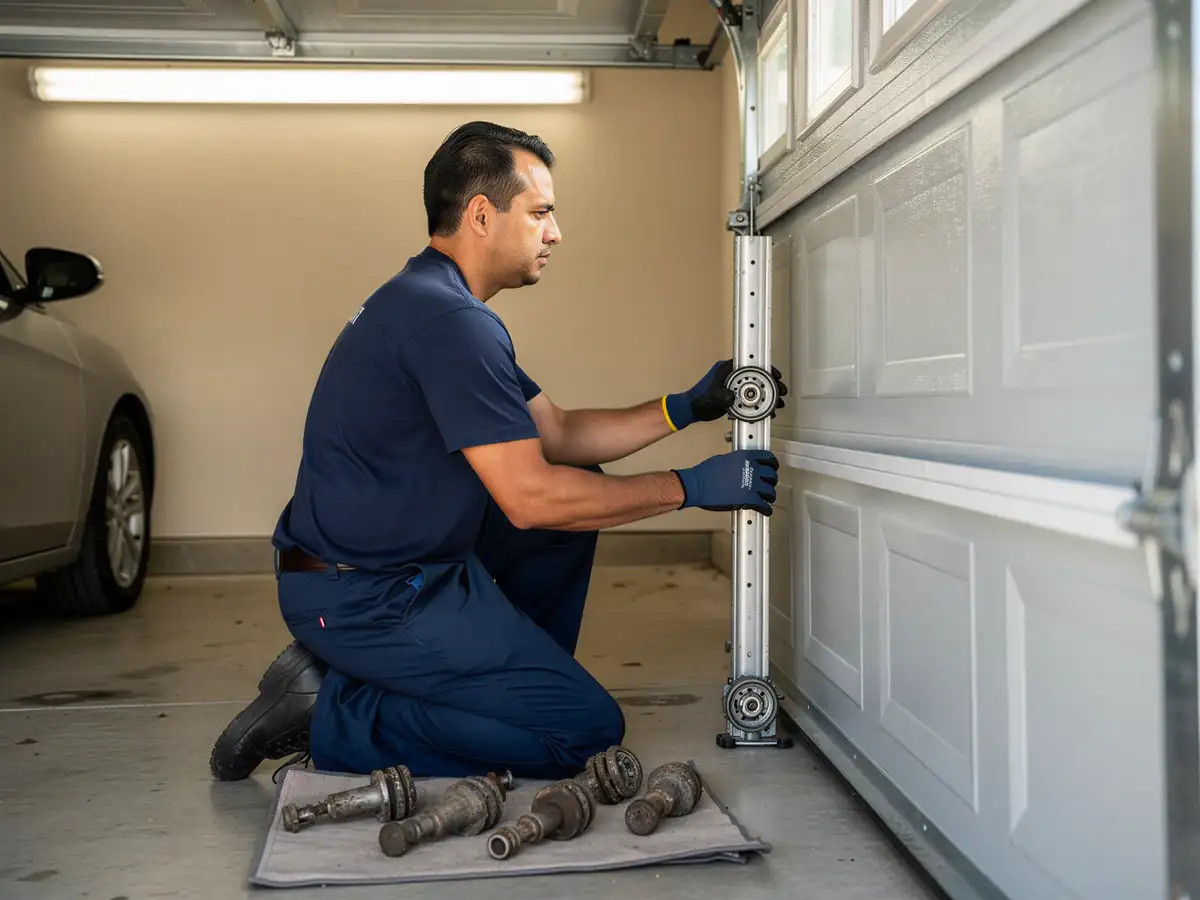
The most common install mistake we see on these newer Sterlington garages is a spring sized for the old door going back onto a heavier insulated replacement - it'll lift the door, but it'll wear out the opener motor fast and can snap early. Second is headroom: some of these early-2000s garages were built with just enough clearance for the original low-profile track, and a thicker replacement door needs a different drum or an EZ-set conversion to clear the header. Third, if the house still has its original opener from construction, it likely predates rolling-code remotes - pairing a new door to that opener can leave you with a security gap nobody mentions until it's a problem. None of these are reasons to avoid replacing the door. They're reasons to have someone measure the opening and the header clearance before the door shows up on the truck, not after.