Doing It Yourself
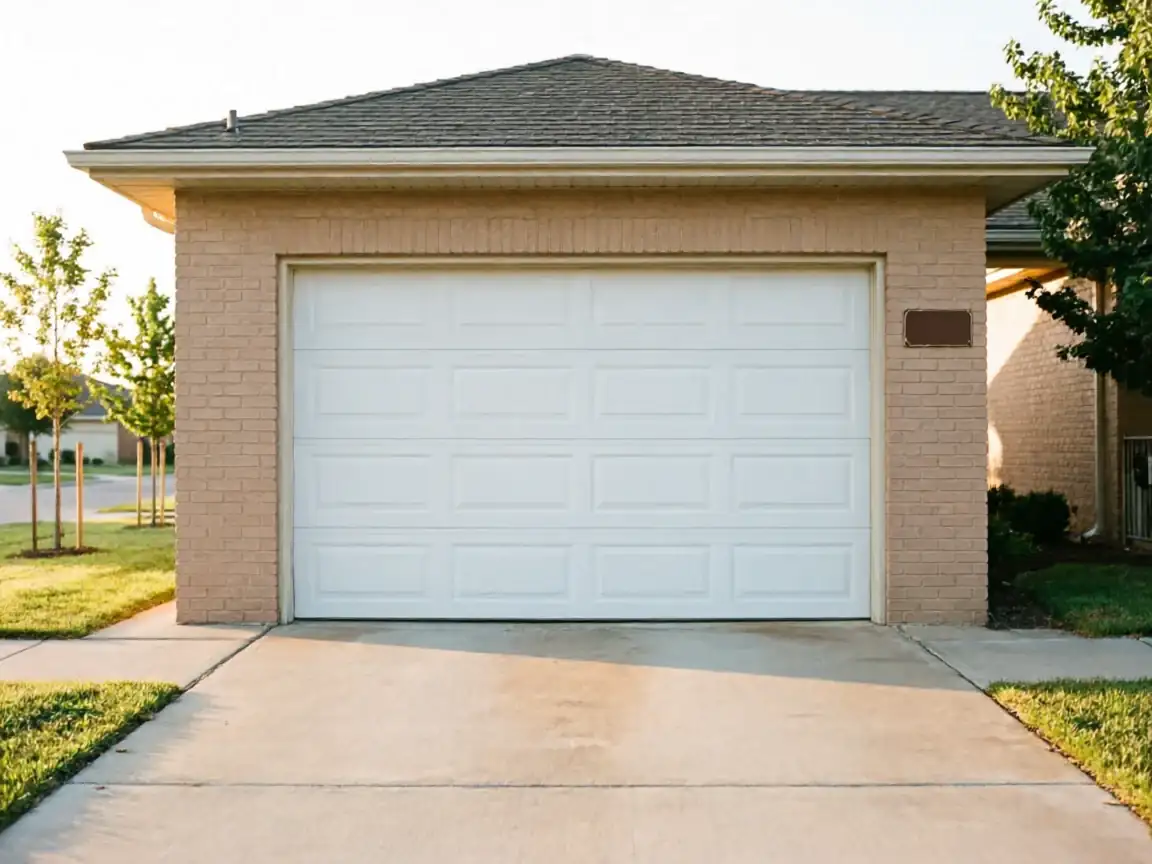
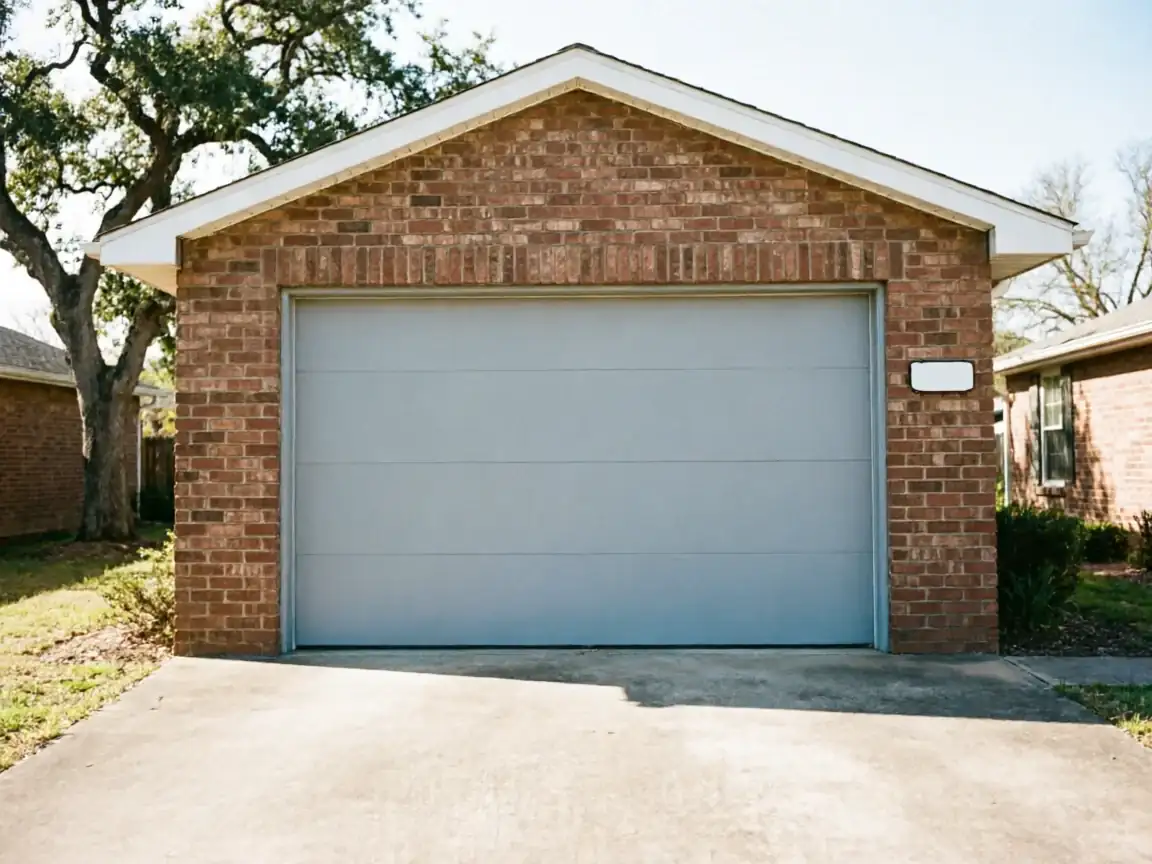
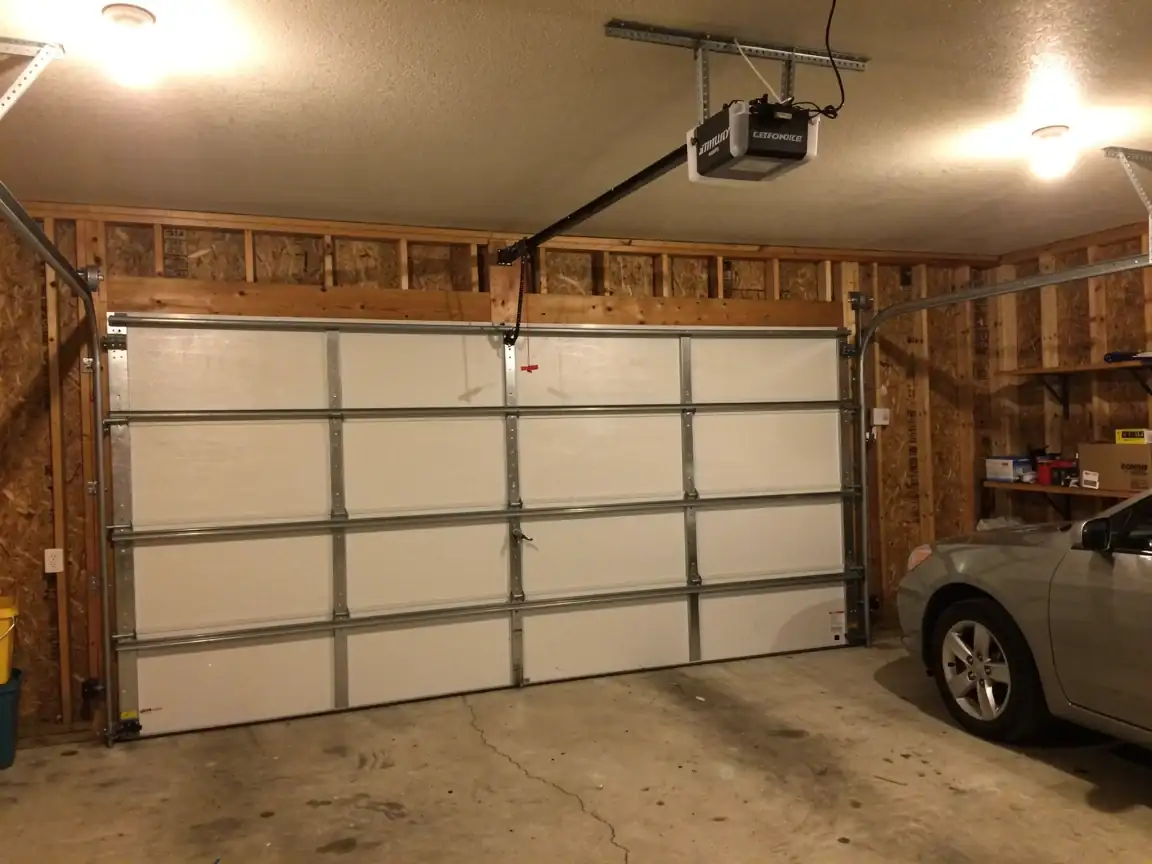
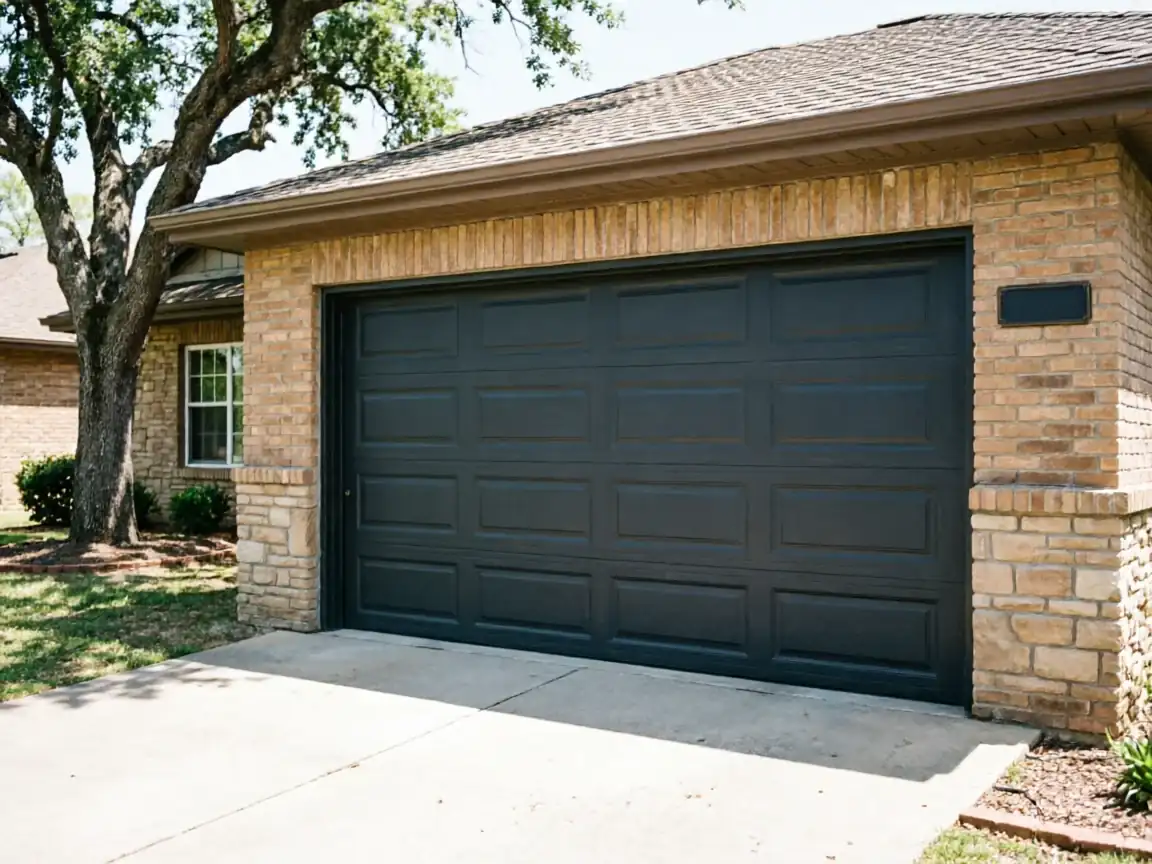
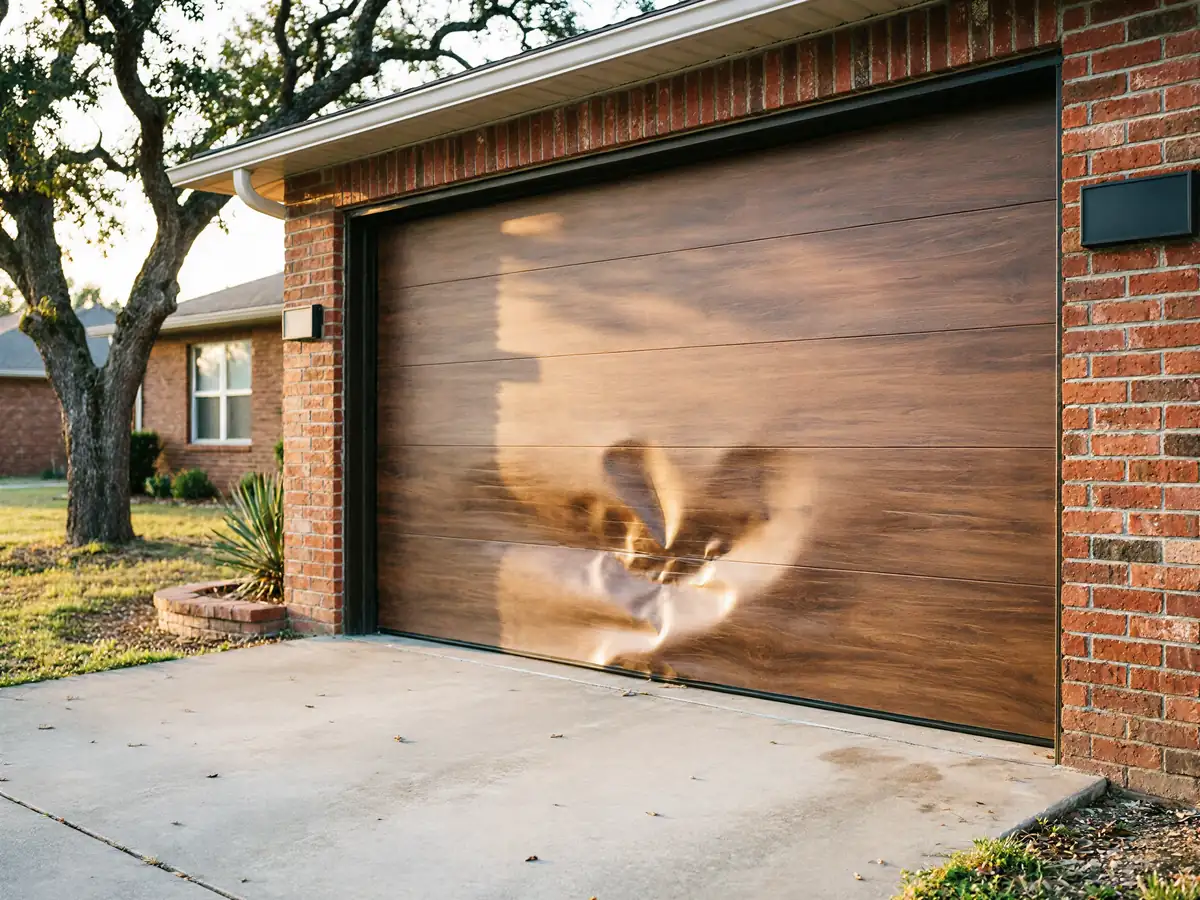
At $67,986 median household income, Sterlington sits well above the $46,663 median across the wider Monroe service area, and that gap matters here more than almost anywhere else we drive to. A cracked or dented steel panel on a door built around 2002 is usually still worth fixing rather than replacing outright - the track, opener, and hardware on a door that age are often in decent shape, so you're paying for the panel and the labor to match it, not a full system overhaul. Where the math flips is when the dent has bent the stile or warped the section enough that the new panel won't seat flush against the old ones; at that point you're chasing a mismatch instead of solving one. Homeowners here sometimes order a replacement panel online without checking stile spacing first, and it shows up the wrong width for a door built in that era's track configuration. We'll tell you straight if a panel job isn't worth it compared to swapping the section or, in some cases, the whole door - we don't pad a panel quote into a bigger job just because the budget's there.
What You Pay
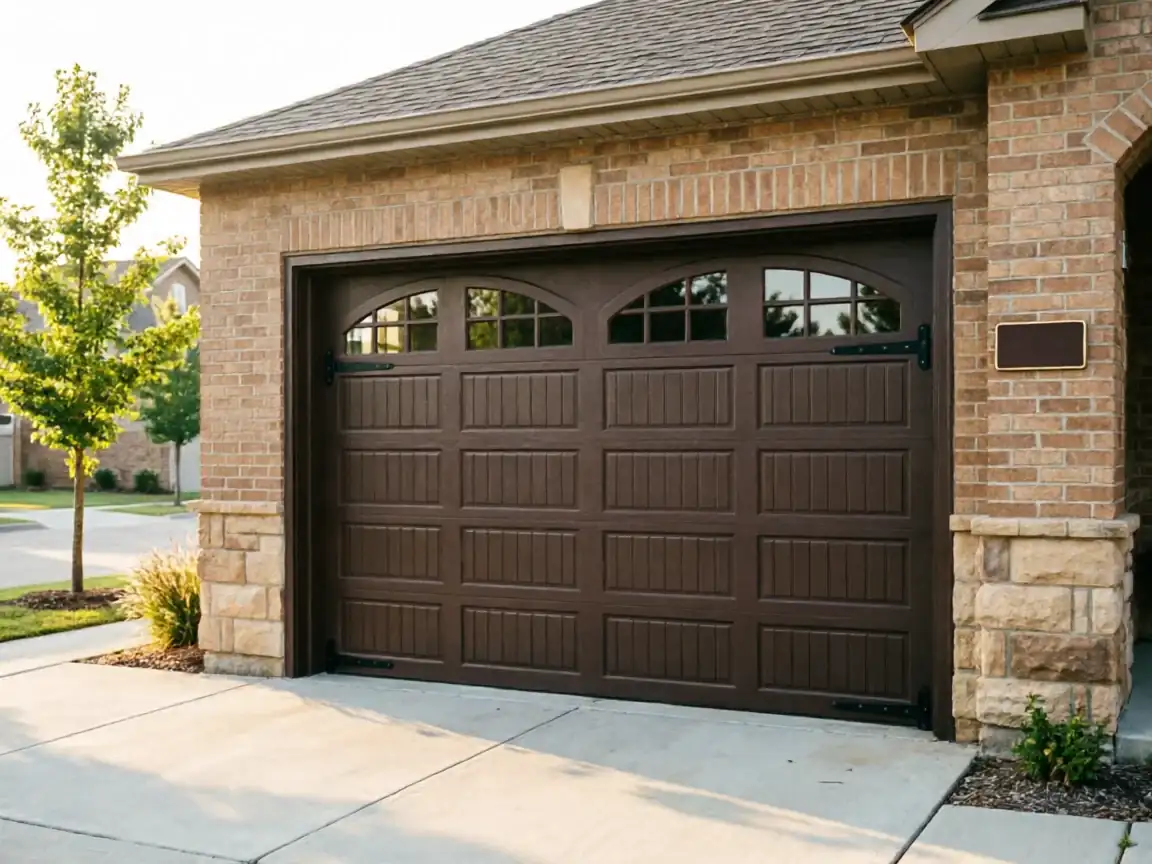
We travel the 12 miles from Monroe for panel jobs in Sterlington, and the quote is built around the door, not the drive. A single-panel replacement on a door from the 2002-era stock typically runs less than replacing two or three sections, since insulated steel panels from that period are still a known, stockable size for most major door lines. Where it gets more expensive is color and texture matching - if the door has faded unevenly over two decades, a brand-new panel can look noticeably different next to the old ones until the whole door weathers evenly, and we'll say so before you commit rather than after. We don't carry every discontinued panel profile on the truck, so a less common builder-grade door may mean a short wait on the part. That's the honest limitation: we're not going to promise a same-day match on a panel style we have to order.
What Can Go Wrong
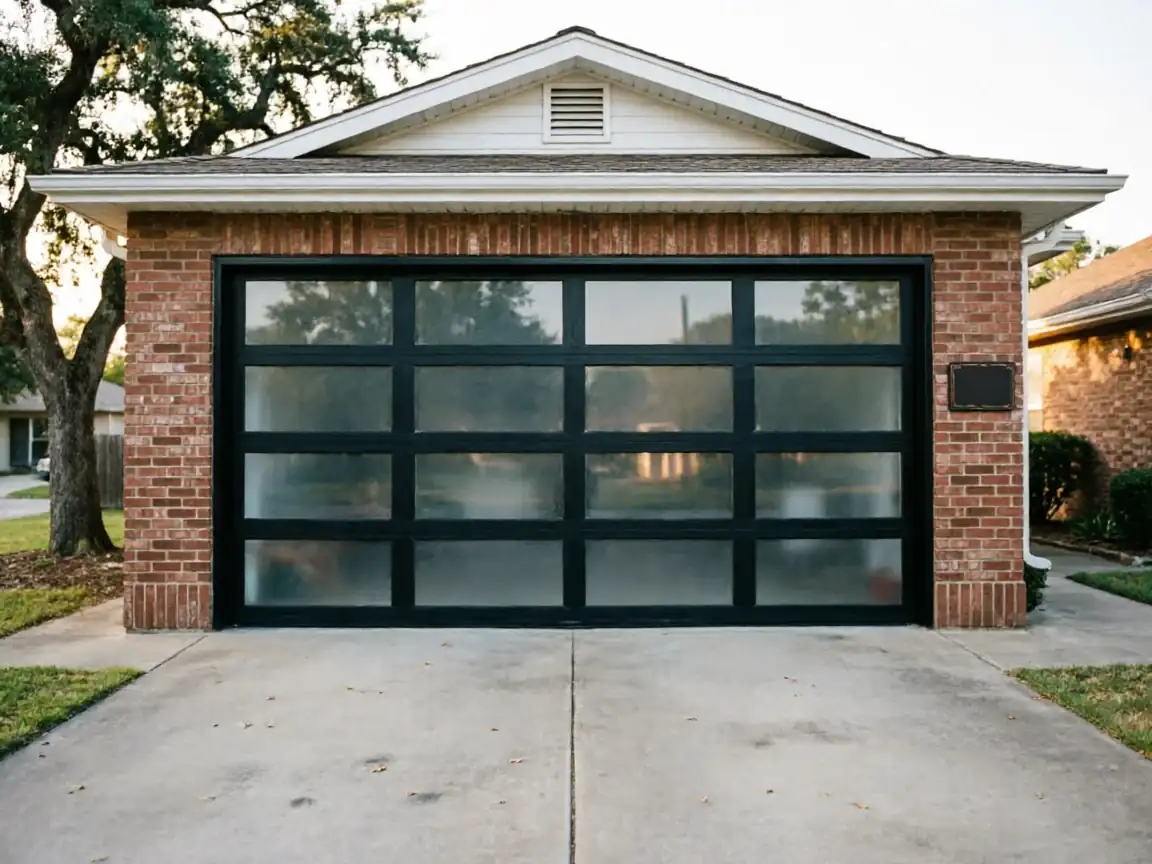
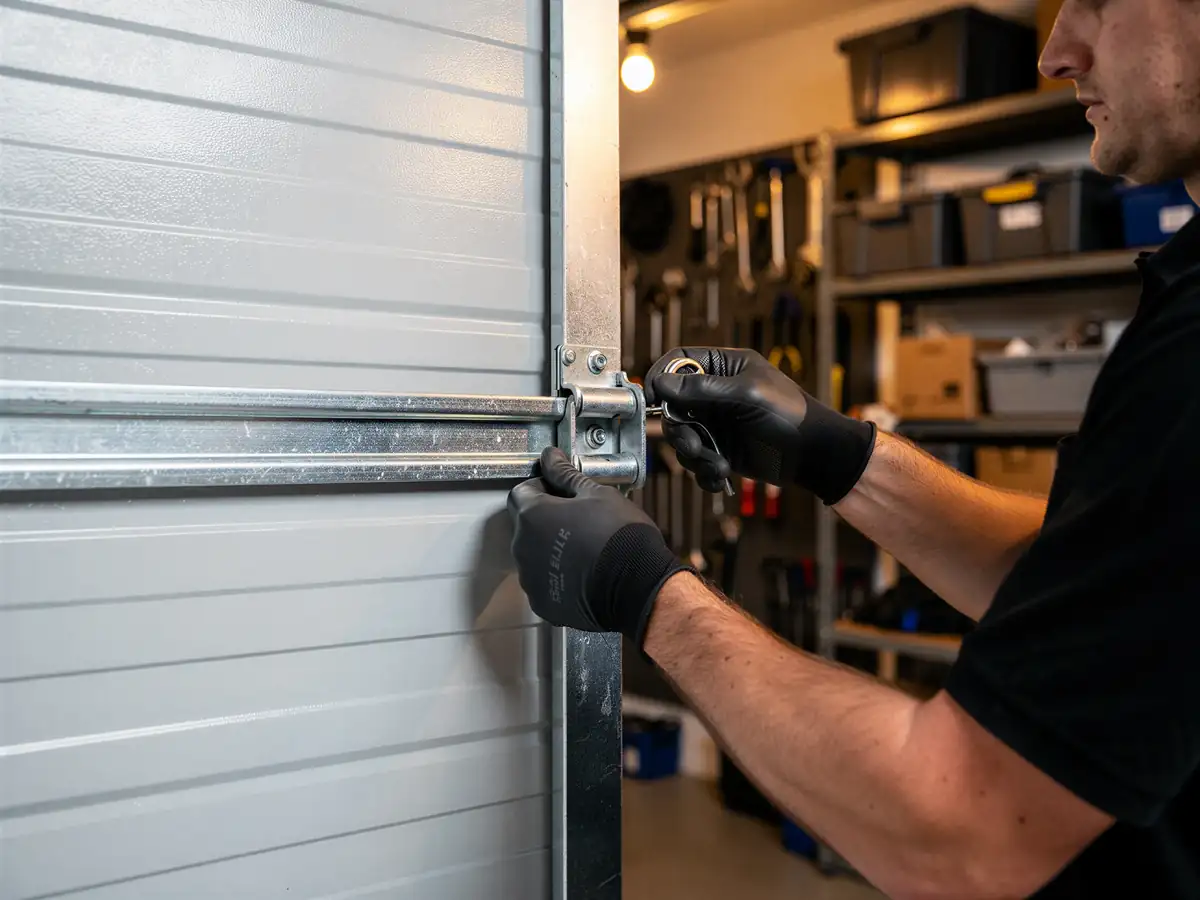
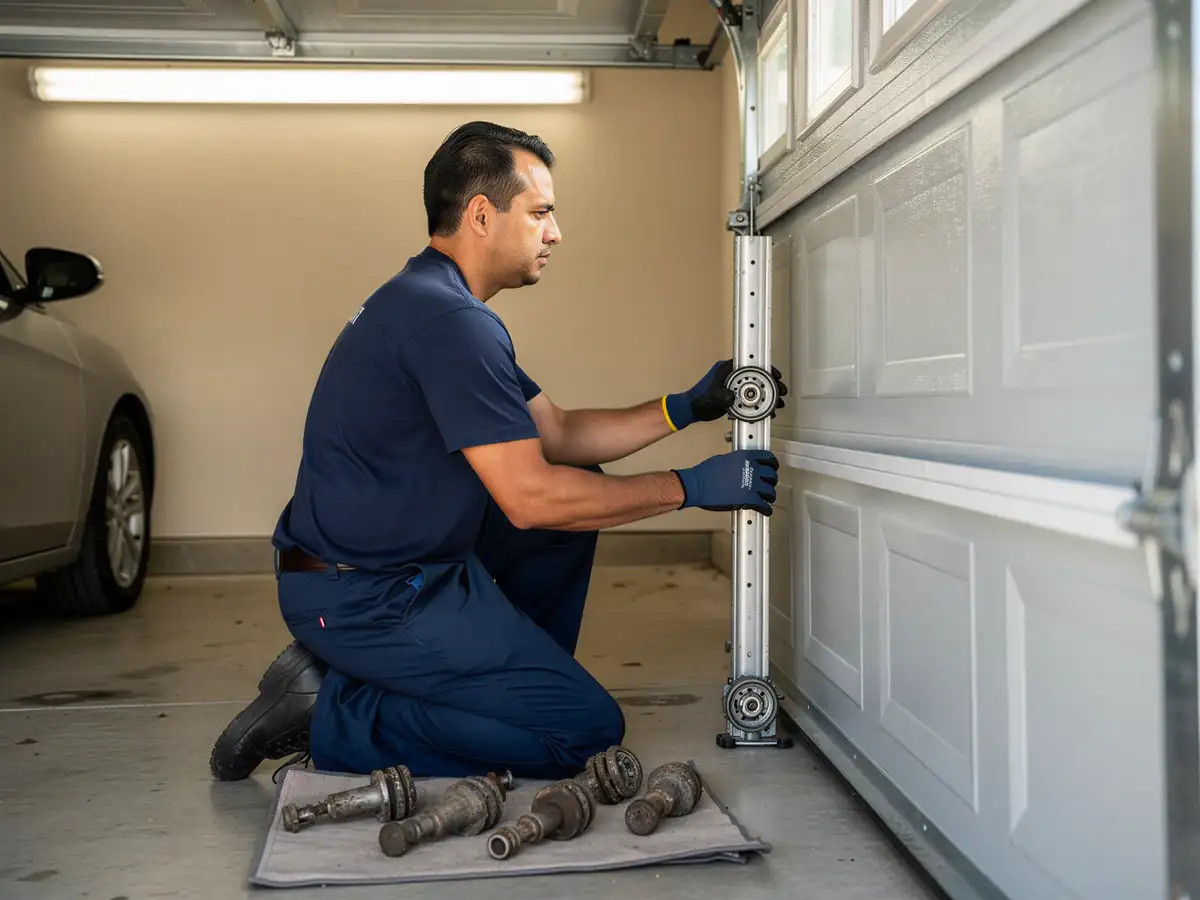
The most common mistake we see on Sterlington calls is someone replacing the damaged panel but leaving a slightly bent track or hinge from the same impact. The new panel goes in fine, looks right, and then binds or pops a roller within a few weeks because the alignment issue that caused the dent in the first place never got fixed. Another one: ordering a panel by door brand alone without matching the exact R-value and section height, since manufacturers changed profiles more than once between 1995 and 2005 and a door built in 2002 may not match a panel sold under the same model name today. We also catch doors where a previous panel repair used the wrong gauge steel, which flexes differently in wind and throws off the balance on the whole door, not just that section. None of this is dramatic, but it's the kind of thing that turns a one-panel fix into a two-visit job if it's missed the first time.