How to Book
Swartz is a small place - about 1,572 households, which is a fraction of the wider Monroe service area's 16,599. That matters for how we work the town: we're not running a crew that lives five minutes away, we're coming out from Monroe, about 7 miles in. When you call, tell us the door symptom (won't open, opener clicks and stops, spring snapped, door off track) and we schedule the drive out along with the repair. There's no local branch or depot in Swartz itself, so we ask for a little patience on timing versus a same-block call in Monroe proper. Because the household count here is modest, we're not juggling a dozen Swartz jobs a day the way we might in a bigger pocket of the service area - your call doesn't get lost in volume, but it also isn't first in line by default. Have the door's age ready if you know it; most Swartz houses were built right around 1985, and that one number tells us a lot about what torsion hardware and opener gear we're likely to find before we even load the truck.
How It Shows Up
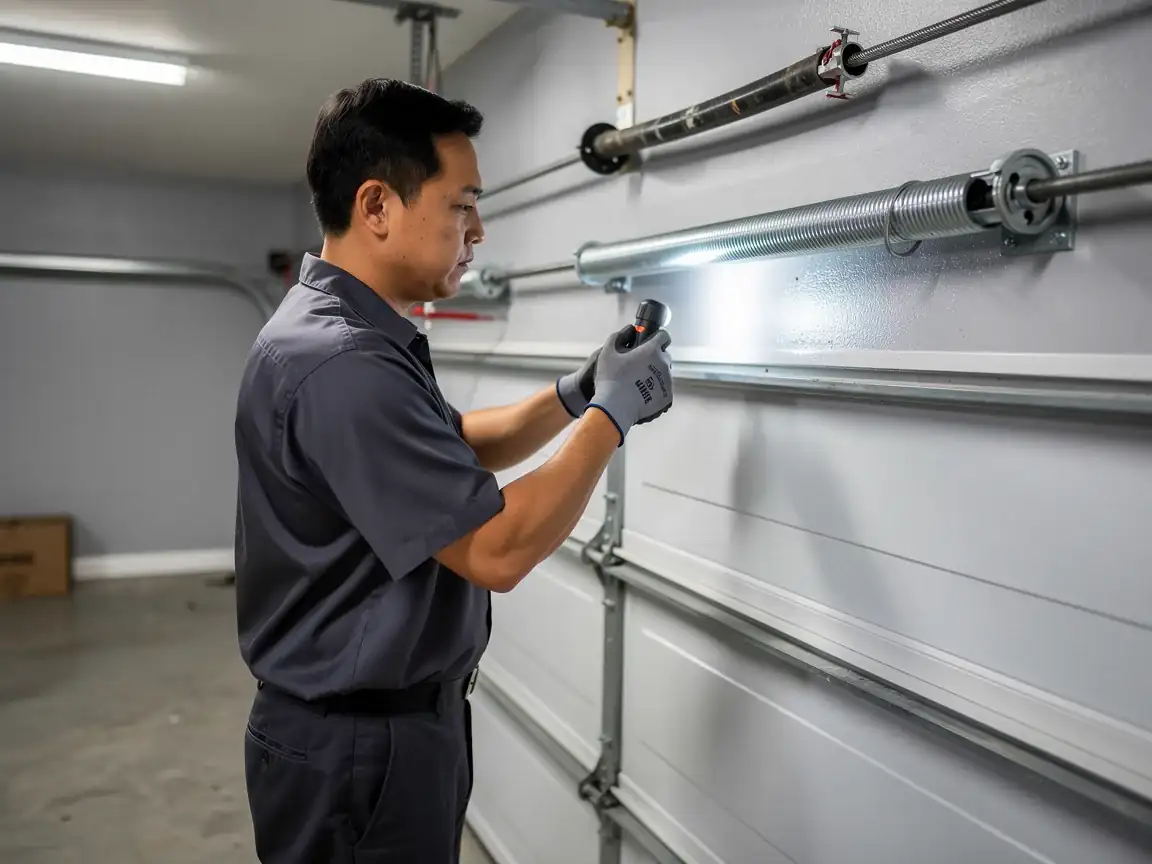
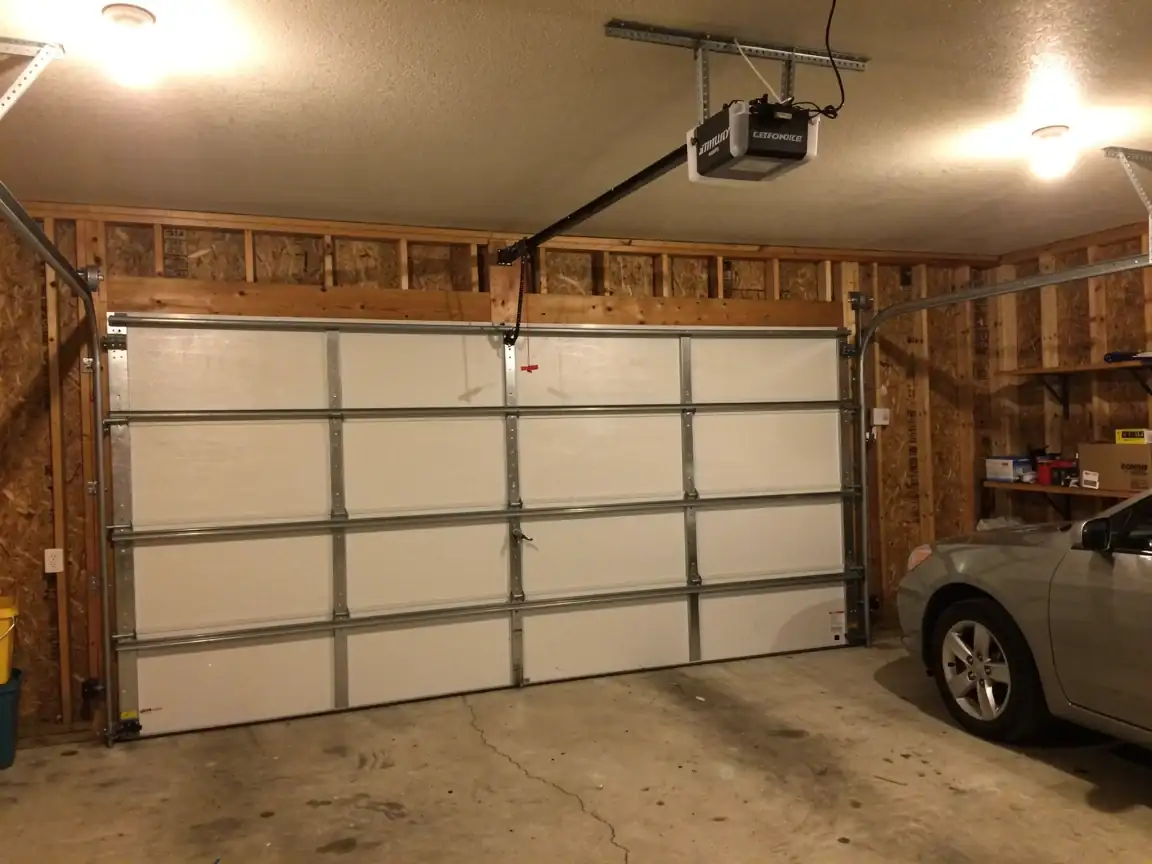
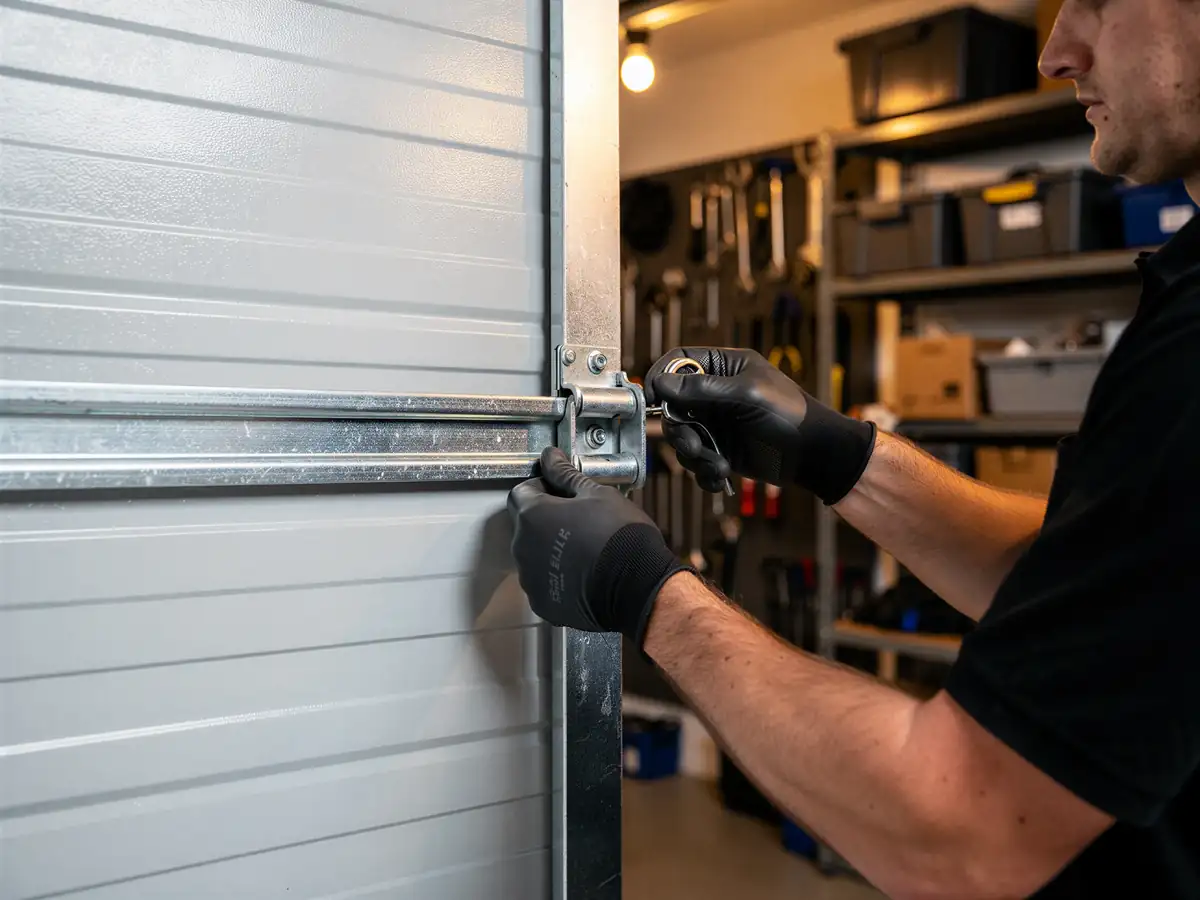
With Swartz's housing built mainly in and around 1985, the door and opener problems we see out here tend to cluster. Original torsion springs from that era, if they haven't already been swapped once, are overdue - spring failure on a double door from that build year is one of the most common calls from this part of the service area. Openers from the same period are often first-generation chain-drive units nearing or past their working life, showing up as slow starts, partial openings, or units that simply quit mid-cycle. Track misalignment shows up too, usually from decades of minor settling rather than any one event. Because Swartz sits in a mild climate band with occasional freezes rather than deep winters, we don't see the ice-jam failures some colder regions deal with - the wear here is slower and mechanical, tied to age rather than weather extremes. A median household income here near $69,968 is higher than the broader service area's $46,663, and we do see more owners opting to replace an aging opener outright rather than keep patching the original.
Why It Happens Here
The reason Swartz's calls skew toward spring and opener age rather than storm damage or flood-related failures comes down to two things: when the houses went up and what the weather actually does here. A build year centered on 1985 means a lot of original hardware is 35-plus years deep into a part rated for a fraction of that many cycles. Torsion springs are typically rated in cycles, not years, and a door opened twice a day for three and a half decades has used up that rating many times over, whether or not the owner ever noticed trouble. The climate factor works in Swartz's favor compared to harsher regions - mild conditions with only occasional freeze mean we're not chasing frozen tracks or weather-swollen panels, so when a Swartz door fails, it's almost always the hardware itself giving out from age and use, not the elements. That's a more predictable failure pattern, and it's one reason we can usually tell over the phone, once we know the house's rough age, what we're probably going to find.