How to Book
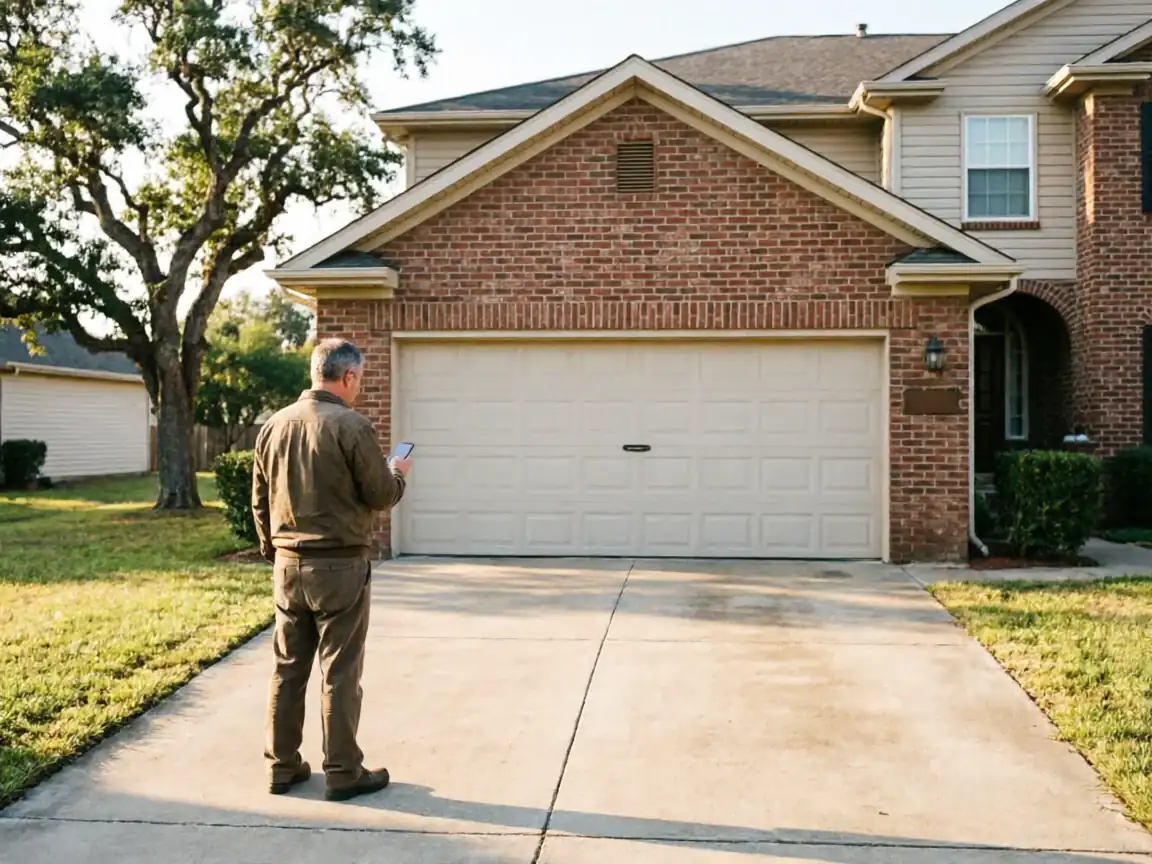
Swartz sits about 7 miles from Monroe, which is close enough for a same-day measure-and-quote visit but far enough that nobody treats this as a drive-by add-on. We come out, measure the opening, check the header and track clearance, and quote the door on the spot. If you already know what you want - steel, insulated, a specific panel style - tell us on the call and we'll bring options instead of a single sample.
Booking works the same whether you're in Swartz proper or just off it. We schedule the install for a day we can give you a real arrival window, not a vague morning-to-afternoon guess, because we're traveling from Monroe and don't want to burn your whole day. Most new installs run half a day once the old door and track are out, longer if the opening needs framing work.
For general background on how we handle garage door work across the wider Monroe area, that's on our main installation page. This page is specifically about putting a new door in a Swartz home, not about the company as a whole. If you want neighborhood-specific notes, check our Swartz page.
Doing It Yourself
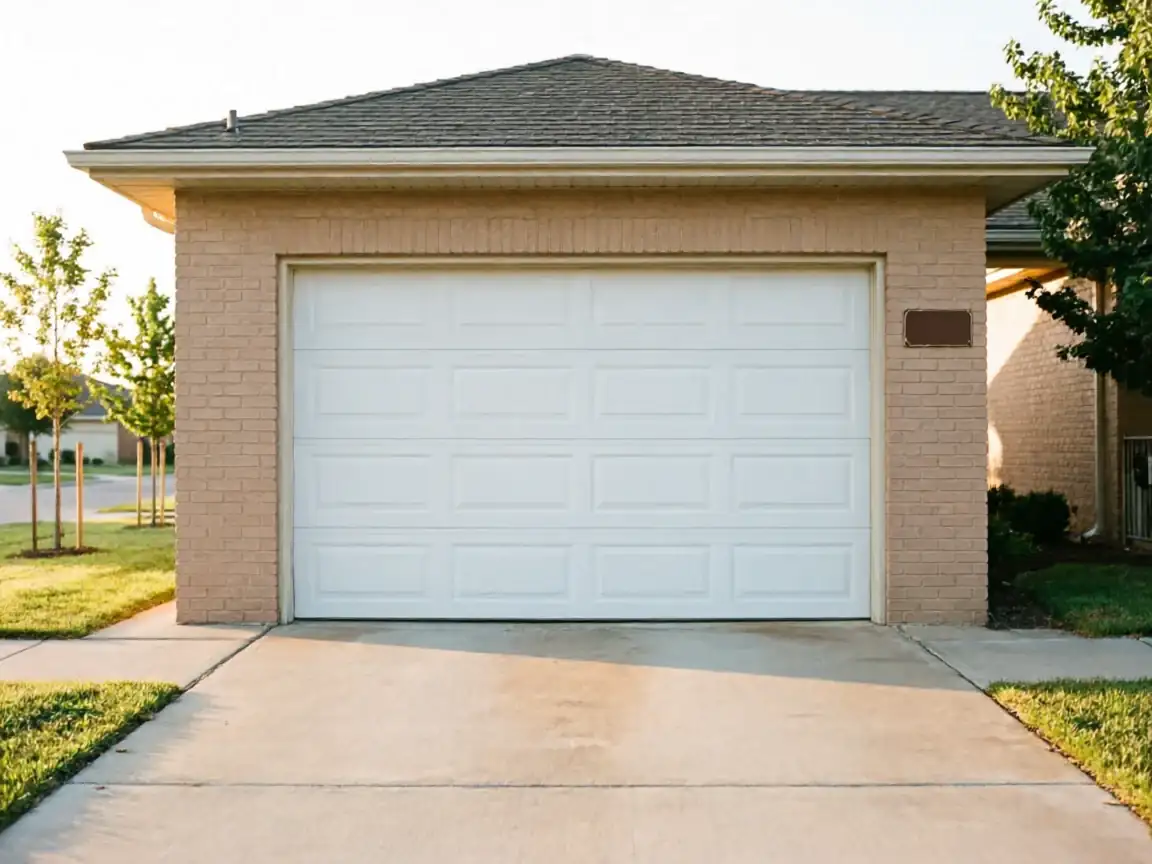
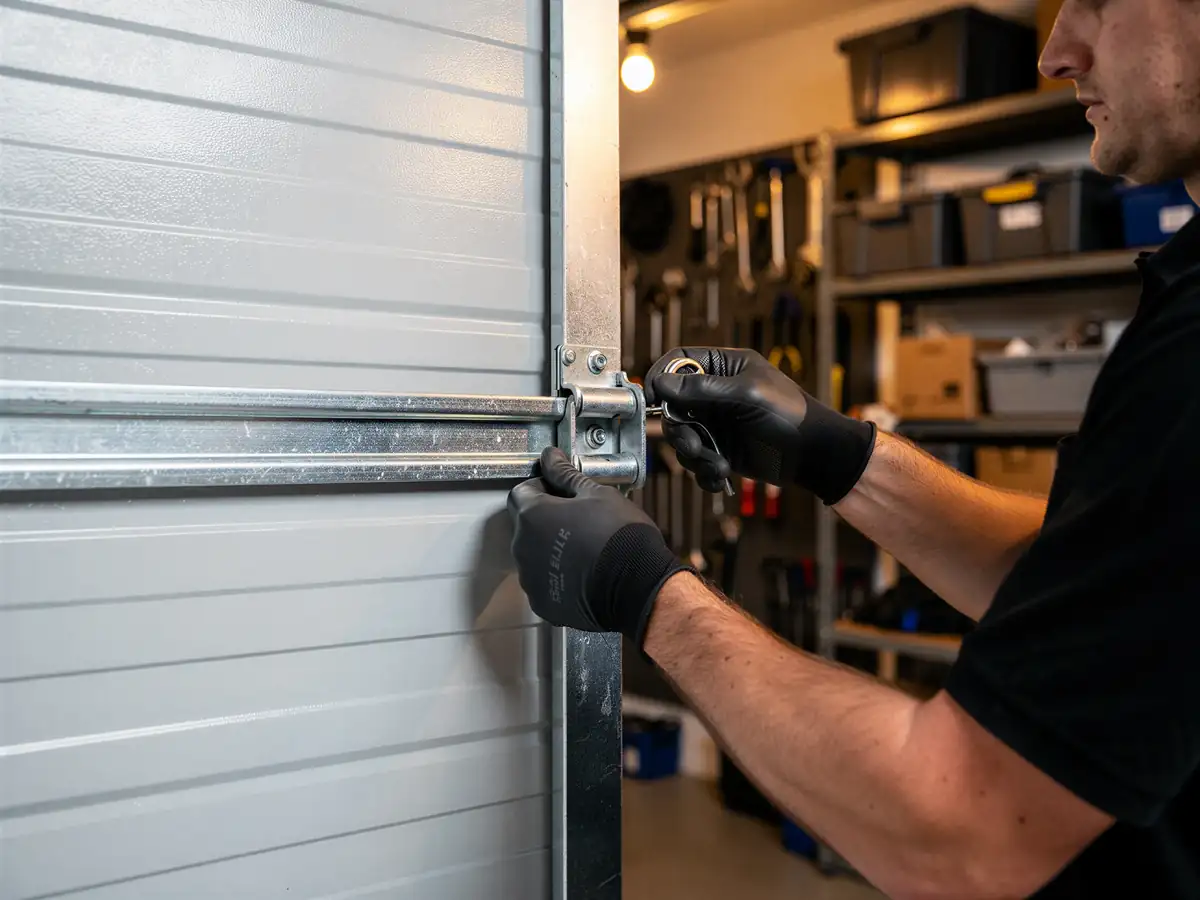
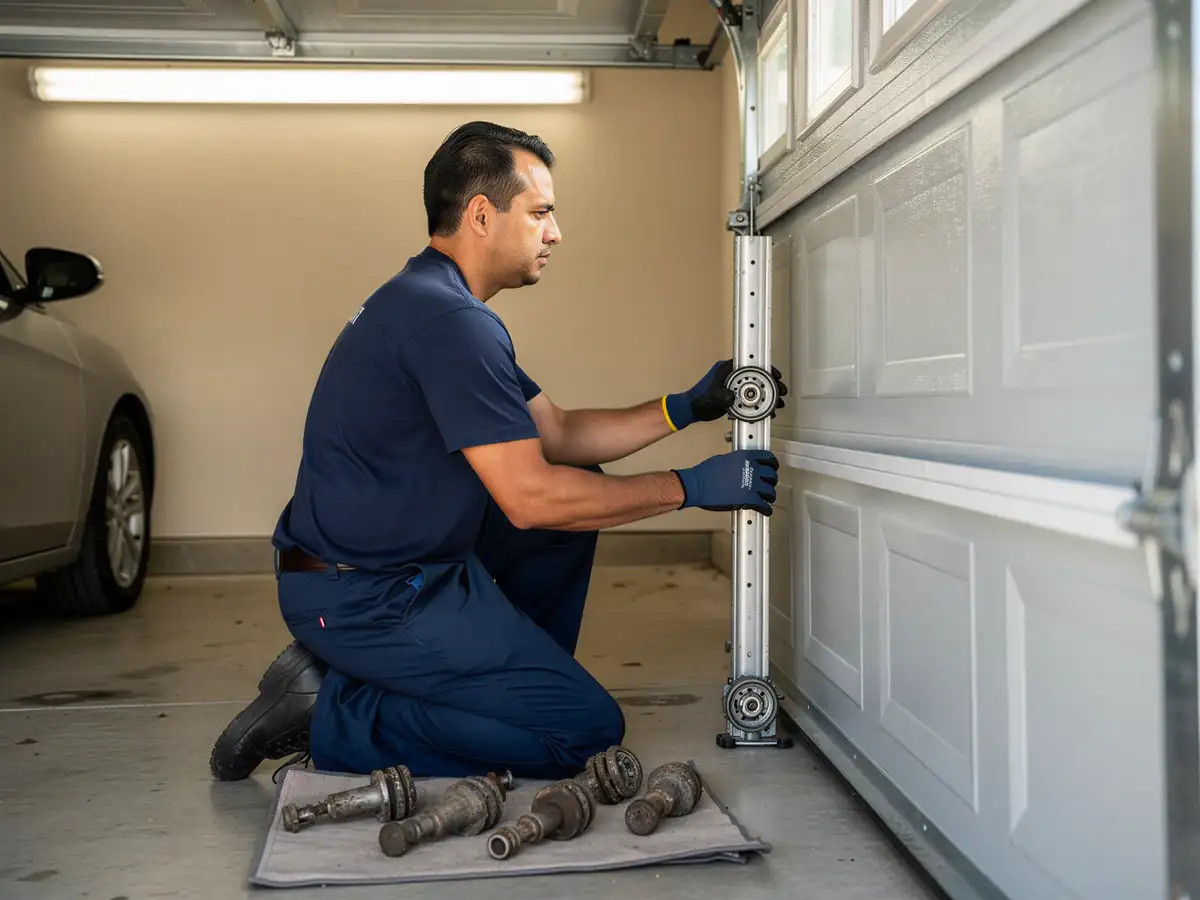
A garage door panel section you can sometimes swap yourself if you're handy and the track is still true
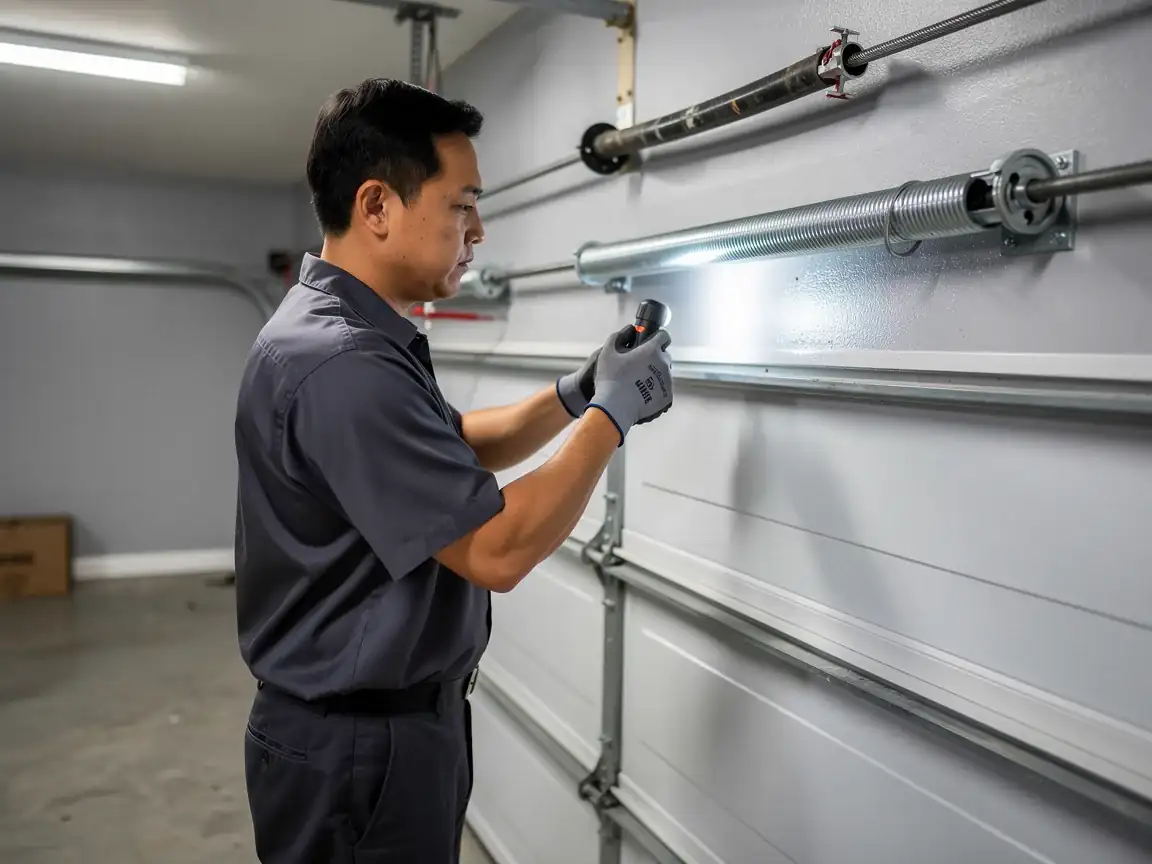
A full new-door install is a different job. The door itself can run over 130 pounds for a standard double, the spring is under enough tension to break a finger or worse if it lets go while you're working on it, and getting the header bracket level on an opening that's shifted a little over 40+ years of settling takes more than a level and a guess.
We'll say plainly: if your current door is just sagging a little and the track is straight
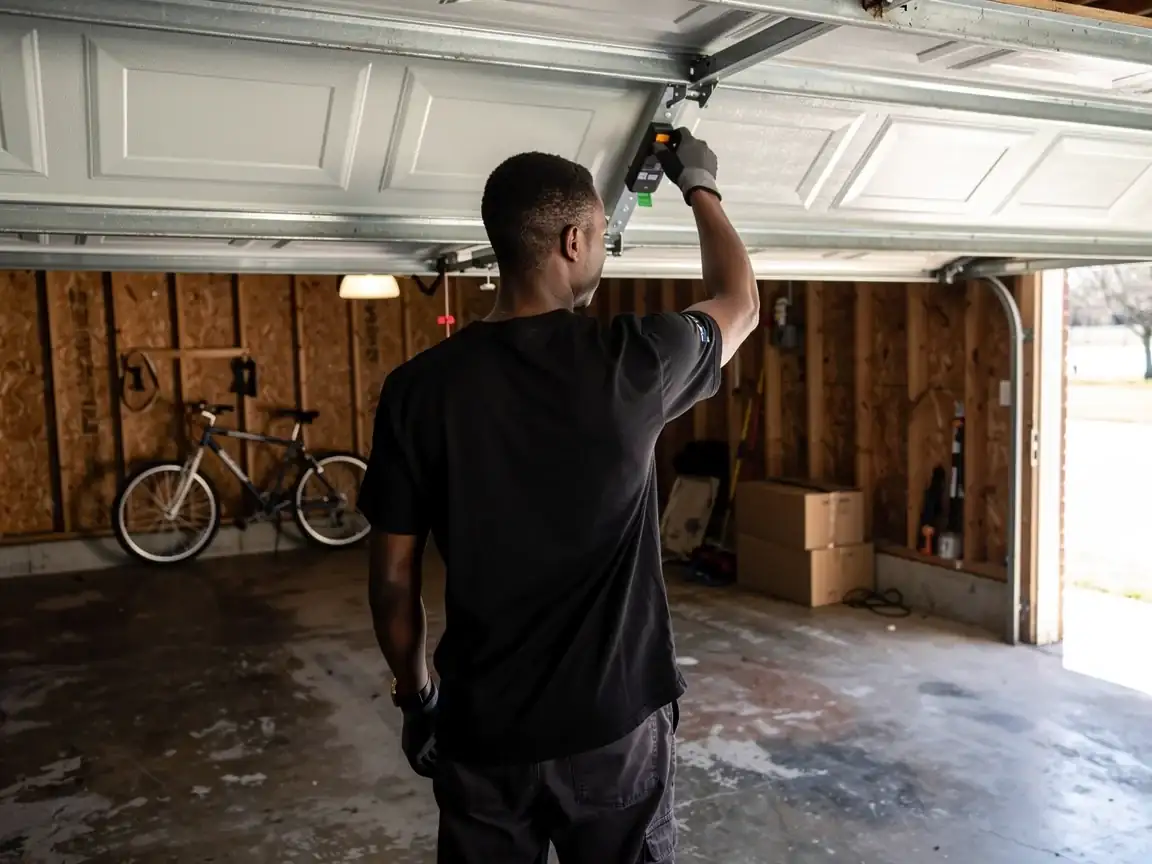
You might not need a new door at all - a cable, roller, or hinge replacement can buy you years for a fraction of the cost. We'd rather tell you that than sell you a door you didn't need. But once the panels are rusted through, the seams don't seal, or the opener is fighting a door that's out of square, replacement is the honest answer and not a job to tackle with a borrowed socket set and a weekend free.
We don't do the kind of rush same-day install some outfits advertise
We're driving from Monroe, and doors often have to be ordered to size, so plan for a lead time rather than next-morning service.
How It Shows Up
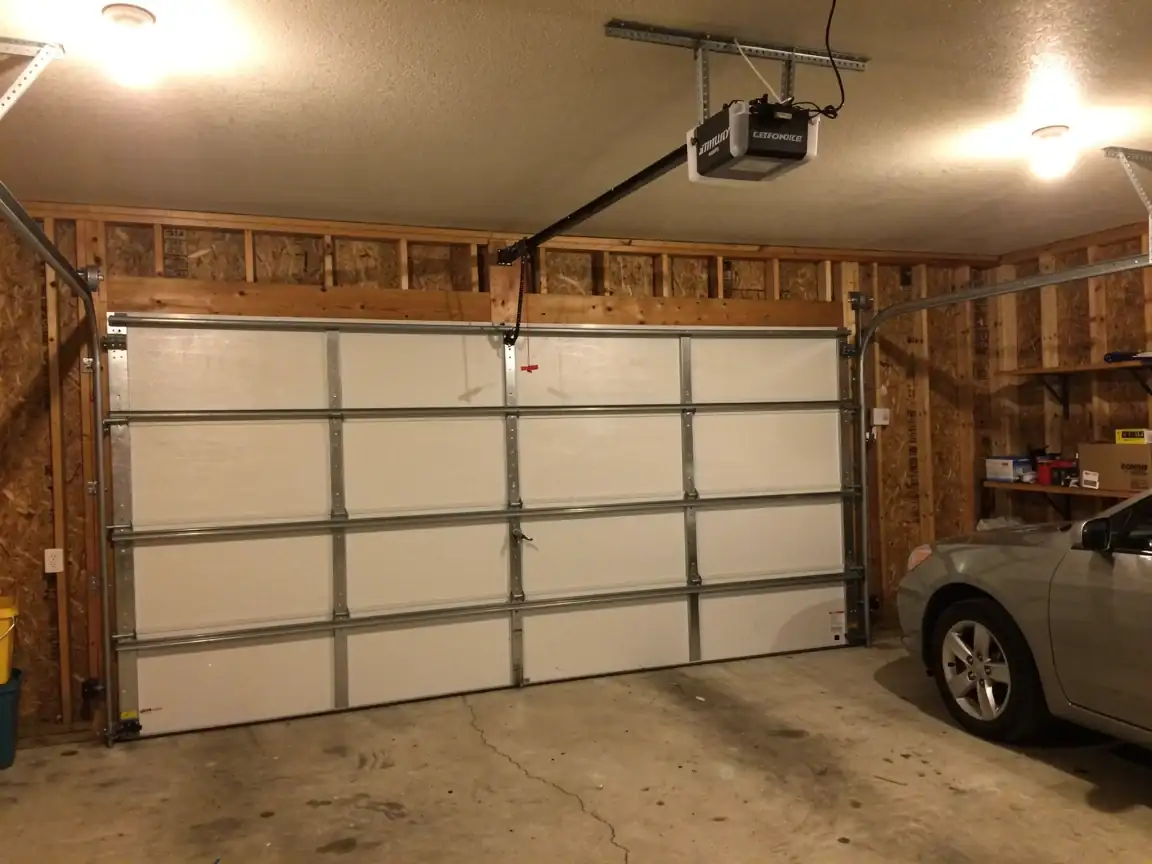
Most houses in Swartz went up during that 1975-2005 run, which means a lot of original doors and openers that are now thirty to nearly fifty years old. The failure pattern out here tends to look the same: a steel door with thinning insulation, a torsion spring original to the house, and an opener that's been replaced once already but is still fighting hardware from the Reagan era.
Homeowners usually notice it as the door getting heavier to lift by hand, or the opener straining and reversing partway up. Sometimes it's simpler - visible rust at the bottom panel seam, daylight showing around the edges, or a door that no longer sits flush when closed. None of that means the opener is bad; it usually means the door itself has reached the end of what it can do structurally, and no amount of lubricant or adjustment brings back a door whose steel has fatigued.
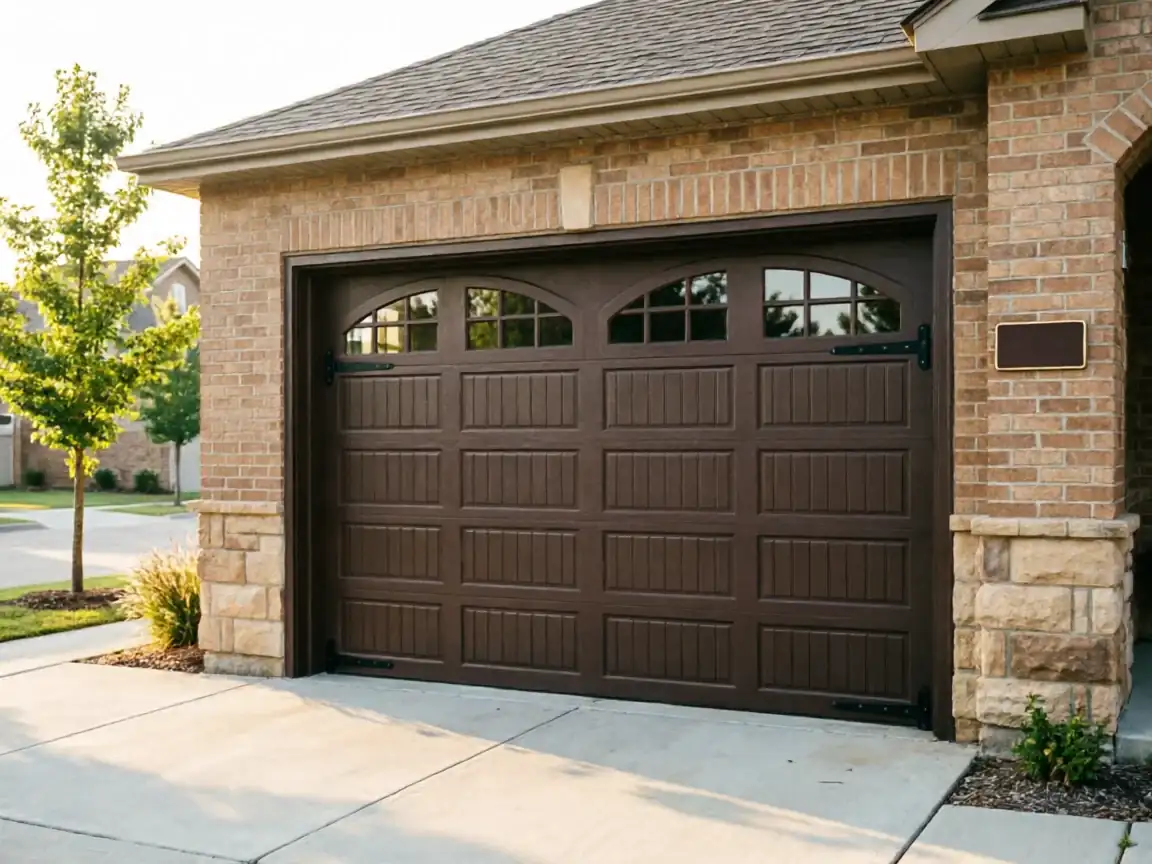
With median household income in Swartz at $69,968 - well above the $46,663 figure for the broader Monroe service area - we also see more requests for upgraded doors: higher-R insulation, heavier gauge steel, and windows, rather than a straight swap for the builder-grade door that came with the house.
Why It Happens Here
The age of the housing stock is the main driver. With most of Swartz built between 1975 and 2005, the doors and tracks going in now are original or close to it, and that generation of hardware simply wasn't built for forty-plus years of service. Spring steel fatigues, track brackets loosen as the house settles, and the door that was fine for twenty years starts fighting the opener in year thirty.
Climate plays a smaller but real role. This area sits in a mild band with the occasional freeze, not a region with hard winters, so we don't see the frost-heave damage that cracks slabs further north. What we do see is humidity and heat cycling that work on weatherstripping and bottom seals faster than in a drier climate, and steel panels that rust from the bottom edge up if water's been sitting against them.
Across roughly 1,572 households in Swartz, that adds up to a fairly uniform wave of doors reaching the same age at close to the same time - which is also why, when we're out this way, we're often replacing the same era of door more than once in a week.