How to Book
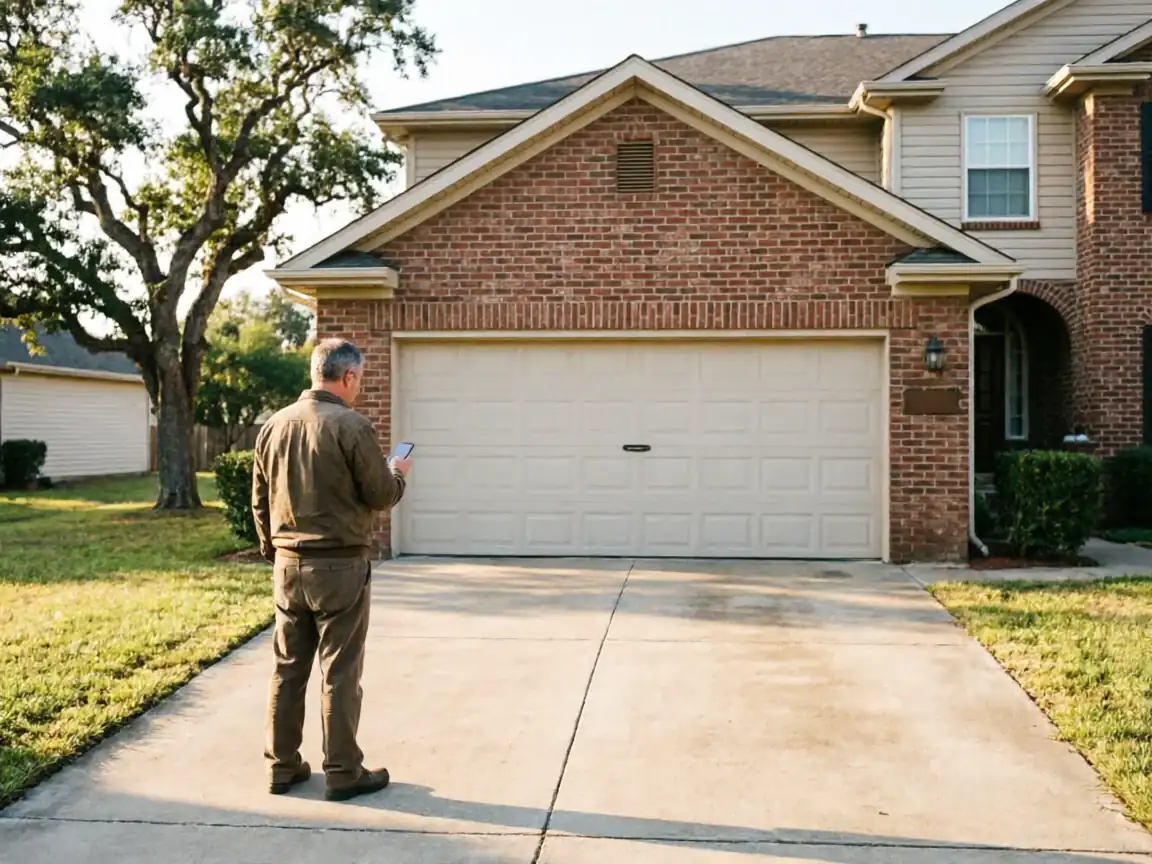
Swartz sits about 7 miles from Monroe, and the crew brings the panel stock with them rather than ordering after they arrive and find a mismatch. Give the door's brand, the panel's position (top, second from bottom, etc.), and a photo of the embossing pattern if you have one - 1980s-era doors came in a handful of raised-panel steel profiles, and matching the rib pattern matters more than matching the color, since paint always needs a touch-up coat anyway.
Book through the Swartz page and mention the color and finish if the door has been repainted since it went up - a lot of these doors have, after forty years of Louisiana sun. If the whole door is a mismatched mess of old and new panels already, say so up front; it changes whether a single-panel swap is even worth doing versus a full door.
For the broader rundown of panel replacement as a service - pricing structure, lead times on special orders - that lives on the Monroe panel replacement page, not here. This page is just about what's actually on Swartz garage doors and why.
Doing It Yourself
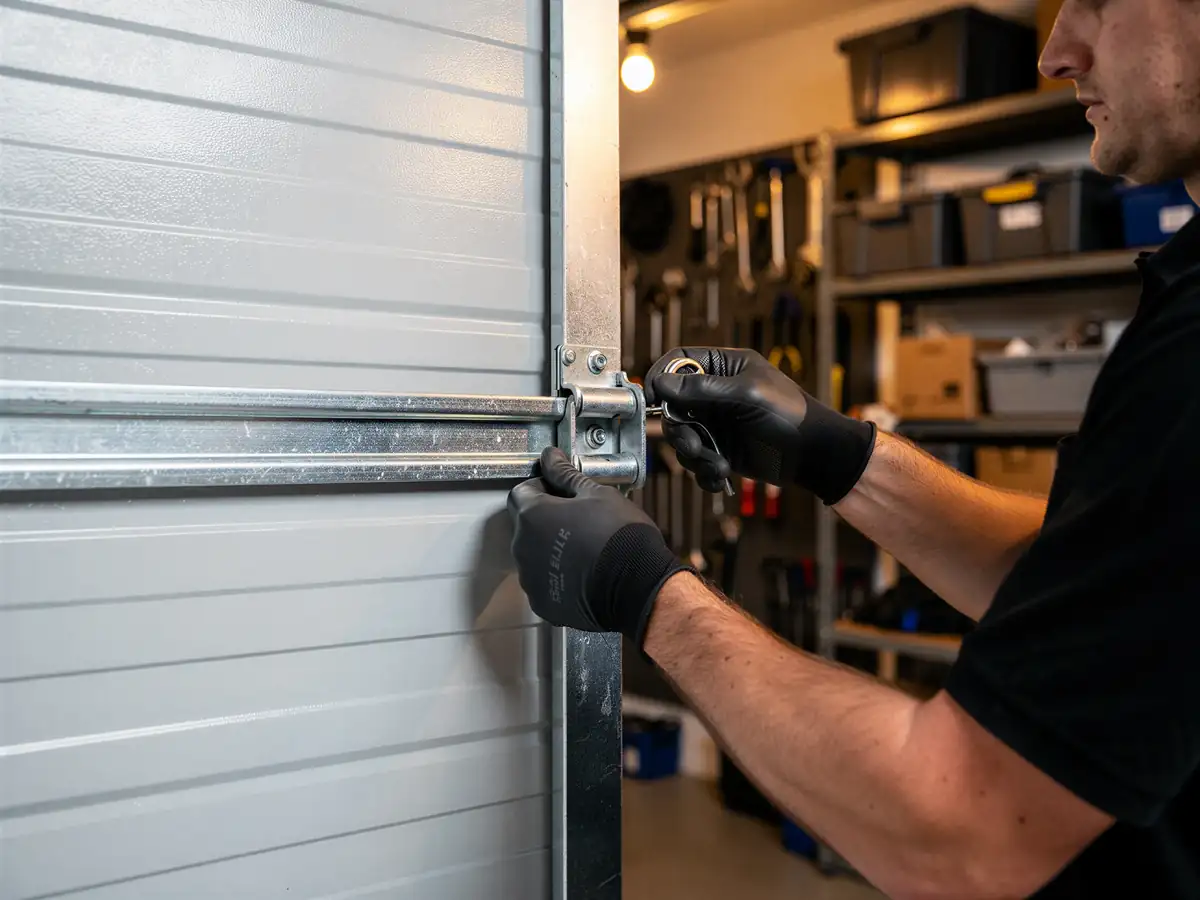
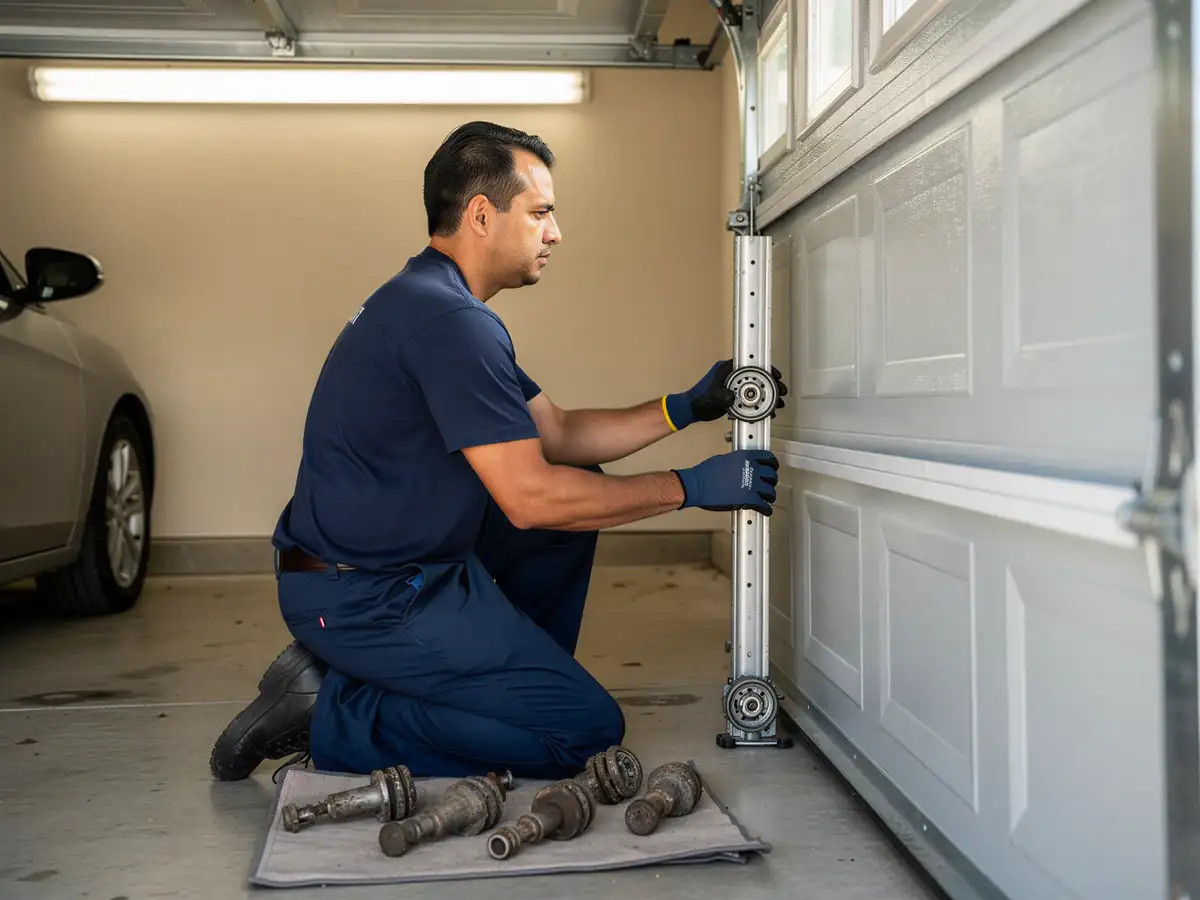
A single panel on a sectional door bolts to its neighbors and to the stiles that carry the door's weight
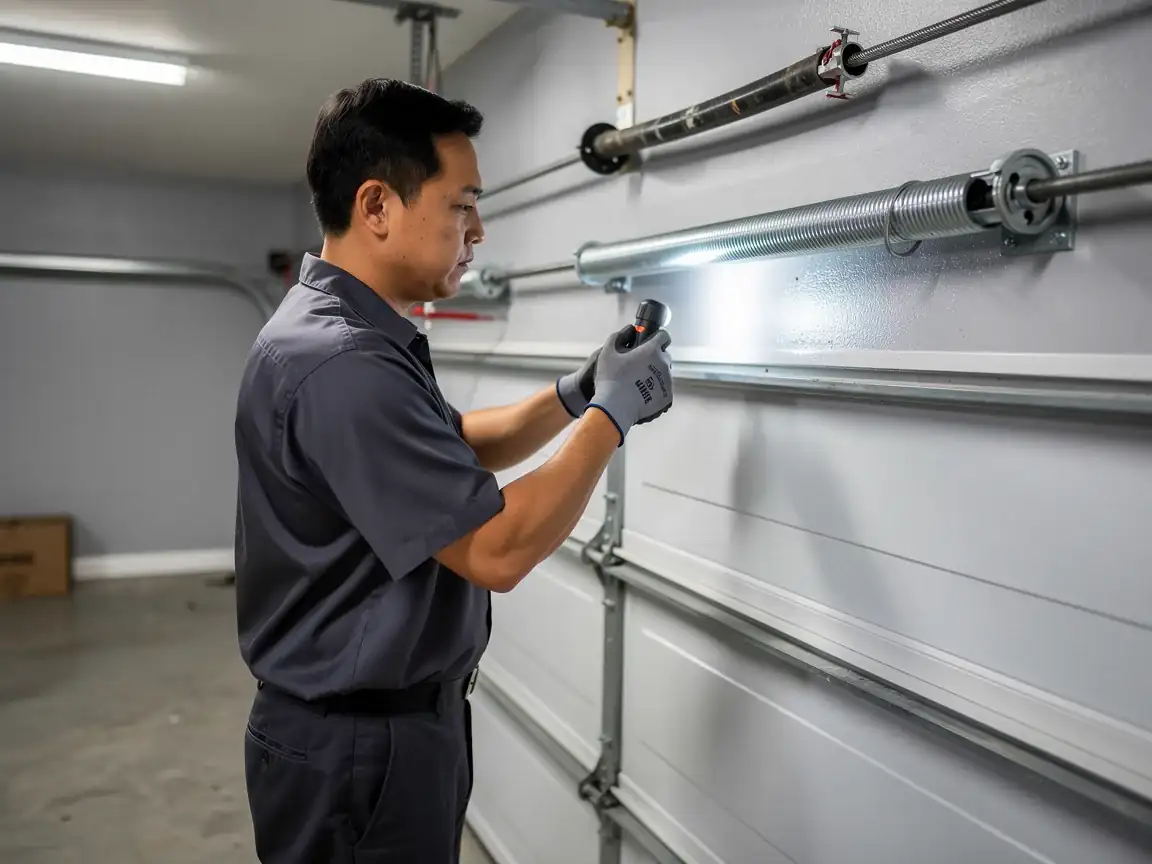
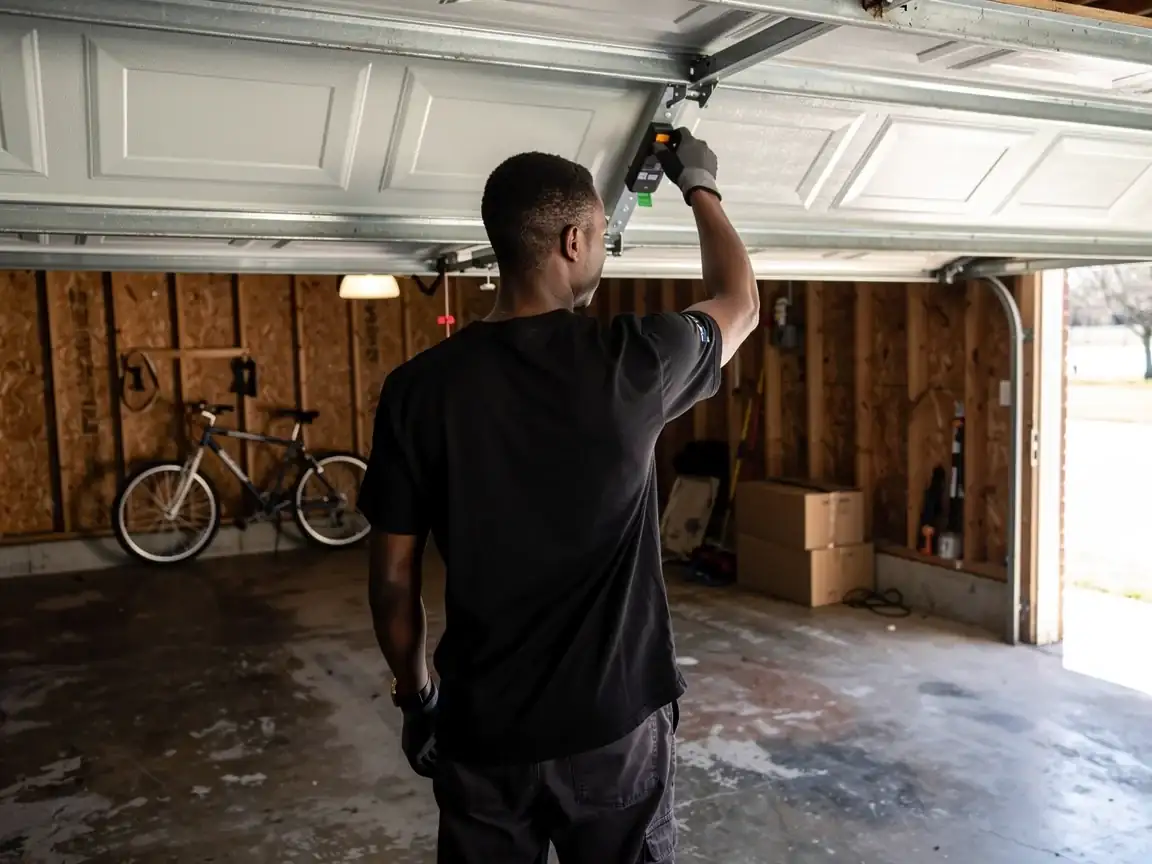
And pulling the wrong bolts first can let a loaded torsion spring take the section out of your hands. If the damaged panel is anywhere but the bottom row, there's also the hinge-to-track geometry to get right, or the door binds and chews the new panel's edge on the first cycle.
What you can reasonably check yourself: whether the damage is one panel or the stiles too
Push on the panel edges where they meet the frame. If the frame flexes or the seams have separated beyond the one damaged section, it's not a one-panel job anymore, and ordering a single replacement panel will leave you with a door that still doesn't sit flush. Measure the panel height and the door's total width before you call, so the crew can confirm the part on the first trip instead of a second visit.
One honest limit: if the door's track or end stiles are also rusted through at the bottom panel's level
Common on these mid-80s steel doors where moisture sat against bare steel - a single panel swap won't fix the underlying problem, and we'll tell you that instead of selling you a part that won't hold.
How It Shows Up
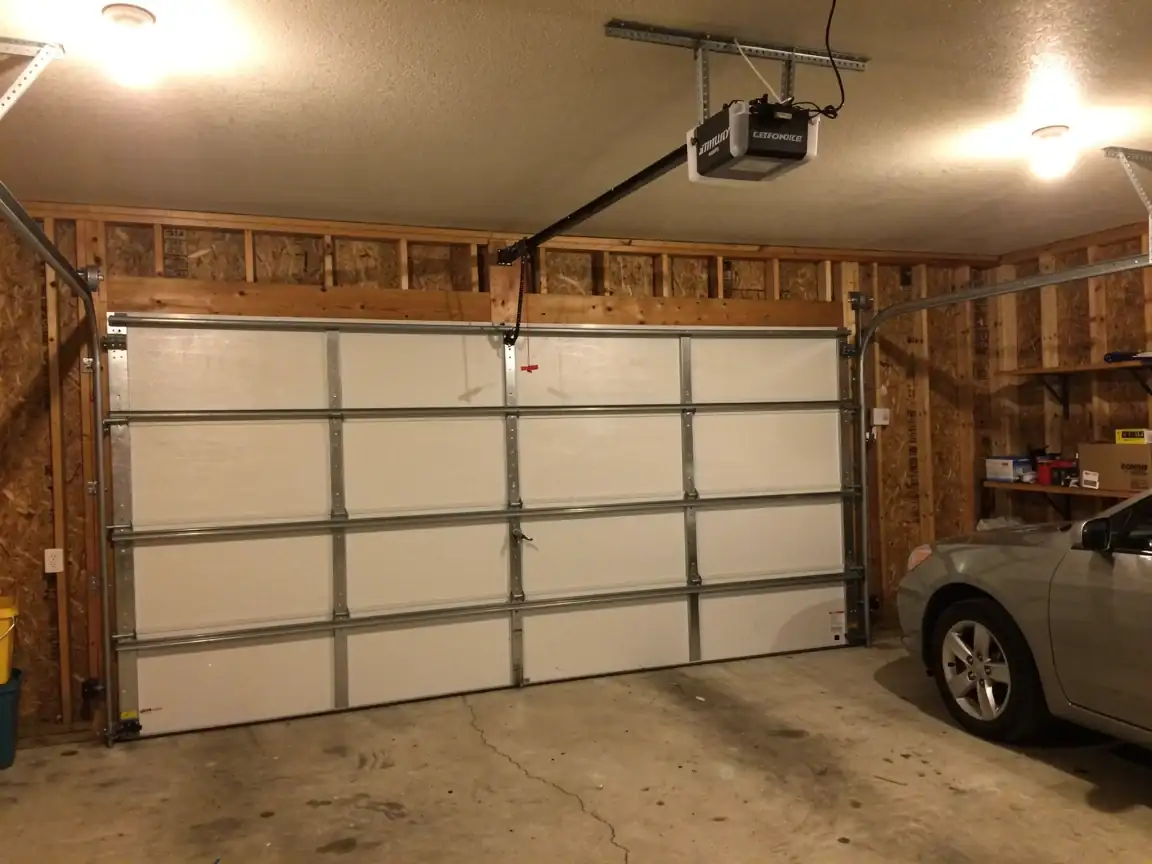
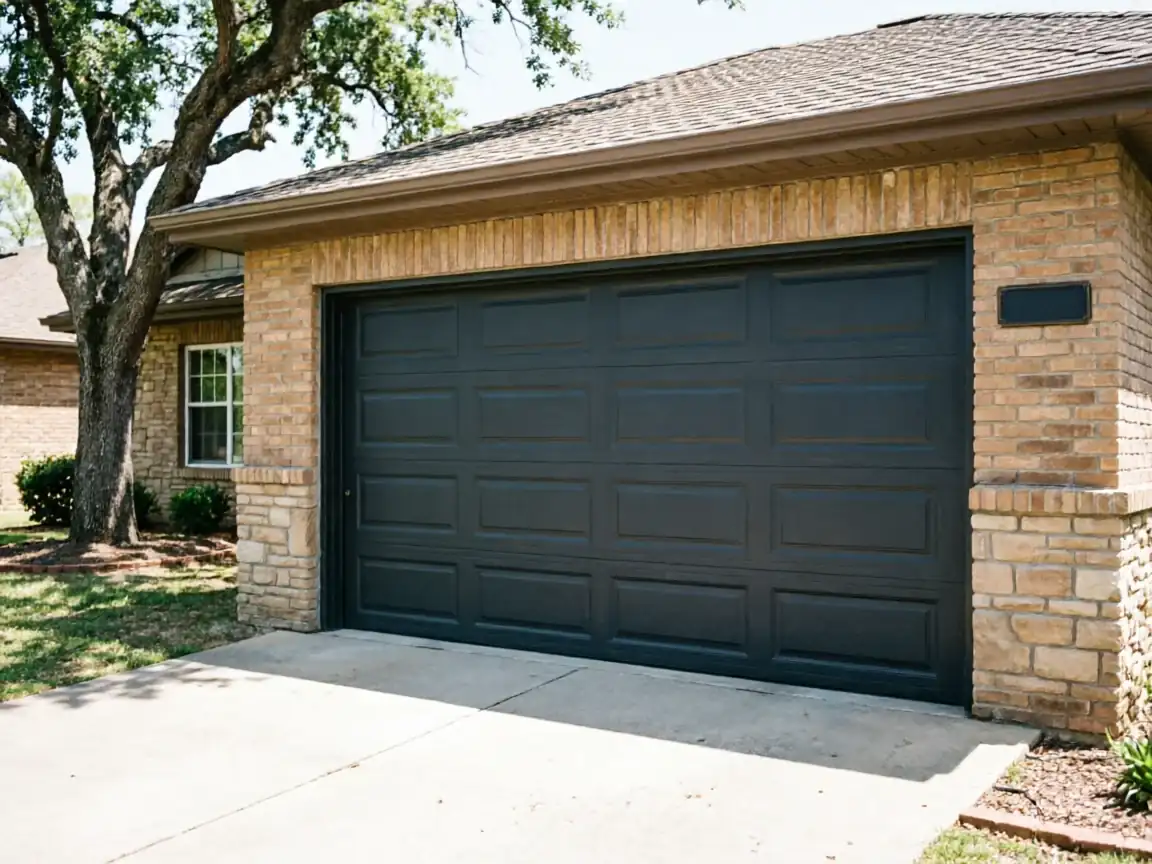
Most of what we replace on Swartz doors is bottom-row panels, and the damage pattern tracks back to a build era, not bad luck. Houses here went up mostly in the mid-1980s, when steel sectional doors were single-layer, non-insulated panels - no foam core, no second skin - bolted to roll-formed steel track that's held up fine structurally but dents far more easily than anything made in the last fifteen years.
The bottom panel takes the brunt: a trailer hitch backed in wrong, a kid's bike, a mower clipping the edge. On a single-layer steel panel, that's an immediate crease, not a shallow dent you can pull out. Higher panels crack less often but rust more, especially where the horizontal seam traps moisture against bare steel on the inside face - the part you never see until the panel's already bowing.
With median household income in Swartz near $69,968, we see more owners asking to upgrade the replacement to an insulated panel rather than match the original single-skin steel exactly - same opening, heavier door, which is worth flagging before the spring gets sized for the new weight.
Why It Happens Here
The houses driving this work share a build window - 1985 is the median year here - which means the garage doors on most of these 1,572 households are either original steel sectional doors well past their expected panel life, or a first-generation replacement installed sometime in the 90s or 2000s that's now hitting the same wall.
The climate does its part too: mild most of the year with occasional freezes, which doesn't sound harsh, but it means steel panels go through repeated condensation-and-thaw cycles on cold mornings rather than staying frozen solid. That cycle is what undermines the paint seal at panel seams over decades, and it's why rust shows up on the inside face of a panel before it's visible from the driveway.
None of this is unique to one house - it's the housing stock. A neighborhood built in a five-year window ages its garage doors in roughly the same window, which is why panel failures in Swartz tend to cluster by section type rather than by house age within the subdivision.