How to Book
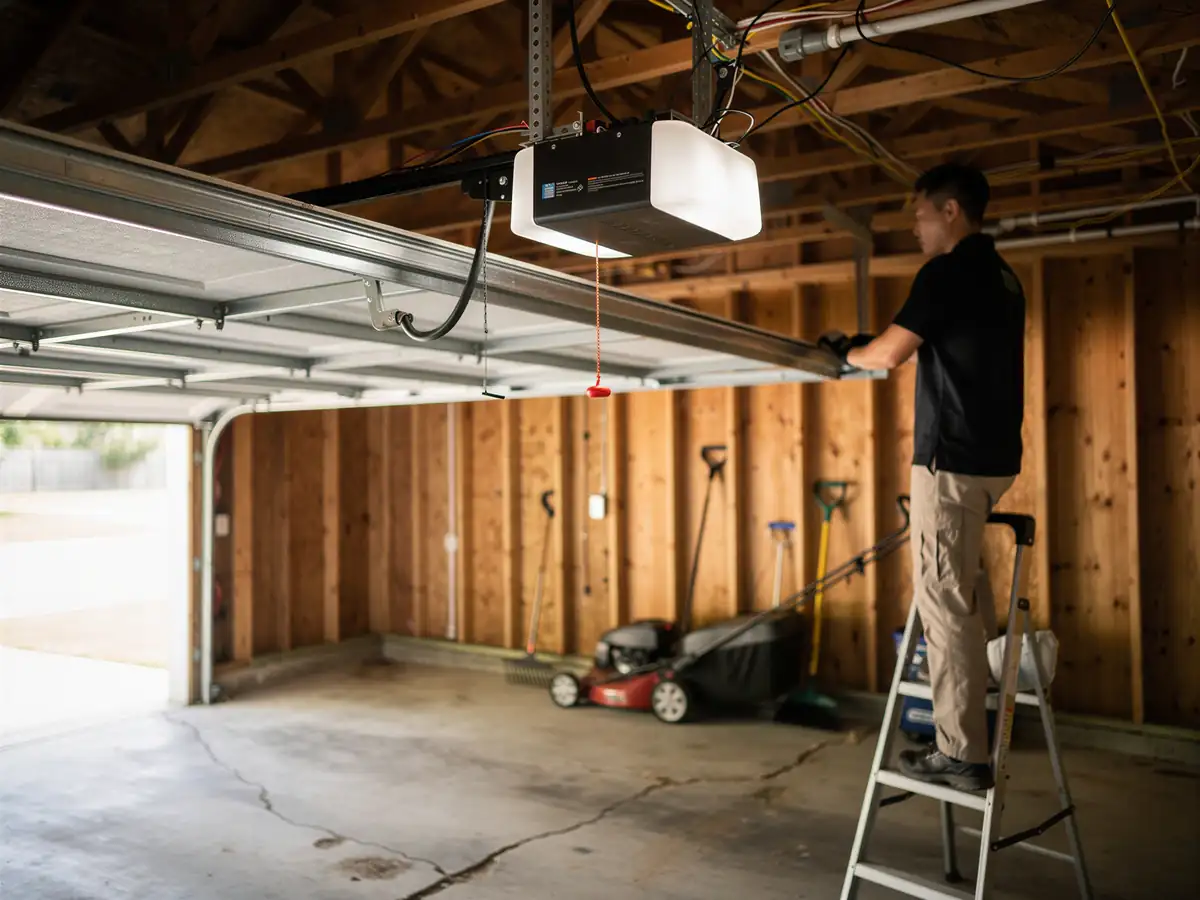
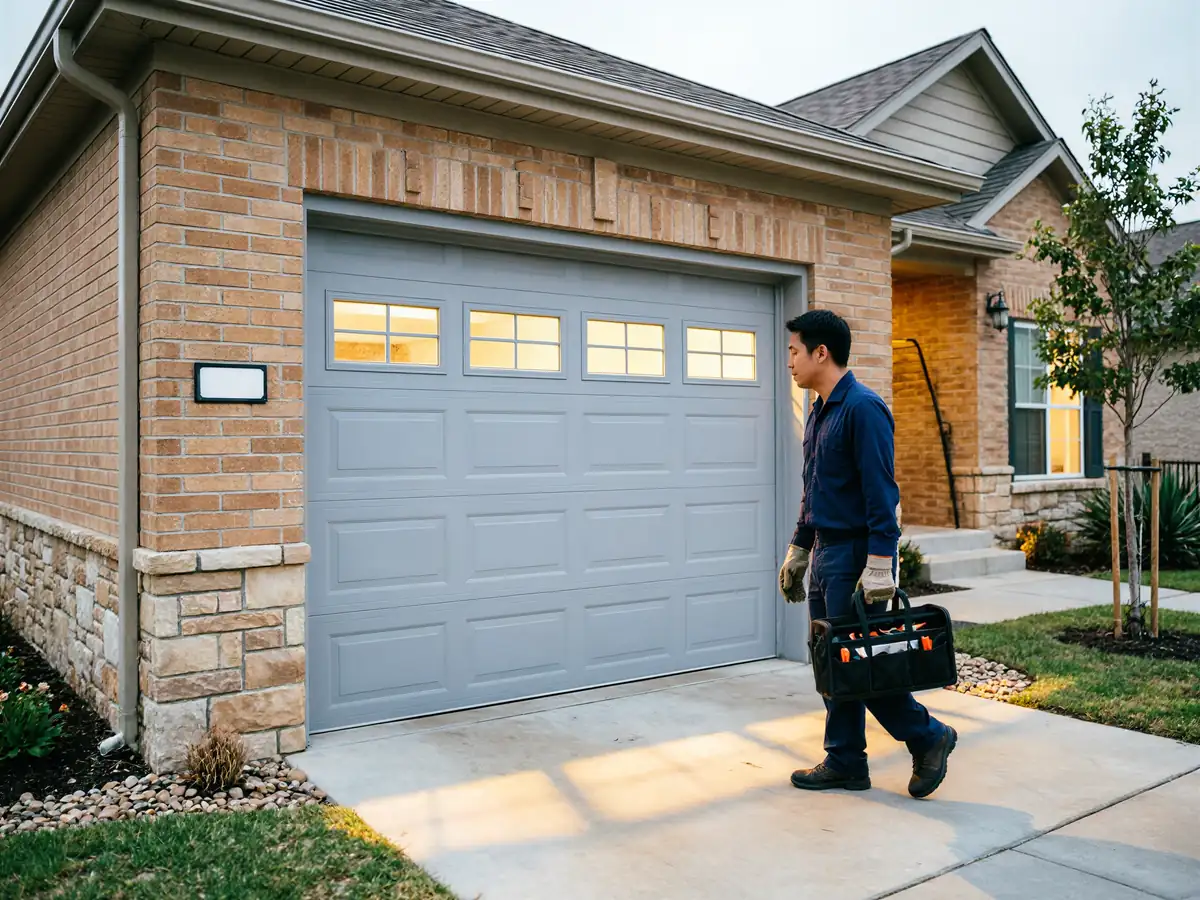
Swartz sits about seven miles from our Monroe shop. That's a short drive, not a dispatch zone with its own crew sitting idle waiting on a roller call, so when you book, you're booking a trip out, not a knock on the door in ten minutes. We don't run a branch in Swartz and we're not going to pretend otherwise - the truck comes from Monroe, loaded with the roller stock for the job before it leaves.
What that means practically: tell us on the phone whether the door is rolling rough, grinding, or has jumped track, because that changes what gets loaded. Steel rollers, nylon rollers, and the hardware that holds them in a worn track aren't interchangeable, and showing up with the wrong set means a second trip nobody wants.
With roughly 1,572 households in Swartz, this isn't a town where we're stacking five roller jobs back to back on a given day. Most calls here come in one at a time, scheduled around when the truck is already headed that direction for something else, which keeps the trip worth making for a job this size. If you need same-day, say so when you call - it's a schedule question, not a distance problem.
Doing It Yourself
Rollers are one of the more forgiving parts on a garage door to work on yourself
Up to a point. If the door is rolling but noisy, a shot of the right lubricant on the roller stems and track - not WD-40, which thins out and attracts grit - fixes a surprising number of noise complaints without replacing anything.
If a roller has actually split
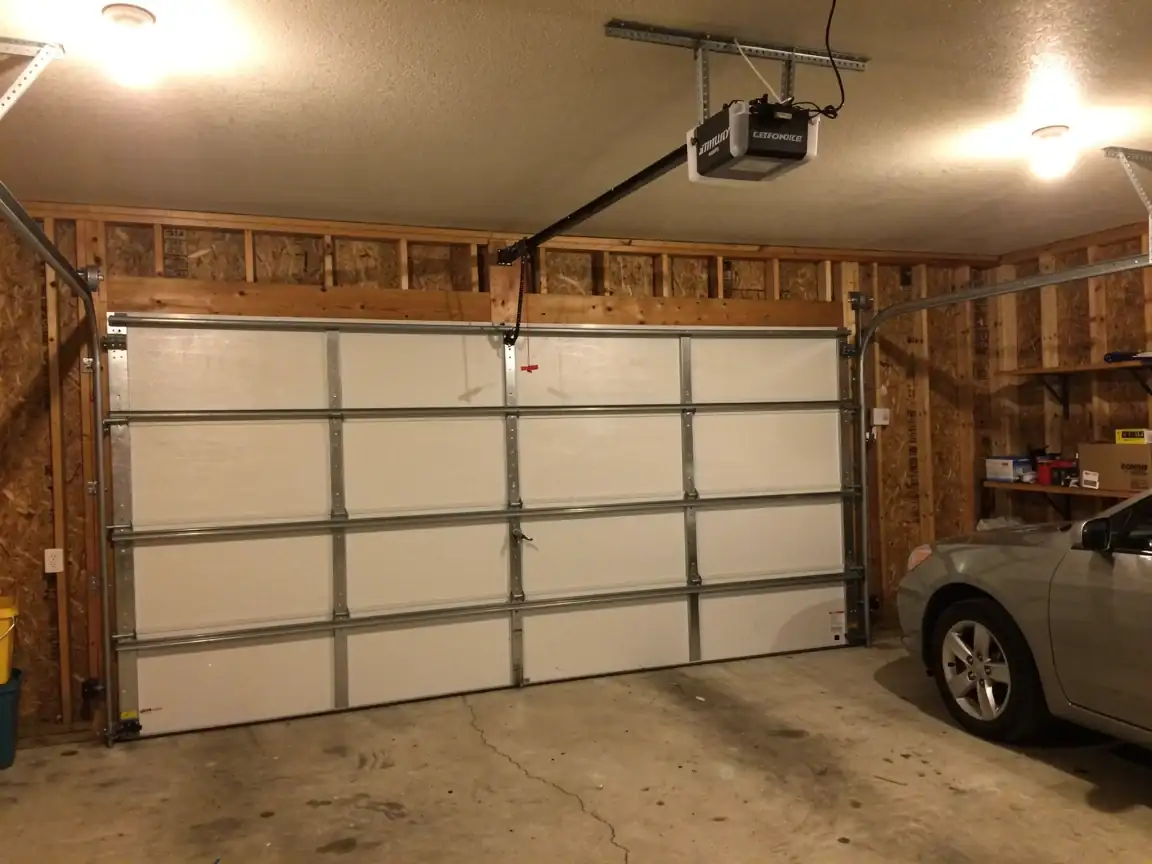
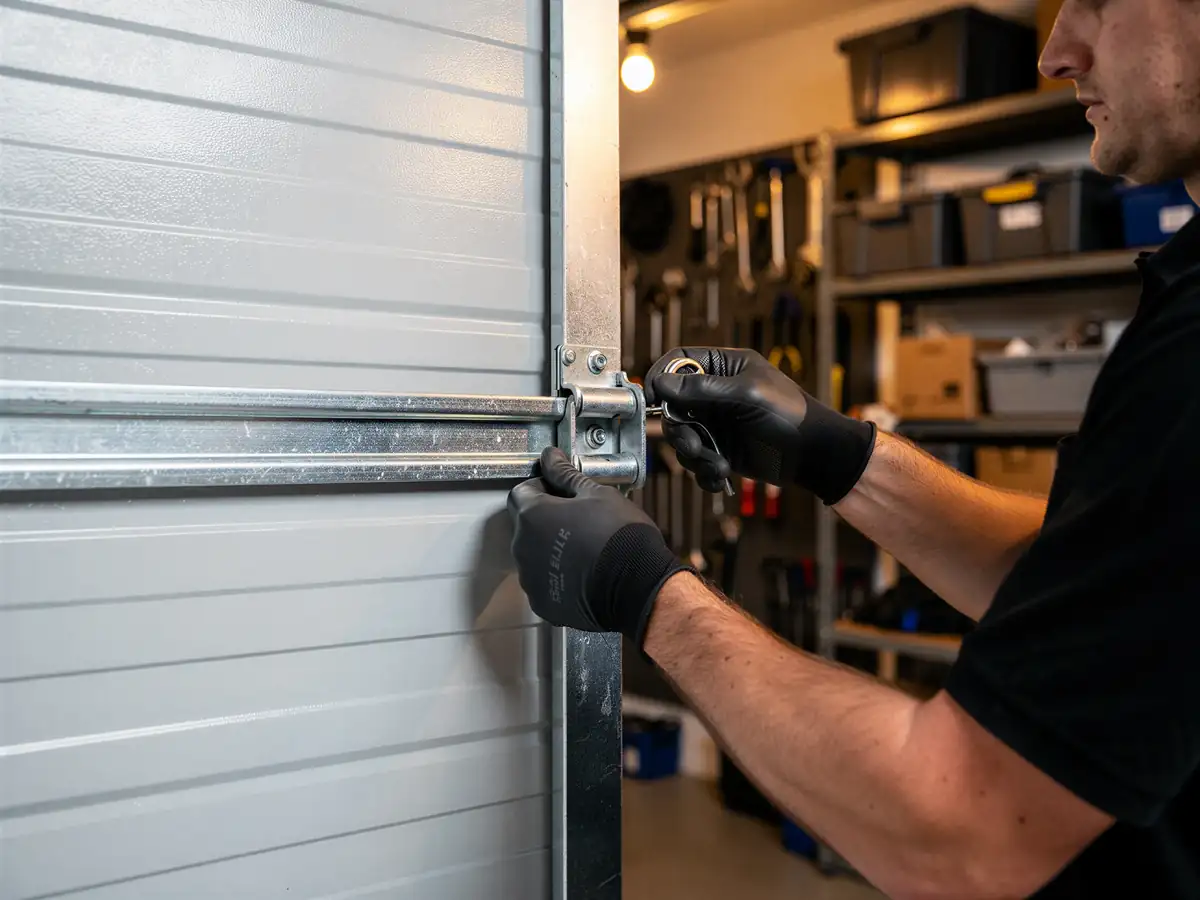
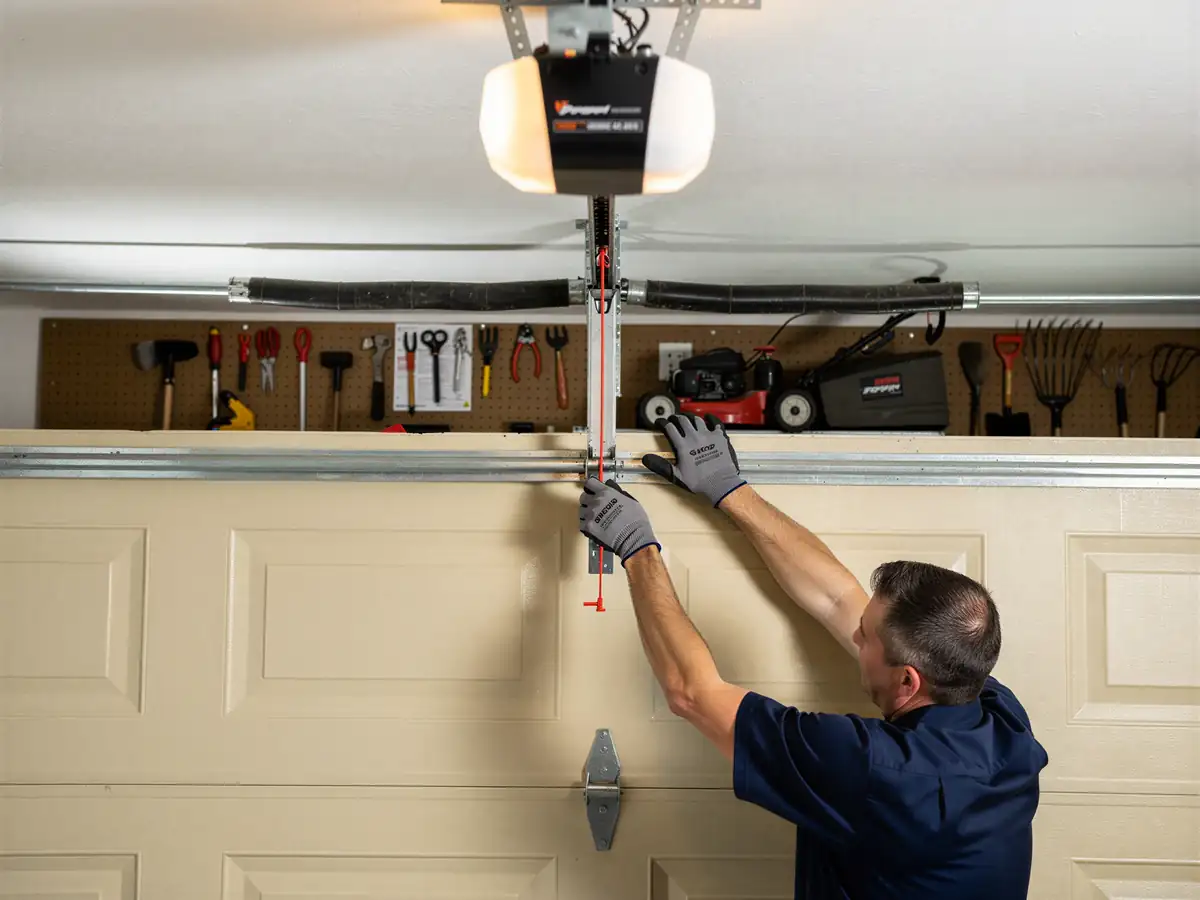
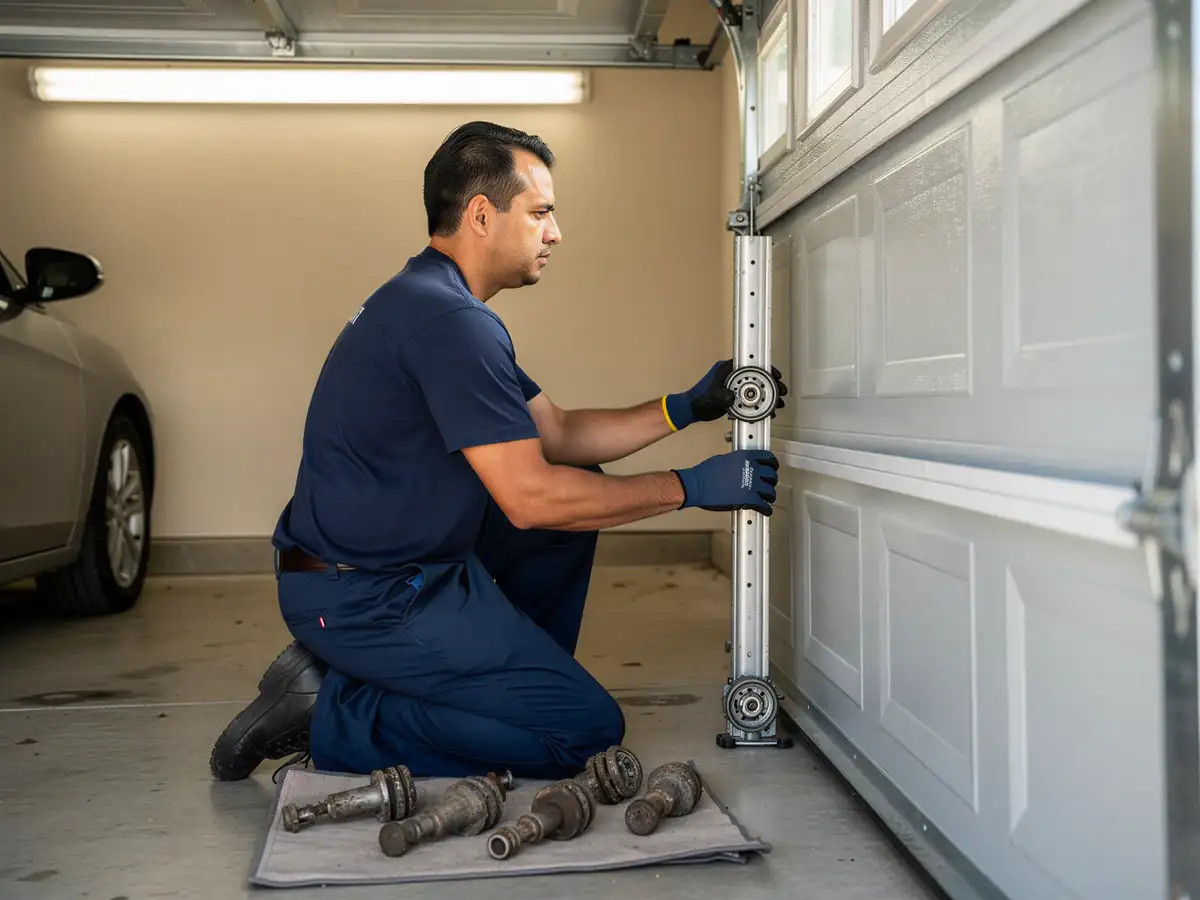
Or the wheel has come off the stem, that's a part swap, not a lube job. On older steel track, you're pulling the roller bracket loose, sliding the old roller out, and setting a new one in, usually one panel at a time so the door stays supported. The bottom two rollers on each side take the most load and wear first - check those before you assume the whole set needs replacing.
Here's the limitation
We don't recommend DIY roller work on the bottom roller of a door under spring tension, or on any door where the track itself has bent or pulled away from the frame. A roller swap on a door with a bad spring or a warped track isn't a roller job anymore, it's a bigger repair, and trying to force a new roller into bent track usually just bends it worse. If the door binds, skips, or won't move smooth after the swap, stop and call - that's a track or alignment problem, not a part you fix by trying harder.
How It Shows Up
The first sign is almost always sound before it's movement. A worn roller grinds or squeals as it passes through the bend where the vertical track curves into the horizontal section - that curve is where a bad roller gets exposed fastest, because it has to flex more there than anywhere else on the run.
Next comes the door hesitating at that same spot, a slight catch you can feel through the opener or see if you watch the door run manually. Left alone, a cracked nylon roller eventually sheds pieces of itself inside the track, and a steel roller with a dry or pitted bearing starts wearing a groove into the track wall that outlasts the roller itself.
Swartz gets the same mild winters with occasional freeze as the rest of the area, so it's summer heat cycling, not ice, that cracks nylon rollers on these doors - the plastic expands and contracts enough times across a hot season that fatigue cracks start at the stem. Steel rollers don't crack that way, but they do rust at the bearing if a door sits in a damp garage without much airflow, and that rust shows up as the same grinding sound a bad nylon roller makes. Either way, the sound usually shows up weeks before the failure does.
Why It Happens Here
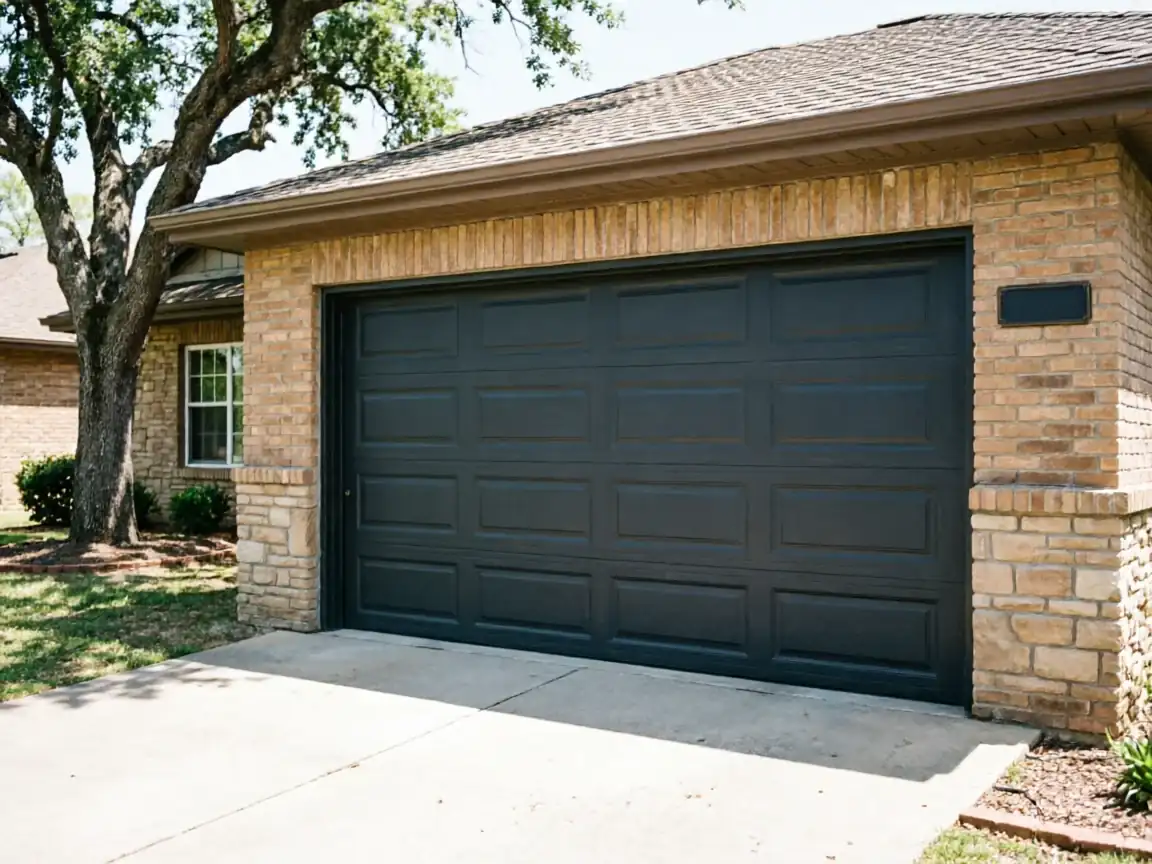
Most houses in Swartz went up in the 1980s, which means the original steel rollers on steel track that came standard on those builds. That hardware was built to last, but forty years is forty years, and a lot of doors on this side of the service area are still running on rollers nobody's touched since the house was framed.
Swartz's median household income of $69,968 runs well above the service area's $46,663 average, which is why nylon upgrades get chosen here more often than patch repairs. When a homeowner here calls about a noisy door, the conversation often ends with swapping the full set to sealed-bearing nylon rather than replacing one or two steel rollers to match what's already there - it costs more up front and runs quieter for longer.
The other piece is simpler: these are mostly single-family houses with attached garages, not multi-unit buildings, so the rollers in question are almost always on a standard residential door, two-car or single, not a commercial-grade track. That keeps the job itself fairly predictable even when the hardware underneath has forty years of wear on it.