How to Book
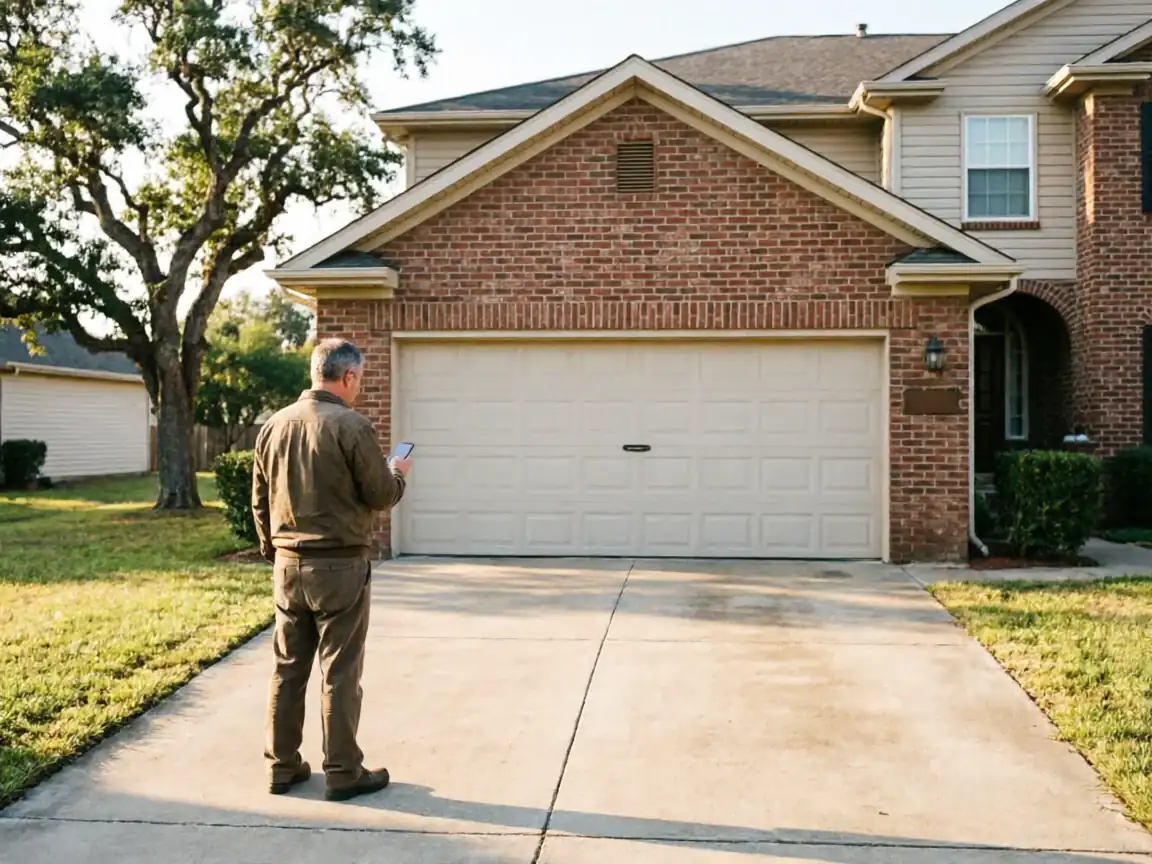
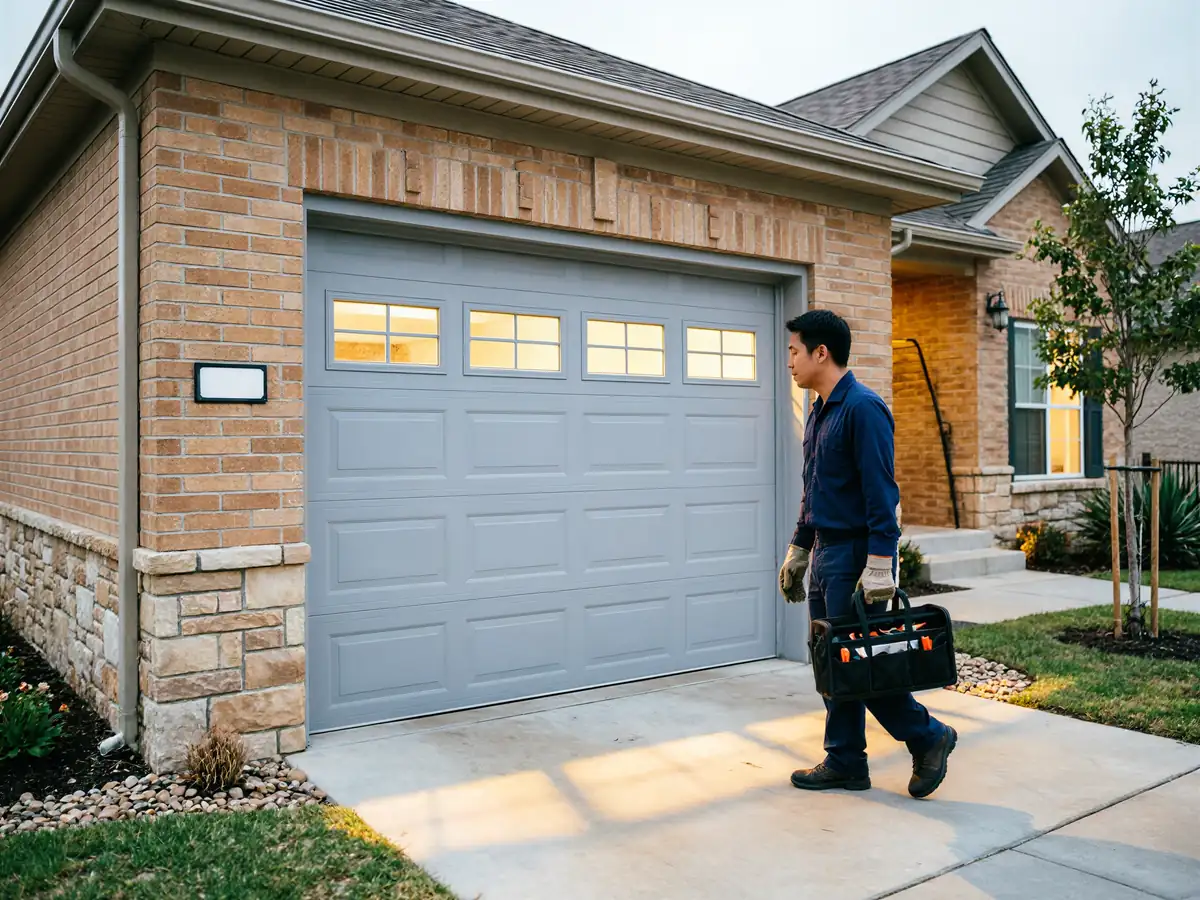
We don't keep a crew stationed in Swartz. The truck comes out of Monroe, about 7 miles away, so when you call we're not quoting you a half-day window just to cross town. Tell us what the door is doing - won't open, slams the last foot of travel, one spring snapped and the other is clearly next - and we'll get a time on the books.
We work the whole service area out of that one shop, which keeps overhead down and lets us price the job on the work itself, not on a branch office we'd have to pay for. If you're comparing us against someone who claims a local Swartz address, ask where the trucks actually start the day.
For the full rundown of what we handle across the territory, see our Monroe garage door service page. For what's specific to your street here, there's also the Swartz page.
Doing It Yourself
Some of this is fine to do yourself
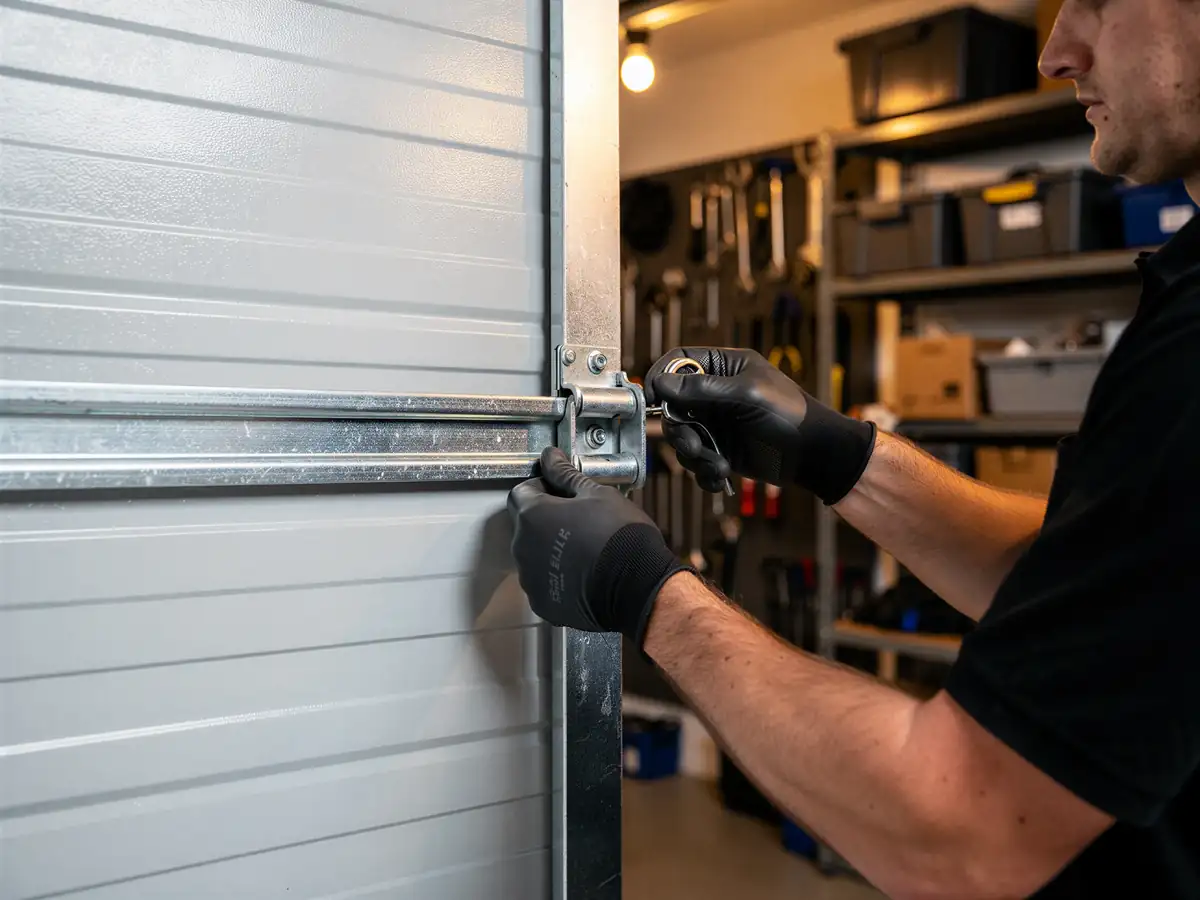
Tightening loose hinge bolts, lubricating hinges and rollers, clearing the track of leaves and grit, checking that the photo-eye sensors aren't knocked out of alignment - all reasonable weekend jobs, and all things that put off a service call.
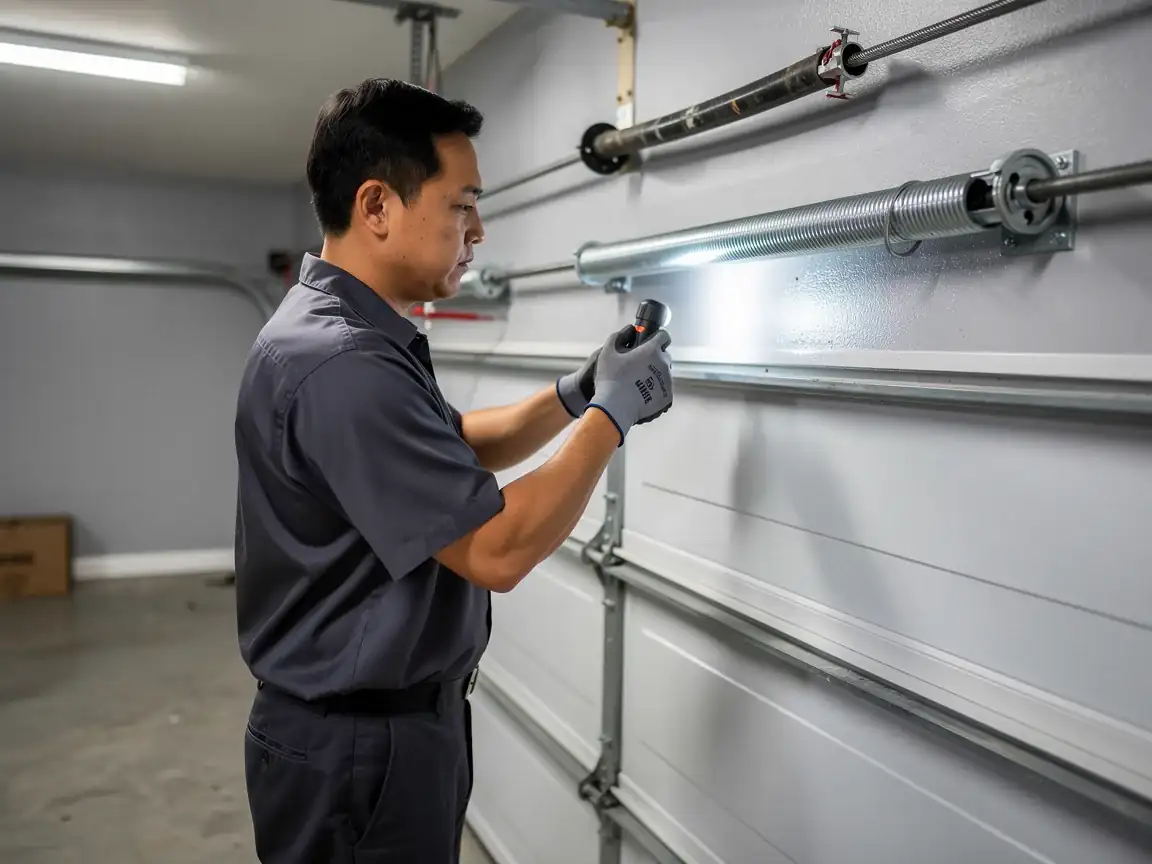
What we won't talk you through over the phone is a torsion spring
A wound spring under that much tension can break a hand or worse if the winding bars slip, and we'd rather lose the job than have that on us. Same goes for cable replacement on a door that's still under spring load. If a cable's frayed or a spring's already snapped, leave the door down, don't force the opener, and call it in.
One honest limit on our end
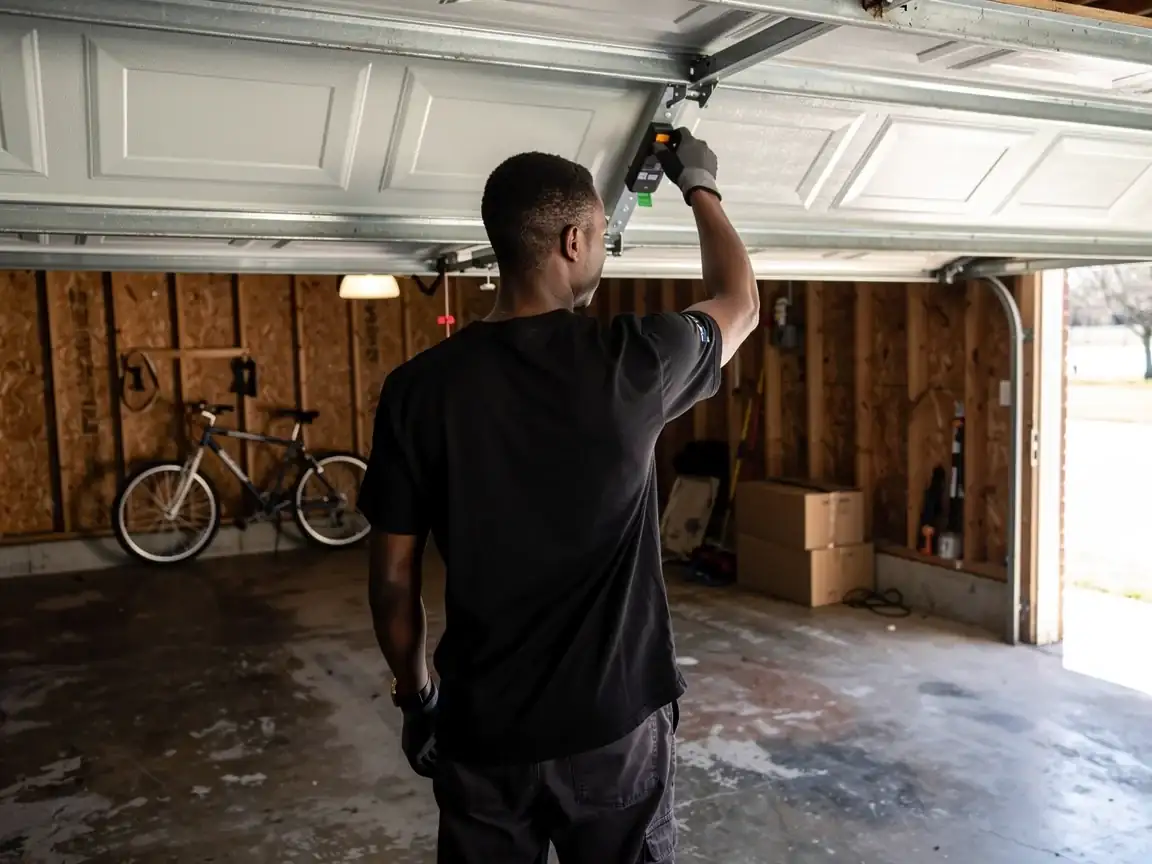
If the opener itself is the failure and it's an older chain-drive unit, parts for some models take longer to source than the job itself takes to do. We'll tell you up front if that's the case rather than let you wait on a part we can't get fast.
How It Shows Up
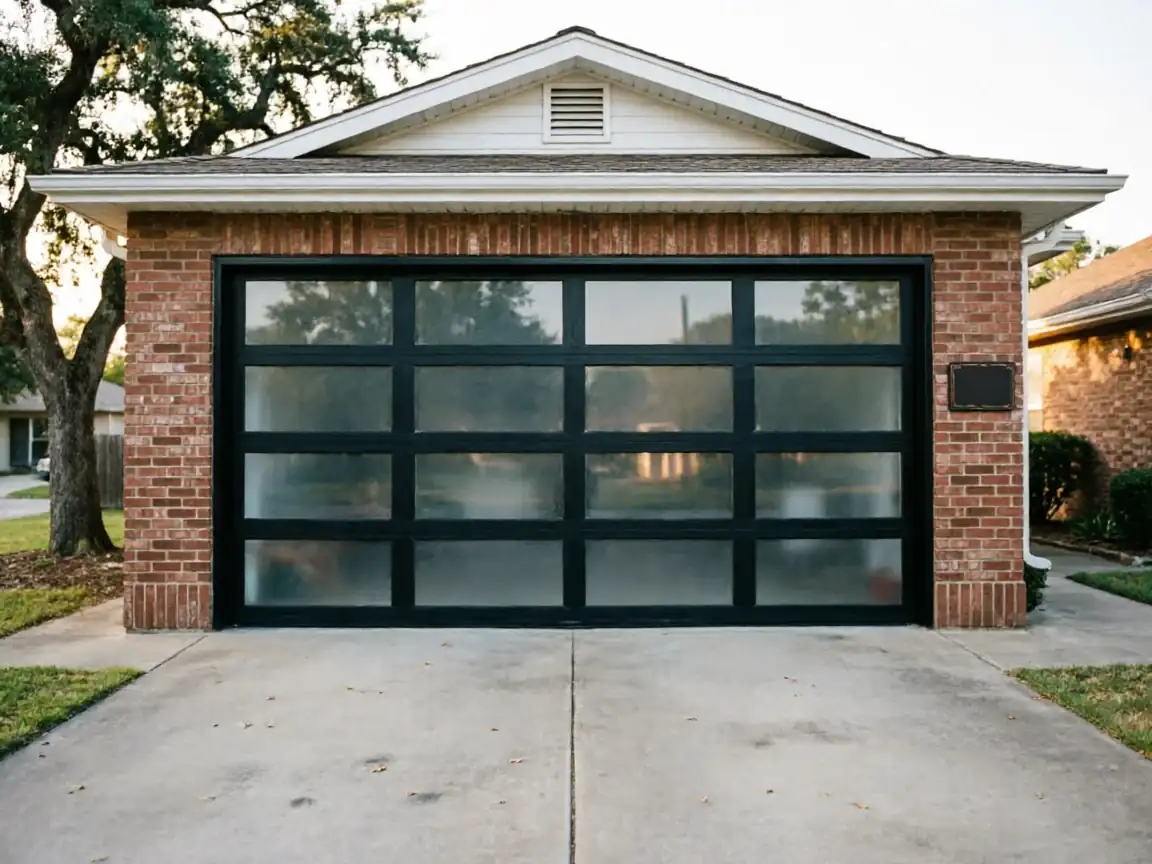
With a median household income of $69,968 in Swartz - well above the $46,663 figure for the broader Monroe service area - the repair-or-replace line sits in a different place here than it does elsewhere in the territory. A lot of homeowners at that income level choose to replace a tired steel door and worn opener together rather than keep nursing 1980s hardware along one part at a time, which changes the kind of call we get.
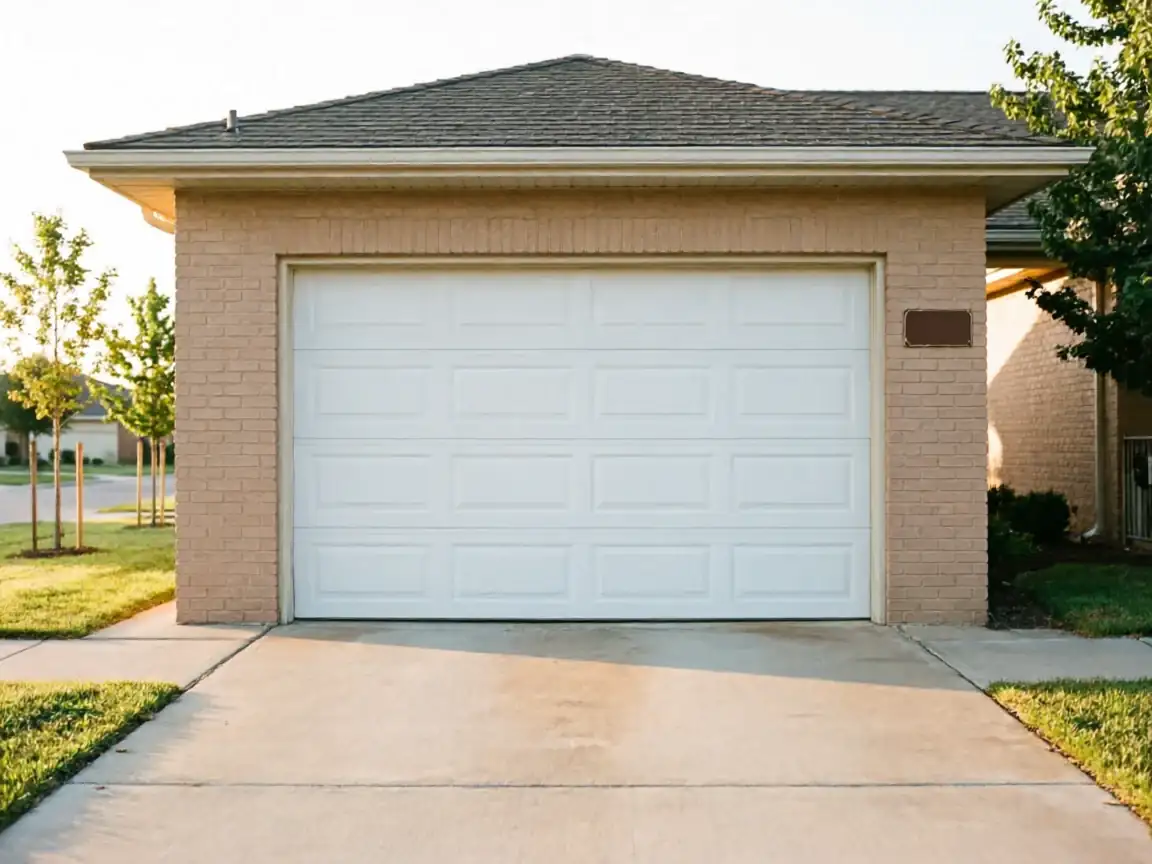
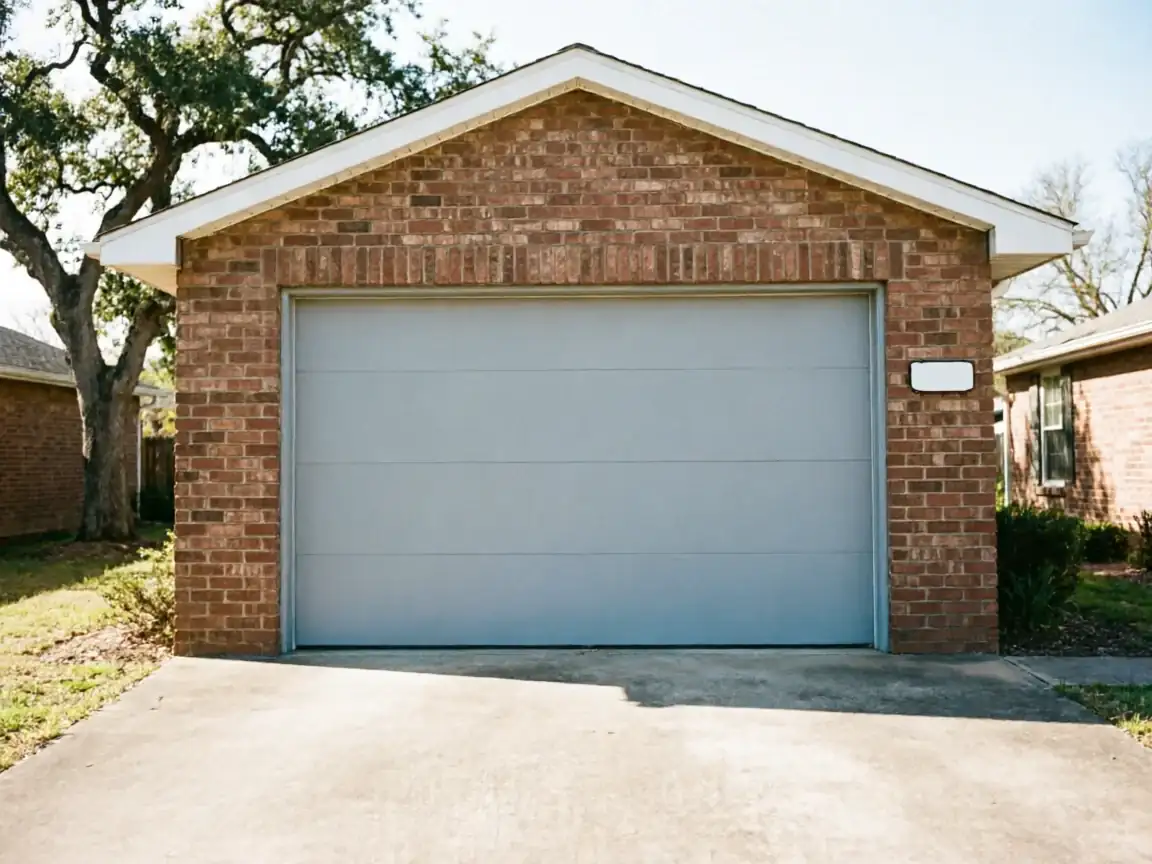
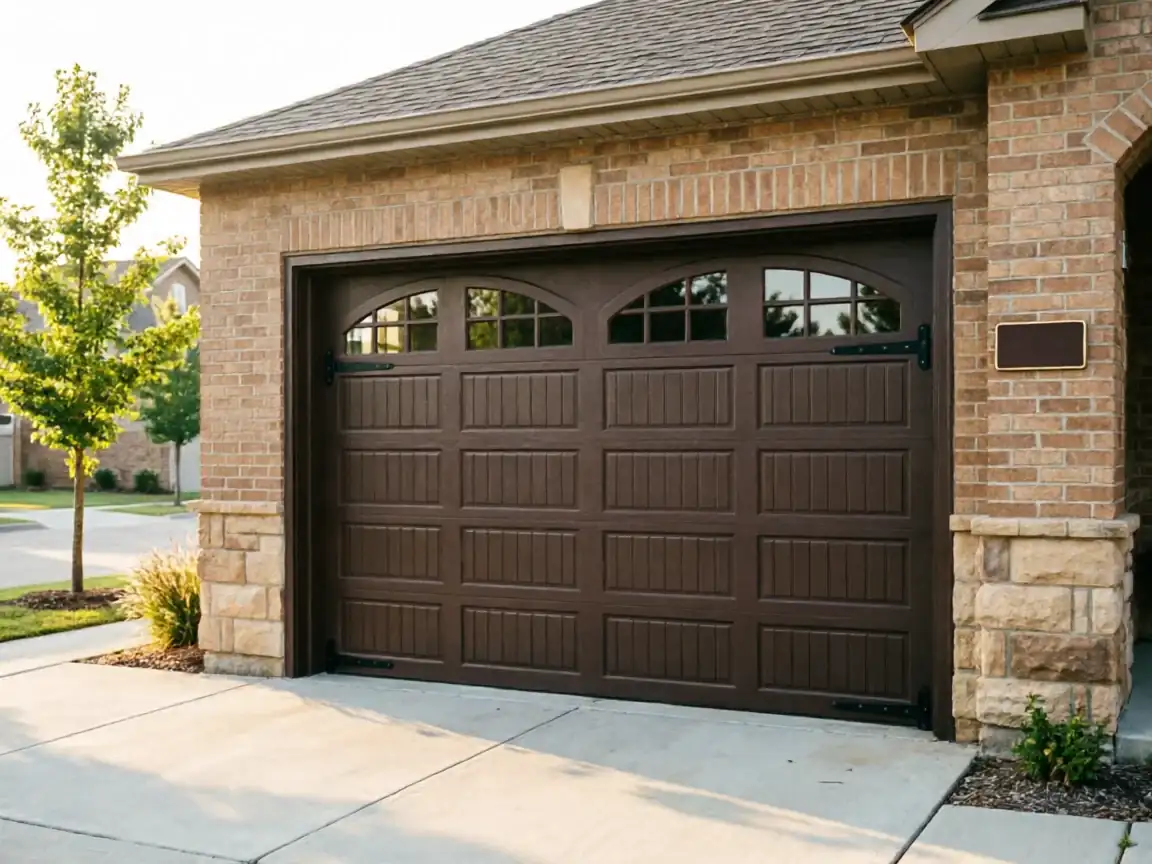
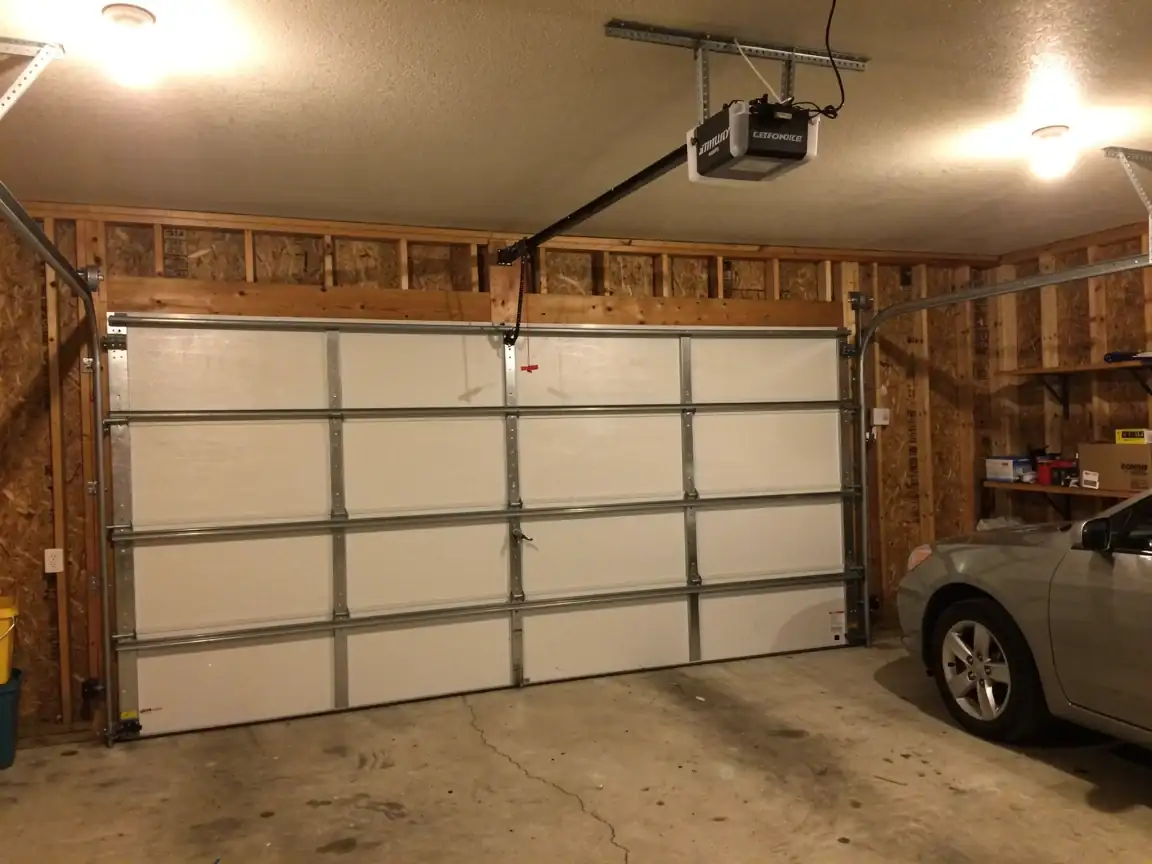
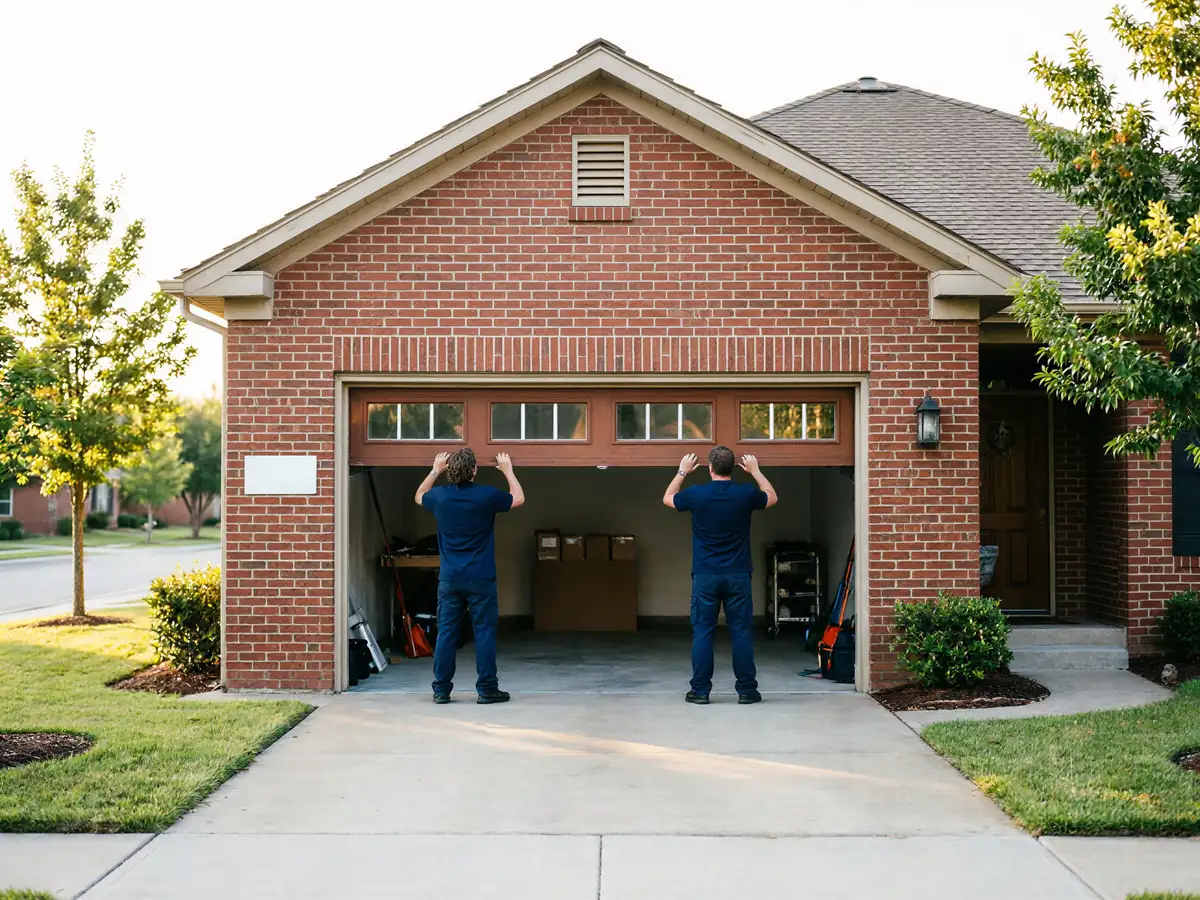
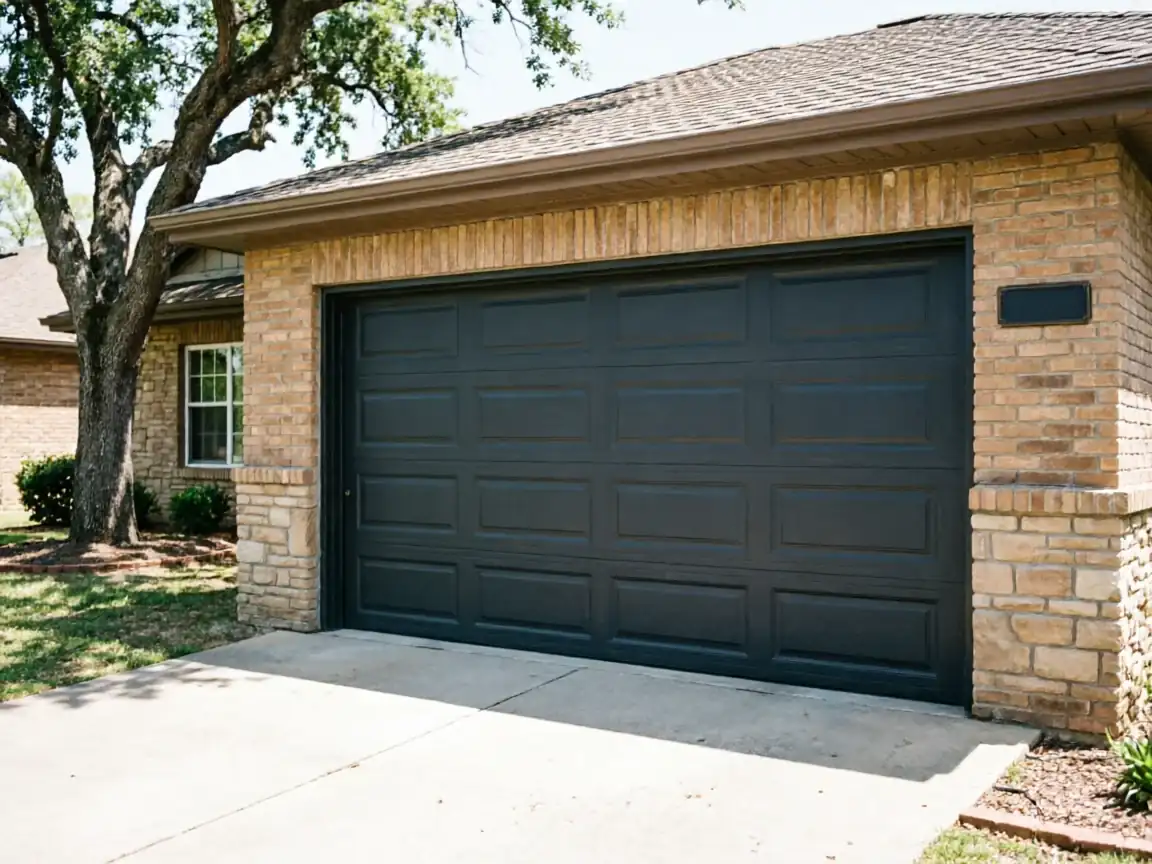
The doors themselves are mostly original or first-replacement steel sectional units, since most houses in Swartz date to the same 1975-2005 build window as the rest of the area, median year 1985. That means extension or early torsion spring setups, steel tracks that have seen forty years of thermal expansion, and rollers that were never upgraded to nylon. The failure pattern is predictable: a door that's noticeably heavier to lift by hand than it used to be, a spring that's stretched past its rated cycles, or an opener straining because the door itself is out of balance.
Why It Happens Here
Swartz's roughly 1,572 households sit in houses built mostly through the 1980s and 90s, same era as the rest of the service area. That means the original garage door hardware on a lot of these homes is now 30 to 45 years old - past the design life of most torsion springs and well past when steel rollers should've been swapped for nylon.
The climate here doesn't help or hurt in dramatic ways; it's a mild band with occasional freezes, not the kind of swing that cracks panels overnight. But forty years of that freeze-thaw cycle, however mild, still works on steel track alignment and spring tension a little every winter. Combined with the age of the housing stock, that's why a lot of the calls out here aren't emergency breakdowns - they're doors that have been getting harder to lift for a year or two before anyone makes the call.